



Gironde Travel Guide · Nouvelle-Aquitaine
Explore Bordeaux and Its Vineyards: Culture, River and Renowned Wine Regions
Exploring Bordeaux and its vineyards brings together, in a single trip, a World Heritage city, the Garonne quays and several distinctly different wine-growing landscapes. Discover Bordeaux on foot in the historic center, then explore farther afield with stops in Saint-Émilion, the Médoc, Graves, Sauternes or Entre-deux-Mers. From Paris, the destination is especially well suited to a long weekend or a multiday itinerary in southwestern France.
Explore Bordeaux
Bordeaux’s Must-See Sights
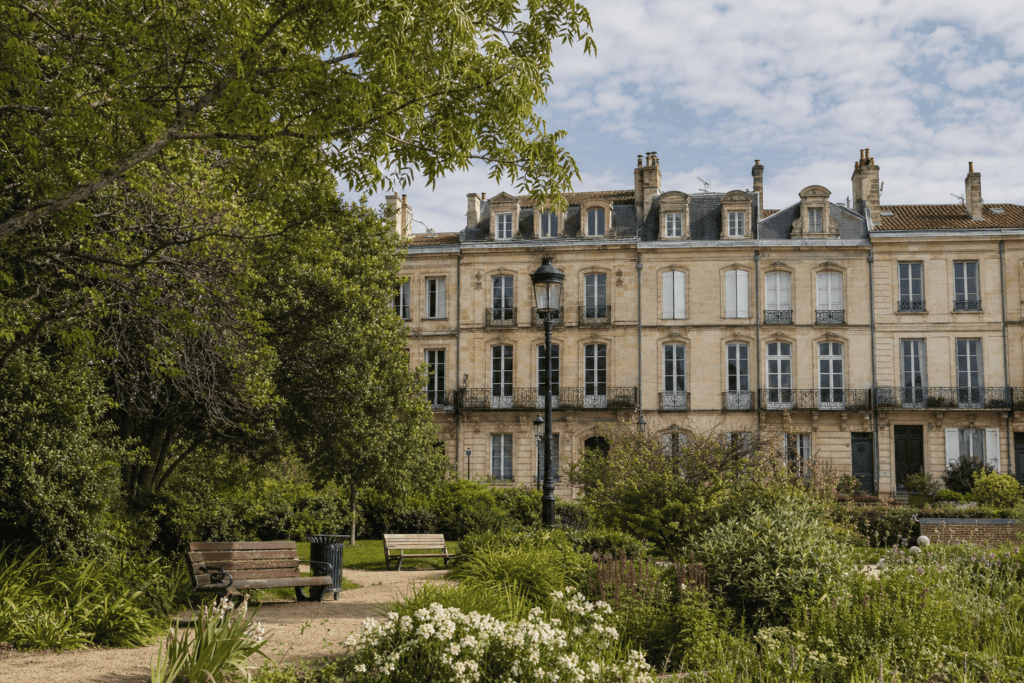 Parks & gardens
Jardin Public and the Chartrons district
A Bordeaux stroll through the paths of the Public Garden, the streets of the Chartrons and the quays of the…
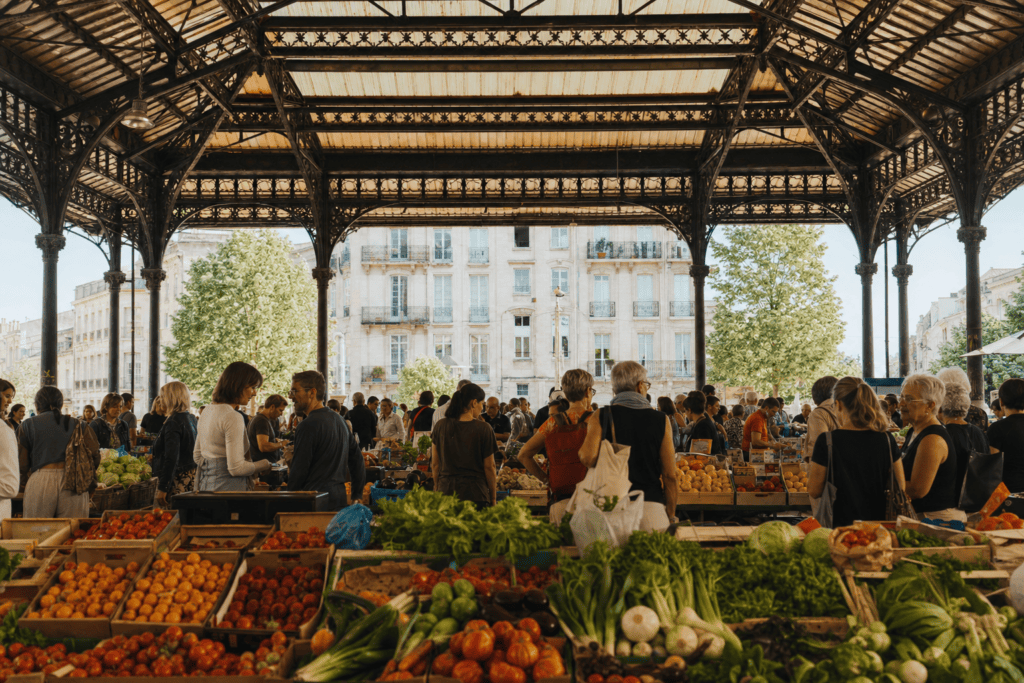 Markets
Marché des Capucins
In the Saint-Michel district, the Capucins Market brings together fresh produce stalls, seafood, regional specialties…
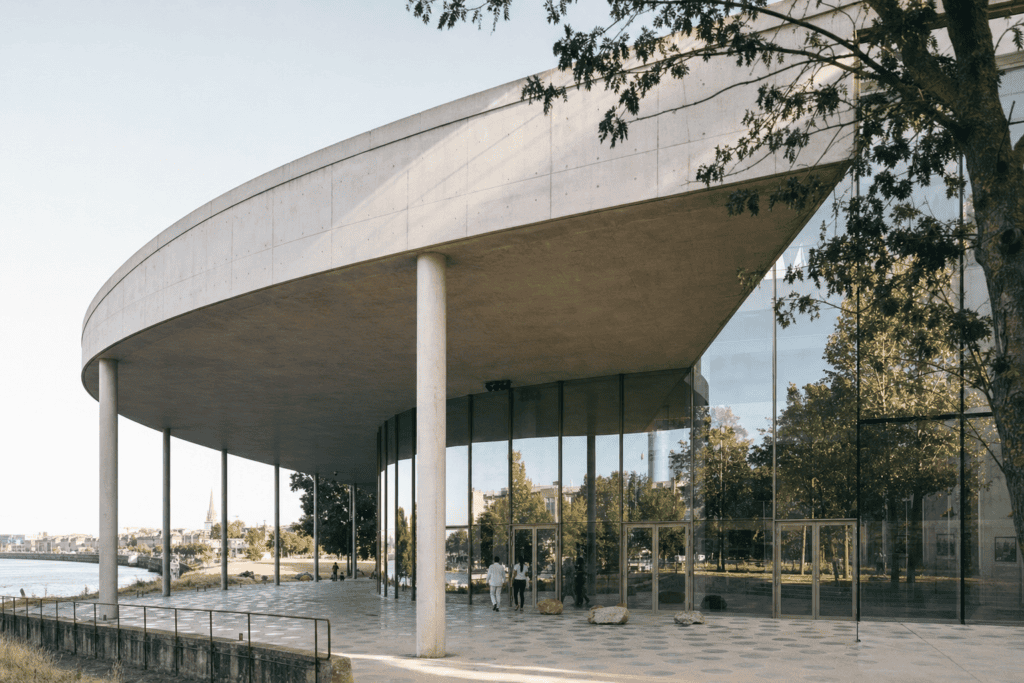 Museums
CAPC Bordeaux Museum of Contemporary Art
Housed in the Entrepôt Lainé, CAPC combines contemporary art, striking architecture, and an opportunity to explore the Chartrons district.
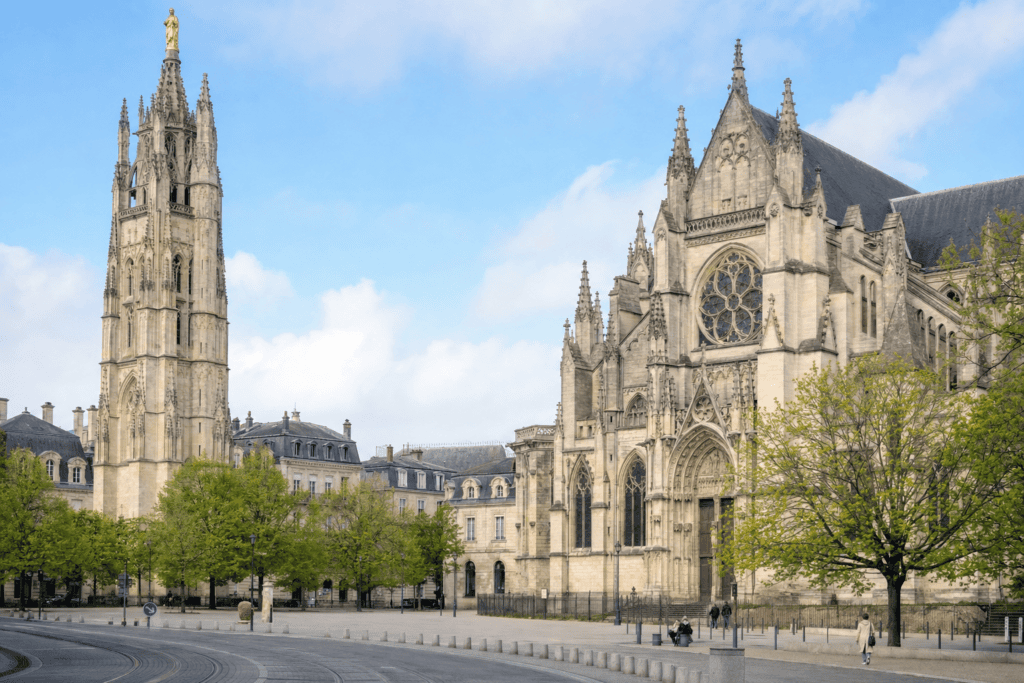 Monuments
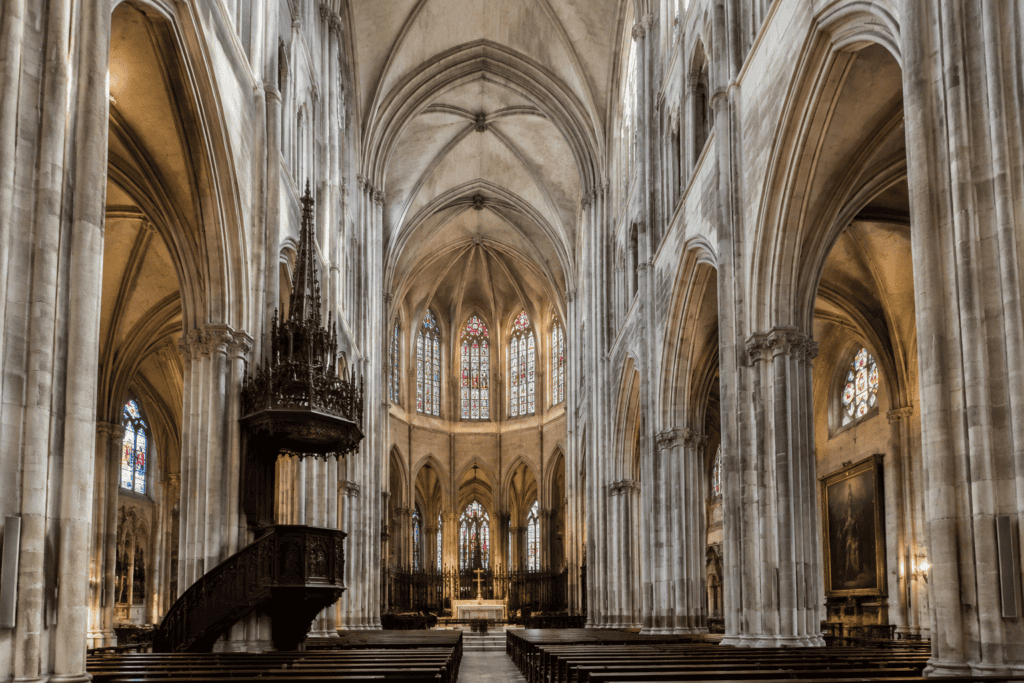
Pey-Berland Tower and Saint-André Cathedral
A must-see monumental complex in Bordeaux: a Gothic cathedral, a freestanding 15th-century bell tower, the neighboring Rohan Palace and…
 Must-see
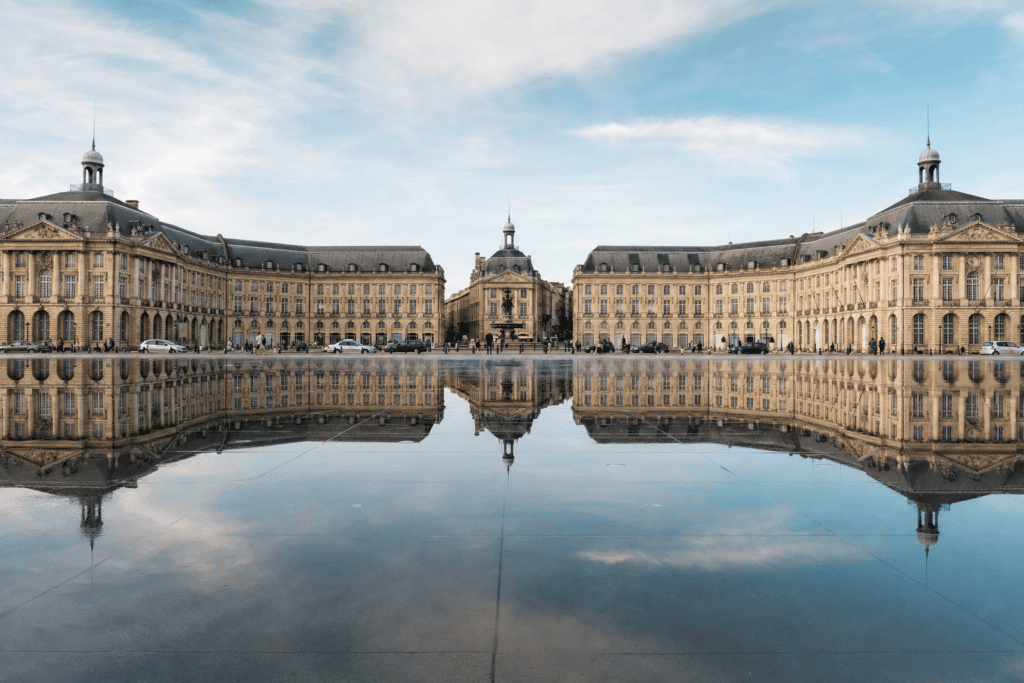
Water Mirror and Place de la Bourse
18th-century architecture, reflections on the quays and views of the Garonne: the Water Mirror and…
 Must-see
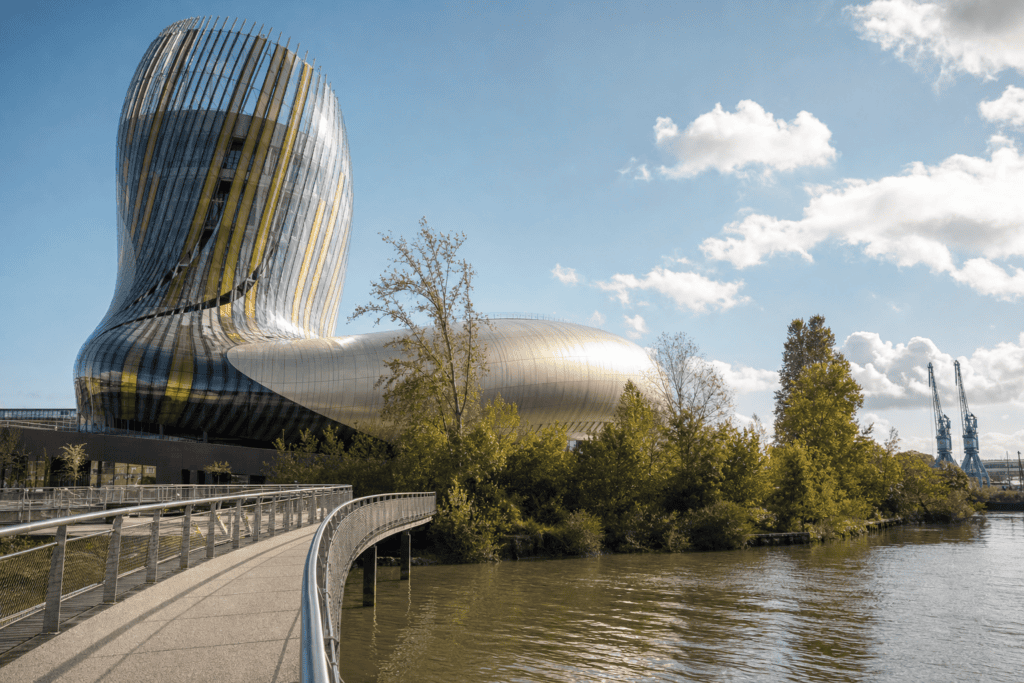
Cité du Vin
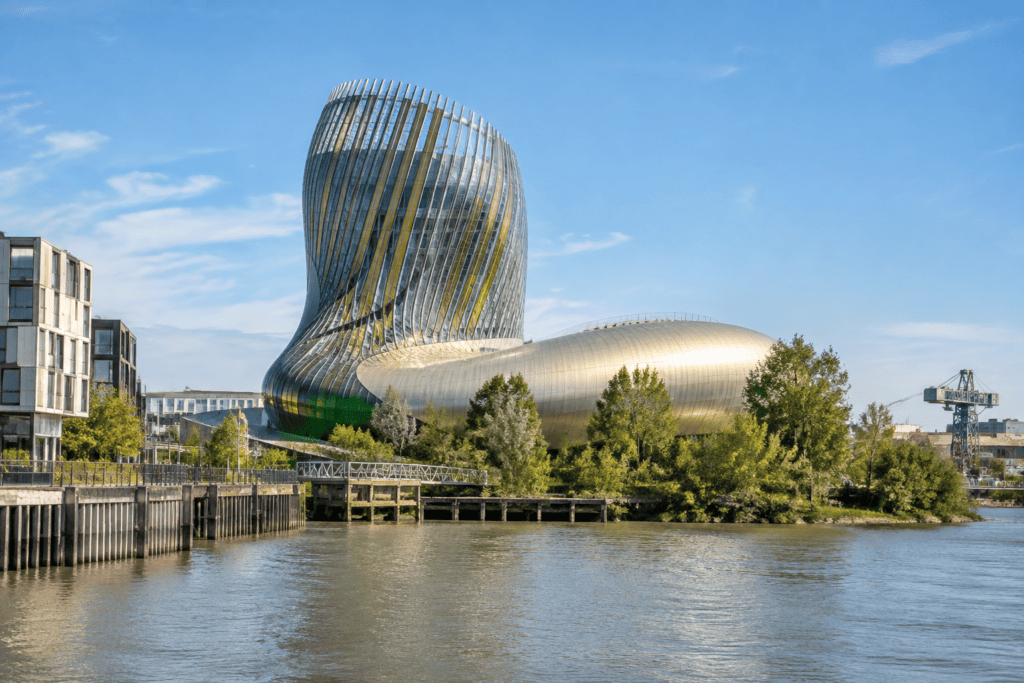
An interactive cultural journey through the world’s wine-growing civilizations, housed in an iconic building in Bacalan, with a…
 Must-see
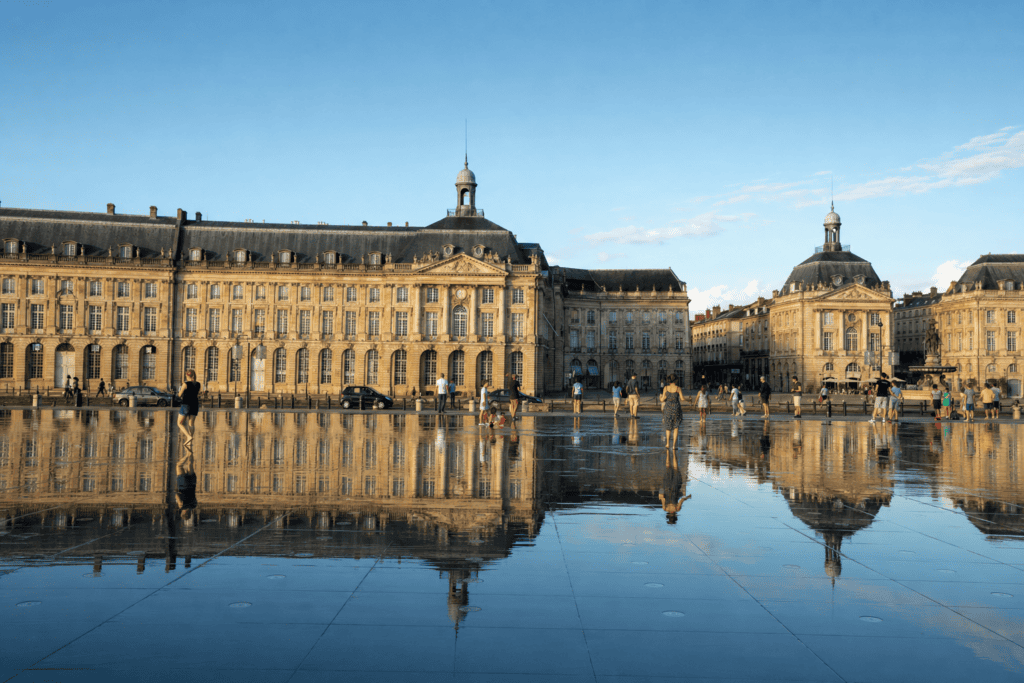
Bordeaux’s Water Mirror and quays
Facing Place de la Bourse, the Water Mirror creates a spectacle of reflections and mist…
 Must-see
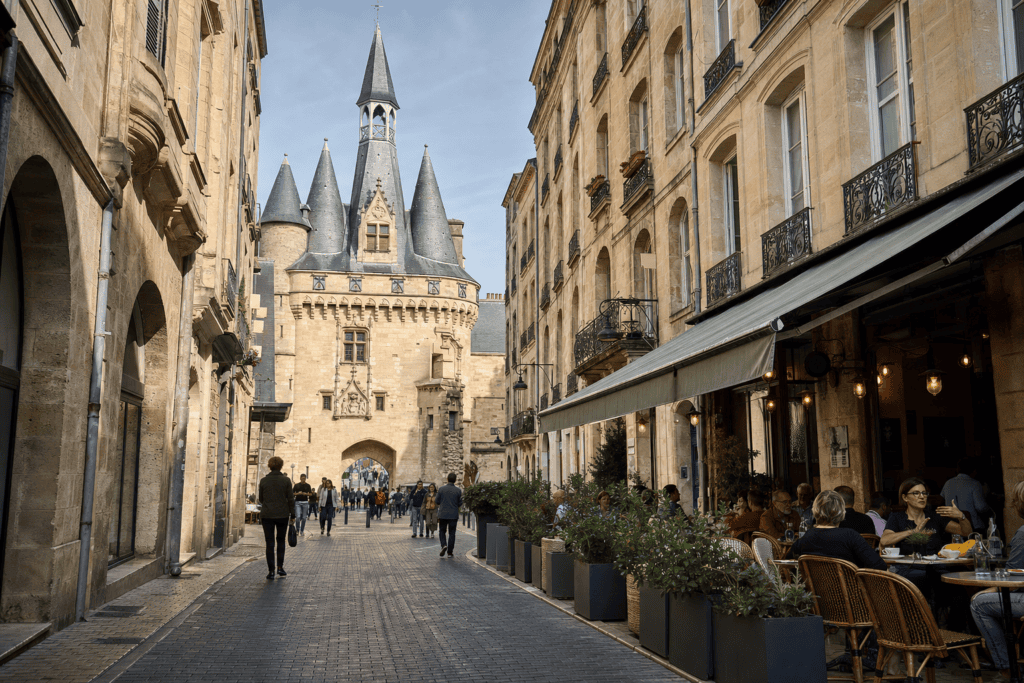
Historic Bordeaux and the Saint-Pierre district
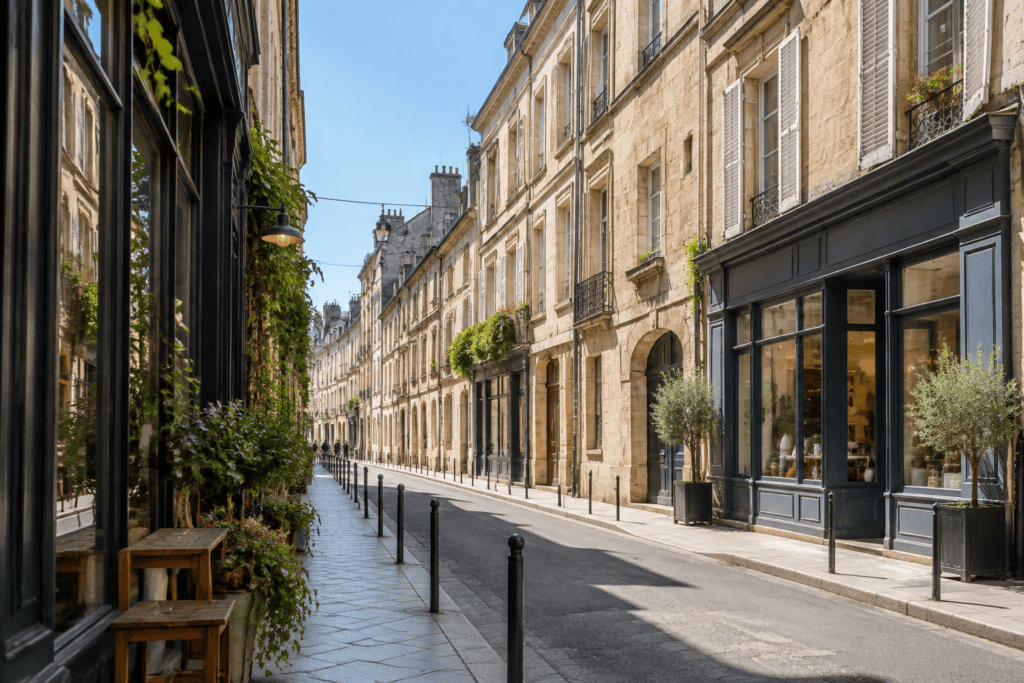
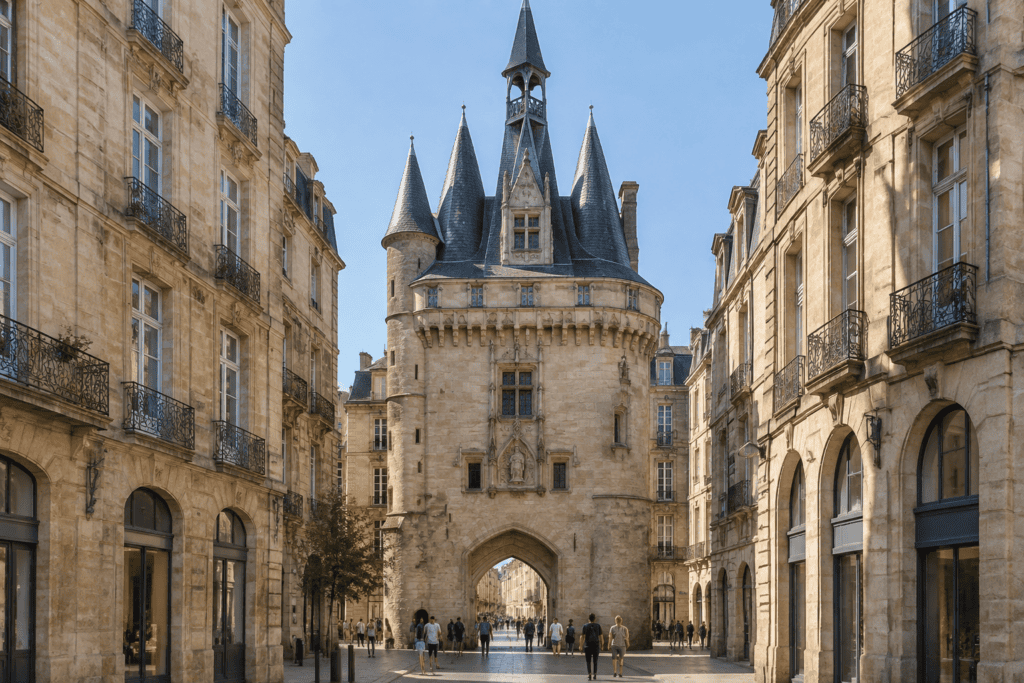
Classical façades, historic lanes, terraces and the Garonne quays: the Saint-Pierre district is an ideal base…
Other destinations to discover
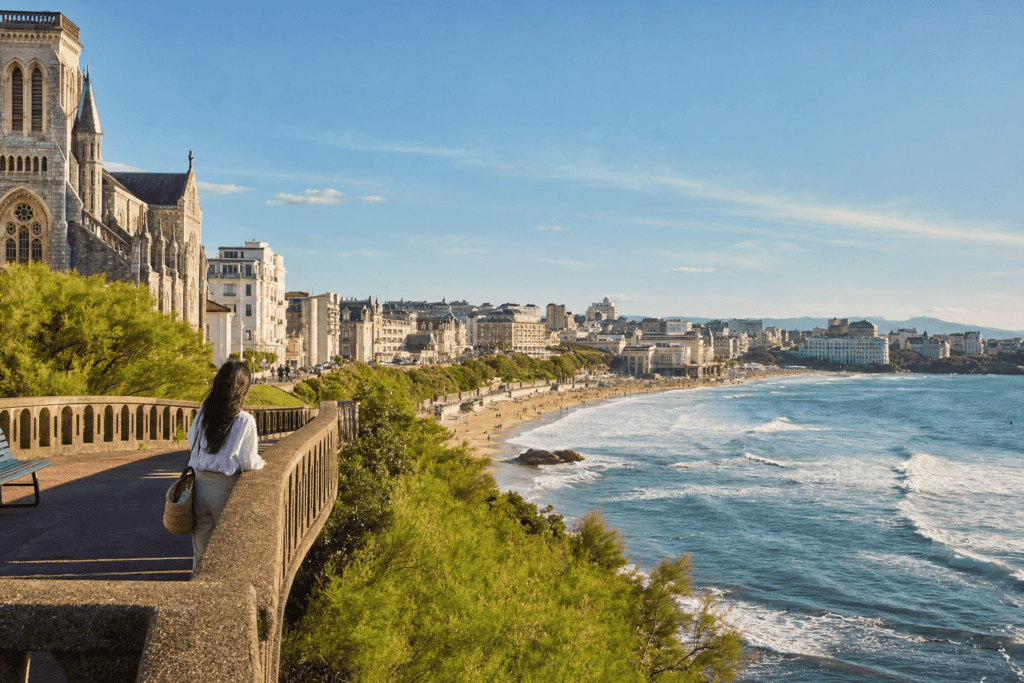
Biarritz
Between surfing, elegant villas, cliffs, and Basque specialties, Biarritz offers a lively, refreshing coastal escape.
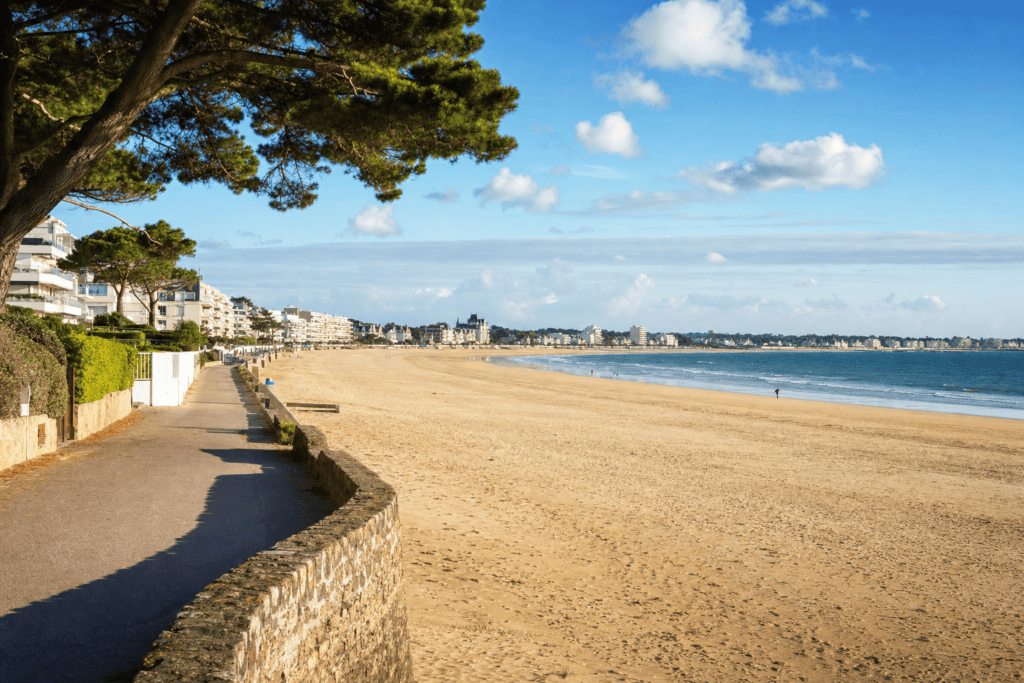
La Baule-Escoublac
An iconic Atlantic seaside resort featuring a beach, villas, pine forest, and discoveries around Guérande.
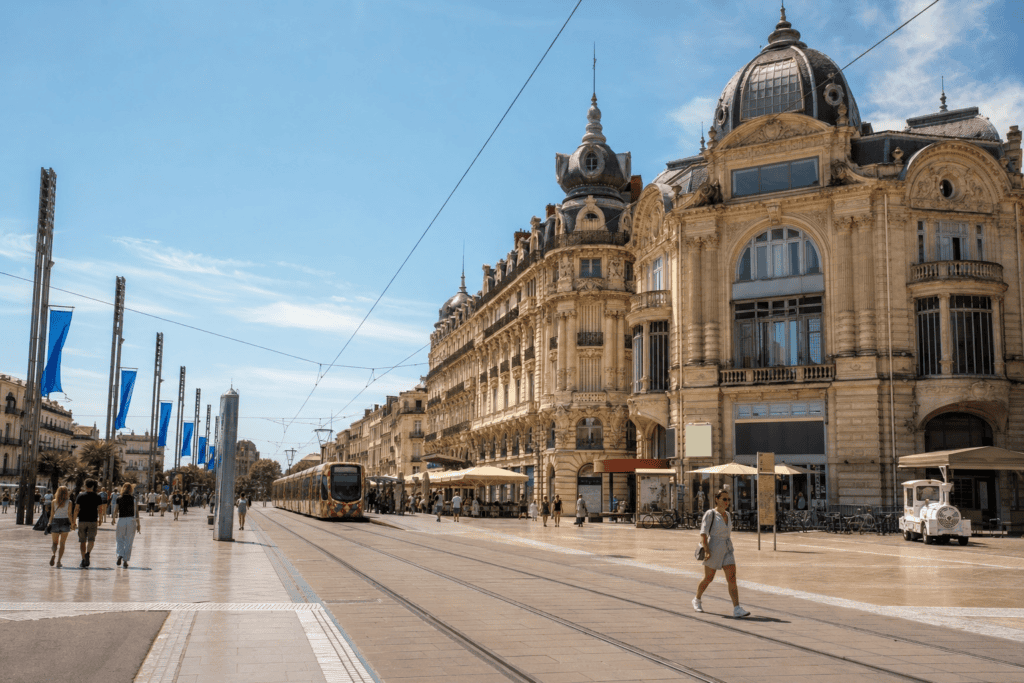
Montpellier
A lively, elegant southern city, ideal for exploring a pedestrianized historic center, museums, and…
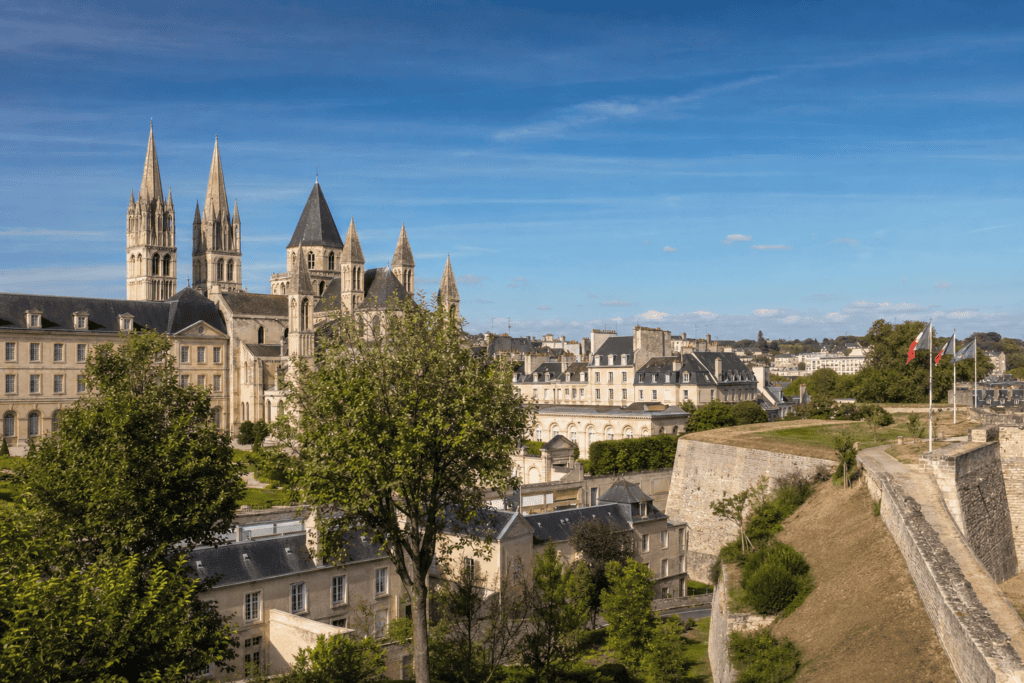
Caen
Une ville normande où se rencontrent Guillaume le Conquérant, les grandes abbayes, le château ducal et la…
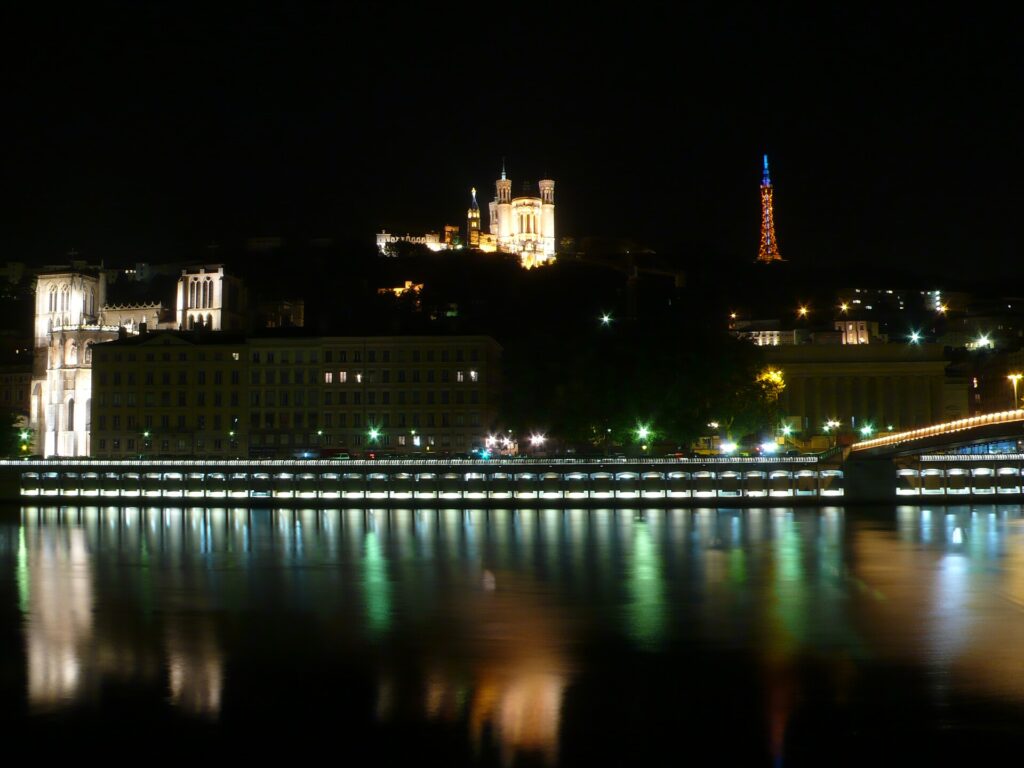
Lyon
Explore Lyon on foot among Roman remains, traboules, Renaissance neighborhoods, the history of the silk workers, museums, and local specialties.
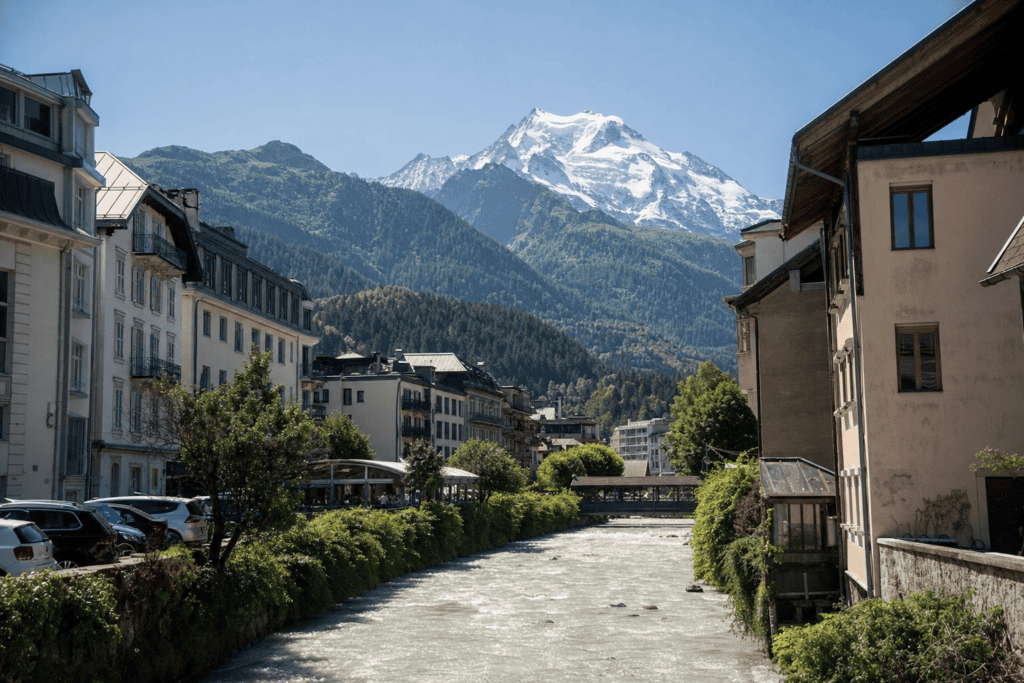
Chamonix-Mont-Blanc
A legendary valley in the French Alps, featuring glaciers, high-altitude panoramas, hikes, villages, and mountaineering heritage.
DESTINATION GUIDE
Bordeaux Travel Guide
Why Visit Bordeaux?
Bordeaux brings several experiences together within an area that is relatively easy to explore: a historic center shaped by classical architecture, the Garonne quays, museums, creative neighborhoods and direct access to some of France’s most famous vineyards. A first visit can focus on the city; an extra day allows you to discover a wine region beyond the metropolitan area.
The historic center lies within the area known as the Port de la Lune, which is listed as a UNESCO World Heritage Site. This designation concerns an urban and riverside landscape, not an isolated monument. The honey-colored stone façades, formal squares, quays and former port buildings tell the story of Bordeaux’s development as a major commercial port.
The Historic Center and the Quays
Start at Place de la Bourse and the Water Mirror, facing the Garonne. The installation usually alternates between a thin layer of water and a mist effect, but its operation may vary depending on the season, maintenance or technical conditions. Check its status before your visit if you want to see it in operation.
From the square, the quays are ideal for a walk toward the Chartrons. This former wine-trading district is now home to shops, galleries, cafés and residential streets. Continuing toward the center, you can easily reach the Saint-Pierre district, Cailhau Gate, the Grosse Cloche, Saint-André Cathedral and Pey-Berland Tower.
A loop taking in Place de la Bourse, Saint-Pierre and Pey-Berland takes about half a day, not including interior visits. The distances are manageable on foot, but cobblestones and sometimes busy streets make comfortable shoes advisable. For a more extensive visit, add the Chartrons and part of the quays, making a full day with breaks.
Museums, Bassins à Flot and Contemporary Architecture
Cité du Vin, in the Bassins à Flot district, offers an exploration of the history and cultures of wine around the world. It is a useful complement to an excursion to wine estates, as its approach is not limited to Bordeaux appellations. Exhibitions, hours and access conditions change, so check the official website before planning your visit.
The Bassins à Flot area also offers a chance to observe the transformation of former port districts. To extend your route, you can head to the Jacques-Chaban-Delmas Bridge, the submarine base or Darwin on the right bank. Some sites have separate opening arrangements; check them individually rather than planning an improvised visit.
Understanding Bordeaux’s Vineyards
Bordeaux’s wine region is made up of different areas and appellations, not one uniform landscape. The Médoc stretches northwest of Bordeaux, between the Gironde estuary and the Atlantic Ocean. Its Route des Châteaux passes through areas including Margaux, Saint-Julien, Pauillac and Saint-Estèphe. Estates are spread out, so a car, organized tour or chauffeur booked in advance is generally more practical than public transportation for visiting several properties.
To the south, Graves and the Sauternes area produce red, dry white and sweet wines amid landscapes that differ from those of the Médoc. Entre-deux-Mers, between the Garonne and Dordogne rivers, has a more rural feel, with routes dotted with villages, bastides and vineyards.
To the east, Saint-Émilion combines a medieval town, underground monuments and a vineyard landscape listed as World Heritage for its cultural value. The fame of its estates should not obscure the diversity of properties: book directly with the châteaux or the tourist office, and check the languages offered, visit length and tasting arrangements.
A Day in Saint-Émilion
Saint-Émilion is one of the easiest excursions to add to a stay in Bordeaux. By train, the journey from Bordeaux-Saint-Jean to Saint-Émilion station generally takes less than an hour, depending on the service selected. The station is several miles from the village, so plan for a walk, taxi or local connection, and check return schedules before setting out.
By car, the trip from Bordeaux often takes about 45 minutes to an hour, depending on your departure point and traffic. This estimate does not include finding parking or traveling between estates. In the village, allow at least half a day for the lanes, ramparts, viewpoints and a guided tour of the underground monuments. Visits to the monolithic church and underground areas may require a time slot or a reservation through the tourist office.
For a full day, combine the town with a visit to an estate booked in advance. A tasting often means spending several hours in the area: designate a driver or choose chauffeur transportation. Monument tickets, estate visits and tastings must be arranged separately with the relevant establishments.
Which Itinerary Fits the Length of Your Stay?
- Two days: devote one day to the historic center, quays and Chartrons, then choose Saint-Émilion or another wine-growing area for the second.
- Three to four days: add Cité du Vin, Bassins à Flot and a full day in the vineyards. Avoid trying to visit the Médoc and Saint-Émilion on the same day: their routes do not combine comfortably.
- Five days or more: divide your excursions between Saint-Émilion, the Médoc, Graves or Sauternes, while allowing time for Bordeaux. The Arcachon Bay or Blaye can round out the itinerary, but be sure to check driving times and access conditions.
Getting Around Bordeaux and the Surrounding Area
Central Bordeaux is easy to explore on foot, by bike and using the public transportation network. From Bordeaux-Saint-Jean station, the historic center is accessible by public transit; the exact travel time depends on the neighborhood and connection selected. For trips around the city, check the TBM network and the latest information before you leave.
The train is useful for reaching certain towns, particularly Saint-Émilion, but it does not directly serve most châteaux. The Médoc, Sauternes and many estates in Entre-deux-Mers require more advance planning. Before any excursion, check the estate’s exact address, reception hours, whether reservations are required and the last available way back.
From Paris, high-speed trains generally connect Paris-Montparnasse with Bordeaux-Saint-Jean in just over two hours, depending on the service and schedule. Schedules and fares change, so check SNCF Connect for your chosen travel date. Bordeaux-Mérignac Airport is west of the city; access depends on the terminal, traffic and mode of transportation.
Gastronomy and the Art of Living
Canelés are one of Bordeaux’s signature specialties, but the city’s culinary offerings go well beyond this pastry. Atlantic fish, oysters from Arcachon Bay, Pauillac lamb, Bazas beef and products from southwestern France can enrich your stay. Markets and restaurants also offer a chance to compare Bordeaux’s styles, from structured reds to dry and sweet white wines.
If you are planning several tastings, keep your schedule moderate: the distances between estates, appointment times and visit lengths rarely make it realistic to visit numerous properties in a single day.
Planning Your Stay
Prioritize booking guided tours and tastings, especially during weekends, school vacations and harvest season. For Bordeaux’s monuments and Cité du Vin, check access conditions on the official websites. For vineyards, ask the estate directly whether visits are open to individual visitors, whether reservations are required and whether children are welcome.
Booking Paris Transfer may only be considered for a private trip departing from Paris, the Île-de-France region, Charles de Gaulle Airport or Orly Airport, for a return to Paris, or as part of a mult-city itinerary beginning in Île-de-France. This option covers transportation between stops; it does not include admissions, château tours or tastings.
Useful sources
Private Transfer Between Paris and Bordeaux
A private transfer can be incorporated into an itinerary between Paris or the Île-de-France region and Bordeaux, with the option of returning to Paris or following a mult-city route beginning in the Paris region. Booking Paris Transfer is based in Paris and is not a local taxi service in Bordeaux. Tours, monument tickets, winery visits and tastings must be booked directly with the relevant establishments.