



Lac Blanc Chamonix-Mont-Blanc: Hiking Guide
Chamonix-Mont-Blanc
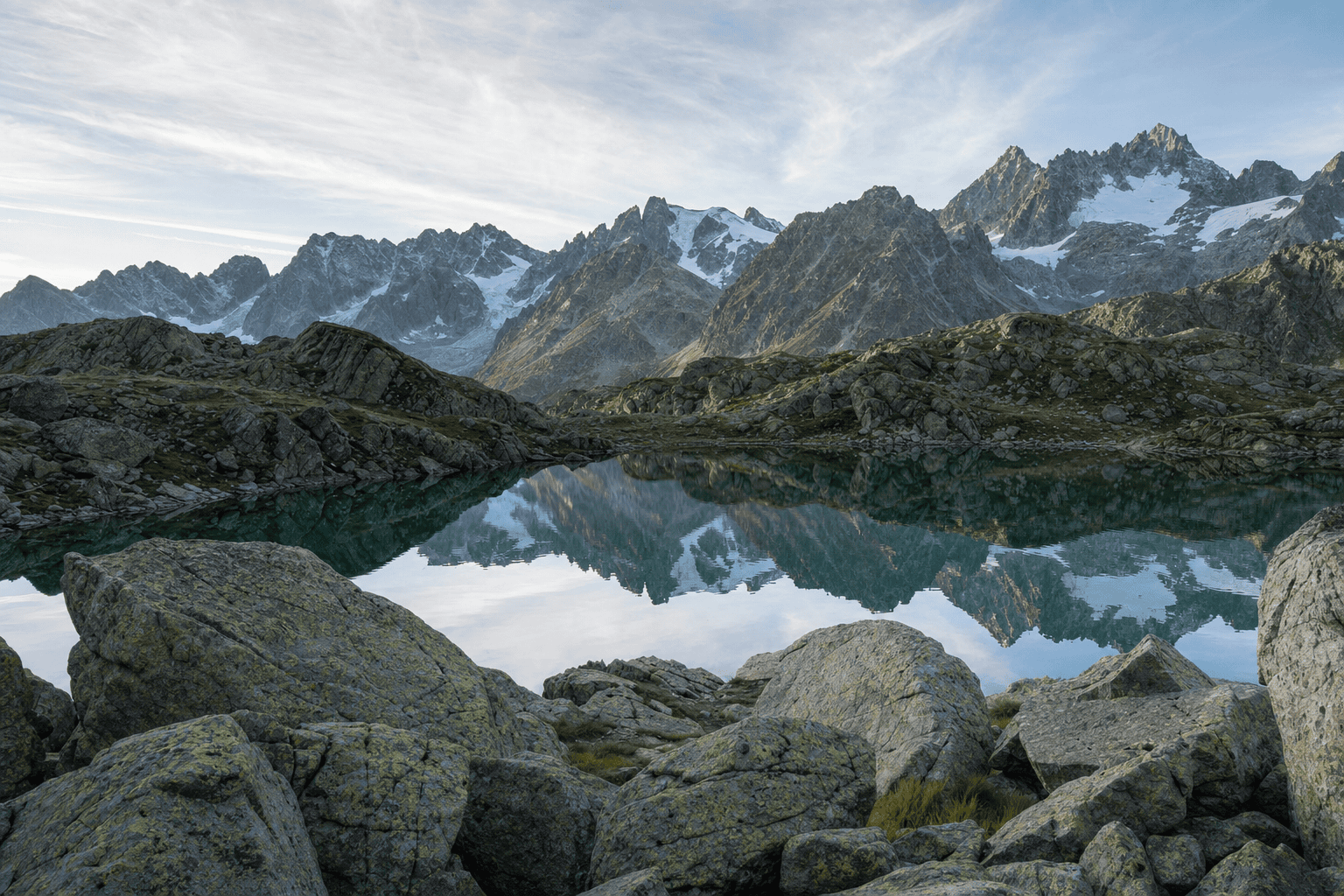
Lac Blanc in Chamonix-Mont-Blanc is one of the valley’s great viewpoints. From the Aiguilles Rouges, the lake offers remarkable views of the Mont-Blanc massif, its glaciers, and its peaks. However, this high-altitude hike requires careful preparation: elevation gain, rocky terrain, lingering snow, changing weather, and heavy crowds can all affect the difficulty. Here are the main routes, key precautions, and good practices for discovering the site while respecting the nature reserve.
Practical information
Set out early and bring water, shoes with good-grip soles, sun protection, a warm layer, and a waterproof jacket. Allow enough time to descend before the lifts potentially close.
Getting to Chamonix from Paris for a Hike to Lac Blanc
Booking Paris Transfer can arrange a private transfer from Paris, the Île-de-France region, CDG or ORY to Chamonix-Mont-Blanc, followed by the return trip to Paris according to your itinerary. Transportation will drop you off in the valley; the hike, lifts, and any required permits must be arranged separately.
Transportation between Paris or the Île-de-France region, CDG or ORY and Chamonix-Mont-Blanc. No admission ticket, lift pass, or hiking guide is included.
1. Why Visit Lac Blanc
Lac Blanc combines several iconic high-mountain landscapes: a high-altitude lake, the rocky terrain of the Aiguilles Rouges, and the Mont-Blanc massif opposite. On clear days, the glaciers and peaks create a particularly spectacular panorama.
The site is often described in terms of the lower and upper lakes. Below them, the Chéserys Lakes offer additional viewpoints and beautiful reflections when the light is favorable. The hike is therefore as much about the trail and its viewpoints as it is about the lake itself.
The route lies within the Aiguilles Rouges National Nature Reserve. This protected area includes fragile alpine habitats, distinctive flora, and wildlife adapted to high altitudes. Observe animals from a distance, do not feed them, and stay on authorized trails.
2. Main Routes
Access from La Flégère is generally the most direct option for a first visit. After reaching the upper station area, the trail climbs through the Aiguilles Rouges before arriving at the high-altitude lakes. Times provided by local operators are only estimates: breaks, crowds, terrain, and fitness can all affect the duration.
Starting from Col des Montets or Tré-le-Champ makes for longer routes. Some sections are steep, rocky, or equipped with fixed aids and require extra caution, particularly in wet weather or when patches of snow remain.
Part of the journey can be combined with the La Flégère lifts when they are operating. Be sure to check schedules, opening periods, and any interruptions with Compagnie du Mont-Blanc or the tourist office before planning your itinerary.
3. Difficulty and Preparation
Lac Blanc is not a flat walk. Even from La Flégère, the route includes elevation gain, rocks, roots, and steep sections. Hikers who are not used to the mountains should maintain a steady pace, plan breaks, and leave enough time for the return.
Snow can change the difficulty within a matter of hours. Patches of snow may remain in spring or early summer, especially on shaded slopes. Check updated hiking conditions with La Chamoniarde and the tourist office; if the terrain is slippery or poorly snow-covered, postpone the outing or choose a lower route.
Bring hiking shoes with good traction, poles if you normally use them, a warm layer, a waterproof jacket, sunglasses, sunscreen, and a first-aid kit. Carry enough water to be self-sufficient, and do not assume that any facilities along the way are guaranteed resupply points.
4. When to Go and How to Manage Crowds
Access depends more on the trail’s actual condition than on a fixed date. At high altitude, snow may persist even when conditions in the valley are already summery. Check the mountain forecast, trail reports, and lift status before every departure.
Lac Blanc is very busy in good weather, especially on weekends and during vacation periods. An early start often means a quieter hike, cooler temperatures, and better light for photography.
If you use a lift, check the time of the last descent and have a backup plan. Clouds, wind, and thunderstorms can also develop quickly: turning back or giving up is part of good hiking management.
5. Reserve Rules and Site Protection
The nature reserve protects an especially sensitive environment. Stay on marked trails, take all your trash with you, do not pick plants, do not light fires, and avoid disturbing wildlife. Rules concerning dogs, bivouacking, and certain activities may depend on the specific area and current regulations: check the signs and official sources before setting out.
Swimming, boating, and the use of products in the lakes may be subject to specific bans or restrictions. Do not swim, wash dishes or clothing in the water, or leave food waste behind. If in doubt, follow the rule posted at the site or ask the reserve.
Bivouacking and camping are regulated in protected areas. If you plan to spend the night in the mountains, check the permitted areas, any required reservations, and the rules in effect during your stay.
6. What to See Around Lac Blanc
The Chéserys Lakes, located along some access routes, offer a different perspective of the Aiguilles Rouges and Mont-Blanc. They are especially photogenic when the water reflects the peaks. Be sure to respect the paths and marked areas.
The visitor chalet for the Aiguilles Rouges Nature Reserve at Col des Montets can complement the visit for hikers arriving from this area. It provides insight into the valley’s natural environments and conservation challenges.
Along the way, also look for low-growing plants, lichens, animal tracks, and changing light on the rock. Paying attention to these details lets you experience the reserve as more than just a viewpoint.
7. Planning Your Trip from Paris
From Paris, Chamonix-Mont-Blanc is a long-distance journey, followed by local transportation to the trailhead. Arriving the day before gives you time to recover, check the next day’s conditions, and adapt the route to the group’s ability.
Booking Paris Transfer can arrange private transportation from Paris, the Île-de-France region, Charles de Gaulle Airport, or Orly to Chamonix-Mont-Blanc, with a return trip to Paris according to your chosen itinerary. This service covers transportation between cities; lifts, access to Lac Blanc, and hiking guides must be arranged separately.
Before setting out, check the trail conditions, the high-altitude forecast, whether La Flégère is operating, and the latest descent time. A flexible plan leaves more time to enjoy the scenery without turning the hike into a race against the clock.
Useful sources
Frequently Asked Questions
Is Lac Blanc suitable for beginners?
Can you swim in Lac Blanc?
Are dogs allowed?
What is the elevation of Lac Blanc?
Do you need to buy a ticket to access the lake?
What should you do if the trail is snow-covered?
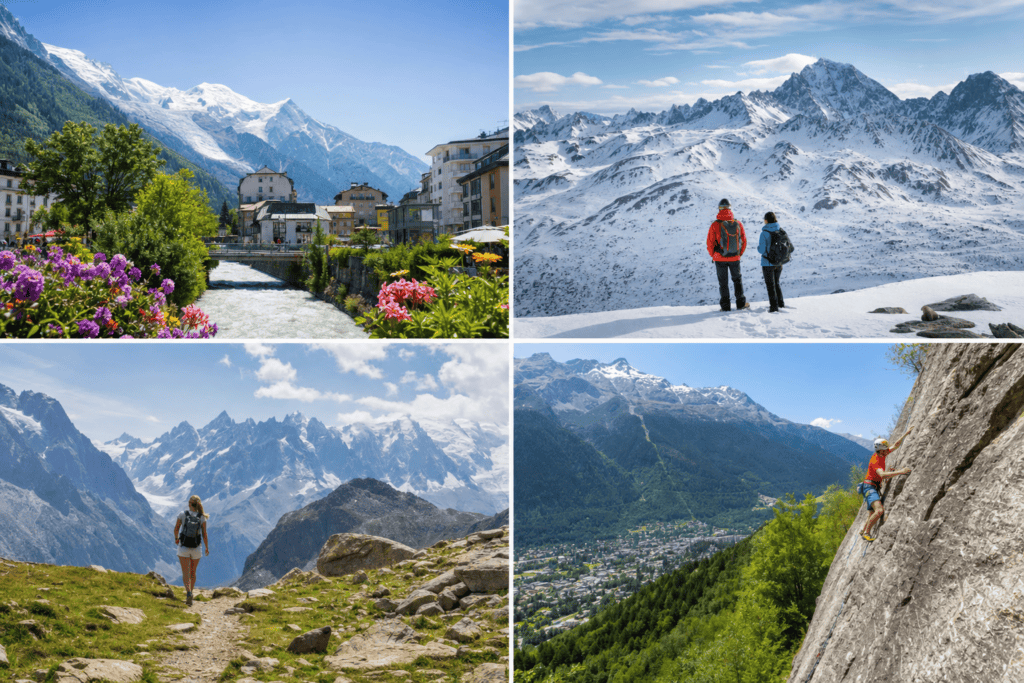 What to Do in Chamonix in Every Season A season-by-season guide to choosing between skiing, hiking, viewpoints, adventure sports, culture, relaxation, and…
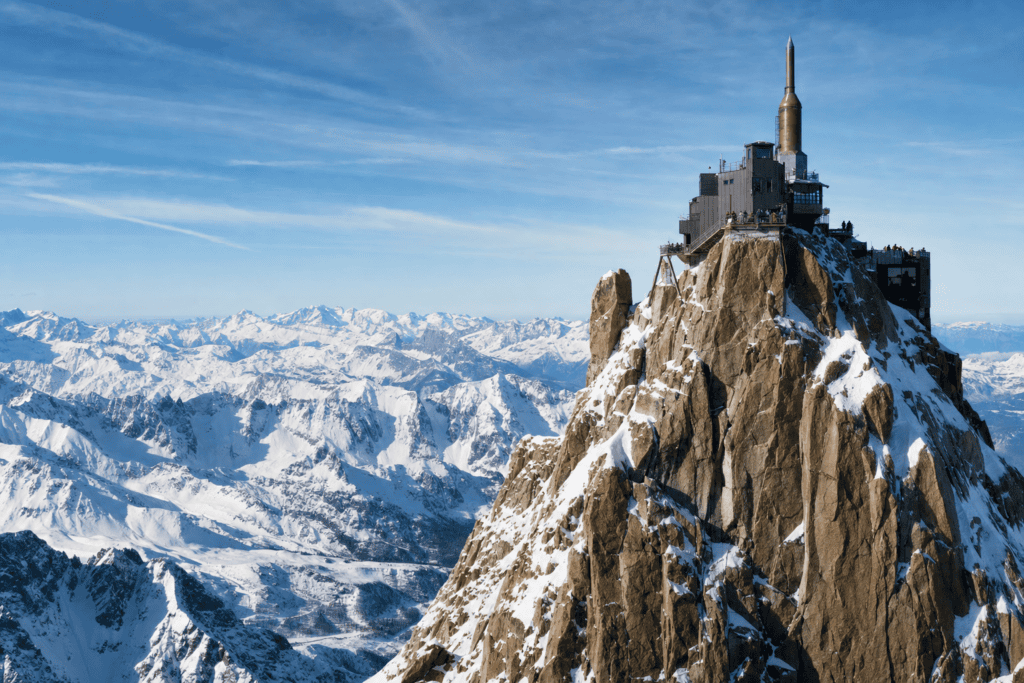 Aiguille du Midi A spectacular cable-car ascent to 3,842 meters, with 360-degree views of the…
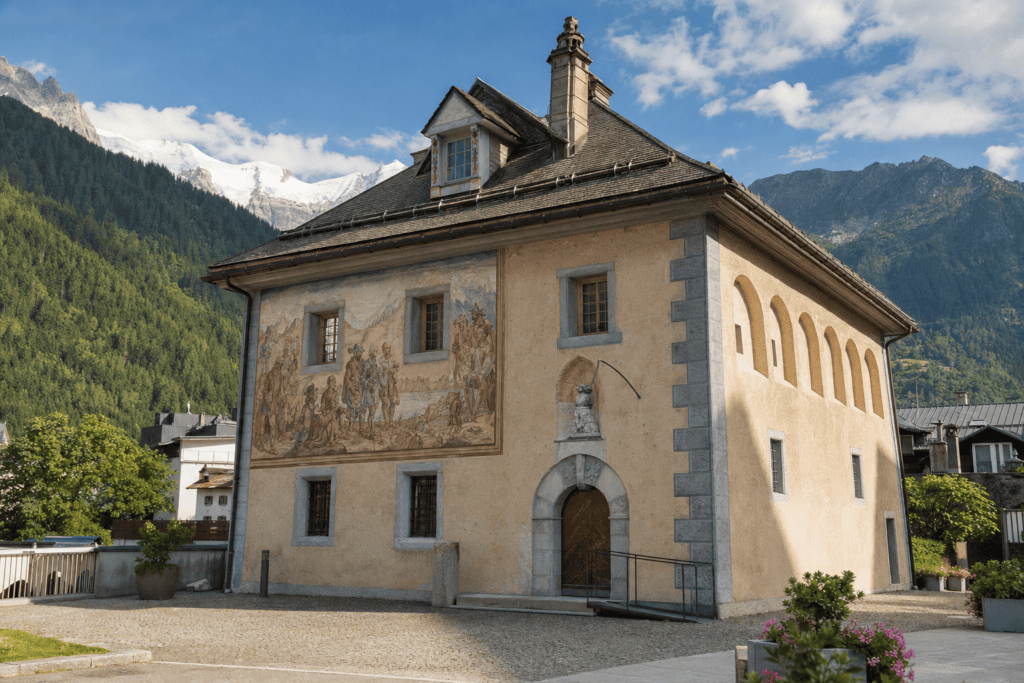 Chamonix Alpine Museum A cultural visit in the heart of Chamonix exploring the valley’s history, mountaineering, glaciers…
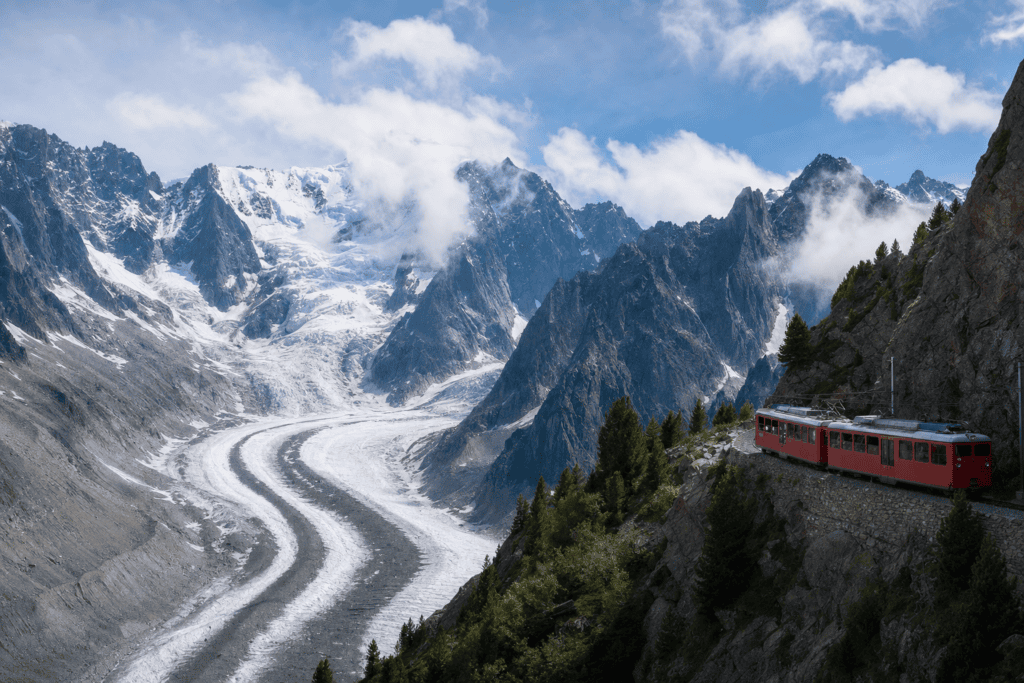 Mer de Glace and Montenvers Train A panoramic cog railway journey to 1,913 meters, facing the Mer de…
Online booking · Paris → Lac Blanc, Aiguilles Rouges Nature Reserve, 74400 Chamonix-Mont-Blanc. The site is accessible only on foot via hiking trails.
Choose your pickup date and time
Your departure and arrival details are already pre-filled. You can adjust them in the fare calculator before viewing the vehicles and fare.