



What to Do in Chamonix in Every Season
Chamonix-Mont-Blanc
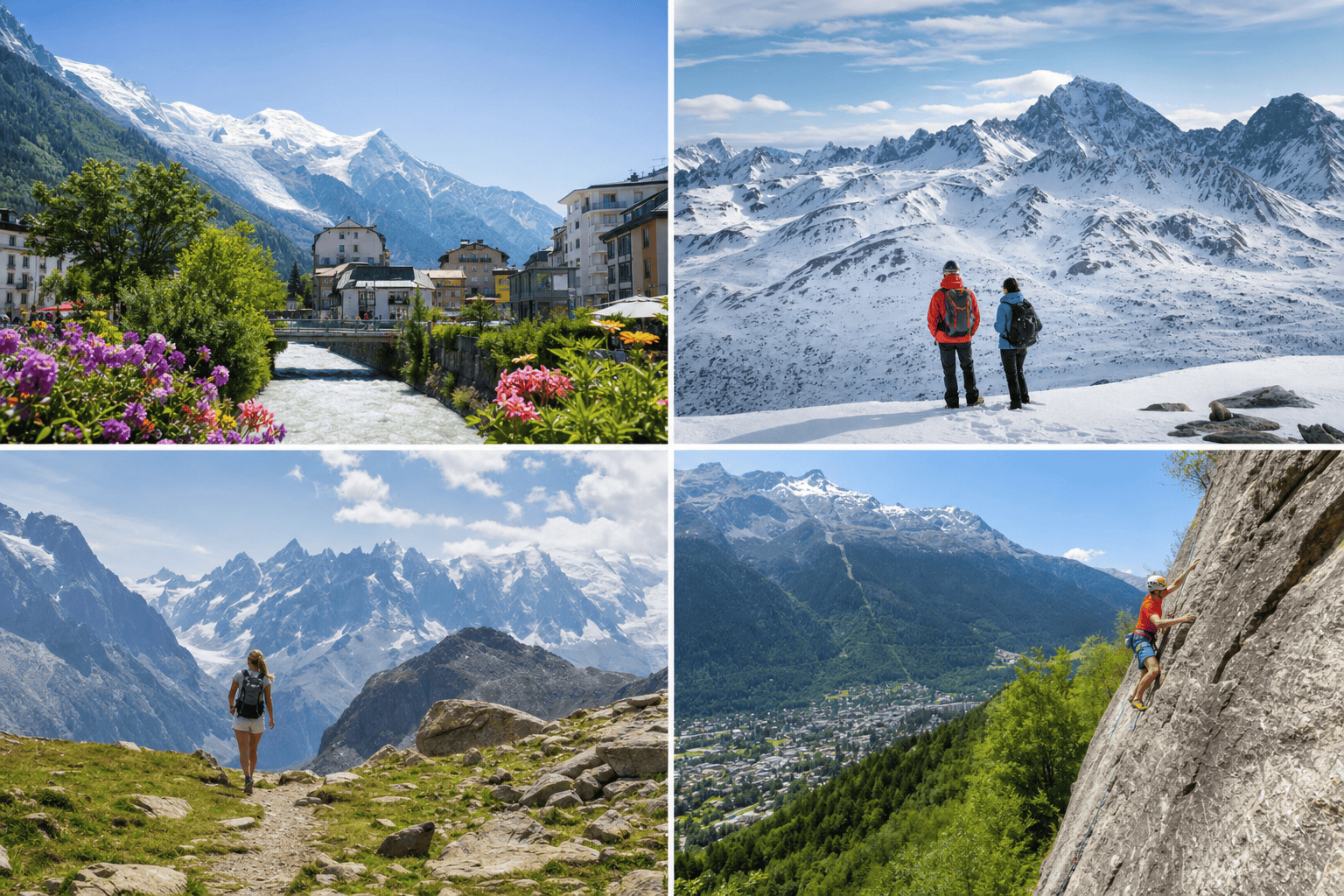
Chamonix-Mont-Blanc is about much more than skiing or an excursion to Mont Blanc. The valley takes on a different atmosphere depending on the season: snowy and full of activity in winter, blooming and spectacular in summer, brighter in spring, and often more peaceful in fall. To make the most of your stay, alternate a high-altitude activity, an exploration of the valley, a heritage experience, and a gourmet or wellness break. Here’s how to build a well-rounded itinerary without trying to do everything in a single day.
Practical information
Don’t fill every day in advance. Keep at least half a day flexible to account for the weather, fatigue and possible closures at higher elevations.
Getting to Chamonix from Paris
Booking Paris Transfer can arrange private transportation from Paris, the Île-de-France region, Charles de Gaulle or Orly to Chamonix-Mont-Blanc, with return transportation to Paris also available. Transportation is separate from lift passes, tickets and activity bookings.
Transportation service from Paris, the Île-de-France region, CDG or ORY; no local chauffeur service based in Chamonix.
1. Understanding Chamonix: A Valley to Explore in Stages
The Chamonix-Mont-Blanc Valley brings together several areas, each with its own atmosphere. Chamonix’s town center is home to shops, restaurants, museums and services, while Les Houches, Argentière, Le Tour, Vallorcine and Servoz offer different scenery and trailheads. This layout matters when planning a stay: a hike, high-altitude outing or family activity should be chosen not only according to your ability, but also based on its location and the day’s conditions.
Build each day around a theme. For example: a panoramic viewpoint in the morning, a Savoyard lunch, an easy walk in the valley and a cultural visit in the late afternoon. Another day could be set aside for skiing or hiking without adding a long journey. Public transportation and local mobility options can make getting around easier; however, check the services available during your travel dates.
To plan your itinerary, visit the Chamonix Tourist Office’s activities and sightseeing section. It lets you compare outdoor experiences, cultural visits and activities suited to different seasons.
2. What to Do in Chamonix in Winter: Skiing, Snow and Panoramic Views
In winter, Chamonix naturally attracts skiers and snowboarders, but downhill skiing is only part of the experience. The areas of Les Houches, Brévent-Flégère, Les Grands Montets and Le Tour-Vallorcine each have their own character, exposure and conditions. Before choosing where to spend the day, check openings, snow conditions and any restrictions with the relevant operators or the Tourist Office.
Beginners can choose a learning area and take time to get used to the terrain. Experienced skiers may want to explore a variety of areas, while snowboarders should choose their route according to conditions. The Vallée Blanche is a glacial descent that should not be attempted casually: it should be undertaken with a mountain professional and only when conditions are favorable.
For a less technical experience, consider snowshoeing, cross-country skiing, guided walks or dog-sledding. Ice climbing and ski touring are intended for prepared or supervised participants. In bad weather, indoor activities can still make for an enjoyable day. The Chamonix sports and outdoor activities section can help you identify the available options.
3. Spring and Summer: Hikes, Lakes and Breathtaking Viewpoints
Spring is a transitional season. In the valley, streams swell, meadows regain their color and low-altitude walks can be especially pleasant. However, snow may still remain on higher trails. Distinguish between a family walk on the valley floor and a hike to a lake or mountain pass: elevation, exposure and trail conditions can greatly change the actual level of difficulty.
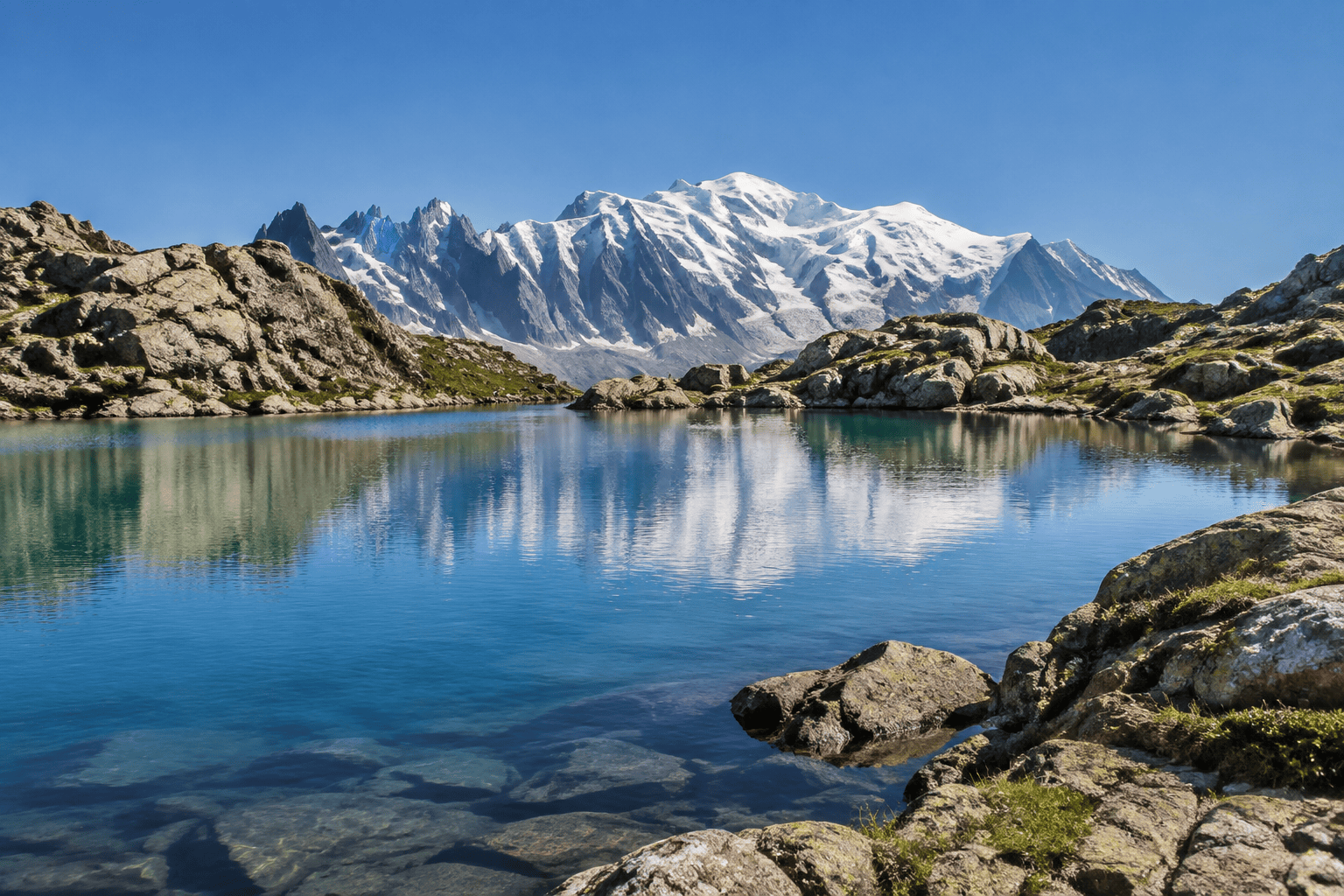
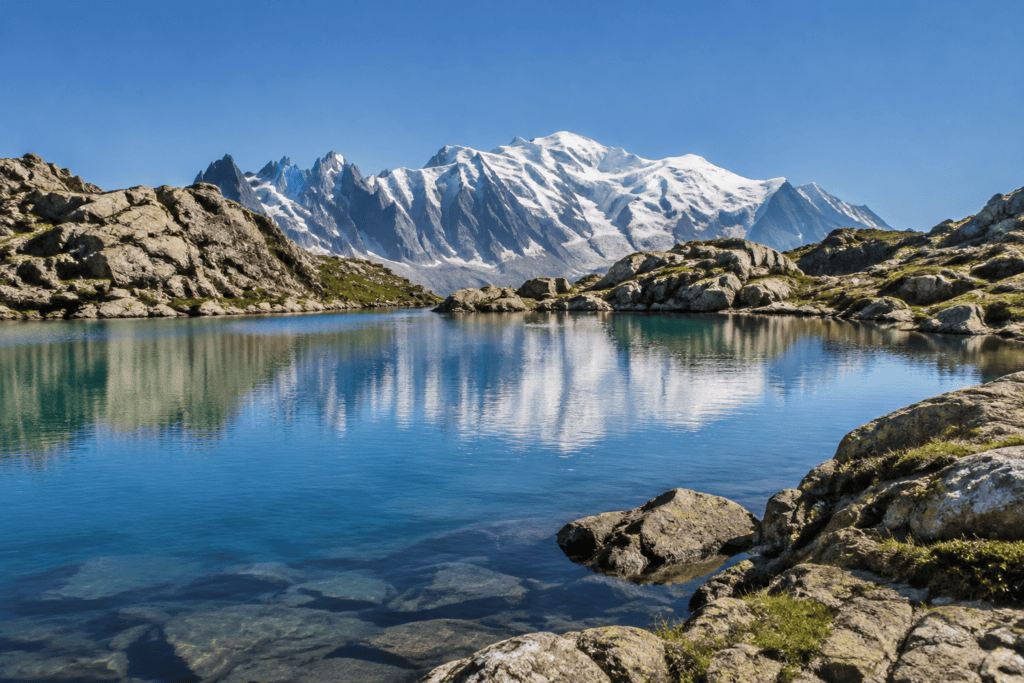
Summer is particularly well suited to hiking. Trails to the Chéserys Lakes, Lac Blanc and the valley’s balcony paths offer remarkable views of glaciers and peaks, but visitor numbers and accessibility vary. Before setting out, check the weather, trail markings, walking time and return conditions. Bring water, sun protection, a warm layer and suitable footwear.
Mountain lifts can reduce the elevation gain, but they do not replace preparation: their operation depends on the season, wind and maintenance. For a first experience, a guided outing can help you better understand the terrain. Families can choose a short trail or a walk near the hamlets, allowing time to enjoy the scenery rather than focusing solely on performance.
4. Adventure Sports: Choosing the Right Level and Guidance
Chamonix is renowned for mountaineering, climbing, trail running and paragliding. Depending on the season, you can also enjoy mountain biking, via ferrata, canyoning and certain water activities in the valley and surrounding areas. These experiences involve different requirements: a tandem paragliding flight depends on aerodynamic conditions, canyoning requires specialized equipment, and high-altitude running calls for proper acclimatization.
Choose an activity suited to your experience rather than its image. A supervised introductory session may be appropriate for trying climbing or via ferrata. For mountaineering, ski touring, ice climbing or glacial routes, guidance from a qualified professional is essential. Professionals can suggest an alternative if conditions do not allow the planned outing.
Avoid scheduling two physically demanding activities back to back. After a long hike, choose an easy walk, some recovery time or a culinary experience instead. The page dedicated to outdoor sports and activities is a starting point for identifying the disciplines available.
5. Valley Activities, Culture and Family Ideas
A stay in Chamonix should not depend entirely on good weather. When clouds obscure the peaks, the valley still offers plenty to do: museums, exhibitions, movies, ice skating, indoor climbing, swimming pools, workshops and guided tours. The Crystal Museum, in particular, offers an introduction to the geology of the mountain range. For other cultural venues, check opening days and visitor conditions directly, as they may vary throughout the year.
With children, alternate short activities with rest periods. A forest walk, orienteering course, cultural visit or leisure activity can complement a trip to higher elevations. The areas of Les Houches, Argentière and Vallorcine also offer a chance to leave the town center and discover another side of the valley. In winter, have a backup plan in case cold or wind limits outdoor activities.
Events offer another way to discover Chamonix: sporting competitions, festivals, family activities, concerts and cultural events take place throughout the year. Check the official events calendar for the latest dates and programs.
6. Wellness and Savoyard Specialties: Slow Down Between Outings
After a day outdoors, wellness naturally fits into a Chamonix itinerary. A spa, pool, massage, yoga session or simple café break lets you recharge without giving up the mountain atmosphere. This downtime is especially useful after a high-altitude activity or at the beginning of your stay, while your body adjusts to the terrain and pace of your outings.
Savoyard cuisine also deserves a real place in your itinerary. Depending on the restaurant and season, try fondue, raclette, tartiflette, diots, mountain cheeses or fruit desserts. Markets, producers and local shops offer another way to discover regional products beyond the restaurant setting.
A reservation may be helpful for especially popular restaurants. Hours, opening days and menus change with the season, so confirm the details directly with your chosen establishment. The Tourist Office’s food and drink section can help you find restaurants and experiences available throughout the valley.
7. Building a Balanced Itinerary Based on Your Stay
For two days, keep things simple. The first day could focus on a panoramic ascent or seasonal activity, followed by a walk through the town center and a Savoyard dinner. The second could combine a hike or snow outing with a cultural visit. This approach leaves time to adjust your plans and avoid rushed travel.
For three or four days, add a more active day and a half-day in another part of the valley. In summer, combine a panoramic hike, an adventure activity and a gentler outing near the villages. In winter, alternate skiing, snow activities, an indoor experience and recovery time. For a week-long stay, plan at least one day without strict reservations so you have some flexibility.
Don’t confuse a panoramic experience with a test of performance. A successful outing might be a short walk in beautiful light, lunch overlooking the peaks, a museum visit or a quiet evening. Chamonix is best experienced by respecting mountain conditions and leaving room for the unexpected.
Useful sources
Frequently Asked Questions
What is the best season to visit Chamonix?
What can you do in Chamonix when it rains or the peaks are covered by clouds?
Can you hike in Chamonix with children?
Do you need a guide for mountain activities in Chamonix?
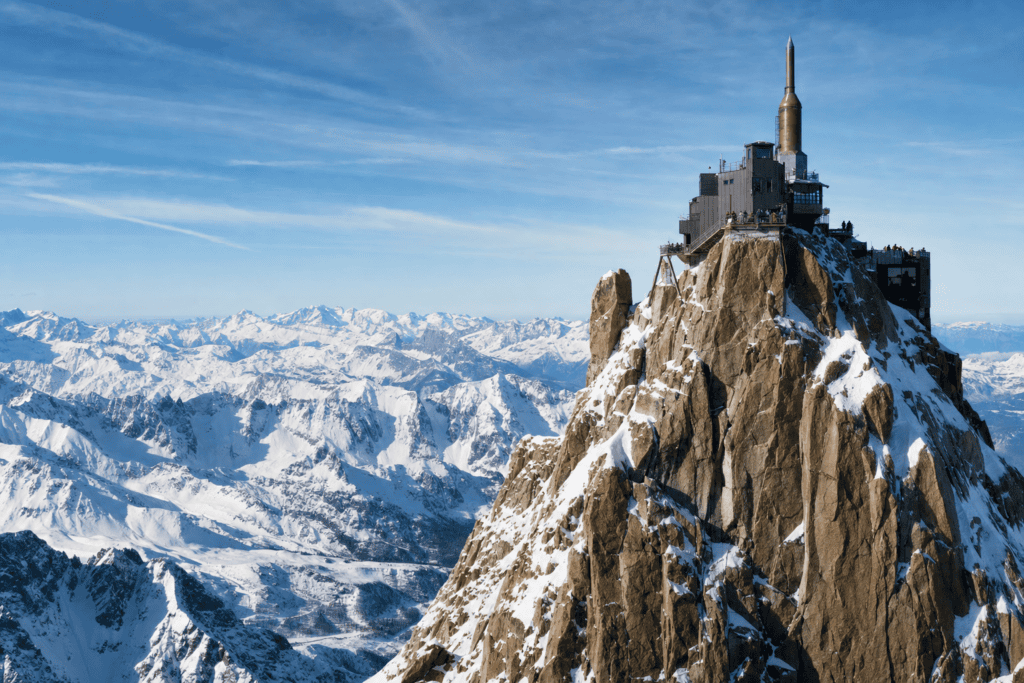 Aiguille du Midi A spectacular cable-car ascent to 3,842 meters, with 360-degree views of the…
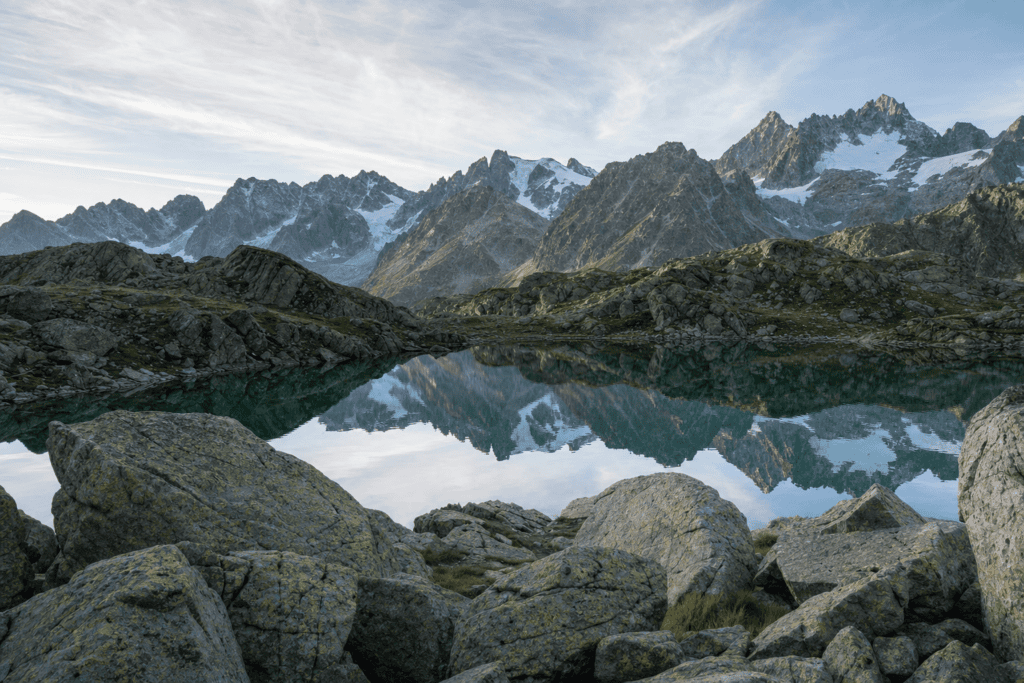 Lac Blanc and the Aiguilles Rouges Nature Reserve A panoramic hike facing the Mont Blanc massif, to be planned according to snow conditions, weather, and your ability level…
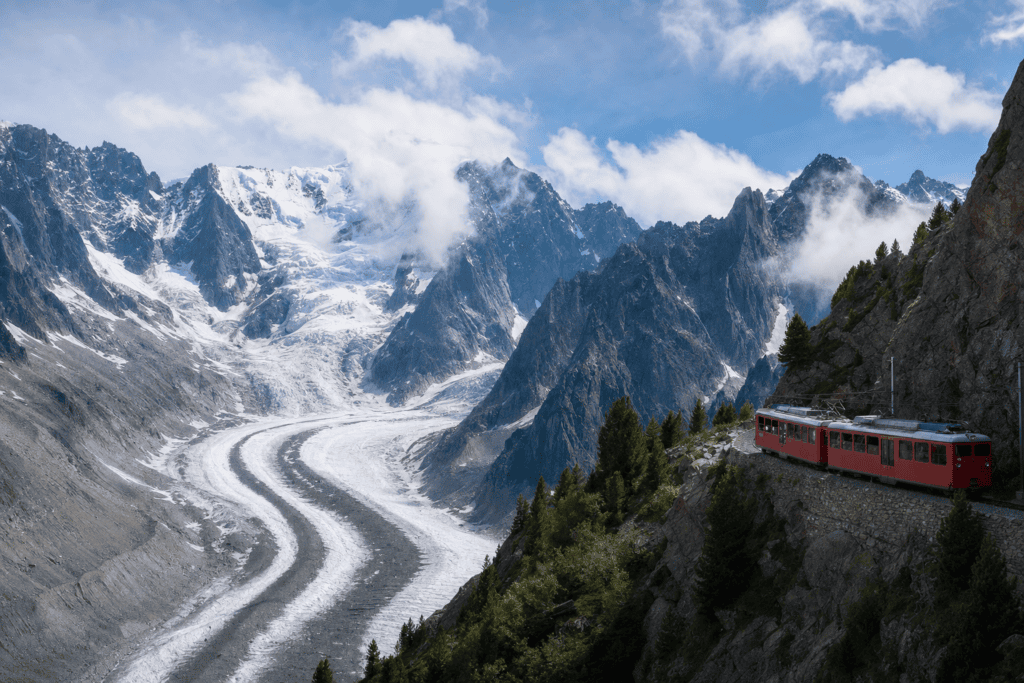 Mer de Glace and Montenvers Train A panoramic cog railway journey to 1,913 meters, facing the Mer de…
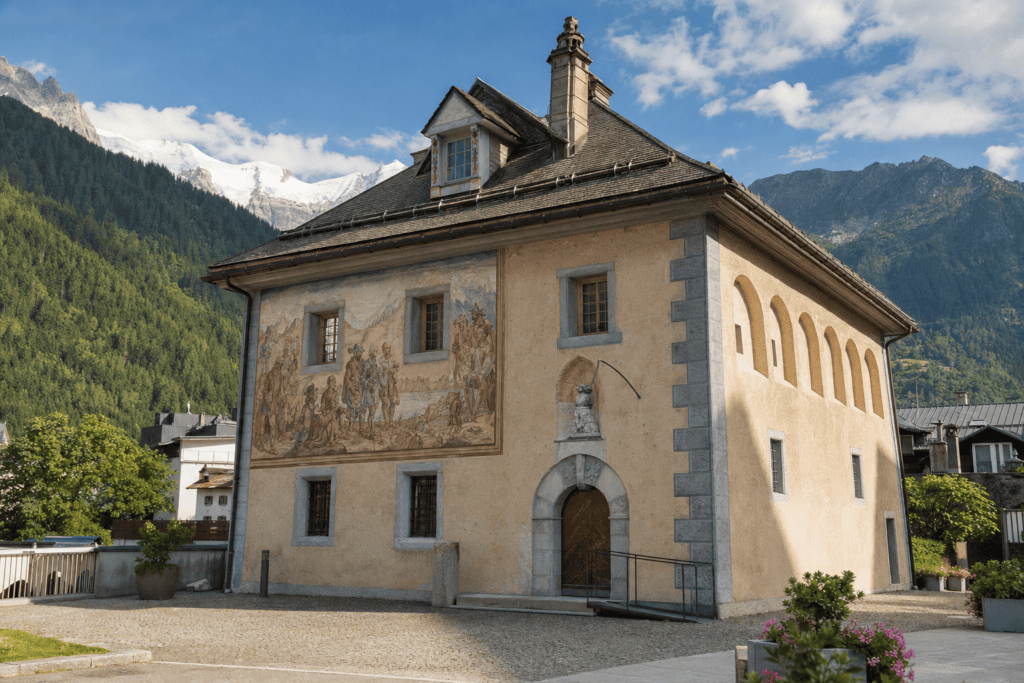 Chamonix Alpine Museum A cultural visit in the heart of Chamonix exploring the valley’s history, mountaineering, glaciers…
Online booking · Paris → Chamonix-Mont-Blanc, Haute-Savoie, France
Choose your pickup date and time
Your departure and arrival details are already pre-filled. You can adjust them in the fare calculator before viewing the vehicles and fare.