



Chamonix Alpine Museum: Visitor Guide and History
Chamonix-Mont-Blanc
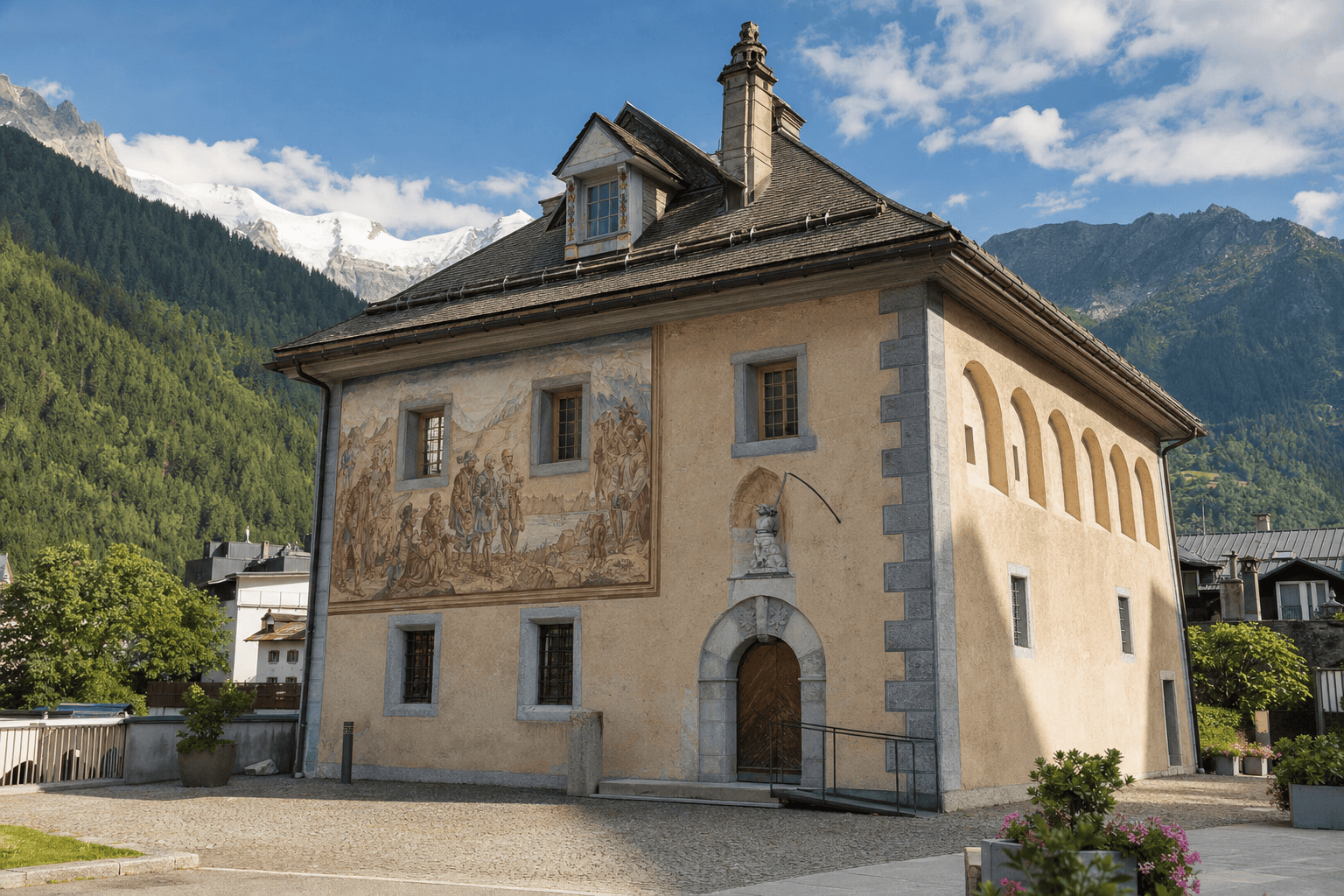
The Chamonix Alpine Museum offers a cultural perspective on the valley, its inhabitants, and the conquest of the peaks. Housed in the former Chamonix Palace at 89 avenue Michel Croz, it displays objects, images, maps, and accounts devoted to local history, glaciers, mountain guides, and the development of mountain tourism. The site is also connected to the Musée du Mont-Blanc renewal project, so its name, open spaces, and visitor arrangements may change. This page was editorially reviewed on February 21, 2025; nevertheless, check the information published by official sources before you travel.
Practical information
Combine your visit with the Crystal Museum and a stroll through the town center. If you are also planning to take a cable car or lift, leave some time between activities and check their operating status separately.
Planning Your Trip to Chamonix from Paris
If you include the Chamonix Alpine Museum in an Alpine itinerary, Booking Paris Transfer can arrange private transportation from Paris, the Île-de-France region, Charles de Gaulle, or Orly, with arrival in Chamonix-Mont-Blanc and a possible return to Paris. The service covers transportation only and does not include admission tickets. Check the museum’s official information before setting out.
Transportation from Paris, the Île-de-France region, CDG, or ORY; Booking Paris Transfer is not a local chauffeur service based in Chamonix-Mont-Blanc.
Understanding the Role of the Alpine Museum
The Chamonix Alpine Museum lets visitors discover the valley through more than its panoramas and sporting activities. Its exhibits place the landscapes of the Mont-Blanc massif within a human, economic, and scientific history. Visitors can trace the first travelers, the evolution of routes, the arrival of hotels, and Chamonix-Mont-Blanc’s gradual transformation into an international destination.
The building itself, the former Chamonix Palace, recalls a time when mountain holidays became a sign of modernity and prestige. This architectural dimension complements the collections and gives the exhibits’ documents a tangible context. The visit suits both mountaineering enthusiasts and travelers who want to understand the valley without spending their entire day on an outdoor activity.
For institutional information about the site, its program, and its development, see the official Alpine Museum listing published by the municipality.
Collections, Landscapes, and Local Life
The collections include objects, maps, photographs, engravings, documents, and works that tell the story of several periods in Chamonix’s history. The focus is not limited to achievements at high altitude. It also covers local residents, occupations, mountain guides, tourism practices, artistic depictions of the mountains, and the changes brought about by the development of transportation.
This diversity makes the exhibits accessible to people who do not practice mountaineering. An old photograph may show how a glacier or village has changed; a map may shed light on a route; an everyday object may remind visitors that the valley was an inhabited region before it became a tourist destination. The heritage documents thus connect the landscapes seen outside with the social realities that shaped them.
Visitors interested in the provenance and preservation of the works can also consult the references available in the Ministry of Culture’s heritage databases.
Mountaineering and the Conquest of the Peaks
Mountaineering is one of the central themes associated with the Chamonix Alpine Museum. The massif’s first ascents relied not only on individual courage, but also on guides’ knowledge, scientific observation, cartography, medicine, and considerable logistical planning. Early accounts convey the difficulty of the routes before modern equipment appeared.
The objects and images devoted to ascents show how clothing, ropes, navigational instruments, and climbing techniques evolved. They also remind us that altitude, crevasses, weather, and reading the terrain remain decisive factors. This perspective helps distinguish a mountain walk from a mountaineering climb—two experiences requiring different preparation and skills.
To enrich your visit, take a look afterward at the contemporary equipment displayed in Chamonix’s streets and shops. The contrast between past and present practices makes the history of the peaks especially tangible.
From the Alpine Museum to the Musée du Mont-Blanc
The Alpine Museum is involved in a renewal project associated with the name Musée du Mont-Blanc. This is not simply a change of presentation in one room: the project aims to rethink visitor services, interpretation, and how the collections connect with the history of the valley and massif. However, the schedule, name used, and accessible spaces should be confirmed before each visit.
This clarification is important: an older webpage, printed guide, or tourist listing may still use the name Alpine Museum, while the latest information refers to the Musée du Mont-Blanc. As of the editorial review on February 21, 2025, the municipality presents the site directly under its former name while noting its institutional development. Therefore, consult the municipal page dedicated to the museum before traveling there.
This precaution helps avoid confusion about opening, programming, or access during construction and transition phases.
Planning an enjoyable visit
The museum is located at 89 avenue Michel Croz, in central Chamonix-Mont-Blanc. Its location makes it easy to reach on foot from several central areas and include in a car-free day. Before your visit, check the announced opening hours, visitor arrangements, any applicable admission fees, guided tours, and booking procedures directly. This information may change depending on the season, program, or progress of the renewal project.
Allowing around 1.5 to 2 hours generally gives you time to look at the objects, read the texts, and pause over the historical documents. Families may choose a few simple themes, such as glaciers, guides, or local life, to make the visit more gradual.
If you need specific accessibility information or a particular accommodation, contact the institution in advance. Also allow extra time if the visit needs to fit between a train, excursion, or booked activity.
What to Discover in Central Chamonix
The Alpine Museum’s central location makes it easy to explore more of Chamonix-Mont-Blanc. A walk through the streets reveals façades, historic hotels, specialty shops, and views of the aiguilles. The Crystal Museum is a natural complement: it focuses on minerals and Alpine specimens, while the Alpine Museum is more concerned with the area’s history, human activities, and representations of the mountains.
Depending on the season and operating conditions, you might also consider the Aiguille du Midi, the Mer de Glace, or a walk through the valley. These visits are independent of the museum and should be checked separately, particularly for schedules, reservations, weather, and safety. One good approach is to keep the museum as a cultural stop around an outdoor activity, or as a backup when visibility or mountain conditions become less favorable.
In any case, avoid planning too tightly: travel and queues may take longer than expected.
Why Visit This Museum During an Alpine Stay
Chamonix-Mont-Blanc is often experienced through skiing, hiking, glaciers, and mountain lifts. Yet the museum reminds visitors that the destination also has a social, artistic, scientific, and economic history. It explains how an inhabited valley became a center of high-mountain knowledge and a place visited by travelers from many countries.
This perspective enriches what you see from a viewpoint or trail. After glimpsing a moraine, glacier, or aiguilles, the maps and photographs give these landscapes greater depth. The visit is well suited to rainy days, recovery time between excursions, and travelers who want to slow down their itinerary.
It may also appeal to returning visitors, as renovations and temporary exhibitions can offer new ways of viewing the collections. The Alpine Museum is therefore more than just a substitute activity: it helps explain why Chamonix holds such a special place in the history of the French Alps.
Useful sources
Frequently Asked Questions
Is it still called the Chamonix Alpine Museum?
Where is the Chamonix Alpine Museum located?
How much time should I allow?
Are the opening hours and admission fees permanent?
What can you visit near the museum?
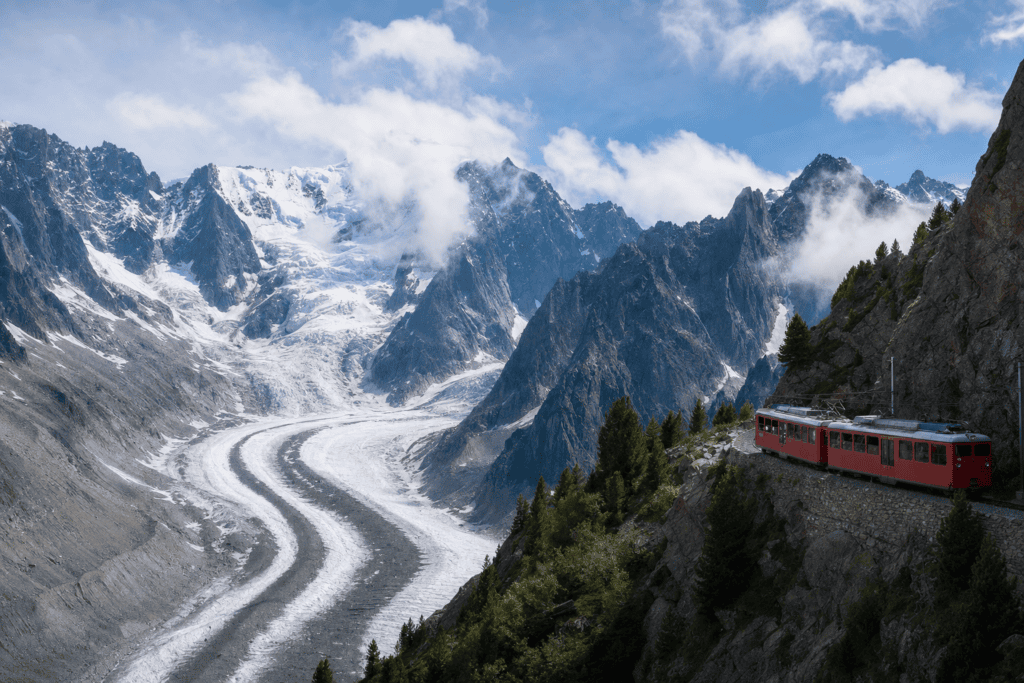 Mer de Glace and Montenvers Train A panoramic cog railway journey to 1,913 meters, facing the Mer de…
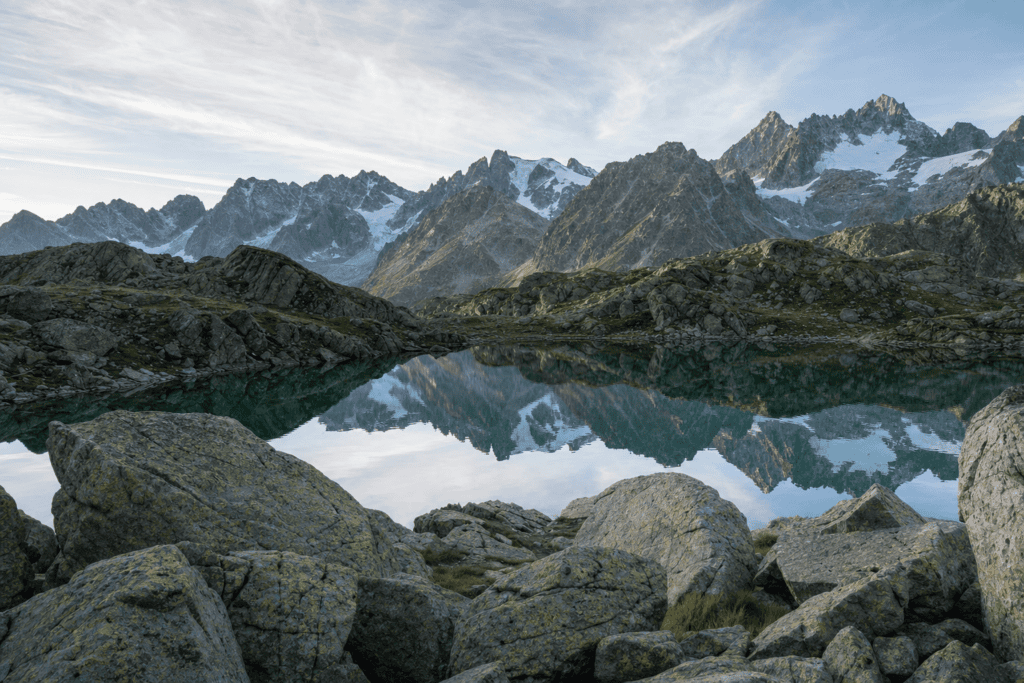 Lac Blanc and the Aiguilles Rouges Nature Reserve A panoramic hike facing the Mont Blanc massif, to be planned according to snow conditions, weather, and your ability level…
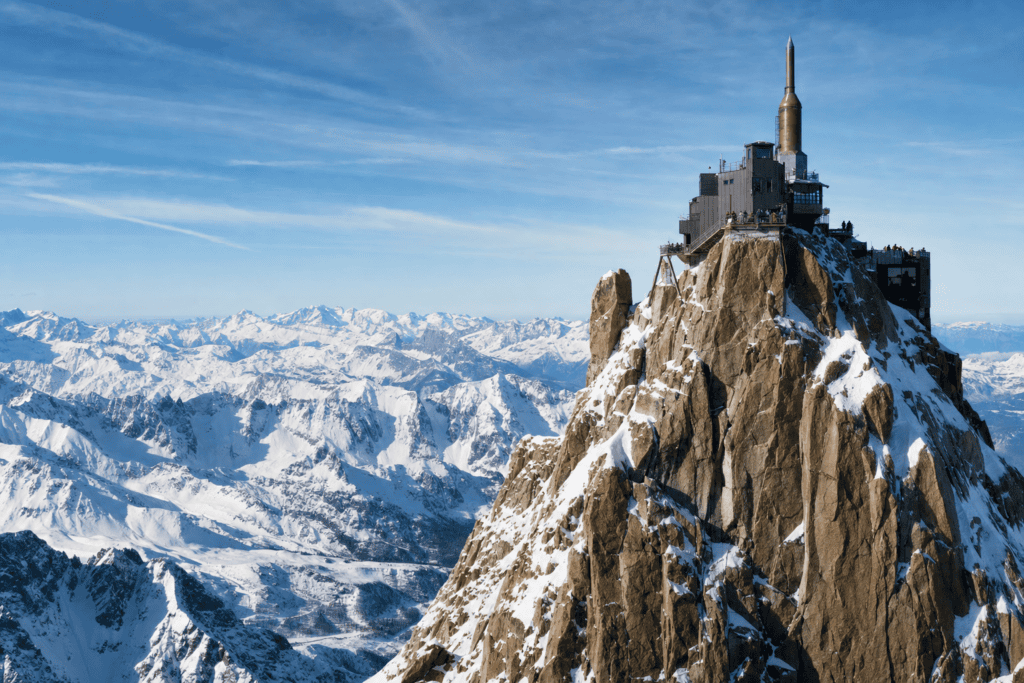 Aiguille du Midi A spectacular cable-car ascent to 3,842 meters, with 360-degree views of the…
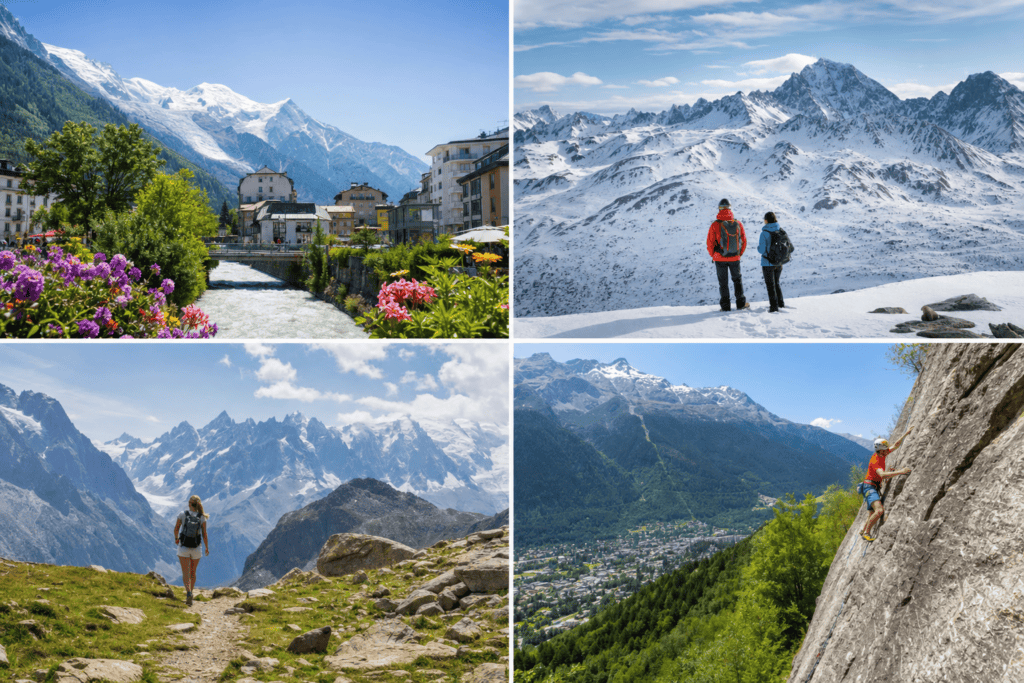 What to Do in Chamonix in Every Season A season-by-season guide to choosing between skiing, hiking, viewpoints, adventure sports, culture, relaxation, and…
Online booking · Paris → 89 avenue Michel Croz, former Chamonix Palace, 74400 Chamonix-Mont-Blanc
Choose your pickup date and time
Your departure and arrival details are already pre-filled. You can adjust them in the fare calculator before viewing the vehicles and fare.