



International Stained Glass Center: Visitor’s Guide to Chartres
Chartres
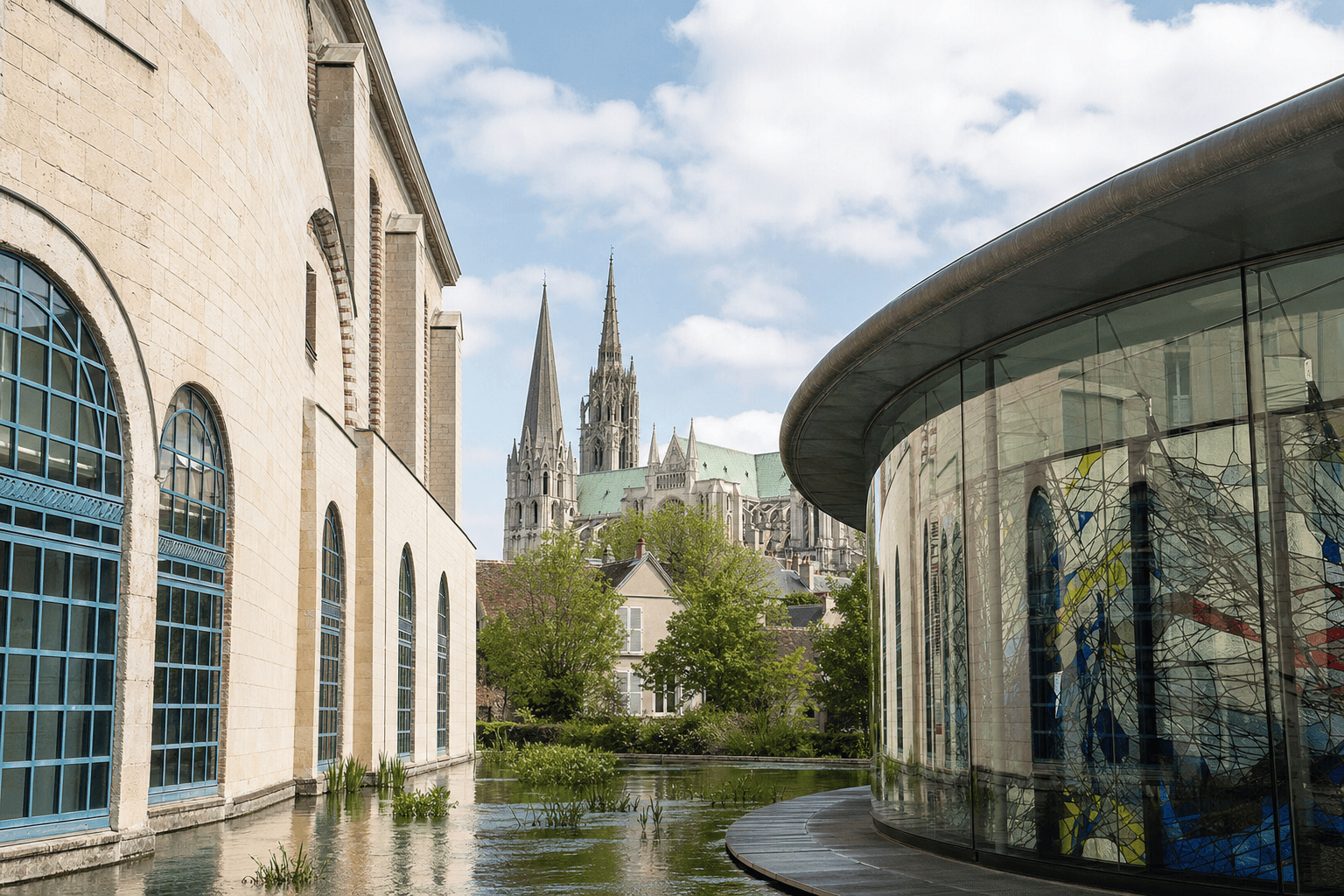
Just steps from Chartres Cathedral, the International Stained Glass Center offers a hands-on introduction to the art of stained glass. Housed in the Enclosure of Loëns, a historic complex in the city center, it features artworks, technical explanations, educational materials, and programming related to contemporary stained glass. A visit is the perfect complement to exploring the cathedral’s famous windows, providing insight into the images, materials, and role of light.
Practical information
Visit the center before the cathedral if you would like some background for reading the scenes and details in the windows, then compare the explanations with the monumental works.
Getting to Chartres from Paris
For a cultural day in Chartres, Booking Paris Transfer can arrange a private trip from Paris or the Île-de-France region, with a return to Paris. Transportation is separate from the visit: tickets, opening hours, and access conditions for the International Stained Glass Center should be confirmed directly with the venue.
Transportation service departing from Paris or the Île-de-France region; no ticketing service and no local office in Chartres.
A Center Dedicated to the Art of Stained Glass
The International Stained Glass Center is a cultural institution dedicated to learning about, sharing, and creating stained glass. A visit goes beyond displaying historic objects: it explains how a stained-glass window is conceived, made, interpreted, and viewed. Depending on the current program, the spaces generally combine artworks, explanations, educational materials, and exhibitions.
This approach appeals both to first-time visitors and to heritage enthusiasts. Here, stained glass emerges as an art that is simultaneously pictorial, architectural, and technical. It depends on natural light, the space that houses it, and the distance from which it is viewed.
Its proximity to the cathedral gives this stop particular coherence. After seeing monumental windows in their religious setting, visitors can return here to examine details and techniques on a more accessible scale.
The Enclosure of Loëns and Its Historic Setting
The center is located at 5 rue du Cardinal Pie, in the Enclosure of Loëns, near Chartres Cathedral. The architectural setting is an integral part of the experience: the historic spaces, stone, and vaulted volumes create an atmosphere very different from that of a conventional contemporary gallery. Before looking at the artworks, take time to notice the building’s materials and proportions.
The enclosure recalls the historic role of the cathedral district and the long-standing connection between heritage, religious life, and urban activities. This setting places stained glass in its environment rather than treating it as a stand-alone collection.
The layout can affect how the works are perceived. A brightly colored piece looks different in a dark, historic space than in a uniformly lit white room. Take time to look up and consider the dialogue between architecture and light.
Viewing Historic Works at Eye Level
The tour may feature historic stained glass, including works associated with the Renaissance, as well as elements that allow visitors to examine their design and materials. At eye level, certain details are much easier to read than in a monumental window: faces, gestures, inscriptions, drapery, decorative motifs, and subtle variations in color.
The Renaissance brought increased attention to drawing, storytelling, and effects that sometimes bring stained glass closer to painting. This does not mean the technique disappears: each panel still results from design, cutting, painting, and assembly. Light then transforms the composition according to the time of day and outdoor conditions.
For an effective viewing approach, start with the overall composition, then move closer to examine details before stepping back again. This method helps explain how an image can function simultaneously as a narrative, a decoration, and a luminous surface.
Understanding How Stained Glass Is Made
Stained glass involves multiple stages and areas of expertise. A project may begin with an idea, a preparatory drawing, or a cartoon. Next come the selection of glass, transferring the shapes, cutting, assembly, and, depending on the work, the addition of paint or treatments to define features and shadows. The final assembly must ensure the cohesion of the whole and its integration into the architecture.
Materials play an essential role in the result. Transparency, opacity, bubbles, irregularities, and nuances are not simply flaws: they change the way light passes through the surface. Visitors can therefore understand why two seemingly similar pieces of glass may produce very different effects.
Contemporary techniques expand the possibilities even further. Artists may explore abstraction, texture, layering, or formats far removed from the traditional window. Yet the principle remains the same: making light an active component of the work.
How to Read Chartres’ Stained-Glass Windows
The cathedral’s proximity makes the center especially useful for preparing for or extending a visit to Notre-Dame de Chartres. Educational materials and explanations can help identify the main structures of a stained-glass window, narrative scenes, figures, borders, and decorative motifs. These reference points are valuable when standing beneath very tall windows.
Medieval stained-glass windows are more than colorful compositions. They tell stories, convey references, and guide the eye through groups of panels. Without preparation, the abundance of figures and details can be difficult to decipher. The center provides a calmer, clearer starting point.
After your visit, return to the cathedral and look for a few specific elements rather than trying to identify everything. Compare the light filtered through the large windows with the works you saw at the museum—the contrast makes the day more rewarding.
Exhibitions and Visits for All Audiences
The International Stained Glass Center’s program changes over time and may highlight an artist, period, technique, or recent creation. Contemporary exhibitions provide an interesting counterpoint to historic works: they show that stained glass is not limited to religious subjects or traditional aesthetics. Forms, colors, and materials may be freer, while the historic architecture creates a distinctive dialogue.
The venue is suitable for families, provided the visit is adapted to the children’s ages. You can invite them to look for colors, figures, sources of light, and differences between painted and transparent glass. Art and heritage enthusiasts may prefer to linger over the techniques and the relationship between the artwork and the building.
For a group or an in-depth visit, confirm the arrangements directly with the center. Accessible spaces, activities, opening hours, and visitor arrangements may depend on the season and the exhibition on display.
Planning a Cultural Day in Chartres
The International Stained Glass Center is easy to visit during a day in central Chartres. One simple plan is to set aside time for the center, visit the cathedral, then explore the old streets and other heritage sites according to the available hours. The main attractions are close together, limiting travel once you reach the historic heart of the city.
From Paris, Chartres can make a complete cultural day trip. For a private journey, Booking Paris Transfer can arrange departure from Paris or the Île-de-France region and a return to Paris, without including admission tickets or museum reservations. This service should remain a logistical part of the itinerary, while visit information should be confirmed with the official sites.
Before setting out, check the center’s program, cathedral access requirements, and any events taking place downtown. This will help you choose a realistic schedule and leave enough time to view the works without rushing.
Useful sources
Frequently Asked Questions
Where is the International Stained Glass Center located?
What can you see there?
How much time should I allow?
Are the opening hours and admission fees permanent?
Can you visit the center from Paris in one day?
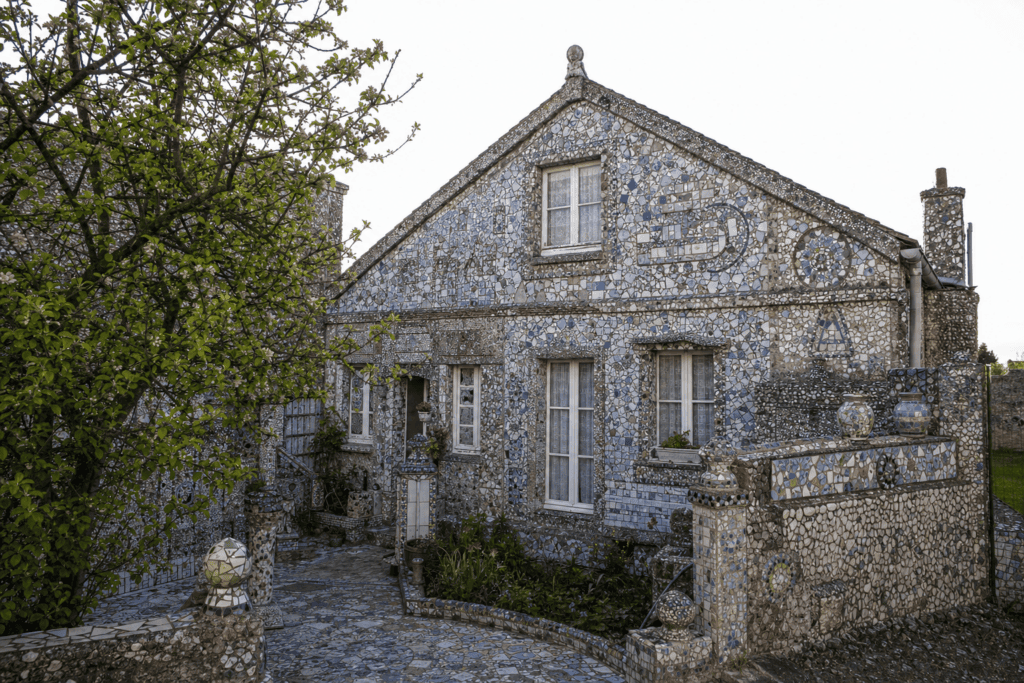 Maison Picassiette An extraordinary house and garden, listed as a historic monument, where Raymond Isidore transformed fragments of dishes into…
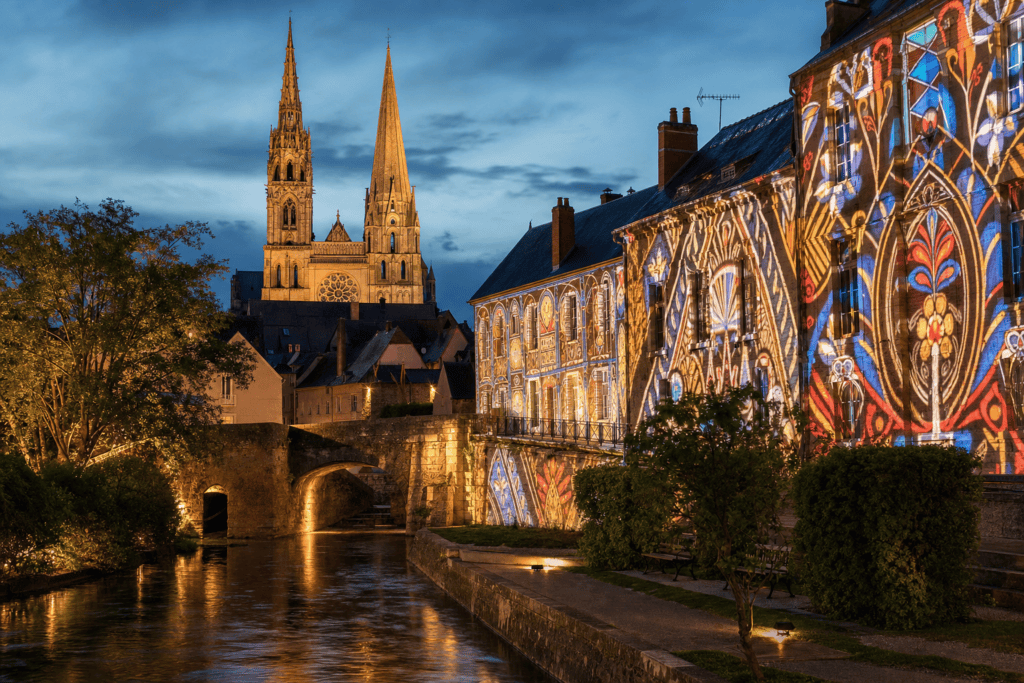 Chartres en lumières A free nighttime stroll among the cathedral, upper town, banks of the Eure, bridges and illuminated washhouses.
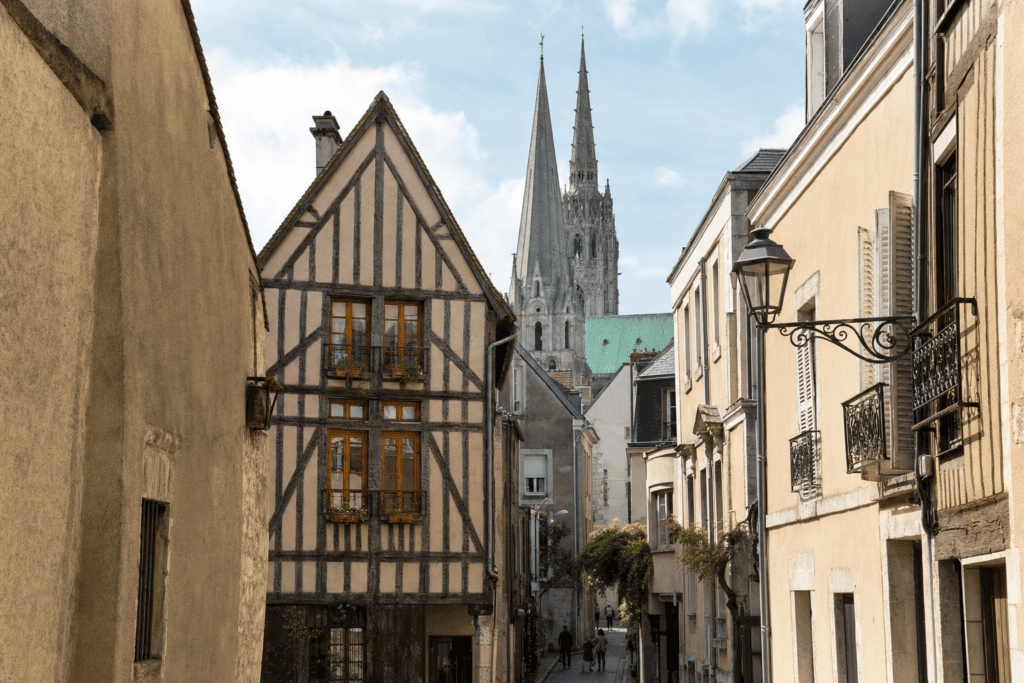 Chartres Historic Center A walk among the cathedral, historic houses, stepped streets, and the banks of the Eure, along…
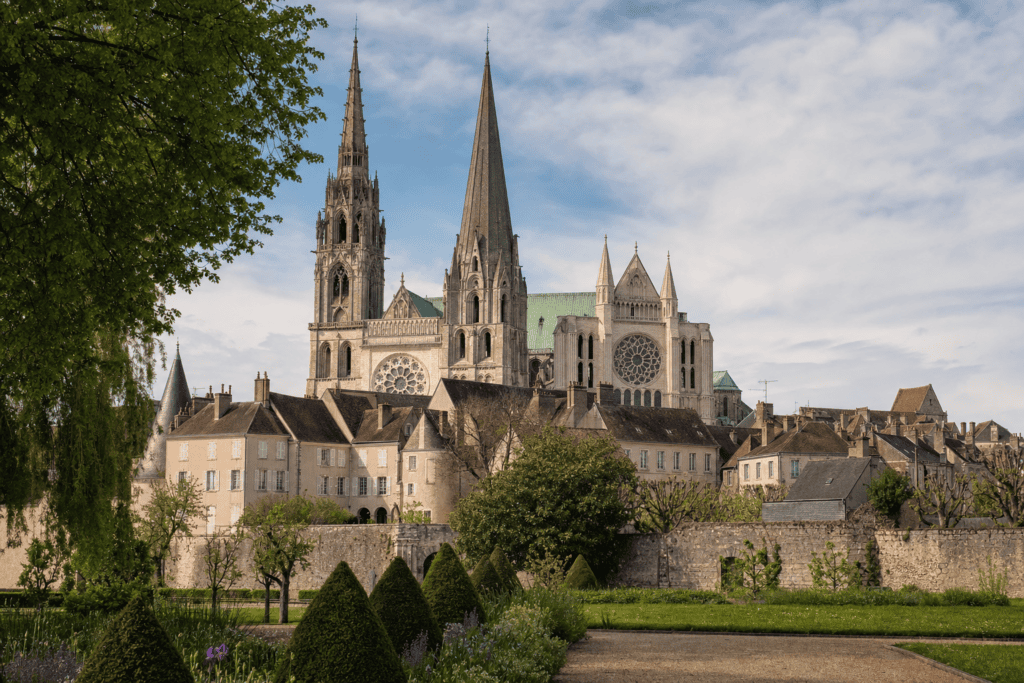 Notre-Dame Cathedral of Chartres A UNESCO-listed Gothic masterpiece, renowned for its medieval stained glass, sculpted portal, and…
Online booking · Paris → 5 rue du Cardinal Pie, 28000 Chartres, Centre-Val de Loire
Choose your pickup date and time
Your departure and arrival details are already pre-filled. You can adjust them in the fare calculator before viewing the vehicles and fare.