



Chartres Historic Center: A Medieval Walking Tour
Chartres
Chartres’ historic center is best explored on foot, connecting the upper town around the cathedral with the lower town along the Eure. Between cobblestone streets, half-timbered houses, historic stairways, gardens, and peaceful riverbanks, this walk reveals a city shaped by its religious, commercial, and artisan history. Wear comfortable shoes: the steep lanes and narrow passageways offer beautiful views, but some climbs are strenuous.
Practical information
Start near the cathedral, descend to the lower town via one of the steep lanes, then gradually make your way back up by another route. Leave time to admire the façades and architectural details.
Travel from Paris to Chartres with peace of mind
For a private excursion, leave Paris, your Paris hotel, CDG, or Orly for Chartres, then return to Paris according to your schedule. You enjoy convenient transportation without confusing the ride with a sightseeing or ticketing service.
Transportation only from Paris, Île-de-France, CDG, or ORY; no independent local service or admission tickets included.
Start around Notre-Dame Cathedral
The best way to explore Chartres’ historic center is often to begin in the upper town, around Notre-Dame Cathedral. The square in front of the cathedral is an obvious landmark, but the discovery should not be limited to the building itself. Take time to admire the views along the streets leading away from the sanctuary, the historic façades, and the boundaries of the former Notre-Dame cloister. This neighborhood was once a true city within the city, with canonical houses, gates, and a population connected to religious life, pilgrims, and commercial activity.
The cathedral, a UNESCO World Heritage Site since 1979, remains the highlight of the visit. Access conditions, services, and restoration work may change depending on the season, so check official information before planning an interior visit. Outside, the Royal Portal, sculptures, and two towers already offer a rich introduction to Chartres’ medieval history.
Stroll through the historic streets and half-timbered houses
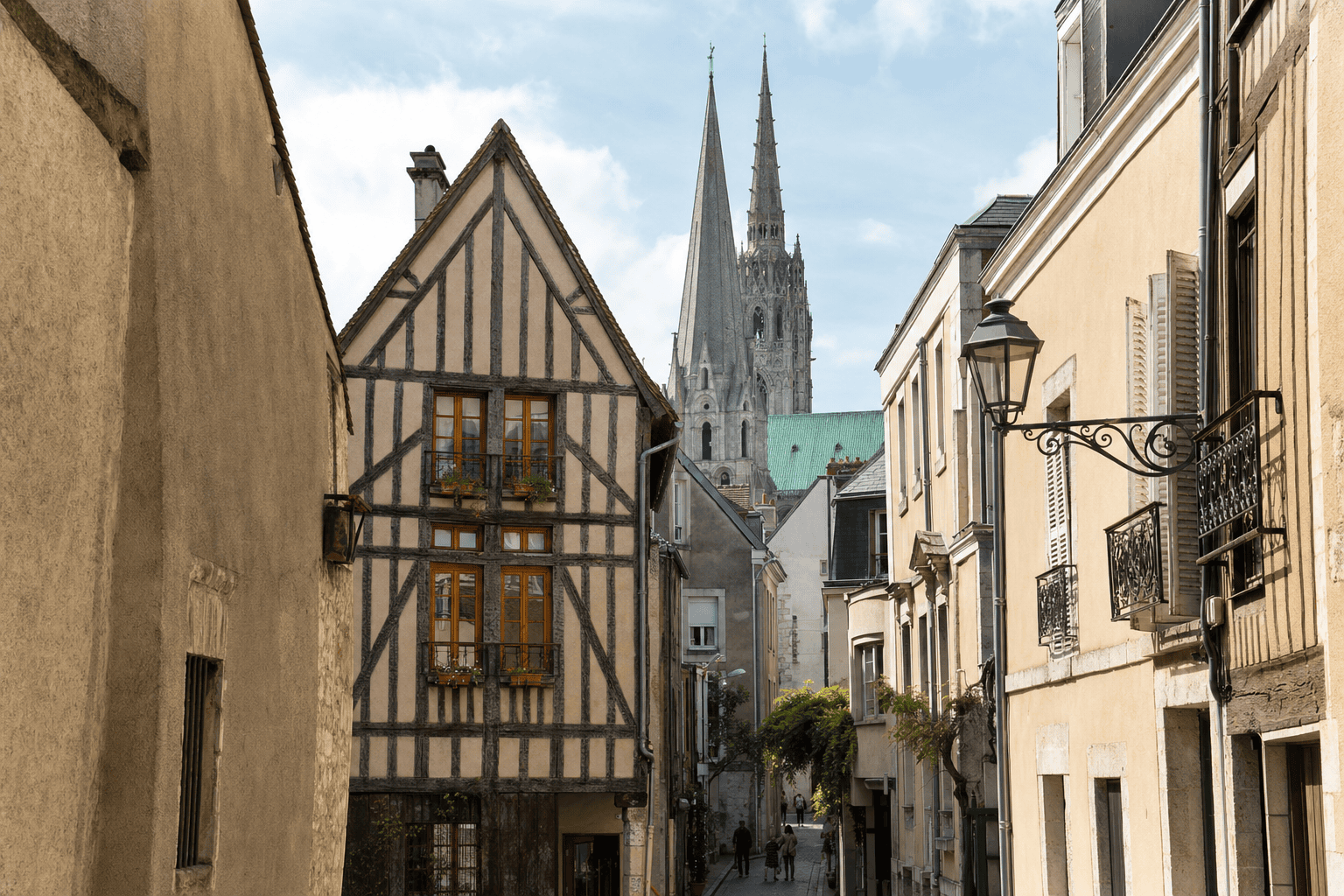
Once you leave the square in front of the cathedral, the walk becomes more intimate. The narrow streets of the old center retain a layout inherited from Chartres’ medieval development, with passageways, small squares, and irregular rows of buildings. Rue des Écuyers is one of the most evocative routes: its cobblestones, restored façades, and carved details invite you to walk slowly, looking up at the upper floors and rooftops.
The half-timbered houses are one of the great pleasures of this walk. Some feature overhanging upper stories, exposed timber framing, historic doors, or Renaissance details. This is not a frozen-in-time setting: the neighborhood remains lively, with shops, cafés, and residents. Please respect private entrances and avoid lingering in front of homes. To enhance your walk, the tourist office offers routes and guided tours whose themes and schedules may vary throughout the year.
Descend the steep lanes to the lower town
Chartres’ geography truly comes into focus when you take one of its steep lanes. These sloping passages connect the upper town, set on the plateau, with the lower town and the Eure valley. Tertre Saint-Nicolas is particularly impressive: it has 155 steps and runs alongside the Bishop’s Gardens toward the Collegiate Church of Saint-André. Other routes, such as Tertre du Pied-Plat, Tertre de la Poissonnerie, Tertre Saint-Éman, and Tertre Saint-François, offer alternative ways down.
These stairways are more than simple tourist shortcuts. They reflect the city’s historic layout and the daily movement between religious districts, commercial areas, workshops, and the former port. The slope can be demanding, especially in wet weather. Take your time going down, allowing for a pause to admire the walls, rooftops, and views that gradually open onto the lower town. For a more comfortable walk, alternate the steep lanes with less-inclined streets.
Follow the Eure riverbanks and bridges
Once you reach the lower town, the atmosphere changes noticeably. The Eure riverbanks, small bridges, washhouses, and gardens create a quieter landscape shaped by water and vegetation. This part of Chartres recalls the river’s essential role in local economic life. Wool, leather, dyeing, and textile trades were once widespread in this area; several street names preserve their memory.
Walk along the riverbanks, taking time to stop where the water reflects the façades. Pont des Minimes and Pont Saint-Hilaire are among the historic landmarks to look for, while the area around the Collegiate Church of Saint-André offers interesting views of the lower town’s architecture. Walkways may be uneven and some passages are narrow. In rainy weather or when it is crowded, adjust your pace and favor open areas rather than trying to follow every bend close to the water.
Take a break in the gardens and at the viewpoints
The Bishop’s Gardens make a lovely interlude between the cathedral and the lower town. Located near the former episcopal palace, which now houses the Fine Arts Museum, they offer views over the rooftops, lower gardens, and Eure valley. The terrace is an excellent place to understand Chartres’ terrain: from this elevated point, you can see the descent toward the historic neighborhoods and the layout of the urban landscape.
Opening arrangements, accessible paths, and areas undergoing work may change. Check information published by the City before your visit, especially if you would like to take the route connecting the terrace with Tertre Saint-Nicolas. The Fine Arts Museum can add a cultural visit to your walk, but its hours and program should be checked separately. Even without going inside, the area is worth a detour for its setting, views, and transition between religious heritage, civic architecture, and urban nature.
Discover the monuments of the lower town
The lower town is more than its riverbanks. The Collegiate Church of Saint-André, on Rue Saint-André, is one of its most remarkable monuments. Its history dates back to the Middle Ages, and its position above the Eure reflects the importance of this area. The building’s forms, remains, and relationship with the river reveal another side of Chartres, distinct from that of the cathedral.
Porte Guillaume, the former ramparts, bridges, and several churches complete the route. Some monuments can only be viewed from the outside or may be affected by restoration work and cultural events. Do not promise an interior visit without checking the day’s conditions with the City or the tourist office. For a well-balanced walk, choose a few stops rather than trying to see everything: Rue des Écuyers, one steep lane, the riverbanks, the collegiate church, and a viewpoint are already enough for a thorough first introduction to Chartres’ heritage.
Enjoy Chartres and plan your walk
The historic center is perfect for a gourmet break. Around the cathedral, Les Halles, and the shopping streets, you’ll find cafés, bakeries, tea rooms, and restaurants, with options varying by day and season. When choosing a place, favor establishments that are open when you pass by and check their hours directly, as they may change outside the tourist season or during events.
A pleasant day can begin with the cathedral and upper town, continue along Rue des Écuyers and one of the steep lanes, then descend toward the Eure for lunch or a drink. Save the climb back up for the afternoon, choosing a gradual route. From Paris, a private transportation excursion can be convenient if you want to avoid driving and maximize your time on site. Booking Paris Transfer provides transportation only from Paris, a Paris hotel, Charles de Gaulle Airport, or Orly, with a return to Paris or integration into an itinerary that began in Île-de-France; visits, meals, and tickets must be arranged separately.
Useful sources
Frequently Asked Questions
How much time should you allow to visit Chartres’ historic center?
Is the walk difficult?
Where can you see half-timbered houses in Chartres?
Can you visit the Bishop’s Gardens?
How do you get to Chartres from Paris?
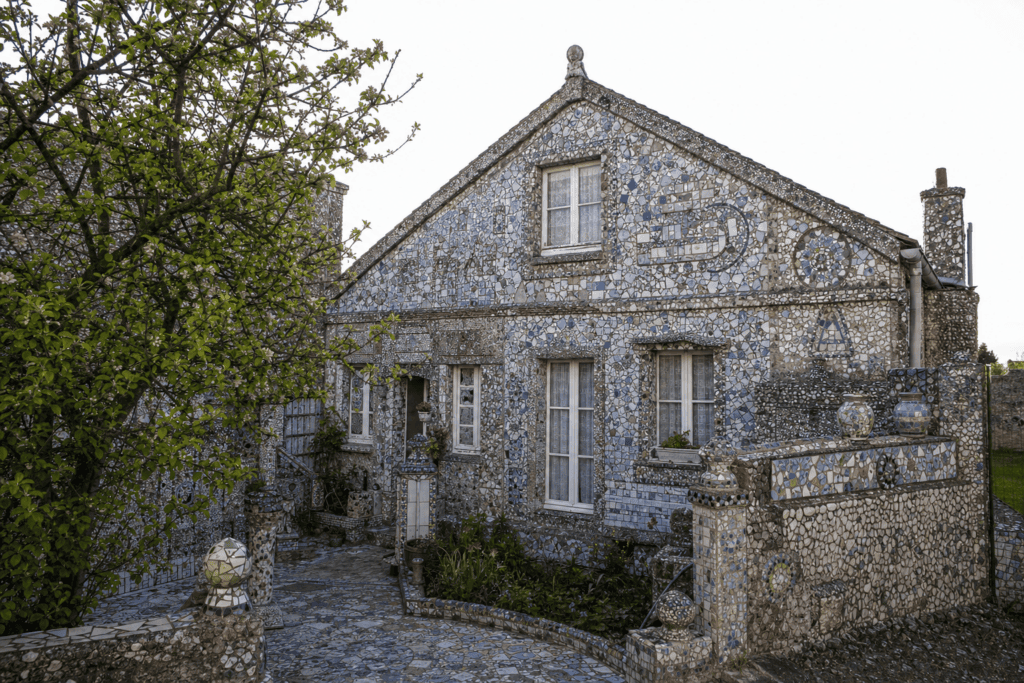 Maison Picassiette An extraordinary house and garden, listed as a historic monument, where Raymond Isidore transformed fragments of dishes into…
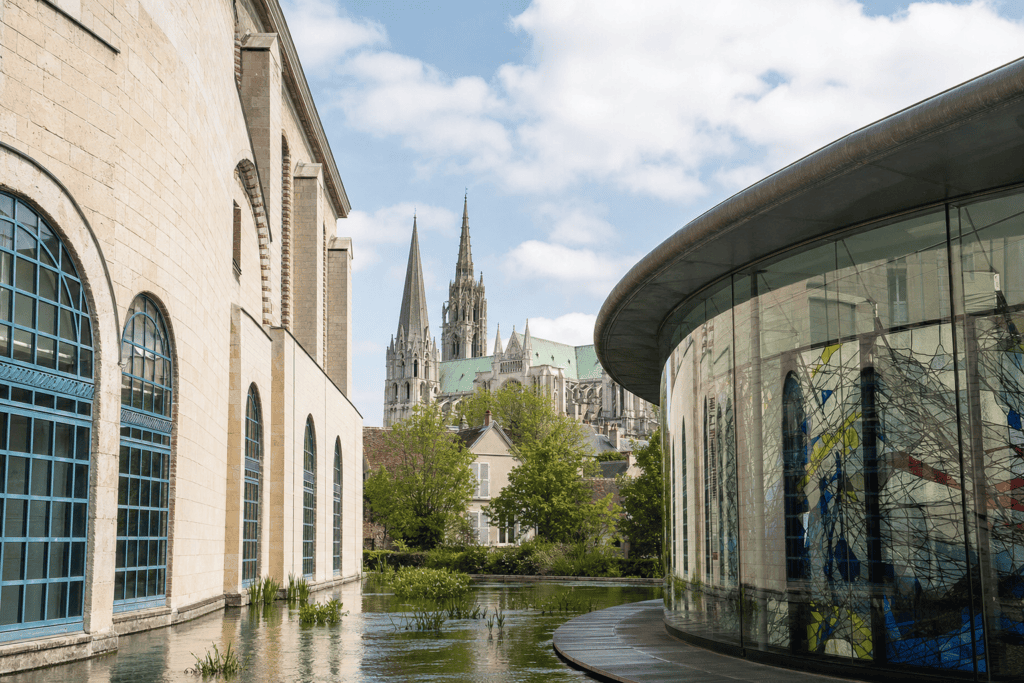 International Stained-Glass Center A cultural venue dedicated to the history, techniques, and contemporary creation of stained glass, near…
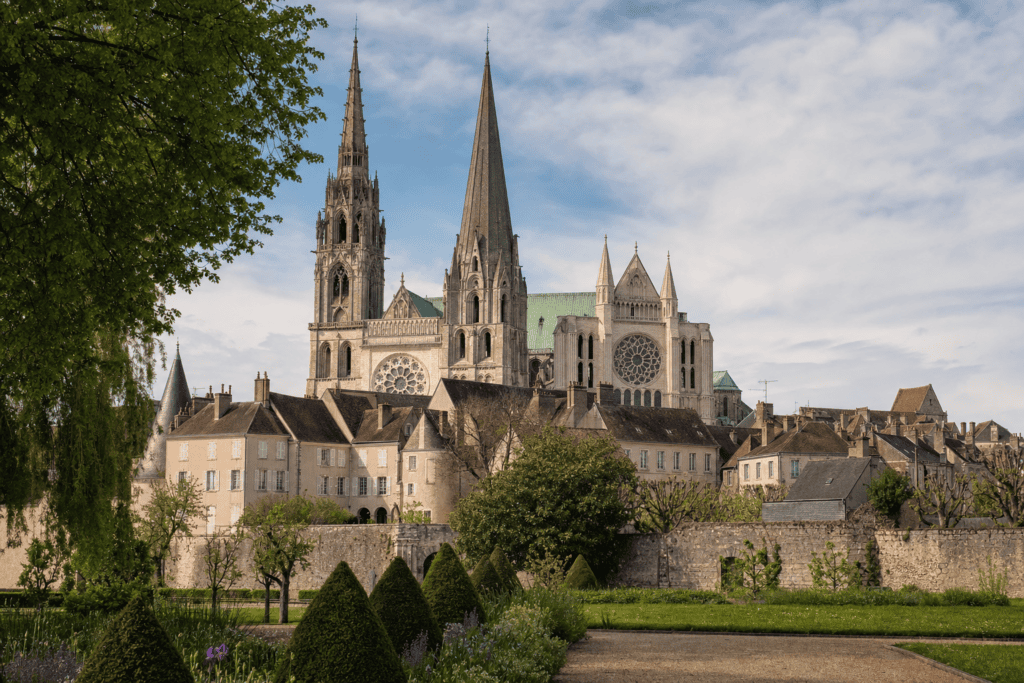 Notre-Dame Cathedral of Chartres A UNESCO-listed Gothic masterpiece, renowned for its medieval stained glass, sculpted portal, and…
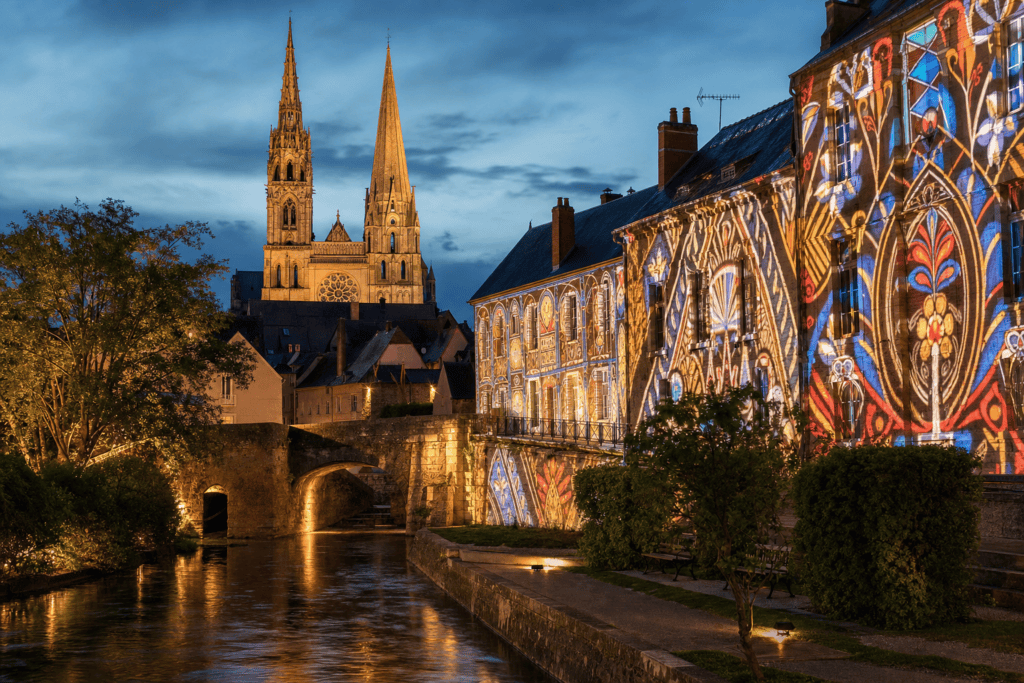 Chartres en lumières A free nighttime stroll among the cathedral, upper town, banks of the Eure, bridges and illuminated washhouses.
Online booking · Paris → Chartres Historic Center, 28000 Chartres, France
Choose your pickup date and time
Your departure and arrival details are already pre-filled. You can adjust them in the fare calculator before viewing the vehicles and fare.