



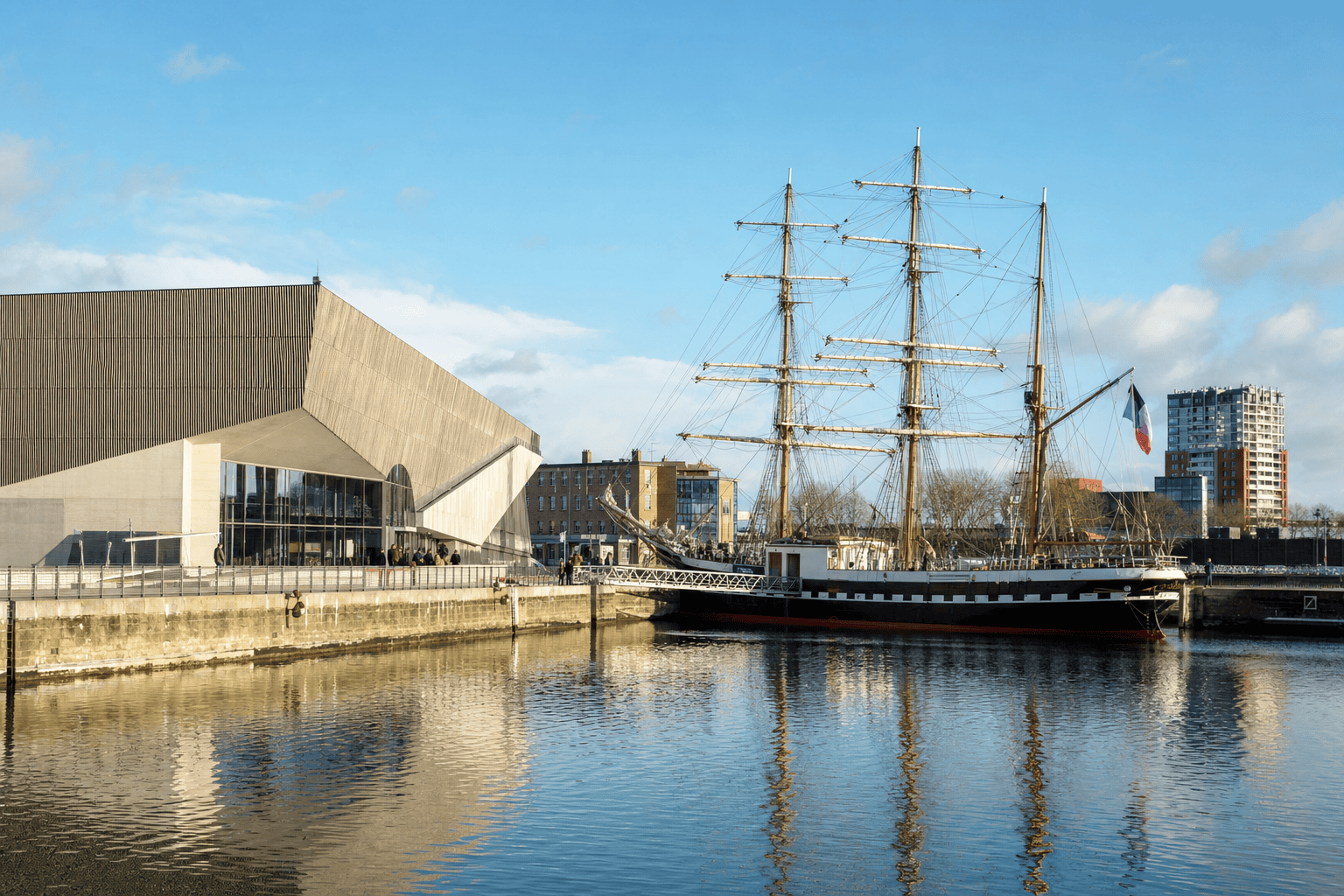
Dunkirk Port Museum and Duchesse Anne
Dunkirk
In the Citadel district, Dunkirk Port Museum tells the story of a major North Sea port, its ships, cargoes, and the women and men who brought it to life. Housed in a former port warehouse, it combines collections devoted to navigation and maritime trade with several historic vessels moored in the docks, including the square-rigged three-masted Duchesse Anne. The visit offers a different way to understand Dunkirk—not simply as a seaside resort, but as a city shaped by its port activities, strategic position, and connections with other European shores. Families, history enthusiasts, and travelers with a half-day to spare will find a particularly comprehensive local experience.
Practical information
Check the official website before your visit: museum hours, ship openings, guided tours, admission fees, and accessibility conditions may vary depending on the season or program.
Getting to Dunkirk from Paris
From Paris, the Île-de-France region, Charles de Gaulle Airport, or Orly Airport, Booking Paris Transfer can arrange private transportation to Dunkirk, with a return trip to Paris if needed. The service covers transportation only: admission to Dunkirk Port Museum, ship visits, and any reservations must be arranged separately.
Transportation from Paris, the Île-de-France region, CDG, or ORY; admission tickets and local guide services are not included.
A Former Warehouse in the Heart of the Citadel
Dunkirk Port Museum occupies a former tobacco warehouse at 9 quai de la Citadelle. This setting immediately adds meaning to the visit: the collections are displayed in a building that is itself part of the city’s economic history. Outside, the docks, quays, and masts of the historic vessels naturally extend the indoor route.
Dunkirk owes much of its identity to its position on the North Sea. Its port has been linked to commerce, fishing, shipbuilding, coastal defense, and trade with French and European ports. The museum explains this evolution in relation to the landscapes that can still be seen in the Citadel district.
This connection between the building and its surroundings makes the visit more tangible than a general historical presentation. The objects on display do not describe an activity that has disappeared into abstraction: they portray a landscape of docks, warehouses, quays, and sea routes that visitors can then explore on foot.
Collections, Trades, and Maritime Routes
The exhibits include models, maps, posters, professional equipment, navigation instruments, and documents related to port operations. Together, they show how a ship was prepared, loaded, guided, and maintained, as well as how goods moved between the coast and inland areas.
The museum also focuses on the trades that keep a port infrastructure running. Sailors, fishermen, dockworkers, pilots, mechanics, merchants, and cargo-handling staff each played a role at different stages of the same chain. This approach gives an important place to daily work, technical expertise, and living conditions aboard ship or on the quays.
Visitors can therefore connect the practical aspects of navigation with social and commercial history. Fishing, trade, maritime defense, and privateering—including the story of Jean Bart—shed light on Dunkirk’s distinctive place in regional history. Temporary exhibitions and events depend on the current program.
The Duchesse Anne, a Remarkable Training Ship
The Duchesse Anne is one of the most memorable parts of the visit. This square-rigged three-masted ship was built as a training vessel and used for the practical education of maritime cadets. Exploring it takes visitors beyond models and documents into a full-size space where life aboard becomes immediately understandable.
The decks, cabins, shared areas, and sailing equipment reflect a life governed by precise discipline. Each area served a purpose: working, sleeping, eating, commanding the ship, or maintaining the equipment. The vessel’s size also conveys the scale of the crew and the number of actions required to sail a large vessel.
For children, boarding the ship often makes history more accessible than a lengthy explanation. For adults, the vessel provides a vivid understanding of training and life at sea. Access may nevertheless depend on the schedule, maintenance work, or guided tours, so check the announced arrangements before planning your visit around the Duchesse Anne.
Understanding Dunkirk’s History
Dunkirk’s position was strategic for centuries. The city experienced rivalries between neighboring powers, periods of commercial prosperity, major fishing activity, and the effects of several conflicts. This history explains the coexistence of maritime heritage, fortifications, rebuilt buildings, and modern port facilities.
The museum provides useful context for interpreting the city’s other sites. The belfry, the Citadel docks, the quays, the coastal neighborhoods, and the port infrastructure date from different periods, but all bear witness to Dunkirk’s enduring relationship with the sea. Local festive culture, particularly the carnival, is also part of this popular maritime identity.
After the visit, a walk toward the city center can round out the historical experience. Depending on the time available, you can then continue to Malo-les-Bains and its long beach, take in the view from the seafront, or look for the Risban Lighthouse, subject to its access conditions. This combination sets Dunkirk apart from a destination focused solely on seaside tourism.
Getting There from the Train Station or Ferry Terminal
The museum is in the Citadel district, near central Dunkirk. From the train station, you can consider walking or taking public transportation, depending on your pace, luggage, and the conditions that day. The DK’BUS network is free, but routes, stops served, and schedules may change; use the network’s official information to plan your trip precisely.
By car, Dunkirk is connected notably by the A16 and A25. Parking availability, parking regulations, and any restrictions around the quay should be checked before departure. The museum is not at the ferry terminal, which is located in Loon-Plage, in a port area separate from the city center.
A ferry stopover therefore requires allowing extra time for the transfer between the terminal and the Citadel, as well as a buffer before your return boarding time. Cruise passengers should confirm their disembarkation point with their cruise line. Visitors with reduced mobility should contact the museum to learn about actual accessibility in the building, on the quays, and aboard each vessel, as conditions can vary considerably.
Tips for Planning Your Visit
For a first visit, start with the collections in the main building. They provide the background needed to understand the role of the Duchesse Anne, Sandettié, or Guilde afterward. If you want time to read the displays, study the models, and explore the quays, plan on a half-day rather than a quick visit.
Access conditions for the vessels may differ from those of the museum: separate hours, guided tours, stairs, narrow passageways, or occasional closures may apply. Admission fees, opening days, possible free admission, and the availability of activities should be confirmed on the official website before your visit. This is particularly important in the off-season, on public holidays, and during school vacations.
A windbreaker is useful even in mild weather, as the docks are exposed to North Sea winds. Families may want to plan a break between the building and the ships. If you arrive by train, check the return schedule before extending your walk to Malo-les-Bains. If needed, Booking Paris Transfer can arrange private transportation from Paris or the Île-de-France region, but this service does not replace local transportation or museum reservations.
Frequently Asked Questions
What is the address of Dunkirk Port Museum?
Is the Duchesse Anne open year-round?
Are the vessels accessible to people with reduced mobility?
How do you get there from Dunkirk train station?
Is the ferry terminal close to the museum?
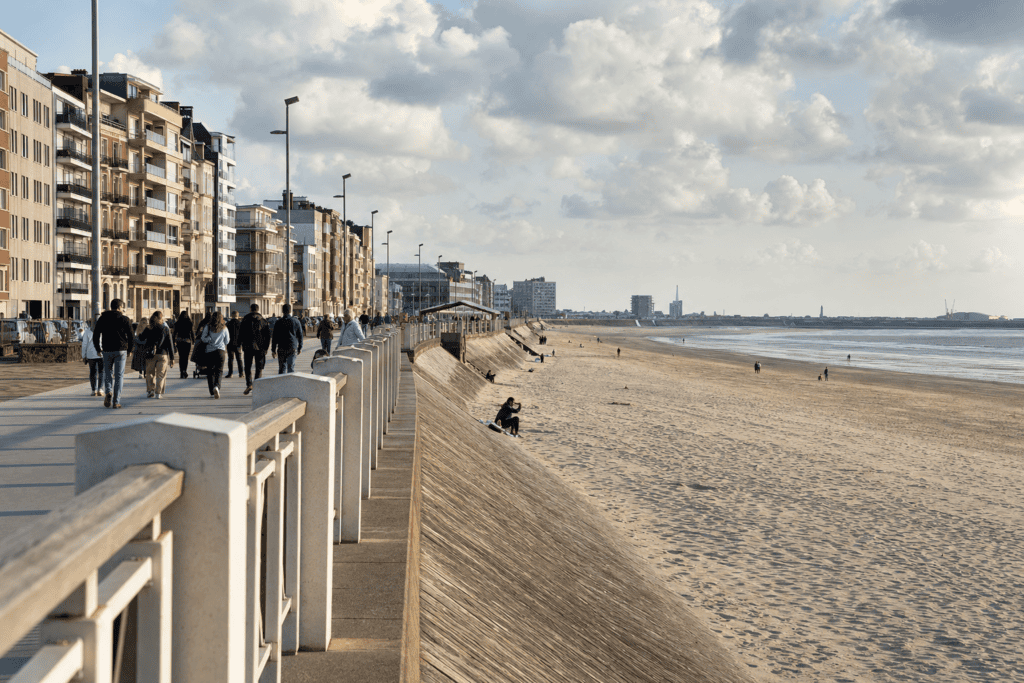 Malo-les-Bains Beach and Seawall A vast Dunkirk beach lined with seaside villas, a seawall, sand, water activities, and maritime heritage.
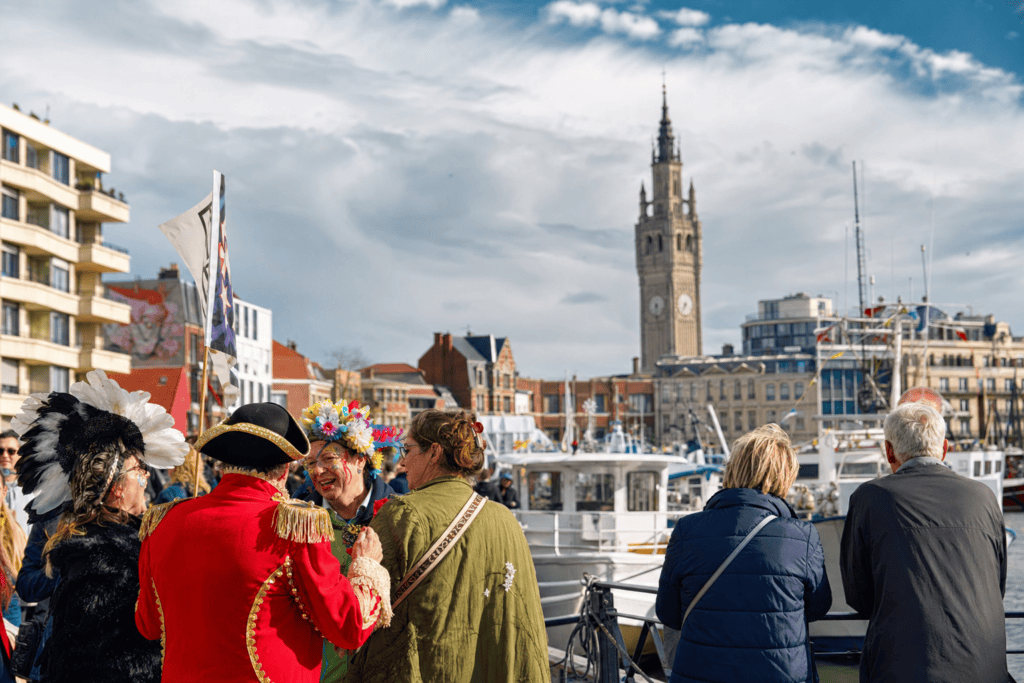 What to Do in Dunkirk: Carnival, Museums, and Port A practical itinerary in Dunkirk between belfries, the port, museums, Malo-les-Bains beach, and carnival.
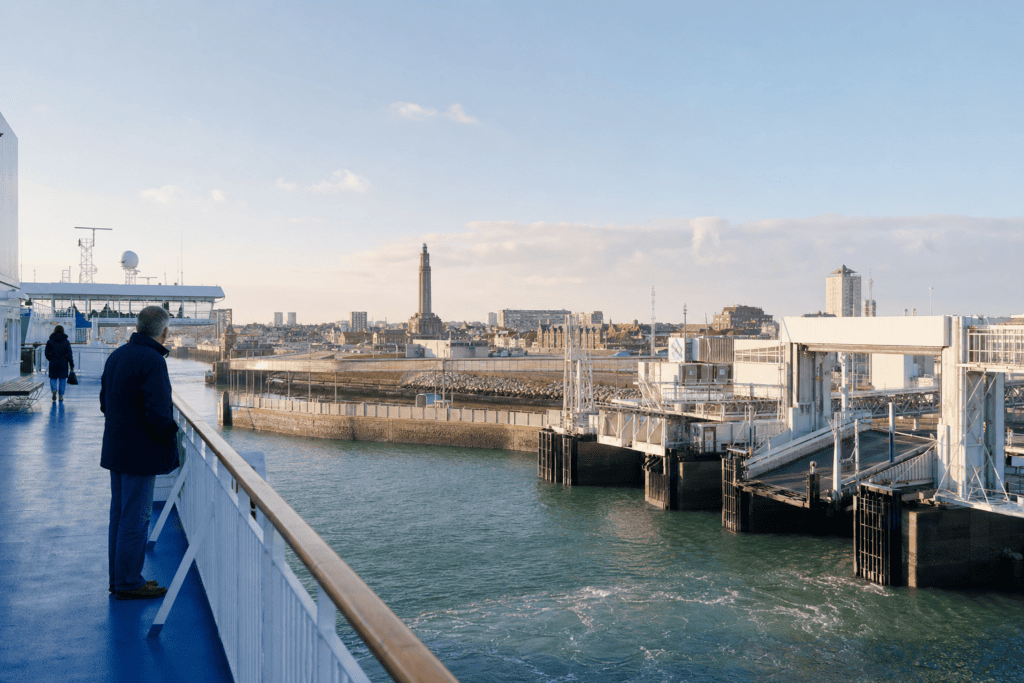 Arriving in Dunkirk via the Port and Ferry Terminal The essential landmarks for getting from the Loon-Plage ferry terminal to the station, city center…
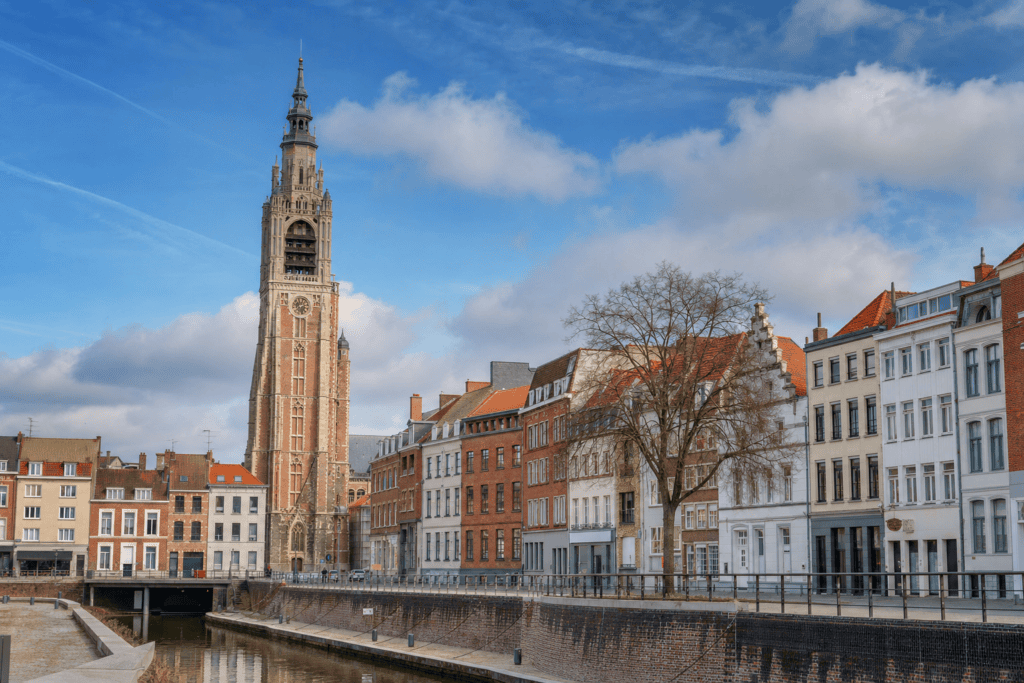 Saint-Éloi Belfry and Historic Center A UNESCO-listed belfry, a view of the port, and a walk between Saint-Eloi Church, the square…
Online booking · Paris → 9 quai de la Citadelle, 59140 Dunkirk, France
Choose your pickup date and time
Your departure and arrival details are already pre-filled. You can adjust them in the fare calculator before viewing the vehicles and fare.