



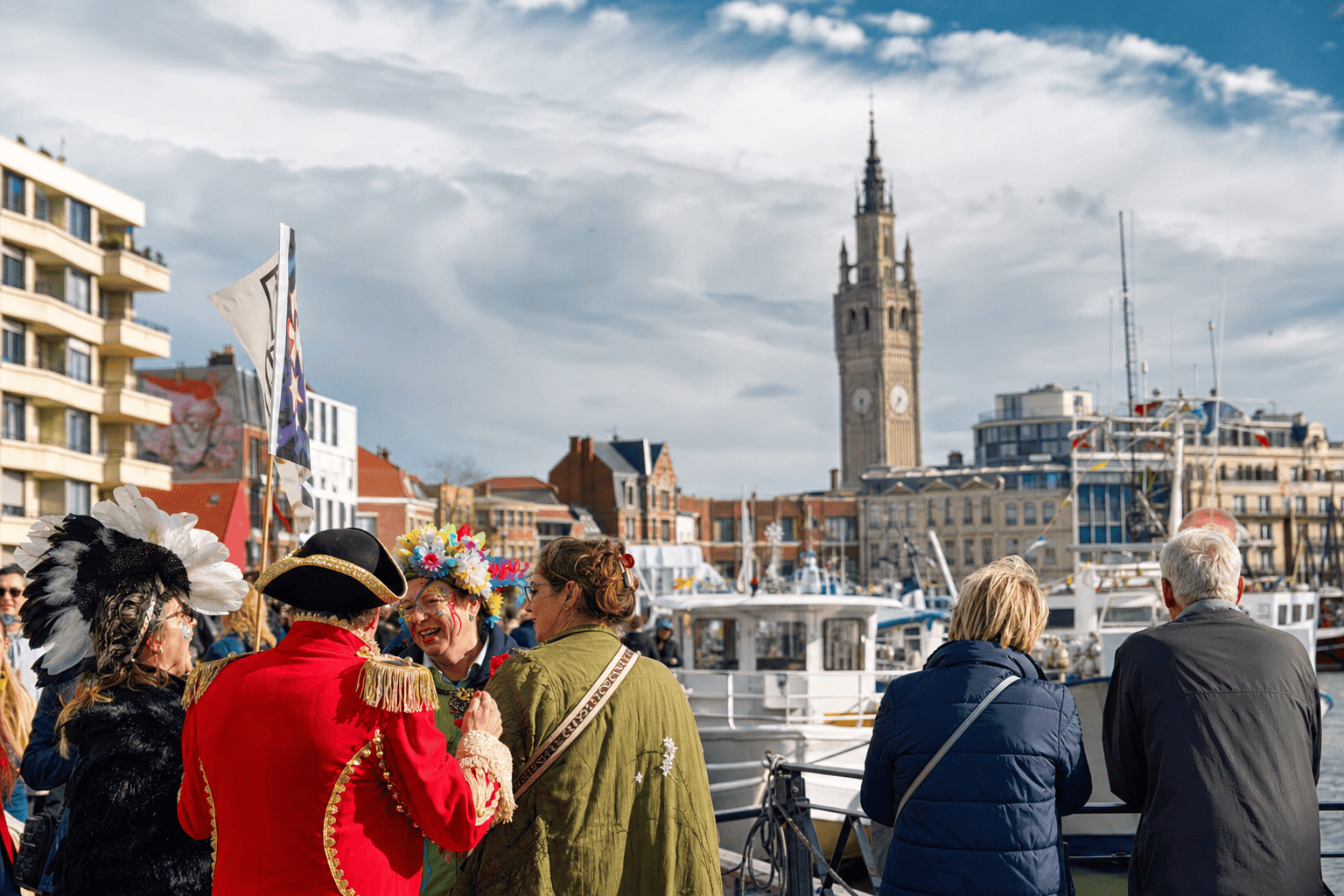
What to Do in Dunkirk: Carnival, Museums, and Port
Dunkirk
What should you do in Dunkirk on a first visit? The city unfolds through three complementary areas: the city center and its bell towers, the Citadel facing the port basins, and the Malo-les-Bains seafront. The museums explore the region’s maritime and artistic history, while the carnival showcases a powerful local tradition when it takes place. A full day allows you to combine heritage, culture, and a walk along the beach; two days give you more time for the collections, historic ships, and coastline. The different areas are accessible by public transportation, bicycle, or car. Since opening hours, events, and traffic conditions vary by season, check the official information before you leave.
Practical information
Group the city center and the Citadel in the morning, choose a museum based on its program, then head to Malo-les-Bains. During carnival, check the calendar, routes, detours, and DK’Bus network adjustments.
Getting to Dunkirk from Paris with a chauffeur
For a trip departing from Paris, a hotel in the Paris region, CDG, or ORY, a private transfer can simplify the journey and luggage transportation. Booking Paris Transfer can arrange a round trip between Paris and Dunkirk based on the agreed pickup and drop-off locations. Tickets, visits, meals, and local reservations must be arranged separately.
Transportation from Paris, the Paris region, CDG, or ORY to Dunkirk, with a possible return to Paris. No admission ticket included.
1. Start with the city center and its bell towers
For a first look at Dunkirk, start in the city center and explore its main historic landmarks. The Saint-Eloi belfry dominates the cityscape and recalls the city’s former importance as a port, commercial center, and fortified town. Nearby, the statue of Jean Bart commemorates the famous Dunkirk privateer. The town hall and its belfry are another major symbol of the city. This first loop offers a clear view of the local identity, shaped by maritime history, military heritage, and civic life.
The walk also reveals Dunkirk’s rebuilt character. Much of the city center was extensively redesigned after World War II, explaining the contrast between historic buildings, postwar façades, open squares, and modern perspectives. Take time to notice the details rather than rushing through the area. The train station is south of the city center, and the bell tower district is generally about a 15-minute walk away, depending on your exact destination and pace. This loop combines easily with the Citadel.
2. Discover maritime history at the Citadel
Housed in a former tobacco warehouse in the Citadel district, the Maritime and Port Museum is a key stop for understanding Dunkirk. Its collections cover the development of the port, fishing, maritime professions, voyages, and the exchanges that shaped the city. Models, objects, and documents provide useful context for the quays and basins you can see later on your walk.
The museum is associated with several historic ships moored nearby, including the three-masted ship Duchesse Anne and the lightship Sandettié. These vessels offer a different experience, giving visitors a practical look at living, working, and navigating at sea. Their access may nevertheless be subject to different hours or conditions from those of the main building.
Allow about one to two hours, depending on your interest in the collections. From the bell towers, the Citadel is about a 10-minute walk away, depending on the route. Check the museum’s and ships’ opening days, seasonal hours, and any closures separately: weekday visits, outside school holidays or during the off-season, may follow a different schedule.
3. Understand the modern port at the Port Center
The Dunkirk Port Center usefully complements the maritime museum with an overview of the modern port. It explains the movement of goods, terminals, occupations, logistics, and Dunkirk’s connections to major European networks. This perspective helps visitors understand a landscape where promenades and public quays sit alongside vast industrial facilities and areas subject to security regulations.
Dunkirk is therefore more than a seaside destination or heritage city. Its identity also rests on a major commercial port, a significant industrial complex, and activities that shape the local economy. The Port Center helps interpret this landscape, which can be difficult to understand from the city center: distant infrastructure, basins, transport routes, and restricted areas take on clearer meaning.
It is best included in a day focused on the Citadel, since the port sites do not all form a continuous walking route. Visiting conditions, exhibitions, and activities may change depending on the period. Check its opening days before setting out, especially on Mondays, in winter, and during carnival. Never enter an operational area without authorization, and use only viewpoints open to the public.
4. Choose between the LAAC and FRAC Grand Large
Dunkirk has an interesting arts scene, particularly appealing when wind or rain makes the beach less enjoyable. The LAAC, Museum of Contemporary Art and Action, is located near the coast. It presents modern and contemporary works in a distinctive building complemented by a sculpture garden. This setting makes it easy to combine an indoor visit, green space, and a walk toward Malo-les-Bains.
FRAC Grand Large offers a different relationship between contemporary art, architecture, and the maritime environment. Its exhibitions engage with the port landscape, urban transformations, and the industrial activities of the Grand Large district. The two institutions therefore offer different experiences: choose according to the program, your interests, and the area you want to explore.
For a one-day visit, it is generally best to choose just one arts venue so you have time for the Citadel or beach. Over two days, both visits can fit into a more flexible itinerary. The LAAC, FRAC, and their exhibitions each have their own schedules, often different from those of the Maritime Museum. Check each official website before departure, especially on public holidays, during school breaks, and throughout carnival season.
5. Walk around Malo-les-Bains and along the coast
Malo-les-Bains has a completely different atmosphere from the city center. Its seafront combines a broad beach, a seawall, and seaside villas that reflect the resort’s development. It is a good stop after the museums, but the neighborhood also deserves a half-day of its own if you enjoy walking, watching the light over the North Sea, or sitting at a café along the seawall.
From the city center, the drive often takes about 20 minutes, depending on traffic and your destination. By bus, the duration depends on the route and stops; cycling can be pleasant, although the wind significantly changes the effort required. Check the DK’Bus network and the day’s conditions. The Vélomaritime route passes through the area and is appealing to visitors who want to continue exploring the coast by bicycle.
Bring a windbreaker, even in summer, along with suitable shoes if you plan to extend your walk toward the dunes or neighboring areas. The tide, temperature, wind, and swimming supervision all affect the experience. Cafés and restaurants are busier on weekends, during school holidays, and around events; reservations may be useful for groups.
7. Plan your journey from Paris and getting around
From Paris-Nord, the train to Dunkirk generally takes around two hours, but the exact duration depends on the service, connections, and track work. Some routes go through Lille or Calais. Check the actual schedule with SNCF before departure, especially on weekends and during school holidays. From the station, the bell towers are about a 15-minute walk away; the Citadel takes another 10 minutes or so, while Malo-les-Bains is generally more convenient by bus, bicycle, or car.
By car, the A16 connects Dunkirk with Calais and the coastal towns, while the A25 links it to Lille. From Paris, the drive often takes about three hours without traffic, but congestion, roadwork, and weather conditions can extend the journey. The ferry terminal is in Loon-Plage, within the port area, not in the historic center. You will need a separate road transfer to the station, Citadel, or Malo-les-Bains.
For an itinerary starting in Paris, the Paris region, CDG, or ORY, Booking Paris Transfer can arrange private round-trip transportation to Dunkirk. This service covers transportation only; tickets, visits, meals, and local reservations remain separate. It may suit a group traveling with substantial luggage or an itinerary connecting Dunkirk with other destinations in Hauts-de-France. The duration and pickup location must be confirmed when booking.
Frequently Asked Questions
What should you visit in Dunkirk in one day?
How long does it take to get from Paris to Dunkirk?
How do you get from Dunkirk city center to Malo-les-Bains?
Is Dunkirk’s ferry terminal close to the city center?
Are the Maritime Museum’s ships always open to visitors?
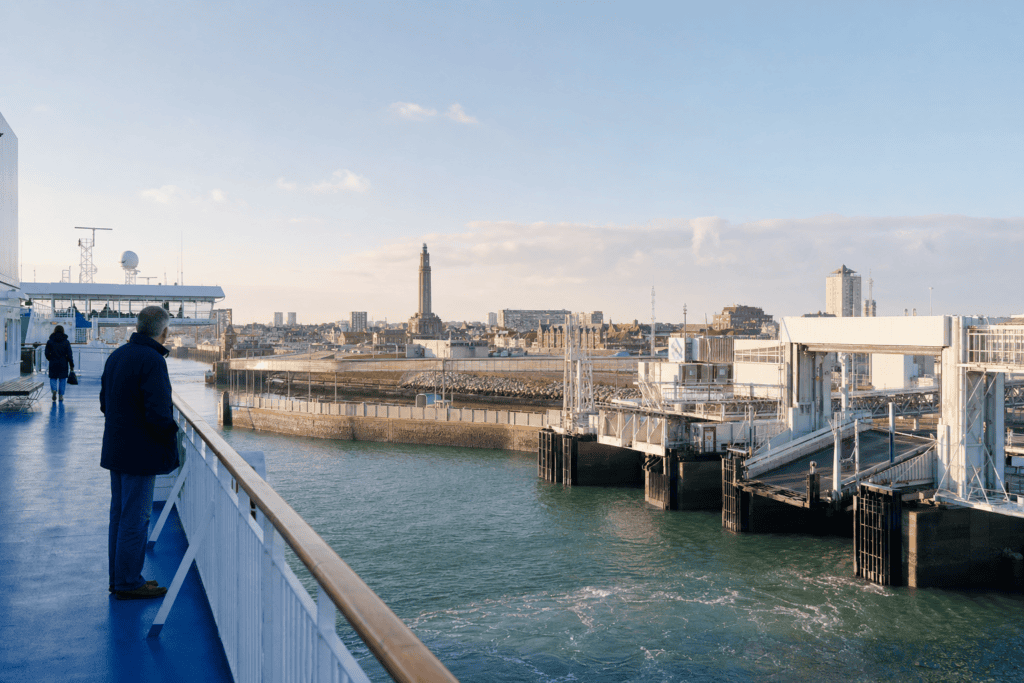 Arriving in Dunkirk via the Port and Ferry Terminal The essential landmarks for getting from the Loon-Plage ferry terminal to the station, city center…
 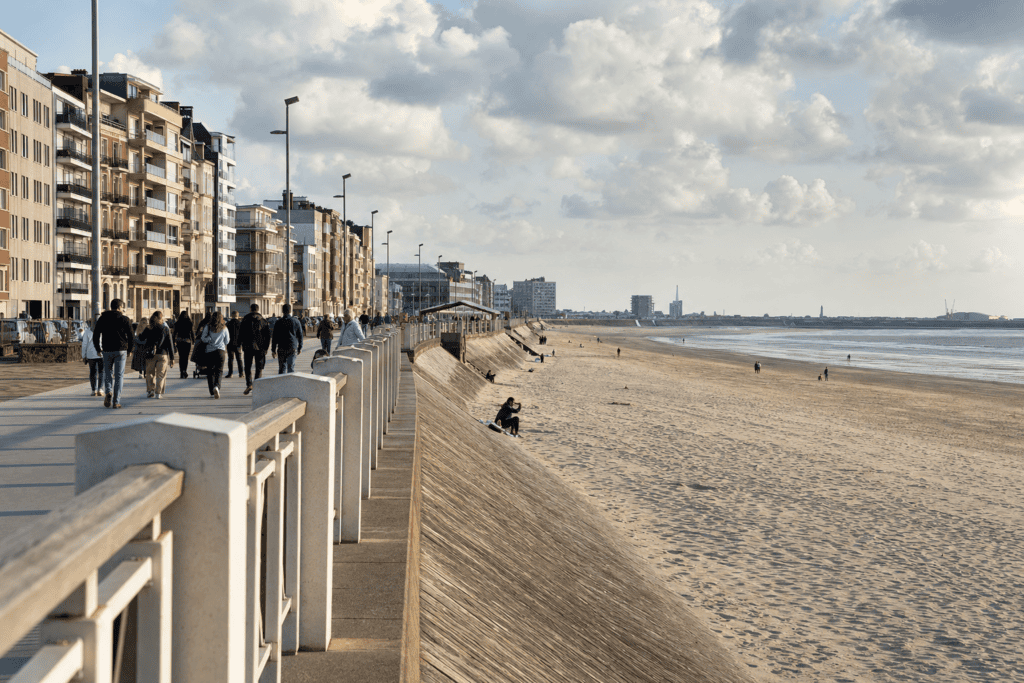 Malo-les-Bains Beach and Seawall A vast Dunkirk beach lined with seaside villas, a seawall, sand, water activities, and maritime heritage.
 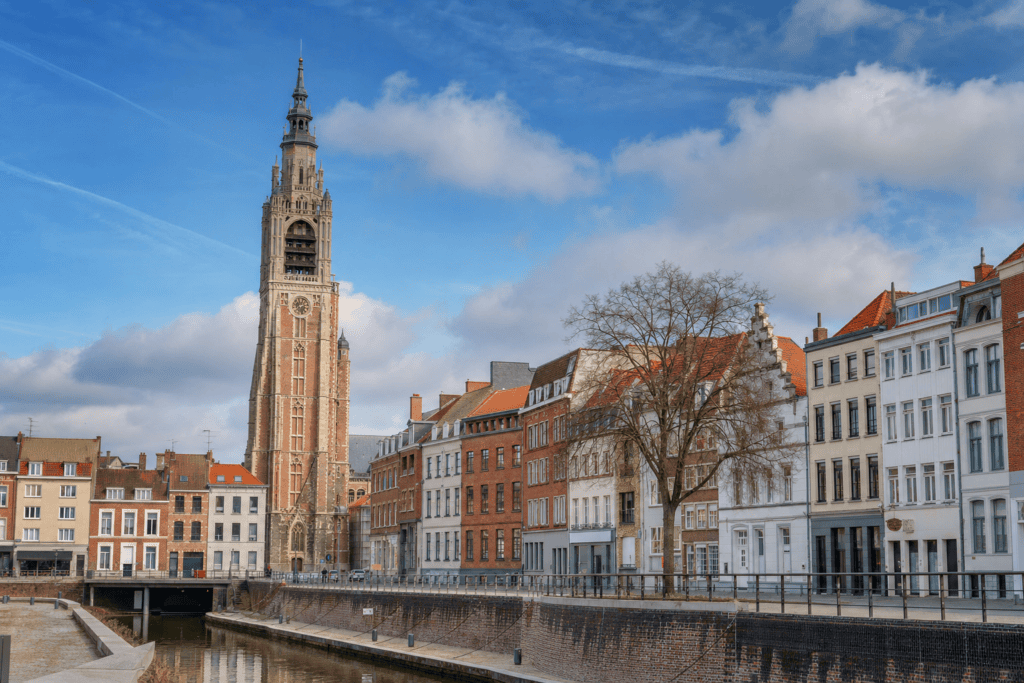 Saint-Éloi Belfry and Historic Center A UNESCO-listed belfry, a view of the port, and a walk between Saint-Eloi Church, the square…
 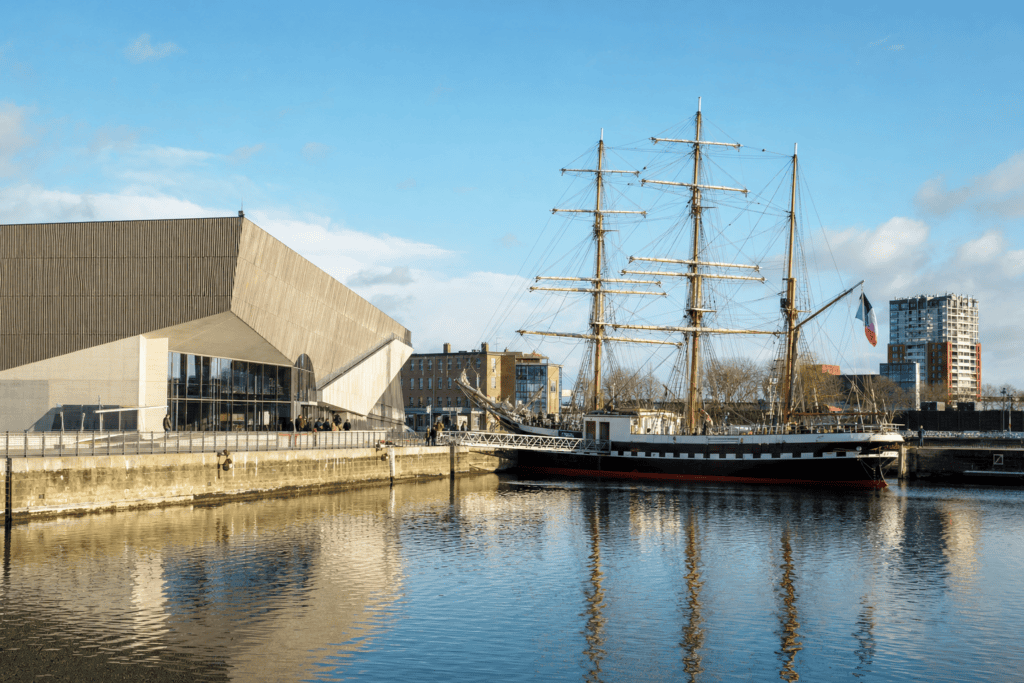 Dunkirk Port Museum and the three-masted Duchesse Anne An itinerary focused on Dunkirk’s maritime history, complemented by the Duchesse Anne and other ships…
 Online booking · Paris → Dunkirk, Nord, Hauts-de-France
Choose your pickup date and time
Your departure and arrival details are already pre-filled. You can adjust them in the fare calculator before viewing the vehicles and fare.