



Hauts-de-France Coast · Hauts-de-France
Dunkirk: Beach, Port and World War II History on the North Sea
From the long beach at Malo-les-Bains and the basins of France’s third-largest port to the dune landscapes of the Flemish coast, Dunkirk has a distinctive maritime character. The city can also be experienced through its carnival, port heritage and sites dedicated to Operation Dynamo. Easily accessible from Paris by train, it is an appealing destination for a cultural, seaside or family weekend in Hauts-de-France.
Explore Dunkirk
Dunkirk’s must-see attractions
 Must-see
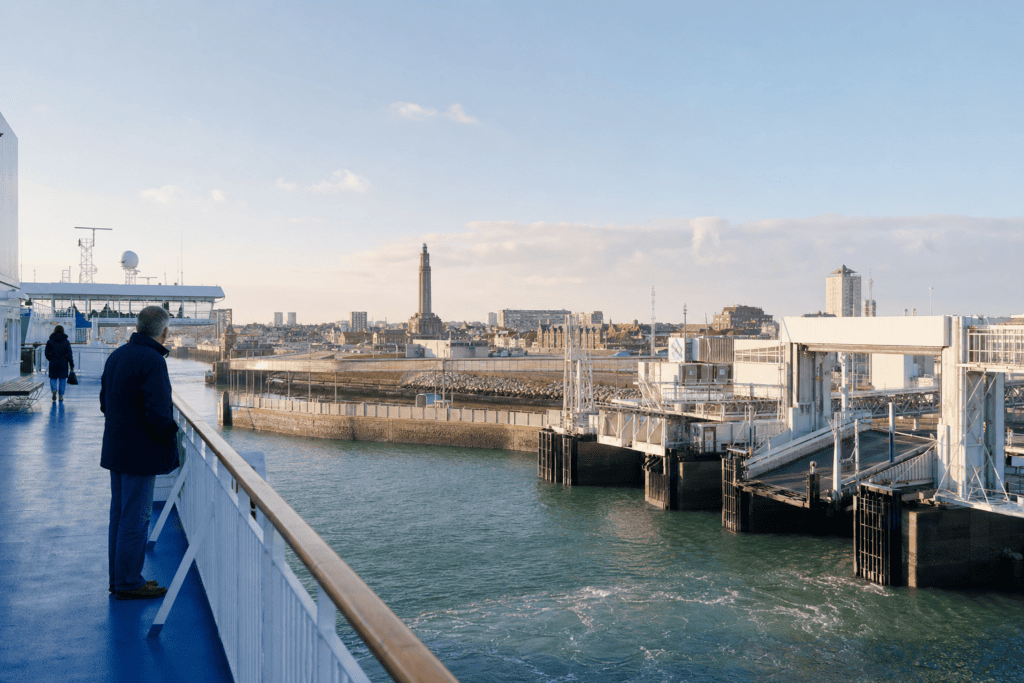
Arriving in Dunkirk via the Port and Ferry Terminal
Key information for getting from the Loon-Plage ferry terminal to the train station, central Dunkirk or…
 Must-see
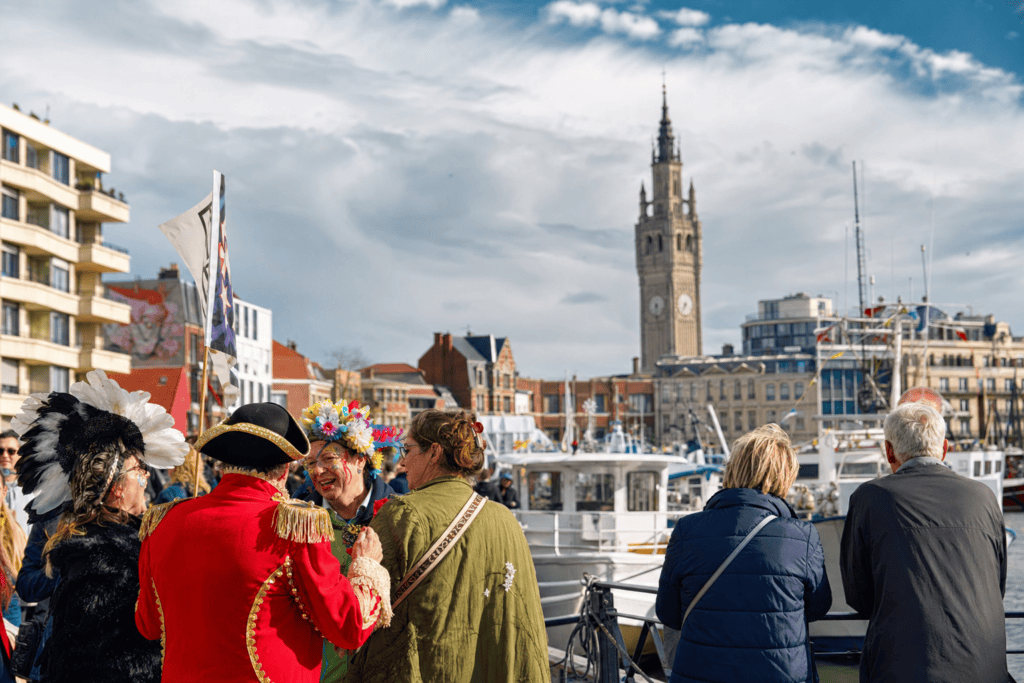
What to Do in Dunkirk: Carnival, Museums, and Port
A practical itinerary in Dunkirk between belfries, the port, museums, Malo-les-Bains beach, and carnival.
 Must-see
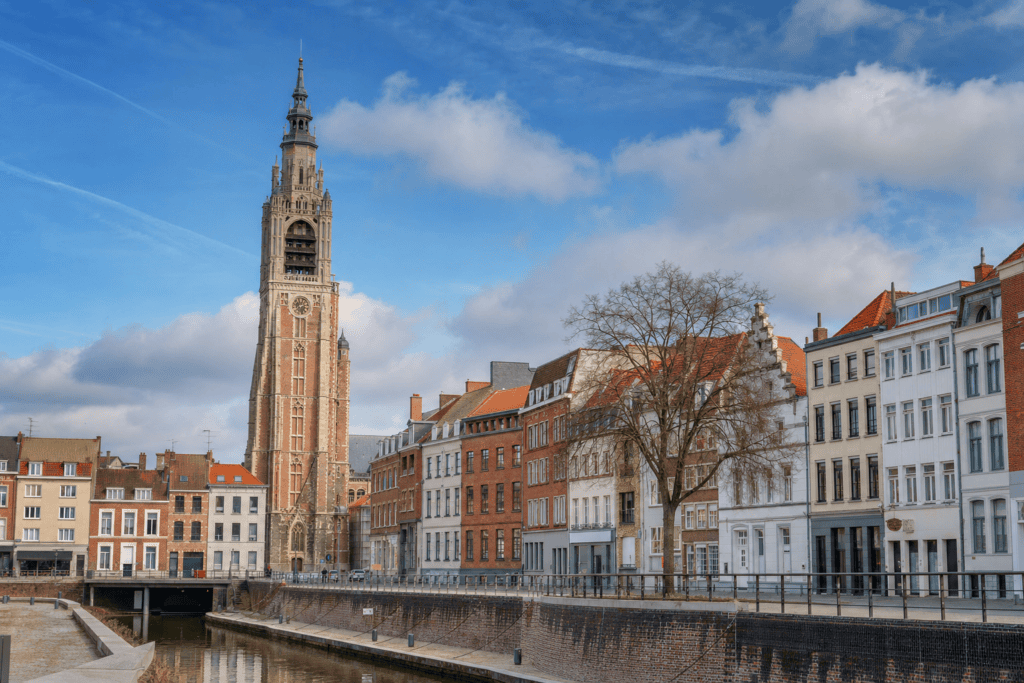
Saint-Éloi Belfry and Historic Center
A UNESCO-listed belfry, views over the port and a walk between Saint-Éloi Church, Jean Bart Square…
 Must-see
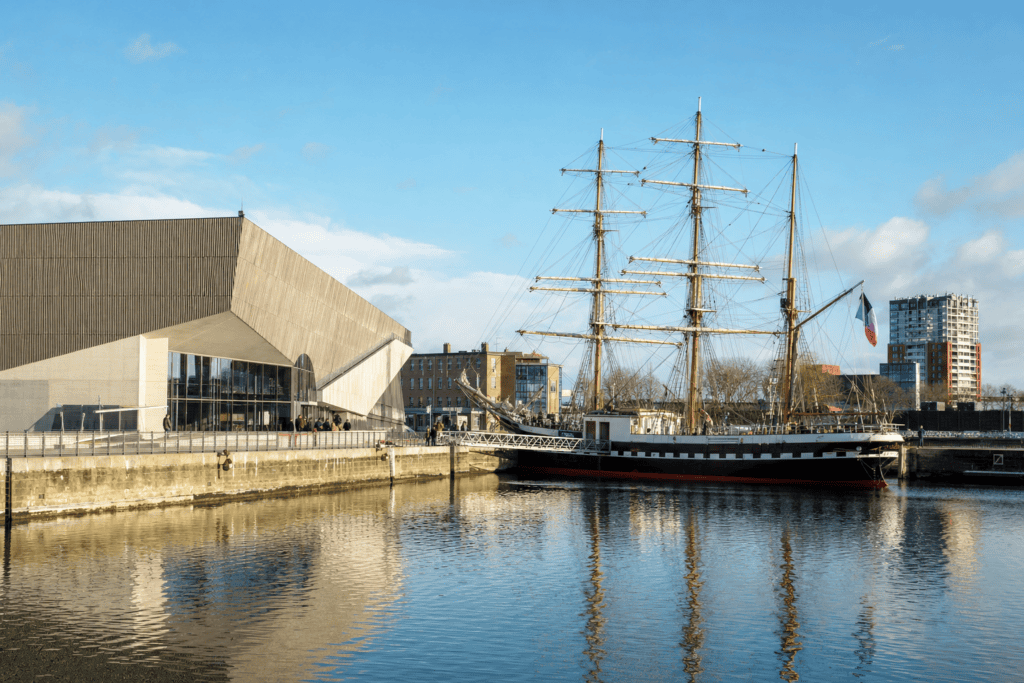
Dunkirk Port Museum and the three-masted Duchesse Anne
A tour devoted to Dunkirk’s maritime history, complemented by the Duchesse Anne and other historic vessels depending on…
 Must-see
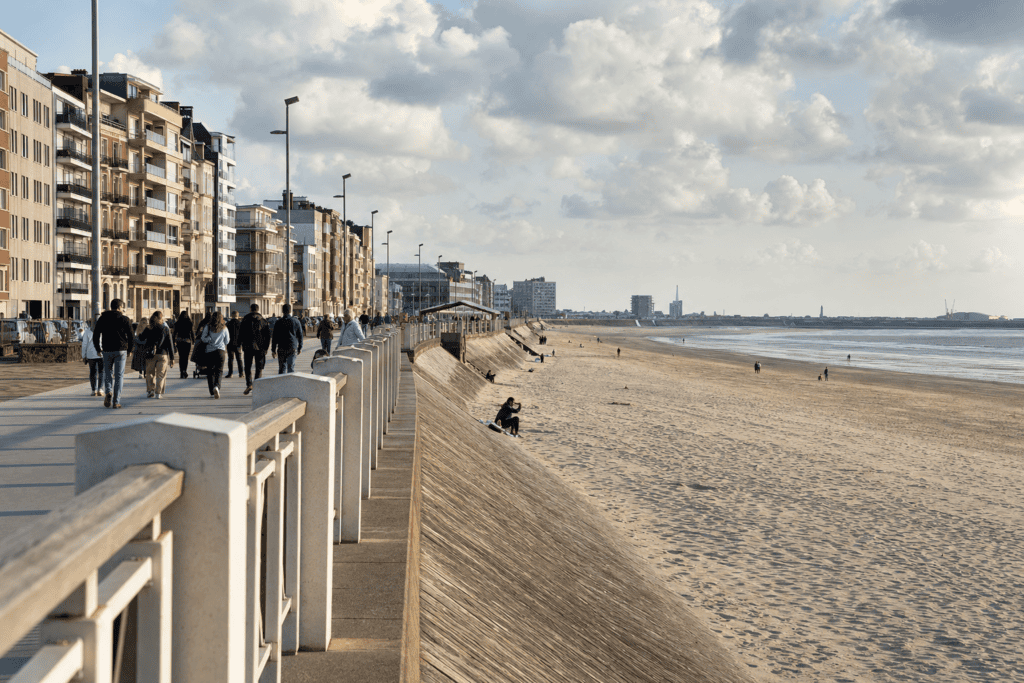
Malo-les-Bains Beach and Seawall
A vast Dunkirk beach lined with seaside villas, a seawall, sand, water activities, and maritime heritage.
Other destinations to discover
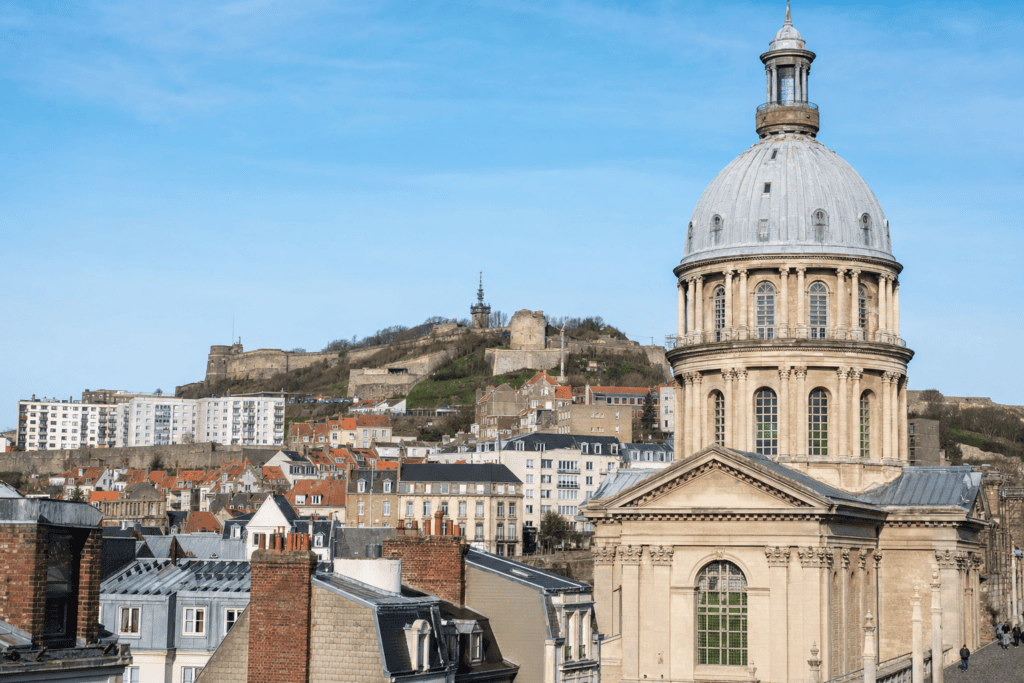
Boulogne-sur-Mer
A seaside city on the Opal Coast, with ramparts, a fishing port, Nausicaá, seafood cuisine and major…
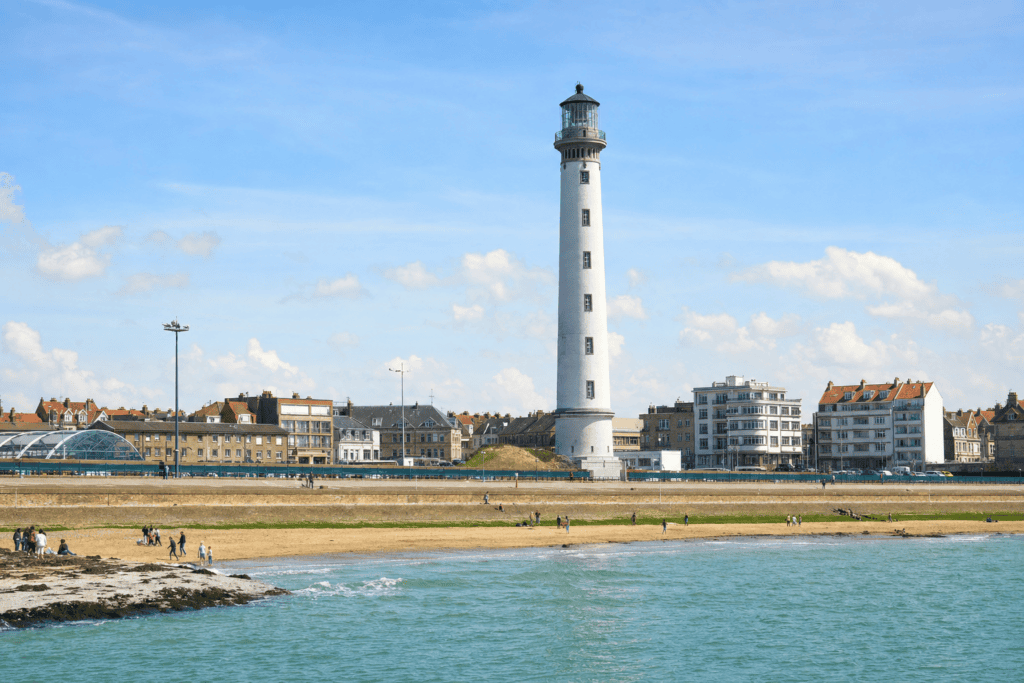
Calais
A maritime city with a beach, listed belfry, lace, Dragon, regional cuisine, and the landscapes of the Deux-Caps.
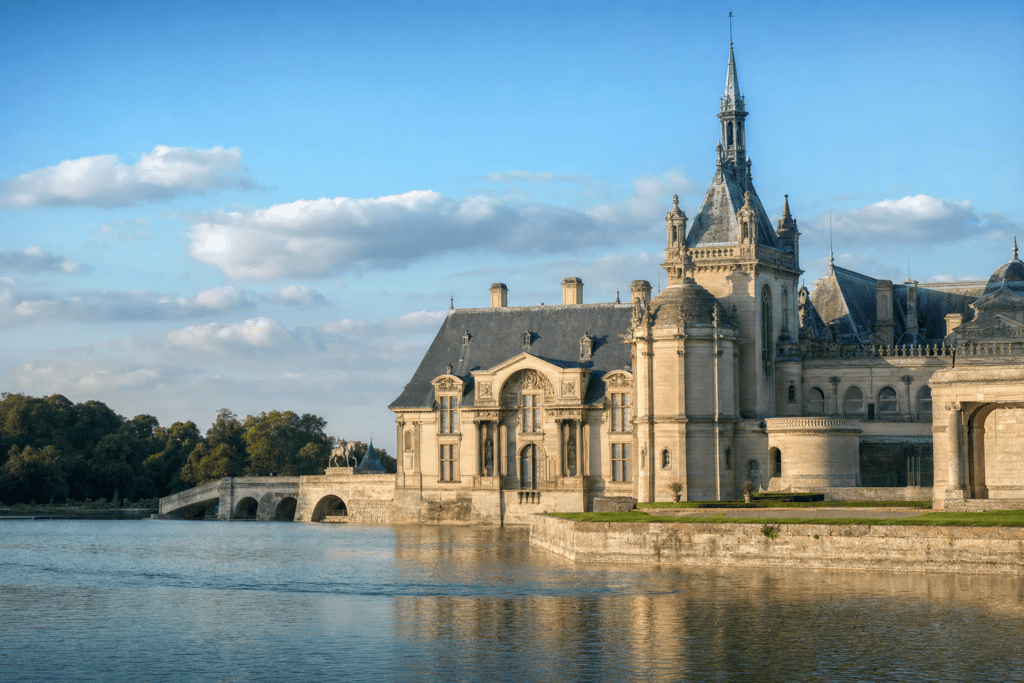
Chantilly
A remarkable princely estate near Paris, featuring the Condé Museum, Great Stables, formal French gardens,…
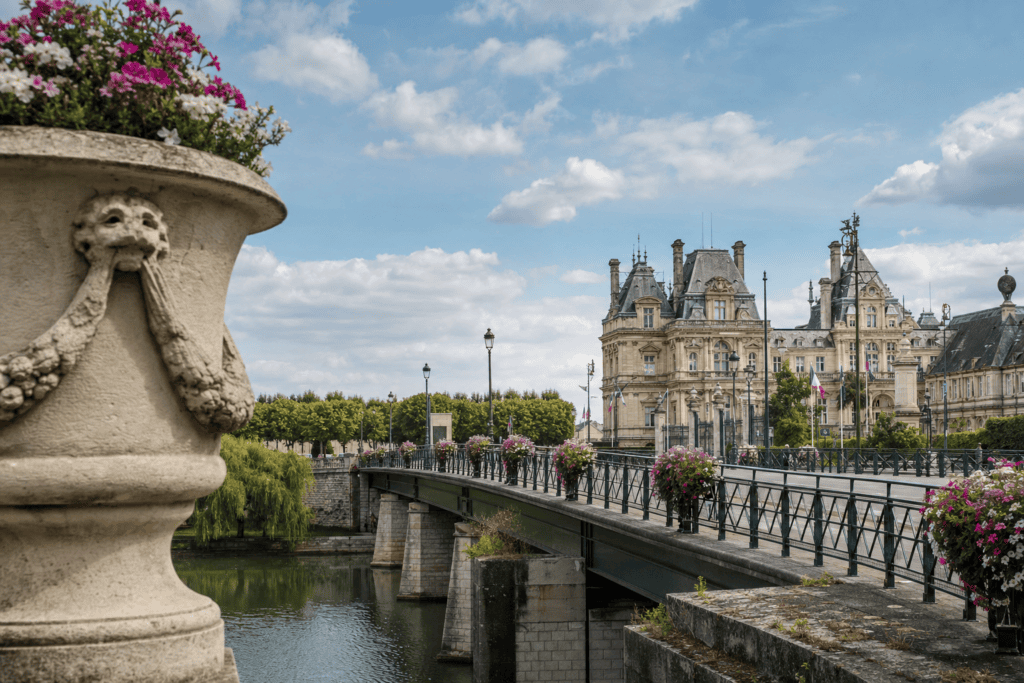
Compiègne
An imperial city with a château, historic forest, museums, gastronomy and memorial sites, ideal for a day…
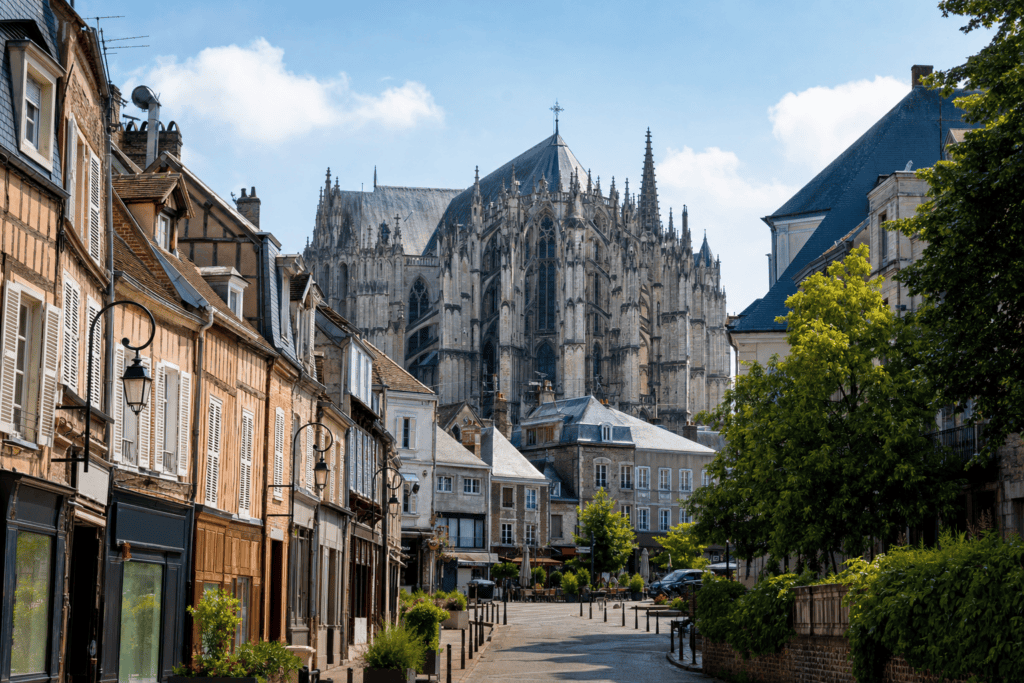
Beauvais
A heritage destination north of Paris, with an unfinished Gothic cathedral, astronomical clock, episcopal palace, tapestry and…
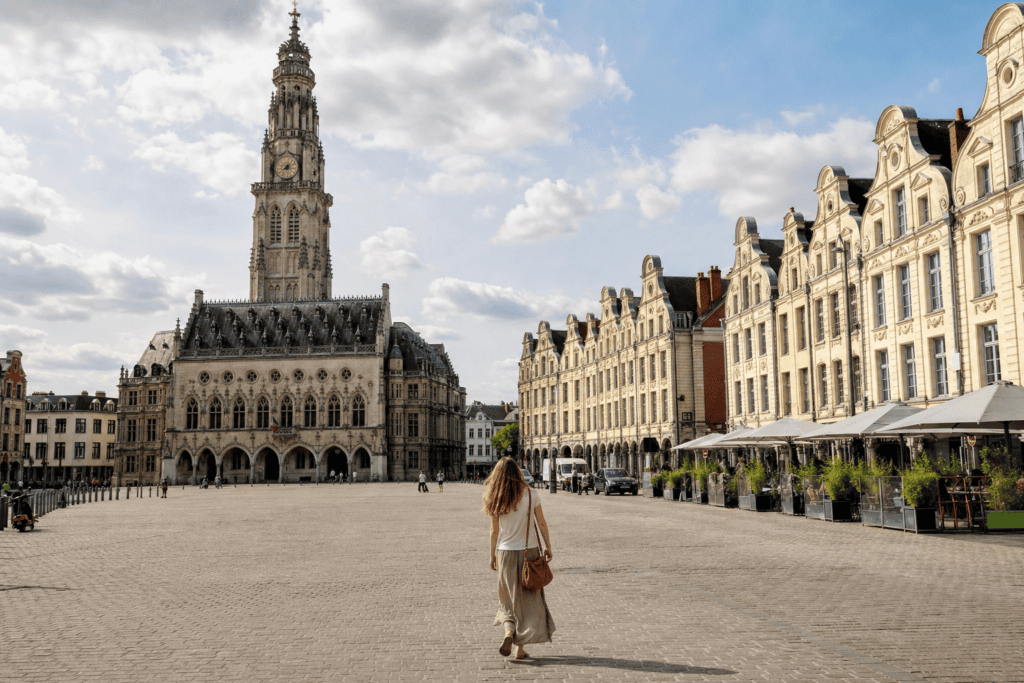
Arras
With Baroque squares, a belfry, underground passages, the Citadel and memorial sites, Arras offers a wealth of heritage in…
DESTINATION GUIDE
Dunkirk Travel Guide
A city facing the North Sea
Dunkirk is a coastal destination unlike more conventional seaside resorts. Its identity rests on the coexistence of several worlds: a vast beach opening onto the North Sea, a European-scale industrial and commercial port, neighborhoods rebuilt after World War II, and a popular culture deeply connected to sailors and dockworkers. This diversity gives the city a lively, sometimes rugged character that is especially interesting to explore.
The best place to start is downtown, organized around the train station, city hall, belfry and quays. The station is in the heart of Dunkirk, making it possible to reach the historic center on foot. Malo-les-Bains beach is about a 15-minute walk from the station, depending on the route, while the free bus network makes it easy to get to the seafront, ports and neighboring towns.
Malo-les-Bains Beach and the Seafront
Malo-les-Bains is Dunkirk’s best-known seaside district. Its expansive sandy beach is ideal for walks, water sports and family outings. The promenade offers unobstructed views of the North Sea and makes it possible to reach different parts of the seafront on foot or by bike. In clear weather, the light and open spaces create a distinctive atmosphere, somewhere between a Flemish seaside resort and a northern maritime landscape.
The beach is enjoyable year-round, but the experience varies by season. Summer is ideal for swimming, outdoor terraces and seaside activities, while fall and winter highlight walks, wind and dune landscapes. On busy days, especially during pleasant weekends and certain events, it is best to plan ahead and use public transportation or a bike.
The Port and Maritime Heritage
The port lies at the heart of local history and the economy. Located on the Quai de la Citadelle, the Maritime and Port Museum explains Dunkirk’s development, from the growth of its maritime activity to contemporary issues. Its collections explore ships, seafaring professions, trade and port life. The museum also includes a group of vessels afloat, making the visit especially engaging for families and visitors interested in naval history.
Dunkirk Port Center offers a complementary perspective. Located in the Citadelle district, it explains how the port operates, along with its infrastructure, freight flows and transformations. Guided tours may offer a chance to observe port facilities and better understand the difference between the historic basins near the center and the more distant industrial port areas. Check visiting conditions with the relevant organizations, as access to port zones is regulated.
- In the city center: the Quai de la Citadelle, the Maritime and Port Museum and the historic basins.
- For a higher vantage point: when open to visitors, Risban Lighthouse offers remarkable views of the coastline and maritime Flanders.
- For a more contemporary perspective: FRAC Grand Large presents contemporary art collections and exhibitions in the seafront district.
Dunkirk Carnival: a deeply local tradition
Carnival is one of the defining features of Dunkirk’s identity. It is not simply a parade, but a series of bands, balls and popular gatherings held over several weeks around Mardi Gras. The tradition is linked to the city’s maritime history and to celebrations held for fishermen before they left, particularly for the Icelandic fishing grounds.
Participants often wear a “clet’che,” a personal costume kept and reused over the years. Giants, drums, fifes, umbrellas and songs create a highly distinctive atmosphere. The famous “band” brings carnival-goers together in a dense procession, while “chahut” refers to the collective movements that require attentiveness and respect for regulars’ instructions. For a first experience, it is best to observe, follow local recommendations and avoid the most crowded areas with young children.
Operation Dynamo and the Memory of War
Dunkirk holds a major place in the history of World War II. In 1940, Operation Dynamo evacuated a large part of the Allied troops encircled in the Dunkirk pocket. Housed in a former casemate, the Dunkirk 1940 Museum presents the events of the battle and evacuation through maps, documents and historical objects.
The operation’s legacy can also be discovered in the urban and coastal landscape. A careful visit connects sites throughout the city, the seafront and the areas associated with the embarkations. The subject is particularly compelling for British visitors and military history enthusiasts, but it can also be an educational stop for families. Guided Dynamo tours are offered according to the tourism office’s schedule.
Dunes, Cycling and Getaways Around Dunkirk
Dunkirk lies along La Vélomaritime, the cycling route that follows part of the French coastline. Dedicated bike paths and roads make it possible to reach nearby beaches, the Flanders dunes and, depending on the route, areas near Bray-Dunes and the Belgian border. Cycling is an excellent way to understand the relationship between the city, beaches, ports and natural spaces.
Walkers can also choose dune trails and coastal routes. These environments are fragile, so it is important to stay on marked paths, avoid disturbing wildlife and respect regulated periods or areas. For a regional excursion, Gravelines, with its fortified heritage and canals, can complement a stay, while Calais and the landscapes of the Opal Coast can be included in a longer itinerary.
How to Get to Dunkirk from Paris
The train is generally the easiest way to reach Dunkirk from Paris. From the station, you can access the city center, quays and local transportation. Lille is another useful gateway for travelers arriving from other parts of Hauts-de-France or Belgium. By car, Dunkirk is connected to the regional highway network, but traffic conditions may change during major holiday departures, periods of heavy summer traffic or the main carnival events.
The Port of Dunkirk is also an important facility for maritime trade and certain cross-Channel routes. However, visitors should not confuse port areas open to the public with operational zones, which are subject to specific rules. Travelers arriving by ferry or continuing toward Belgium and the United Kingdom should check their terminal carefully and allow enough time between the port, train station and city center.
When to Visit Dunkirk
Carnival draws large crowds and offers the most iconic experience, but it requires special preparation. Summer is the obvious choice for enjoying the beach and outdoor terraces. Spring and early fall are well suited to cultural visits, cycling and coastal walks. Outside peak periods, the city gives visitors more time to enjoy its museums, quays and dune landscapes.
Travel from Paris to Dunkirk by Private Car with Driver
Booking Paris Transfer can arrange a private trip from Paris, the Île-de-France region or Roissy-CDG and Orly airports to Dunkirk. This option is suitable for travelers with luggage, families or itineraries combining Paris, Dunkirk and other destinations in Hauts-de-France. The service can also be considered for a return trip to Paris, but does not replace local transportation or tickets for museums and attractions.