



Notre-Dame Cathedral of Évreux: Visitor Guide
Évreux
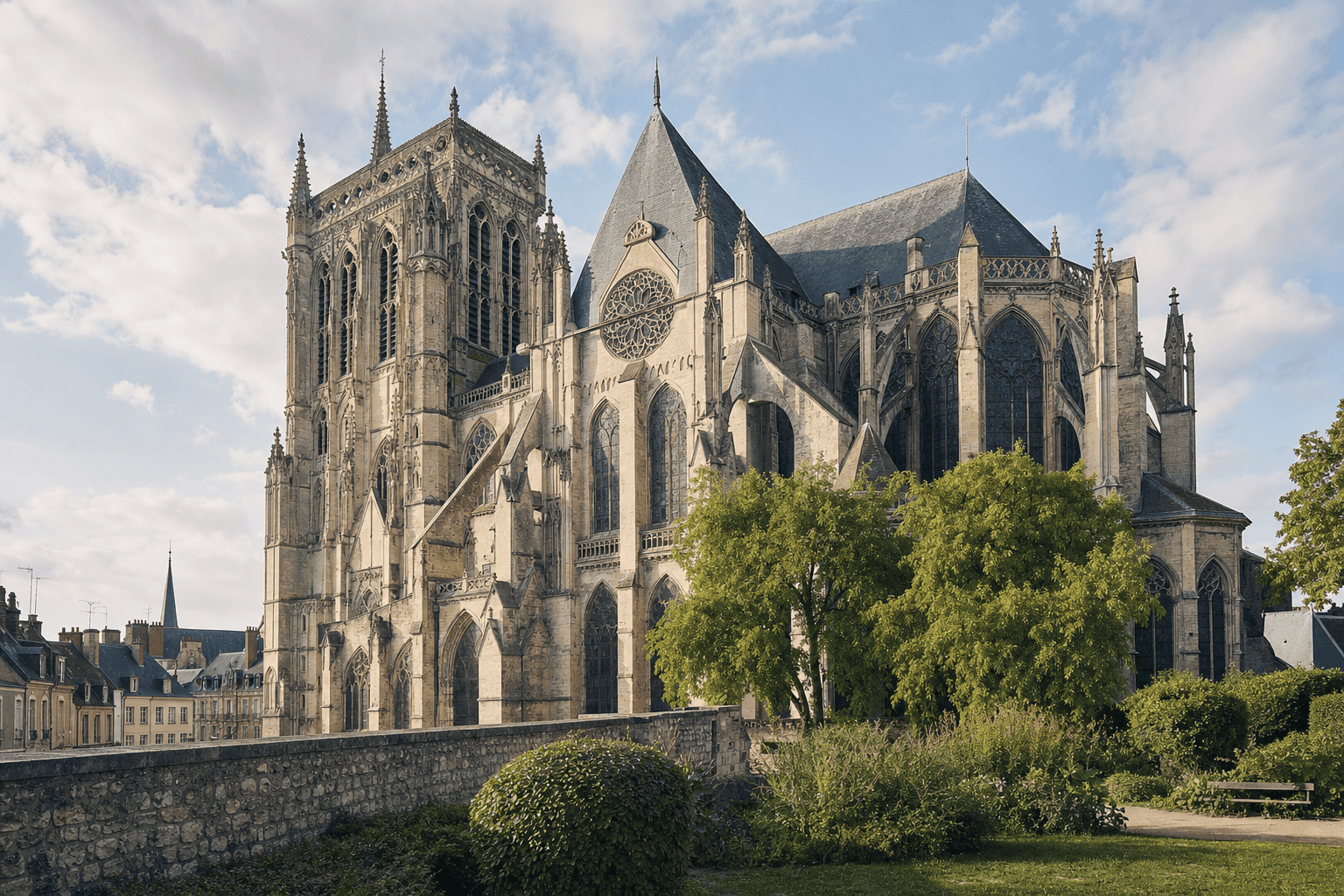
At the heart of the historic center, Notre-Dame Cathedral of Évreux tells nearly a thousand years of religious, architectural, and artistic history. Consecrated to the Virgin Mary in 1076, it brings together Romanesque, Gothic, and Renaissance elements, along with a remarkable collection of stained-glass windows created between the 13th and 16th centuries. Its silhouette rises above Évreux’s old streets and makes an excellent starting point for discovering the former bishop’s palace, the Museum of Art, History and Archaeology, the banks of the Iton, and the belfry.
Practical information
Pair the cathedral with the Museum of Art, History and Archaeology, the belfry, and a walk along the Iton to create a heritage itinerary on foot.
Travel to Évreux from Paris with a chauffeur
For a cultural excursion in Normandy, arrange your Paris → Évreux journey from your hotel, CDG, or ORY. You can plan a return trip to Paris or include the cathedral in a heritage itinerary departing from the capital. The service covers chauffeur-driven transportation only and does not include admission tickets or a local guided tour.
Departure is available from Paris, a Paris hotel, CDG, or ORY; the return to Paris can be planned according to your itinerary.
A major landmark in the heart of Évreux
Notre-Dame Cathedral of Évreux is one of the main landmarks of the cityscape. Located in the heart of the city, it forms part of a heritage area that includes the former bishop’s palace, the Museum of Art, History and Archaeology, the streets of the old town, and the landscaped walks along the Iton. Its presence reflects the historical importance of Évreux, a former episcopal city and the prefecture of Eure.
The city presents it as the largest church in the department and as a building that showcases major architectural styles, from the Romanesque period to the Renaissance. This diversity is central to its appeal: rather than looking for perfect unity, observe the changes in proportions, decoration, and techniques that reveal the building’s successive transformations.
From the surrounding area, take time to look at its setting within the historic center. The façade, side elevations, and transept volumes gradually come into view as you walk through the streets and squares. This first exterior overview helps you understand the cathedral’s setting before examining its interior details.
A history shaped by several centuries
The cathedral’s history cannot be reduced to a single construction campaign. Consecrated to the Virgin Mary in 1076, it evolved in response to liturgical needs, artistic tastes, financial resources, and the events that shaped Évreux. Its current appearance is therefore the result of successive periods, each leaving a visible mark on the stonework, openings, and decoration.
The building has also experienced the destruction and restoration that affected the city. It was heavily damaged in 1940, before restoration was completed in 1973 with the installation of a gilded rooster atop the new spire. This recent history is a reminder that the monument is not a static backdrop, but a building maintained and passed down from one generation to the next.
To better understand its transformations, look for contrasts between the older sections and later additions. Differences in masonry, windows, moldings, and sculptures reveal the successive stages of construction. This approach makes the visit more rewarding than a simple aesthetic overview and connects the monument with Normandy’s eventful history.
Understanding the architectural styles
The architecture of Notre-Dame Cathedral of Évreux is often described as composite because it brings together several artistic languages. Gothic forms dominate the overall impression, with the vertical sweep of the nave, large openings, and the interplay of light characteristic of this style. Yet some details also point to earlier or later periods, giving the whole building great visual richness.
Outside, begin by examining the west façade and the various lines that structure its composition. Then look at the buttresses, pinnacles, bays, and sculptures, bearing in mind that some elements may have been restored or altered. The transept also offers attractive views from the public spaces around the city center.
Inside, let your gaze travel along the nave toward the choir. The height, sequence of bays, and arrangement of chapels create a sense of depth. An attentive visit reveals the architectural rhythms and shows how the builders organized the space to direct light toward the most sacred parts of the building. Visitors interested in photography will appreciate the axial perspectives and contrasts between stone, glass, and shadow.
The stained glass: the main artistic treasure
The stained glass is one of the cathedral’s main attractions. Created between the 13th and 16th centuries, it forms a remarkable collection distinguished by its age, variety, and rich colors. Depending on the time of day and the weather, the light changes its appearance: some details become sharper, while hues spread across the pillars and floors.
Do not limit yourself to viewing the windows as a whole. Move closer when possible and observe the figures, gestures, attributes, and borders. The religious scenes read like stories in pictures, while the decorative motifs structure the compositions. Silver stain, an iconic color associated with Évreux’s stained glass, also deserves special attention.
To fully appreciate this art, vary your viewpoints: look at the windows from the nave, then from the side aisles or chapels when access allows. A guided tour offered by local cultural organizations can provide valuable explanations of the symbols and techniques. If you take photographs, be discreet and check the rules posted on site.
Furnishings, choir, and details to look for
The cathedral interior deserves a leisurely visit, as several features reveal themselves only after a few minutes of observation. The choir naturally draws the eye with its layout and screens, attributed to master locksmith Jacques de la Haye. Their design marks the separation between the liturgical areas while contributing to the building’s overall decoration.
The 17th-century pulpit is another feature to look for. It came from Bec-Hellouin Abbey and recalls the historic links between Normandy’s religious institutions. Also take time to examine the chapels, sculptures, paintings, and traces of restoration without trying to identify everything in a single visit.
The cathedral also has a Treasury, whose presentation conditions may vary. Check access arrangements with the city or parish before planning your visit. As in any place of worship, some areas may be reserved for services and photography may be subject to restrictions. A quiet manner helps preserve the atmosphere of contemplation and the comfort of other visitors.
What to see around the cathedral
The cathedral can easily be included in a day exploring Évreux. Nearby, the former bishop’s palace now houses the Museum of Art, History and Archaeology, located in a building constructed in the late 15th century to accommodate the bishops. Its collections extend the visit with a historical and artistic perspective, including works from the Évreux area.
As you continue your walk, you can reach the belfry, or Clock Tower, another important monument in the city center. The banks and channels of the Iton offer a quieter route, ideal for taking a break after visiting the cathedral. Saint-Taurin Church is also an interesting heritage addition, particularly for its stained glass and medieval reliquary shrine.
To plan a coherent itinerary, start with the cathedral, then visit the museum, and finish with an urban walk. This progression alternates architecture, collections, and cityscapes. It also lets you observe Évreux’s reconstruction and traces of its more recent history around the older monuments. Depending on the season, plan a break in the city center to enjoy the local atmosphere at a more relaxed pace.
Practical tips for planning your visit
Before heading to Notre-Dame Cathedral of Évreux, consult official information about opening hours, services, concerts, guided tours, and possible access to the Treasury. These details may change according to the religious or cultural calendar. As the cathedral remains an active place of worship, discretion is recommended during services, along with respect for designated areas.
For photography, choose times when plenty of light enters through the stained glass, while avoiding flash if it is prohibited or likely to disturb visitors. Comfortable shoes are useful if you combine the cathedral with the historic center’s streets, the museum, and the banks of the Iton. Visitors with reduced mobility can check access conditions and any constraints related to the building before traveling.
Évreux is pleasant to explore on foot in the central area. For a trip from Paris, private transportation can simplify the round trip and make it easier to organize a day around several stops. Booking Paris Transfer offers a chauffeur-driven journey from Paris, a Paris hotel, CDG, or ORY to Évreux, with a return to Paris. The service covers transportation only and does not include admission tickets or a local guided tour.
Useful sources
Frequently Asked Questions
What makes Notre-Dame Cathedral of Évreux distinctive?
How much time should I allow to visit the cathedral?
Is the cathedral open every day?
What can you visit near the cathedral?
Can I travel to Évreux with a chauffeur from Paris?
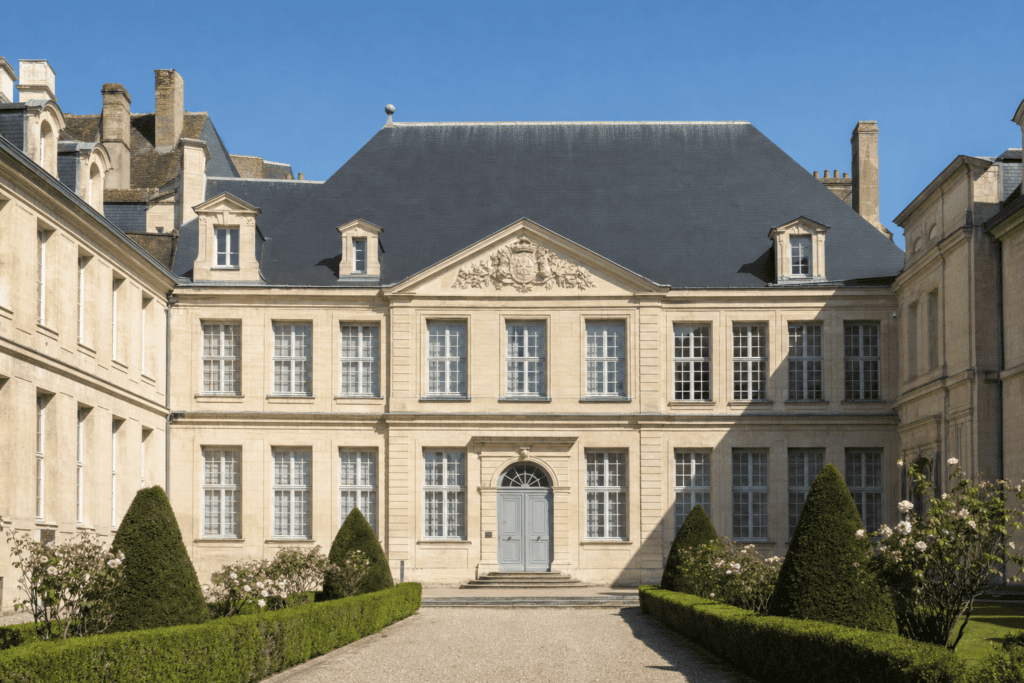 Évreux Museum of Art, History and Archaeology In Évreux’s former bishop’s palace, explore Gallo-Roman archaeology, fine arts and local history in a heritage setting…
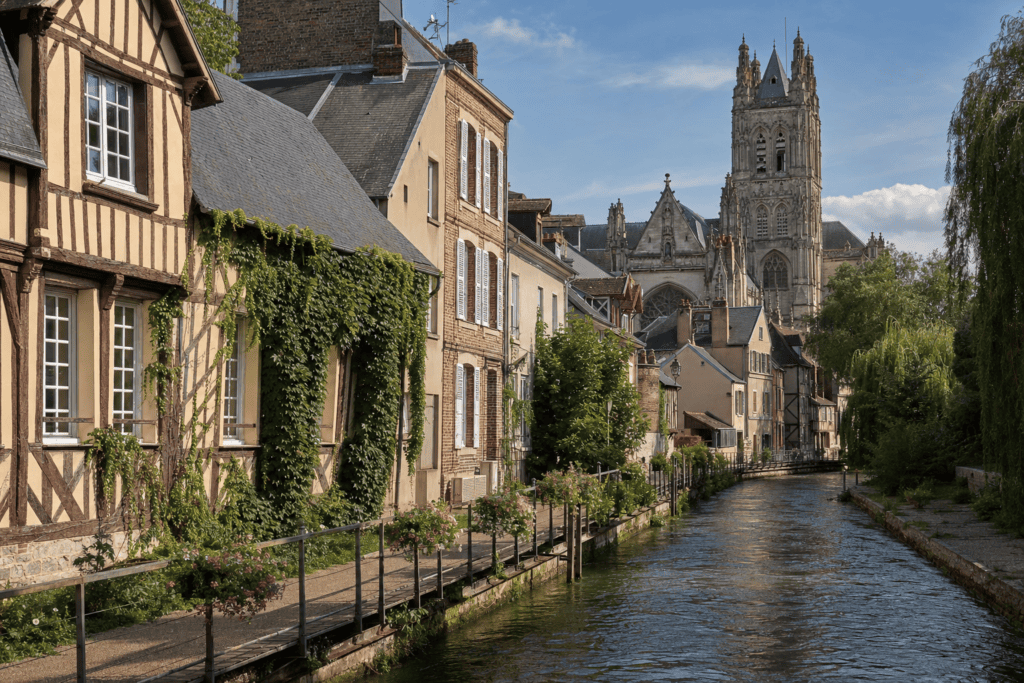 Historic Center and the Banks of the Iton An urban walk linking Notre-Dame Cathedral, historic streets, half-timbered houses, and the…
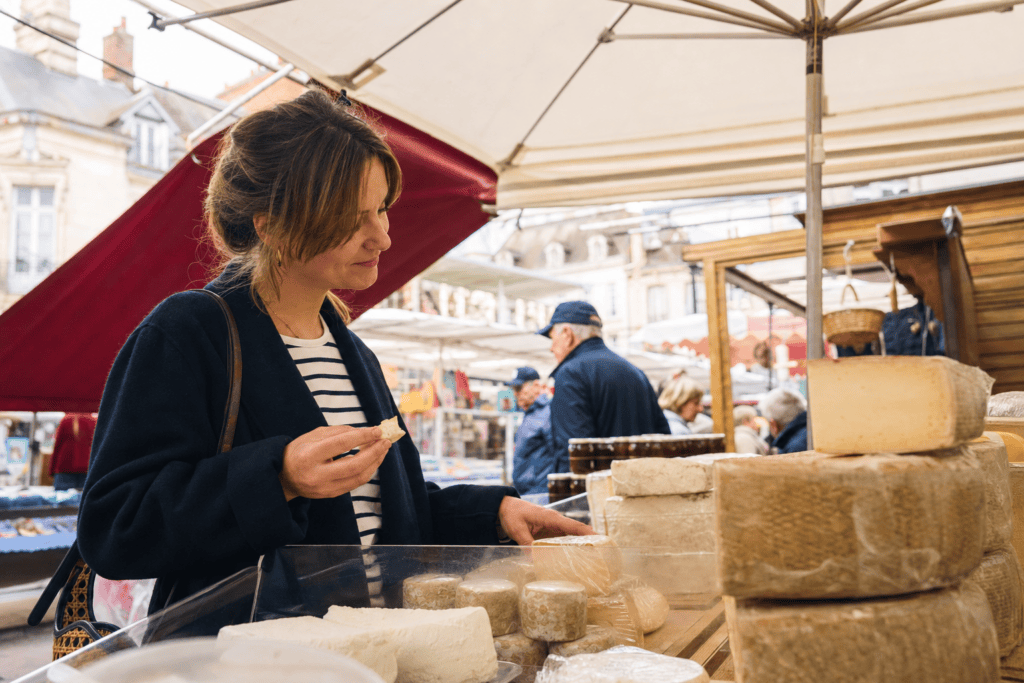 Évreux Market and a Taste of Norman Products A gourmet stroll through the heart of Évreux, featuring fresh produce, Norman specialties, local producers, and town-center shops.
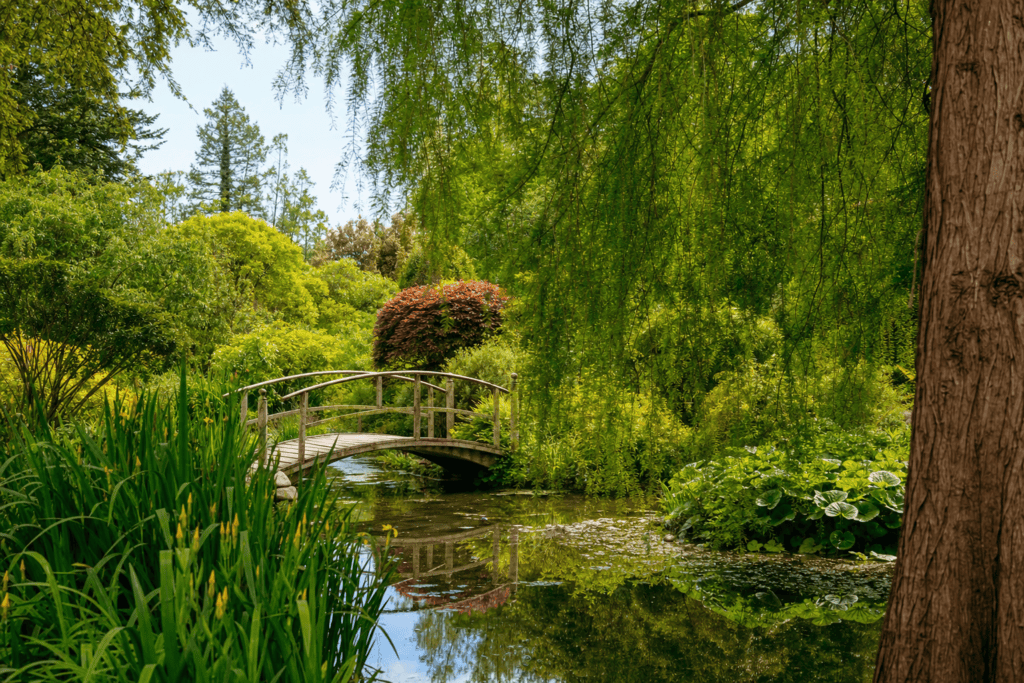 Évreux Botanical Garden A peaceful public garden in Évreux, with plant collections, a tropical greenhouse, sculptures, playgrounds, and spaces ideal…
Online booking · Paris → Place de la Cathédrale, 27000 Évreux, France
Choose your pickup date and time
Your departure and arrival details are already pre-filled. You can adjust them in the fare calculator before viewing the vehicles and fare.