



Évreux Historic Center: A Stroll Between the City and the Iton
Évreux
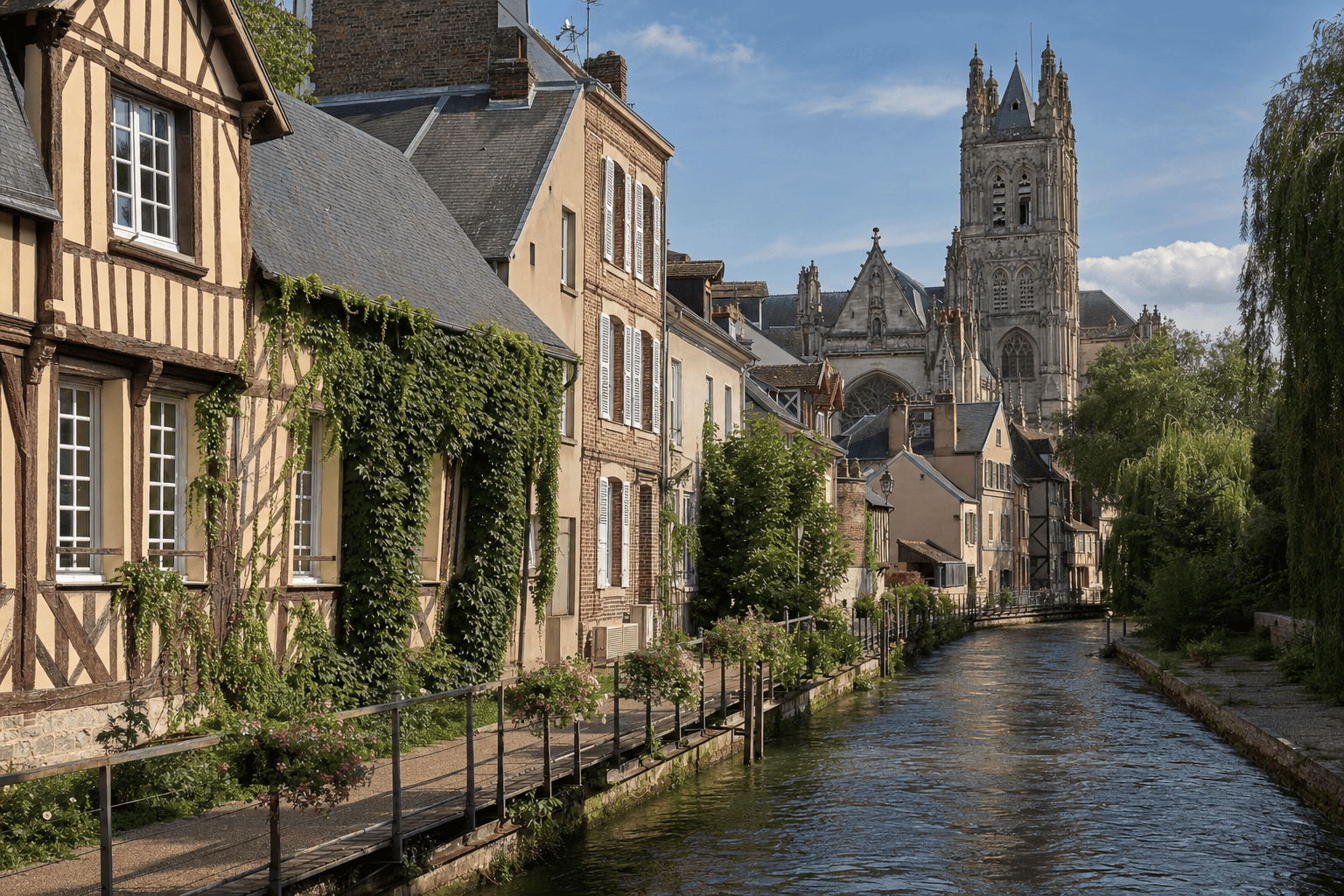
Évreux’s historic center is best explored on foot, connecting Notre-Dame Cathedral, historic streets, traces of the old ramparts, and landscaped paths along the Iton. This stroll reveals a Norman city of contrasting character: medieval heritage, postwar architecture, gardens, footbridges, and river reflections create an enjoyable, accessible route rich in history. Allow time to look up, take in the details of the façades, and step away from the shopping streets for a few minutes to enjoy the quiet of the riverbanks.
Practical information
Start near the cathedral, continue through the historic streets, then gradually make your way down to the Iton. Keep a map or Évreux’s official map handy to locate the footbridges and identify any route changes.
Getting to Évreux from Paris Made Easy
To include this walk in a day trip through Normandy, Booking Paris Transfer offers private transportation from Paris, a Paris hotel, CDG, or ORY to Évreux, with the option of returning to Paris. The service covers transportation only; tickets for monuments, tours, and museums must be booked separately with the relevant establishments.
Possible departure from Paris, a Paris hotel, CDG, or ORY; return to Paris or a private itinerary beginning in Paris, subject to availability.
A First Look Around the Cathedral
For a first introduction, Notre-Dame Cathedral is an excellent starting point. It dominates the old city center and immediately conveys the depth of Évreux’s history. Its Gothic architecture, shaped over successive periods, deserves close attention: the portal, elevation, stained glass, and stylistic differences tell the story of the building’s transformations. Take time to walk around the exterior before going inside, when visiting conditions allow.
Nearby, the reflecting pool offers a particularly pleasant view of the cathedral and the Museum of Art, History and Archaeology, housed in the former bishop’s palace. This vista brings together built heritage and the presence of water, two essential elements of the area’s identity. To check hours, any religious services, or access conditions, consult official information before setting out.
From this monumental complex, continue your walk without trying to follow the most direct route: the appeal lies precisely in the changing atmosphere between squares, lanes, façades, and riverbanks.
Reading the Historic Streets and Façades
Évreux’s historic center is more than a collection of isolated monuments. It can be read in the sequence of its streets, vistas, and architectural details. As you move away from the cathedral, look for historic houses, door surrounds, preserved timber framing, and building forms that recall the city’s traditional layout. Half-timbered houses do not form a continuous backdrop everywhere; they appear in stretches among newer buildings and postwar reconstruction projects.
This variety is one of the distinctive features of the visit. Évreux suffered extensive destruction during World War II, after which its center was largely rebuilt. The walk therefore allows you to compare several eras within a relatively compact area: medieval traces, religious architecture, administrative buildings, shops, and postwar buildings stand side by side.
To enrich your walk, choose a few side streets instead of staying only on the shopping thoroughfares. The façades are often easier to appreciate there, away from traffic and crowds.
The Iton, the River That Shapes the City
The Iton gives the city center a distinctive atmosphere. The river divides into several branches, runs through the neighborhoods, passes beneath bridges, and accompanies many pedestrian paths. In a city shaped by its urban history, the water provides visual and auditory relief: reflections, vegetation, small structures, footbridges, and changing vistas unfold throughout the walk.
The banks of the Iton are best explored slowly. Rather than treating them as a long hike, consider them a series of pauses between heritage stops. A footbridge may offer a different view of a façade; a detour near a river branch can sometimes reveal gardens or historic waterworks. The city also highlights occasional events and routes centered on the legends and heritage of the Iton.
Pay attention to local signs and any areas under construction, as routes may change. The walk is most enjoyable when combined with the old town: its charm comes from the alternation of stone, water, and vegetation.
Belfry, Ramparts, and Medieval Memory
As you explore the center, look for features that evoke the medieval city. The belfry, also known as the Clock Tower, is one of Évreux’s major historic landmarks. Its presence helps convey the importance of the former city and its organization around centers of power, commerce, and movement. The remains of the ramparts offer another clue: they bear witness to an urban area once enclosed by walls, whose shape is not always immediately apparent today.
The visit becomes more rewarding when you learn to notice modest traces as well as spectacular monuments. A street alignment, a change in elevation, a section of wall, or a sign can help reconstruct the neighborhood’s evolution. The city’s heritage documents highlight the main protected buildings in the city center, including the cathedral, the belfry, and certain religious buildings.
If you enjoy guided tours, ask the cultural services or tourist office about routes available during your stay. Programs and arrangements may vary by season.
Discovering a Rebuilt City in a Different Way
Évreux offers an open-air lesson in urban planning. Bombing during World War II severely damaged the center, which was later rebuilt according to modern principles. This period should not be viewed as a mere interruption between two older chapters; it is an integral part of the city’s present-day identity. The buildings, street alignments, squares, and public facilities show how Évreux sought to restore urban life while adopting new forms.
Along the Iton, this juxtaposition is particularly clear. Rebuilt structures stand alongside the cathedral, city hall, and preserved elements of the historic heritage. The result is less uniform than an intact medieval center, but far more revealing of the real history of a Norman city in the 20th century.
To appreciate this architecture, don’t photograph only the famous monuments. Frame the façades, window patterns, street corners, and relationships between the buildings and the river as well. The regional designation devoted to postwar reconstruction heritage can provide useful reference points for this exploration.
A Half-Day Walking Itinerary
A simple itinerary can begin around Notre-Dame Cathedral. After taking in the building and the view from the reflecting pool, head toward the historic streets in the heart of the city. Take time to spot the half-timbered houses, façade details, and views opening up between the squares. Then continue toward the belfry and the areas where traces of the former fortified city remain.
The second part of the walk can follow the banks of the Iton. Choose the landscaped paths accessible from the center and proceed at the pace set by the bridges and river branches. A pause by the water highlights the contrast between the bustle of the city and its quieter spaces. Depending on your interests, add a visit to the Museum of Art, History and Archaeology or Saint-Taurin Church, checking official information before setting out.
This route is not a fixed loop: adapt it to the weather, your group’s mobility, and the day’s opening hours. Wear comfortable shoes and allow extra time for photographic detours.
Practical Tips for Enjoying the Neighborhood
The historic center and the banks of the Iton are easy to explore without any special equipment. Walking shoes are nevertheless recommended, especially if you plan to take many side streets and riverside paths. In rainy weather, some surfaces may be slippery: slow down near footbridges and damp areas, and check the signs posted on-site.
Families will appreciate the variety of the route, which alternates between monuments, water, and small observation points. With young children, stay alert near the riverbanks and choose the widest paths. Photography enthusiasts will find the strongest contrasts in the morning or late afternoon, when the façades and reflections change quickly.
Before your visit, check the City of Évreux website and local cultural pages for events, construction, guided tours, or exceptional closures. The center may also host occasional events that affect pedestrian traffic. Finally, allow time to stop at the city-center shops and cafés; they are a natural extension of your exploration of the neighborhood.
Useful sources
Frequently Asked Questions
How much time should you allow to visit Évreux’s historic center?
Can you explore the banks of the Iton year-round?
Is the route suitable for families?
Which monuments can you combine with this walk?
How do you get to Évreux from Paris?
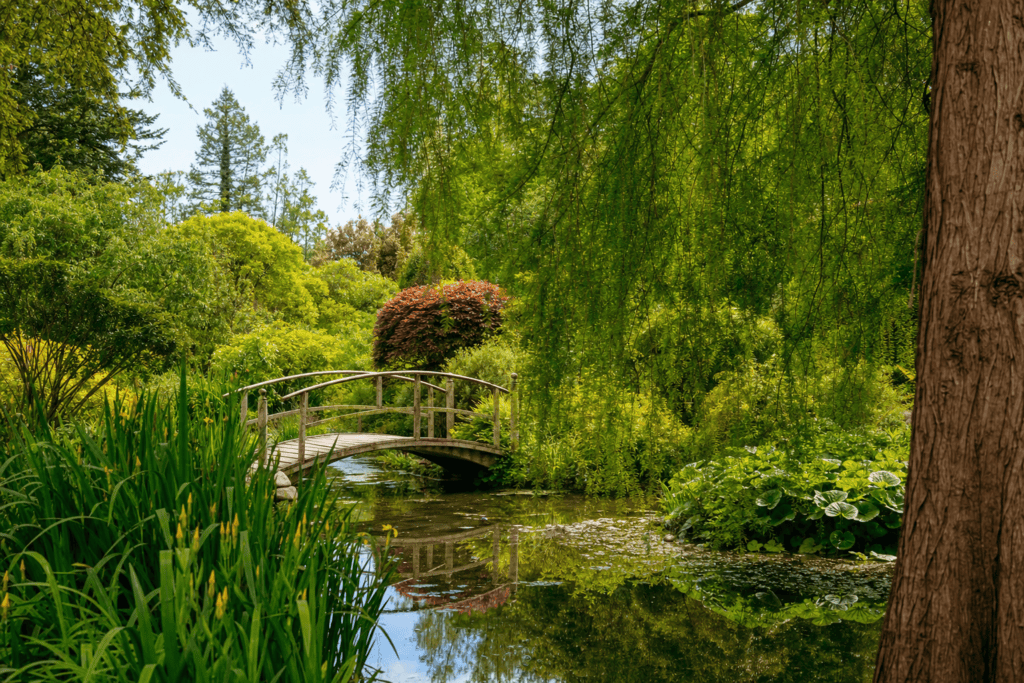 Évreux Botanical Garden A peaceful public garden in Évreux, with plant collections, a tropical greenhouse, sculptures, playgrounds, and spaces ideal…
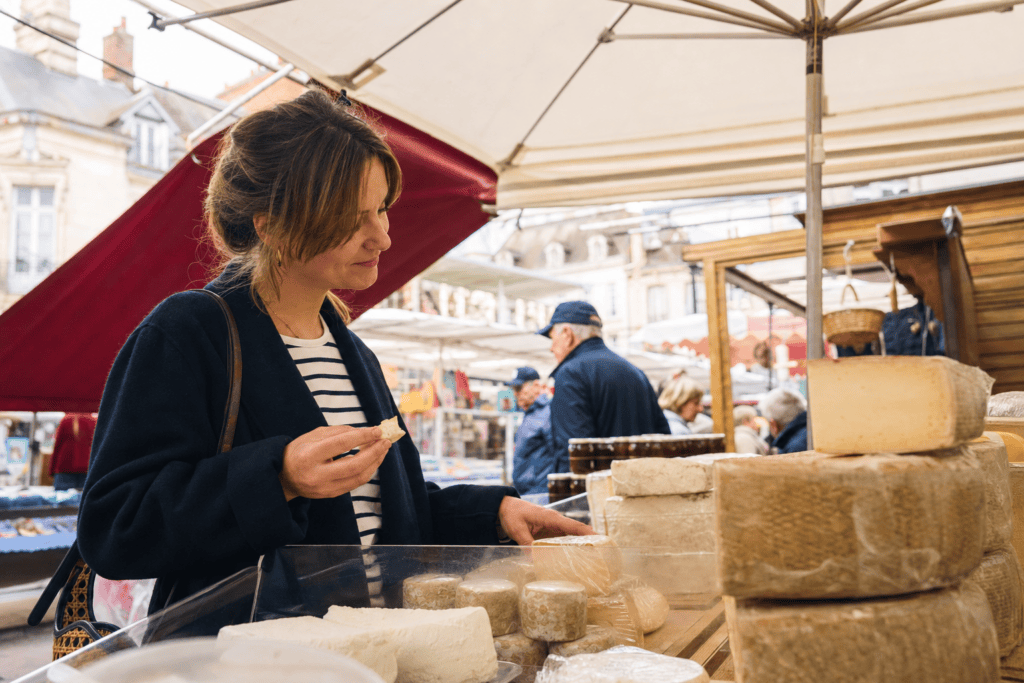 Évreux Market and a Taste of Norman Products A gourmet stroll through the heart of Évreux, featuring fresh produce, Norman specialties, local producers, and town-center shops.
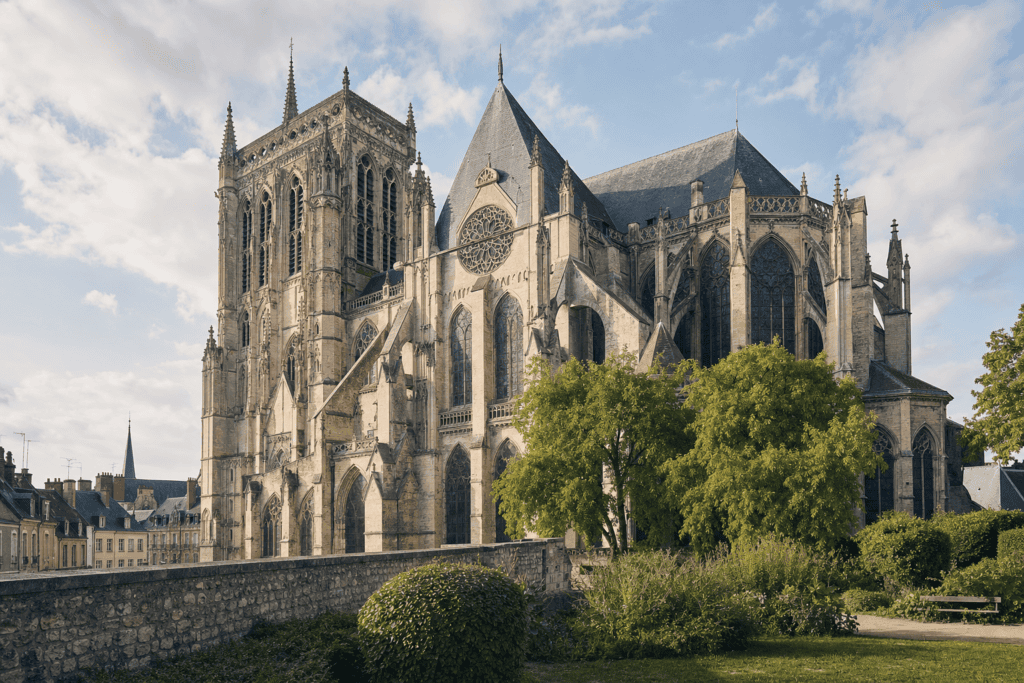 Notre-Dame Cathedral of Évreux A remarkable Norman cathedral known for its stained glass, composite architecture, and location in the heart of the…
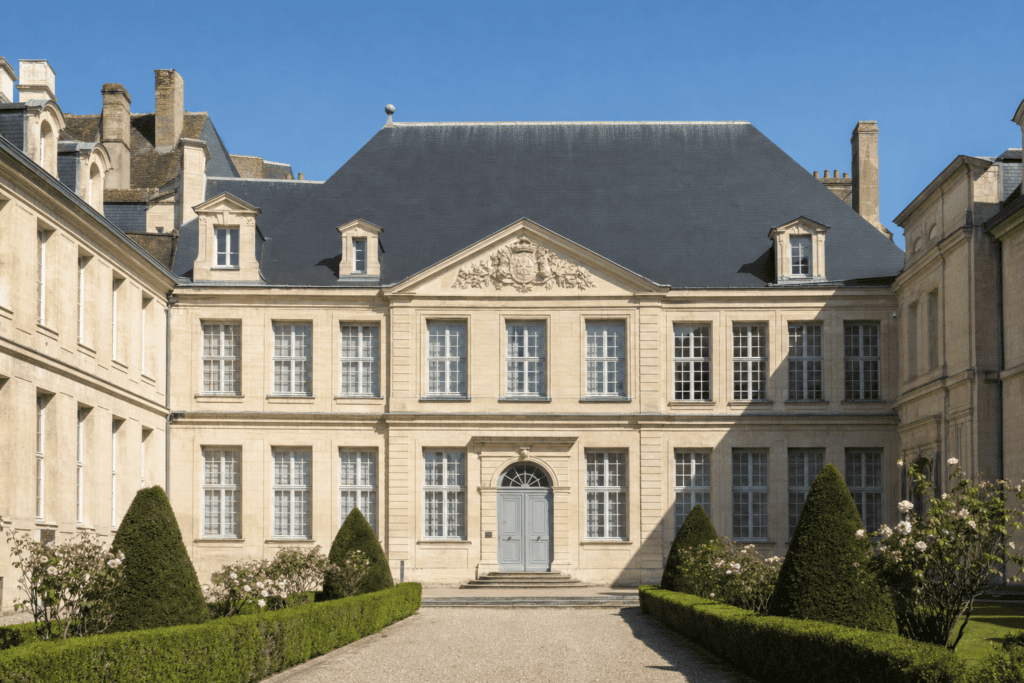 Évreux Museum of Art, History and Archaeology In Évreux’s former bishop’s palace, explore Gallo-Roman archaeology, fine arts and local history in a heritage setting…
Online booking · Évreux city center, 27000 Évreux, Normandy, France
Choose your pickup date and time
Your departure and arrival details are already pre-filled. You can adjust them in the fare calculator before viewing the vehicles and fare.