



A city of art, water and history in Normandy · Normandy
Visiting Évreux: Heritage, Culture and Walks Along the Iton
The prefecture of Eure, Évreux offers a balanced mix of major monuments, ancient history, postwar architecture and walks along the Iton. To visit Évreux, start in the historic center around Notre-Dame Cathedral, then take time to explore the Museum of Art, History and Archaeology, the belfry and the landscaped riverbanks. The city makes an interesting stop from Paris and a convenient starting point for discovering other parts of Normandy.
Explorer Évreux
Évreux’s Must-See Attractions
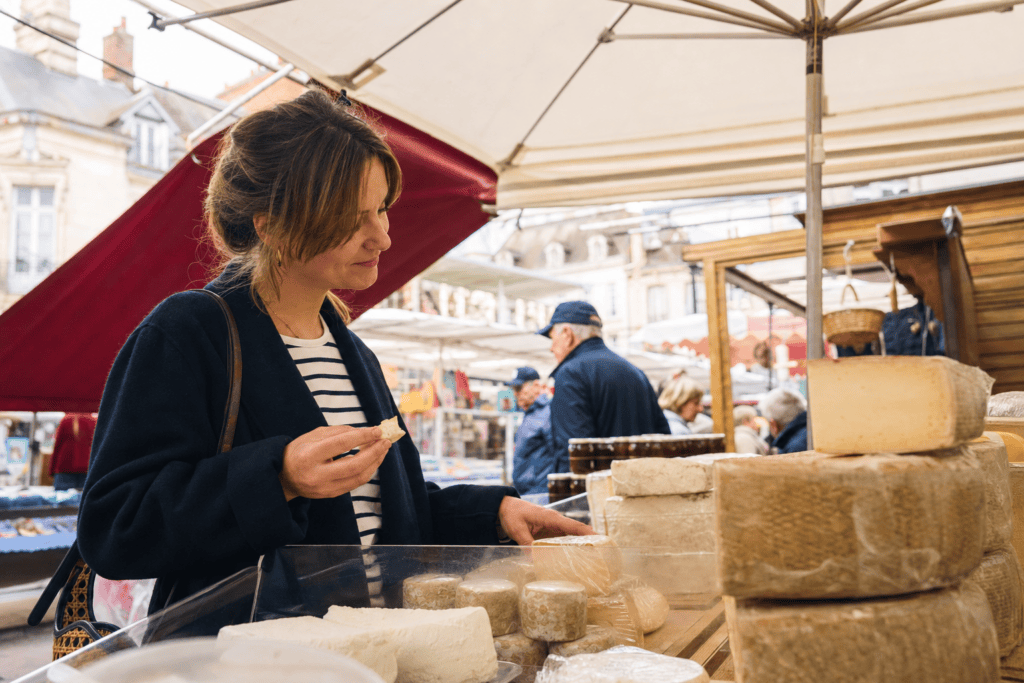 Markets
Évreux Market and a Taste of Norman Products
A gourmet stroll through the heart of Évreux, featuring fresh produce, Norman specialties, local producers, and town-center shops.
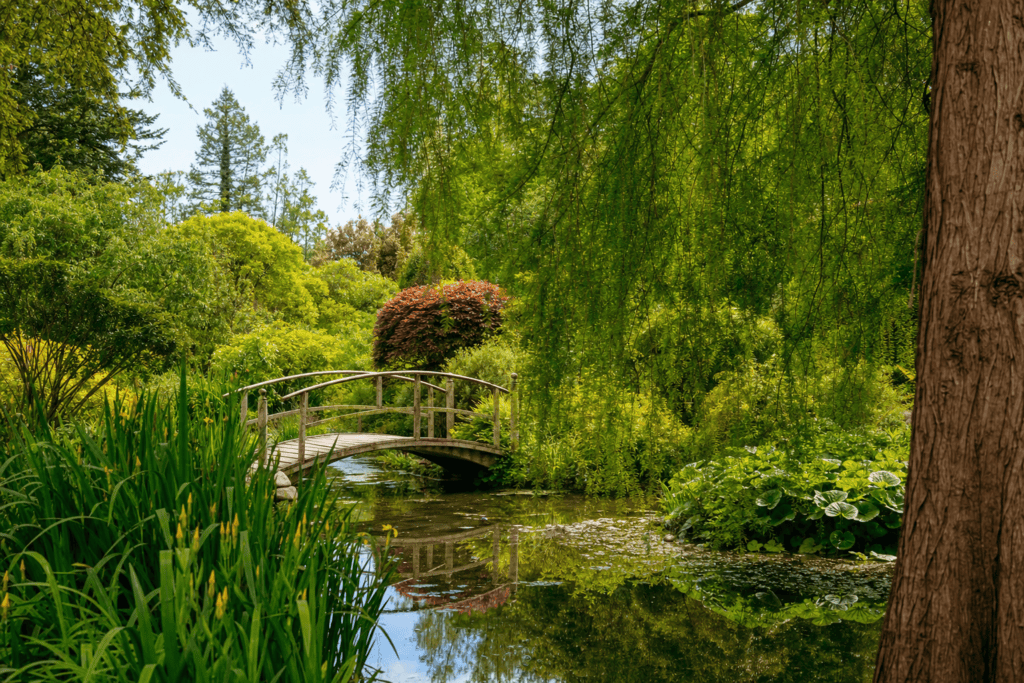 Parks & gardens
Évreux Botanical Garden
A peaceful public garden in Évreux, with plant collections, a tropical greenhouse, sculptures, play areas and spaces ideal for a…
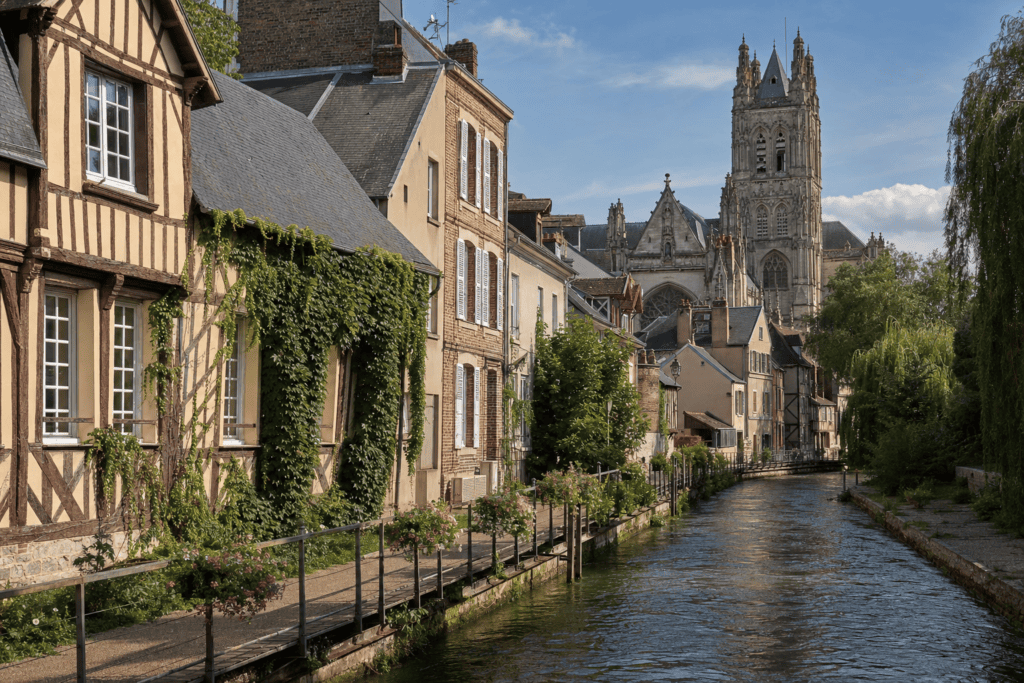 Must-see
Historic Center and the Banks of the Iton
An urban walk between Notre-Dame Cathedral, historic streets, half-timbered houses and the branches of the…
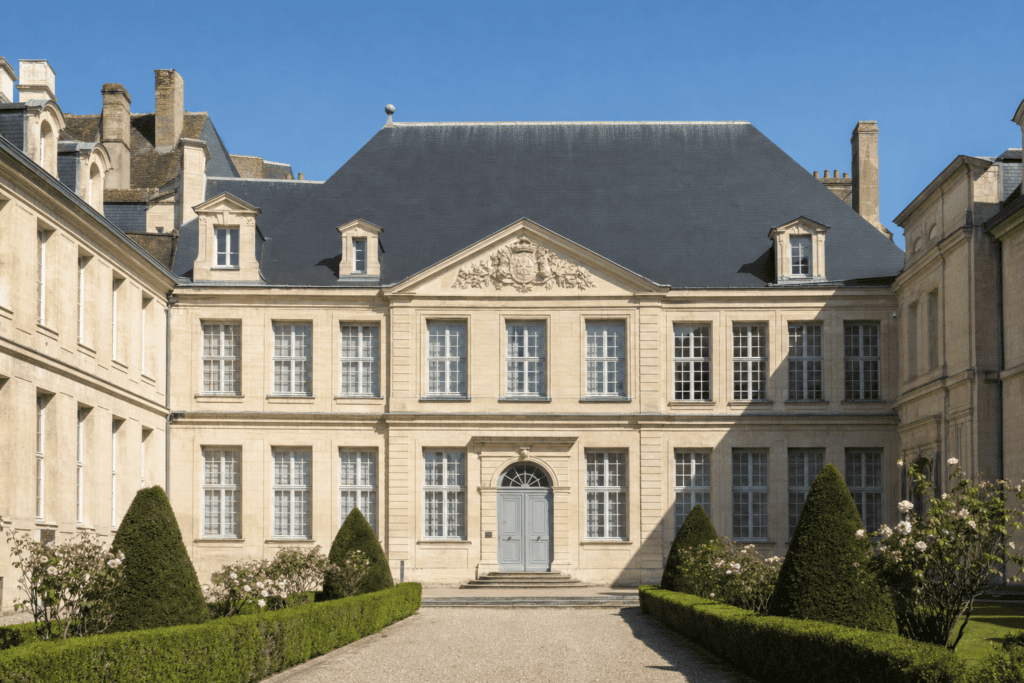 Must-see
Évreux Museum of Art, History and Archaeology
In Évreux’s former bishop’s palace, explore Gallo-Roman archaeology, fine art, and local history in a remarkable heritage setting.
 Must-see
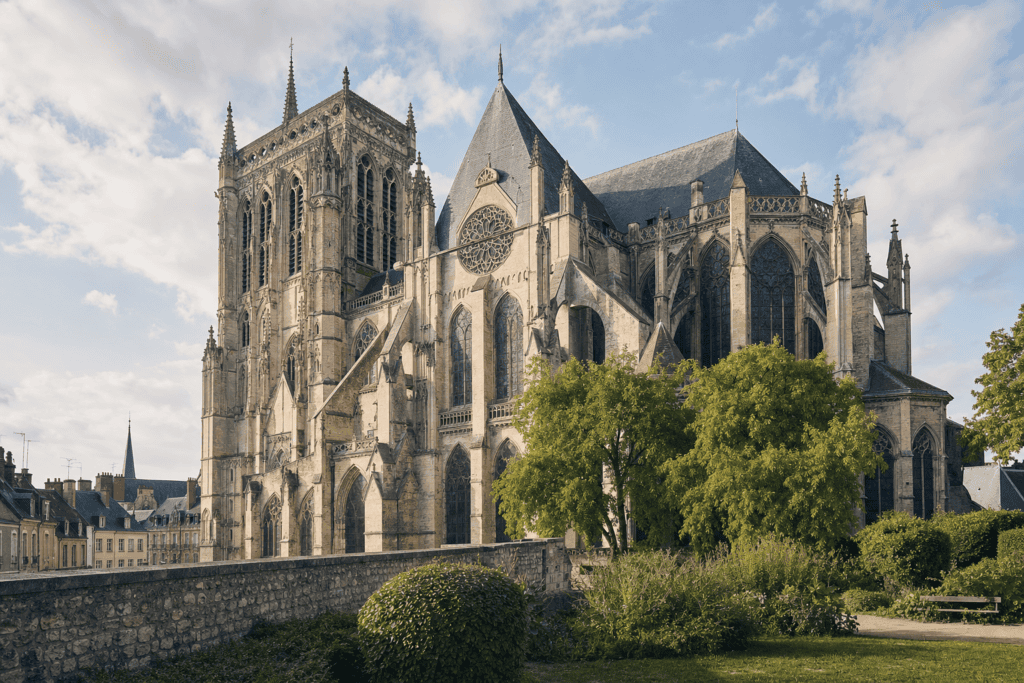
Notre-Dame Cathedral of Évreux
A remarkable Norman cathedral known for its stained glass, composite architecture and location in the heart of the historic center…
Other destinations to discover
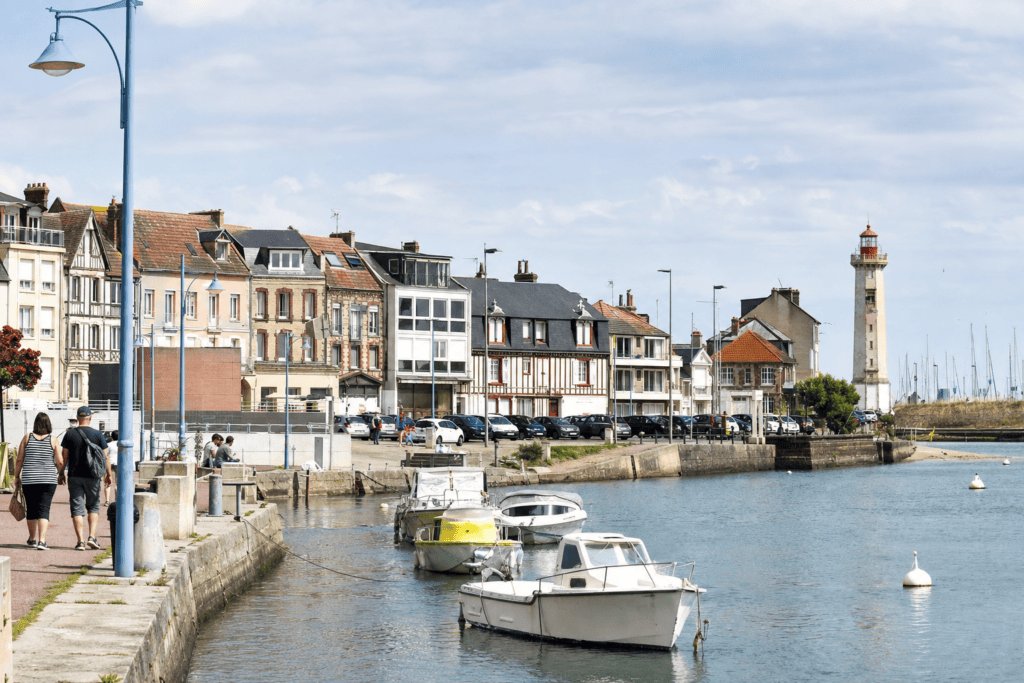
Ouistreham
Discover Riva-Bella Beach, Sword Beach, the Grand Bunker, the harbor and D-Day sites…
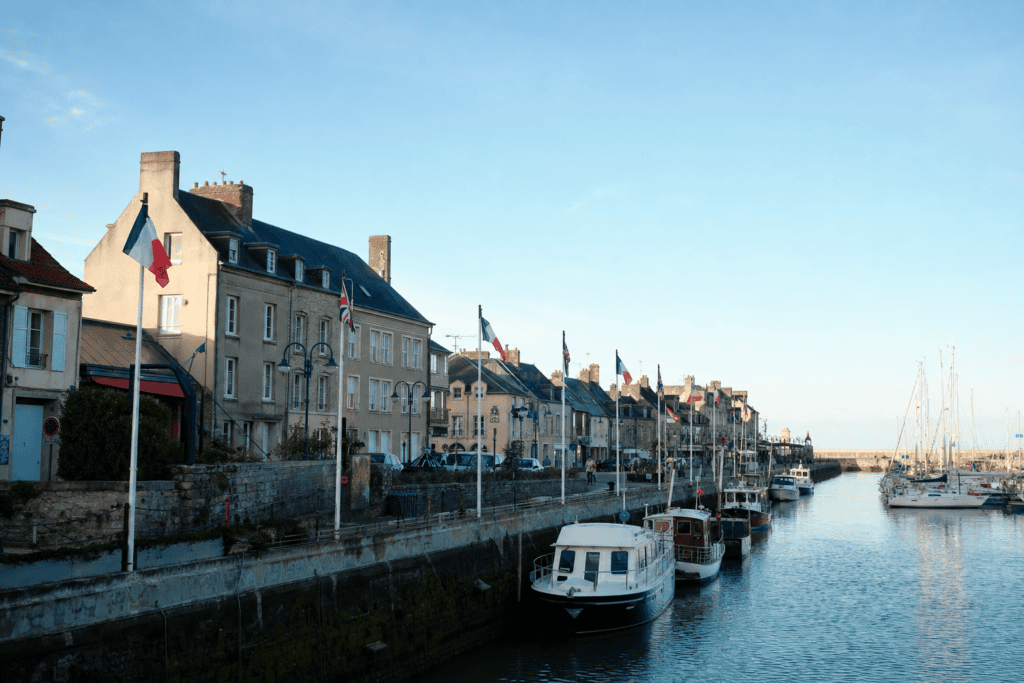
Courseulles-sur-Mer
A Côte de Nacre resort with beaches, a harbor, seafood and Canadian heritage…
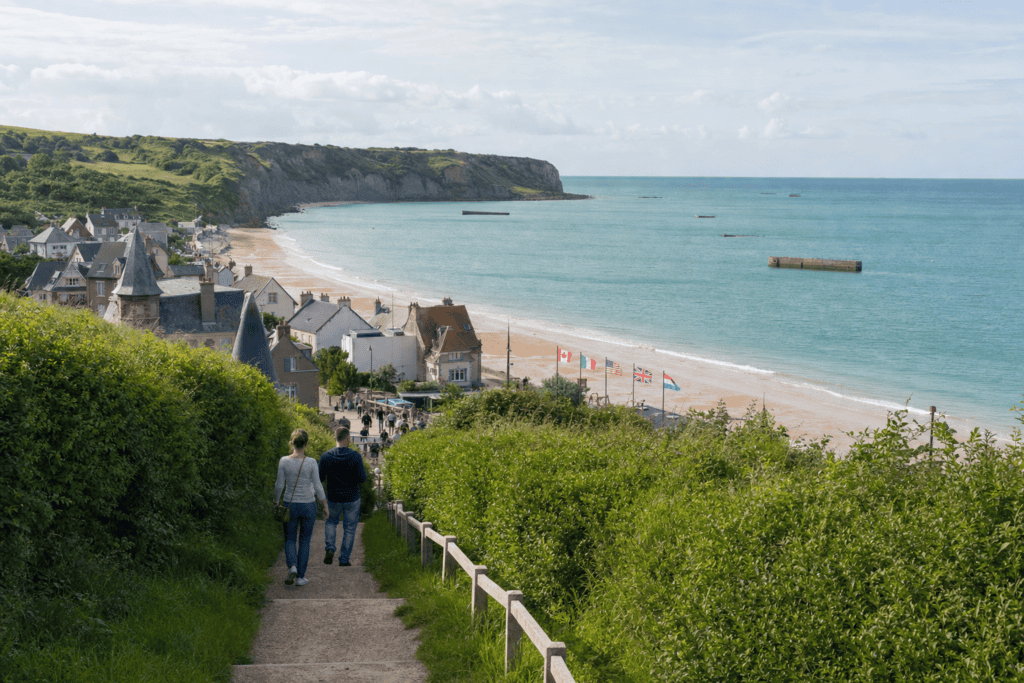
Arromanches-les-Bains
A major D-Day site featuring Mulberry B harbor, Gold Beach, a museum, and remembrance routes from Bayeux.
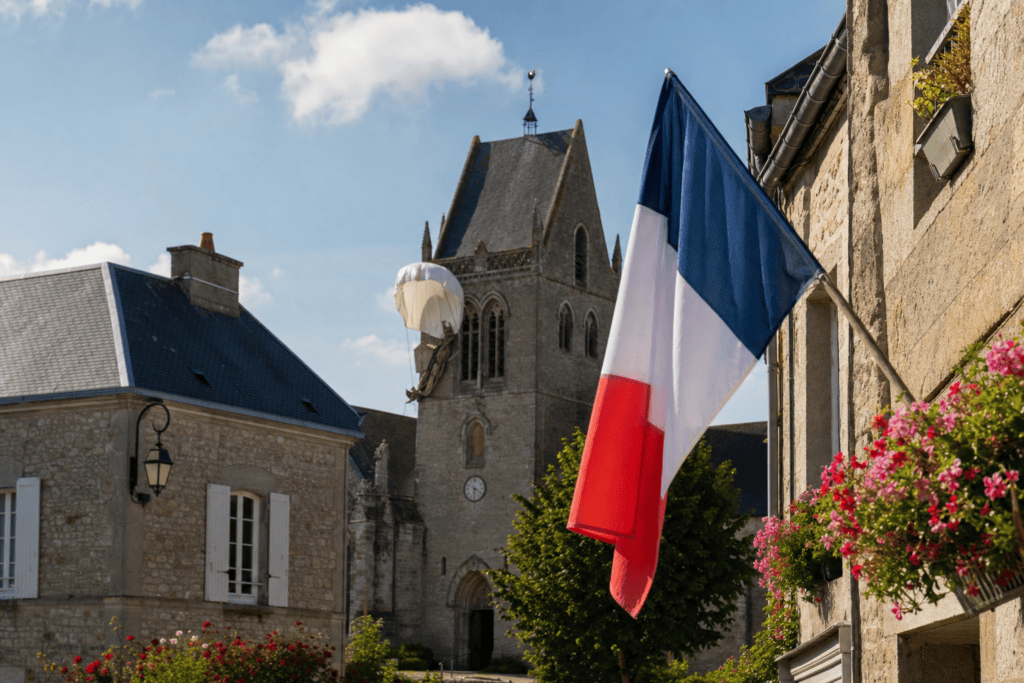
Sainte-Mère-Église
Discover the Airborne Museum, John Steele’s church, La Fière, and Utah Beach from Sainte-Mère-Église.
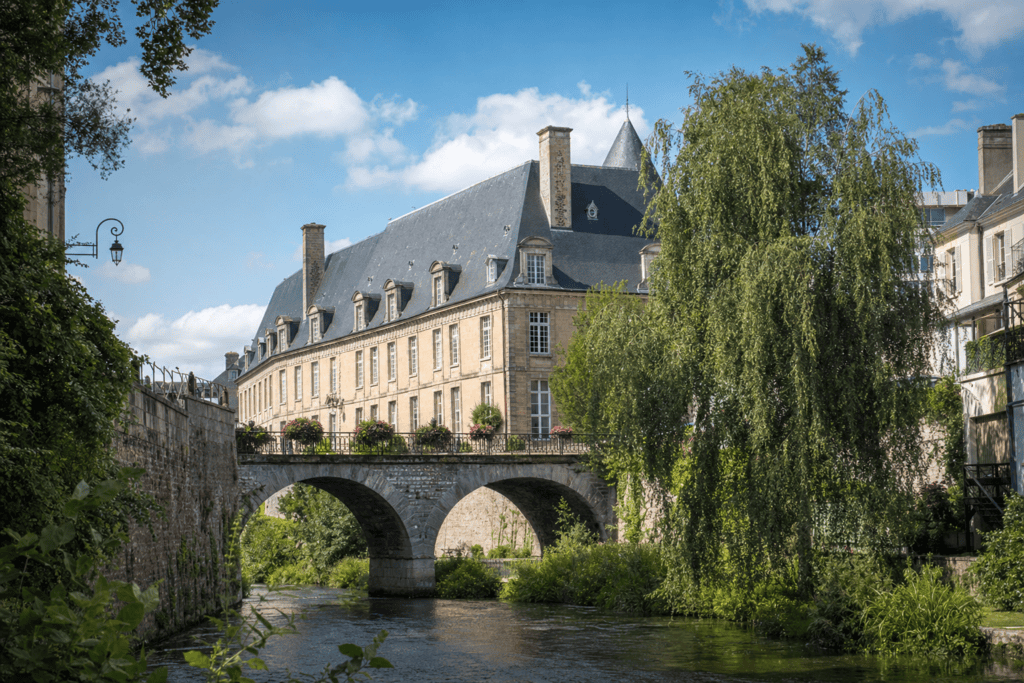
Alençon
Alençon charms visitors with its historic heritage, exceptional needle lace, religious legacy and landscapes…
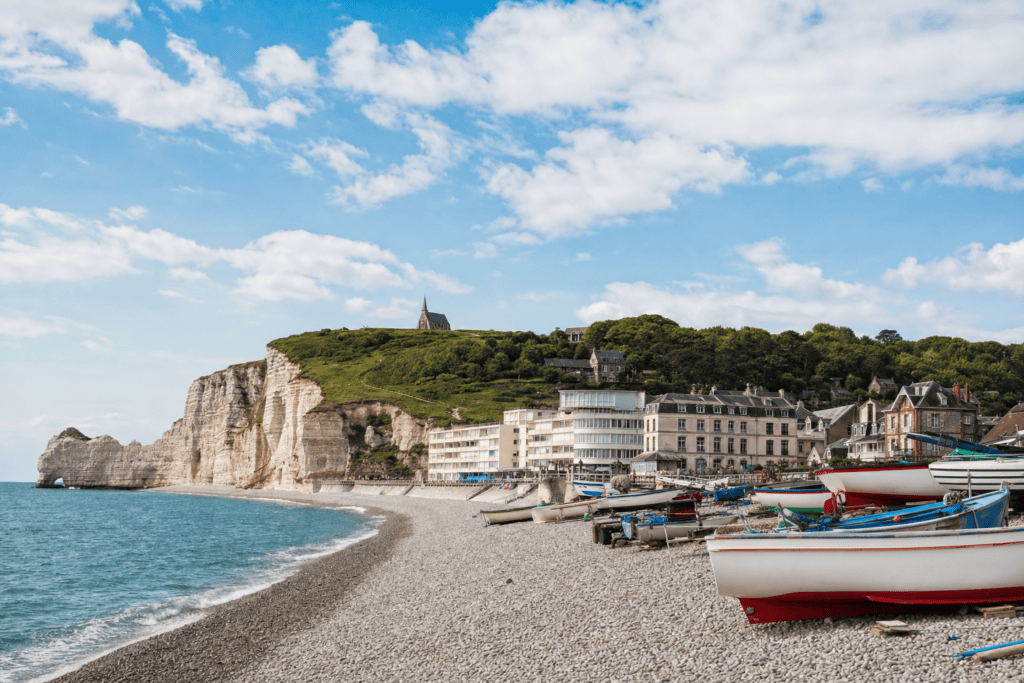
Fécamp
Between its port, cliffs, and heritage, Fécamp reveals an authentic maritime Normandy, ideal for a getaway from Paris.
DESTINATION GUIDE
Évreux Travel Guide
A Norman City Shaped by History
Évreux is the prefecture of Eure and a pleasant city to explore on foot. Its history dates back to antiquity, when the city was known as Mediolanum Aulercorum. Over the centuries, it developed around the Iton, a river that still flows through the center and gives the city a distinctive character. The presence of water can be seen in the riverside walks, small bridges, urban vistas and gardens along the way.
The city has experienced periods of prosperity, major changes and destruction during World War II. Reconstruction profoundly altered some neighborhoods without erasing the main historic landmarks. A visit to Évreux therefore offers a chance to compare several eras: ancient remains, religious buildings, civic architecture, reconstructed buildings and contemporary cultural facilities stand side by side within a relatively compact area.
Notre-Dame Cathedral, a Major Landmark
Notre-Dame Cathedral is the natural starting point for a first introduction to the city. The building features rich architecture shaped by several periods of construction and transformation, from the Middle Ages through the Renaissance. Its façade, towers, chapels and interior spaces bear witness to this long evolution.
Inside, the stained glass is one of the cathedral’s main highlights. Some of the medieval and Renaissance windows are among the monument’s most remarkable features, creating changing light throughout the day. Be sure to notice the furnishings, sculpted decorations and the layout of the choir. The cathedral remains a place of worship, so visitors should respect services, silence and posted instructions. Opening conditions may change, so it is best to check the official information before setting out.
The Museum of Art, History and Archaeology
Housed in the former episcopal palace, immediately beside the cathedral, the Museum of Art, History and Archaeology is an excellent complement to a tour of the old center. Its collections span a long period, from prehistory to the contemporary era, with particular emphasis on local archaeology and the history of the region.
The exhibits help explain Évreux’s Gallo-Roman origins, the city’s development and the transformations of Eure. The building itself also deserves attention: its location beside the cathedral recalls the former role of the episcopal quarter in the city’s layout. Depending on the program, temporary exhibitions may enrich the visit. Check the museum’s official website for opening hours, possible closures and access conditions on your chosen date.
The Belfry and Hôtel de Ville Square
The belfry, also known as the Clock Tower, is one of Évreux’s symbols. Built at the end of the Middle Ages, it evokes the municipal freedoms granted to the city. It is generally described as Normandy’s last belfry and is an important landmark in the historic center. Its silhouette marks the transition between the old streets and the more extensively rebuilt areas.
From the belfry, continue toward Hôtel de Ville Square. The area brings together several reminders of the city’s history, including administrative buildings, cultural facilities and views toward the cathedral. The contrast between the historic elements and postwar architecture gives Évreux a distinctive appearance. The city is therefore not simply a medieval setting: it is a living place made up of successive layers.
Strolling Along the Iton
The banks of the Iton offer a more peaceful way to explore Évreux. The landscaped paths alternate between urban stretches, small bridges, planted areas and open views of the monuments. The river serves as a connecting thread between several points of interest and provides a chance to pause between cultural visits.
The reflecting pool offers a popular view of the cathedral and museum when conditions allow for a clear reflection. Photography enthusiasts can return at different times of day to enjoy changing light. This walk also suits families and visitors who want to slow down, although accessibility and path conditions may vary by area.
Saint-Taurin Church and Évreux’s Religious Heritage
Saint-Taurin Church is worth a stop for its history, architecture and the presence of the shrine of Saint Taurin, a particularly remarkable medieval goldsmith’s work. It provides an interesting complement to the cathedral by showcasing another aspect of Évreux’s religious and artistic heritage.
Around the church, take time to observe the façades, traces of reconstruction and transitions between the old streets and more recent developments. Évreux’s heritage often reveals itself in the details: a vista, a doorway, a row of houses or a distinctive relationship between stone, water and contemporary buildings.
Itinerary Ideas by Length of Stay
- For a half-day: start with Notre-Dame Cathedral, visit the Museum of Art, History and Archaeology, then continue to the belfry and Hôtel de Ville Square.
- One day: add Saint-Taurin Church, a walk along the Iton, the reflecting pool and a closer look at the rebuilt neighborhoods.
- With more time: use Évreux as a base for exploring Eure, its villages and valleys, and other heritage sites accessible in the surrounding area.
Practical Tips for Planning Your Visit
Évreux’s center is well suited to exploring on foot, but distances and surfaces may vary by neighborhood. Wear comfortable shoes and allow enough time to combine monuments, the museum and a walk. Opening days, hours, construction work and visiting conditions at cultural sites may change, so always check the information published by the relevant institutions before departing.
Évreux can be visited year-round. Bright days highlight the stained glass, façades and reflections on the Iton, while less busy periods offer a quieter atmosphere in the streets and museums. From Paris, a well-organized day trip makes it possible to visit the main sites without reducing the experience to a simple out-and-back journey. For a more flexible itinerary, allow a full day and leave time to wander.
Getting to Évreux from Paris with a Private Driver
Booking Paris Transfer peut organiser un trajet privé au départ de Paris, de l’Île-de-France ou des aéroports CDG et ORY vers Évreux, avec possibilité de prévoir un retour vers Paris ou un itinéraire multi-ville commençant à Paris. Le service concerne uniquement le transport : les billets des monuments et des musées ne sont pas vendus par Booking Paris Transfer.