



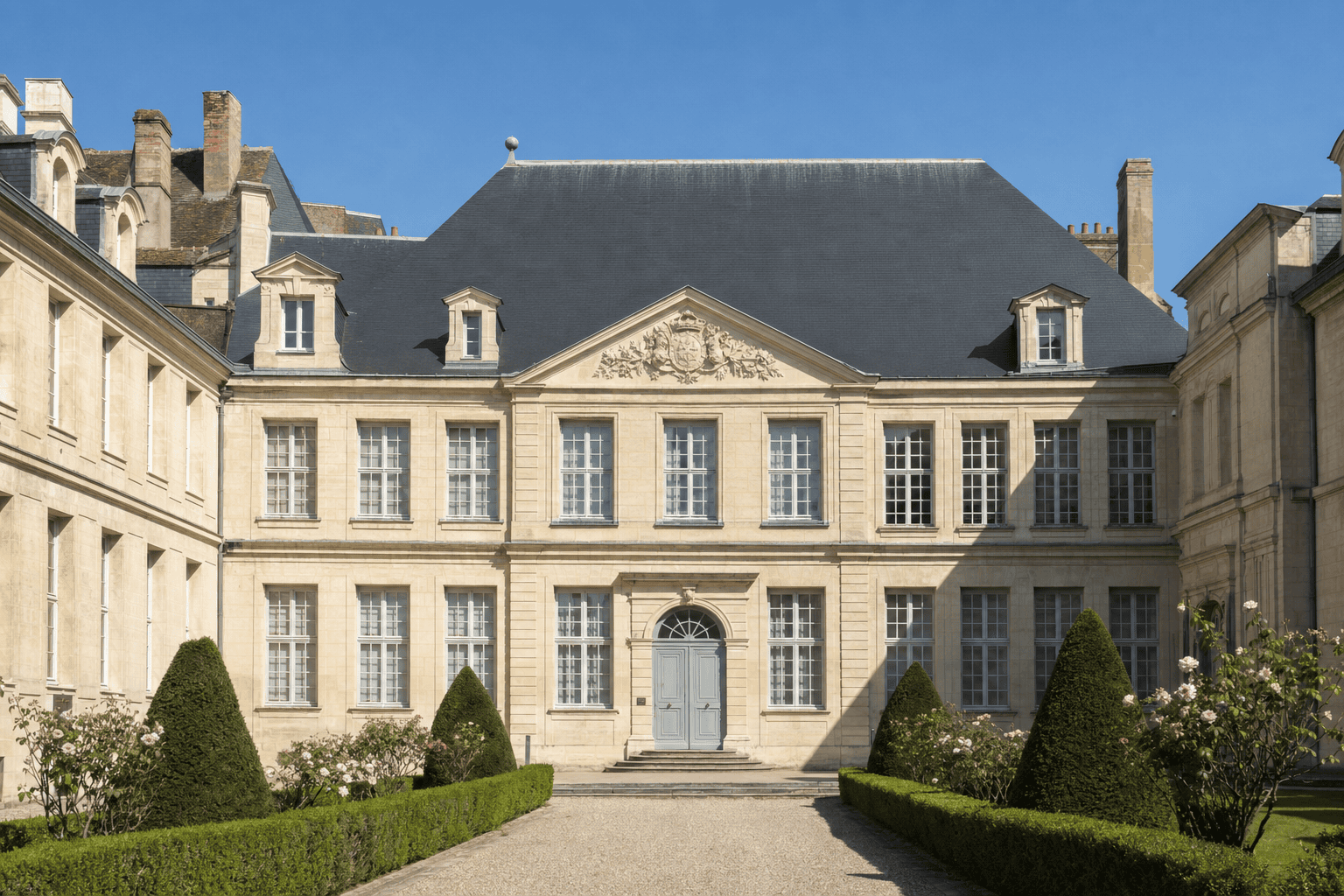
Visit the Museum of Art, History and Archaeology of Évreux
Évreux
Housed in the former bishop’s palace at the foot of Notre-Dame Cathedral, the Museum of Art, History and Archaeology of Évreux offers a rich perspective on the city and the Eure department. Its collections span prehistory, antiquity, the Middle Ages, fine arts, decorative arts, photography, and modern and contemporary works. Gallo-Roman objects, particularly those connected with the Gisacum site, along with paintings and architectural elements, make for an accessible cultural visit for heritage enthusiasts and families alike. Since opening conditions, accessible galleries, and programming may change, check the official information before your trip.
Practical information
Combine the museum with Notre-Dame Cathedral, Saint-Taurin Church, and a walk through the historic center. Antiquity enthusiasts can also plan a separate visit to Gisacum.
Getting to Évreux from Paris with a private driver
Booking Paris Transfer can arrange private transportation from Paris, a Paris hotel, Charles de Gaulle Airport, or Orly Airport to the Museum of Art, History and Archaeology of Évreux. The trip can include a return to Paris or fit into a cultural itinerary in Normandy that began in the capital. The service covers transportation only and does not include admission tickets. Check the museum’s official hours before setting your departure time.
Private transportation from Paris, Île-de-France, CDG, or ORY, with a possible return to Paris. Admission ticket not included.
A former bishop’s palace in the heart of Évreux
The setting is one of the first reasons to visit the Museum of Art, History and Archaeology of Évreux. The museum occupies the former bishop’s palace, a historic building at the foot of Notre-Dame Cathedral. Its walls and spacious rooms recall Évreux’s religious and political importance over the centuries, while successive alterations tell the story of the site’s adaptation to new uses.
Before entering the galleries, observe the relationship between the palace, the cathedral, and the remains of the former fortified center. This setting helps you understand the city as a whole rather than as a series of isolated monuments. The building bears the designation “Musée de France,” recognizing the heritage value of its collections. The visit therefore has a dual dimension: it presents works and objects while also introducing a building that is itself part of Évreux’s history.
Collections that bring local history to life
The displays bring together a wide range of collections: archaeology, fine arts, decorative arts, history, photography, and modern and contemporary works. This diversity is especially appealing to visitors who want to discover Évreux without limiting themselves to a single period. An archaeological piece may shed light on how the area was organized in the past, while a painting, piece of furniture, or photograph reflects another era and another way of viewing the city.
The collections have grown over time through archaeological discoveries, donations, bequests, acquisitions, and loans. It is worth paying as much attention to modest objects as to the most impressive works. An architectural fragment, document, or everyday object can reveal residents’ practices, beliefs, and living conditions. For a first visit, move gradually through the galleries and use the labels to connect the works with the history of the Eure department.
Gallo-Roman archaeology and the Gisacum site
Archaeology is one of the museum’s main themes. The collections cover several periods, from prehistory to the medieval era, with particular emphasis on antiquity. Discoveries made in Évreux and throughout the Eure, especially at the Gisacum site, provide a better understanding of the area before and during the Gallo-Roman period.
Coins, inscriptions, architectural elements, and household objects take on their full meaning when placed in context. They provide insight into trade, religious practices, technologies, and the organization of an ancient city. The museum therefore offers a useful introduction before an excursion to Gisacum, located in the Évreux area. Since the galleries on display may change, check in advance which spaces are open and what conditions apply that day. Even when a gallery is inaccessible, the archaeological collections remain a highlight of the displays available.
Fine arts, decorative arts, and photography
After the ancient collections, the route continues into the fine arts and decorative arts. Paintings, sculptures, drawings, prints, furniture, ceramics, textiles, and religious objects demonstrate the range of works held by the museum. Comparing them encourages reflection on their functions: some pieces were used for devotion, while others served representation, interior design, or the observation of landscapes and society.
The chronology does not end with the Middle Ages or the 19th century. Modern and contemporary collections, along with photography, extend the visit and show that perspectives on heritage continue to evolve. This variety is valuable for visitors with different interests: everyone can find something that speaks to them. Take time to read the labels and look for connections with Normandy. Temporary exhibitions may offer new interpretations of the collections, but their schedule and arrangements should be checked before your visit.
Planning an enjoyable and accessible visit
For a first visit, a three-part route works well. Start with the building and its immediate surroundings, continue with archaeology to place Évreux within a broader historical context, and finish with the fine and decorative arts. This progression alternates objects, works of art, and architecture without requiring too much backtracking.
Allow about 1.5 to 2 hours if you want to read the information and view the works without rushing. Families can ask at the reception desk about visitor materials and available facilities for their needs. The museum may offer accessibility resources, activities, or workshops, but availability depends on the program. Announced free admission to the permanent collections does not necessarily apply to guided tours or activities. Check the latest information before your visit, especially if you are traveling with young children or someone who requires additional assistance.
What to see around the museum in Évreux
The museum’s location makes it easy to plan a cultural day in central Évreux. After your visit, head to Notre-Dame Cathedral to admire its architecture and stained glass, then continue to Saint-Taurin Church. The old town streets and the banks of the Iton offer a pleasant walk among religious heritage, urban houses, and riverside scenery.
Visitors interested in antiquity can extend their discovery with an excursion to Gisacum, whose site and visiting arrangements are separate from those of the museum. Plan this stop separately and check the practical information before going. Depending on the cultural program, other exhibitions or events may complement the visit. The museum then becomes a starting point for understanding Évreux rather than an isolated stop. A well-organized day allows you to alternate indoor time, an urban walk, and archaeological discovery.
Why include the museum in your itinerary
The museum welcomes a wide range of visitors. Local history enthusiasts will find points of reference about Évreux, the Eure, and the civilizations that shaped the region. Archaeology enthusiasts can prepare for a visit to Gisacum, while those interested in painting, sculpture, or photography can enjoy a broader route. Families can choose a gradual visit that alternates ancient objects, colorful works, and exploration of the building.
The museum also suits travelers with limited time, as its proximity to the cathedral makes it possible to combine several visits without long journeys. For an excursion from Paris, allow enough time for travel, the visit, and the return, taking official hours into account. Booking Paris Transfer can arrange private transportation only from Paris, Île-de-France, or Paris airports; no admission ticket is included. The museum is therefore an easy cultural stop to add to a Normandy itinerary that began in Paris.
Useful sources
Frequently Asked Questions
Where is the Museum of Art, History and Archaeology of Évreux located?
Is admission to the museum free?
Can you see Gallo-Roman collections?
How much time should I allow?
What can you visit near the museum?
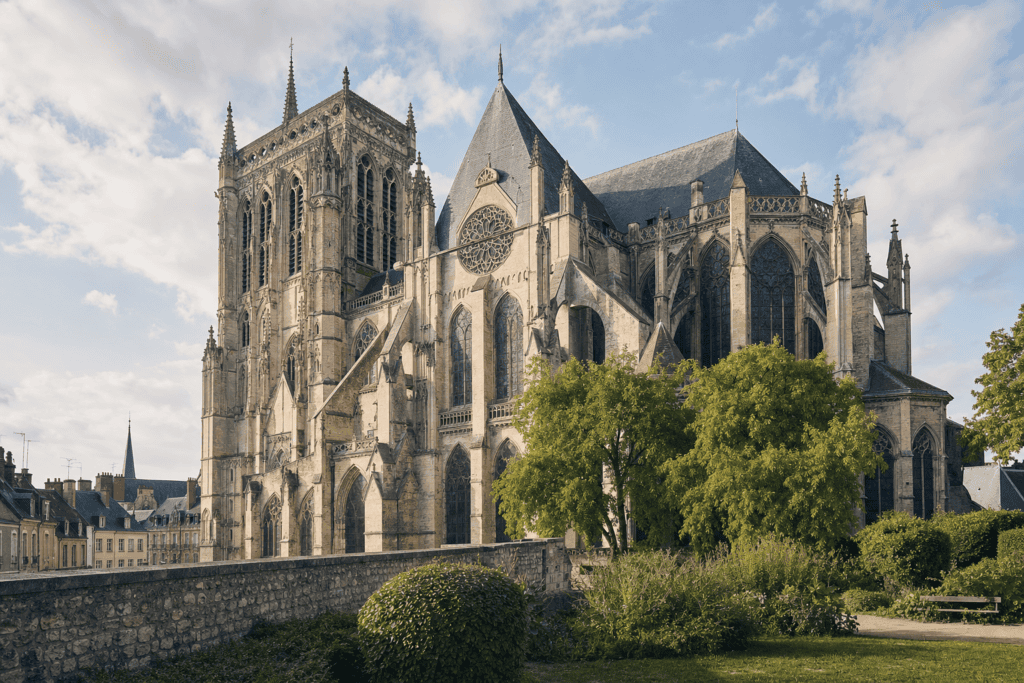 Notre-Dame Cathedral of Évreux A remarkable Norman cathedral known for its stained glass, composite architecture, and location in the heart of the…
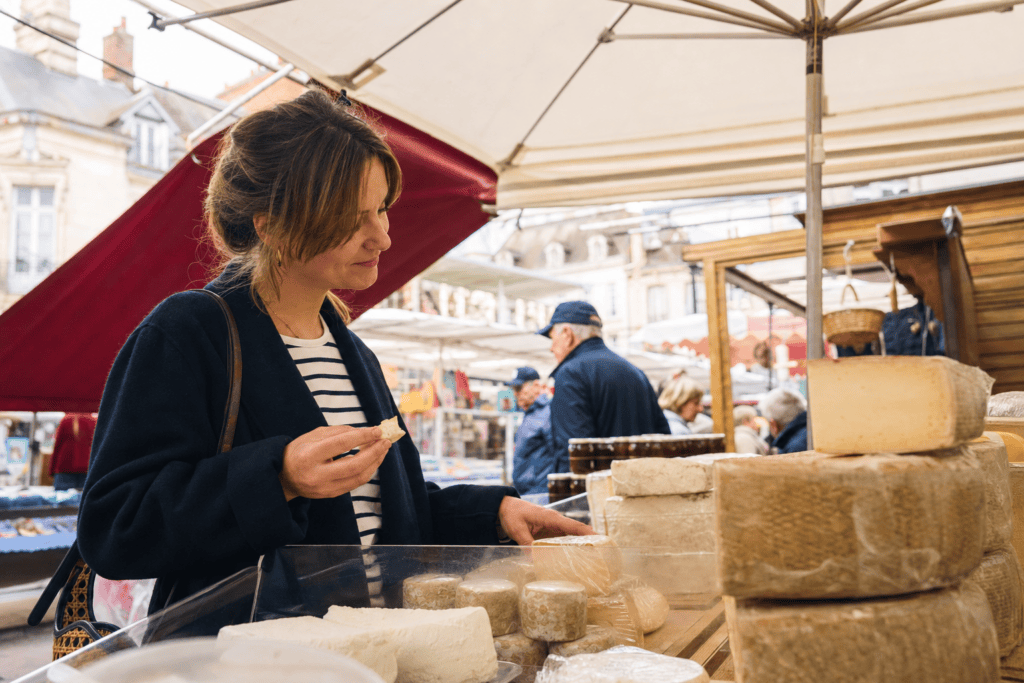 Évreux Market and a Taste of Norman Products A gourmet stroll through the heart of Évreux, featuring fresh produce, Norman specialties, local producers, and town-center shops.
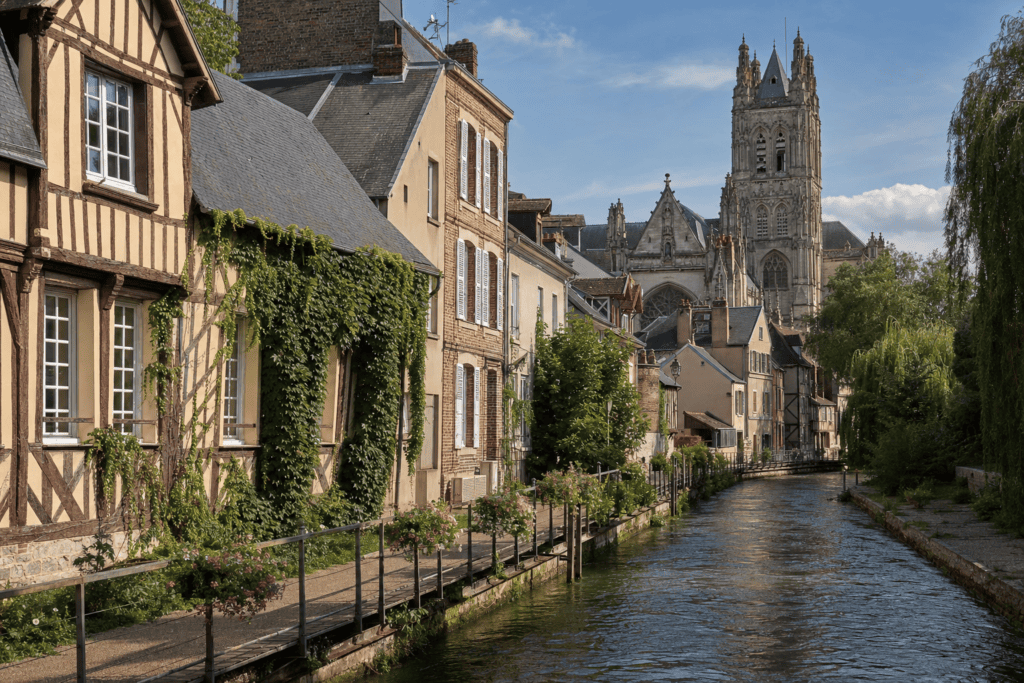 Historic Center and the Banks of the Iton An urban walk linking Notre-Dame Cathedral, historic streets, half-timbered houses, and the…
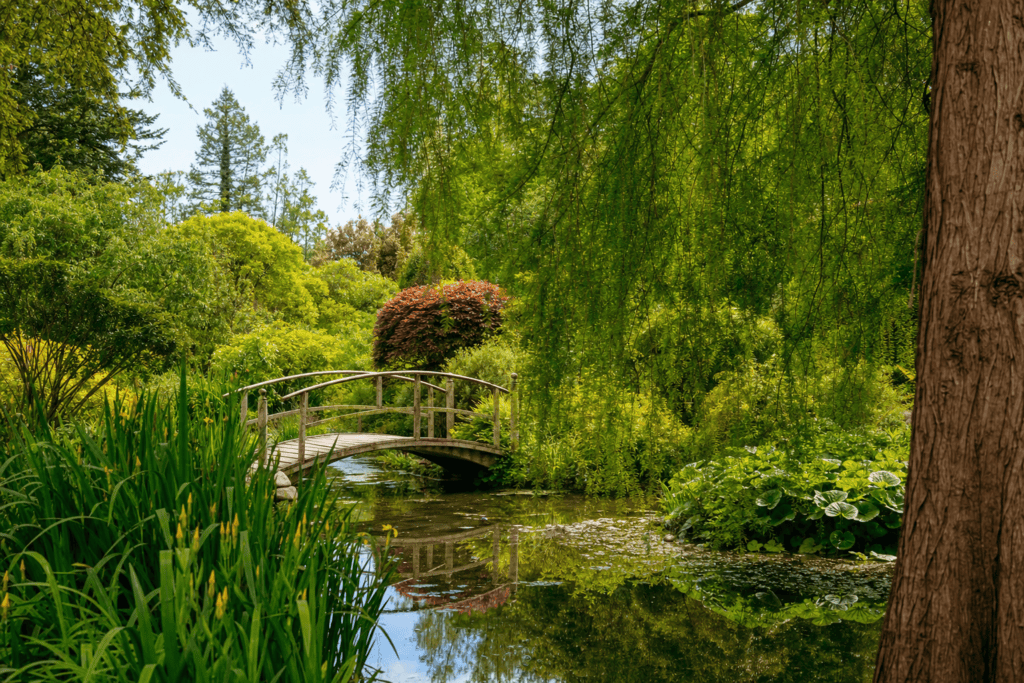 Évreux Botanical Garden A peaceful public garden in Évreux, with plant collections, a tropical greenhouse, sculptures, playgrounds, and spaces ideal…
Online booking · Paris → 2 Esplanade Anne Baudot, 27000 Évreux, France
Choose your pickup date and time
Your departure and arrival details are already pre-filled. You can adjust them in the fare calculator before viewing the vehicles and fare.