



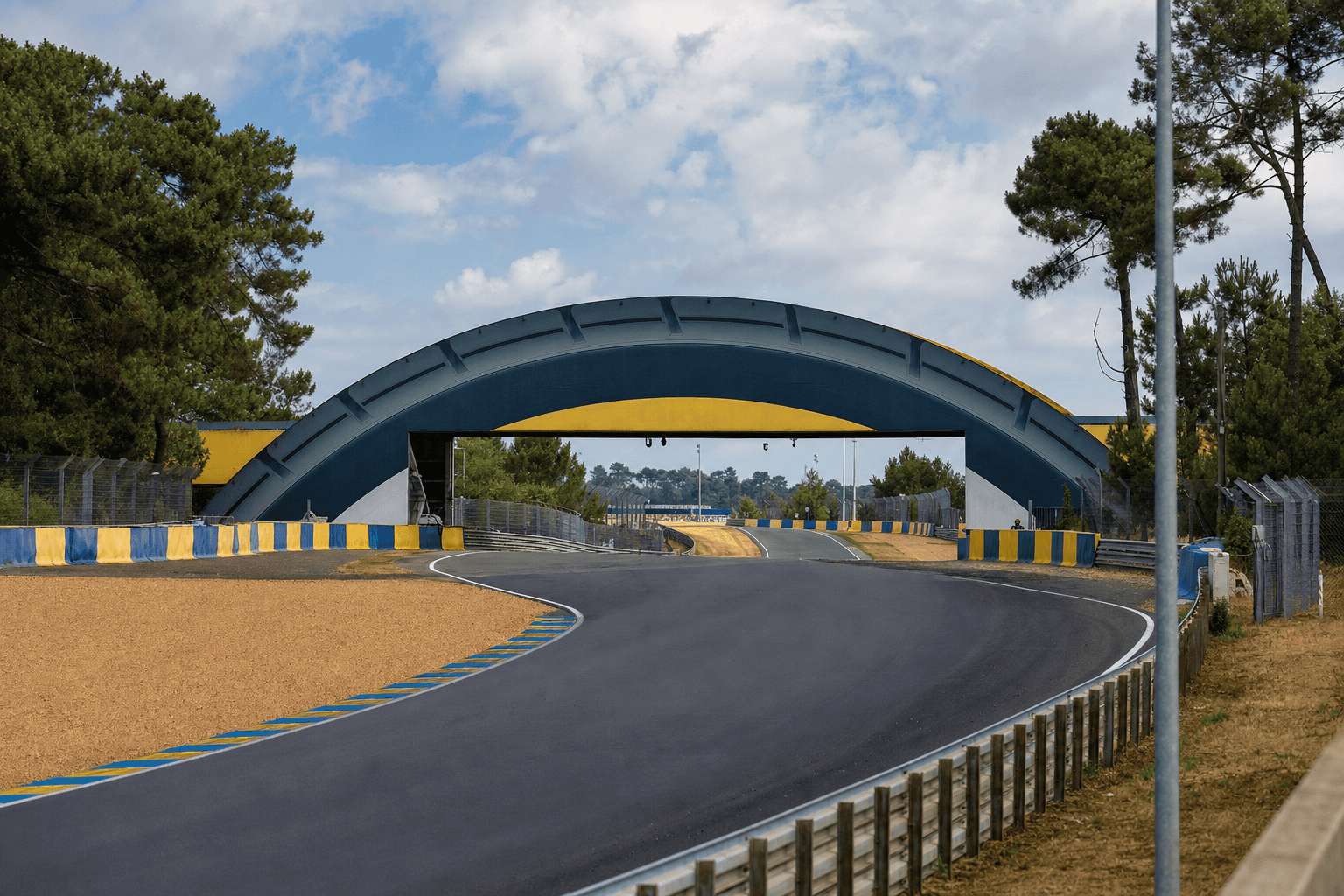
Circuit des 24 Heures du Mans: Visitor Guide
Le Mans
The Circuit des 24 Heures du Mans is much more than a racing venue: it is a place steeped in history, recognizable for its famous corners, Dunlop Bridge, and the long Hunaudières straight. Even outside the main race in June, exploring the site offers a better understanding of the track’s layout, the challenges faced by drivers, and the importance of automobiles to Le Mans’s identity. Depending on the time of year, access to the circuit areas, spectator zones, or facilities may vary. Always check the practical information published by the organizer before setting out.
Practical information
To understand the track layout, first locate the Dunlop Curve, Esses de la Forêt, Tertre Rouge, Hunaudières, Mulsanne, Indianapolis, and Arnage on the official map.
Getting to Le Mans from Paris with a private chauffeur
For a car-themed excursion or a stay in Le Mans, arrange your transfer from Paris, your Paris hotel, CDG, or ORY. The trip can include a return to Paris, depending on your itinerary. The service covers transportation only and does not include admission to the circuit.
Departure from Paris, a Paris hotel, CDG, or ORY; return to Paris available. Transportation service only; tickets not included.
Understanding the circuit and its history
The Circuit des 24 Heures du Mans has a history that began with the first edition of the 24 Hours in 1923. Its distinctive feature is a layout that combines permanent sections with roads that are usually open to traffic in certain areas. This configuration gives the race a different character from that of a conventional closed circuit: competitors pass through a Sarthe landscape of wooded areas, villages, and long straights.
The site is best explored with a map at hand. The circuit is more than just the pit straight: it extends across several towns and landmarks, including Mulsanne and Arnage. Located at the circuit entrance, the Musée des 24 Heures du Mans usefully complements the visit with a historical and heritage-focused perspective. As its opening hours and access arrangements may change, check the official source before your visit.
Legendary corners to look out for
The best way to explore the Circuit des 24 Heures du Mans is to follow its corners as if they were chapters in a sporting history. The Dunlop Curve and bridge provide a spectacular first landmark, followed by the Esses de la Forêt sequence. These curves date from changes made to the layout in the 1930s and illustrate the elevation changes and shifts in pace that characterize the circuit.
Next comes Tertre Rouge, a strategic section that leads onto the Hunaudières. Farther on, the Mulsanne, Indianapolis, and Arnage corners reveal another side of the course: heavy braking, precise lines, and essential acceleration out of the turns. Finally, the Porsche Curves and the Raccordement show why the end of the lap demands such concentration. Access to the various viewpoints is not always the same from one event to another; use the official map rather than relying on old routes.
The Hunaudières: a legendary straight
The Hunaudières straight is one of the most famous names in motorsports. It connects the Tertre Rouge section with Mulsanne and long symbolized top speed at the 24 Hours of Le Mans. Since two chicanes were added in 1990, it is no longer one completely uninterrupted straight, but it remains central to understanding the circuit. Drivers must manage speed, braking, and overtaking while preparing for the corners that follow.
For visitors, the Hunaudières also convey the scale of the track. The circuit looks compact on a map, but its different sectors are far apart. So do not plan to walk the entire course spontaneously in a short time. Some sections are part of the road network and remain subject to normal traffic rules when open. Never park in an unauthorized location, and follow local signs.
What to see on your first visit
For a first visit, start in the pit and start-finish straight area when access is available. This is where the sporting character of the site is most tangible: garages, grandstands, bridges, and operational areas create a landscape entirely devoted to racing. Then continue toward the Dunlop Curve and Tertre Rouge, two easy-to-recognize landmarks that help you follow the cars around the lap.
If you have limited time, focus on a few well-chosen sectors rather than rushing around the entire track. The Musée des 24 Heures du Mans can enrich the experience by providing context about the cars, drivers, and technological developments. During major events, access arrangements, parking, shuttles, and spectator zones may change. Check the organizer’s schedule and traffic information before leaving. Outside an event, the atmosphere is quieter, but access to the sporting facilities is not necessarily unrestricted.
Visiting during a race or event
Attending the 24 Hours of Le Mans or another race completely changes the experience of the circuit. The site becomes a lively environment with spectator flows, designated areas, specific schedules, and possible security checks. The pit straight offers intense action at the start and finish, while the Dunlop Curve, Tertre Rouge, Mulsanne, Indianapolis, and Arnage provide views of very different braking and acceleration phases.
Visiting during an event requires more preparation than a simple walk. Check access conditions, bag rules, parking, shuttles, and authorized areas on the official page for the event concerned. Information published for a previous edition should not automatically be considered valid. Wear suitable shoes, bring protection from the sun or rain, and allow plenty of time to reach your chosen viewing point. Crowds may be large, especially around the most iconic sectors.
Practical tips for enjoying the site
The circuit is extensive, and the distances between sectors can be surprising. Before setting out, identify your arrival point, available access routes, and any changes related to your chosen date. An official map is particularly useful for distinguishing the permanent circuit, spectator areas, parking, and traffic routes. If you are visiting Le Mans with family, choose a realistic itinerary: a few highlights explored properly are better than an overly ambitious circuit tour.
Weather conditions can also change the experience. In summer, open areas offer little shade; in wet weather, some grassy areas may become uncomfortable. Wear closed-toe shoes and respect barriers, fences, and organizers’ instructions. Photographers will appreciate the changing light around Dunlop Bridge and the cornering areas, but safety must always come before finding the perfect angle. For calendar-sensitive information such as schedules, opening hours, and transportation arrangements, consult only updated official information.
Combining the circuit with a visit to Le Mans
The Circuit des 24 Heures du Mans can easily be included in a day devoted to the city and the Sarthe region. Le Mans’s historic center, with the Plantagenêt City and its old streets, offers an interesting contrast to the highly technical world of motor racing. Depending on your itinerary, you can begin with the city’s heritage, continue to the circuit, and finish at the museum or with a meal in town. This approach lets you discover Le Mans beyond its most famous event.
For visitors arriving from Paris, a private transfer can be useful if you are carrying luggage, traveling in a group, or want to arrange a customized itinerary. Booking Paris Transfer provides transportation from Paris, a Paris hotel, Charles de Gaulle Airport, or Orly to Le Mans, with the option of arranging a return to Paris. Transportation does not include admission to the circuit or guaranteed access to event areas: check the official conditions for your visit separately before booking your trip.
Useful sources
Frequently Asked Questions
Can you visit the Circuit des 24 Heures du Mans freely all year round?
Is the Musée des 24 Heures du Mans located at the circuit?
Which are the circuit’s most famous corners?
Can you drive along the Hunaudières?
Does transportation from Paris include admission to the circuit?
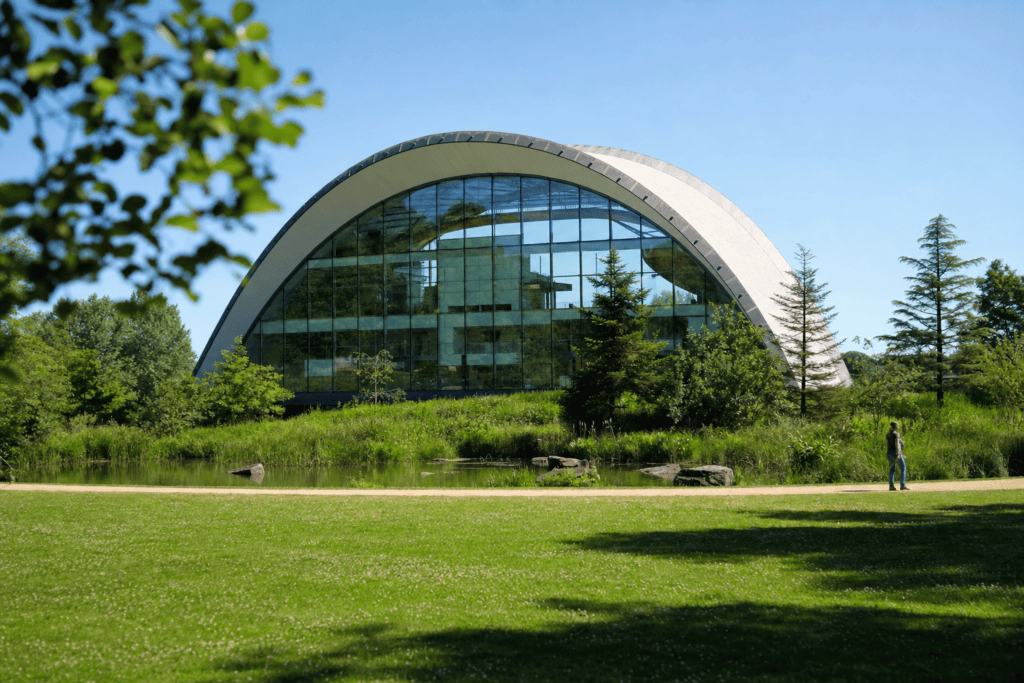 Arche de la Nature A nature destination in Le Mans, with woodlands, the Huisne River, gardens, an educational farm and discovery areas.
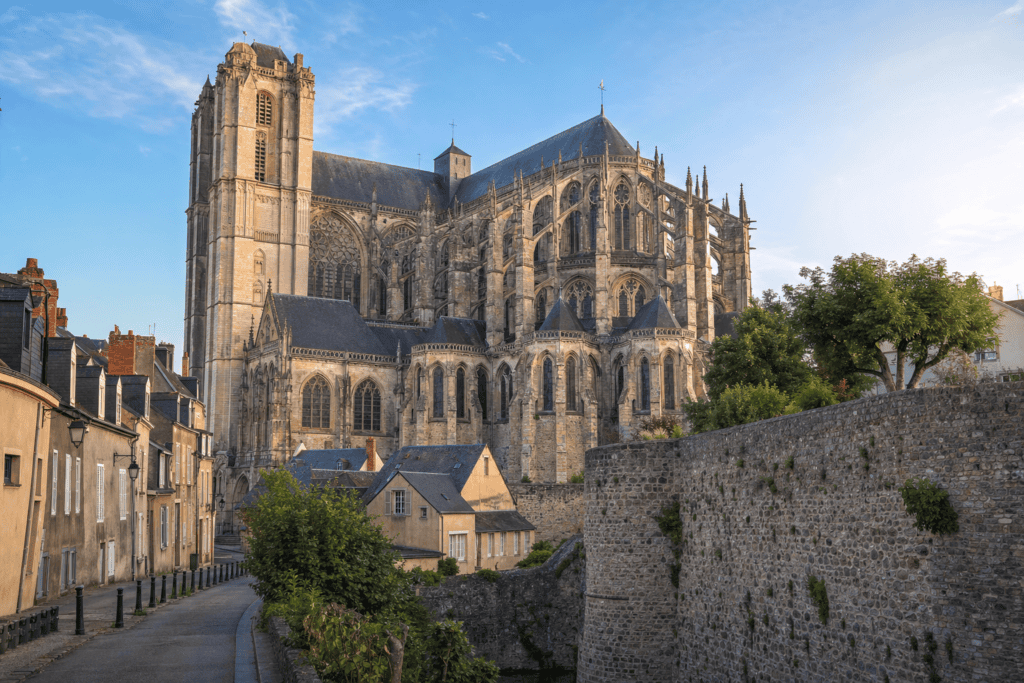 Saint-Julien Cathedral of Le Mans A major Le Mans landmark, notable for its Plantagenet vaults, Gothic choir, and stained-glass windows…
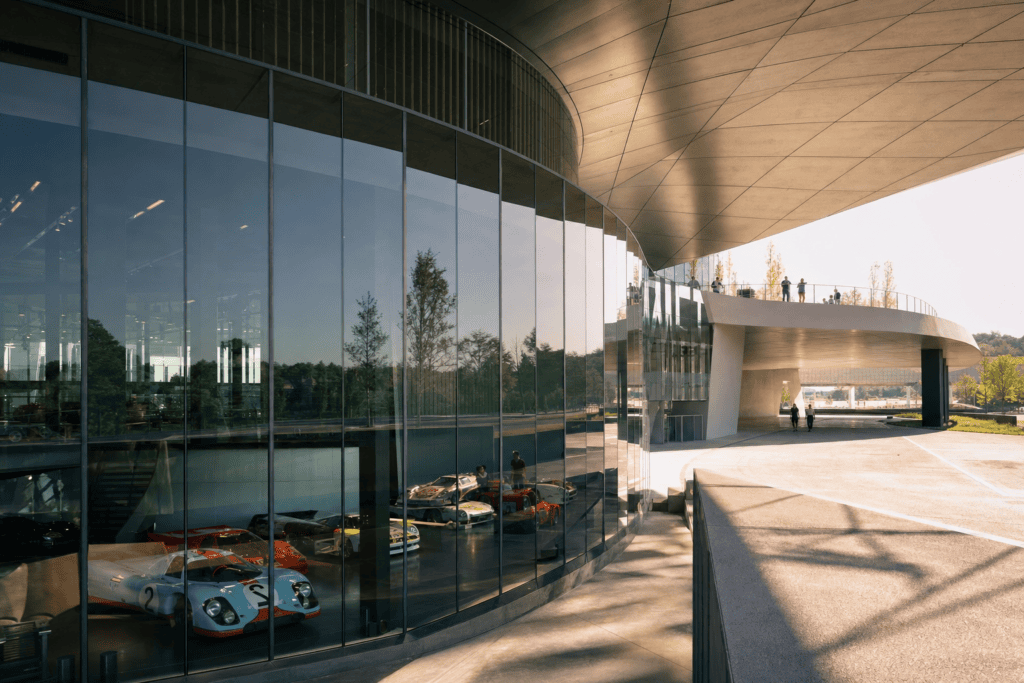 Museum of the 24 Hours of Le Mans M24 – Automobile Sports Museum showcases cars, archives, and innovations at the heart of the circuit…
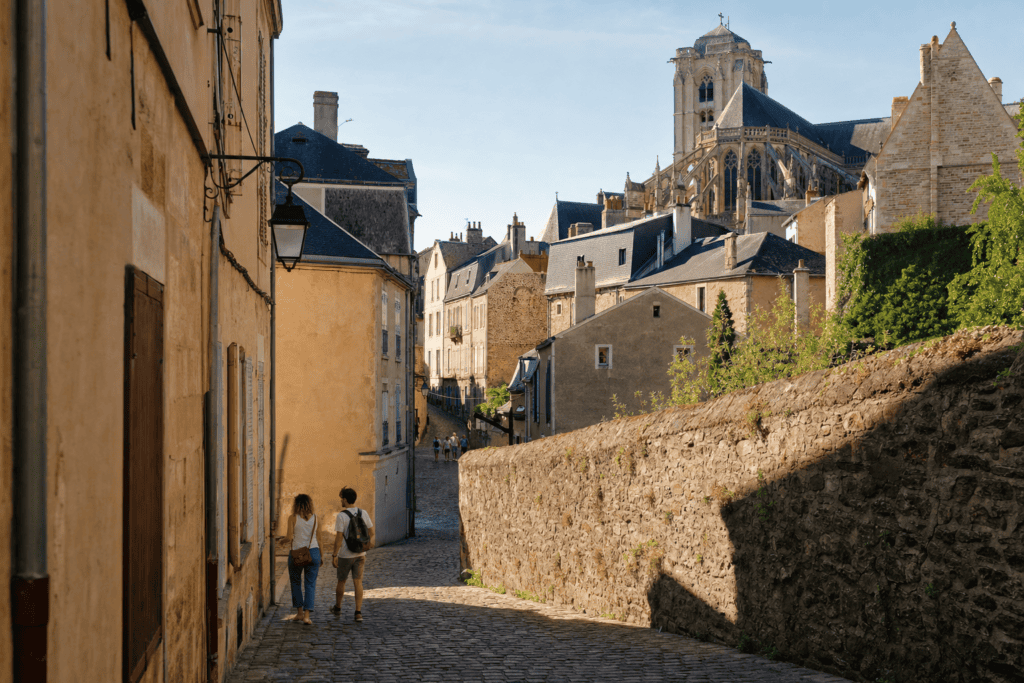 Cité Plantagenêt Cobblestone streets, half-timbered houses, the cathedral, and Roman walls: the historic heart of…
Online booking · Paris → Circuit des 24 Heures du Mans, Le Mans, Sarthe, France
Choose your pickup date and time
Your departure and arrival details are already pre-filled. You can adjust them in the fare calculator before viewing the vehicles and fare.