



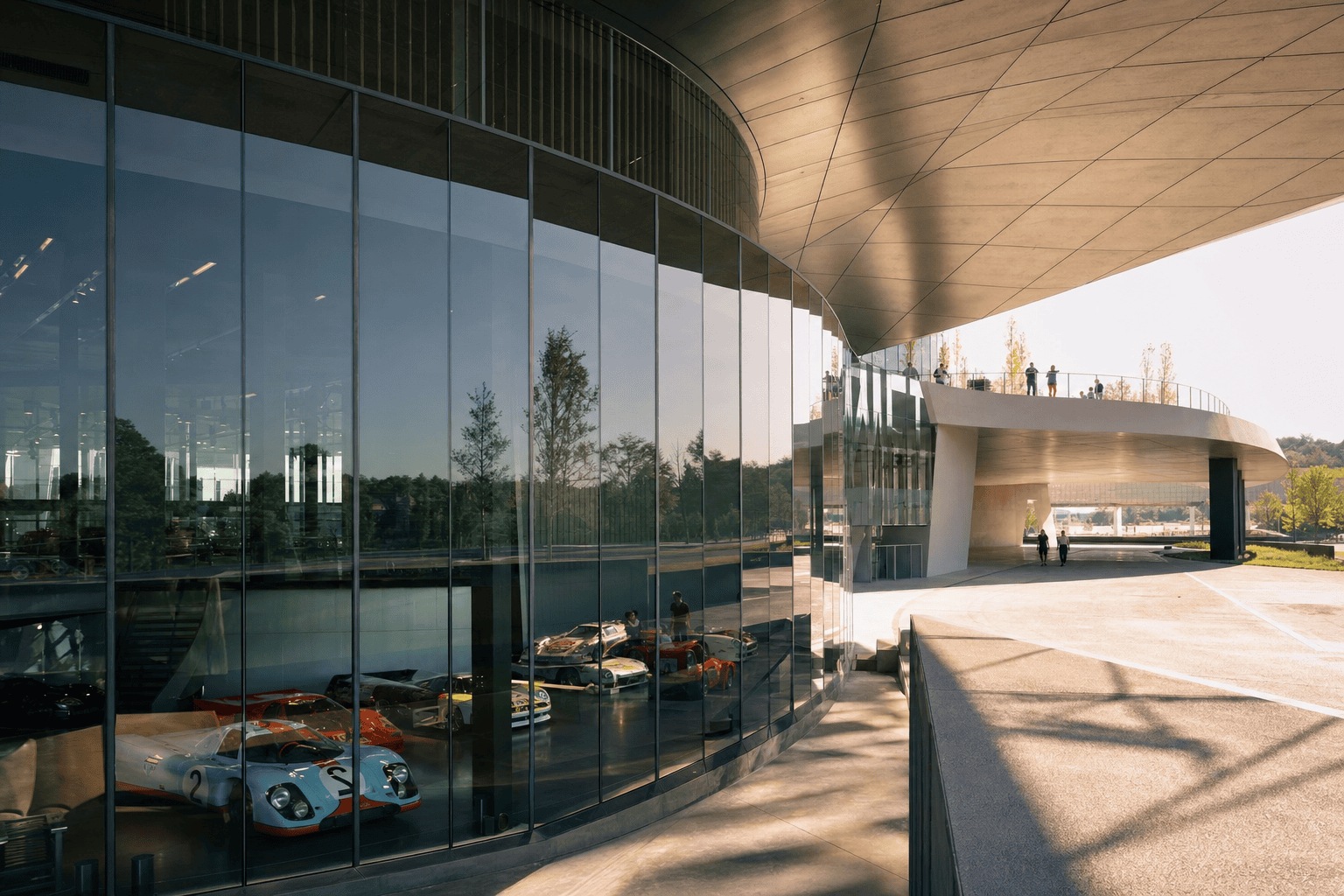
M24 – Museum of Automotive Sport: A Guide to Le Mans
Le Mans
At the entrance to the 24 Hours of Le Mans circuit, M24 – Museum of Automotive Sport tells the story of endurance racing through cars, archives, objects, and accounts connected to the competition. The museum was formerly known as the Museum of the 24 Hours of Le Mans: this historic name is still familiar, but its current official name is M24 – Museum of Automotive Sport. The visit offers insight into the evolution of vehicles, the role of racing crews, and the organization of a twenty-four-hour race. It appeals to enthusiasts as well as visitors looking to round out their exploration of the Plantagenet City. From Paris, the museum can be included in a private excursion focused on Le Mans and its heritage.
Practical information
During the 24 Hours of Le Mans or another event, allow plenty of extra time. Traffic, parking, access to the circuit, and security checks may depend on the event and the date you choose.
Getting to M24 from Paris
Booking Paris Transfer can arrange private transportation from Paris, a hotel in the Île-de-France region, Charles de Gaulle Airport, or Orly Airport to Le Mans, with a return to Paris or continuation of an itinerary that began in the capital. This service covers transportation only. M24 tickets, any circuit tours, and other admission tickets must be booked through the official organizations.
Departure from Paris, the Île-de-France region, CDG, or ORY; return to Paris or continuation of an itinerary that began in Paris.
The Museum’s Name and Current Identity
The place many visitors still know as the Museum of the 24 Hours of Le Mans is now officially called M24 – Museum of Automotive Sport. This name change does not alter its close connection with the famous Le Mans race: the museum remains at the entrance to the circuit and devotes a significant part of its exhibition to the history of the 24 Hours. Using the current name makes it easier to find official information about hours, access, and tickets.
M24 offers a broader perspective on automotive sport. Endurance racing is its central theme, but the cars, archives, and objects also explore mechanical design, team preparation, safety, and changing practices. This approach makes the visit interesting for enthusiasts and for people discovering Le Mans without specialized technical knowledge.
Understanding the History of the 24 Hours of Le Mans
The first edition of the 24 Hours of Le Mans took place in 1923. Since then, the event has accompanied major changes in automobiles, regulations, and infrastructure. Endurance racing follows a different logic from a short race: drivers must go fast while also preserving the mechanics, managing fuel consumption, organizing driver changes, and responding to incidents. The museum provides context for understanding this combination of performance and resilience.
Many manufacturers have left their mark on the event, including Bentley, Ferrari, Jaguar, Ford, Porsche, Matra, and Audi. However, its history is not limited to the winning brands. Drivers, engineers, mechanics, preparers, and private teams have all contributed to the race’s reputation. Photographs and documents place the results in context and show how innovation, media coverage, and safety requirements gradually transformed the competition.
Observing the Cars as Technical Objects
The cars on display naturally draw the eye, but they deserve to be viewed as technical objects. The shape of a body may reflect aerodynamic research, an air intake may contribute to cooling, and the arrangement of mechanical components may alter the vehicle’s overall balance. By comparing several generations, visitors can see the compromises required by a long race: performance, reliability, energy efficiency, safety, and ease of maintenance must work together.
This perspective also works well for families. Children can look for differences between models, spot changes in the wheels, fenders, cockpits, or protective equipment, and imagine the demands placed on a car running day and night. Adults interested in engineering can explore the information available on site in greater depth. You do not need to know everything before your visit: the vehicles provide concrete starting points for understanding the evolution of automotive sport.
A Journey Through Cars, Archives, and Memories
The exhibition is more than a succession of racing cars. The automobiles are accompanied by photographs, documents, equipment, and items evoking the pits, testing, refueling, and team preparation. This variety places each vehicle in its racing environment. A car thus becomes the visible result of collective work, regulations, and technical choices that may have proved decisive during a particular edition.
For a first visit, begin with an overall walkthrough to identify the periods and models that interest you most. Then return to selected pieces rather than trying to read every display from the start. This approach works well with children and gives enthusiasts time to examine the details. Since the scenography, objects on display, and exhibitions may change, what you see on the day of your visit is the most reliable reference.
The Women and Men Behind the Race
The popularity of the 24 Hours of Le Mans rests on its drivers, but their performance depends on a much larger organization. Engineers, mechanics, pit-crew members, tire specialists, logistics staff, and coordinators work together before and during the event. Fatigue, rain, nightfall, or a breakdown can alter the plans already in place. Endurance racing is therefore as much a story of strategy and coordination as of pure speed.
The archives and equipment make this reality more tangible. A photograph may document an era, a uniform may recall a driver’s working conditions, and a document may show how communication around the race evolved. This dimension will appeal to visitors interested in industrial and social history. Take time to read the captions: they often provide the context needed to understand the importance of a model, team, or result, even when the name is unfamiliar.
Getting to M24 from Le Mans Train Station
From Paris, trains arrive at Le Mans station, including services from Paris-Montparnasse. The station is in the city, while M24 is located at 1 place Luigi Chinetti, at the entrance to the 24 Hours circuit, so you will need to plan a separate local trip between the two points. Before setting out, check the available route for your date, connections, and any changes related to an automotive event. Transport network information and the museum’s instructions should take precedence over general estimates.
By car, the journey from Paris is approximately 200 kilometers, but the duration depends on your starting point, traffic, and the circuit’s calendar. On race days, access and parking may change. Since M24 is located at an event venue, do not assume that normal conditions apply during major events. Check hours, prices, reservations, and access rules through the official channels before your visit.
Extend Your Visit in Le Mans
M24 can be one stop on a day devoted to Le Mans. After the prototypes, archives, and world of the pits, the Plantagenet City offers a change of atmosphere with its old streets, historic houses, and urban heritage. This combination brings together automotive culture and a discovery of the city without limiting the day to a single theme. The time available will determine whether you can add other stops or take a longer break.
A visit to the circuit, its facilities, or other spaces connected with the competition should not be assumed to be included with museum admission: opening hours and arrangements may vary depending on the calendar. Make separate inquiries if this experience interests you. With children, plan breaks and avoid trying to visit too many distant sites. From Paris, arriving in the morning may offer greater flexibility, while traveling outside the competition period generally makes getting around easier. Booking Paris Transfer can arrange transportation only from Paris or the Île-de-France region; it does not sell admission tickets.
Useful sources
Frequently Asked Questions
What is the museum’s official name?
How much time should I allow for the visit?
Is M24 suitable for children?
How do you get to the museum from Le Mans train station?
Can private transportation be arranged from Paris?
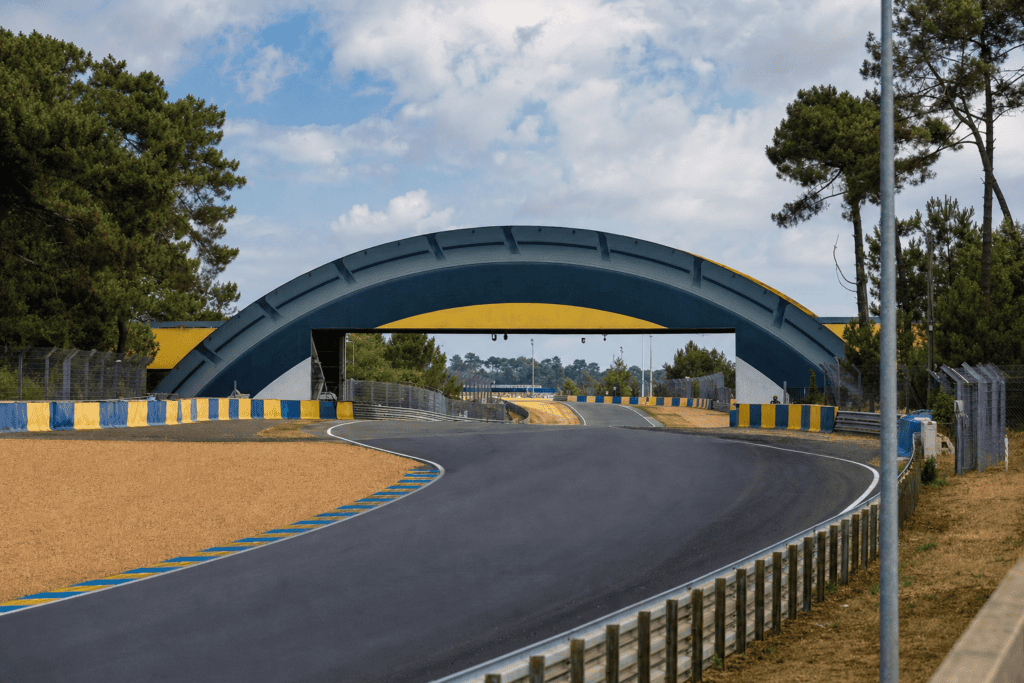 24 Hours of Le Mans Circuit A legendary circuit to explore through automotive history, famous turns, and the landscapes of the Sarthe.
 Cité Plantagenêt Cobblestone streets, half-timbered houses, the cathedral, and Roman walls: the historic heart of…
 Saint-Julien Cathedral of Le Mans A major Le Mans landmark, notable for its Plantagenet vaults, Gothic choir, and stained-glass windows…
 Arche de la Nature A nature destination in Le Mans, with woodlands, the Huisne River, gardens, an educational farm and discovery areas.
Online booking · Paris → 1 place Luigi Chinetti, 72100 Le Mans, France
Choose your pickup date and time
Your departure and arrival details are already pre-filled. You can adjust them in the fare calculator before viewing the vehicles and fare.