



Cité Plantagenêt: A Walking Guide to Old Le Mans
Le Mans
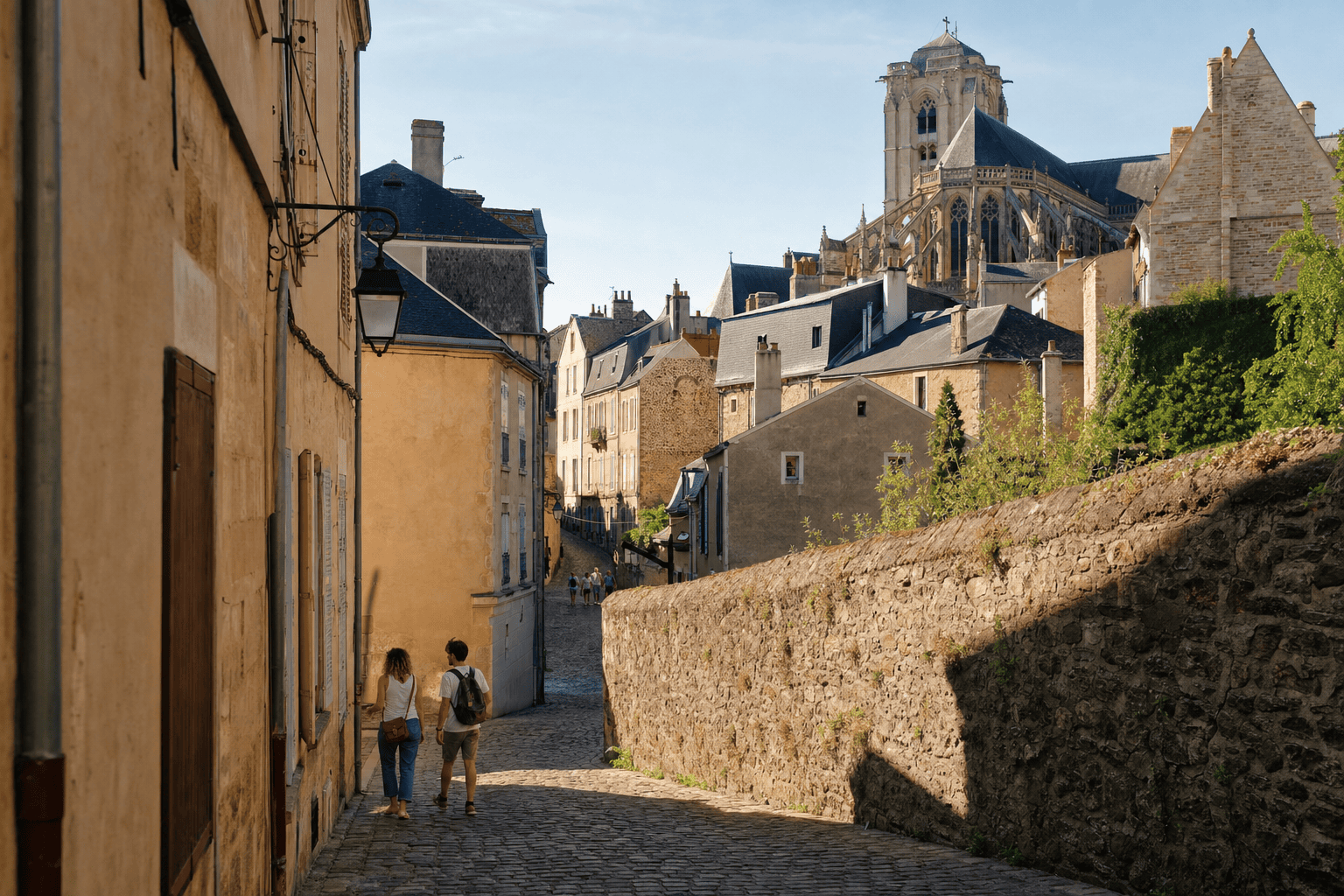
At the heart of Le Mans, Cité Plantagenêt brings together an exceptional heritage in a district best explored on foot. Cobblestone streets, half-timbered houses, grand townhouses, Saint-Julien Cathedral, and remnants of the Roman walls form a fascinating route that can easily be adapted. A first stroll takes about two hours; allow more time if you plan to enter a monument, join a guided tour, or extend your walk to the Tanneries Gardens. This guide introduces the main landmarks, route ideas, and useful precautions for enjoying Old Le Mans without reducing the visit to a simple list of monuments.
Practical information
Start near Saint-Julien Cathedral, explore the Grande Rue and the adjoining streets, then head down toward the Tanneries Gardens if your mobility and time allow.
Getting to Le Mans Easily from Paris
If you would rather avoid driving, Booking Paris Transfer can arrange private transportation from Paris, the Île-de-France region, Charles de Gaulle, or Orly to Le Mans, with a return to Paris or an itinerary agreed upon in advance. This service covers transportation only: tickets, guided tours, and monument admission must be arranged separately.
Private transportation from Paris, the Île-de-France region, CDG, or ORY to Le Mans, with the option of returning to Paris. No tickets or guide included.
Understanding the History of Cité Plantagenêt
Cité Plantagenêt refers to the historic heart of Le Mans, situated on the heights overlooking the Sarthe River. The name recalls the historic ties between the city and the Plantagenet dynasty, associated with the history of western France and medieval England. However, it should not be viewed as a district frozen in a single period. The walk reveals a succession of ancient, medieval, Renaissance, and more recent traces.
The Roman walls are one of the most remarkable reminders of this long history. Their masonry, decoration, and layout offer insight into the importance of the ancient city and the later development of the fortified center. Within the district, plots, streets, and buildings were subsequently transformed over the centuries without completely erasing the earlier structures.
To appreciate Cité Plantagenêt, it is better to take time to notice the details rather than focus only on the marked monuments. Street levels, narrow passageways, old openings, and changes in materials also tell the story of Le Mans’s evolution. A guided tour can add context, but exploring independently is also very enjoyable.
Narrow Streets, Half-Timbered Houses, and Grand Townhouses
The district’s charm largely comes from its civilian architecture. Often colorful, the half-timbered houses create a succession of narrow façades, overhangs, and irregular volumes along the streets. Some have been carefully restored, while others retain signs of age that enhance their sense of authenticity. The variety of the street fronts is one of the great pleasures of a walk without an overly rigid itinerary.
The Grande Rue is an obvious place to start, but it is not enough on its own. Rue de la Reine-Bérengère, Rue des Chanoines, Rue de l’Écrevisse, and Rue de la Comédie offer changing perspectives and views of more understated buildings. Renaissance townhouses provide another way to read the district, with more regular façades, courtyards, and decorative features reflecting changing ways of life.
Do not try to photograph every façade in a hurry. Walk slowly, observe the doors, surrounds, and carved details, then retrace your steps slightly when the light changes. Cité Plantagenêt is still a residential neighborhood: avoid blocking entrances, remain discreet outside homes, and respect private spaces.
Saint-Julien Cathedral and Religious Heritage
Saint-Julien Cathedral is the main visual landmark of Cité Plantagenêt. Its architectural history spans several centuries and includes both Romanesque and Gothic elements. Walking around the building gradually reveals the variety of its forms: the nave, apse, buttresses, and towers create different perspectives depending on the street you take.
Even viewing the exterior gives you an understanding of the cathedral’s place in the cityscape. If you would like to visit the interior, check official information about opening hours, services, and any access requirements before you go. A religious building may continue to serve worshippers, which can occasionally affect tourist access.
The district also offers other heritage landmarks, including Saint-Pierre-la-Cour Collegiate Church and the Oratory Chapel. Maison du Pilier-Rouge is associated with heritage information and interpretation in Old Le Mans; since its visitor arrangements and activities may change, it is best to consult the Le Mans Métropole Tourist Office. This avoids presenting the site as a museum or as a guaranteed access point at all times.
A Simple Itinerary for a First Visit
For a first visit, head to the area around Saint-Julien Cathedral and take a few minutes to observe its setting. Then make your way toward the Grande Rue, allowing time for detours: the parallel streets often offer the best views of the historic houses. This first section is ideal for a relaxed walk and helps you identify the district’s main entrances.
Continue along Rue de la Reine-Bérengère and the neighboring streets, then return to the Grande Rue by a different route. Depending on your interests, add Saint-Pierre-la-Cour Collegiate Church or spend more time exploring the townhouses and façade details. A tourist map or route suggested by the Tourist Office can help place the buildings in context.
If you have time and are comfortable with the incline, head down toward the Tanneries Gardens and the area around Quai Louis Blanc. The wider perspective completely changes how you see the upper town and the walls. The return to Cité Plantagenêt involves an uphill climb: plan a break and adapt the route to your physical condition. This itinerary is only a guide, as certain streets or events may locally affect traffic.
Photographing the Old Town Respectfully
Cité Plantagenêt offers a wide variety of subjects: half-timbered façades, rooftops, old doors, carved details, cobblestones, and views of the cathedral. In the morning, the light is often softer in the narrow streets, and visitor numbers may be lower. Toward the end of the day, some façades take on warmer tones; results nevertheless depend on the season, the orientation of the streets, and the weather.
To compose an image, use the lines of the cobblestones and façades to guide the eye toward a monument or a street opening. Slightly diagonal framing works well to convey the depth of narrow passageways. From around the Tanneries Gardens, the greater distance allows you to show the height of the old town and elements of the walls. It is better to describe this as a viewpoint from the area rather than promise a specific panoramic view.
After rain, the cobblestones may reflect the colors of the houses, but they also become more slippery. Avoid standing in the middle of a passage or in front of a door to take a photo. Residents and businesses are part of the neighborhood: ask permission before photographing a person or an identifiable interior space.
Gardens, Guided Tours, and Events
The Tanneries Gardens offer a pleasant break at the foot of the old town. Their appeal is both scenic and historical: they provide perspective on the walls and evoke the district’s relationship with the Sarthe River and the craft activities that developed near the water. The atmosphere differs from that of the cobbled streets, making the gardens a good stop after visiting the cathedral.
Depending on the season, the Le Mans Métropole Tourist Office offers guided tours, themed walks, and shorter programs devoted to local heritage. Content, dates, prices, capacities, and meeting points may change. Check the official calendar before planning your visit, and do not assume that a past event is available every year.
Occasional events, particularly those focused on gardens and heritage, may also open sites that are usually less accessible. Check whether the Entre Cours et Jardins event is taking place during the year of your stay, as its program is not permanent. For independent exploration, request an updated map or use the official routes available when you visit.
Practical Tips and Accessibility
Access to the streets of Cité Plantagenêt is open for an outdoor stroll, but monuments, guided tours, and events may have their own access requirements. Check information with official sources, particularly on public holidays, during religious celebrations, or while events are taking place. This is more reliable than relying on an outdated schedule found on a secondary page.
Sturdy shoes are recommended: cobblestones, slopes, and changes in level are part of the district’s character. With young children, a lightweight stroller may be more practical than a bulky model; a baby carrier can also make uneven passages easier. People with limited mobility should plan their route, as the age of the buildings sometimes limits passage width and ground-level evenness.
Two hours is enough for a first outdoor stroll, while a half-day allows time for photos, an additional monument, or a longer walk toward the Sarthe. From Paris or the Île-de-France region, Booking Paris Transfer may be considered solely for round-trip transportation to Le Mans, without tickets, a local guide, or activity reservations. For a page devoted to this district, this option remains secondary to preparing for the visit.
Frequently Asked Questions
Where is Cité Plantagenêt located?
How much time should I allow?
Is the walk free?
Is Cité Plantagenêt stroller-friendly?
What is the best time for photos?
 Arche de la Nature A nature destination in Le Mans, with woodlands, the Huisne River, gardens, an educational farm and discovery areas.
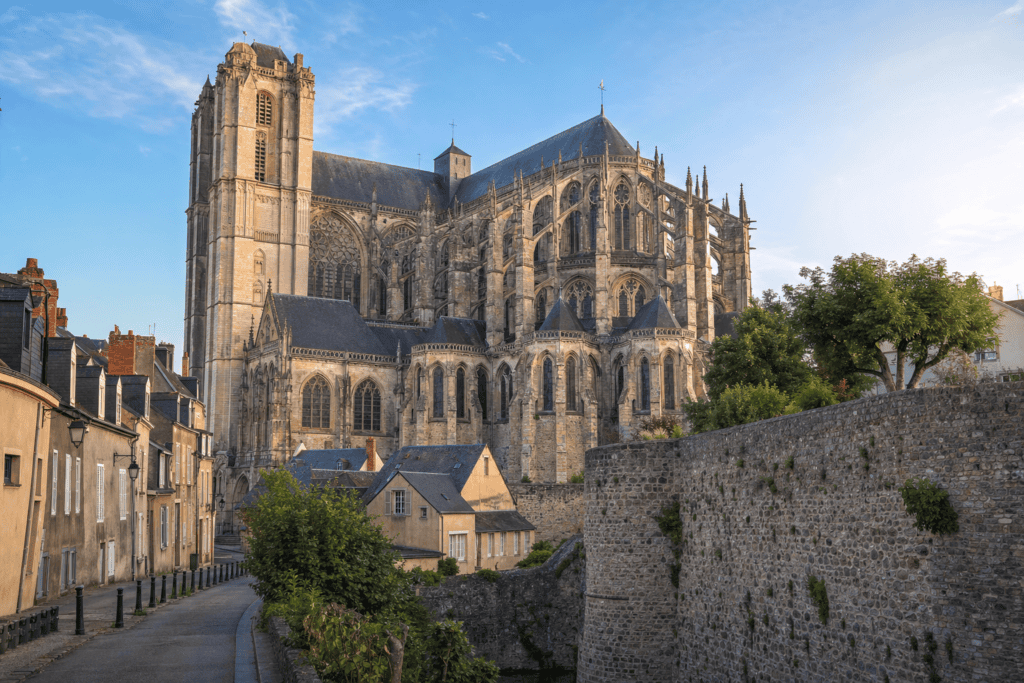 Saint-Julien Cathedral of Le Mans A major Le Mans landmark, notable for its Plantagenet vaults, Gothic choir, and stained-glass windows…
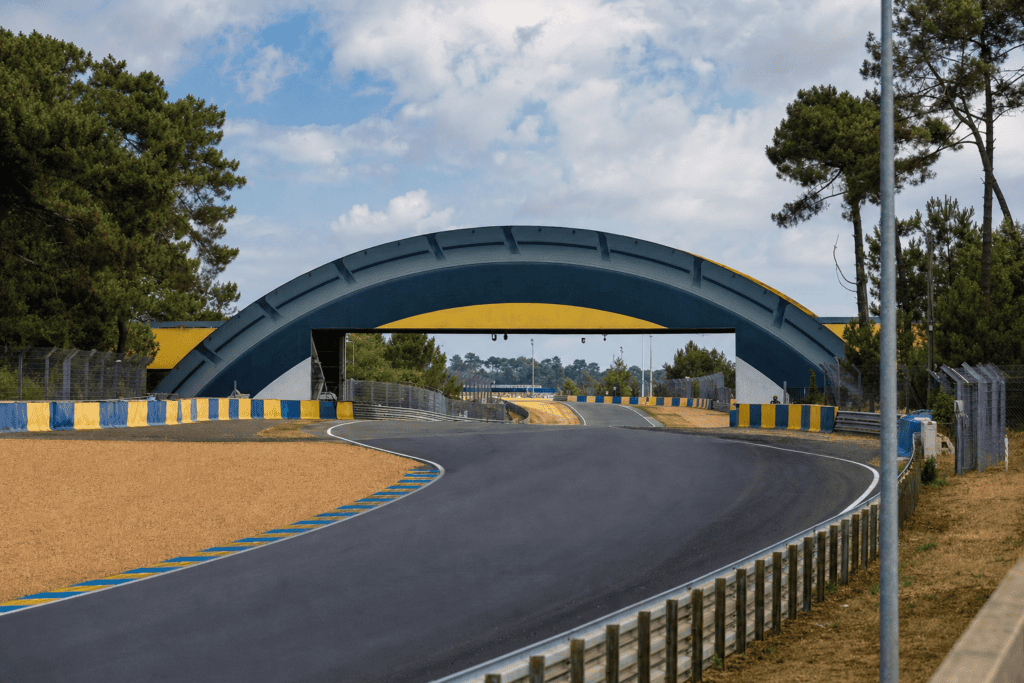 24 Hours of Le Mans Circuit A legendary circuit to explore through automotive history, famous turns, and the landscapes of the Sarthe.
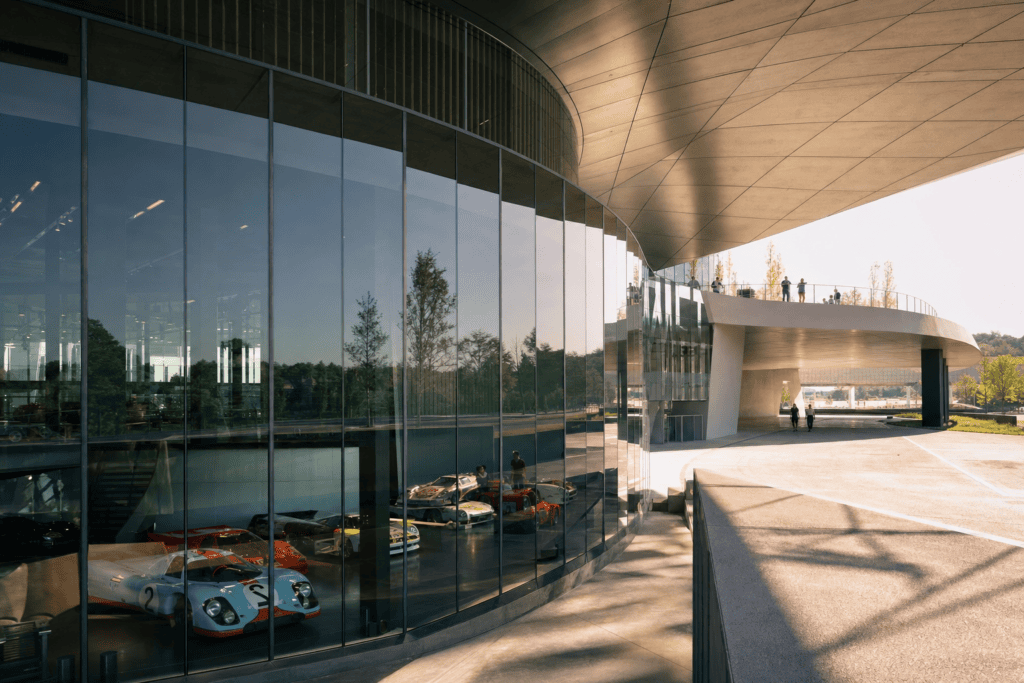 Museum of the 24 Hours of Le Mans M24 – Automobile Sports Museum showcases cars, archives, and innovations at the heart of the circuit…
Online booking · Paris → Cité Plantagenêt, historic center, 72000 Le Mans, France
Choose your pickup date and time
Your departure and arrival details are already pre-filled. You can adjust them in the fare calculator before viewing the vehicles and fare.