



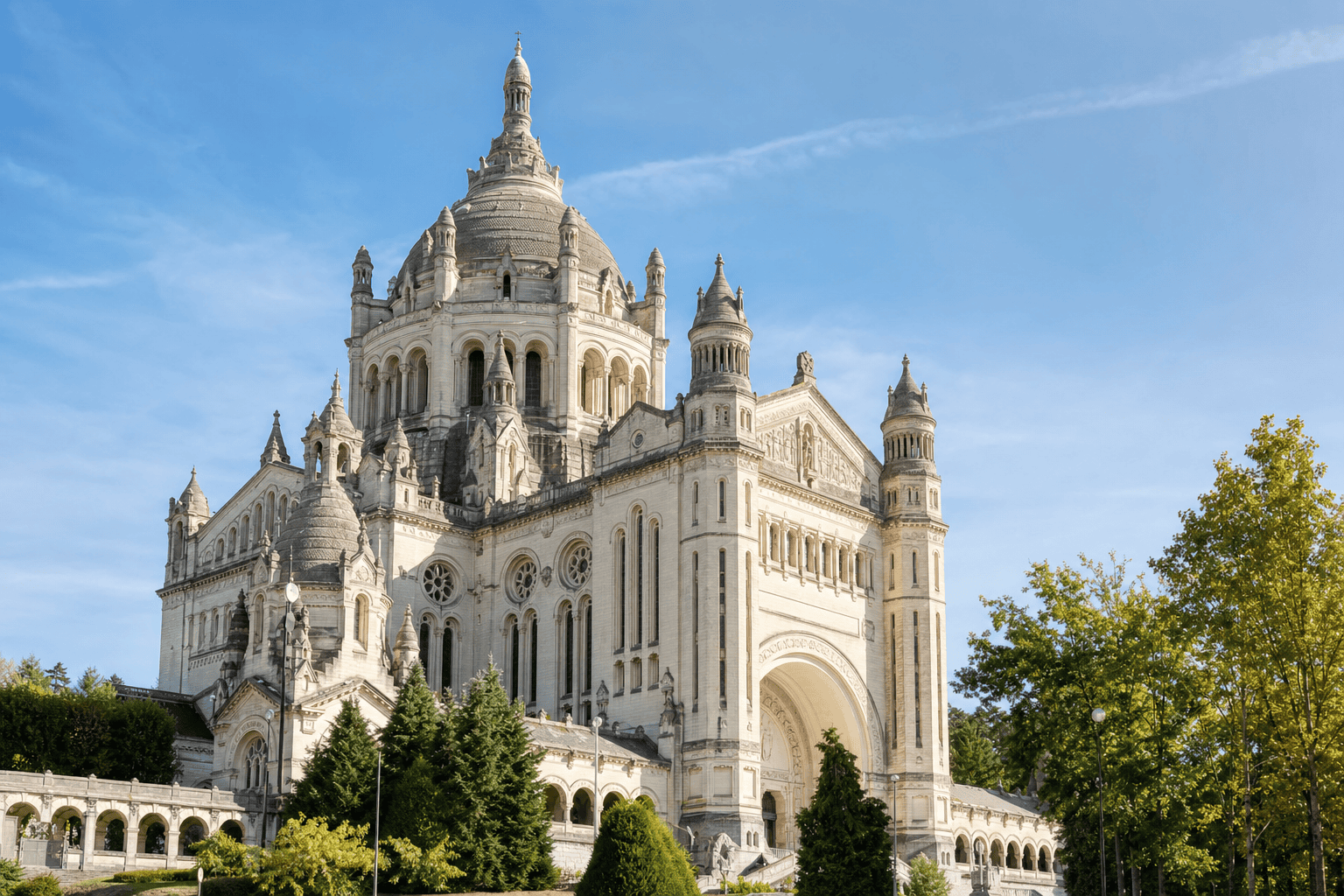
Basilica of Saint Thérèse of Lisieux: Visitor Guide
Lisieux
Overlooking Lisieux from the heights of the city, the Basilica of Saint Thérèse of Lisieux is one of Normandy’s great religious monuments of the 20th century. Built in honor of Thérèse Martin, who became Saint Thérèse of the Child Jesus and the Holy Face, it impresses visitors as much with its size as with the abundance of its mosaics, marble, and stained glass. A visit offers insight into the deep connection between Lisieux and the young Carmelite, while revealing a particularly spectacular Romanesque-Byzantine building.
Practical information
Take time to look at the crypt’s mosaics before heading to the upper basilica. From the forecourt, the building’s elevated position also offers a beautiful view over Lisieux.
Getting to Lisieux from Paris with a chauffeur
From Paris, a private transfer can make it easier to plan an outing focused on the Basilica of Saint Thérèse of Lisieux and the city’s other sites associated with Saint Thérèse. Booking Paris Transfer provides transportation from a Paris hotel, Charles de Gaulle Airport, or Orly, with the option of returning to Paris or including Lisieux in a Normandy itinerary. The service covers transportation only and does not include admission tickets or a local guided tour.
Departure is available from Paris, a Paris hotel, CDG, or ORY, with a return to Paris depending on your itinerary.
Why visit the Basilica of Saint Thérèse?
The Basilica of Saint Thérèse is the monument most immediately associated with Lisieux. It attracts pilgrims who come to reflect at places connected with the life of Thérèse Martin, but it is also worth visiting for its architecture and decoration. Even without a religious purpose, the building can be experienced as a vast artistic ensemble dedicated to a major figure in contemporary spiritual history.
Built on the heights, it overlooks the city and is easy to spot from several points in Lisieux. Its forecourt gives a first impression of its imposing proportions, while the interior reveals a more intimate atmosphere through the colors of the mosaics and stained glass. The crypt completes the visit with a more contemplative space connected to Thérèse’s family.
The visit fits naturally into a day devoted to Lisieux’s heritage, together with Saint-Pierre Cathedral, the Carmel, and Les Buissonnets. It is also an interesting stop for travelers exploring the Pays d’Auge from Paris or the Normandy coast.
A history closely connected with Saint Thérèse
Thérèse Martin was born in Alençon in 1873 and lived in Lisieux from childhood. After entering the Carmel at the age of fifteen, she led a short religious life there, shaped by a spirituality of trust and simplicity. She died in Lisieux in 1897, at just twenty-four. Her canonization in 1925 sparked a major movement of devotion around the world.
The construction of a large basilica in Lisieux reflected her growing renown. Work began in 1929, and the building was blessed in 1937. It was consecrated in 1954, after interruptions and difficulties linked to the historical context. The basilica then became a major center of pilgrimage dedicated to Saint Thérèse.
This history explains the monument’s place in the city: it is not an ancient church inherited from the Middle Ages, but a 20th-century shrine designed to welcome international visitors and convey Thérèse’s message through architecture, imagery, and spaces for prayer.
Romanesque-Byzantine architecture and impressive scale
The basilica generally described as Romanesque-Byzantine in style has a monumental silhouette, powerful arches, a vast interior, and a large dome visible from a distance. This architecture emphasizes clear forms and overall impact rather than a proliferation of small chapels. Upon entering, visitors are struck by the width of the nave and the height of the vaults.
Its dimensions are central to the experience: the upper basilica can accommodate several thousand people, and its dome rises prominently above the urban landscape. The monument is often compared with Sacré-Cœur in Montmartre because of its elevated position and role as a visible shrine, although its decoration and history are its own.
Also observe the transition between the understated exterior and the richly colored interior. The light, marble surfaces, and decorative compositions draw the eye toward the choir and the spaces dedicated to Saint Thérèse. To appreciate the building’s scale, move away from the center and take a few minutes to view the nave in its entirety.
Mosaics, stained glass, and works to look out for
The decoration is one of the visit’s main attractions. The walls of the upper basilica and crypt are covered with mosaics exploring themes connected to the life, writings, and spiritual message of Saint Thérèse. The colors, patterns, and scenes form a highly detailed ensemble that can be appreciated both up close and from farther away.
The mosaics and stained-glass windows are associated with the work of Jean Gaudin and his son Pierre Gaudin. In the nave, light filtered through the windows creates a serene, blue-toned atmosphere. Take time to compare the light effects at different times of day: the character of the decoration can change noticeably between a bright morning and a gentler afternoon.
The side altars, sculptures, and commemorative elements also recall the shrine’s international dimension. An attentive visit therefore involves more than admiring the dome: it invites you to gradually explore the walls and let the symbols emerge as you look.
The crypt and the relics of the Martin family
The crypt is an essential part of the visit. Arranged in three naves, it has a lower, more enveloping, and quieter atmosphere than the upper basilica. Its mosaic decoration continues the themes developed in the church while giving particular prominence to the figures connected with Thérèse’s memory.
The crypt notably houses the reliquary of Saints Louis and Zélie Martin, Saint Thérèse’s parents. Their presence is a reminder that the Lisieux pilgrimage is not limited to their daughter’s life story: it is also rooted in the history of a family whose daily life, upbringing, and faith are connected with several places in Lisieux.
To visit this space respectfully, take your time and maintain a quiet pace. Photography may be subject to specific rules depending on the area or services taking place; check the notices on site. The crypt is often where visitors best appreciate the harmony between architecture, family memory, and reflection.
Views over Lisieux and the Saint Thérèse trail
Because the basilica stands on elevated ground, its forecourt offers an interesting view of Lisieux. The view helps place the shrine in relation to the historic center and understand its role as a city landmark. Depending on the weather and visibility, the panorama extends across the city rooftops and the landscapes of the Pays d’Auge.
The visit is well worth extending with a route following in Saint Thérèse’s footsteps. The Carmel recalls the final years of her life and preserves important sites of remembrance. Les Buissonnets evokes her childhood in Lisieux, while Saint-Pierre Cathedral places her story within the city’s older heritage.
Allow enough time if you want to connect several sites on foot, as they are not all in the same area. A Saint Thérèse itinerary takes you from the basilica’s monumental scale to more intimate spaces and helps explain why Lisieux has become a pilgrimage destination known far beyond Normandy.
Practical tips for planning your visit
The basilica is located on Avenue Sainte-Thérèse in Lisieux, in the Calvados department. It is close to Lisieux train station and has surroundings suited to welcoming visitors. Hours may change depending on the season, services, religious events, or circumstances specific to the shrine, so be sure to check the official information before setting out.
Admission is generally free, although an offering may be suggested. This is not a conventional museum: services and prayer times take priority. Appropriate clothing and a discreet attitude are recommended, especially when worshippers are present in the nave or crypt.
For a first visit, allow around one hour on site. Architecture enthusiasts may want to plan more time to examine the mosaics and stained glass. If you are driving from Paris, allow for traffic conditions in Normandy and check parking options nearby. Visitors arriving by train can plan a full day in Lisieux without limiting their visit to the basilica.
Frequently Asked Questions
Where is the Basilica of Saint Thérèse of Lisieux located?
Is admission to the basilica charged?
What can you see in the crypt?
How much time should I allow for the visit?
Can you visit the basilica during a service?
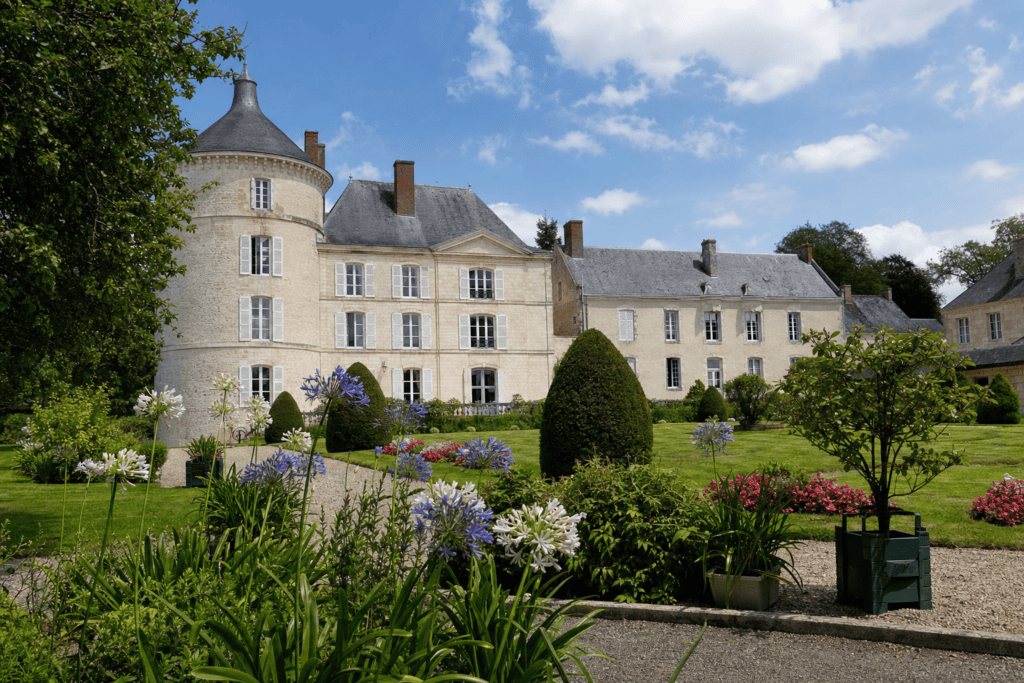 Château de Saint-Germain-de-Livet An iconic château in the Pays d’Auge, featuring half-timbering, glazed bricks, moats, and gardens.
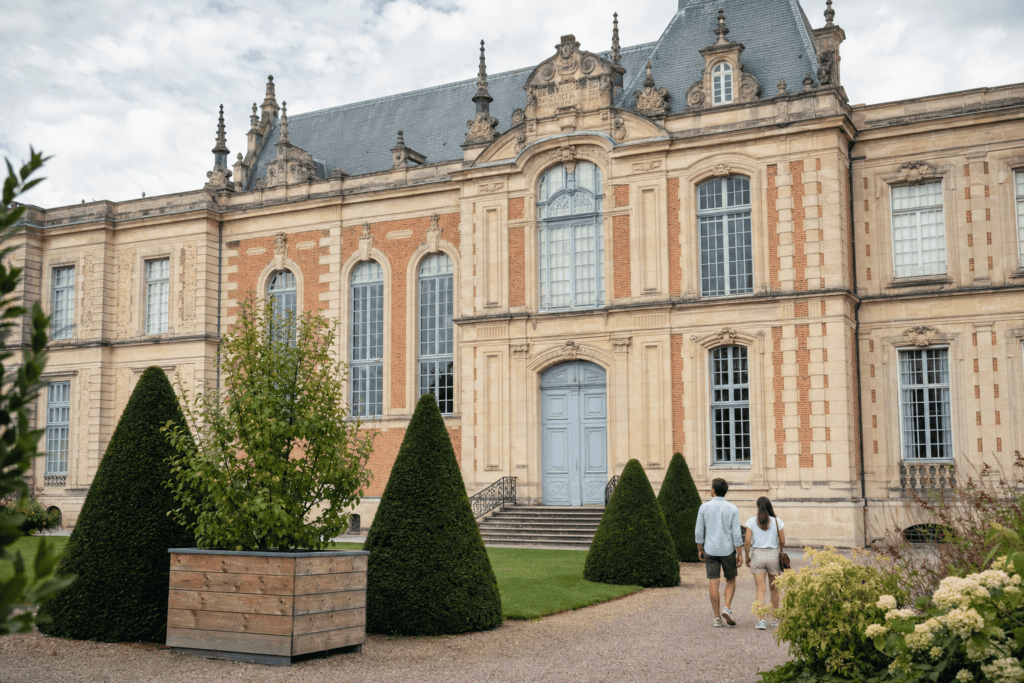 Lisieux Museum of Art and History A Lisieux museum to learn about the city’s history, its collections and the changes to…
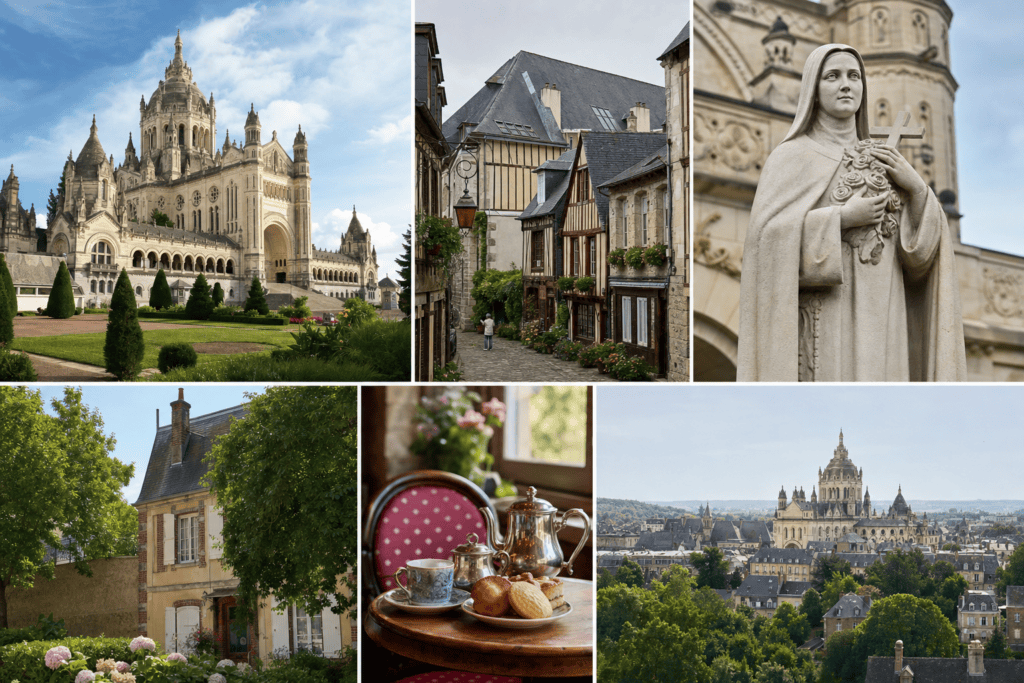 What to Do in Lisieux in One Day A one-day itinerary in Lisieux featuring Sainte-Thérèse Basilica, the Carmel, Saint-Pierre Cathedral, the historic center, gardens, and…
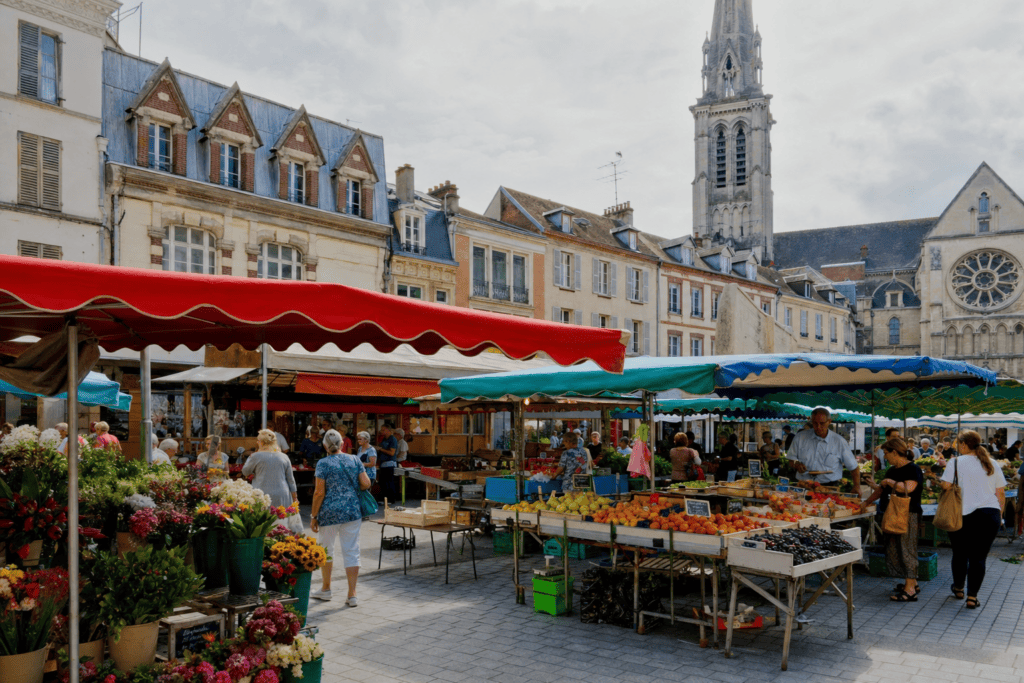 Lisieux Market A morning at the Lisieux market to sample Pays d’Auge products and discover the…
Online booking · Paris → Avenue Sainte-Thérèse, 14100 Lisieux, Calvados, Normandy
Choose your pickup date and time
Your departure and arrival details are already pre-filled. You can adjust them in the fare calculator before viewing the vehicles and fare.