



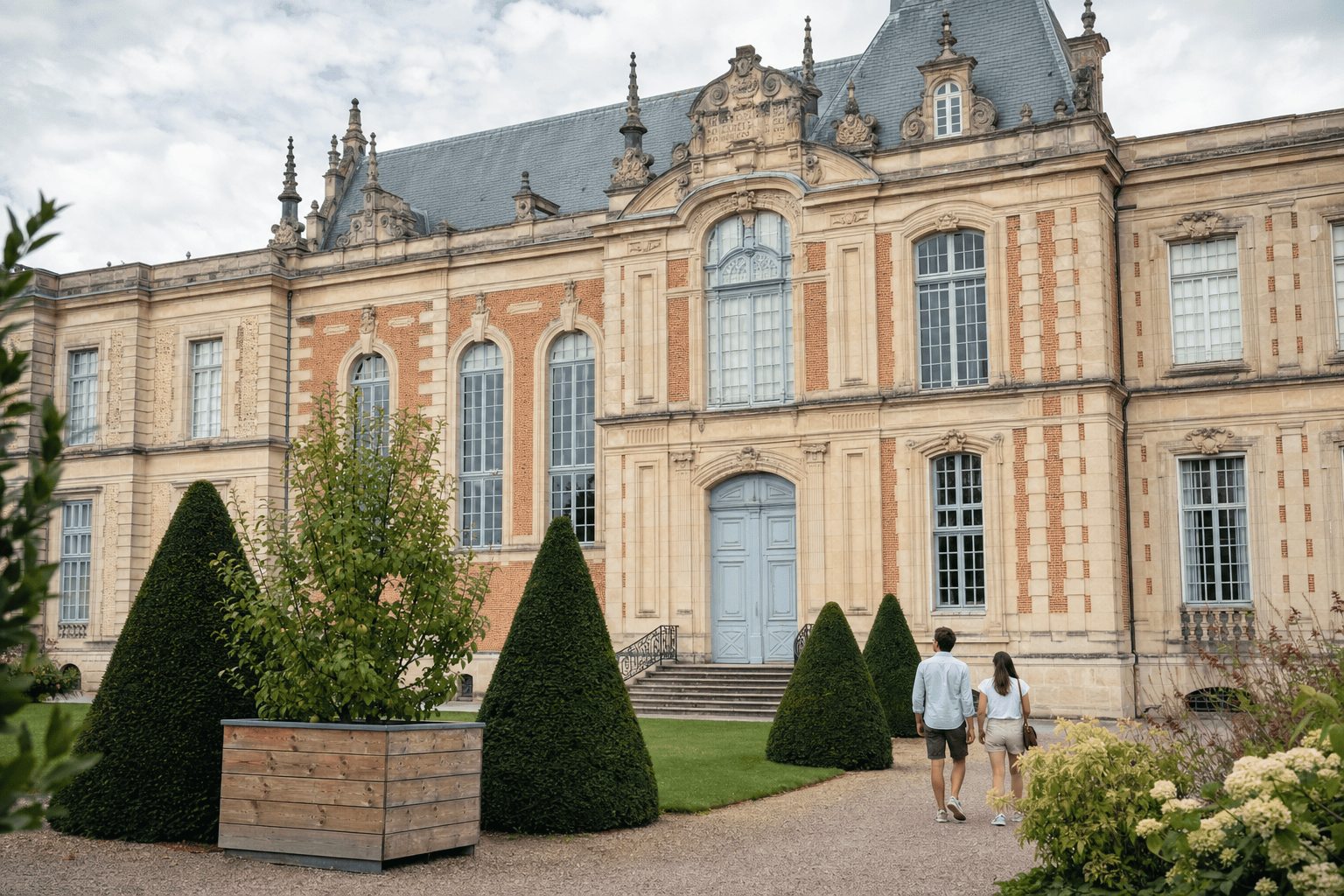
Musée d’Art et d’Histoire de Lisieux: Visit and Key Information
Lisieux
The Musée d’Art et d’Histoire de Lisieux offers a well-documented introduction to the city’s history, heritage, and transformations. Located at 38 boulevard Pasteur in a half-timbered house, it brings together archaeological collections, fine art, decorative arts, and items related to Lisieux’s urban development. A visit complements the discovery of Saint-Pierre Cathedral, Sainte-Thérèse Basilica, and the city center. Since the exhibits, program, and visitor arrangements may change, check the official information before you travel.
Practical information
Take a moment to observe the half-timbered house before going inside, then choose a few objects or works to examine closely. Your walk through Lisieux will take on greater meaning afterward.
Getting to Lisieux from Paris with a chauffeur
Booking Paris Transfer can arrange transportation from Paris, a Paris hotel, Charles de Gaulle Airport, or Orly to Lisieux, with a return to Paris or continuation of an itinerary in Normandy. The service covers transportation only: museum admission and tours must be booked directly with the relevant venues.
Departure from Paris, Île-de-France, CDG, or ORY, with a return to Paris or continuation of an itinerary in Normandy.
Why visit the museum in Lisieux?
The Musée d’Art et d’Histoire de Lisieux is a worthwhile stop for understanding the city beyond its best-known monuments. Its appeal lies in the complementary perspectives it offers: archaeology evokes earlier periods, artworks reflect different views of the area, and historical and urban elements trace the city’s changes over time. This variety suits both first-time visitors and stays focused on the heritage of Calvados.
The museum does not replace a visit to Saint-Pierre Cathedral, Sainte-Thérèse Basilica, or the streets of the city center. Instead, it provides context for them. After your visit, it becomes easier to observe the differences between historic buildings, reconstructed areas, and more recent developments. The tour can be brief, yet it provides useful reference points for looking at Lisieux more closely.
For travelers passing through, it is also a good option in wet weather or when you want to balance time outdoors with an indoor visit. The collections on display and their presentation may vary with the program.
A Half-Timbered House as the Setting for Your Visit
The museum’s address is part of its identity. It is located at 38 boulevard Pasteur in a half-timbered house. Before looking at the collections, take a few moments to observe the façade, exposed framework, and materials. The building offers a tangible introduction to Lisieux’s architectural history and recalls the presence of historic structures in Normandy’s urban landscape.
A half-timbered house combines a visible wooden framework with infill materials. This technique was used in different regions and periods, so it is best not to draw overly precise conclusions from the exterior appearance alone. The site’s interest lies in the relationship between its architecture, preservation, and current function as a museum.
After your visit, compare this house with the neighboring streets. Differences in height, materials, and alignment make Lisieux’s transformations easier to see. The building thus becomes a starting point for observing the city rather than simply a backdrop for the collections.
Archaeology and the Ancient History of Lisieux
The archaeological collections introduce the origins and different stages of Lisieux’s development. Official information connects the museum in particular with local history and the city’s ancient remains. The Gallo-Roman period is a useful reference for understanding Lisieux’s place in Normandy’s history, but the exact presentation depends on the objects on display and the current route.
Archaeology makes history tangible. A fragment, an everyday object, or an element related to a dwelling can provide information about techniques, trade, crafts, and social organization. Rather than trying to remember everything, observe the materials, signs of wear, and possible function of the items on display. This approach is particularly suitable for families and visitors unfamiliar with archaeological collections.
If you are looking for a specific period or collection, check the official program before your visit. Displays may change, particularly when a temporary exhibition or rotation alters the permanent route.
Fine Art, Decorative Arts, and Local Craftsmanship
The museum also offers an artistic perspective on Lisieux and its surroundings. Fine art works may depict landscapes, scenes of daily life, or subjects connected with Normandy. They invite you to compare the reality of a place with the way an artist chooses a composition, light, or atmosphere. This approach complements the historical collections by giving space to perspective and sensibility.
The decorative arts raise different questions about materials, techniques, uses, and the circulation of expertise. Collections related to productions from the Pré d’Auge are especially useful for discussing Pays d’Auge ceramics, without reducing the museum as a whole to this single specialty. Depending on the current display, not every piece may be visible at all times.
On site, compare surfaces, shapes, and functions. A work can be studied for its subject, but also for its material or use. To find out which collections are currently on display, refer to the official information from the museum and Lisieux Normandie.
Lisieux’s Transformations in the 20th Century
To understand Lisieux today, it is important to consider the upheavals of the 20th century. World War II had a profound impact on the city and its built heritage. The destruction, followed by reconstruction and planning decisions, changed the streets, views, and relationships between the different urban areas.
The museum helps place these changes within a longer history. Documents, objects, images, or depictions devoted to the city may set the earlier landscape alongside the period of upheaval and the transformations that followed. The visit is not only about looking for what has disappeared; it also helps explain the decisions that shaped Lisieux’s present-day appearance.
After the museum, continue your observations on foot. Look for differences in scale, materials, and alignment between preserved buildings, reconstructed structures, and more recent developments. This reading of the urban landscape complements the information in the displays and gives local history a tangible dimension.
Planning a Cultural Visit to Lisieux
The museum can fit into a half-day devoted to Lisieux’s heritage. You could begin with the collections, then continue to Saint-Pierre Cathedral and the central streets. The reverse order works just as well if you prefer to explore the city on foot before seeking historical explanations. One to 1½ hours is a practical guideline, not a requirement: a temporary exhibition, activity, or guided tour may change the time needed.
Before you leave, check the official Lisieux Normandie page for hours, opening days, any visitor arrangements, and the program. Applicable prices or conditions may change.
Wear comfortable shoes if you plan to include several areas of the city center. For a family outing, alternate between viewing the collections, walking, and taking a break. If you have specific needs, contact the venue in advance for information suited to your situation.
Who Is It For, and Which Itinerary Works Best?
The Musée d’Art et d’Histoire de Lisieux appeals to a wide range of visitors. History enthusiasts can explore the archaeology and the city’s transformations in greater depth. Visitors interested in art can focus on paintings, depictions of Normandy, and the decorative arts. Travelers with limited time will find a concise introduction before continuing their exploration of the city center.
With children, choose a few objects and ask simple questions: What were they used for? What materials were they made from? What do they reveal about everyday life? This approach turns the visit into active observation. Adults can then round out the experience with Saint-Pierre Cathedral, Sainte-Thérèse Basilica, or a walk through the reconstructed areas.
To plan your itinerary, also check the information from theLisieux Normandie Tourist Office. Check access arrangements for other monuments separately, as well as the museum’s program if your stay coincides with a temporary exhibition.
Useful sources
Frequently Asked Questions
Where is the Musée d’Art et d’Histoire de Lisieux located?
What collections can you see there?
How much time should I allow for the visit?
How can I find out the opening hours and visitor arrangements?
Is the museum accessible to people with reduced mobility?
Which places can I visit along with the museum?
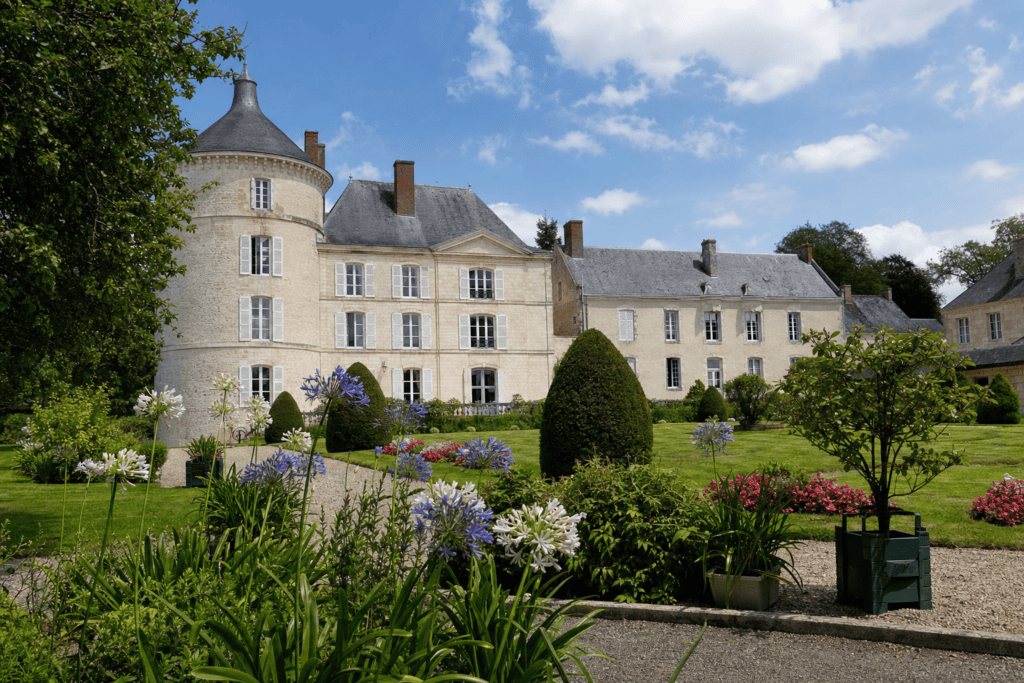 Château de Saint-Germain-de-Livet An iconic château in the Pays d’Auge, featuring half-timbering, glazed bricks, moats, and gardens.
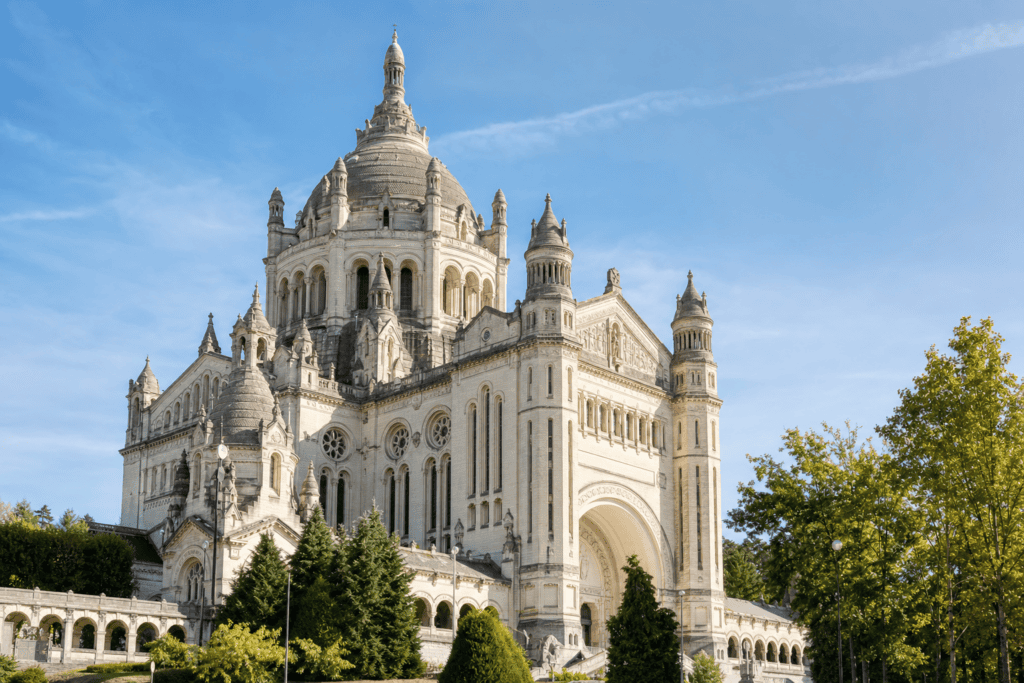 Basilica of Saint Thérèse of Lisieux A monumental Lisieux sanctuary, famous for its mosaics, crypt and connection to Saint…
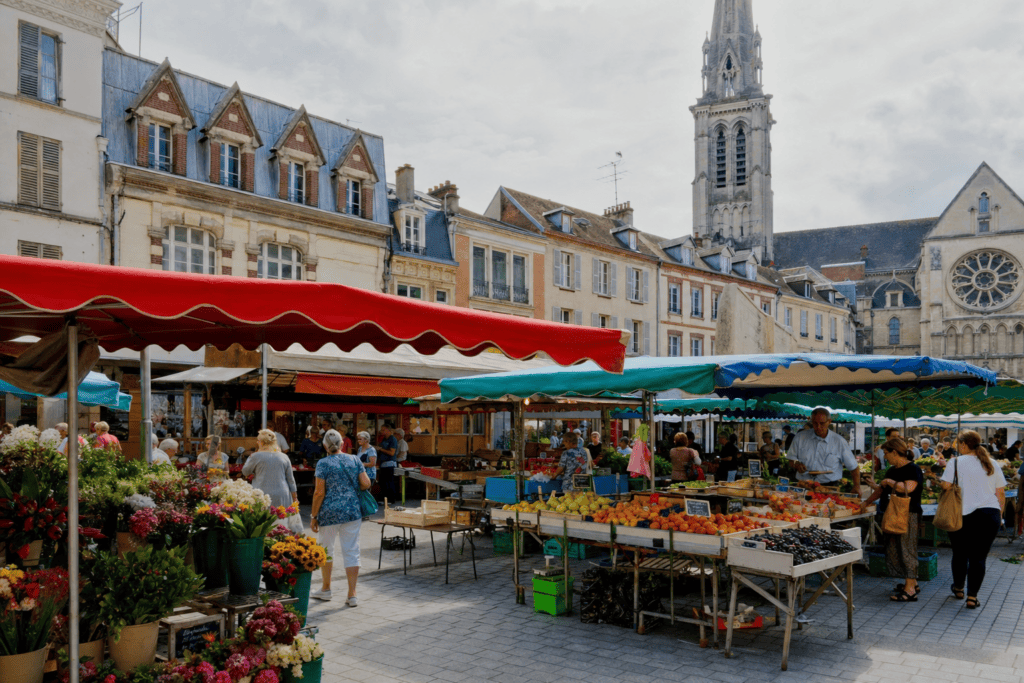 Lisieux Market A morning at the Lisieux market to sample Pays d’Auge products and discover the…
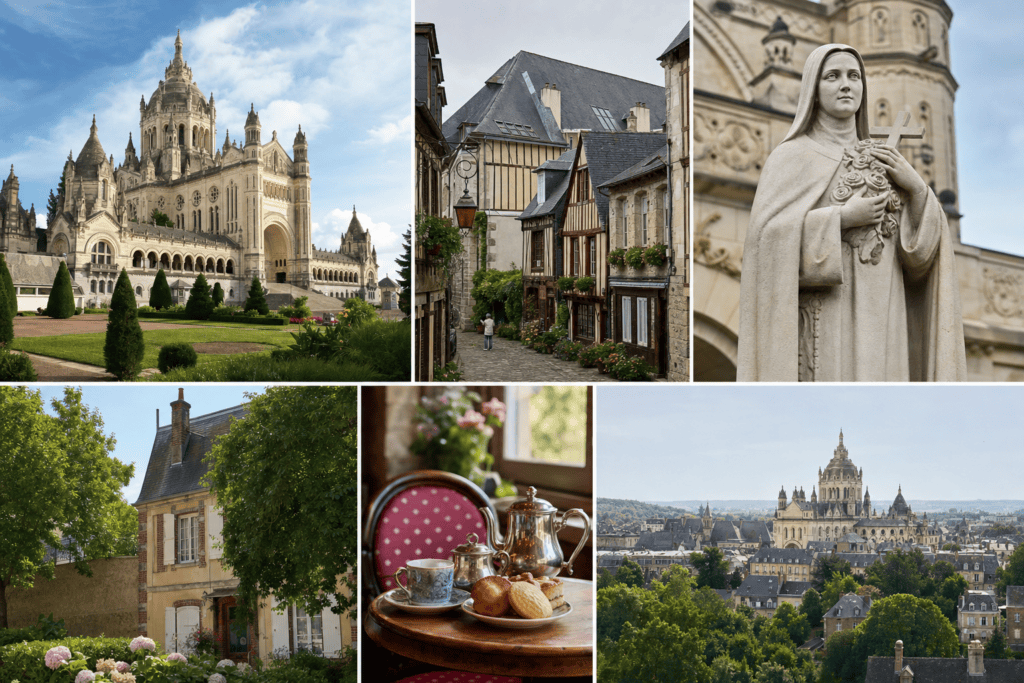 What to Do in Lisieux in One Day A one-day itinerary in Lisieux featuring Sainte-Thérèse Basilica, the Carmel, Saint-Pierre Cathedral, the historic center, gardens, and…
Book online · Paris → 38 boulevard Pasteur, 14100 Lisieux, Normandy
Choose your pickup date and time
Your departure and arrival details are already pre-filled. You can adjust them in the fare calculator before viewing the vehicles and fare.