



Heritage and spirituality in Normandy · Normandy
Visiting Lisieux: Heritage, Thérèse and the Pays d’Auge
Visiting Lisieux means discovering a city closely associated with Saint Thérèse of the Child Jesus, as well as a historic town in Calvados opening onto the landscapes of the Pays d’Auge. With the Basilica of Sainte-Thérèse, Saint-Pierre Cathedral, homes that survived the destruction of 1944, museums and surrounding villages, Lisieux offers a well-balanced cultural stop, accessible from Paris and easy to include in a Normandy itinerary.
Explore Lisieux
Lisieux’s must-see attractions
 Must-see
What to Do in Lisieux in One Day
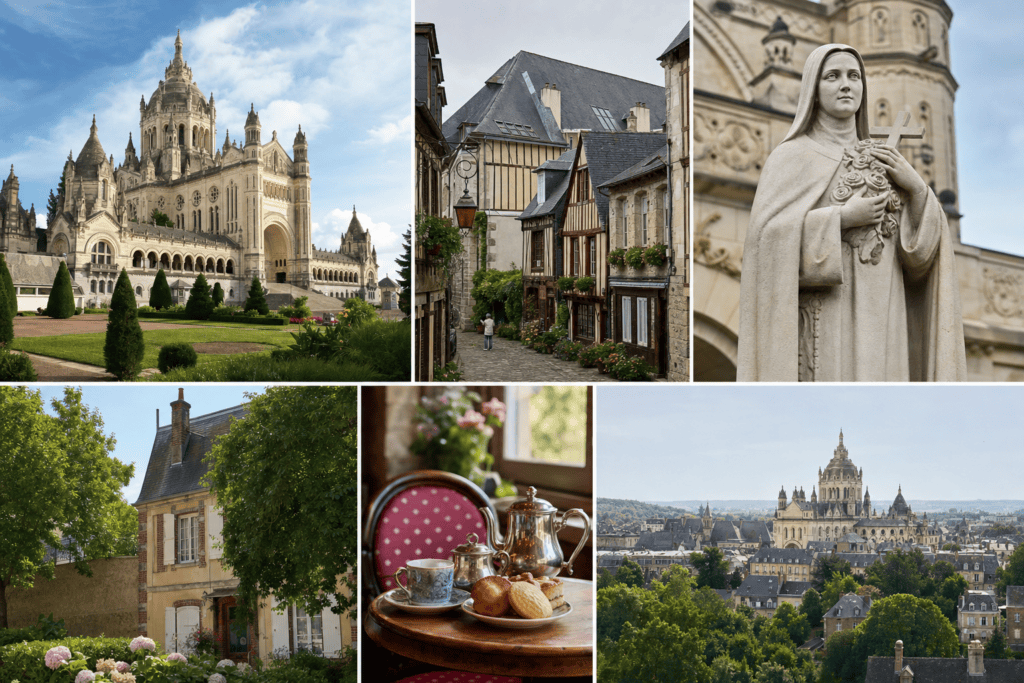
A one-day itinerary in Lisieux featuring Sainte-Thérèse Basilica, the Carmel, Saint-Pierre Cathedral, the historic center, gardens, and a gourmet break.
 Markets
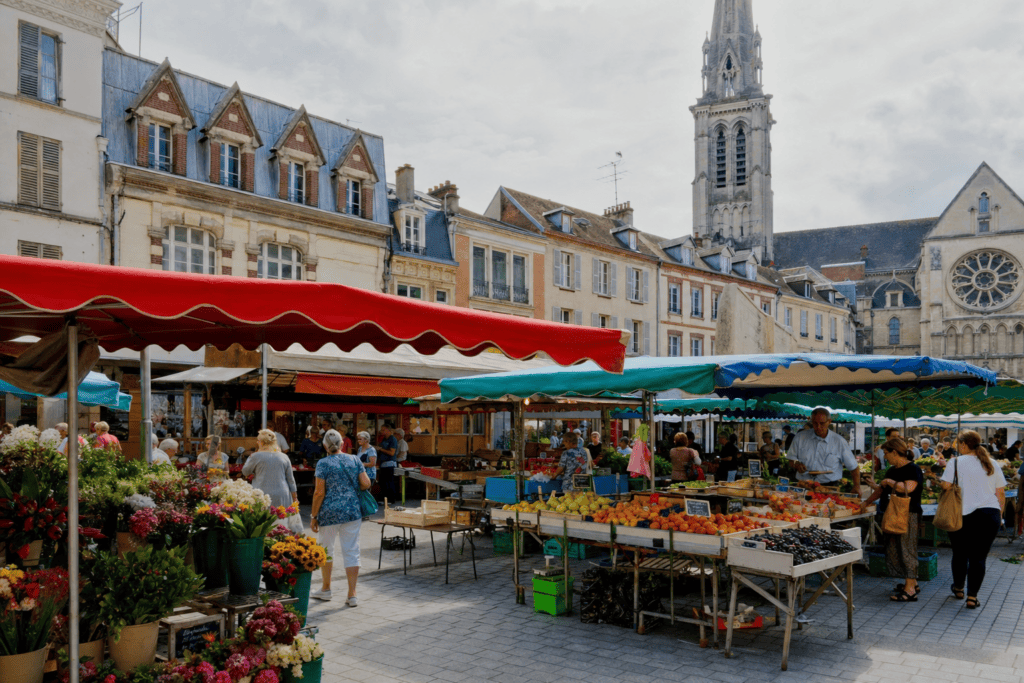
Lisieux Market
A morning at Lisieux Market to taste products from the Pays d’Auge and explore Normandy’s town center.
 Museums
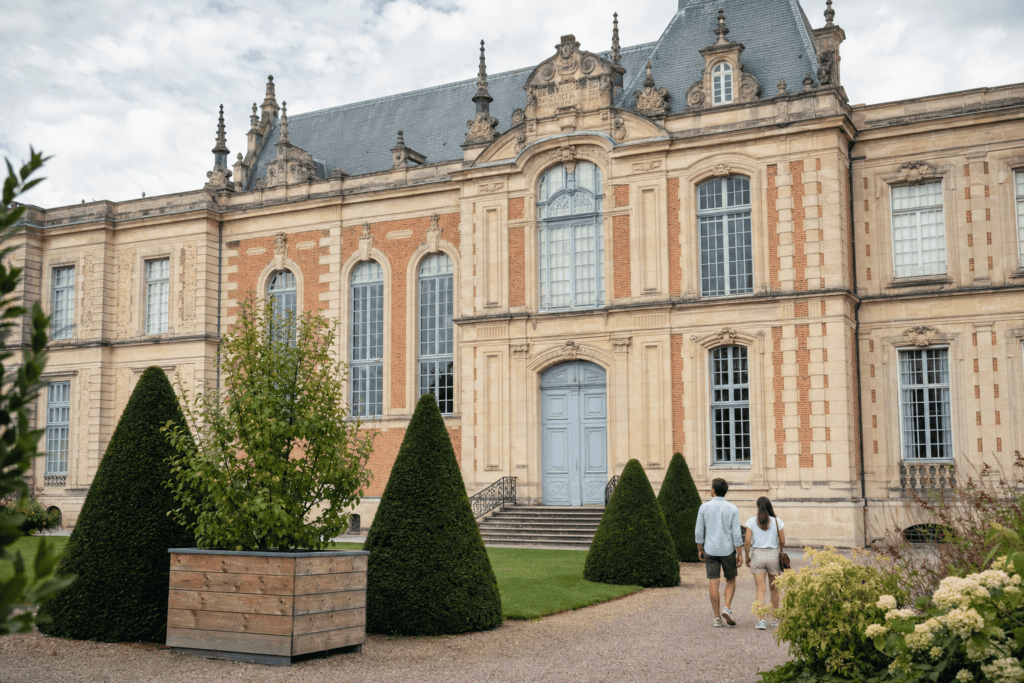
Lisieux Museum of Art and History
A Lisieux museum where you can learn about the town’s history, collections and changing urban landscape…
 Must-see
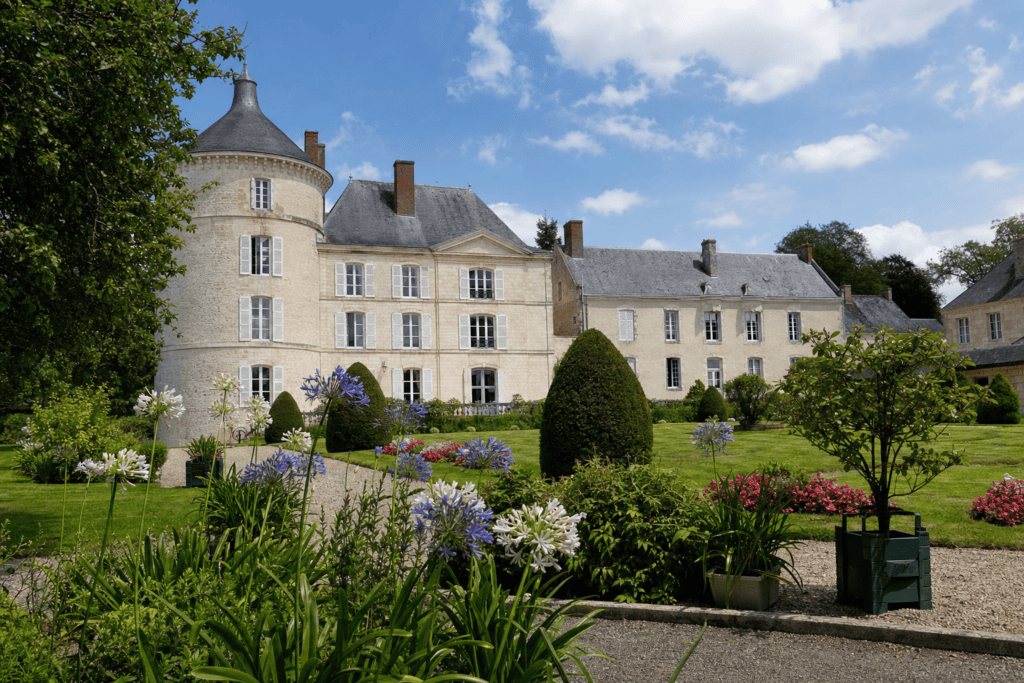
Château de Saint-Germain-de-Livet
An iconic château in the Pays d’Auge, featuring half-timbering, glazed bricks, moats, and gardens.
 Must-see
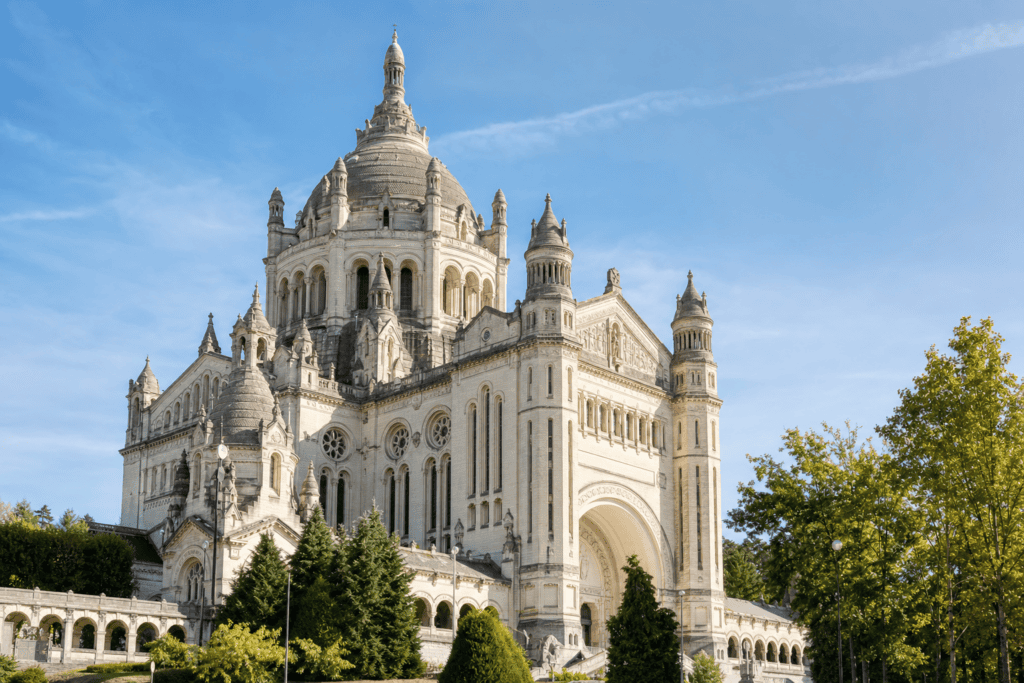
Basilica of Saint Thérèse of Lisieux
A monumental sanctuary in Lisieux, famous for its mosaics, crypt and connection to Saint Thérèse.
Other destinations to discover
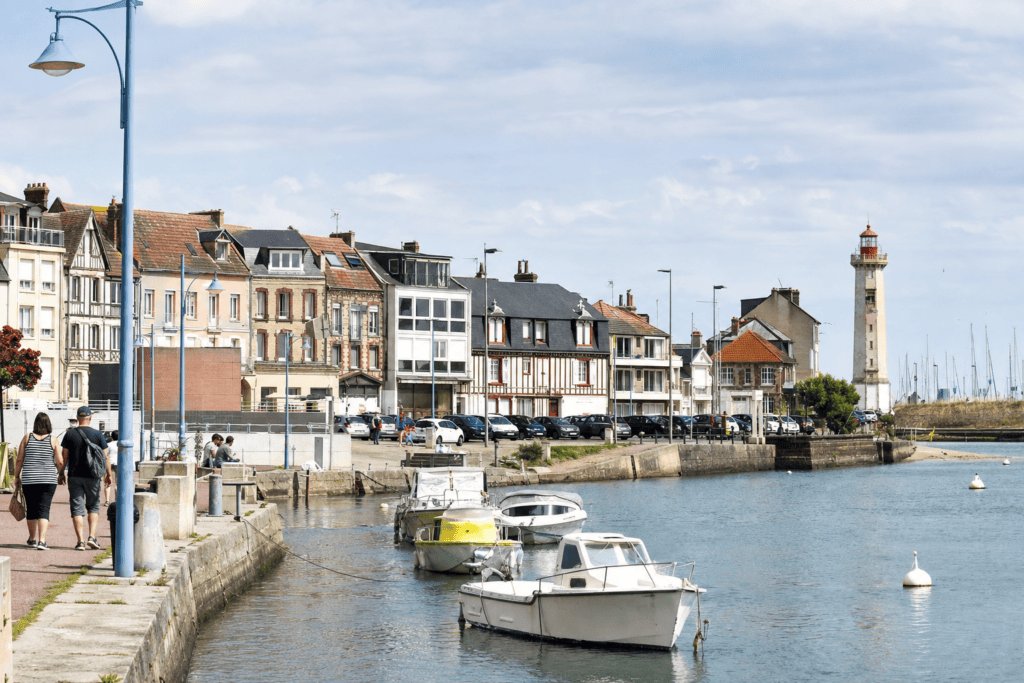
Ouistreham
Discover Riva-Bella Beach, Sword Beach, the Grand Bunker, the harbor and D-Day sites…
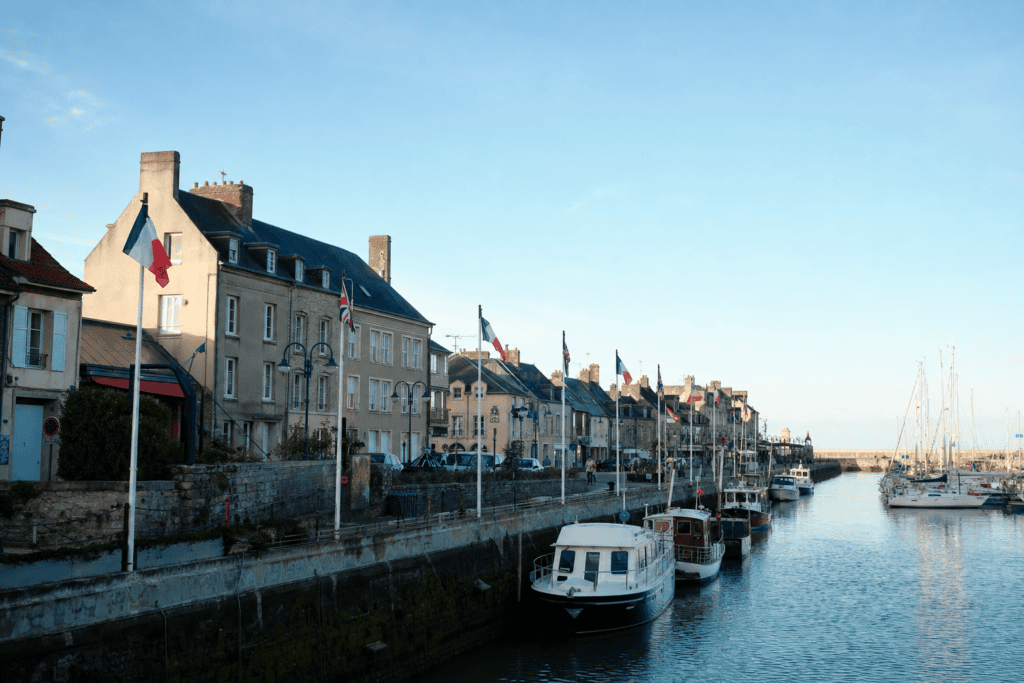
Courseulles-sur-Mer
A Côte de Nacre resort with beaches, a harbor, seafood and Canadian heritage…
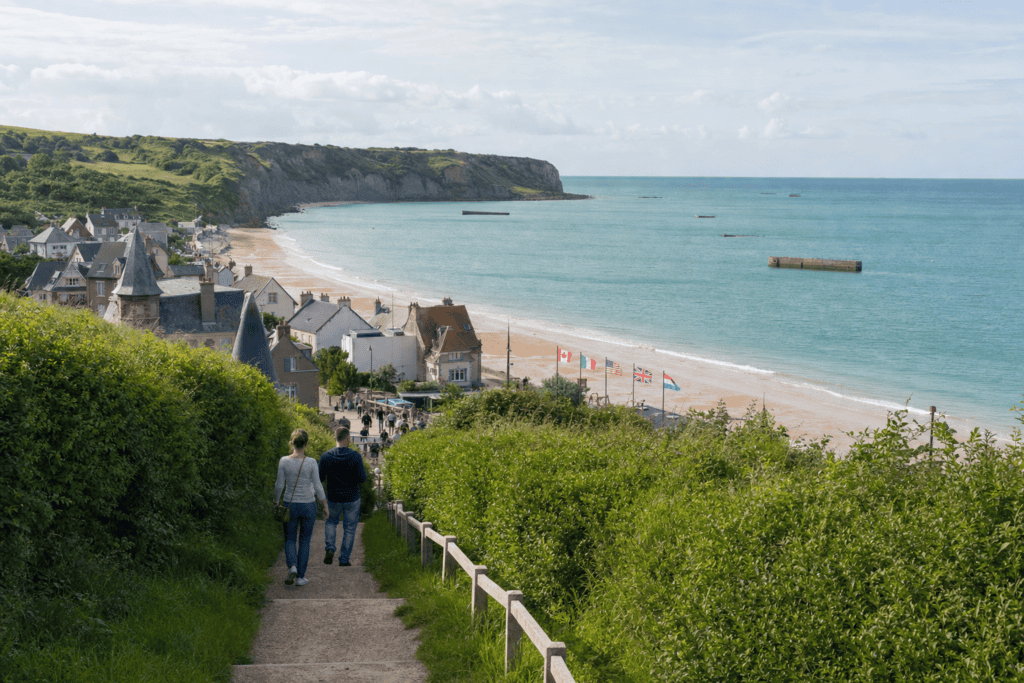
Arromanches-les-Bains
A major D-Day site featuring Mulberry B harbor, Gold Beach, a museum, and remembrance routes from Bayeux.
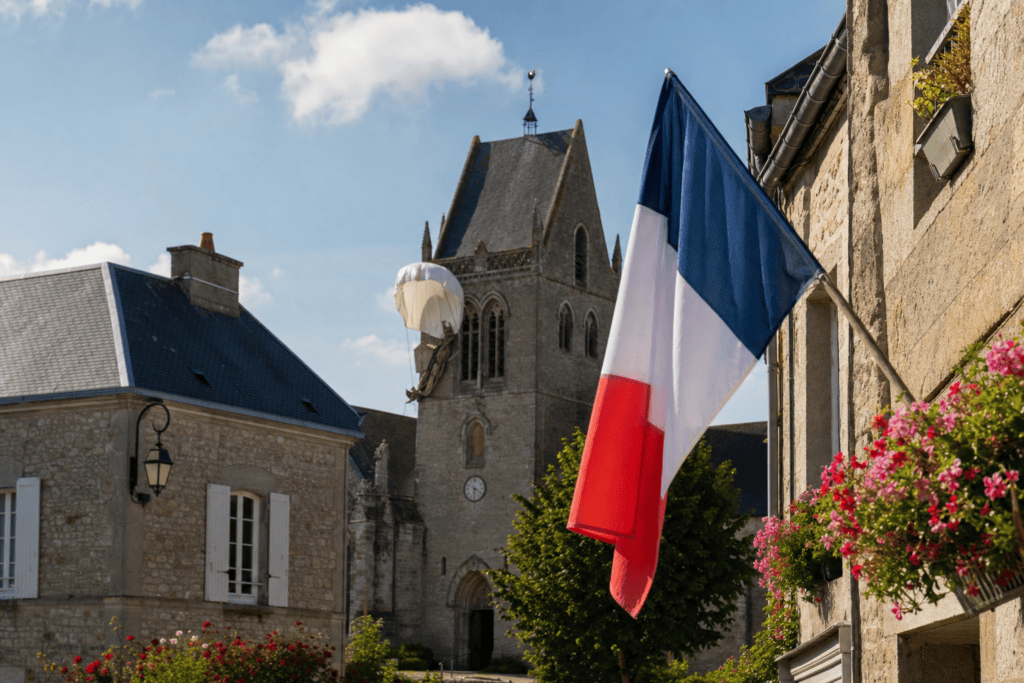
Sainte-Mère-Église
Discover the Airborne Museum, John Steele’s church, La Fière, and Utah Beach from Sainte-Mère-Église.
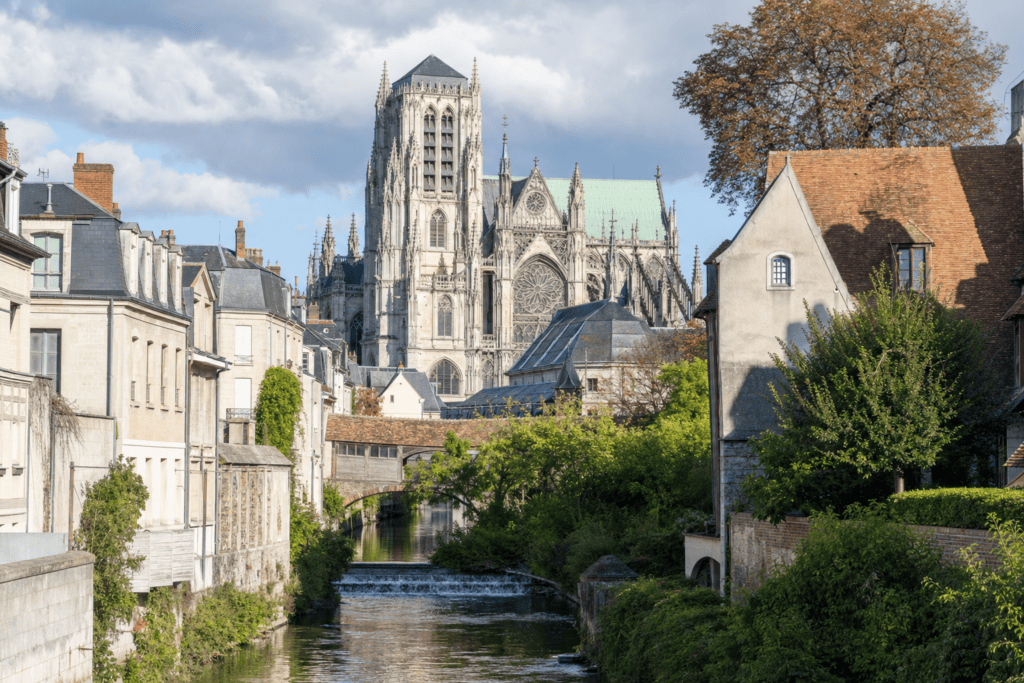
Évreux
A charming Norman town where the cathedral, belfry, museum and banks of the Iton make for a rich and…
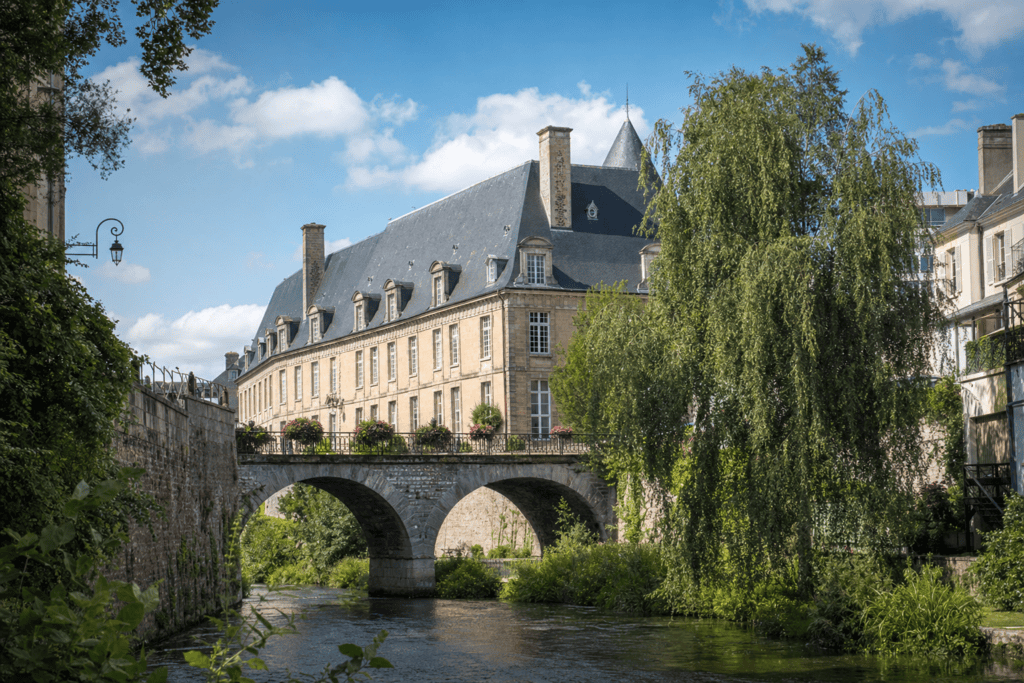
Alençon
Alençon charms visitors with its historic heritage, exceptional needle lace, religious legacy and landscapes…
DESTINATION GUIDE
Lisieux Travel Guide
Understanding Lisieux Before Your Visit
Lisieux is the former capital of the Pays d’Auge and the subprefecture of Calvados. The city is known worldwide for Saint Thérèse of the Child Jesus and of the Holy Face, the Carmelite nun who died in 1897, was beatified in 1923 and canonized in 1925. Her influence explains the presence of many pilgrims, but Lisieux is more than its religious heritage. Its ancient history, post–World War II reconstruction, museum collections and proximity to the landscapes of the Pays d’Auge make it an appealing destination for a full day or a two-day stop.
The town center and the basilica are not located in exactly the same area. A well-planned visit therefore combines a walk through the historic center, a visit to the shrine and a trip up to the higher ground. Monument hours, celebrations and access conditions may change, so check the official websites before you leave.
The Basilica of Sainte-Thérèse
Built in the 20th century on the heights of Lisieux, the Basilica of Sainte-Thérèse is the monument most closely associated with the city. Its monumental architecture draws in particular on Romanesque-Byzantine forms. The façade, expansive interior and mosaics give the building a distinctive presence in the urban landscape.
The upper basilica features extensive mosaics dedicated to Thérèse’s life and message. The more intimate crypt stands out for its marble surfaces and colorful compositions. Take time to notice the details, inscriptions and changing light instead of limiting your visit to a quick photo stop.
The shrine remains an active place of worship. Please respect services, prayer times, quiet areas and posted instructions. For an in-depth visit, contact the shrine directly for information about access to the different areas and any changes related to ceremonies.
Les Buissonnets and Thérèse’s Legacy
Les Buissonnets is the former family home where Thérèse Martin spent part of her childhood. It places the future Carmelite nun in her family environment before she entered Carmel. The visit complements the basilica by adding a more personal and biographical dimension to the experience.
The Lisieux Carmel and the places associated with Thérèse’s legacy form part of a living spiritual community. Depending on the season, some areas may have different access arrangements or be subject to special rules. Check practical information with the site administrators rather than relying on an old travel itinerary.
Saint-Pierre Cathedral and the Historic Center
At the heart of the city, Saint-Pierre Cathedral offers an architectural contrast to the basilica. It is one of the major examples of Norman Gothic architecture and retains a massive silhouette, a remarkable nave, flying buttresses and a transept that reflect the development of medieval architecture. The simplicity of its volumes helps visitors understand Lisieux’s former religious and administrative role.
The cathedral is also connected to the memory of the Martin family: Thérèse attended Mass there with her family before entering Carmel. Around the building, the walk continues through the town-center streets. Since the city suffered extensive destruction in 1944, its urban landscape combines historic buildings, reconstructed structures and more recent developments. This juxtaposition is an interesting key to understanding Lisieux, rather than expecting a completely preserved medieval center.
Museums and Civic Heritage
The Lisieux Museum of Art and History, housed in the former bishop’s palace, broadens the visit to include the history of the city and surrounding area. Collections and exhibitions may change, so check the official schedule before you go. The town-center streets, preserved half-timbered façades and traces of reconstruction complete this heritage tour.
To fully enjoy the city, plan a walk without following an overly rigid itinerary. Visitors interested in architecture can compare the cathedral, basilica and reconstructed buildings; those who prefer local history can combine the museum, Thérèse-related sites and reminders of the contemporary period.
The Château de Saint-Germain-de-Livet
A few miles from Lisieux, the Château de Saint-Germain-de-Livet makes a particularly interesting excursion. The estate combines a half-timbered manor house with a section built of stone and glazed brick, surrounded by a moat and parkland. This combination showcases several architectural traditions of the Pays d’Auge and offers a secular counterpart to Lisieux’s religious heritage.
The château is protected as a historic monument and can be visited as a heritage site featuring period interiors, family history and landscaped surroundings. Since opening arrangements are seasonal and subject to change, check information from the City of Lisieux or the official website before planning your excursion. A car is generally the simplest option from Lisieux; confirm access and parking when you plan your visit.
Explore the Landscapes of the Pays d’Auge
Around Lisieux, the landscape alternates between meadows, hedgerows, orchards, rivers and half-timbered villages. This countryside is inseparable from the identity of the Pays d’Auge: explore it by car, bicycle or on local walks, depending on the distance and terrain you prefer. Rural roads can be narrow, and cycling routes do not all offer the same level of separation from traffic.
Rather than relying on a single recommended cycling route, consult updated maps and information from the tourist office and local authorities. Routes around Lisieux and the Touques Valley may suit a gradual outing, but check the distance, surface, signage and any sections shared with vehicles before setting out.
Getting There, Parking and Getting Around
Lisieux is served by trains from Paris Saint-Lazare, with Normandy services whose travel times and frequency vary by day. From the station, you can reach the center on foot or use the local transportation options available. By car, the city lies between the A13 freeway and the main roads of Calvados; use an updated route, especially on weekends and during busy periods.
- For a walking tour, park in the lots and spaces designated by the city, then head to the center and cathedral before continuing uphill to the basilica.
- Parking spaces, regulated areas and any restrictions may change; check the signage on site and municipal information.
- Visitors with reduced mobility should plan for the changes in elevation between the center and the shrine and inquire about the specific accessibility of each monument.
- For Saint-Germain-de-Livet and the villages of the Pays d’Auge, a car makes getting around easier; public transportation does not provide direct service to every site.
- Wear comfortable shoes and have a backup plan in case of rain, which is common in Normandy.
Itinerary Ideas
For a one-day visit, start with the cathedral and historic center, continue with the museum or Les Buissonnets, then spend the afternoon at the basilica. With a second day, add Saint-Germain-de-Livet and a loop through the Pays d’Auge. Travelers with more time can include Lisieux in a route connecting the Normandy coast, the villages of the Pays d’Auge and other sites in Calvados.
Lisieux appeals to a wide range of visitors: pilgrims, architecture enthusiasts, families, history lovers and travelers drawn to rural landscapes. Its appeal lies in the combination of a contemporary shrine, medieval cathedral, family history, urban reconstruction and the countryside of the Pays d’Auge.
Getting to Lisieux from Paris
From Paris, the Île-de-France region, CDG or ORY, Booking Paris Transfer can arrange a private ride to Lisieux, a return trip to Paris or a cultural itinerary in Normandy including Lisieux and the Pays d’Auge. This option suits travelers who want to avoid transfers and customize their route. It does not include admission tickets and does not replace information from the sites visited.