



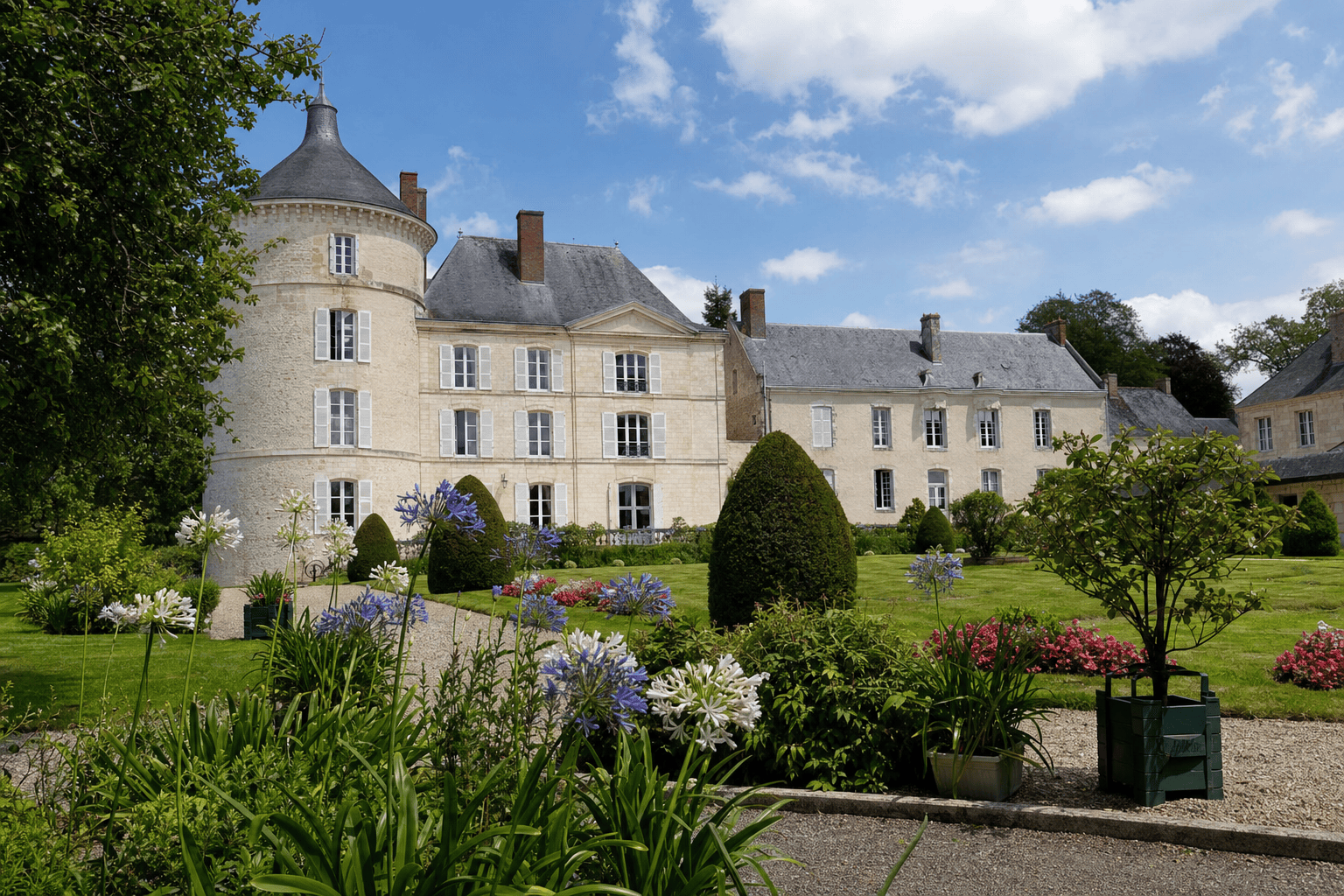
Château de Saint-Germain-de-Livet: Visitor Guide
Lisieux
Just a few miles from Lisieux, Château de Saint-Germain-de-Livet is one of the Pays d’Auge’s most distinctive estates. Its architecture combines a half-timbered manor house with a wing featuring stone façades and glazed brick arranged in a checkerboard pattern. Surrounded by moats and gardens, the estate offers an enjoyable visit blending heritage, scenery, and the history of Norman residences. The collections and interiors round out the experience when the indoor route is open. Before setting out, check the practical information published by the Lisieux-Normandie museum network, as opening periods and visitor arrangements may change.
Practical information
Wear comfortable shoes for exploring the grounds, and check the official information for hours, guided tours, any applicable admission fees, and access conditions on your chosen day.
Getting to Saint-Germain-de-Livet from Paris
Upon request, Booking Paris Transfer arranges transportation from Paris, a Paris hotel, CDG, or ORY to Saint-Germain-de-Livet and Lisieux, with a return to Paris based on the selected itinerary. This service covers transportation only; tickets, guided tours, schedules, and access conditions must be verified with official sources.
Transportation from Paris, CDG, or ORY to Saint-Germain-de-Livet, with a return to Paris based on the selected itinerary.
A Remarkable Château in the Pays d’Auge
Château de Saint-Germain-de-Livet sits in a rural landscape typical of the Pays d’Auge, near Lisieux. Meadows, hedgerows, and rolling terrain frame the estate, giving the visit a character distinct from that of a monument in the heart of a major city. The château gradually comes into view, with its moats, roofs, and contrasting façades.
The site’s appeal lies in the combination of several elements: distinctive architecture, a preserved setting, gardens, and a museum presentation. The experience therefore goes beyond observing a façade. It helps visitors understand the relationship between a historic residence, its water features, landscaped grounds, and the surrounding Pays d’Auge region.
The site works equally well as an introduction to Norman heritage or as one stop on a broader itinerary around Lisieux. A visit can be combined with the city’s religious heritage, a walk through the Pays d’Auge, or an exploration of local products. Allow enough time to alternate between architectural observation and a stroll.
Architecture Blending Half-Timbering and Checkerboard Brickwork
The château’s silhouette is immediately recognizable thanks to the combination of several materials and construction periods. The half-timbered manor house is generally dated to the 15th century. Another section, attributed to the late 16th century, features stone walls and Pré-d’Auge glazed bricks arranged in a checkerboard pattern. This juxtaposition gives the monument a particularly strong identity.
View the façades from different vantage points. Up close, visitors can observe the timber framing, surrounds, joints, and variations in the brickwork. Moving away toward the moats provides a better sense of the building’s volumes, rooflines, and overall balance. The materials create different effects depending on the direction, weather, and light.
This diversity reflects the fact that the château resulted from successive transformations rather than a single building campaign. The half-timbering evokes the Pays d’Auge’s building traditions, while the stone and glazed brick create a more monumental façade. Follow the designated routes and respect any restricted areas to help preserve the masonry and historic spaces.
Moats, Gardens, and Norman Landscapes
The moats play an essential role in how the estate is perceived. They create distance around the château, emphasize its setting, and reflect the façades in certain lighting conditions. They also reveal the relationship between the architecture and the land. From their edges, visitors enjoy interesting views of the half-timbering, brickwork, and building volumes.
The gardens extend the experience with a gentler walk. Their appearance changes throughout the seasons: foliage, blooms, grasses, and the colors of the water alter the atmosphere of the site. In spring, the plantings add a fresh touch; in summer, the vistas are often clearer; and in early fall, the landscape’s tones can create beautiful contrasts with the façades.
Photographers will find several possible compositions combining the château, water, and vegetation. Families may enjoy alternating between walking and sightseeing, provided they stay on authorized paths. After rain, some outdoor areas may be wet. Suitable footwear is therefore recommended, and protected areas must not be entered.
A Château-Museum with a Well-Documented History
Château de Saint-Germain-de-Livet also has a museum dimension. The rooms, decorative features, and collections place the monument within the history of inhabited residences. When the indoor route is open, the visit moves from the façades to the domestic spaces, furnishings, and works on display.
Today, institutional documentation associates the château with the Lisieux-Normandie museum network. When discussing its management and preservation, it is best to rely on the network’s official records and heritage databases rather than repeat imprecise wording. These sources present the château as a museum of the region and make it possible to verify the history of its conservation and public access.
Inside, take time to look at the proportions of the rooms, circulation routes, decorative details, and the way the objects interact with the architecture. The route may vary depending on the season, programming, or spaces open to visitors. Checking the site’s information in advance helps avoid confusing access to the grounds with access to the rooms and collections.
Planning Your Visit from Lisieux
The château is located in the commune of Saint-Germain-de-Livet, in Calvados, on the D 268. From central Lisieux, the drive is generally short, but the duration depends on your starting point, route, and traffic. Allow extra time if you have booked a guided tour or plan to continue to another site in the Pays d’Auge.
A navigation system can be useful for the final stretch. Enter the full address and check the official parking information. Visitors without a car should look into transportation options serving Saint-Germain-de-Livet and assess the distance between any possible stop and the estate. A connection via Lisieux, followed by a taxi or pre-booked vehicle, may be appropriate depending on the day and time.
A half-day generally allows you to explore the château without rushing. Before leaving, check the Lisieux-Normandie museum network’s information to confirm opening dates, any applicable fees, reservation requirements, guided tours, and accessibility. This single check is enough to prepare calmly without having to compare multiple conflicting sources.
What to See Around Saint-Germain-de-Livet
The château easily fits into a day focused on Lisieux and the Pays d’Auge. In Lisieux, the Basilica of Sainte-Thérèse is a major landmark of contemporary religious heritage, while Saint-Pierre Cathedral offers an older example of Norman religious architecture. A walk through the town center is a pleasant addition to exploring the region.
Visitors interested in historic residences may consider other stops, such as Château de Crèvecœur, Coupesarte Manor, or the Pays d’Auge Gardens in Cambremer. These sites do not necessarily follow the same schedule as Saint-Germain-de-Livet, so check their dates, access conditions, and travel times separately before planning your itinerary.
The Pays d’Auge can also be experienced through its landscapes and cuisine. Bocage meadows, orchards, and villages with half-timbered houses give the excursion a sense of unity. Depending on your chosen stops, you may want to seek out regional products such as Norman cheeses, cider, or pommeau. Check producers’ and restaurants’ hours for the day of your visit.
Tips for Making the Most of Your Visit
Ideally, start outdoors: the moats and gardens offer an initial reading of the château and help you identify the best viewpoints. Then continue indoors to see the rooms and collections when they are open. This order creates a logical progression from the setting to the architecture and then to the history of the residence.
Wear clothing suitable for walking through a rural estate. Comfortable shoes are useful, especially when the ground is wet. Visitors with specific needs can check accessibility information before arriving. On site, follow staff instructions, respect protected areas, and ask about photography rules.
To enrich your visit, compare the materials rather than settling for an overall view: half-timbering, stone, glazed brick, roofing, and reflections each tell part of the monument’s story. From Paris, Booking Paris Transfer can arrange transportation only to Saint-Germain-de-Livet, with a return to Paris based on the selected itinerary. Tickets and cultural services must still be booked with the relevant sites.
Frequently Asked Questions
Where is Château de Saint-Germain-de-Livet located?
How much time should I allow for a visit?
Is the château open year-round?
Can visitors explore the moats and gardens?
How can I get there from Lisieux without a car?
Can transportation be arranged from Paris?
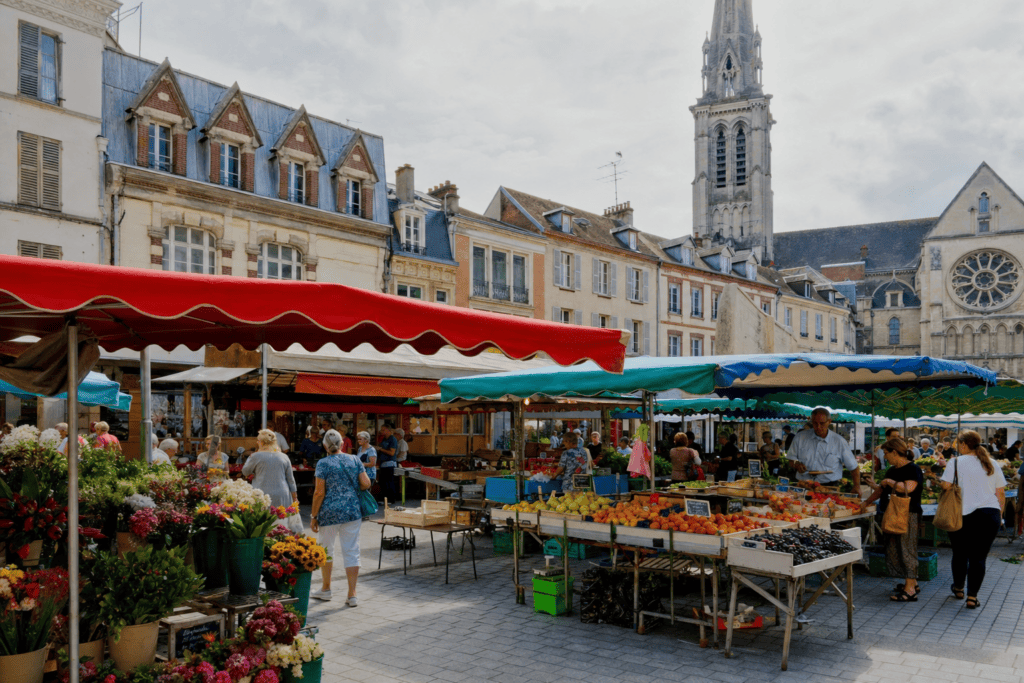 Lisieux Market A morning at the Lisieux market to sample Pays d’Auge products and discover the…
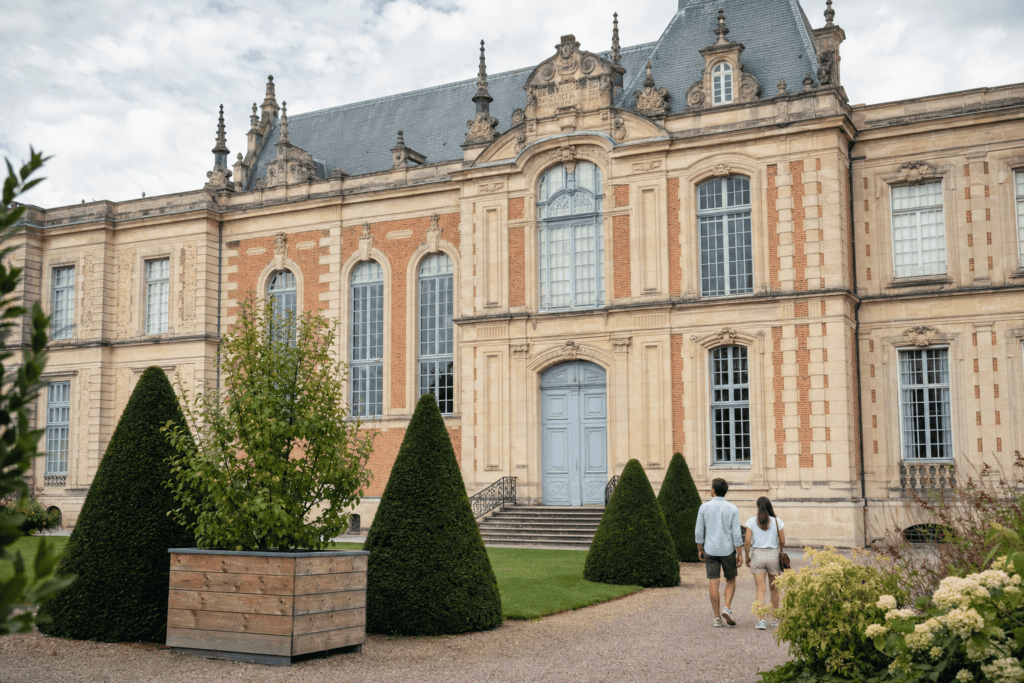 Lisieux Museum of Art and History A Lisieux museum to learn about the city’s history, its collections and the changes to…
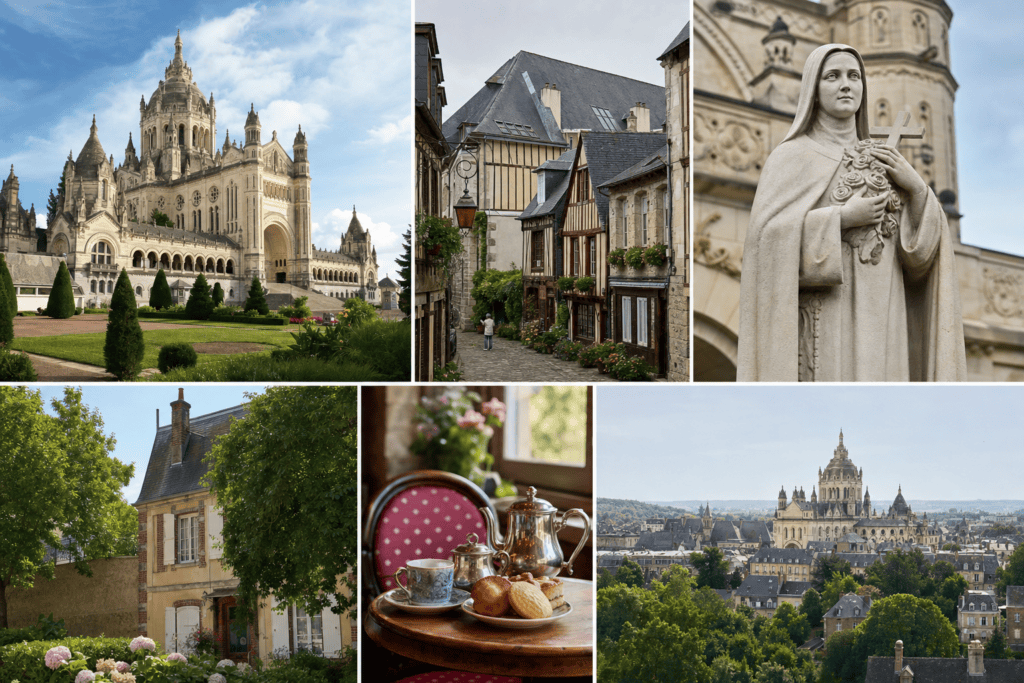 What to Do in Lisieux in One Day A one-day itinerary in Lisieux featuring Sainte-Thérèse Basilica, the Carmel, Saint-Pierre Cathedral, the historic center, gardens, and…
 Basilica of Saint Thérèse of Lisieux A monumental Lisieux sanctuary, famous for its mosaics, crypt and connection to Saint…
Online booking · Paris → D 268, 14100 Saint-Germain-de-Livet
Choose your pickup date and time
Your departure and arrival details are already pre-filled. You can adjust them in the fare calculator before viewing the vehicles and fare.