



Visit Trentemoult: Colorful Streets and the Loire
Nantes
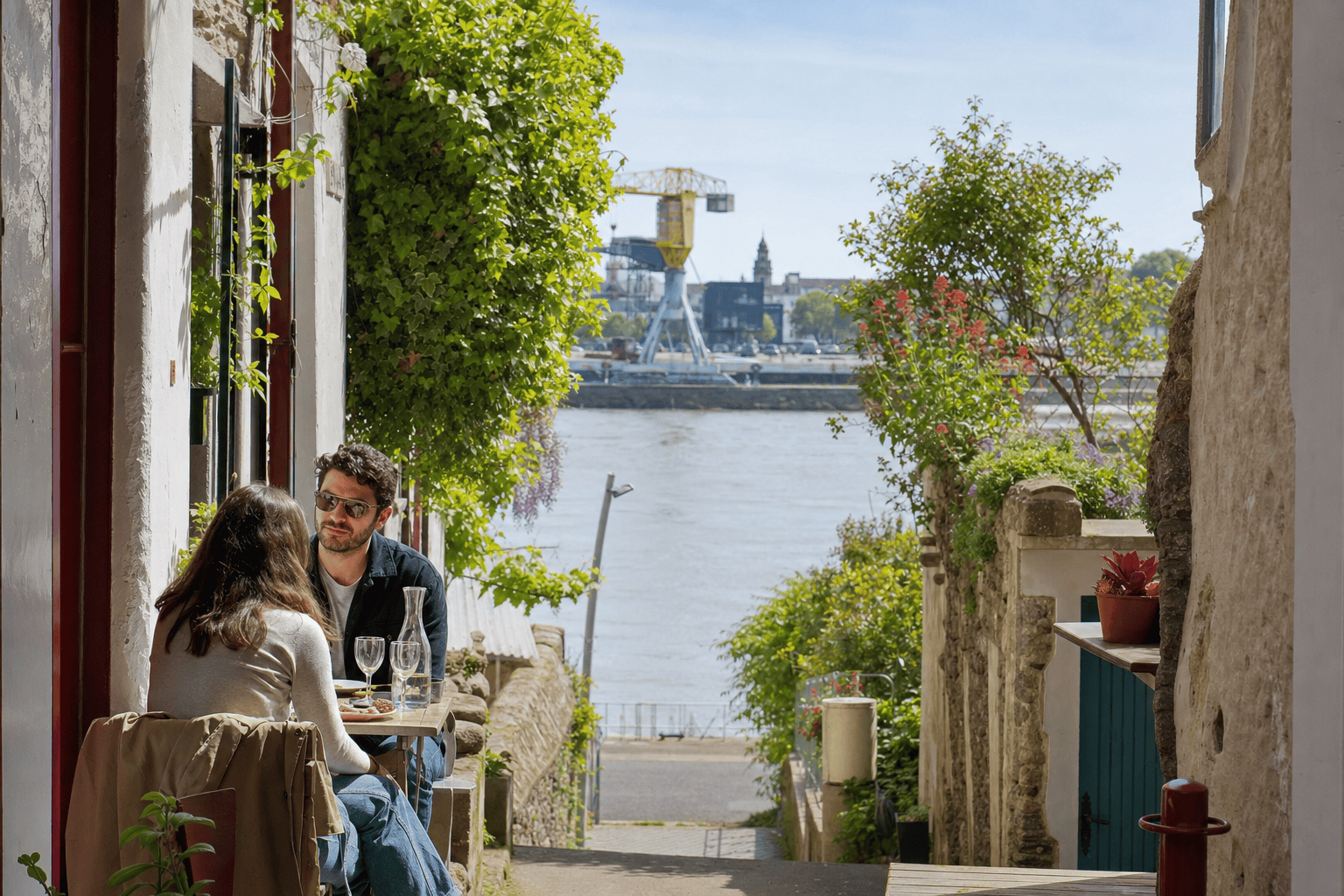
South of Nantes, in the town of Rezé, Trentemoult retains the inviting character of a former village facing the Loire. Its colorful houses, narrow streets, quays, and terraces create a change-of-scenery setting that is easily accessible from central Nantes by Navibus. The area is ideal for either a one-hour walk or a more leisurely half-day outing combining maritime heritage, river views, and a gourmet break. To enjoy the neighborhood, it is best to take your time and walk without too rigid an itinerary: Trentemoult’s appeal lies as much in its architectural details as in its atmosphere as a lively village.
Practical information
Trentemoult is a residential neighborhood: be discreet in front of the houses, respect private property, and favor walking in the narrow streets.
Reach Trentemoult from Paris with a chauffeur
To include Trentemoult in a getaway to Nantes, Booking Paris Transfer can arrange private transportation from Paris, a Paris hotel, CDG, or ORY to Nantes, with a return to Paris according to your itinerary. The service can drop you off in Nantes or near a convenient location; the Navibus crossing and visit to Trentemoult must be arranged separately with local services.
Transportation service departing from Paris, Île-de-France, CDG, or ORY; does not include a Navibus ticket, guided tour, or admission ticket.
A former fishing village that became a neighborhood of Rezé
Trentemoult is now a neighborhood of Rezé, but its identity remains closely tied to the Loire. The former islands of Trentemoult, Basse-Île, and Haute-Île once formed an island environment shaped by flooding and changes in the river. The village developed around fishing and later maritime navigation. For a long time, residents lived according to the rhythm of the tides, embarkations, and trade with Nantes.
This history explains the neighborhood’s distinctive appearance. Houses were often built vertically, with several levels, to better cope with flooding. The former fishermen were later joined by sailors, including Cape Horners, giving Trentemoult a broader maritime heritage than that of a simple residential suburb.
As you walk around, imagine the contrast between the lively village of the past, its busy quays, and the peaceful neighborhood you discover today. Tourism has not erased local life: Trentemoult remains a lived-in place, with its streets, shops, and everyday activities.
Colorful streets and traditional houses
The main reason to visit Trentemoult is often visual. Colorful facades, shutters, exterior staircases, and small gardens give the neighborhood a distinctive atmosphere. It is not a uniform setting: each street has its own proportions, perspectives, and details. Some houses feature simple, historic architecture, while others have been restored in more contemporary colors.
Begin your walk near the quay, then head into the streets leading farther into the village. The Grand’Rue and nearby passageways help reveal the neighborhood’s compact layout. The buildings are sometimes irregular, with houses close together and paths that quickly shift in atmosphere.
To appreciate Trentemoult, avoid looking only for the most photographed facades. Instead, notice the frames, plaques, understated signs, and views between the houses. People live here year-round: take photos considerately, do not enter private property, and keep accessways clear.
The quay and open views of the Loire
After the narrow streets, the quay offers a welcome sense of space. From the banks of the Loire, the view opens toward Nantes and the river, creating a contrast with the intimacy of the historic streets. Boats, bridges, opposite banks, and changing light give the walk a different character depending on the time of day and weather.
Quai Marcel-Boissard and the area around the port are the most natural places to start or end your visit. You can simply sit there, watch the water, and observe the Navibus passing by. Photography enthusiasts will especially enjoy late afternoon, when the facades and the Loire take on softer tones.
The walk is not merely a succession of viewpoints: it also lets you experience the relationship between the village and its river. Depending on the area, the riverbanks may be developed or quieter. Stay alert around port areas, traffic, and local signs, especially with young children.
A food-focused stroll among cafés and restaurants
Trentemoult is particularly well suited to a gourmet break. Several restaurants, bars, and terraces are located in and around the neighborhood, especially near the quay. The appeal is not only dining by the water; it is also extending your walk in a village atmosphere after exploring the streets and admiring the houses.
Addresses and opening hours may change; check each establishment’s information directly before setting out, especially outside the busiest periods. To avoid a long wait, arrive early or have a flexible alternative. On pleasant days, terraces can be in high demand, particularly at weekends.
If you prefer something simpler, the town of Rezé lists Parc de la Grève in Trentemoult among the areas suitable for a break or picnic. Respect the surroundings, sort your waste, and remember that local residents also live in the neighborhood. A farmers’ market is also listed on the marina on Saturday mornings, subject to the current schedule.
What to see around Trentemoult-les-Isles
Trentemoult can be one stop on a broader exploration of Rezé. The neighborhood is part of the Trentemoult-les-Isles area, which also includes Basse-Île and Haute-Île. The streets and natural spaces along the Loire allow you to extend your walk in a less urban setting while remaining close to Nantes.
Visitors interested in ancient history can continue to the Saint-Lupien site and the remains of Ratiatum, the former Gallo-Roman port city of Rezé. The Saint-Lupien chapel and Le Chronographe offer another perspective on local history, very different from Trentemoult’s maritime heritage. Check opening days, tours, and any reservation requirements with the sites concerned.
Le Corbusier’s Maison Radieuse is another attraction in Rezé, but it is in a separate area and requires an additional journey. For a well-balanced day, you can combine Trentemoult with a heritage visit in Rezé, allowing for travel time and opening hours.
Tips for a respectful and enjoyable visit
Trentemoult is easy to explore, but its charm depends on a delicate balance between popularity and everyday life. The streets are narrow and sometimes uneven, and they were not designed as a tourist backdrop. Walk slowly, avoid blocking passageways, and do not photograph the interiors of houses. Facades visible from public areas can be admired without turning homes into showcases.
Wear comfortable shoes, especially if you plan to extend your walk toward the other villages along the riverbanks. In summer, shade may be limited along the quays, so a bottle of water is useful. Families should keep children close in port areas and near the water.
Finally, check practical information before setting out: Navibus schedules, any disruptions, opening hours for nearby attractions, and restaurant availability. Arriving in the morning or late afternoon often allows you to enjoy a more peaceful atmosphere. Take time to listen to the neighborhood: in Trentemoult, the experience lies as much in the pace of the walk as in the places you photograph.
Useful sources
Frequently Asked Questions
Where is Trentemoult located?
How do you get to Trentemoult from Nantes?
How much time should you allow to visit Trentemoult?
Can you visit Trentemoult by bike?
Is Trentemoult suitable for a family outing?
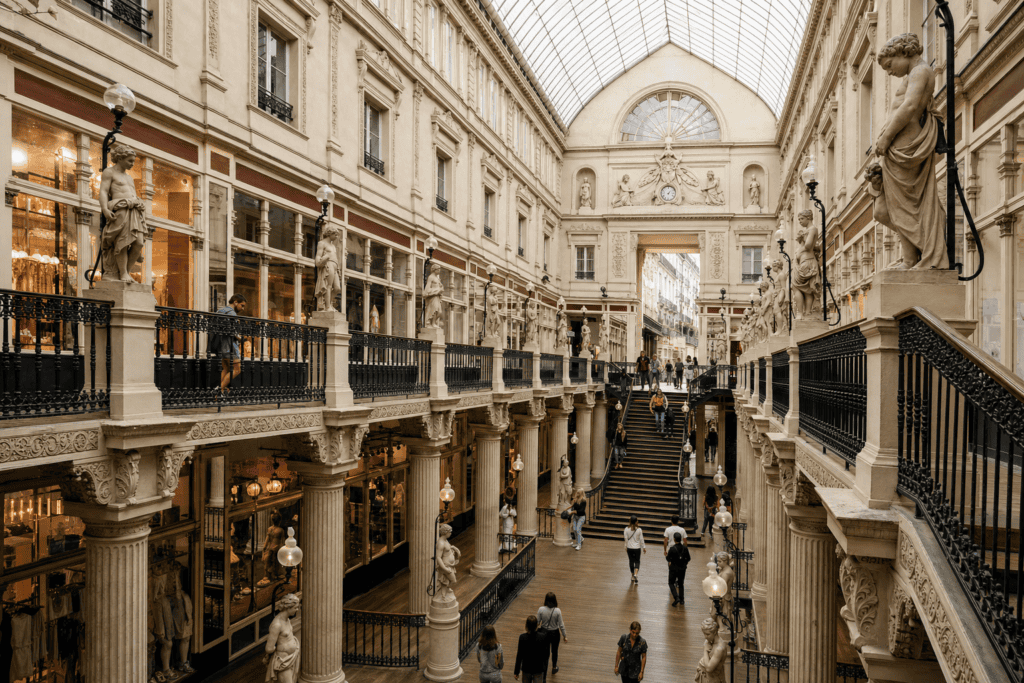 Passage Pommeraye A 19th-century covered passage, famous for its monumental staircase, glass roof, and decorative details…
 Les Machines de l’île A unique mechanical menagerie in Nantes, combining industrial heritage, Jules Verne’s imagination, and a spectacular experience…
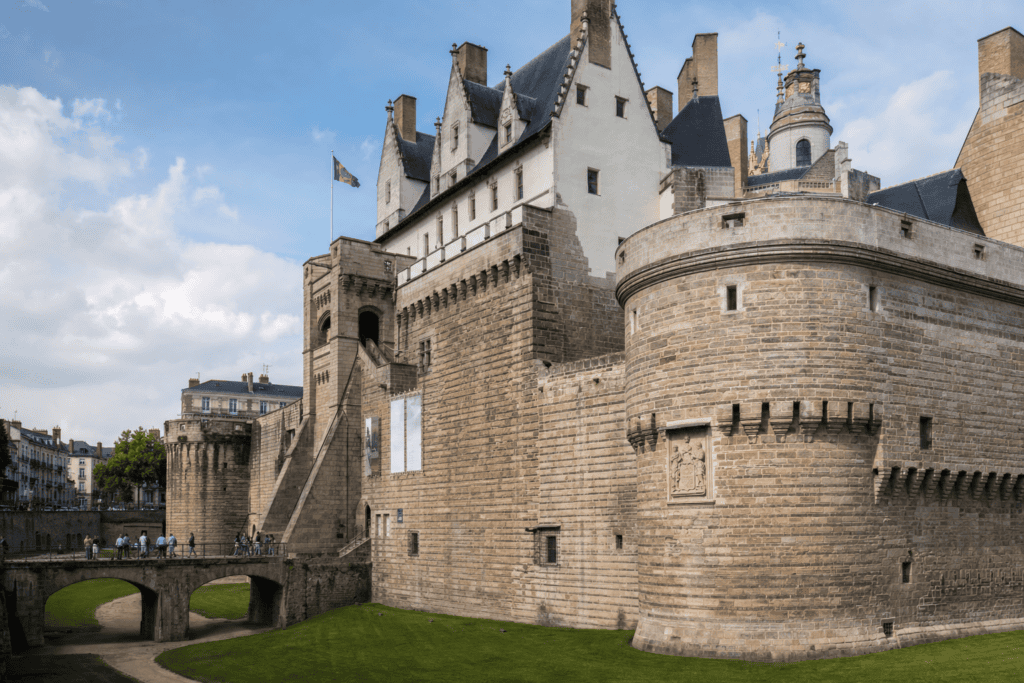 Château des ducs de Bretagne An iconic Nantes landmark, with ramparts, a fortified courtyard, flamboyant Gothic architecture, and the Nantes History Museum.
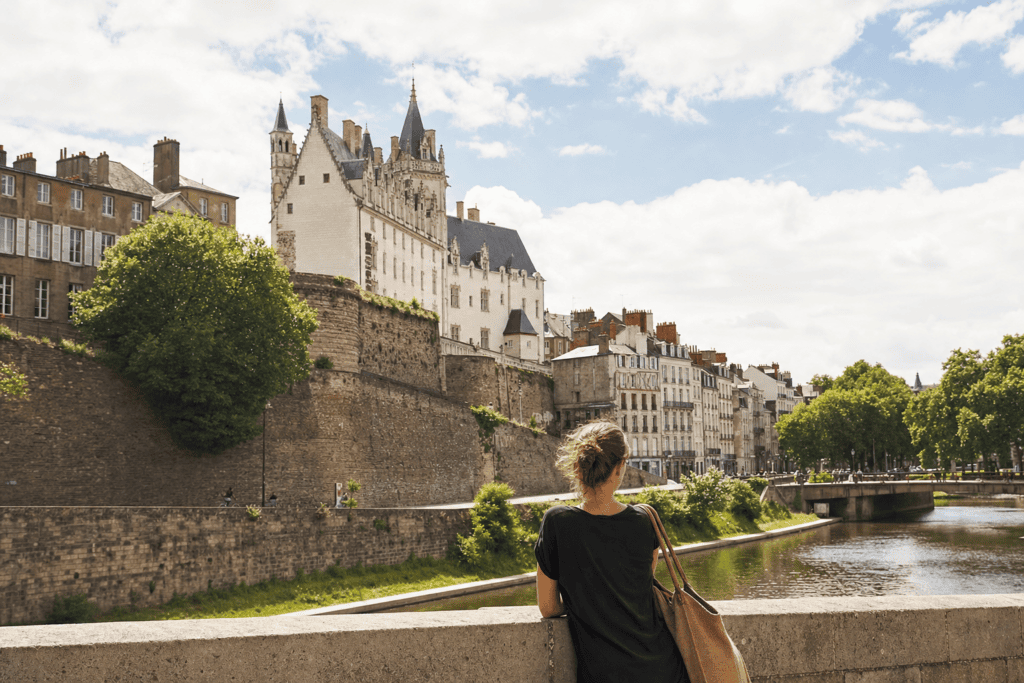 What to Do in Nantes in a Weekend A practical two-day itinerary for discovering Nantes, combining heritage, contemporary art, Les Machines de l’île,…
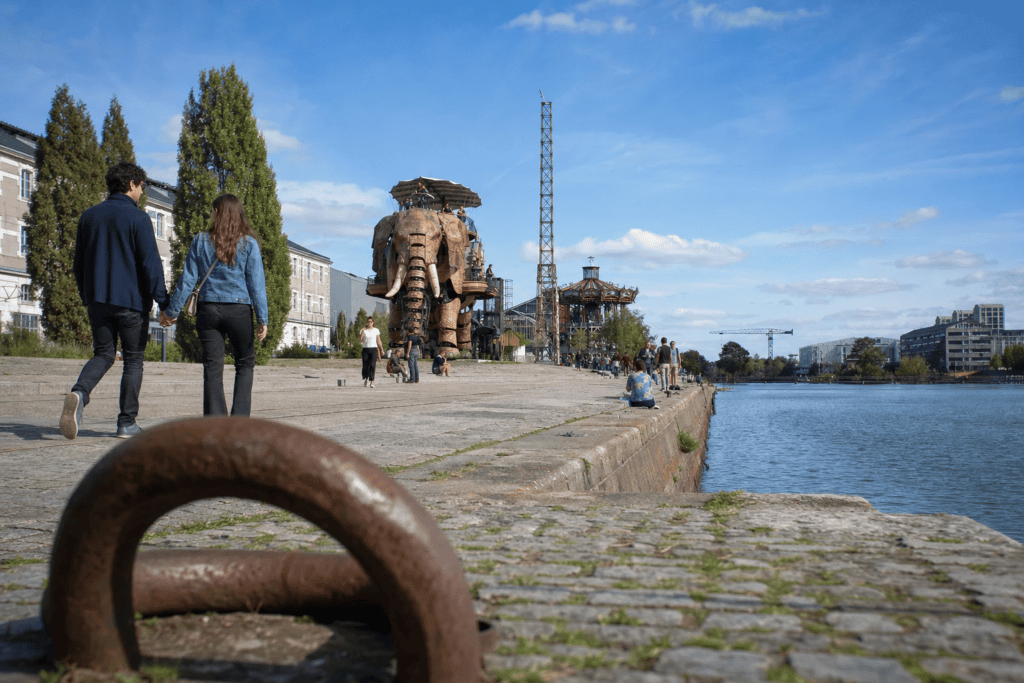 Île de Nantes A Nantes neighborhood undergoing major transformation, blending industrial heritage, artistic creations, contemporary architecture, and landscapes of…
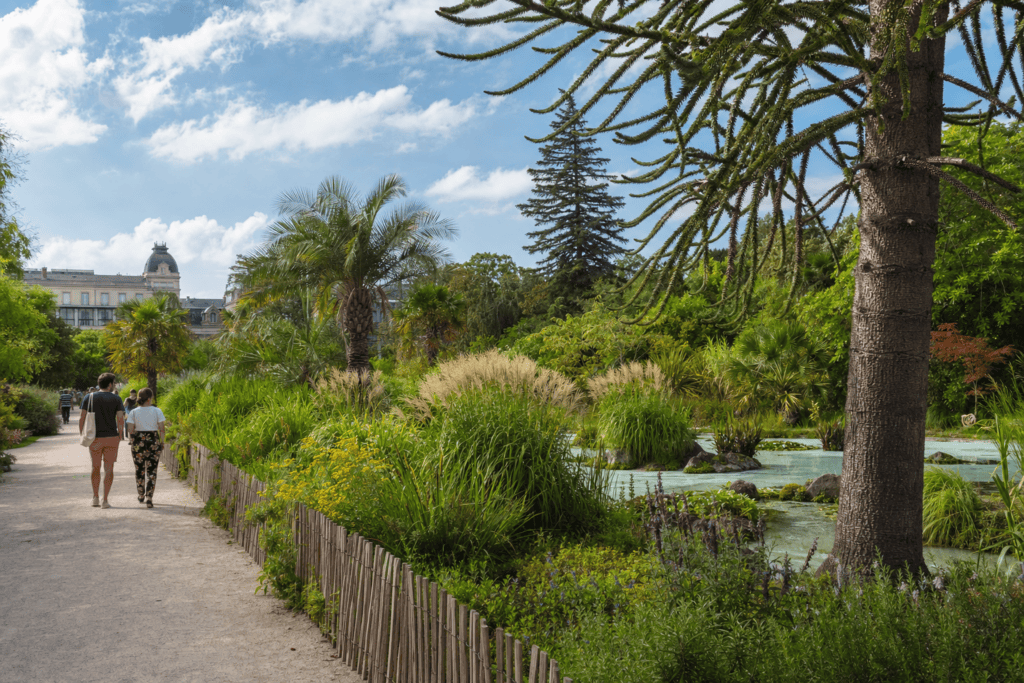 Nantes Botanical Garden A remarkable Nantes botanical garden featuring greenhouses, camellias, mature trees, and contemporary plant designs.
Online booking · Paris → Trentemoult, 44400 Rezé, France
Choose your pickup date and time
Your departure and arrival details are already pre-filled. You can adjust them in the fare calculator before viewing the vehicles and fare.