



Musée Matisse in Nice: A Practical Guide to Cimiez
Nice
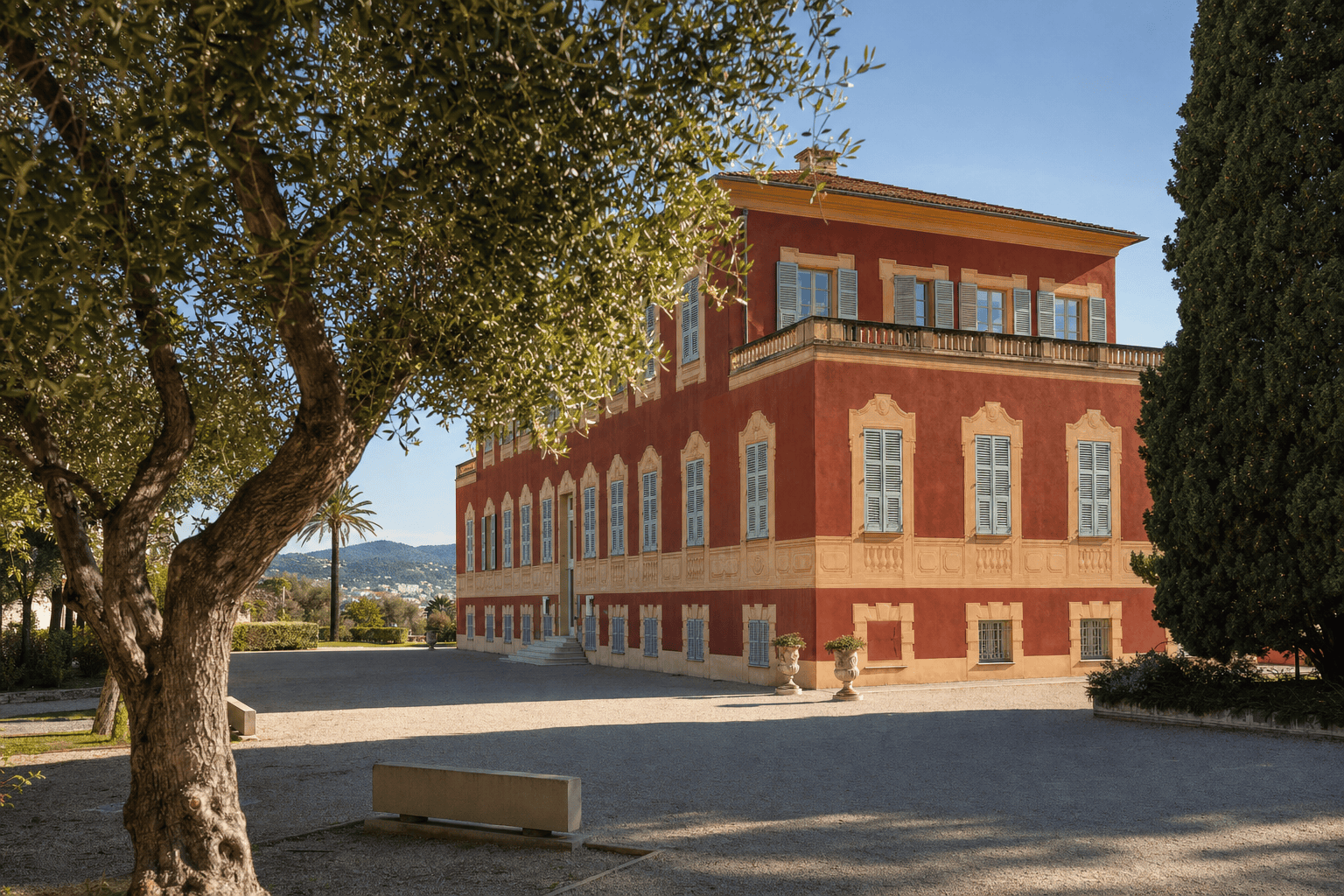
Housed in the Villa des Arènes in the heart of the Cimiez neighborhood, the Musée Matisse in Nice offers an engaging look at Henri Matisse’s work and his connection to the Nice region. Paintings, drawings, sculptures, prints, illustrated books, cut-outs, and objects associated with the artist make up a collection whose presentation may change over time. A visit combines naturally with the Arènes olive grove, the archaeological museum, the remains of Cemenelum, and the Cimiez Monastery. To plan your visit, check official sources for opening hours, access conditions, and the current program.
Practical information
Set aside half a day for Cimiez so you can combine the museum with the gardens, archaeological site, and monastery without rushing from one visit to the next.
Getting to Nice from Paris with a private driver
To include the Musée Matisse in a Côte d’Azur itinerary, Booking Paris Transfer can arrange private transportation from Paris, the Île-de-France region, CDG or ORY to Nice, with a return to Paris or onward travel. The service covers transportation only: it does not include admission, a guided tour, or a reservation with the museum.
Departure from Paris, the Île-de-France region, CDG or ORY. Transportation only; Musée Matisse admission not included.
Why visit the Musée Matisse in Nice?
The Musée Matisse in Nice is an especially relevant place to understand the connection between Henri Matisse and the city. The painter settled permanently in Nice in 1917 and worked there until the end of his life. The museum does more than display a few famous works: it brings together different periods, techniques, and areas of research in an intimate setting.
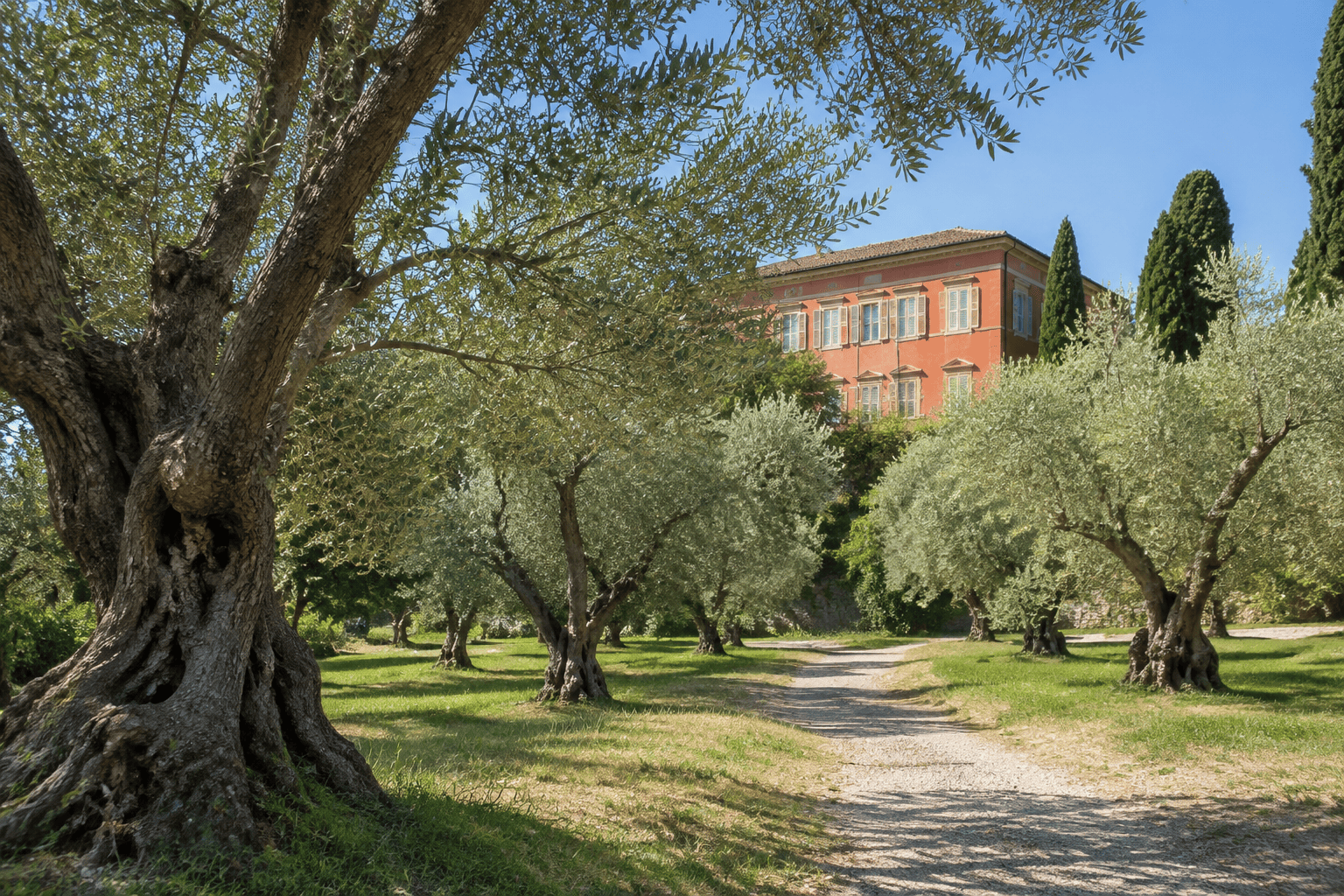
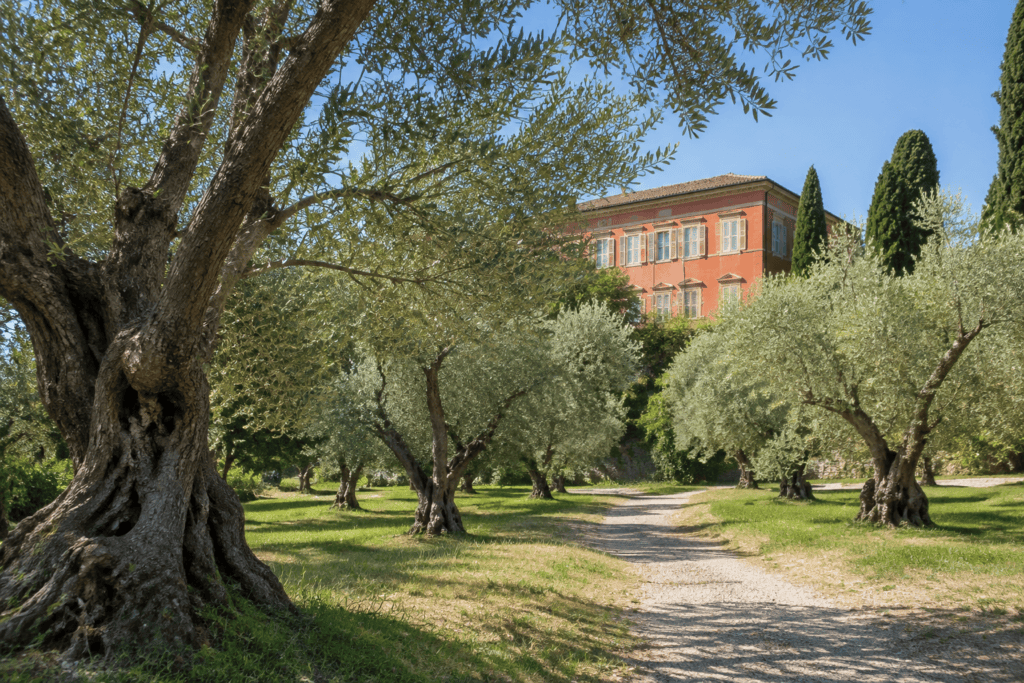
Surrounded by olive trees, the Villa des Arènes gives the visit a different atmosphere from that of a large national museum. The Mediterranean light, the peaceful neighborhood, and the nearby gardens extend the experience beyond the galleries. Visitors already familiar with Matisse can observe connections between painting, drawing, sculpture, and the decorative arts. Those discovering him for the first time can follow an accessible route that explains his artistic development and visual vocabulary.
Because the displays may change depending on exhibitions and loans, it is best to check the official program before visiting if you are looking for a particular work or period.
A diverse collection, from paintings to cut-outs
The collection’s appeal lies in its diversity. Depending on the exhibition period, the museum preserves and displays paintings, drawings, sculptures, prints, illustrated books, and cut-outs. This range makes it possible to follow the transformations of Matisse’s visual language without reducing his work to color alone. Line, volume, pattern, books, and decorative composition also play an important role.
Objects associated with the artist’s world offer another perspective. Furniture, textiles, vases, and statuettes can help explain his view of shapes and materials. They are more than simple decoration: they show how his everyday surroundings fed his artistic research. During your visit, compare the objects on display with the silhouettes, patterns, and arabesques found in the artworks.
Collection figures and the exact contents of the galleries may vary depending on sources and rotations. For up-to-date information, refer to the museum and official heritage records rather than treating any figure as definitive.
The Villa des Arènes and the history of Cimiez
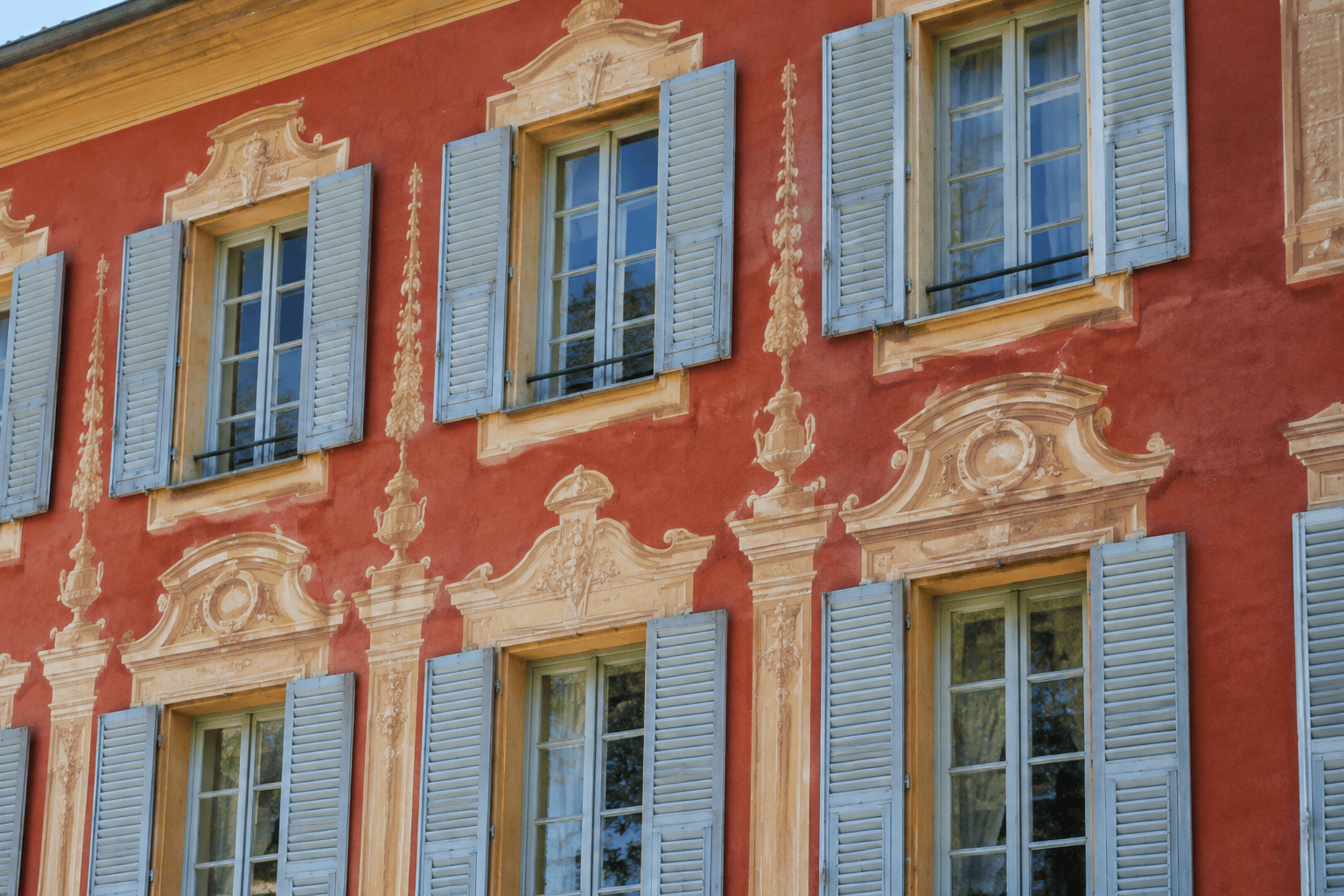
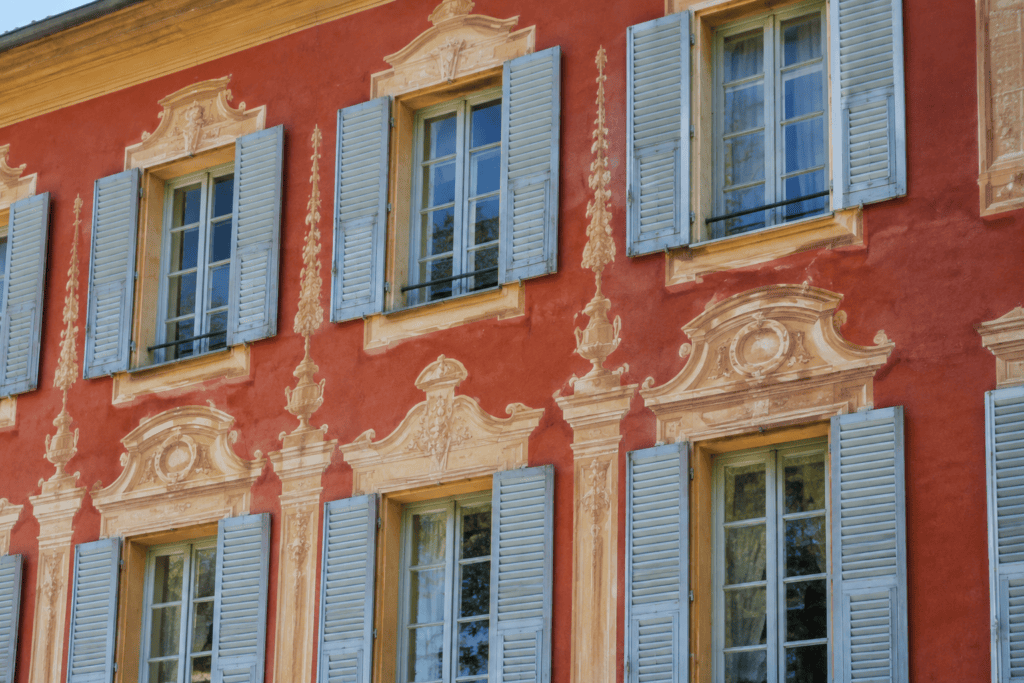
The building is an integral part of the experience. The Villa des Arènes is a historic residence in the former Cimiez district, an area that brings together several layers of Nice’s history. Its proportions and residential character create an intimate relationship with the artworks. Before entering the galleries, take time to observe the façade and surrounding greenery; after your visit, a walk through the olive grove offers another way to experience the light and space.
The area is also connected to ancient Cemenelum. Nearby, the archaeological museum and site present Roman remains, including elements of ancient baths and urban planning. The contrast between these ruins, the villa, and Matisse’s modern artistic research makes the neighborhood particularly rewarding for a cultural day out.
The Cimiez Monastery and its gardens complete the itinerary. Since opening arrangements may vary from one site to another, check each detail separately before planning your route.
Planning your visit and the current program
A first visit to the collections can take about an hour, but this is only a guideline. Visitors interested in drawing or art history will want to spend more time with the graphic works and related documents. If a temporary exhibition is on view, allow extra time and check the program to see whether it is included in the current route.
Hours, closing days, admission fees, free-entry conditions, and any reservation requirements may change. Do not rely on outdated information: check the date of your visit on the official Nice City website or the museum’s dedicated page. Public holidays, cultural events, construction work, and changes to the displays may alter the usual arrangements.
For a more relaxed visit, avoid trying to fit the museum, archaeological site, and monastery into too short a time slot. If you are traveling with children, ask about educational materials or activities available during your stay. Groups may also be subject to specific arrangements.
Getting to the museum from Nice
The museum is located at 164 avenue des Arènes de Cimiez, in northern Nice. Cimiez is an elevated neighborhood, so the route from downtown or the waterfront includes an uphill section. Bus routes, walking directions, and traffic conditions may change, so check the local transit network on the day of your trip to choose the best route from your starting point.
If you are driving, allow time to find parking and check the current parking regulations in the area. It is often more convenient to group several Cimiez visits together rather than going back down and uphill between each stop. Visitors with reduced mobility should check the museum’s latest accessibility information, particularly regarding entrances, open areas, and any construction work.
From Paris or the Île-de-France region, a private driver can include Nice in a long-distance itinerary, with transportation only. Museum admission, guided tours, and tickets for other sites must be arranged separately with the relevant establishments.
What else can you discover around the Musée Matisse?
Cimiez is well suited to a cultural itinerary lasting several hours. Start at the museum, then walk through the olive grove and the Arènes gardens. The nearby archaeological site places Nice within the history of the ancient city of Cemenelum. The Roman remains add a tangible dimension to the walk and provide an interesting contrast with the galleries devoted to modern art.
Continue to the Cimiez Monastery and its gardens, checking their opening arrangements before your visit. The monastery cemetery is also associated with the memory of several notable figures, including Henri Matisse. This stop can extend your reflection on the artist’s presence in Nice, without replacing a documented visit to the museum.
To continue your day, head back down toward the historic center, Vieux-Nice, or the waterfront. Art lovers can also compare this visit with the Musée National Marc Chagall. Be sure to check each establishment’s days and hours, however: a successful itinerary depends above all on their compatibility.
Looking more closely at the artworks
To get the most from your visit, do not look only for a familiar image of Matisse. Start by comparing a painting with a drawing or sculpture: line, simplification, and the relationship between forms can change from one medium to another. The cut-outs then show how color becomes a material to cut, move, and recompose.
Look at the empty spaces as carefully as the outlines. For Matisse, the surface is not a neutral background; it contributes to the overall balance of the composition. The fabrics, objects, and decorative patterns preserved or represented in the displays can help explain his search for harmony between the visual arts and everyday surroundings.
Finally, give yourself some time outdoors. The villa, olive trees, and light of Cimiez form a natural continuation of the visit. Without trying to create an automatic link between landscape and painting, simply observe the colors, shadows, and rhythms of the neighborhood. This pause often makes the experience more personal and memorable.
Frequently Asked Questions
Where is the Musée Matisse in Nice located?
How much time should I allow for the visit?
What are the opening hours and closing days?
What can you visit near the museum?
Is the museum accessible to people with reduced mobility?
Does a trip from Paris include museum admission?
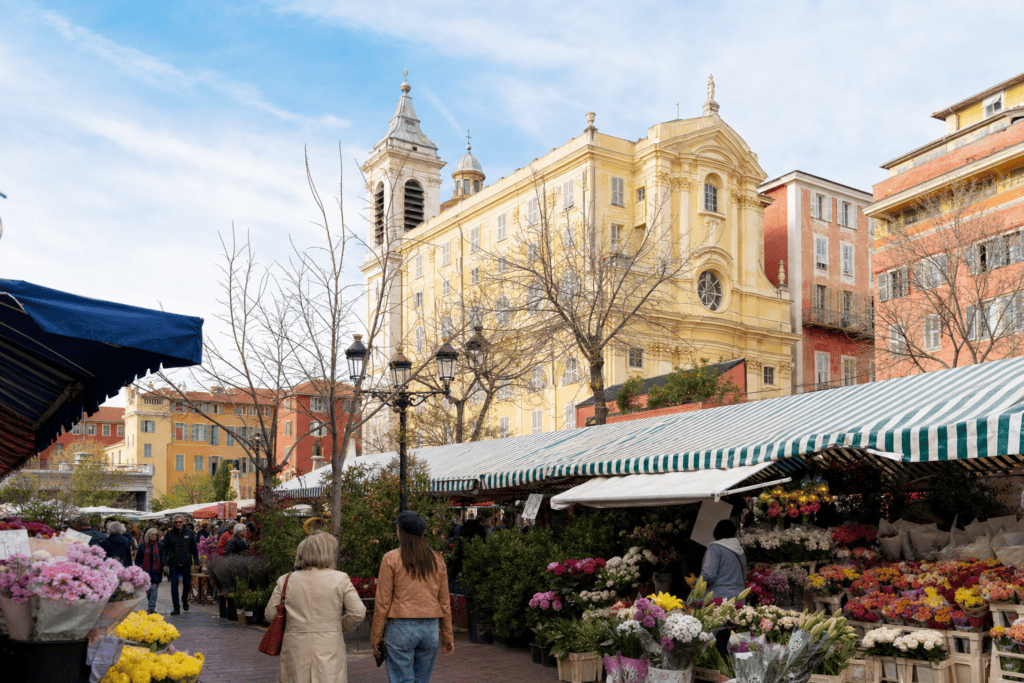 Vieux-Nice and the Cours Saleya Market Explore the Cours Saleya Market, the narrow streets of Old Nice and the specialties that define the city…
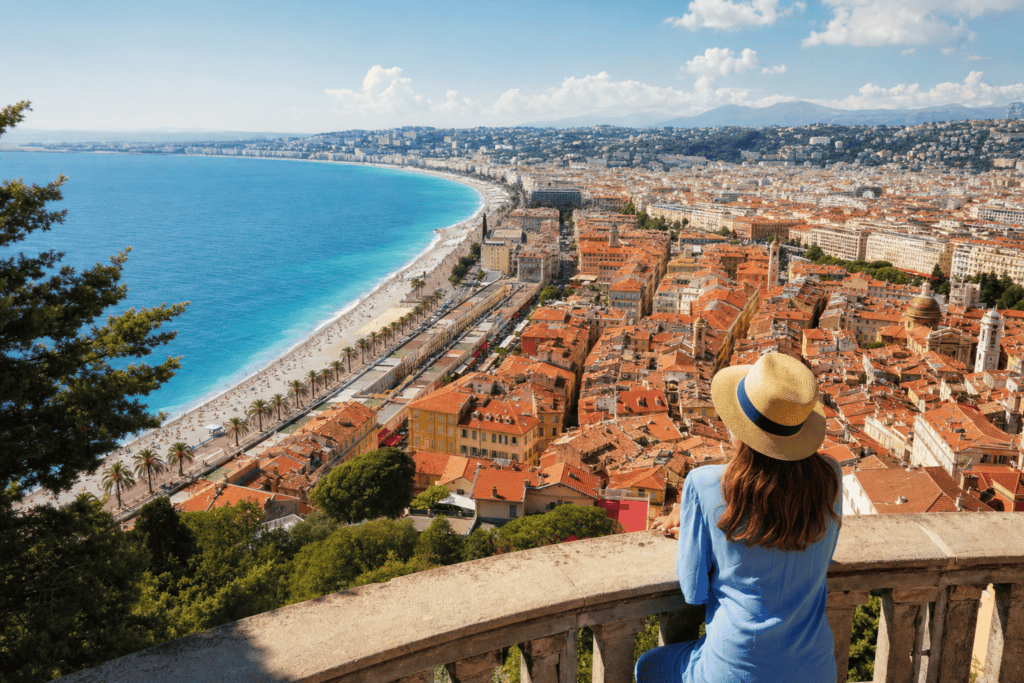 Things to Do in Nice: Essential 1- to 3-Day Itinerary A practical itinerary for visiting Nice in 1 to 3 days: Vieux-Nice, the Cours Saleya, Castle…
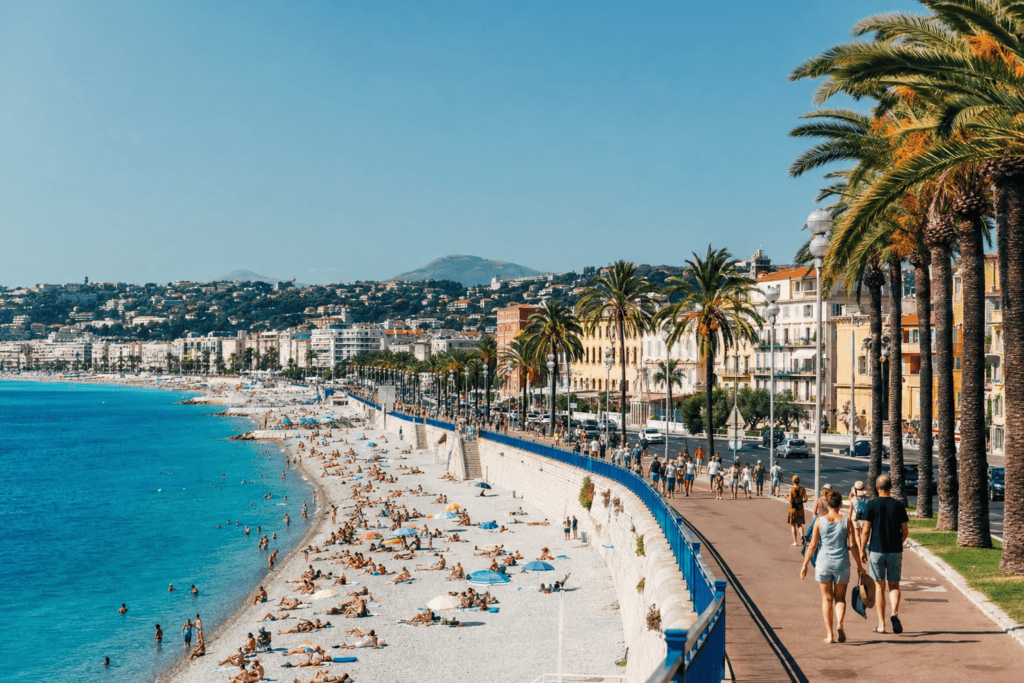 Promenade des Anglais and Nice Beaches A legendary promenade overlooking the Bay of Angels, combining heritage, pebble beaches and sweeping…
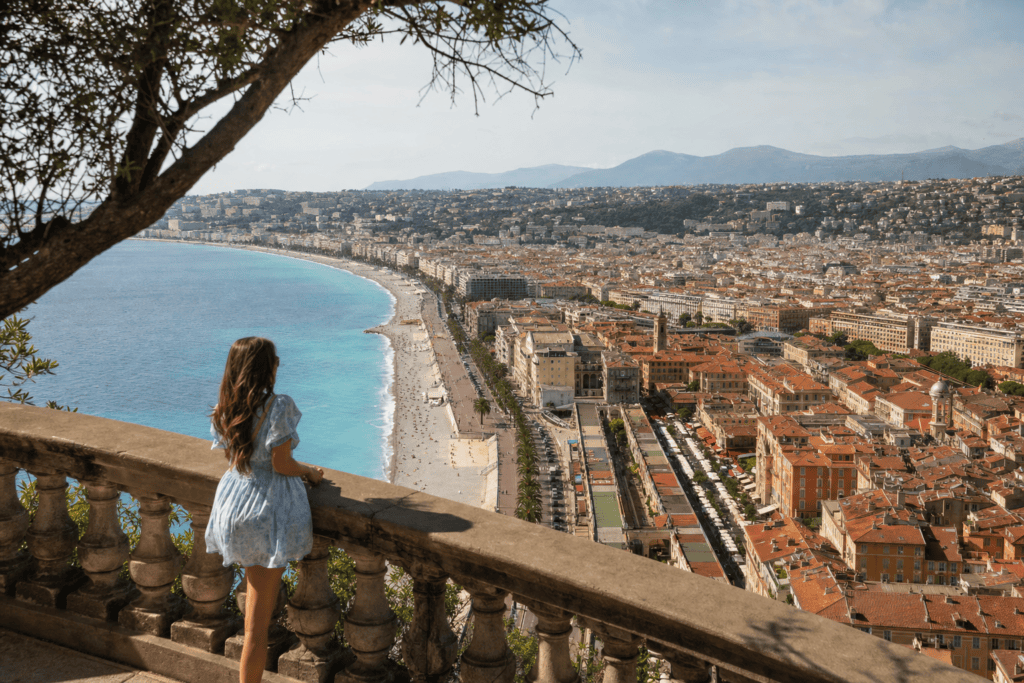 Castle Hill A panoramic park between Old Nice and the port, with a waterfall, gardens, historic remains and views…
Online booking · Paris → 164 avenue des Arènes de Cimiez, 06000 Nice, France
Choose your pickup date and time
Your departure and arrival details are already pre-filled. You can adjust them in the fare calculator before viewing the vehicles and fare.