



French Riviera · Provence-Alpes-Côte d’Azur · Provence-Alpes-Côte d’Azur
Visiting Nice: Sea, Heritage, and the Art of Living on the French Riviera
Visiting Nice means going from the colorful façades of Old Nice to the light of the Baie des Anges in just a few streets. The Promenade des Anglais, Cours Saleya, Castle Hill, the gardens of Cimiez, and museums dedicated to Matisse and Chagall make this a destination that is seaside, cultural, and historic all at once. This guide will help you choose which neighborhoods to explore, which sights to prioritize, and which excursions to consider from Paris or Nice Côte d’Azur Airport.
Explorer Nice
Top Things to See and Do in Nice
 Attractions
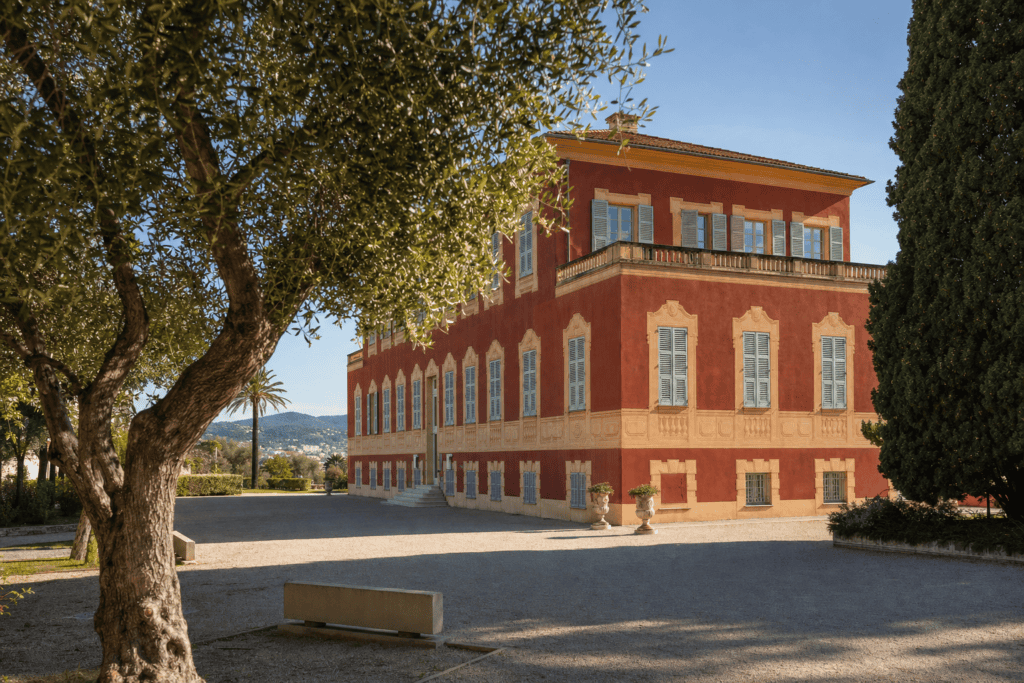
Nice’s Matisse Museum
A collection dedicated to Matisse in the Villa des Arènes, at the heart of Cimiez’s historic olive grove in…
 Attractions
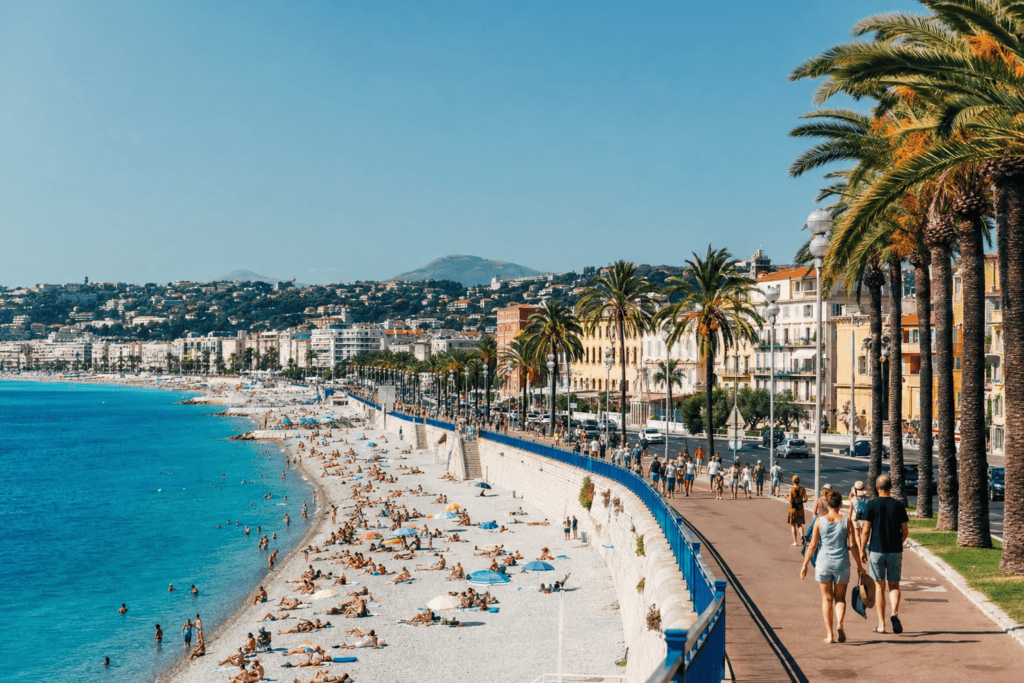
Promenade des Anglais and Nice Beaches
A legendary promenade facing the Baie des Anges, with heritage, pebble beaches, and sweeping Mediterranean horizons.
 Attractions
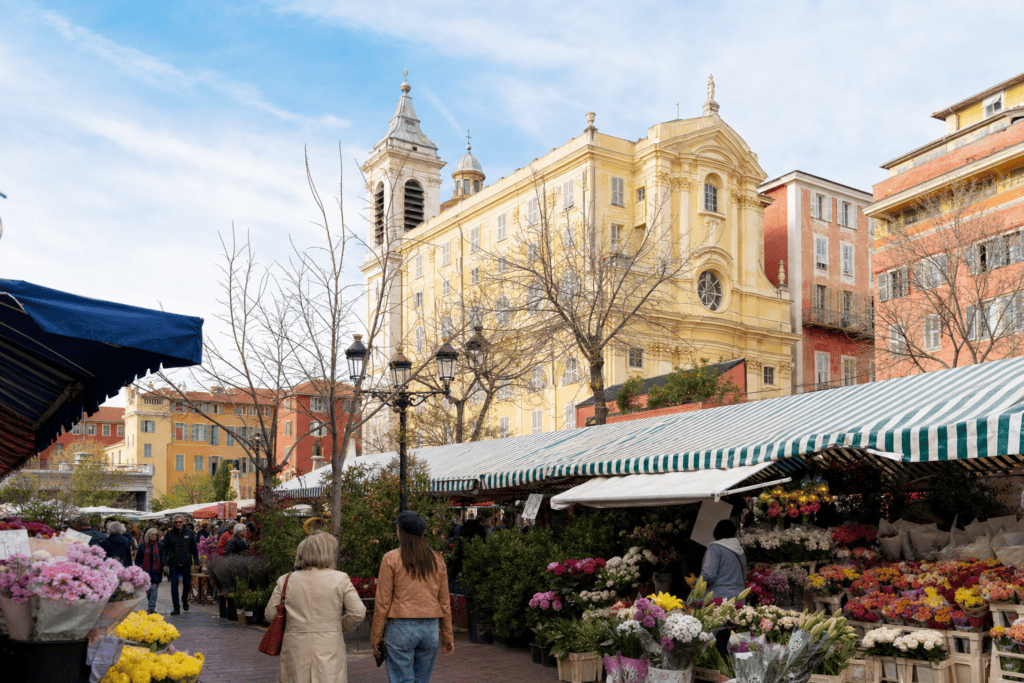
Vieux-Nice and the Cours Saleya Market
Explore the Cours Saleya market, the narrow streets of Old Nice, and the specialties that define the city’s identity…
 Must-see
Things to Do in Nice: Essential 1- to 3-Day Itinerary
A practical itinerary for visiting Nice in 1 to 3 days: Old Nice, Cours Saleya, Castle Hill,…
 Must-see
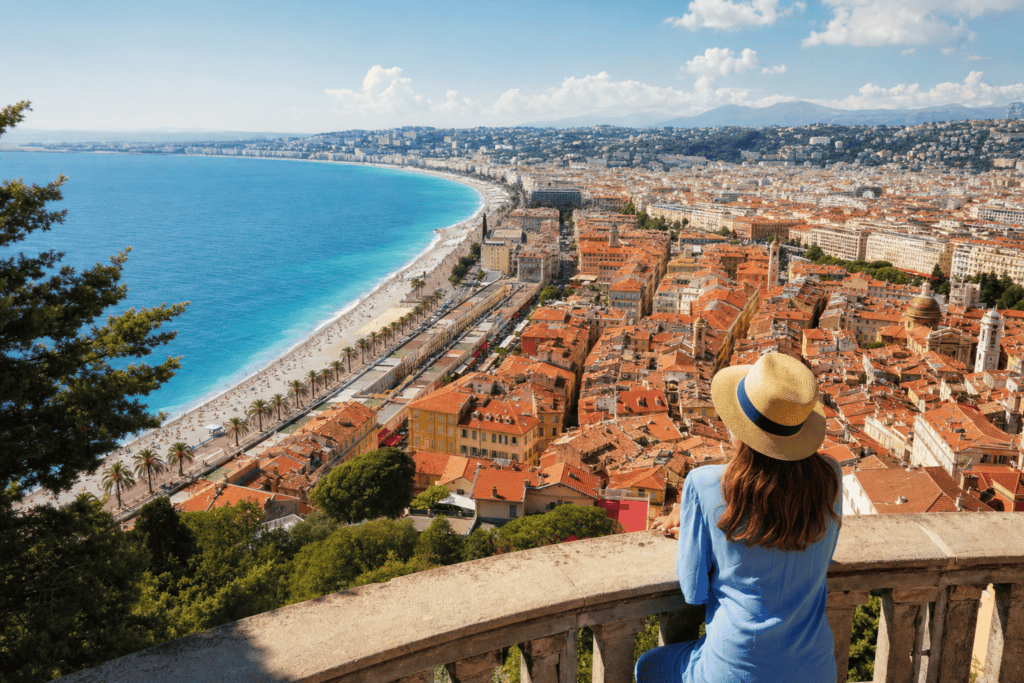
Castle Hill
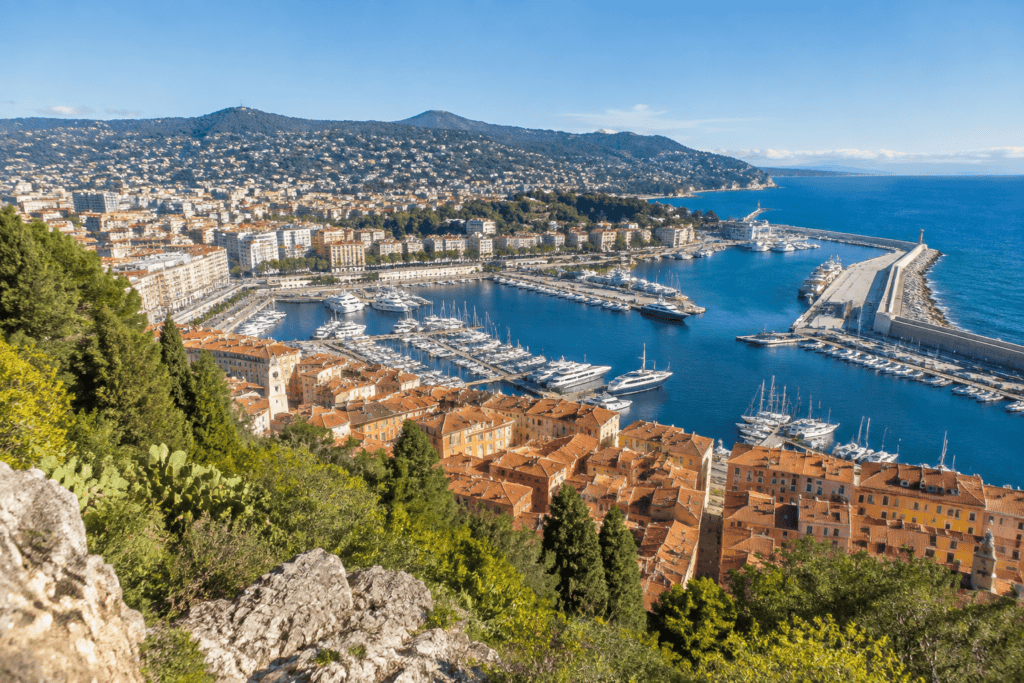
A panoramic park between Old Nice and the port, with a waterfall, gardens, historic remains, and remarkable views of…
Other destinations to discover

Avignon
A spectacular medieval city centered around the Palais des Papes, the Pont Saint-Bénézet, and the ramparts, in the heart…
Gorges du Verdon
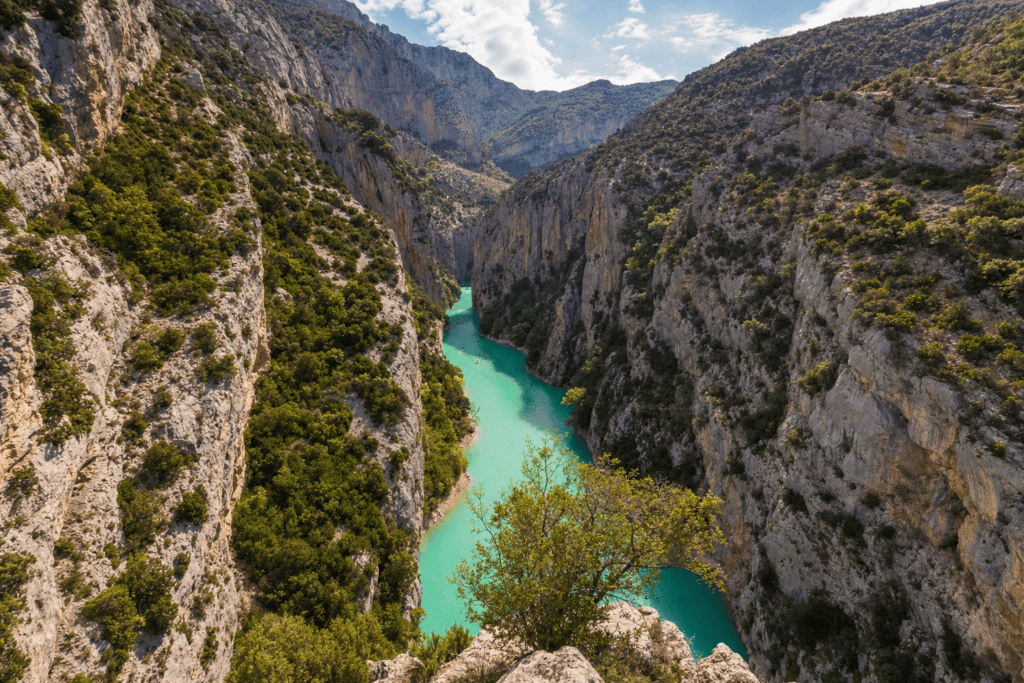
A comprehensive guide to discovering the viewpoints, trails, lakes and villages of the Verdon Gorge, with…
Marseille
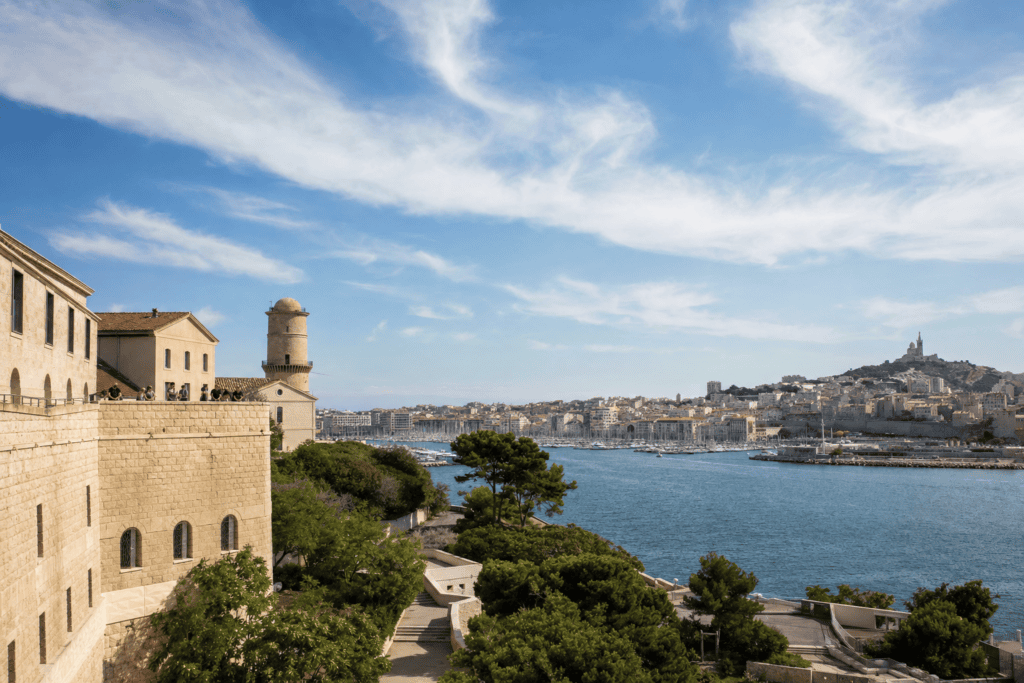
From La Canebière to the Calanques, Marseille blends Mediterranean heritage, museums, distinctive neighborhoods, local cuisine, and sea views.
Fécamp
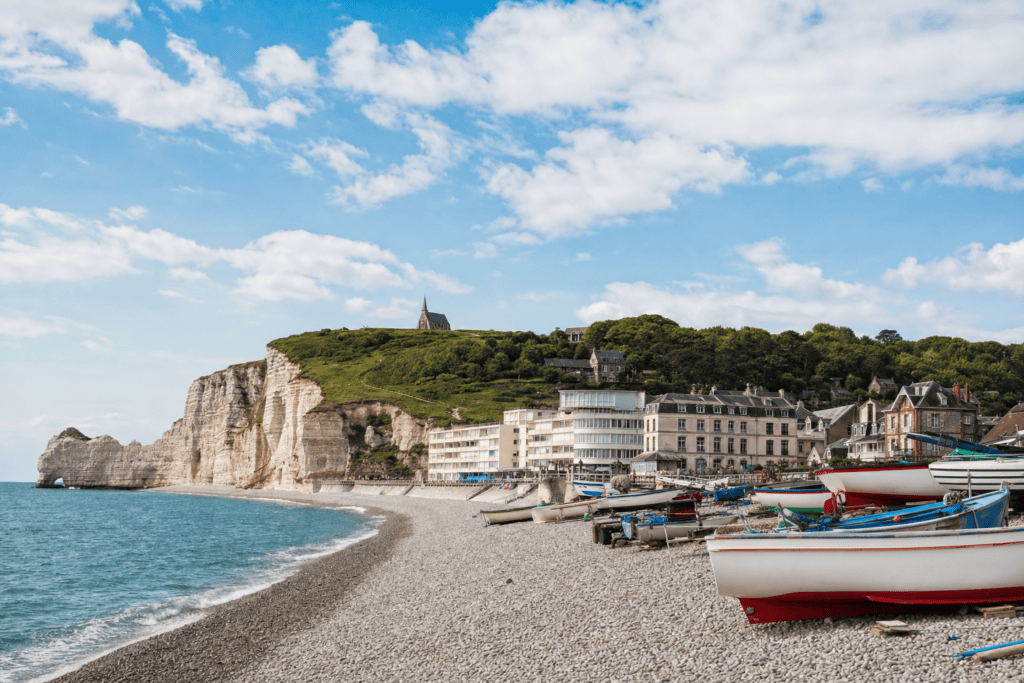
Between its port, cliffs, and heritage, Fécamp reveals an authentic maritime Normandy, ideal for a getaway from Paris.
Caen
Ville d’Art et d’Histoire, Tours séduit par son centre ancien, ses quais de Loire, ses musées et…
Amiens
With Notre-Dame Cathedral, the Hortillonnages and the Saint-Leu district, Amiens offers a heritage-rich getaway…
DESTINATION GUIDE
Nice Travel Guide
Understanding Nice Before You Go
Nice is the main city of the French Riviera and one of the major gateways to the Alpes-Maritimes. Its location explains much of its character: the Mediterranean borders the city to the south, while the hills and the first Alpine foothills begin soon to the north. The center is easy to explore on foot, but the city is also a convenient base for visiting hilltop villages, Cap d’Antibes, Monaco, or Menton.
Nice has a distinctive historical identity shaped by Savoyard, Italian, English, Russian, and French influences. In 2021, the city was added to the UNESCO World Heritage List as the “winter resort town of the Riviera.” This recognition highlights its promenades, gardens, hotels, and neighborhoods developed between the 18thth and 20th centuries.th century.
Old Nice and the Cours Saleya
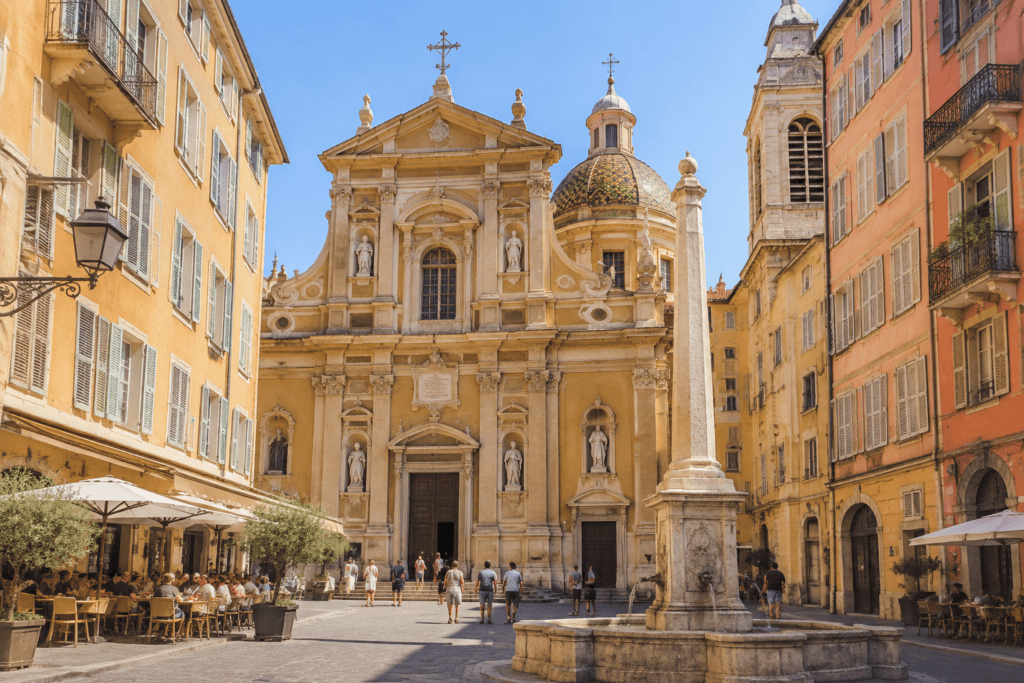
For a first stroll, start in Old Nice. Its narrow streets, ochre and yellow façades, vaulted passageways, and small squares form a dense neighborhood best explored without an overly rigid plan. Place Rossetti, Sainte-Réparate Cathedral, and the lanes around Rue du Collet make for a pleasant route.
Cours Saleya is one of the neighborhood’s main gathering places. Depending on the day and season, its stalls offer flowers, local produce, and regional specialties. To discover Niçoise cuisine, try socca, pissaladière, salade niçoise, or petits farcis. Recipes vary from one establishment to another; part of the experience is taking time to compare the different atmospheres.
The Promenade des Anglais and the Seafront
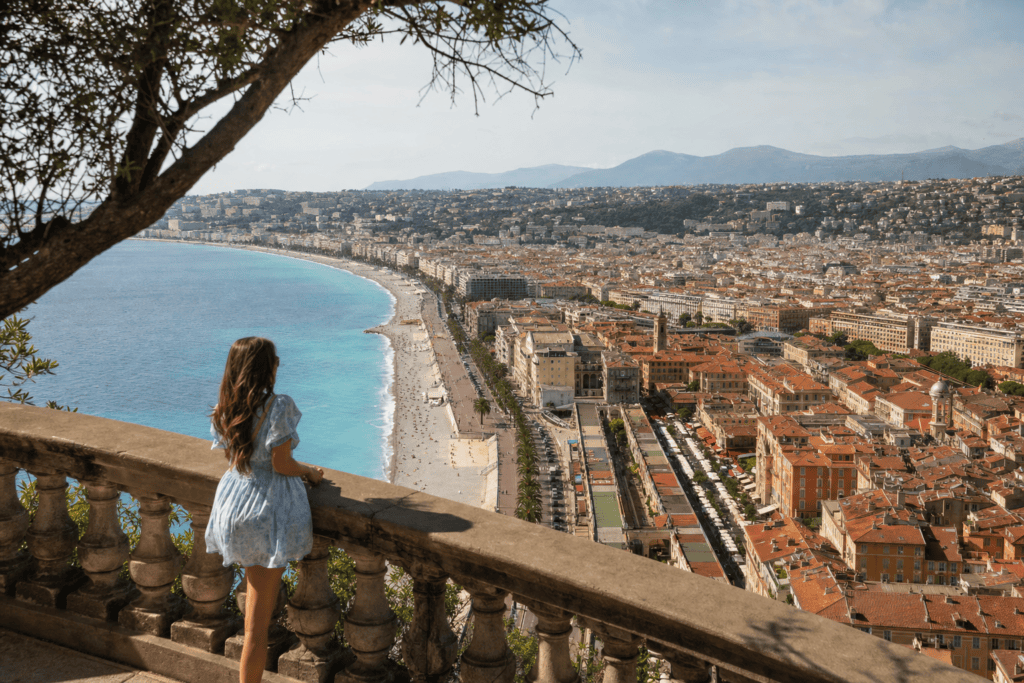
The Promenade des Anglais is Nice’s iconic waterfront landscape. It follows the Baie des Anges and offers unobstructed views of the beaches, sea, and historic façades. A walk can begin near Albert I Gardenand, continue along Quai des États-Unis, and end at the foot of Castle Hill. Morning light is ideal for photography; at the end of the day, the colors shift across the sea and the waterfront buildings.
Nice’s beaches are primarily made up of pebbles. Appropriate footwear can make getting into the water more comfortable. Before swimming, check local information on water quality, sea conditions, and any restrictions.
Castle Hill: An Unmissable Viewpoint
Castle Hill overlooks Old Nice, the port, and the bay. Despite its name, the site does not preserve an intact castle; it was once a fortified area and is now a park and viewpoint. It is one of the best places to understand Nice’s geography in just a few minutes.
Wear good shoes if you take the stairs, and allow time to reach the various viewpoints. The waterfall, shaded areas, and overlooks offer opportunities to pause between visits. An elevator also serves the hill, subject to availability and the day’s conditions.
Museums and Artistic Heritage
Nice deserves several cultural stops. On Cimiez Hill, the Matisse Museum is housed in a historic villa near the Roman remains, arena, and monastery. This setting is particularly interesting for connecting Matisse’s work with his long-standing attachment to the city.
The Marc Chagall National Museum features a tour centered on the Message Biblique series, including paintings, drawings, stained glass, ceramics, and other works. Located away from the seafront, it can be combined with a half-day devoted to museums and the heights of Nice. Opening hours, closing days, and access arrangements may change, so check the official information before your visit.
Other sites round out this cultural itinerary, including the Museum of Modern and Contemporary Art, the Museum of Fine Arts, and Palais Lascaris. Your choice depends on your interests and the time available. Nice is well suited to an itinerary that alternates indoor visits, walks, and gastronomic breaks.
Place Masséna and the Belle Époque Neighborhoods
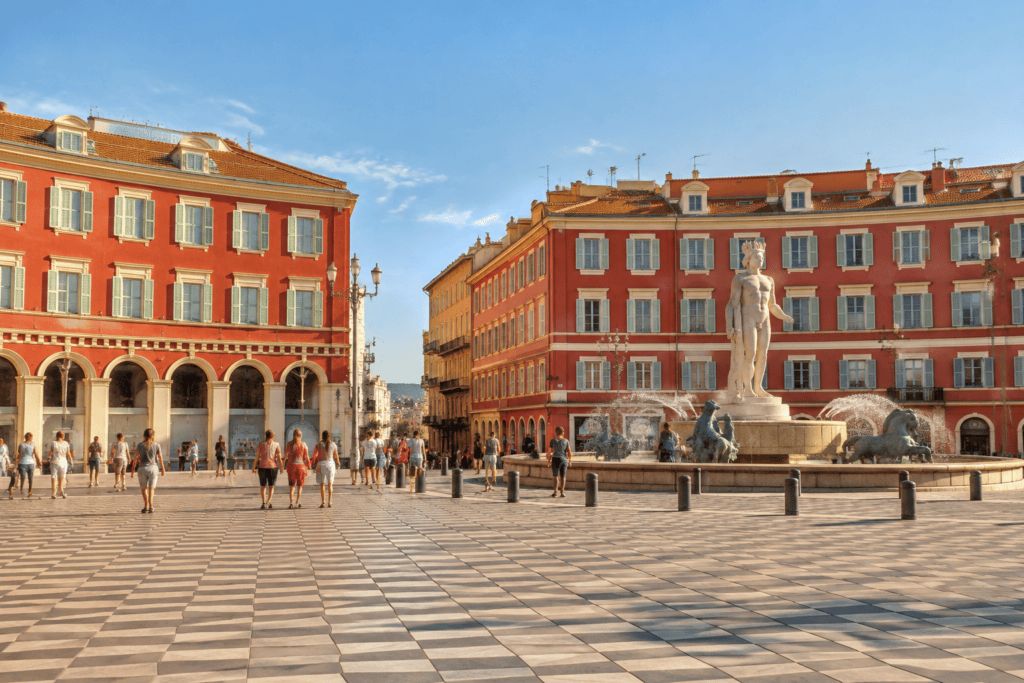
With its red façades, arcades, and expansive pedestrian area, Place Masséna connects the city center with Albert I Gardenand and Avenue Jean-Médecin. It is a good starting point for exploring Nice’s newer neighborhoods and reaching the Promenade des Anglais.
To see the architecture of the winter resort era, continue toward the neighborhoods around Boulevard de Cimiez, Avenue de Belgique, and the Musicians’ Quarter. Hotels, palaces, and buildings with eclectic ornamentation reflect the city’s tourist boom in the late 19thth century and early 20thth.
Three Ways to Organize Your Stay
- One day: Vieux-Nice, Cours Saleya, quai des États-Unis, Promenade des Anglais et colline du Château.
- Two days: add Cimiez, the Matisse Museum, or the Chagall Museum, then set aside half a day for the Belle Époque neighborhoods.
- For three days or more: plan an excursion to Antibes, Saint-Paul-de-Vence, Èze, Monaco, or Menton, taking travel times and crowds into account.
When Should You Visit Nice?
Nice can be visited year-round, but the experience varies by season. Spring and fall are often pleasant for walking and combining the sea, museums, and excursions. Summer attracts more visitors, so allow extra time for getting around and start outdoor walks early in the day. Winter is a good time to enjoy the light, museums, and heritage associated with the city’s resort history, with different visitor levels than during peak season.
Getting to Nice from Paris
Nice Côte d’Azur Airport is the destination’s main air gateway. Nice-Ville train station serves the city center and makes it possible to travel by train from Paris or arrive as part of a broader itinerary in France. Once there, the historic center is largely best explored on foot; public transportation and rail connections are useful for more distant neighborhoods and excursions.
Booking Paris Transfer peut intégrer Nice à un trajet longue distance au départ de Paris, de l’Île-de-France, de Paris-Charles-de-Gaulle ou de Paris-Orly, avec retour vers Paris ou dans le cadre d’un itinéraire multi-ville commençant à Paris. Le service ne remplace pas les transports locaux et n’inclut pas les billets d’entrée des monuments et musées.
Useful sources
Connecting Paris and Nice with a Private Itinerary
Booking Paris Transfer offers long-distance journeys between Paris or the Paris region and Nice, as well as returns to Paris or multi-city itineraries beginning in Paris. This is not a local chauffeur service based in Nice, and admission tickets are not included.