



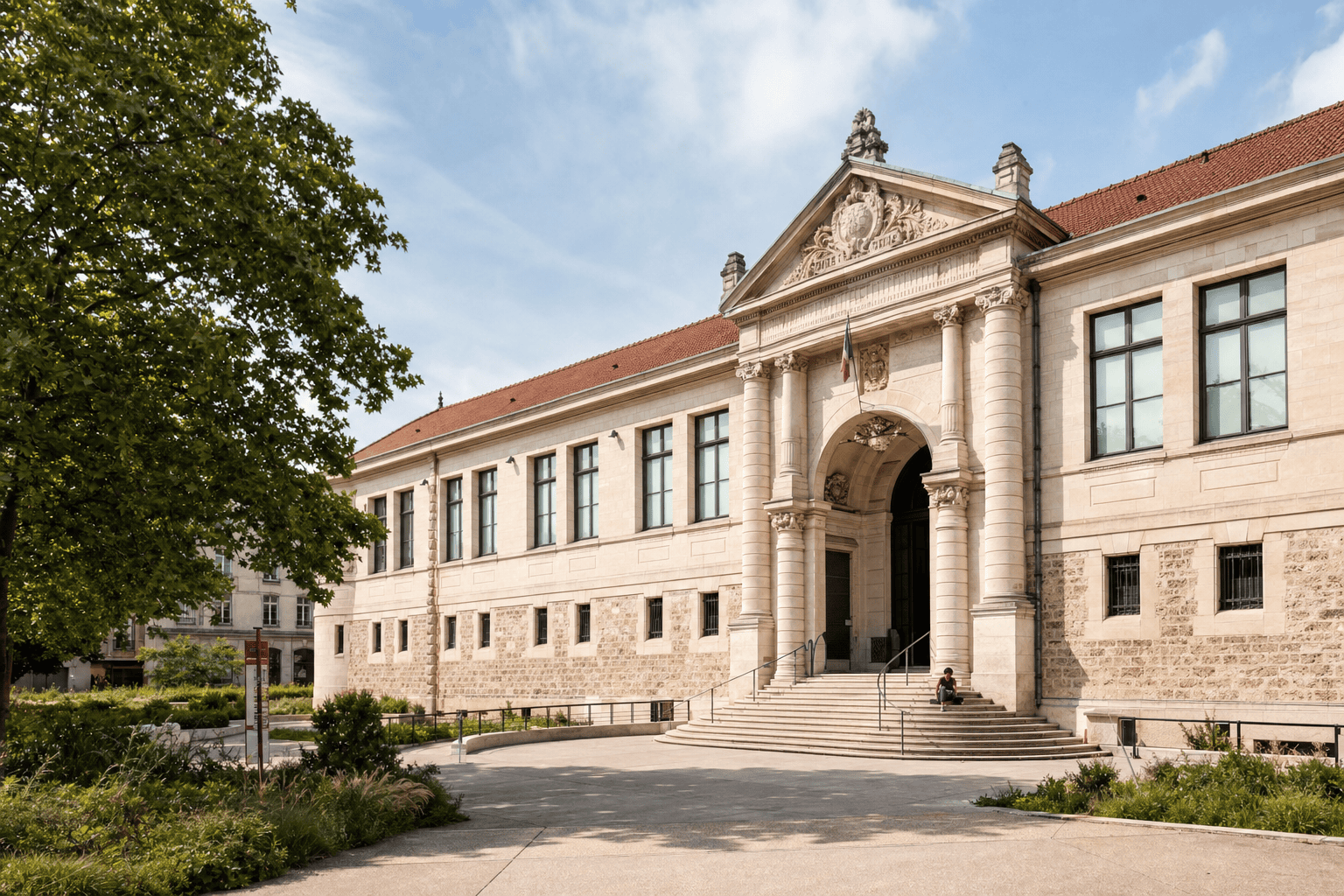
National Museum of the History of Immigration in Paris
Paris
Housed in the Palais de la Porte Dorée in Paris’s 12th arrondissement, the National Museum of the History of Immigration presents a documented exploration of migration and the making of contemporary France. The permanent exhibition brings together archives, works of art, everyday objects, photographs, and personal accounts to tell the story of centuries of movement, exile, work, and settlement. The visit takes on added meaning in this Art Deco monument, built for the 1931 International Colonial Exhibition: the building itself invites reflection on colonial legacies, representations, and the memories woven through French history.
Practical information
Book or check the online access requirements when recommended by the museum. For a first visit, start with the permanent exhibition before choosing a temporary exhibition or the Tropical Aquarium. The texts and educational resources also make it possible to adapt the experience for children and students.
Getting to the Museum from Paris with peace of mind
For a cultural visit from a Paris hotel, Paris-Charles-de-Gaulle, or Paris-Orly, Booking Paris Transfer can arrange private round-trip transportation to the Palais de la Porte Dorée. The service covers transportation only: museum admission and any reservations must be arranged with the official institution. A return to Paris can be scheduled after your visit, with the option to include other stops along your Paris itinerary.
Departure from Paris, a Paris hotel, CDG, or ORY; return to Paris according to your itinerary.
Why this museum matters in Paris
The National Museum of the History of Immigration holds a unique place in Paris’s cultural landscape. It does not present immigration as a peripheral or recent subject, but as a lasting part of French history. Its exhibits connect population movements with changes in work, industry, cities, culture, and political life. This approach is especially relevant in Paris, a capital that has welcomed generations of workers, students, artists, refugees, and families from many parts of the world.
The visit moves beyond the simplified images often associated with migration. Personal journeys, administrative documents, photographs, and objects give concrete expression to lived experiences: leaving, crossing a border, finding work, learning a language, starting a family, or facing rejection. The museum thus provides a space for understanding and discussion, valuable both to international visitors and to residents who want to learn more about France’s social history.
A Chronological and Thought-Provoking Permanent Exhibition
The permanent exhibition spans approximately 1,800 square meters and tells the story of immigration in France from 1685 to the present day. Its organization is based on key dates and a chronological journey linking historical events, public policy, and human stories. This structure helps visitors understand that migration is not a single phenomenon: it responds to very different circumstances, including economic needs, conflict, persecution, family ties, and personal aspirations.
The exhibition alternates between artworks, archives, films, objects, and personal accounts. A photograph may shed light on working conditions; a passport or administrative document may reveal how the state categorizes and controls people; a contemporary work may express exile, borders, or the passing down of memory. The exhibition design encourages visitors to take time to read and compare. For a complete visit, it is better to allow plenty of time than to rush through every section.
The Palais de la Porte Dorée: A Monument to Read
The museum is housed in the Palais de la Porte Dorée, a building constructed for the 1931 International Colonial Exhibition. This origin gives the site essential historical depth. The façade, bas-reliefs, and interior decorations bear the imprint of colonial propaganda and France’s imperial vision at the time. The museum does not separate this history from its exploration of migration; instead, it encourages reflection on the relationships between empire, movement, hierarchies, representations, and contemporary legacies.
Before or after exploring the galleries, take time to observe the palace’s architecture and decorative details. The building’s monumentality contrasts with the intimate stories presented inside. This tension is part of the experience: visitors move from an official setting designed to showcase French power to stories of departure, work, family, and memory. The Palais also houses the Tropical Aquarium, allowing visitors to create a broader cultural outing depending on the time available.
Collections, Objects, and Personal Stories
The museum’s strength lies in the diversity of its collections. They include historical documents, photographs, graphic works, objects, videos, contemporary creations, and personal accounts. Bringing these sources together prevents migration history from being reduced to statistics. It shows how people leave traces in archives, families, neighborhoods, workplaces, and cultural practices.
Everyday objects can be especially revealing: identity papers, luggage, tools, clothing, letters, and family photographs make visible experiences often absent from official narratives. Contemporary works extend this reflection by addressing exile, borders, hospitality, discrimination, and the passing down of memory. The museum preserves several thousand documents and objects, and its collection continues to grow through acquisitions. Visitors interested in research can also consult the resources of the Abdelmalek Sayad Center, which brings together books, journals, films, and documents on migration.
Getting There from Paris Neighborhoods and Train Stations
The Palais de la Porte Dorée is located at 293 avenue Daumesnil in Paris’s 12th arrondissement, east of the city center. Porte Dorée station on Metro Line 8 is the most direct access point. Tram T3a also serves the area, and several bus lines connect the palace with nearby neighborhoods. From Gare de Lyon, the route is convenient for travelers arriving by train, with a connection toward eastern Paris. Visitors arriving from Gare du Nord, Gare de l’Est, Montparnasse, or Saint-Lazare should expect to make an additional connection.
For arrivals from Paris-Charles-de-Gaulle or Paris-Orly, public transportation remains an option, but traveling with luggage may be less comfortable depending on the time and connections. A private transfer from a Paris hotel or airport can be useful for a family, small group, or cultural itinerary with several stops. In all cases, check the status of the network and any disruptions on the day of your visit.
Planning a Visit with Family, a Group, or a Class
The museum welcomes a wide range of audiences. Families may want to focus on the objects, photographs, and personal stories, which make broad historical themes more accessible. Educational materials and activities designed for younger visitors may enhance the experience; check their availability and the scheduled activities before your visit. For teenagers, the museum offers a relevant starting point for discussing history, geography, citizenship, discrimination, and the construction of identity.
School, university, and community groups can prepare their visit using the museum’s resources. A guided tour or themed activity can provide a deeper look at a period, topic, or group of works. Non-French-speaking visitors can inquire about resources available in other languages. Since the subject may prompt personal reactions, an unhurried visit is best: leave time for discussion and questions rather than treating the exhibition as a simple succession of objects.
Extend Your Visit Around the Bois de Vincennes
The Palais de la Porte Dorée’s location makes it easy to combine the museum with an exploration of the 12th arrondissement and the Bois de Vincennes. After the galleries, a walk through the nearby green spaces provides a welcome transition, especially after a dense journey through documents and personal accounts. Depending on the season and your plans for the day, you can also visit the Palais’s Tropical Aquarium, keeping in mind that access conditions and opening hours may vary.
The museum fits easily into a Paris itinerary focused on history, architecture, or the major cultural institutions of the eastern part of the capital. It can be combined with a walk toward Place de la Nation, the Bercy neighborhood, or the area around Gare de Lyon, depending on your plans. Visitors who want to explore the subject further can look into lectures, discussions, screenings, and performances announced by the institution. The temporary program changes regularly, so always check the official calendar before planning your day.
Frequently Asked Questions
Where is the National Museum of the History of Immigration located?
How do you get to the museum by public transportation?
How much time should I allow for the visit?
Is the museum suitable for children?
Are the opening hours and admission fees fixed?
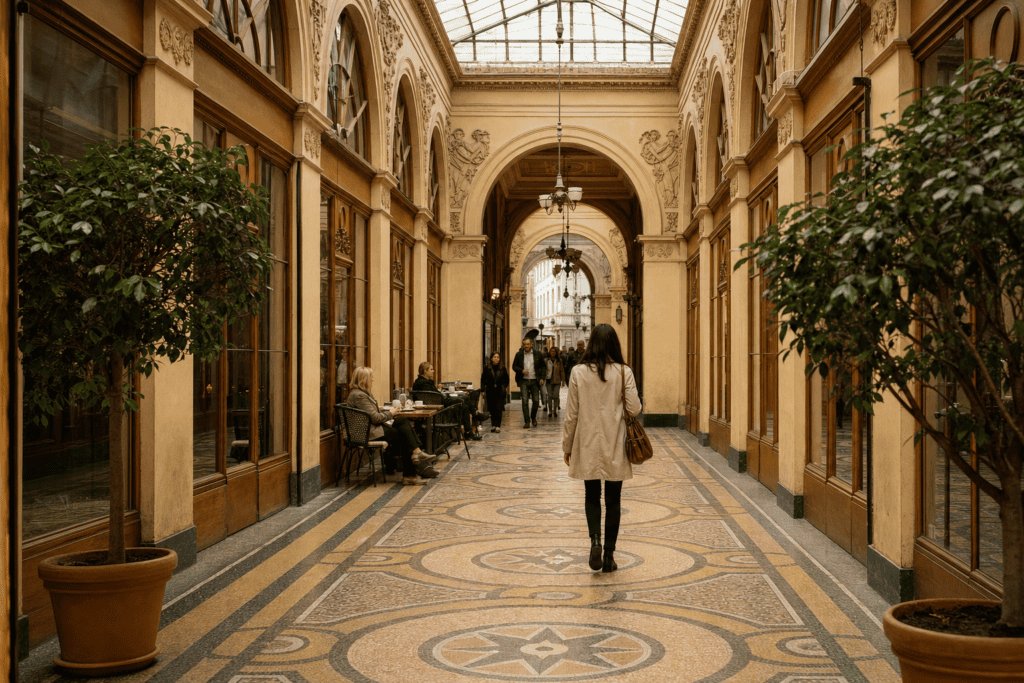 Galerie Vivienne A historic Parisian covered passage where mosaics, a glass roof, an old bookshop, and refined boutiques create an elegant stroll…
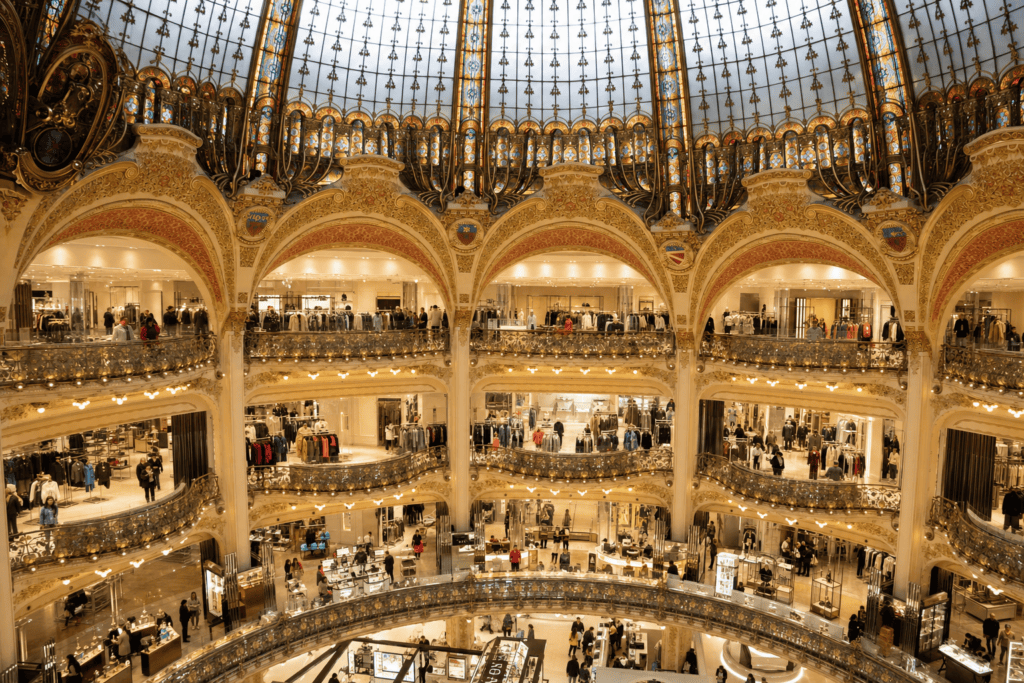 Galeries Lafayette Haussmann A historic Paris department store where you can admire an Art Nouveau dome, shop, and…
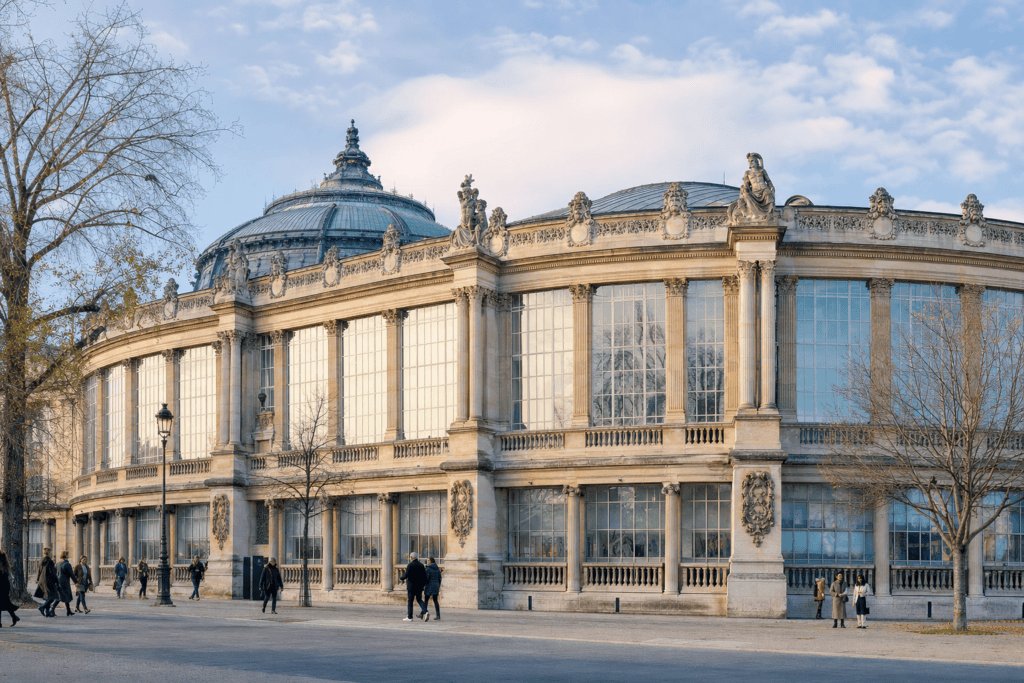 Le Palais des Glaces A Paris venue known for comedy, stand-up, theater, and comedies, near République.
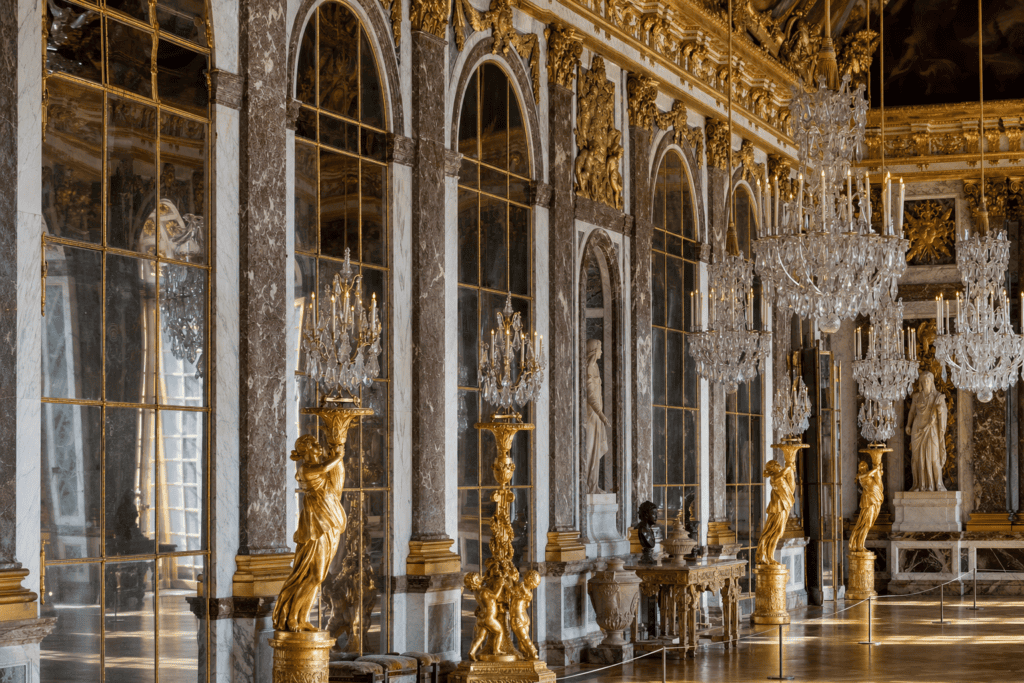 Palace of Versailles A day trip from Paris featuring the royal palace, Le Nôtre’s gardens, the Grand Trianon, the Petit Trianon, and…
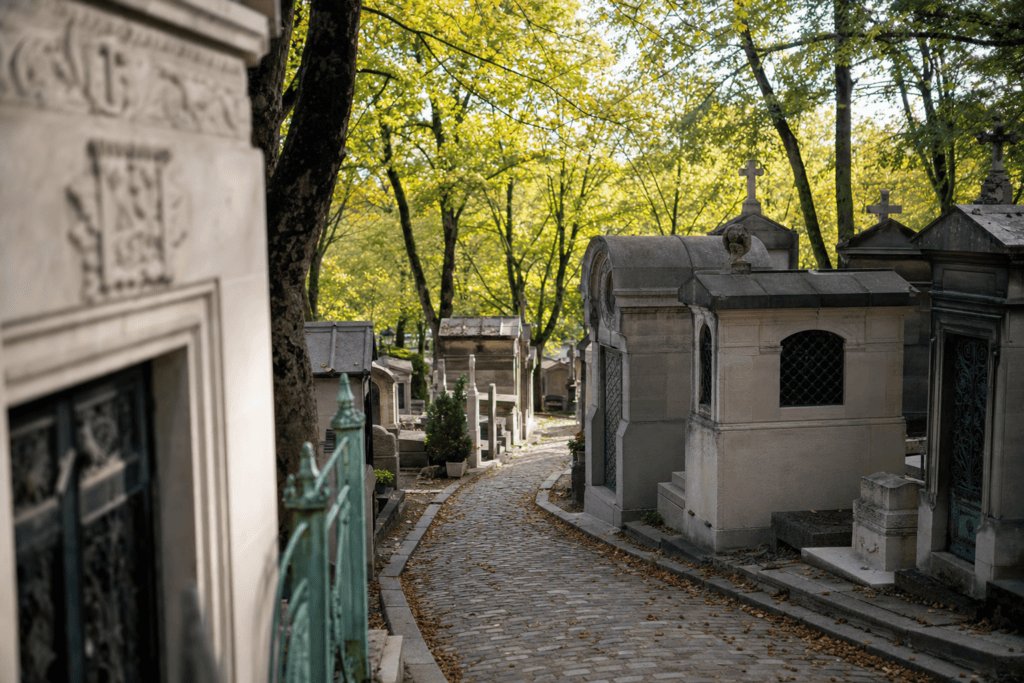 Père-Lachaise Cemetery A historic route among famous graves, sculptures, chapels, and tree-lined paths in the 20th arrondissement.
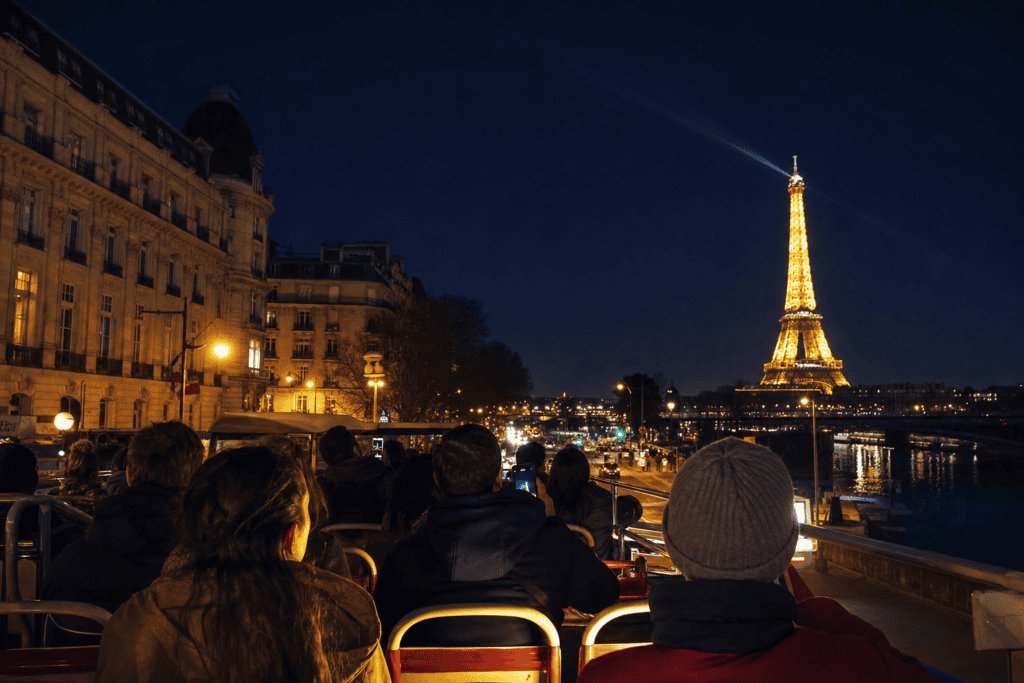 Paris by Night on a Panoramic Bus A comfortable evening loop for admiring Paris’s illuminated monuments, with a route and a…
Online booking · Paris → Palais de la Porte Dorée, 293 avenue Daumesnil, 75012 Paris, France
Choose your pickup date and time
Your departure and arrival details are already pre-filled. You can adjust them in the fare calculator before viewing the vehicles and fare.