


Destination Guide · Île-de-France · Île-de-France
Visiting Paris: The Essential Guide to Discovering the Capital
Paris is best discovered through its iconic monuments as well as its neighborhoods, museums, gardens, and walks along the Seine. From Montmartre to the Latin Quarter and from Le Marais to the Champs-Élysées, this guide helps you plan a well-rounded stay based on your pace and interests.
Explorer Paris
Paris Must-Sees
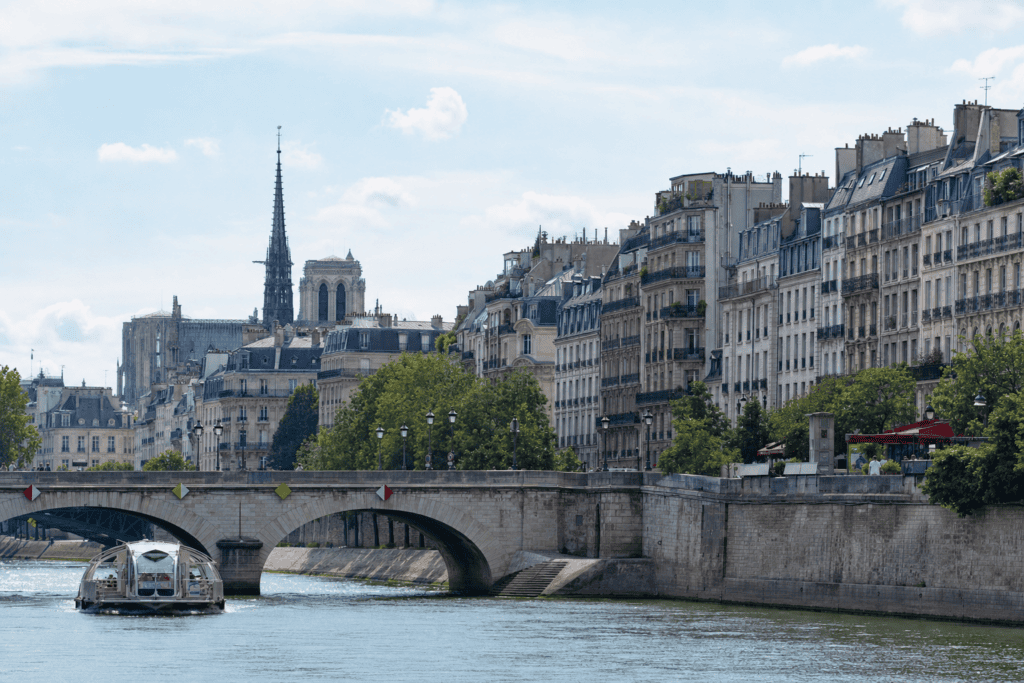 Must-see
What to Do in Paris in 3 Days
A practical itinerary for discovering Paris in three days, including must-see monuments, neighborhoods to prioritize, and…
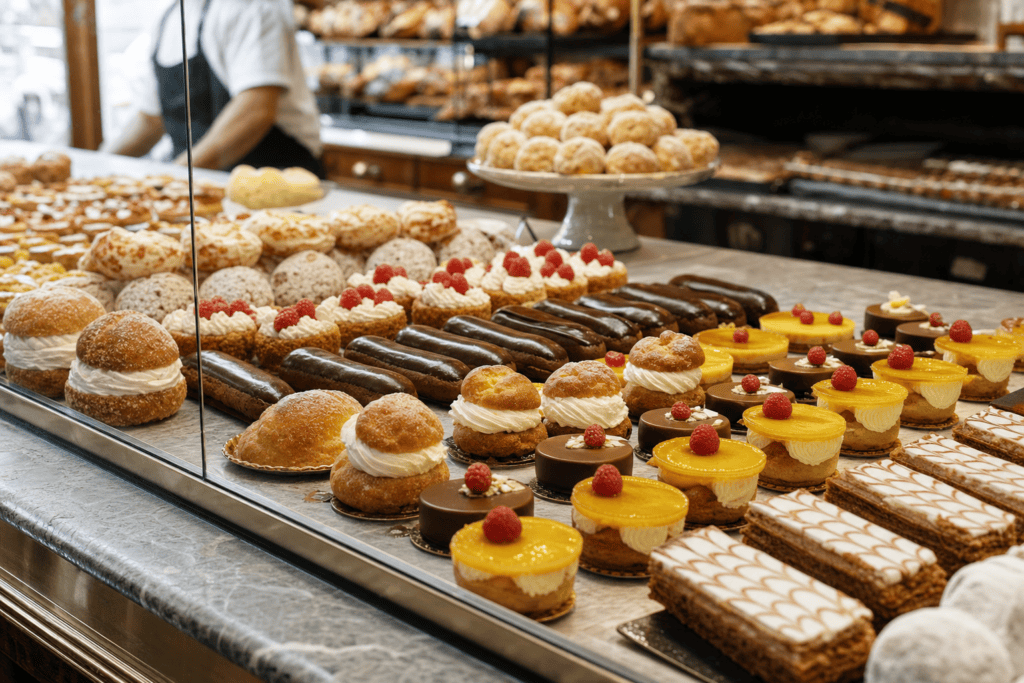 Gastronomy
Foodie Paris: pastries, cheeses, and local specialties
A practical guide to discovering Parisian bakeries, pastry shops, cheese shops, markets and specialties by neighborhood.
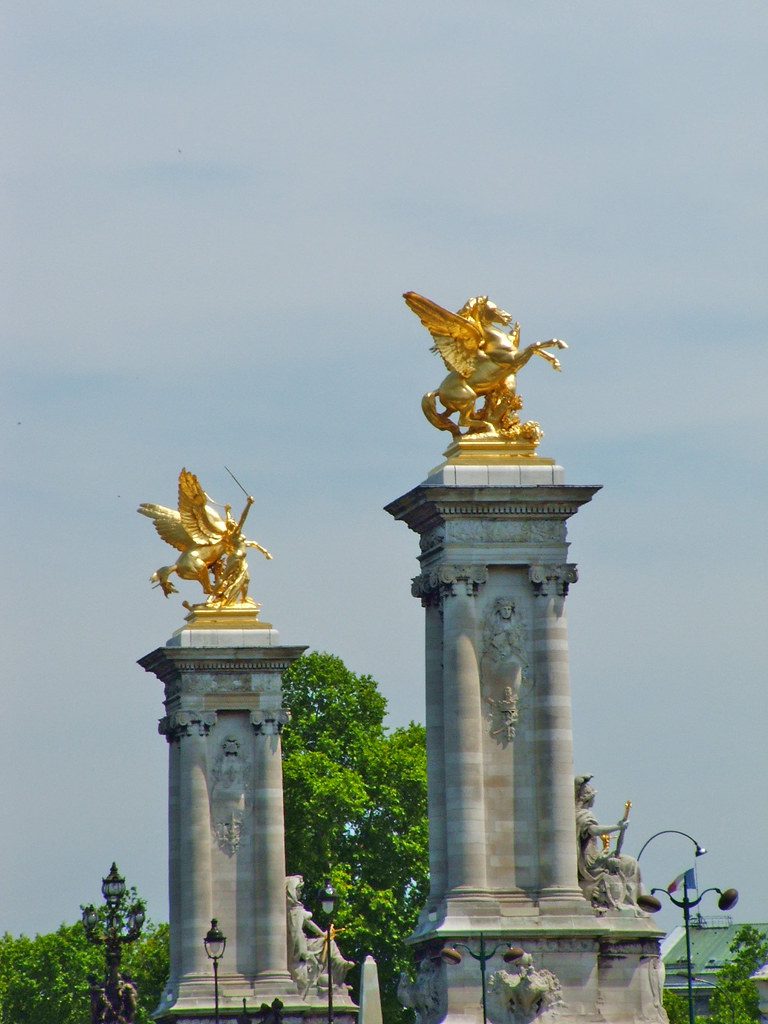 Experiences
Seine River Cruise
Discover Paris’s quays, bridges, and major monuments from the Seine during a cruise…
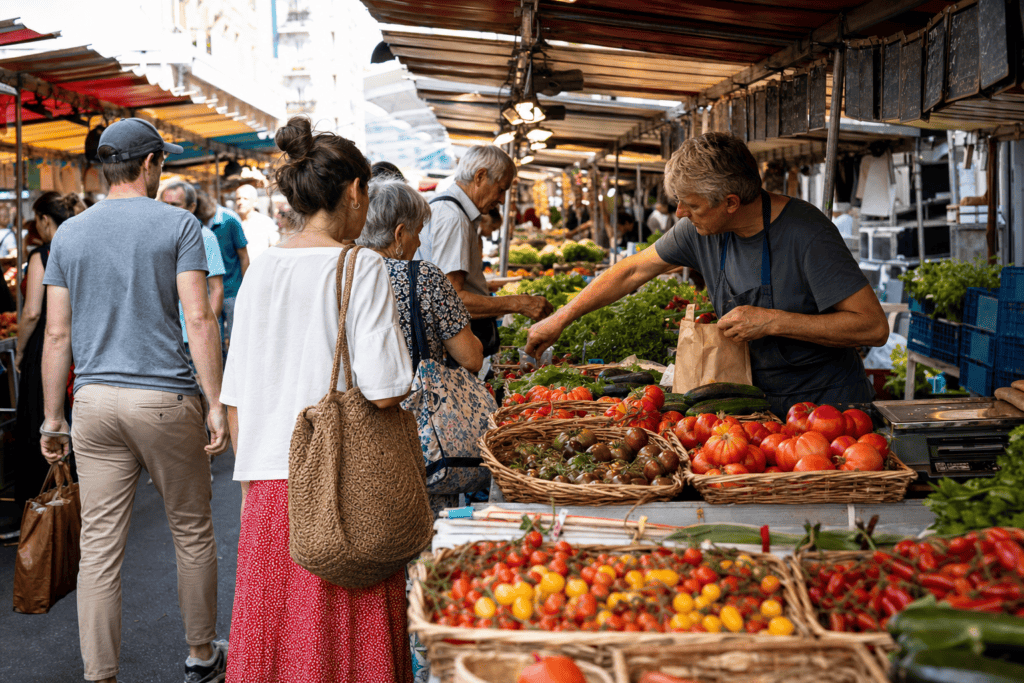 Markets
Aligre Market
A lively address in the 12th arrondissement where a food hall, outdoor stalls, and a flea market create a true Parisian stroll.
 Parks & gardens
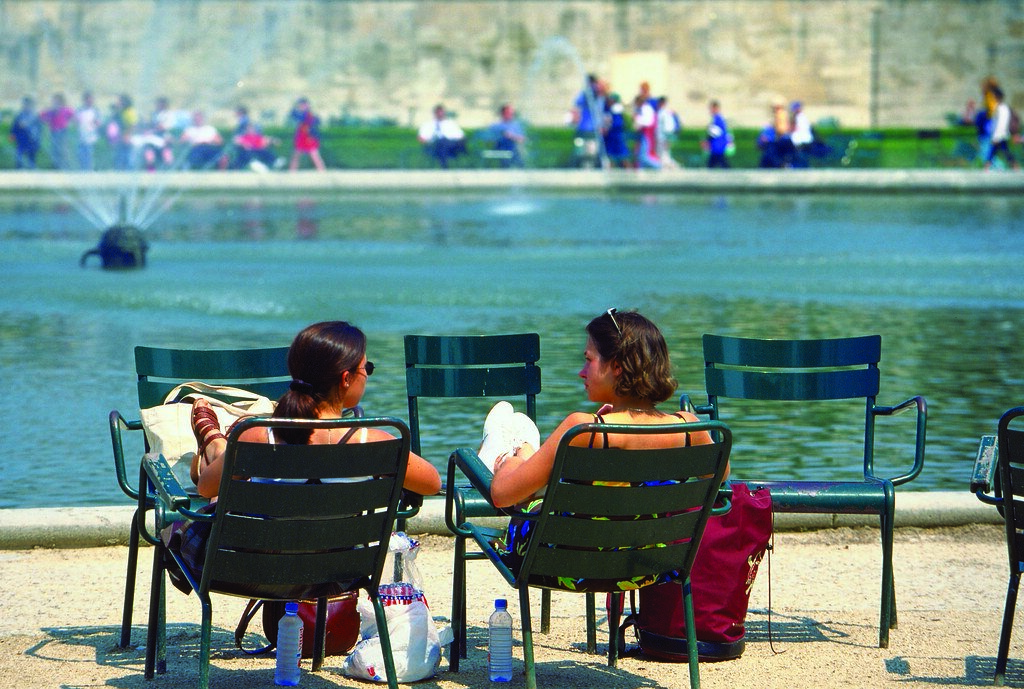
Luxembourg Garden
A historic garden covering about 23 hectares, ideal for a walk around the pond, a peaceful break, and…
 Family-friendly
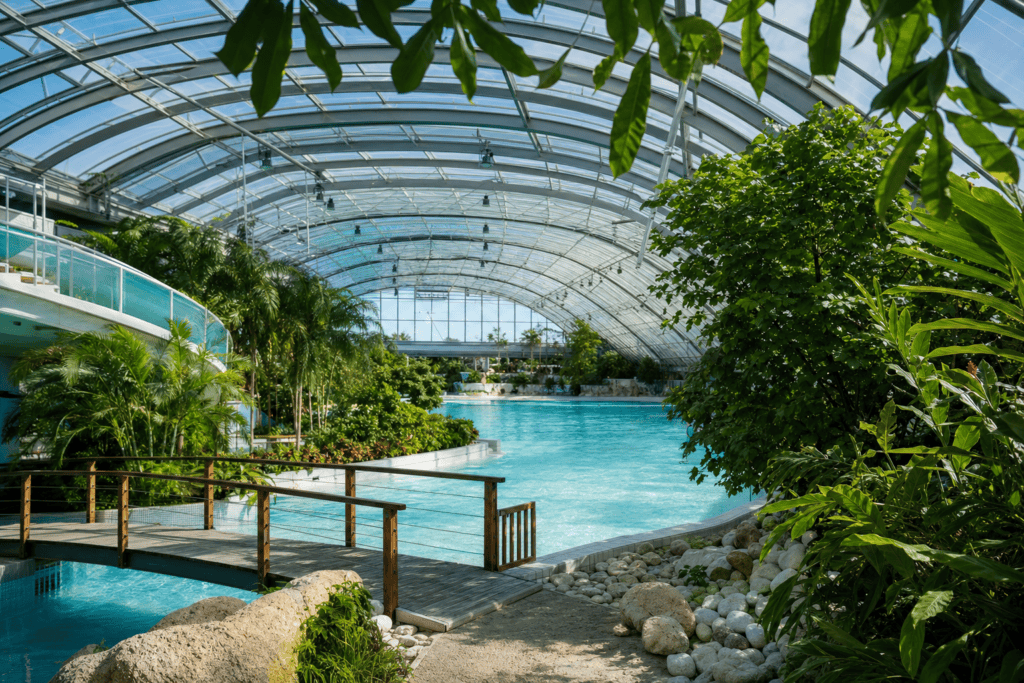
Aquaboulevard
An indoor water park in the 15th arrondissement, convenient for a half-day with the family between Balard and Porte de…
 Family-friendly
Paris Aquarium
A family-friendly visit in the heart of Trocadéro, with large tanks, jellyfish, sharks and educational activities.
 Heritage
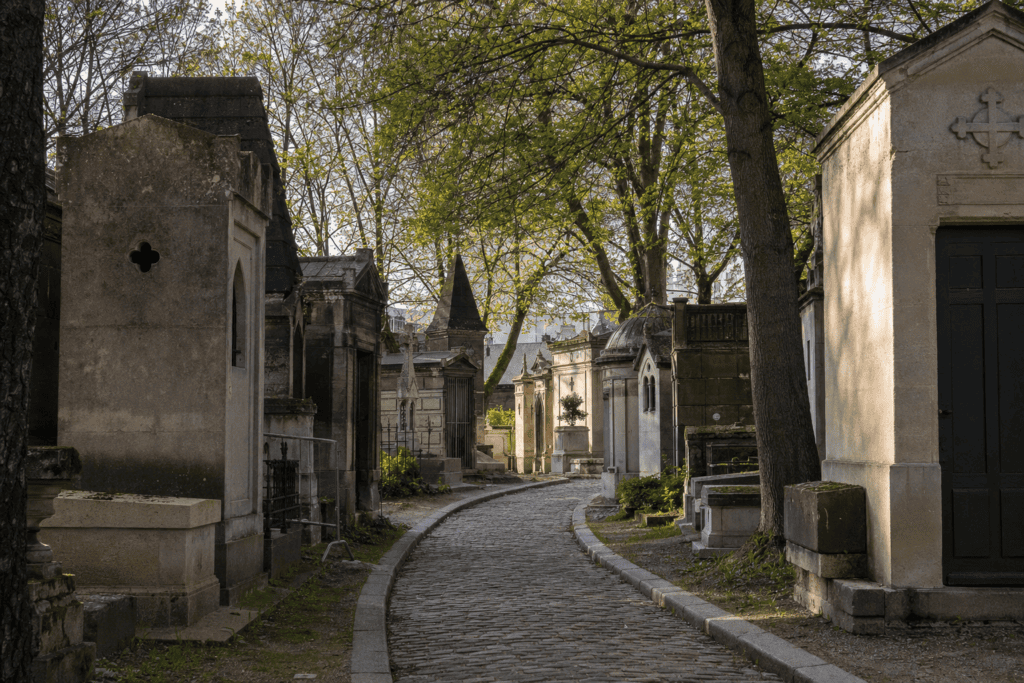
Montparnasse Cemetery
A leafy cultural walk following in the footsteps of writers, artists, and intellectuals in the heart of the 14th arrondissement…
 Neighborhoods
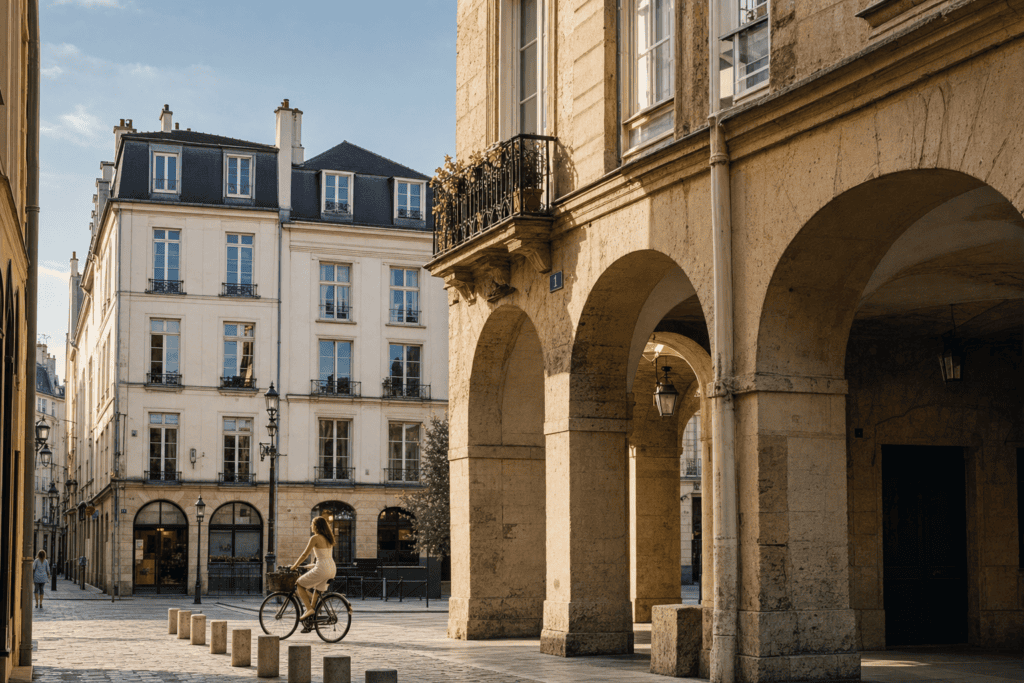
Le Marais
A must-see Paris neighborhood known for its private mansions, Place des Vosges, museums, Rue des…
 In the evening
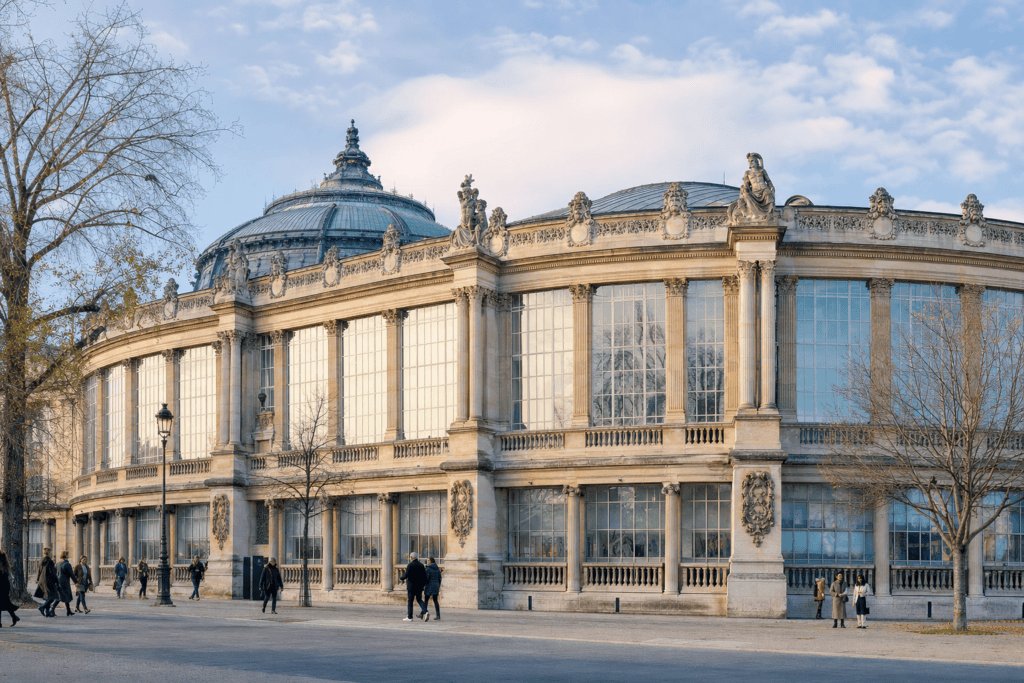
Le Palais des Glaces
A Paris venue known for comedy, stand-up, theater, and comedies, near République.
 Museums
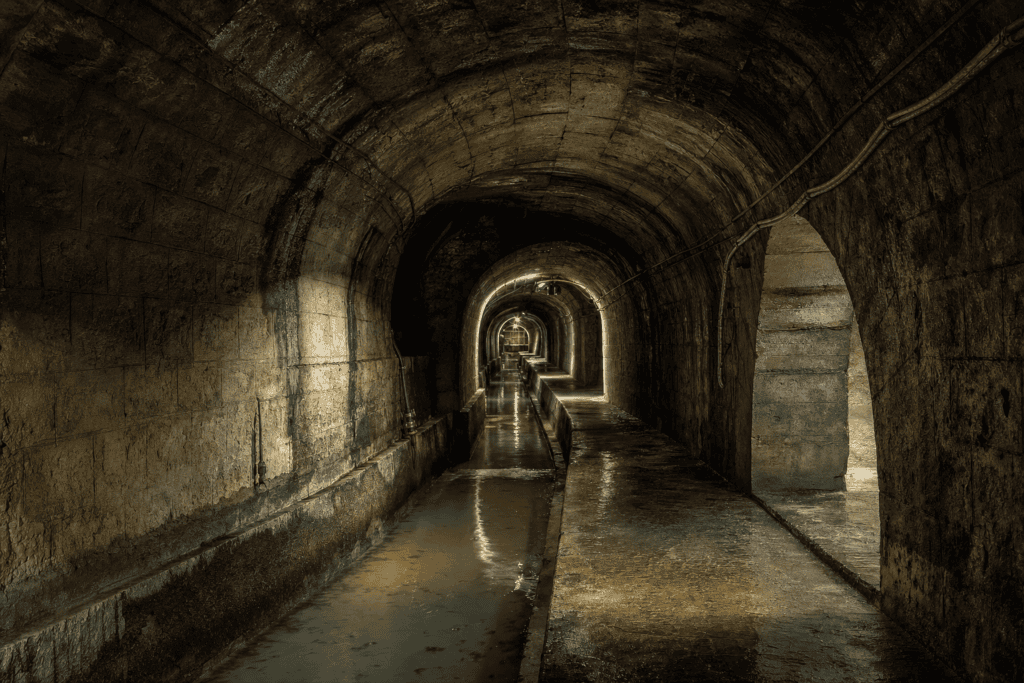
The Paris Sewers
An underground exploration of Paris that reveals the history of sanitation, its galleries, and the workers who maintain the…
 Markets
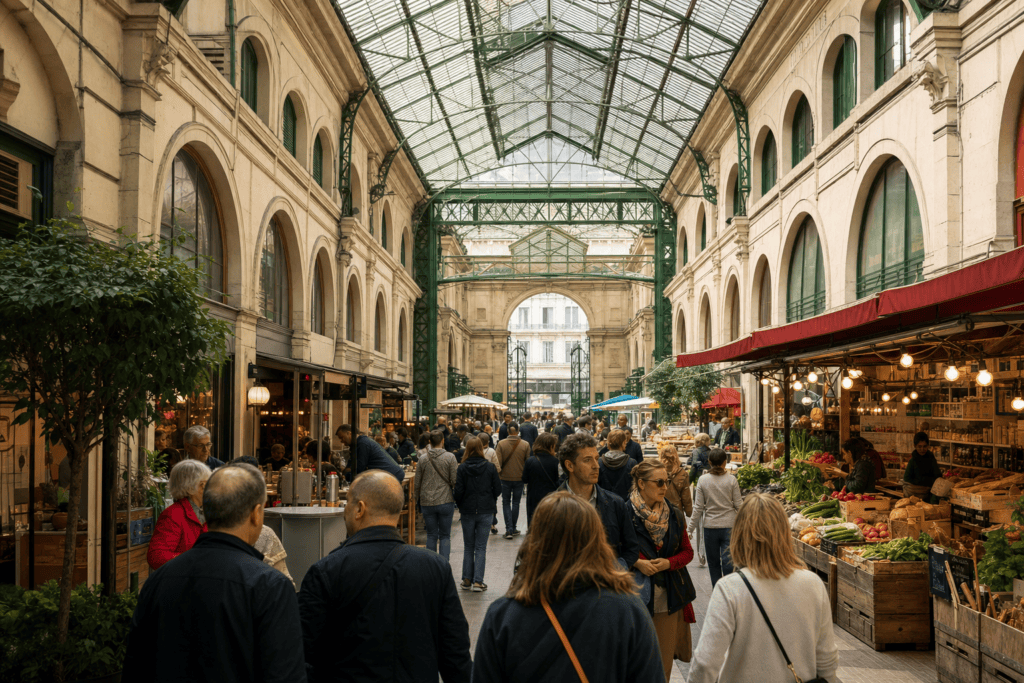
Saint-Quentin Covered Market
A covered market in the 10th arrondissement between Gare du Nord and Gare de l’Est, ideal for observing…
 Family-friendly
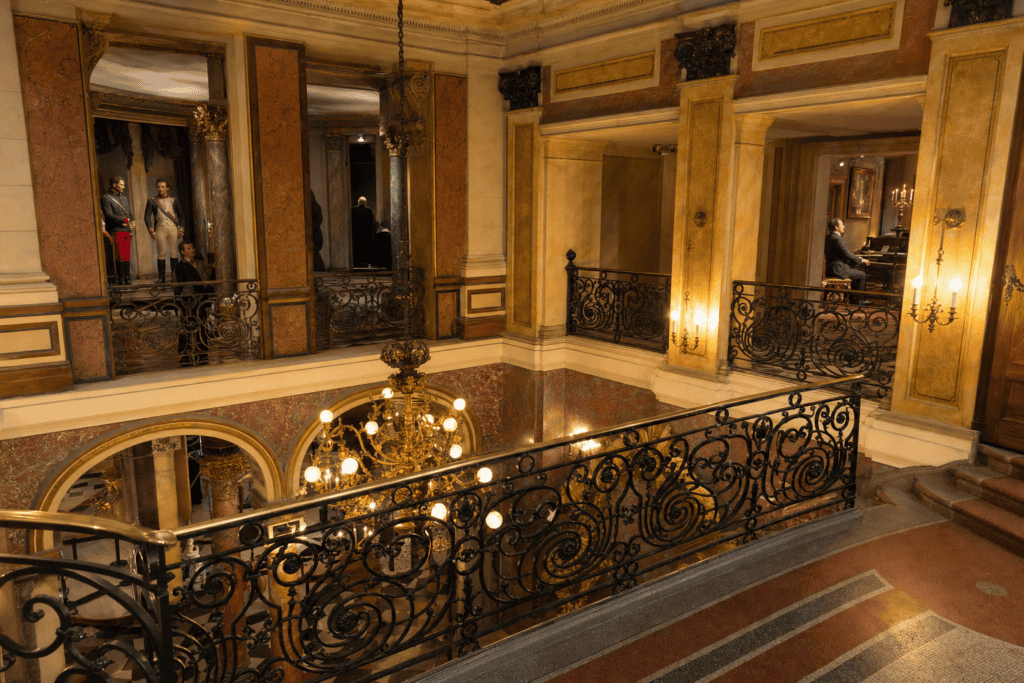
Musée Grévin
A family-friendly, photogenic outing in Paris featuring wax figures, historic sets, the Palais des Mirages, and passageways…
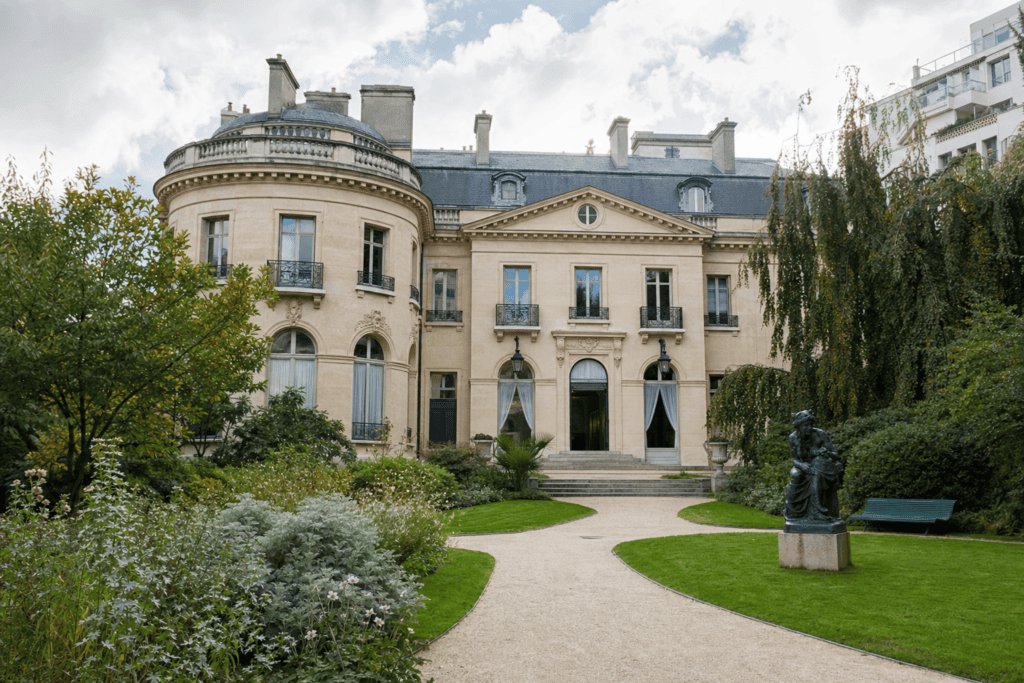 Museums
Musée Marmottan Monet
A remarkable collection of Monet and Berthe Morisot in the elegant atmosphere of a former Parisian private mansion.
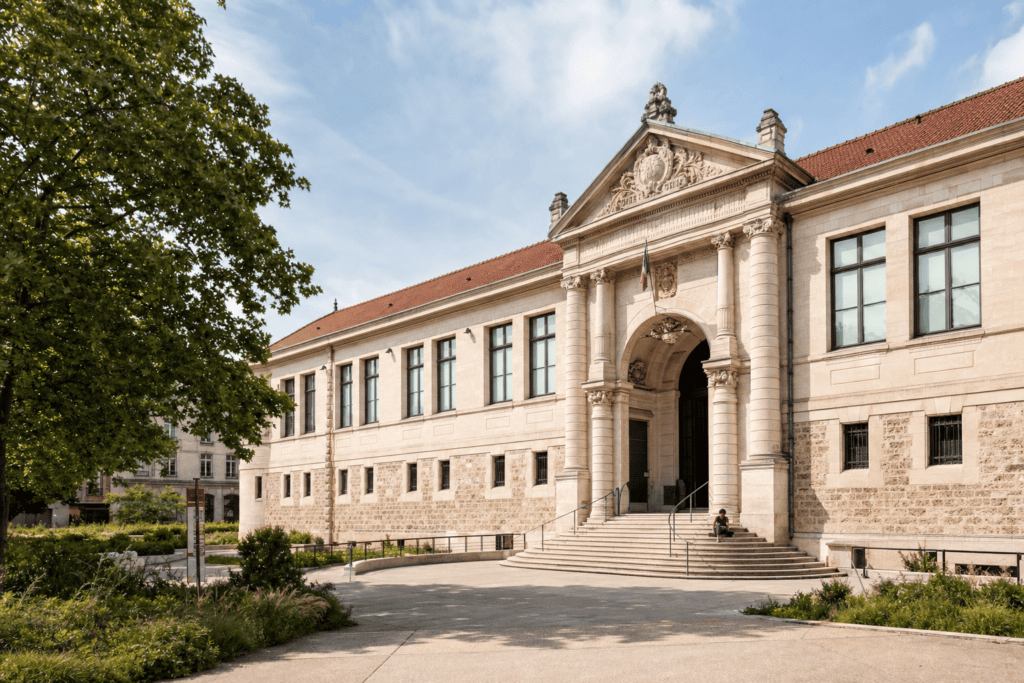 Museums
National Museum of the History of Immigration
An essential Paris museum for understanding the history of migration, individual journeys, and the role of cultural exchange…
 Experiences
Paris Opera Bastille
Opera, ballet, contemporary architecture, and a walk around Bastille: an iconic cultural outing in Paris.
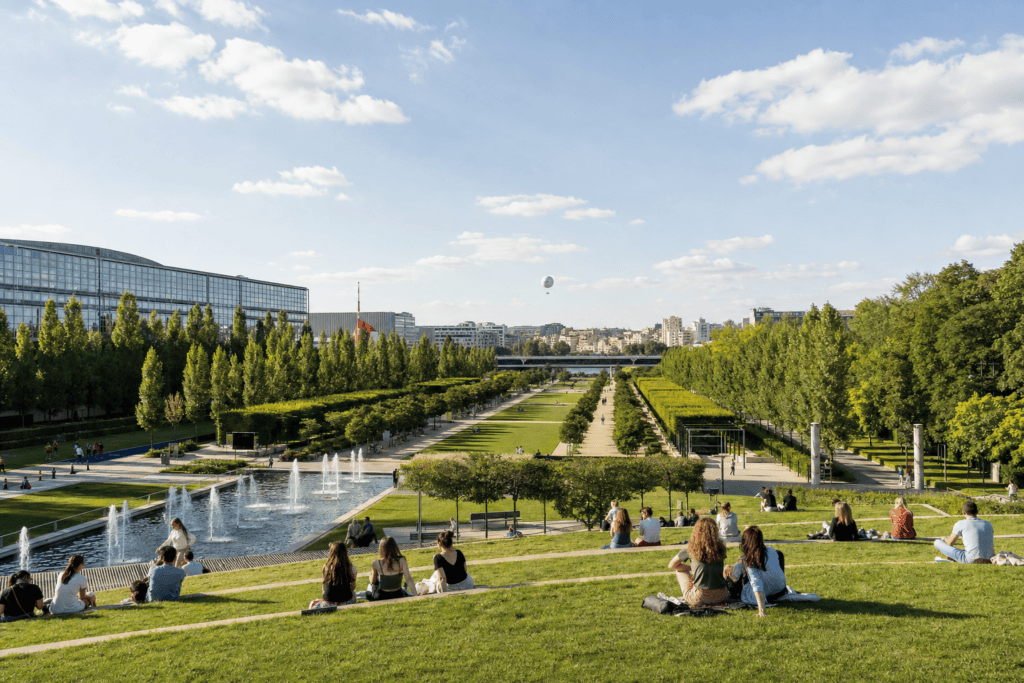 Parks & gardens
Parc André-Citroën
A contemporary 14-hectare park with large greenhouses, themed gardens, a central lawn and Seine riverbanks.
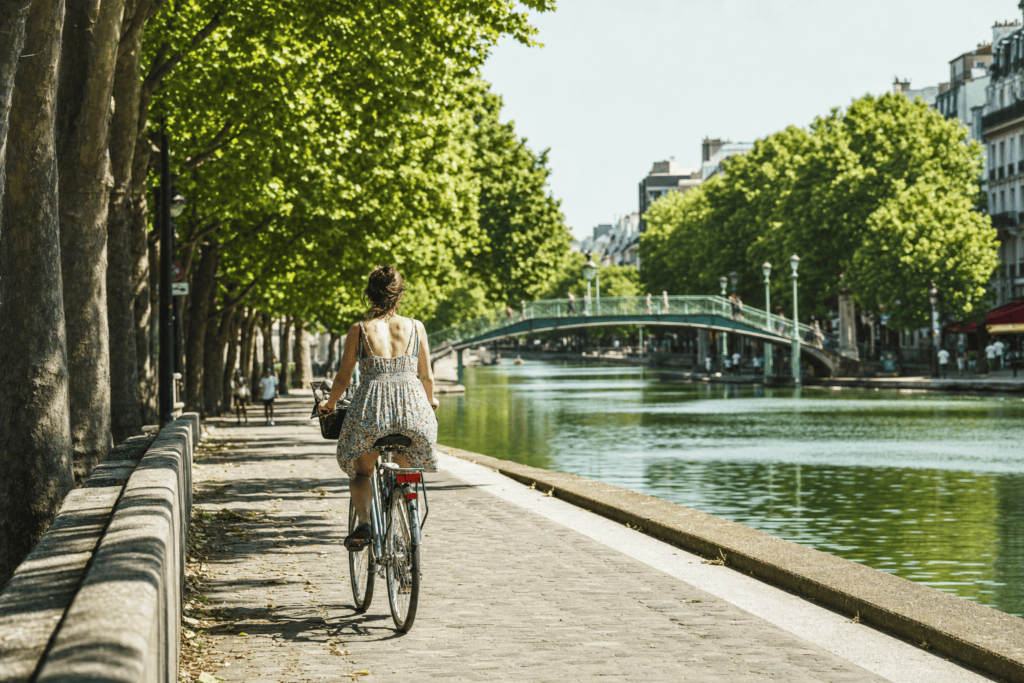 Experiences
Paris by Bike Along the Ourcq Canal
A flexible cycling outing between Bassin de la Villette, Pantin, Bobigny, and the greener landscapes of…
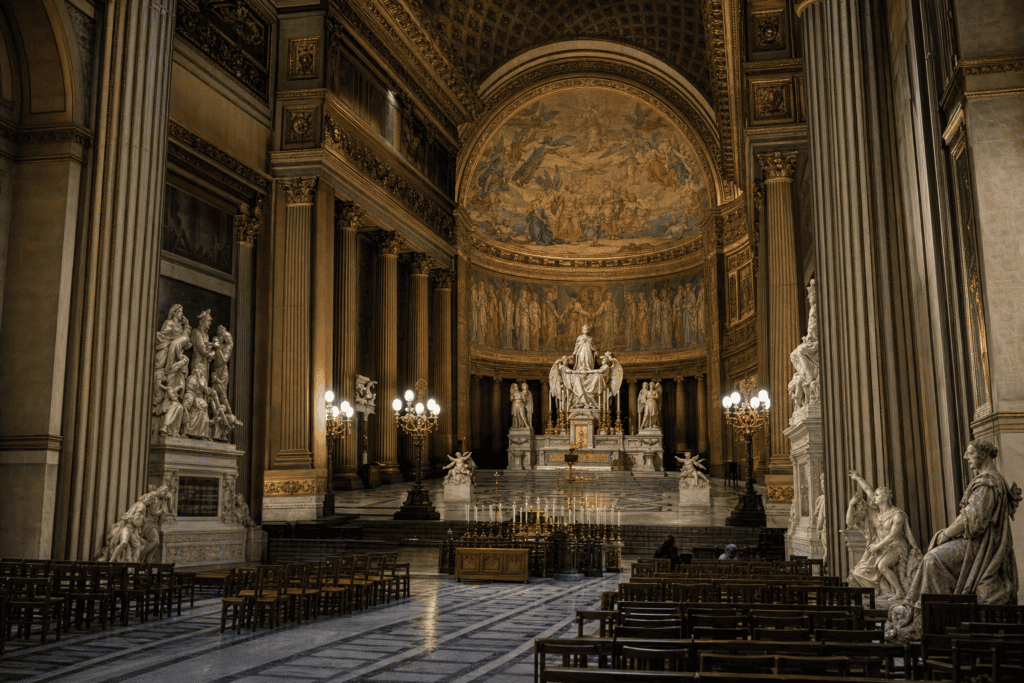 Religious sites
La Madeleine Church
A major Neoclassical landmark, ideal for a stop between Place de la Concorde, the Palais Garnier, and the department stores.
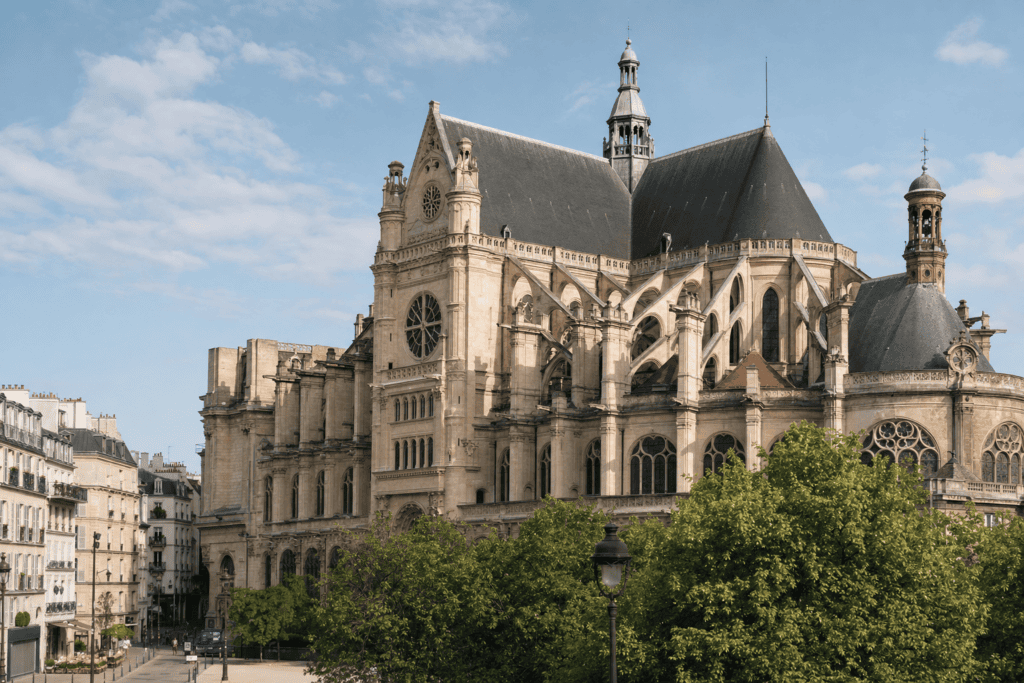 Religious sites
Saint-Eustache Church
A monumental church in Les Halles where architecture, the memory of traditional trades, ancient art, and contemporary creativity come together.
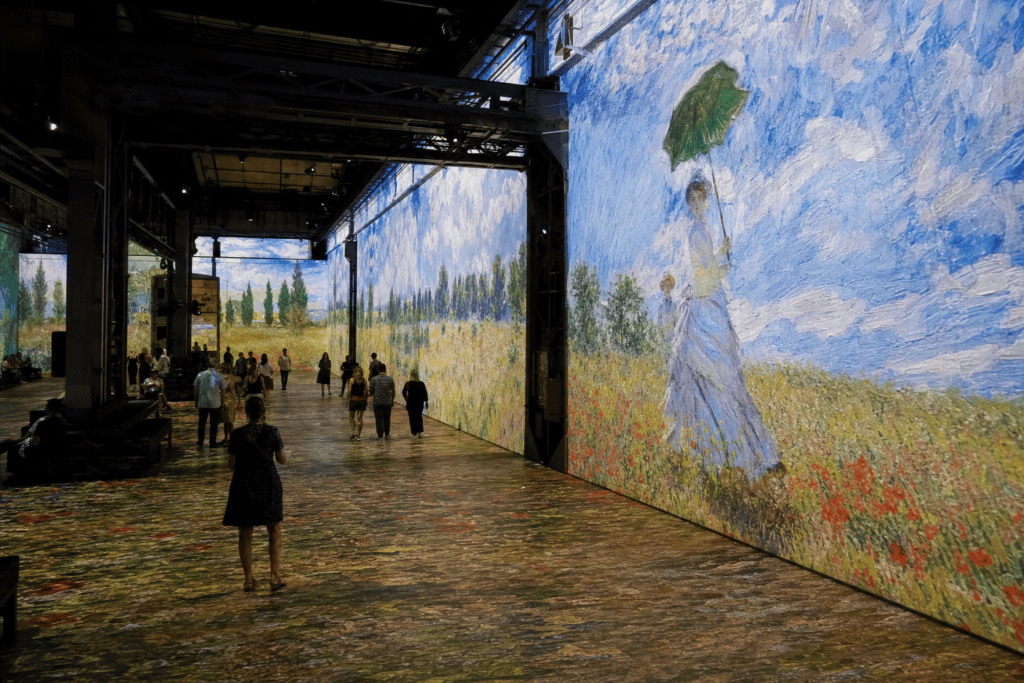 Experiences
Atelier des Lumières
In a former foundry in the 11th arrondissement, Atelier des Lumières combines monumental projections, music and industrial architecture.
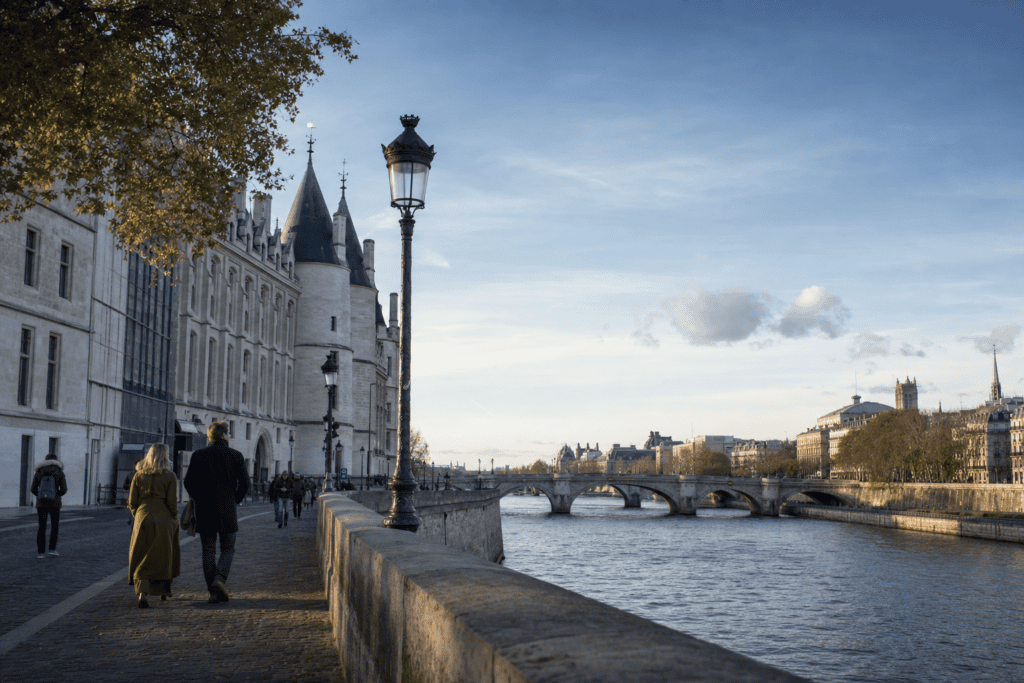 Experiences
Photo Walk Along the Seine
A photographic route along the Seine, between Notre-Dame, the Louvre, historic bridges, and the Eiffel Tower…
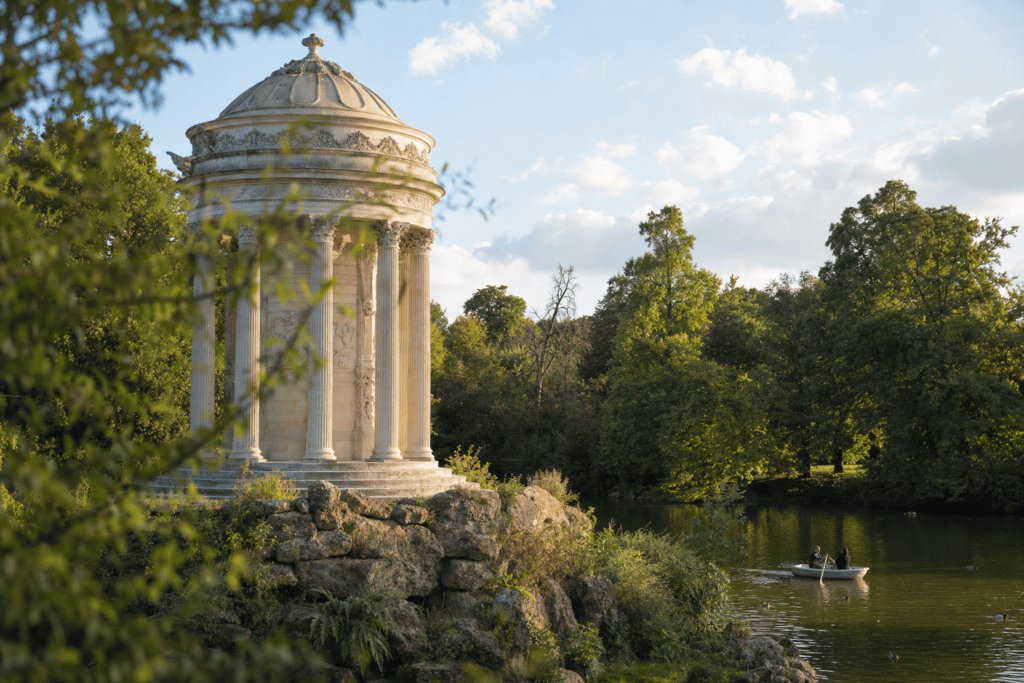 Nature
Bois de Boulogne
A vast green space west of Paris, ideal for walking, cycling, exploring gardens, and organizing a…
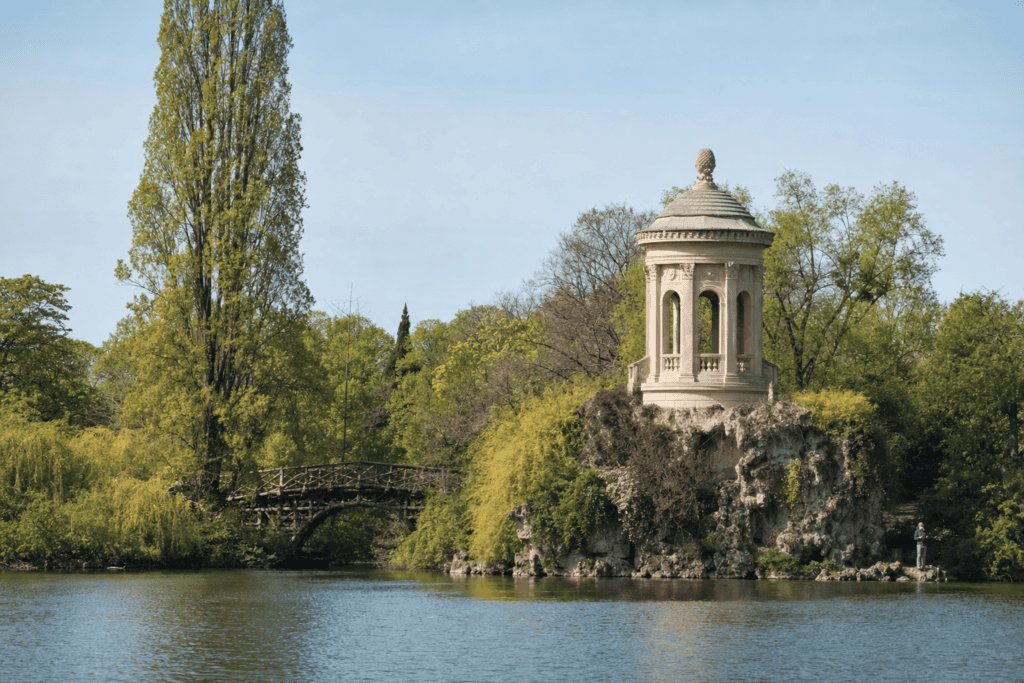 Nature
Bois de Vincennes
Lakes, forest, cycling paths, and botanical gardens: an easy nature escape from Paris.
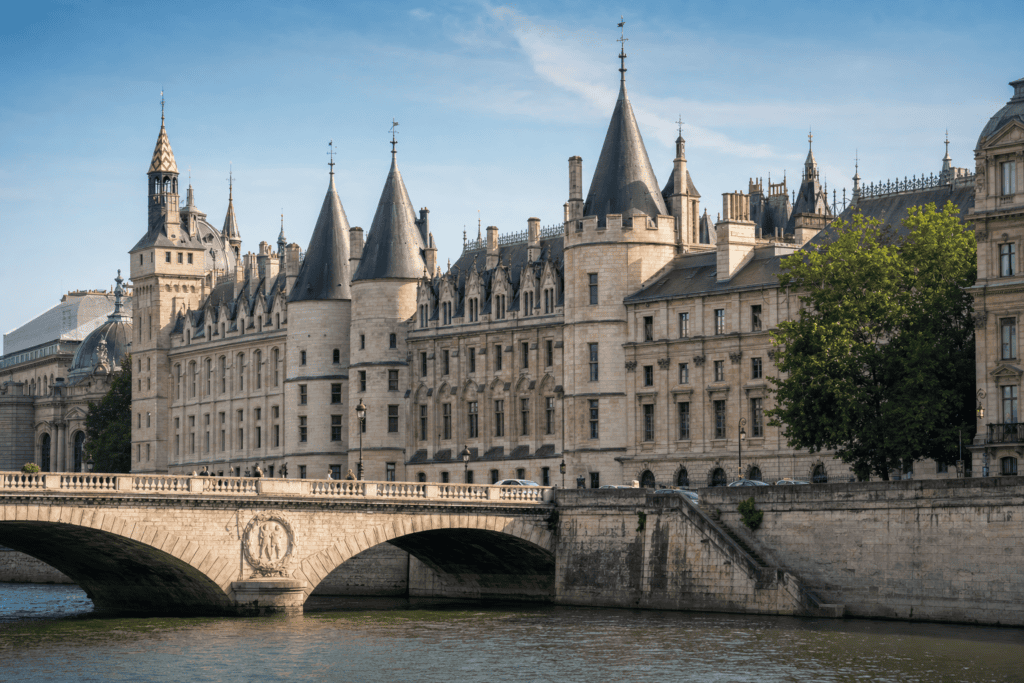 Monuments
Conciergerie
An iconic landmark on Île de la Cité, combining medieval architecture, the French Revolution, and the memory of Marie-Antoinette.
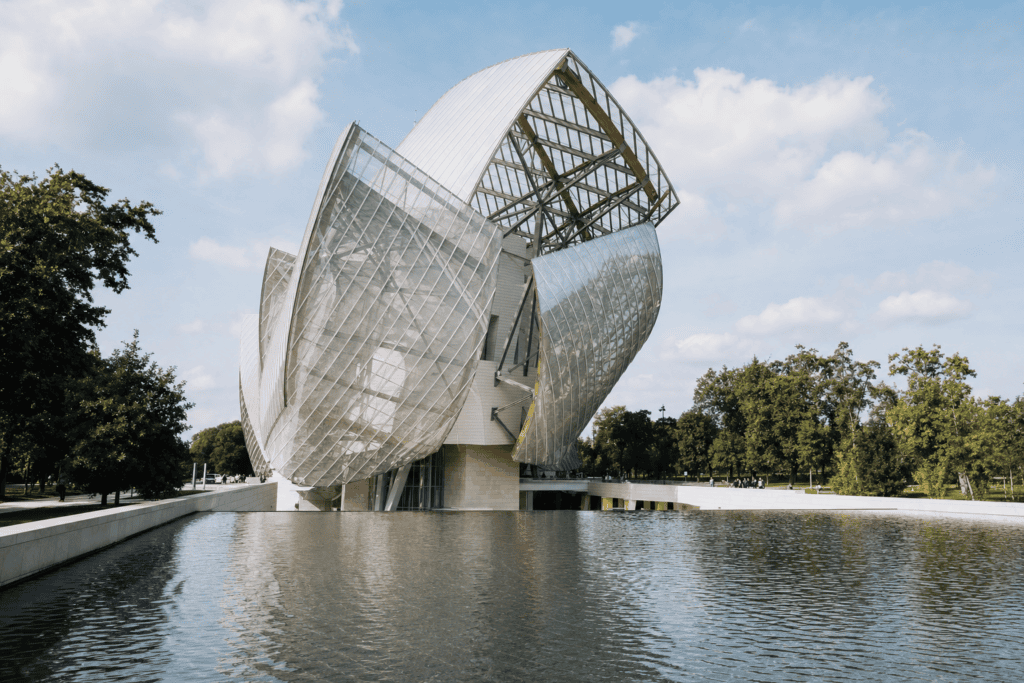 Museums
Fondation Louis Vuitton
A remarkable Paris cultural venue where exhibitions engage with Frank Gehry’s architecture and the surrounding landscape…
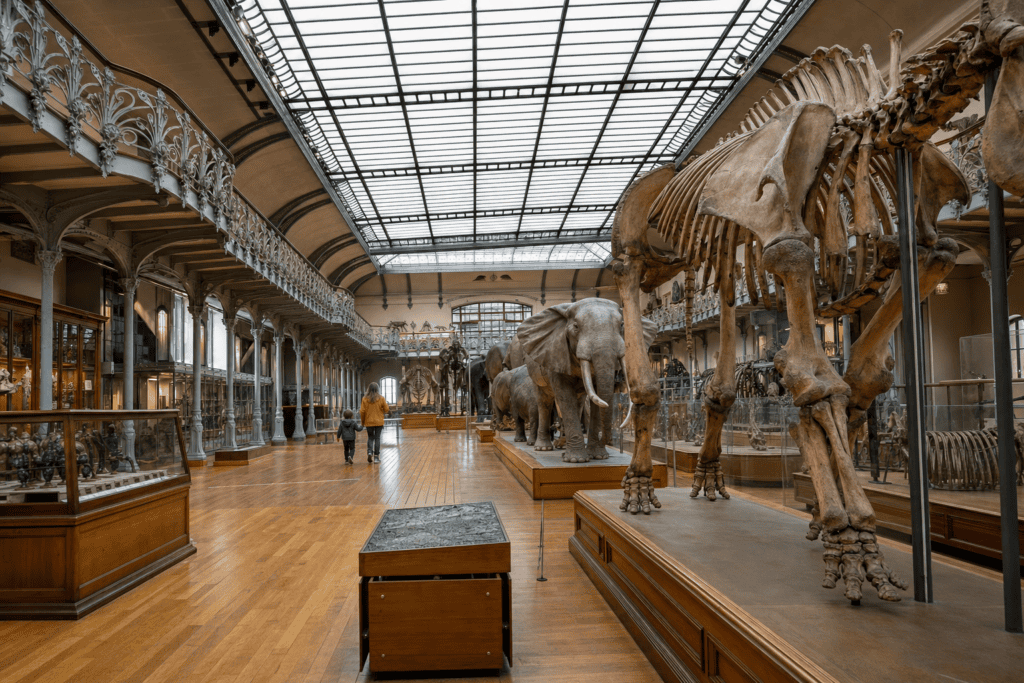 Museums
Gallery of Evolution
A monumental nave and an impressive display of animals in the heart of the Jardin des Plantes, ideal for an outing…
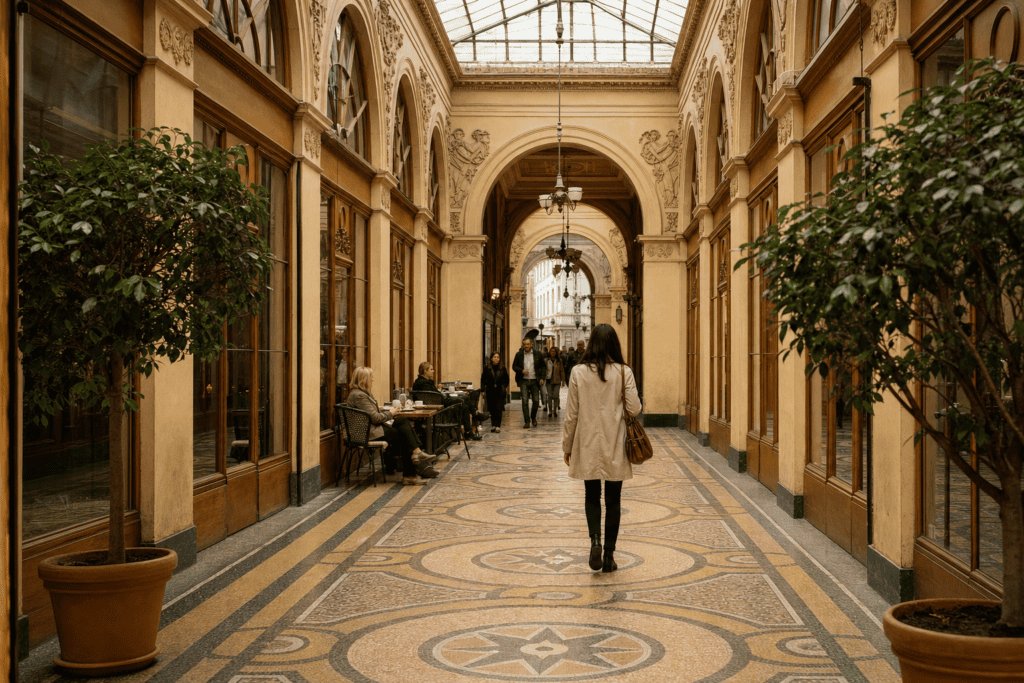 Shopping
Galerie Vivienne
A historic Parisian arcade where mosaics, a glass roof, an old bookshop, and refined boutiques create an elegant walk near the…
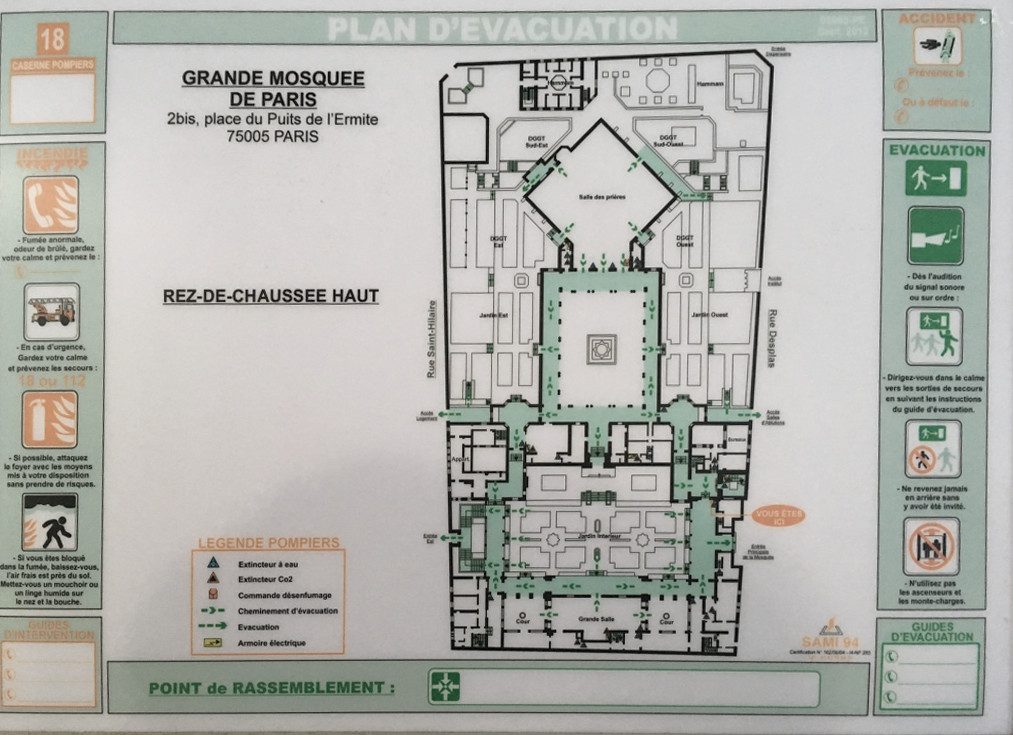 Religious sites
Grand Mosque of Paris
A remarkable Hispano-Moorish monument in the 5th arrondissement, known for its patio, mosaics, tea room, and…
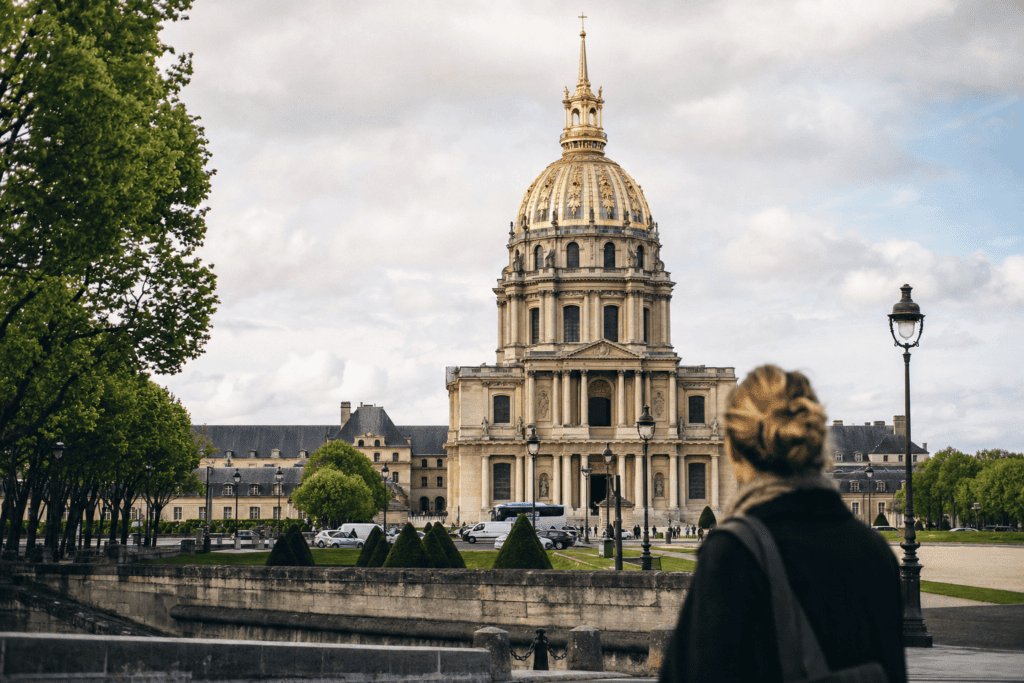 Heritage
Hôtel des Invalides
A monumental Paris complex combining royal architecture, military history, museums, and Napoleon’s tomb beneath a…
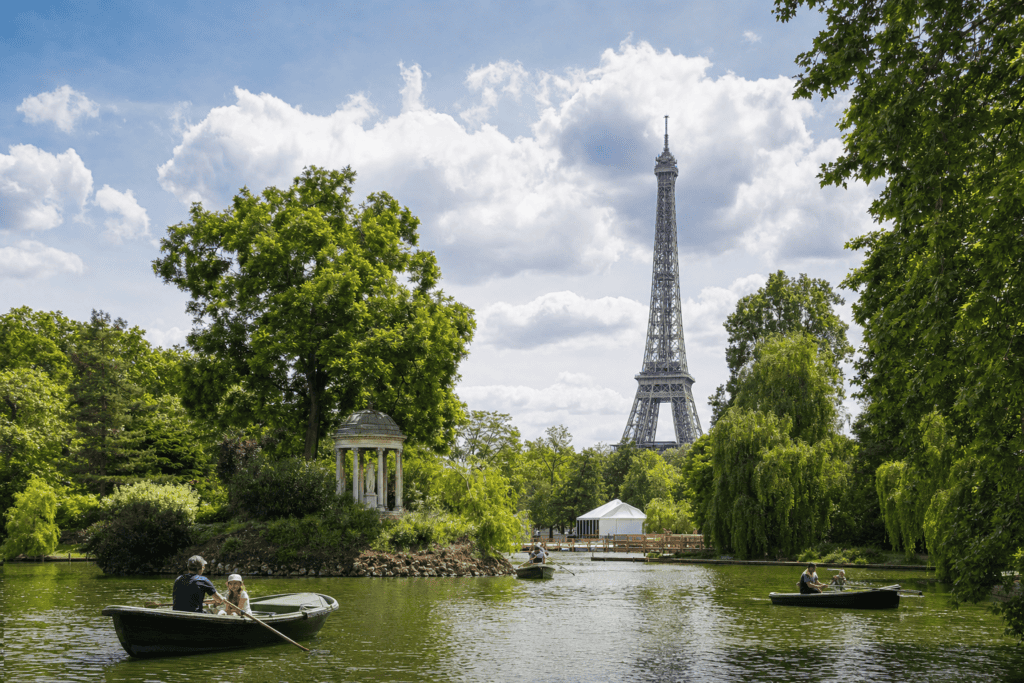 Family-friendly
Jardin d’Acclimatation
A historic Paris park with rides, animals, gardens, and walking paths for a family outing adaptable to several…
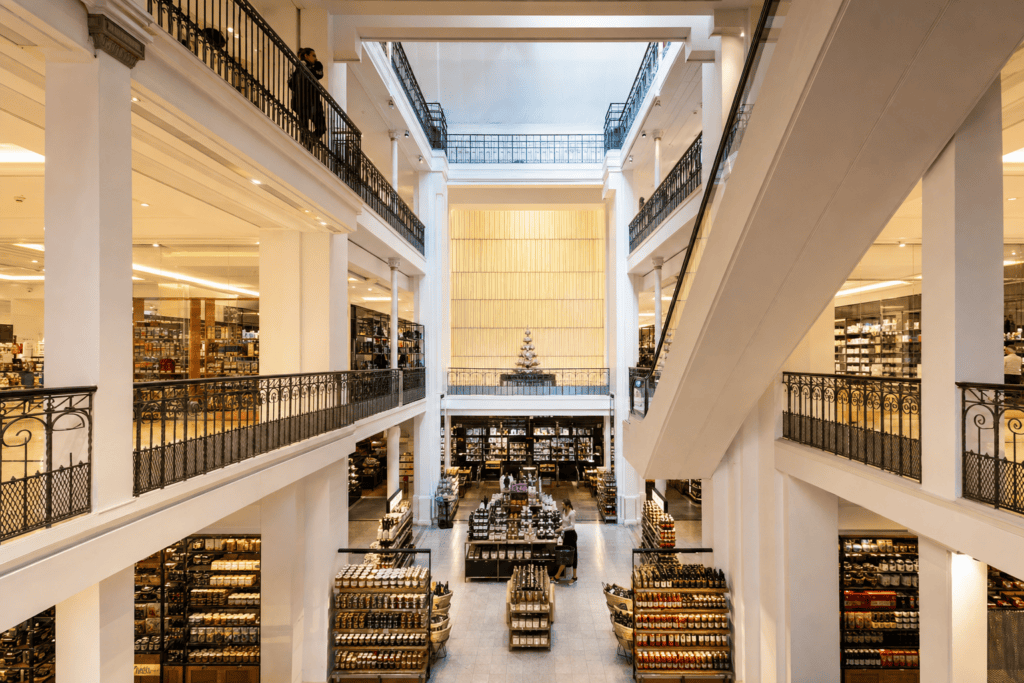 Gastronomy
La Grande Épicerie de Paris
Two Paris locations for discovering French specialties, fresh produce, pastries, chocolates, condiments, and international selections.
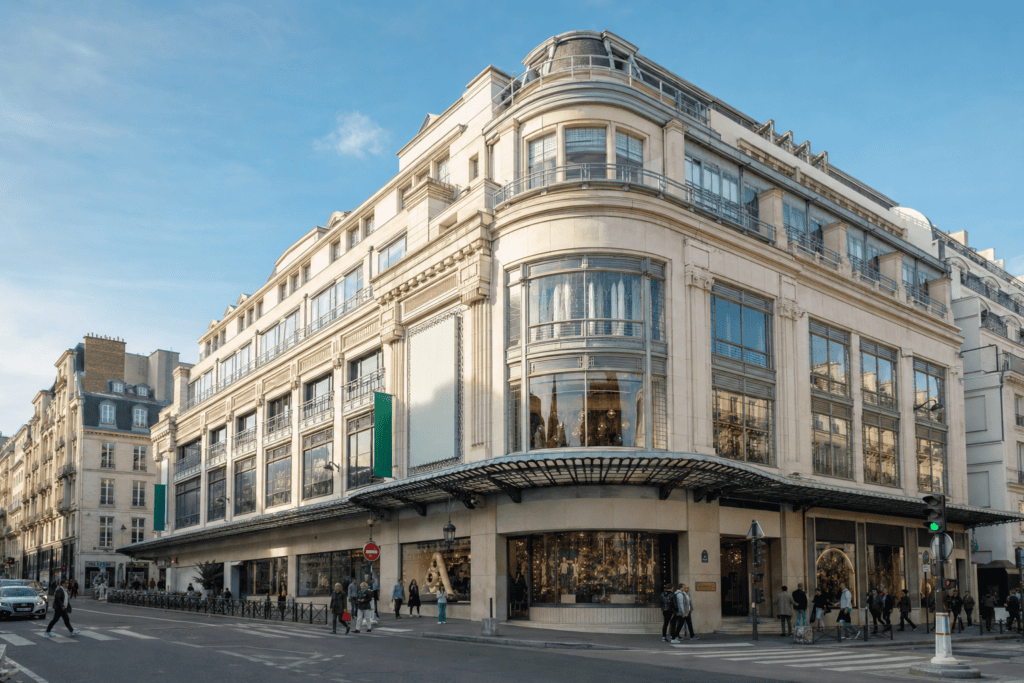 Shopping
Le Bon Marché Rive Gauche
A historic department store on Paris’s Left Bank, combining fashion, design, gastronomy, and the Parisian art of living.
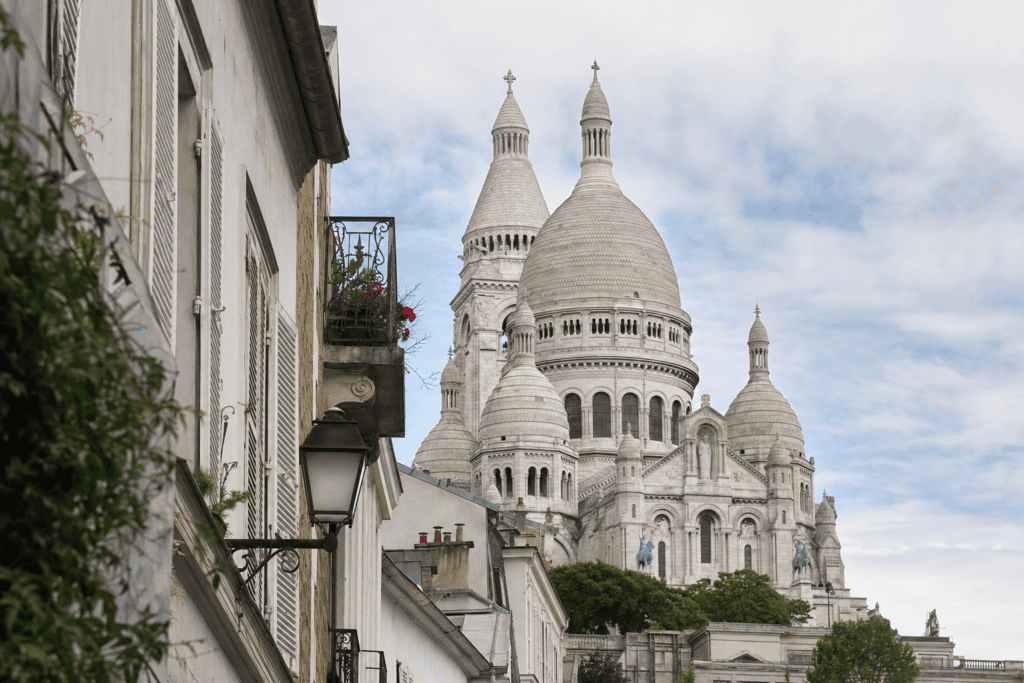 Must-see
Montmartre and the Sacré-Cœur Basilica
A walking route between Abbesses, Place du Tertre, and Sacré-Cœur, with picturesque streets, history…
 Must-see
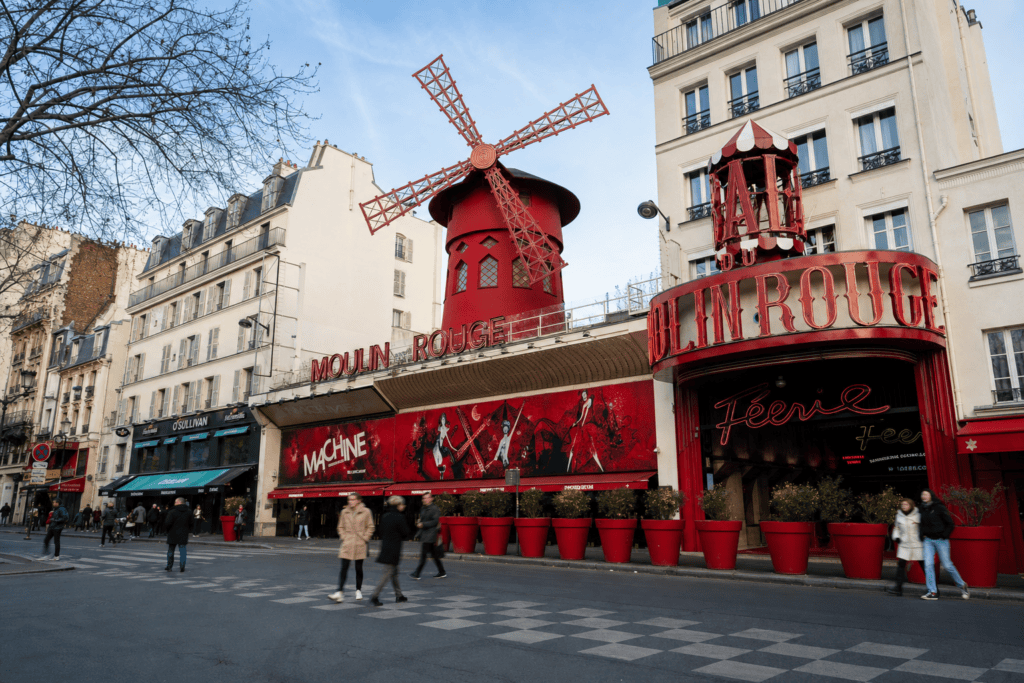
Moulin Rouge
A historic Montmartre cabaret, famous for its Féerie revue, spectacular costumes, and the legacy of the French Cancan.
 Museums
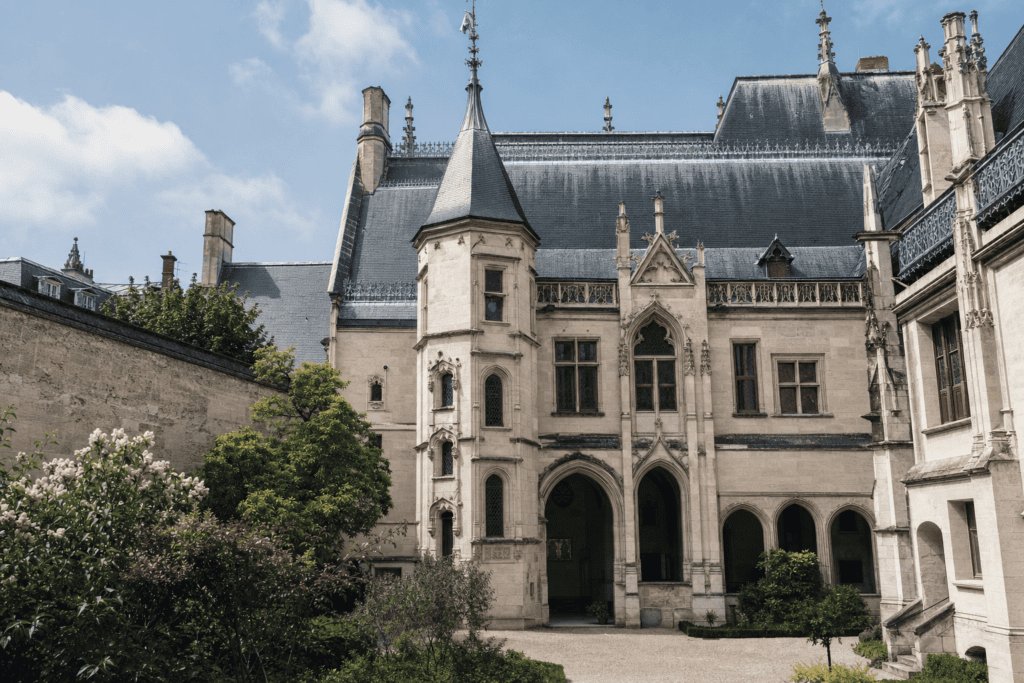
Cluny Museum
A unique Paris museum featuring ancient Roman baths, the former Cluny abbots’ residence, and the mysterious…
 Museums
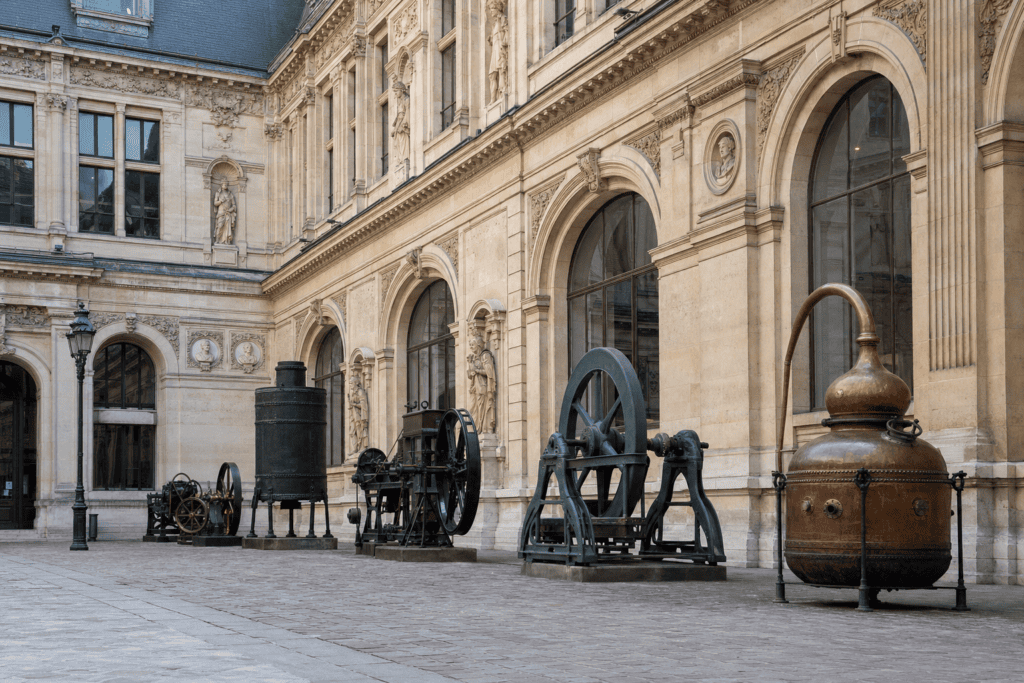
Musée des Arts et Métiers
A Paris museum dedicated to inventions, machines, and scientific instruments, including Foucault’s pendulum in…
 Museums
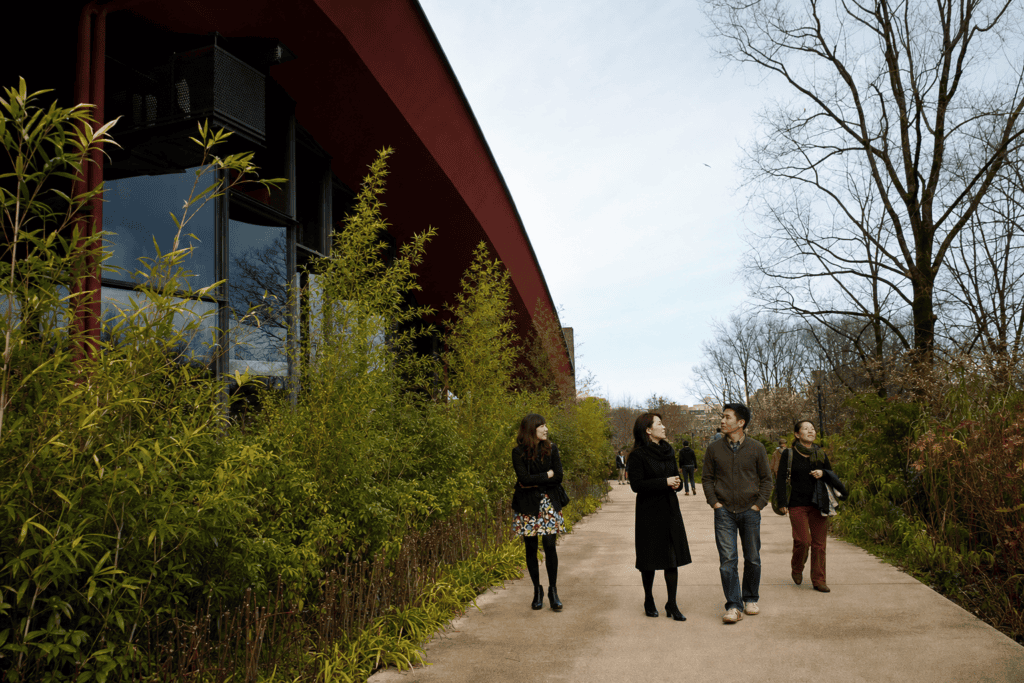
Musée du quai Branly – Jacques Chirac
A Paris museum dedicated to the arts and civilizations of Africa, Asia, Oceania, and the Americas, with a remarkable garden…
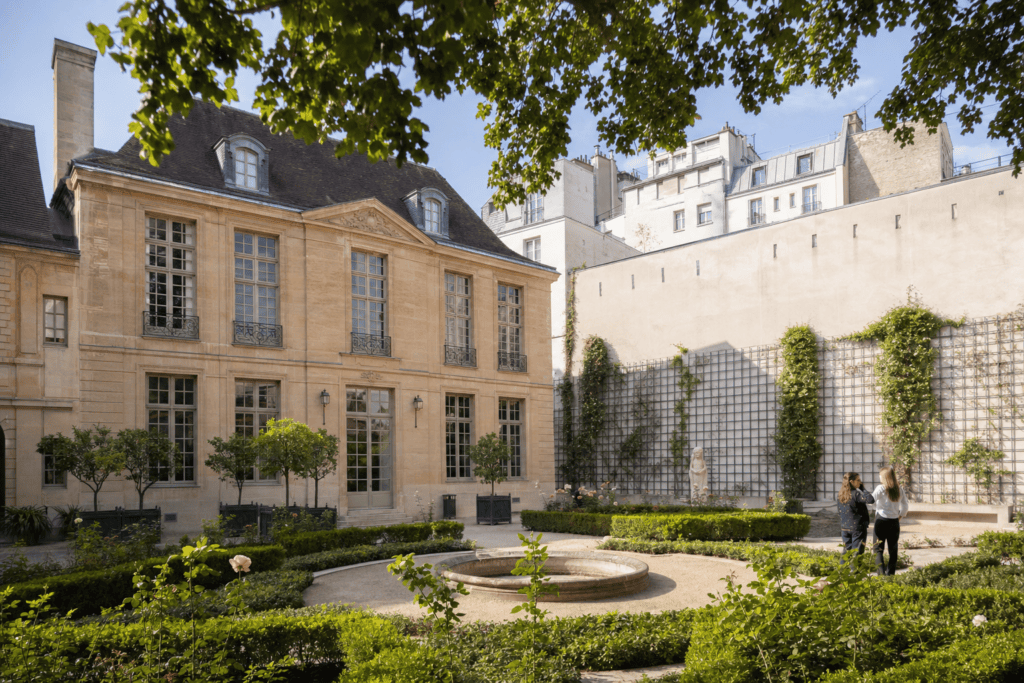 Museums
Musée Picasso Paris
A major Picasso collection in the Hôtel Salé, in the historic heart of the Marais.
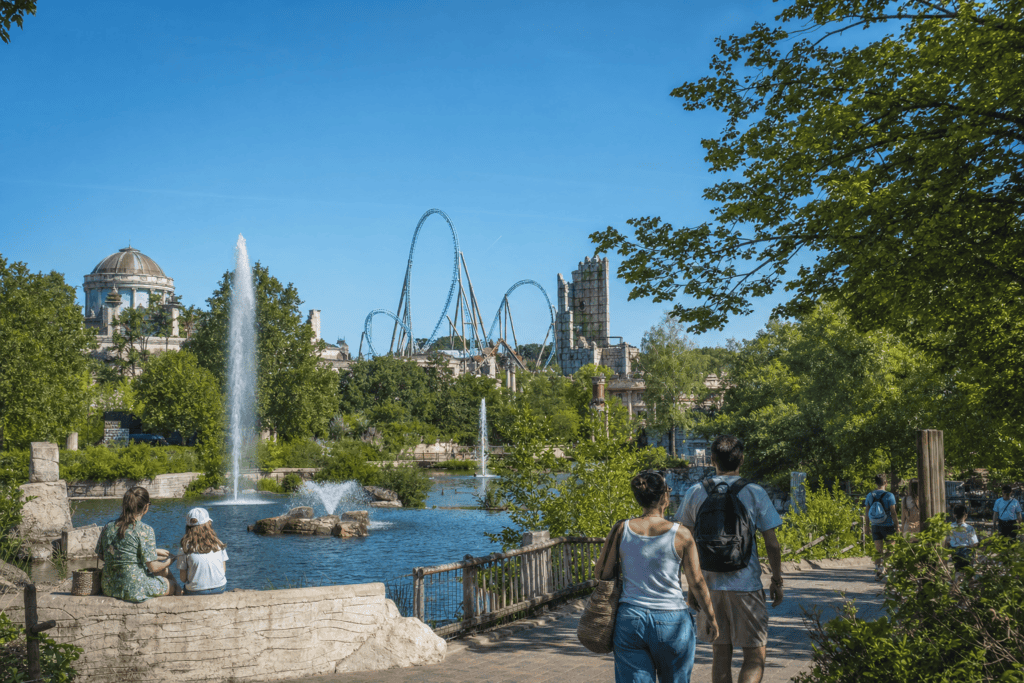 Family-friendly
Parc Astérix
In Plailly, attractions, shows and Gallic humor make for an easy-to-organize family day trip from Paris or Roissy.
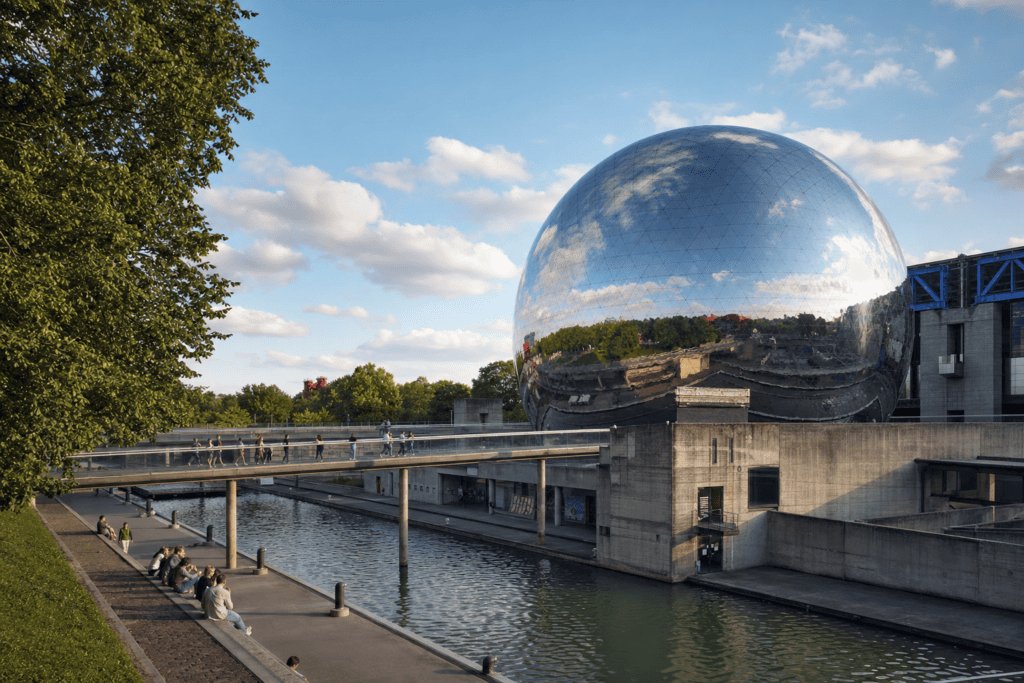 Parks & gardens
La Villette Park
A large Parisian park combining gardens, contemporary architecture, the Ourcq Canal, museums, concerts and outdoor activities.
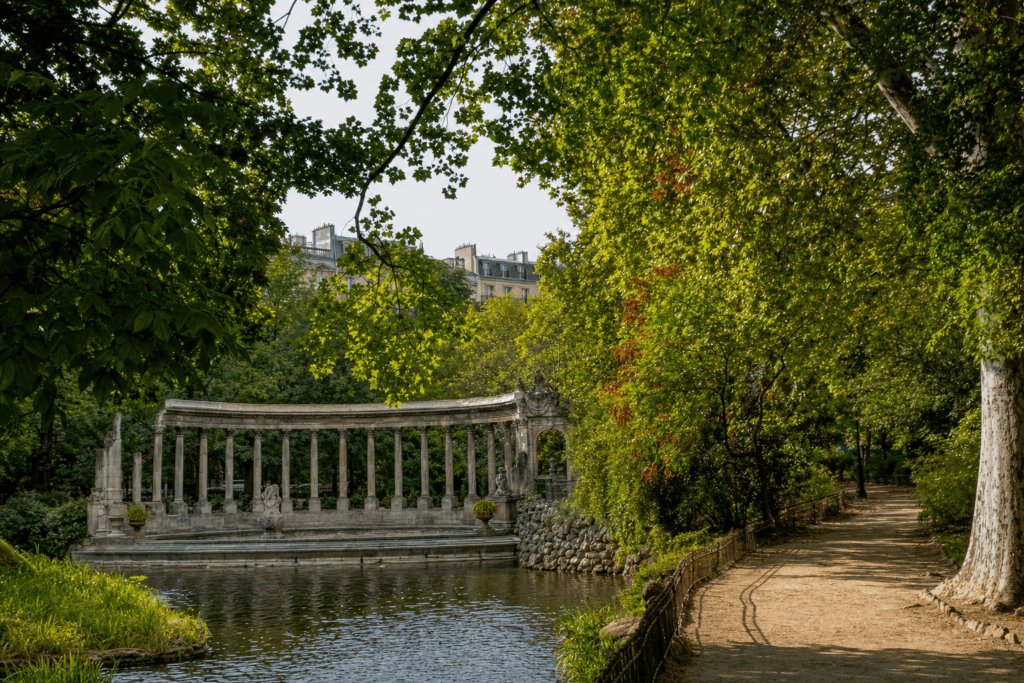 Parks & gardens
Monceau Park
An elegant Parisian garden known for its follies, pond, trees and residential atmosphere.
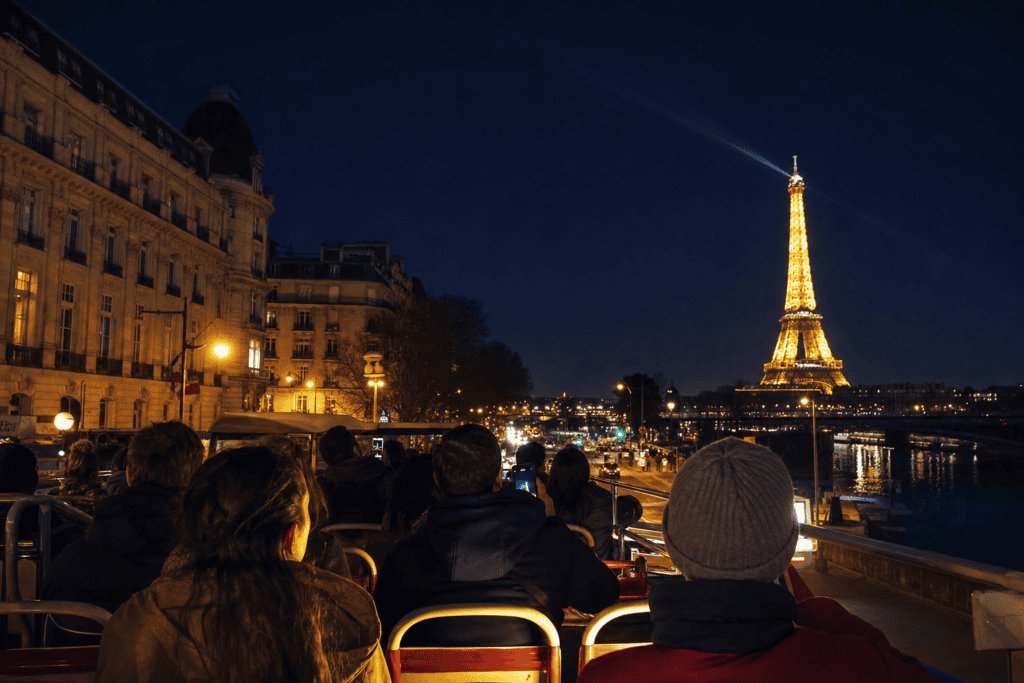 Experiences
Paris by Night on a Panoramic Bus
A comfortable evening loop for admiring Paris’s illuminated monuments, with a route and departure from…
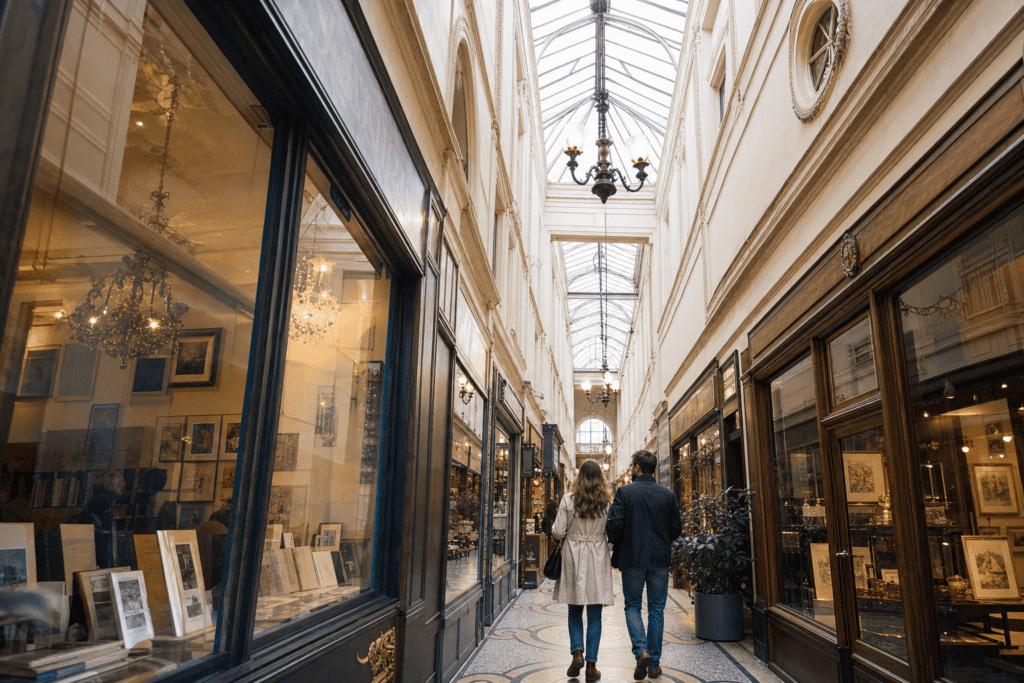 Heritage
Passage des Panoramas
A historic covered arcade in Paris, notable for its glass roof, specialty shops, side passages, and…
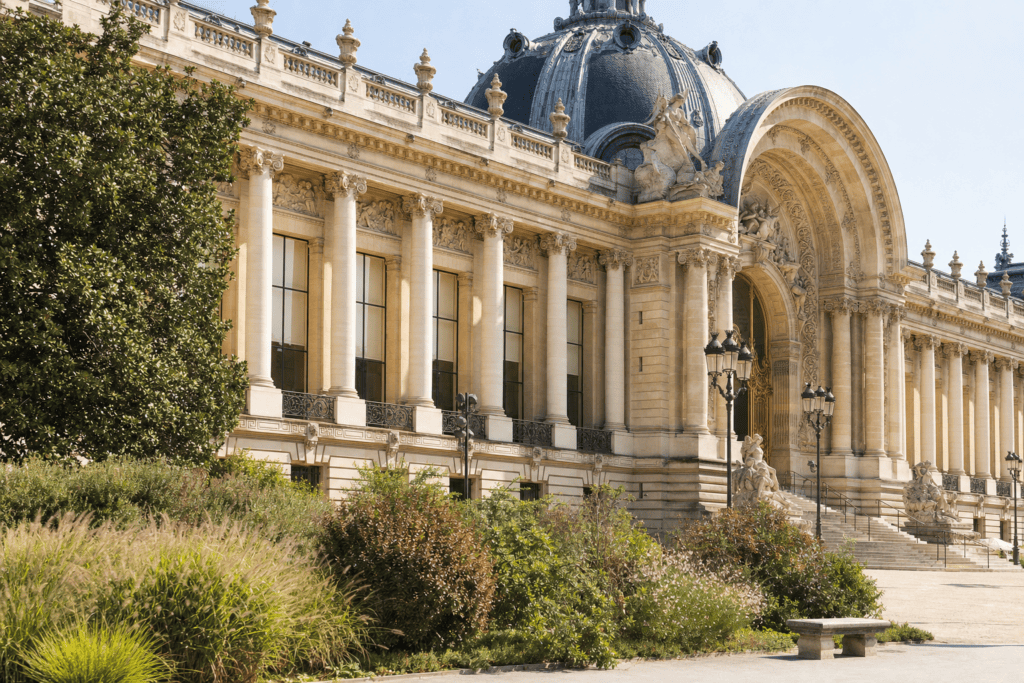 Museums
Petit Palais
A free Paris museum renowned for its 1900 architecture, varied collections and interior garden.
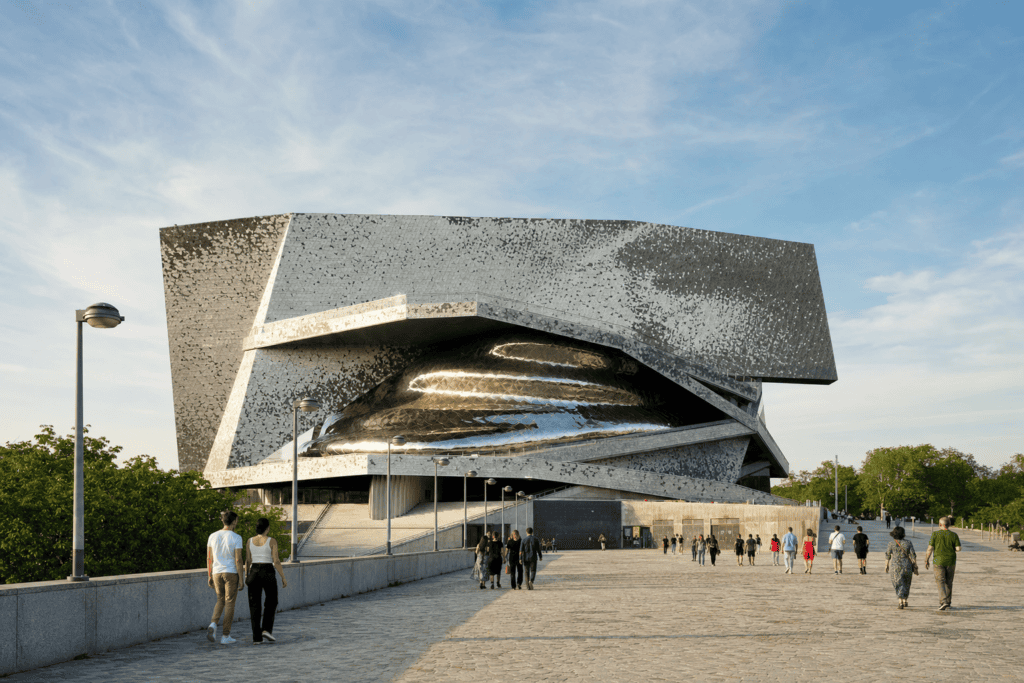 Experiences
Philharmonie de Paris
A major Paris cultural venue for listening to orchestras, discovering Jean Nouvel’s architecture, and exploring the…
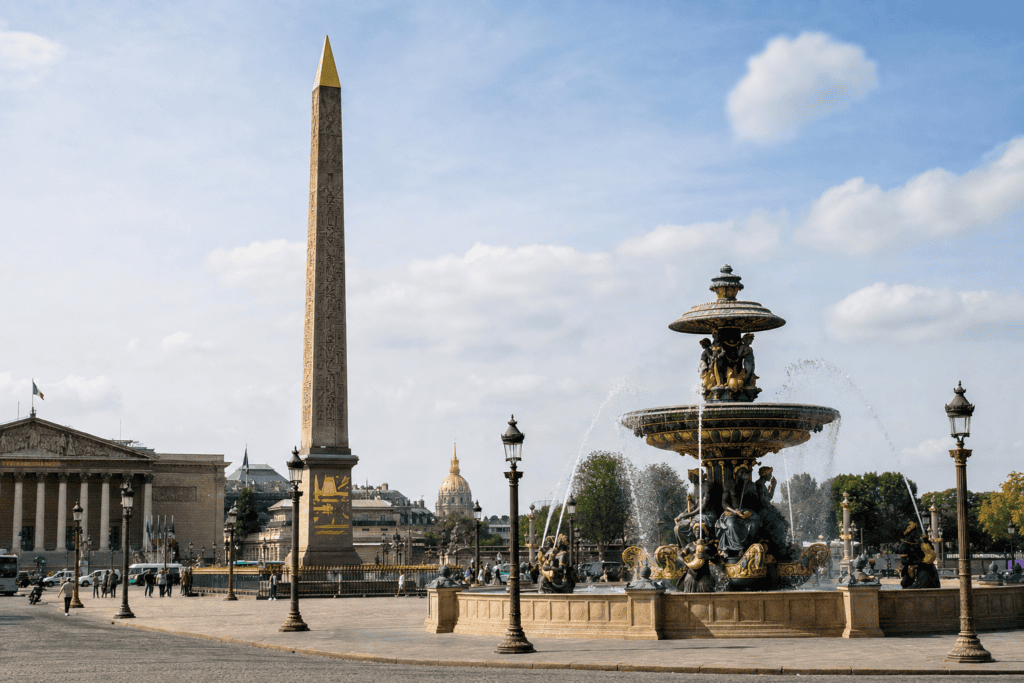 Monuments
Place de la Concorde
A vast historic square between the Tuileries and the Champs-Élysées, dominated by the Luxor Obelisk and marked by…
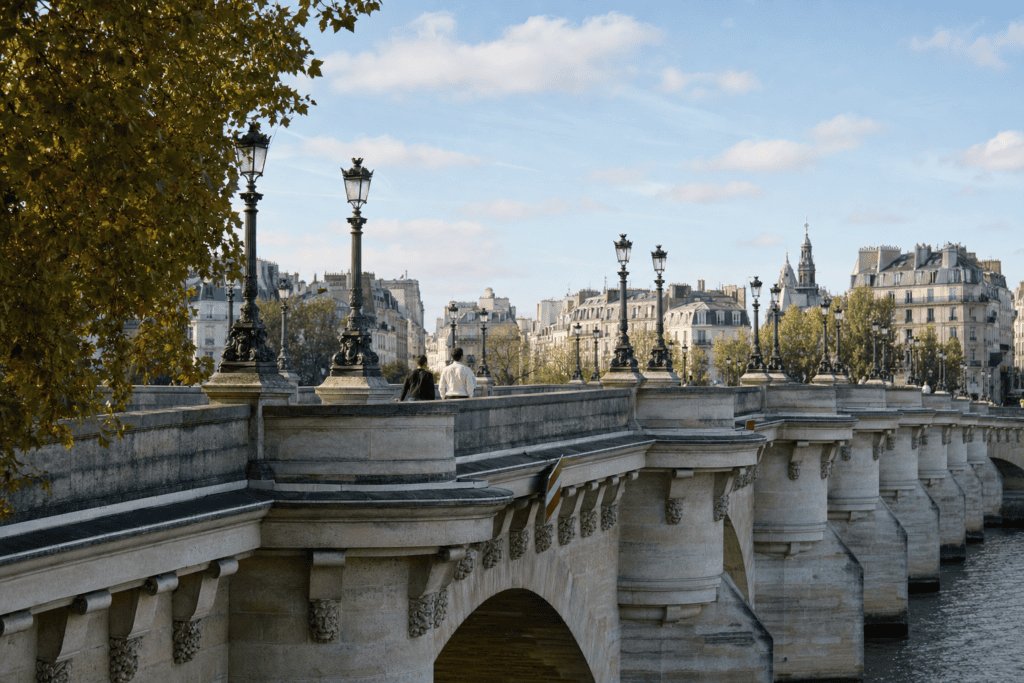 Monuments
Pont Neuf
Pont Neuf connects the two banks of the Seine around Île de la Cité and offers…
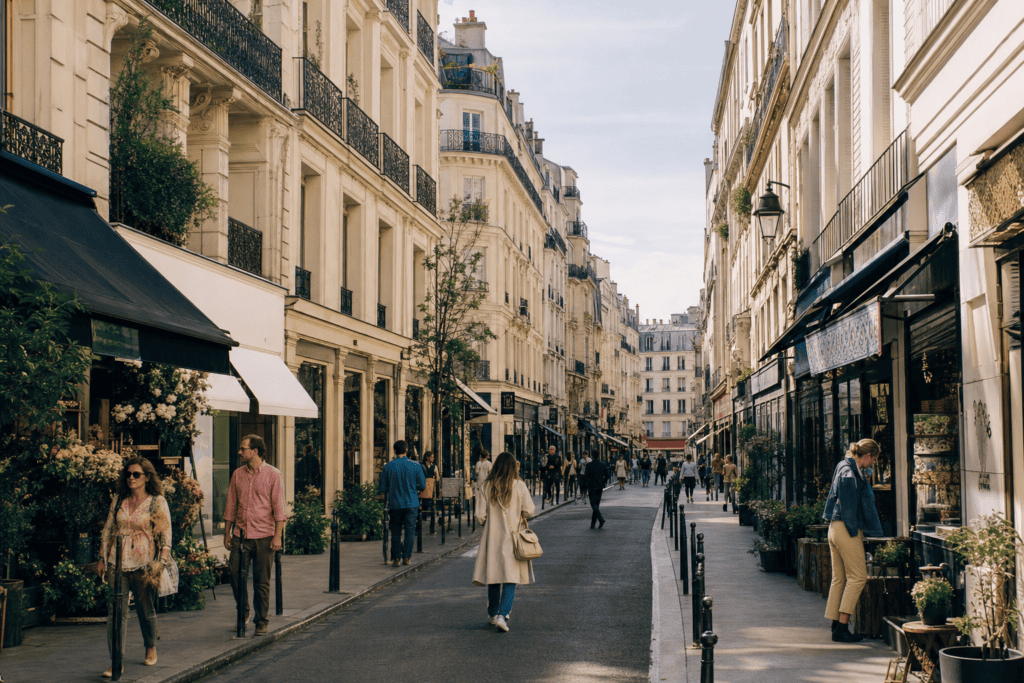 Gastronomy
Rue des Martyrs
A Parisian uphill route through food shops, cafés, 9th-arrondissement heritage, and the route toward Montmartre.
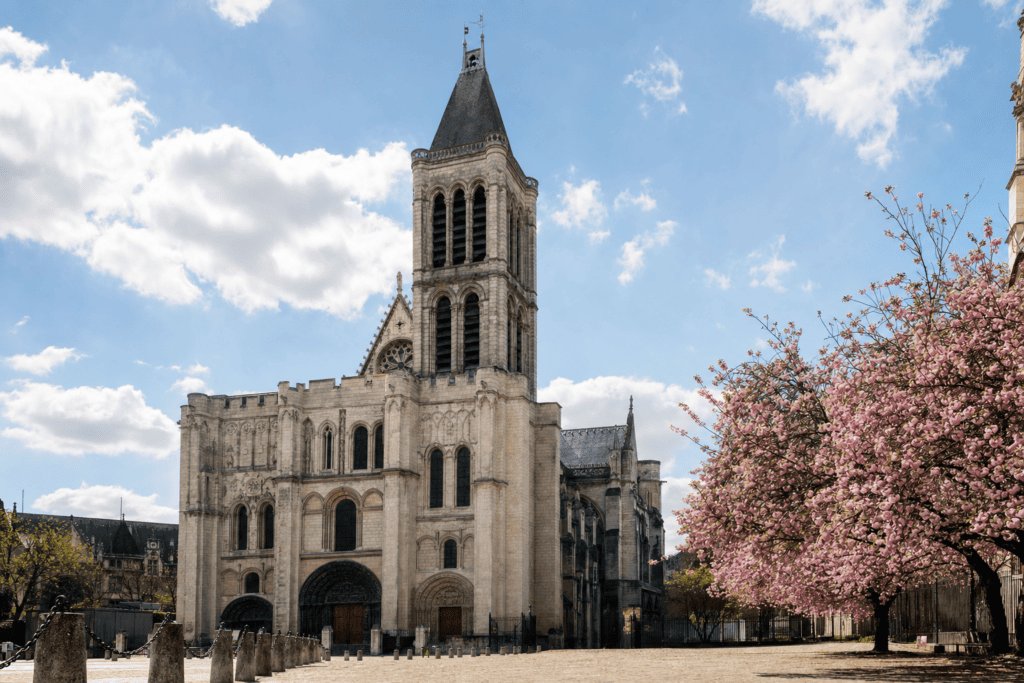 Must-see
Basilica of Saint-Denis
A Gothic cathedral and the necropolis of the kings of France, just a few stops from Paris.
 Neighborhoods
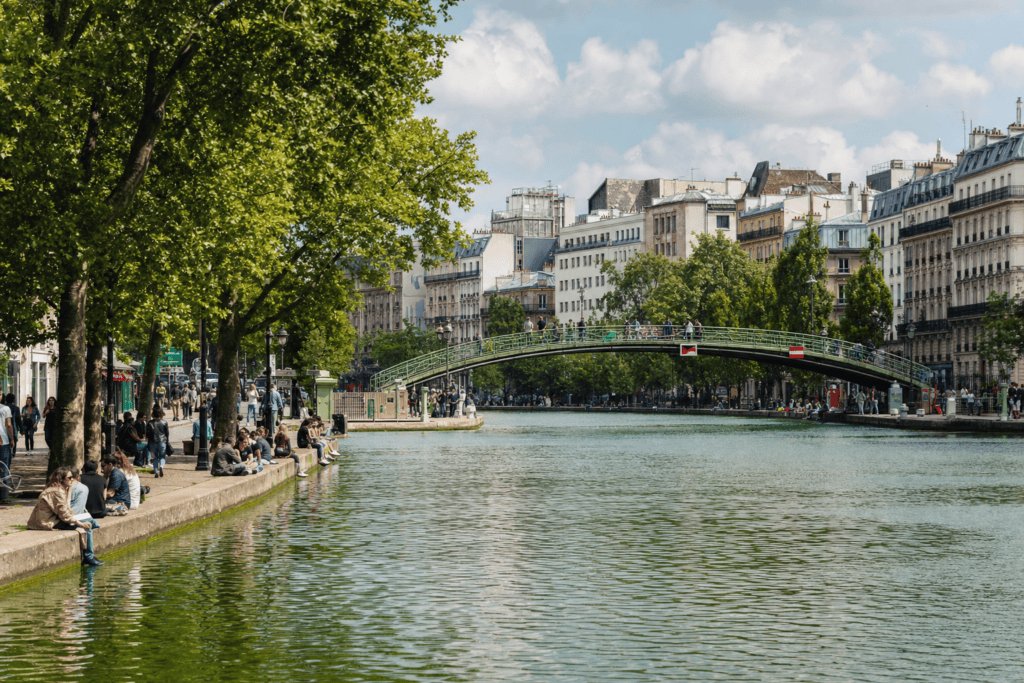
Canal Saint-Martin
A Parisian stroll among locks, footbridges, trees and lively quays in the heart of the 10th arrondissement.
 Must-see
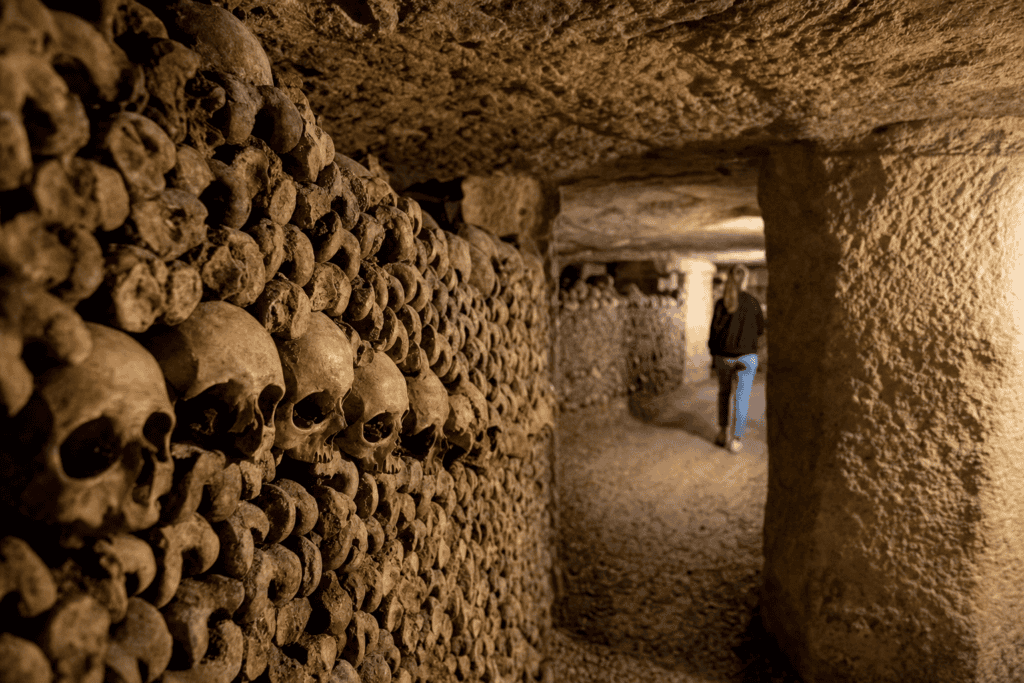
Paris Catacombs
A 1,500-meter underground route through former quarries and Paris’s municipal ossuary, in the heart…
 Must-see
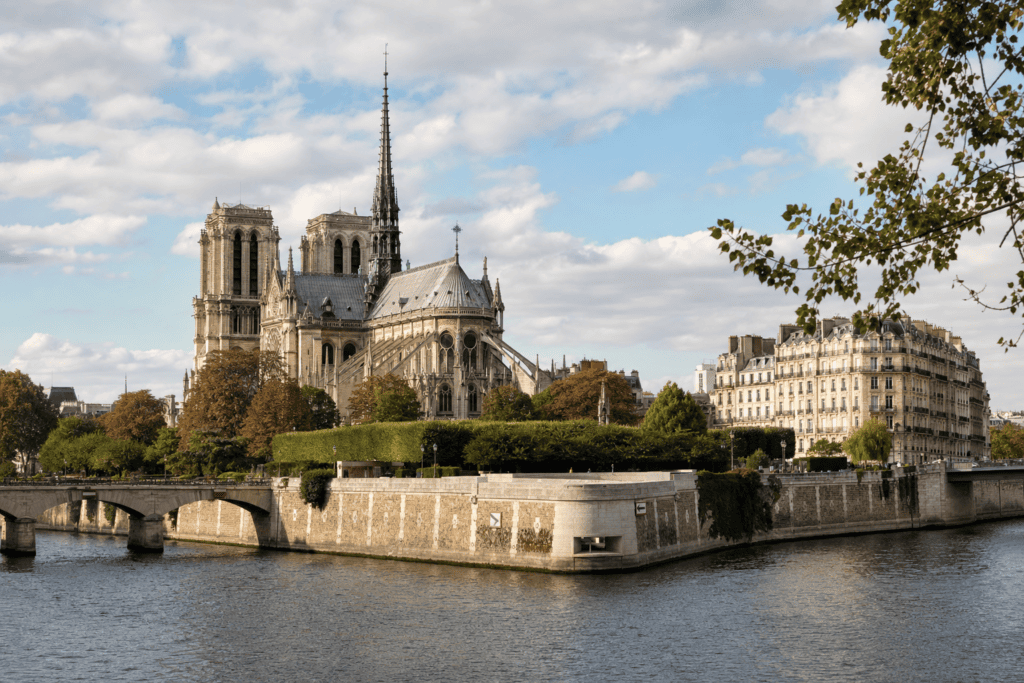
Notre-Dame Cathedral of Paris and Île de la Cité
Notre-Dame, the Seine riverbanks, and the monuments of Île de la Cité make for an unmissable walk through…
 Must-see
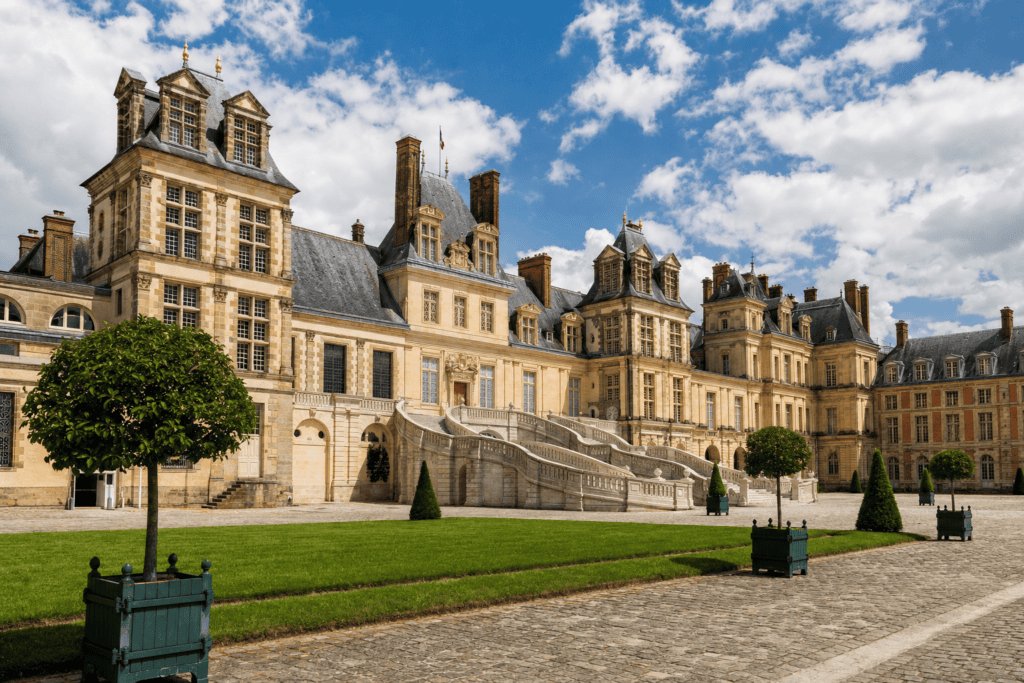
Fontainebleau Castle
A former royal residence where Renaissance décor, imperial apartments, and the forest create a cultural escape…
 Must-see
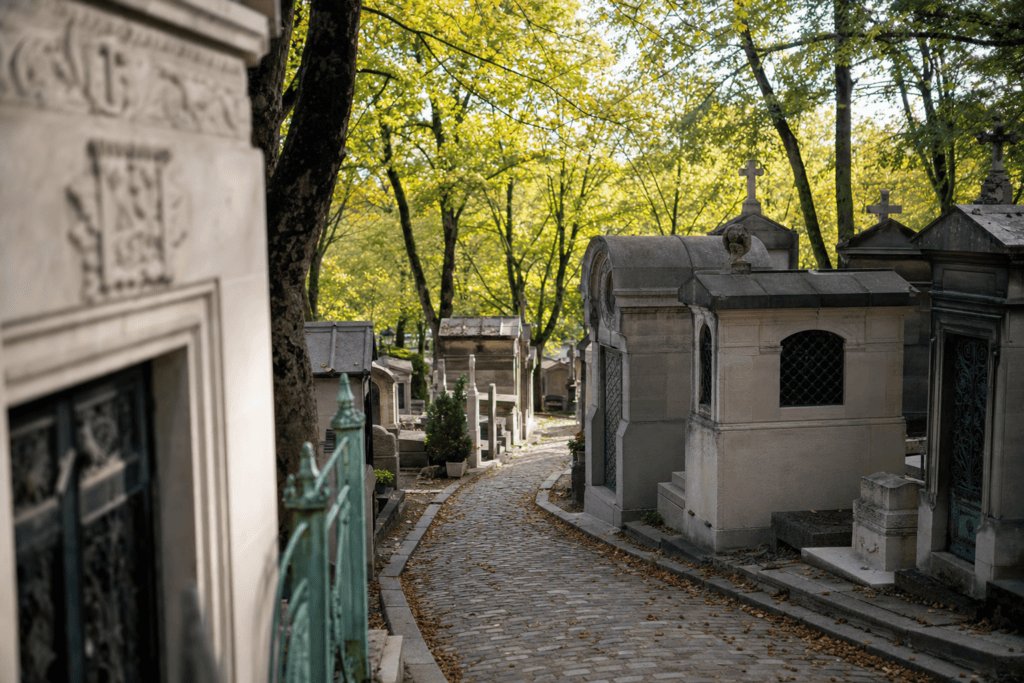
Père-Lachaise Cemetery
A historic route among famous graves, sculptures, chapels, and tree-lined paths in the 20th arrondissement.
 Must-see
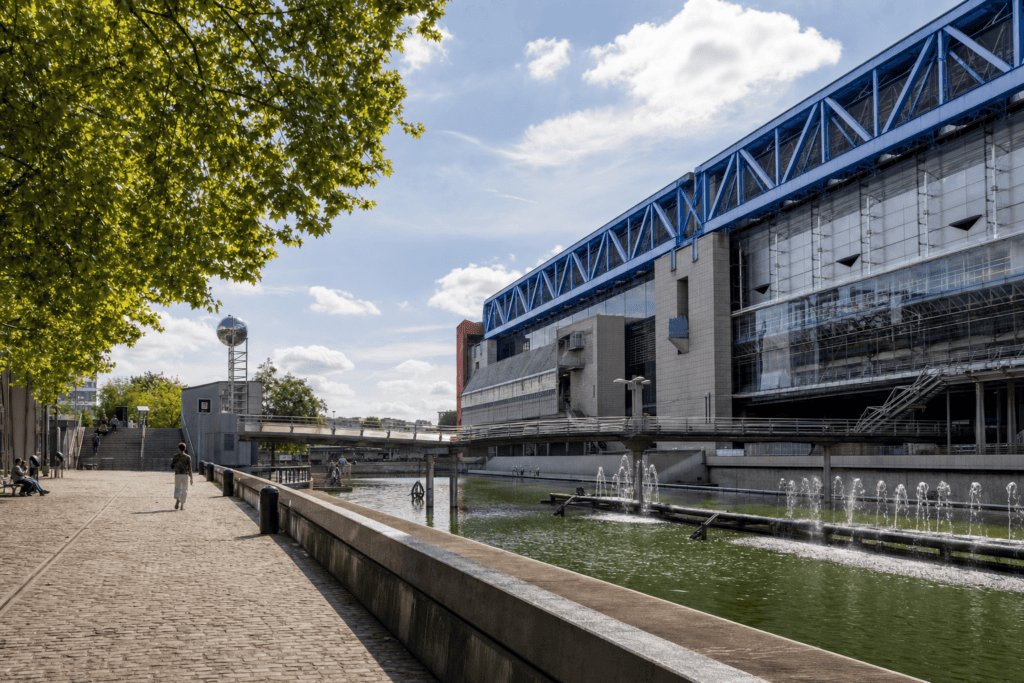
Cité des Sciences et de l’Industrie
An interactive museum in Parc de la Villette where families can explore science through exhibitions, a planetarium, and…
 Must-see
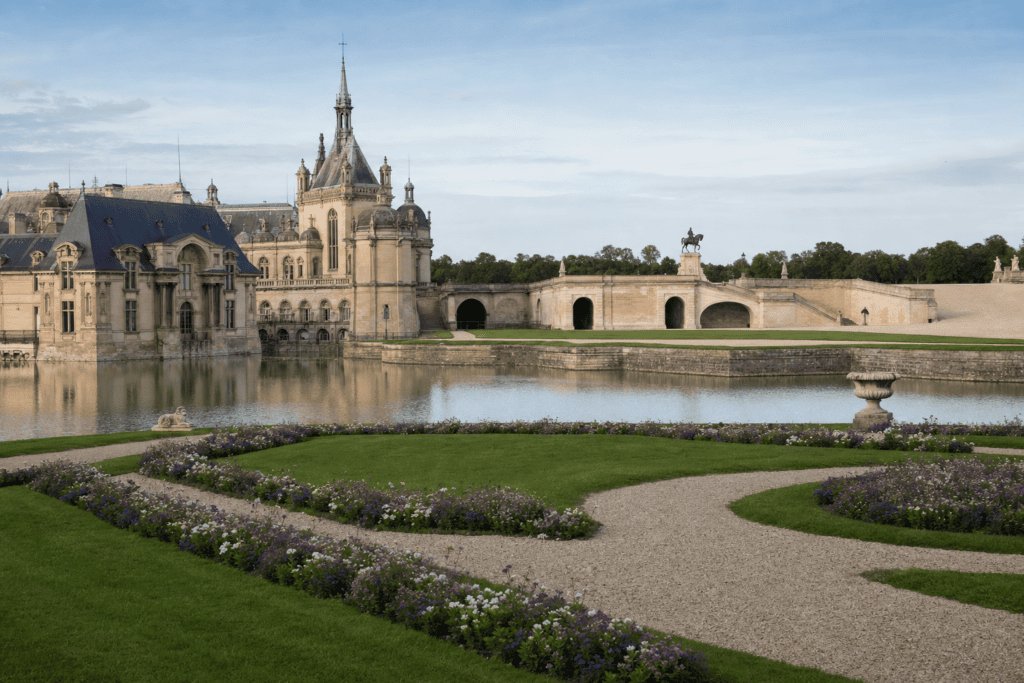
Chantilly Estate
A princely estate north of Paris, featuring the Musée Condé, château, Great Stables, historic gardens, and equestrian culture.
 Must-see
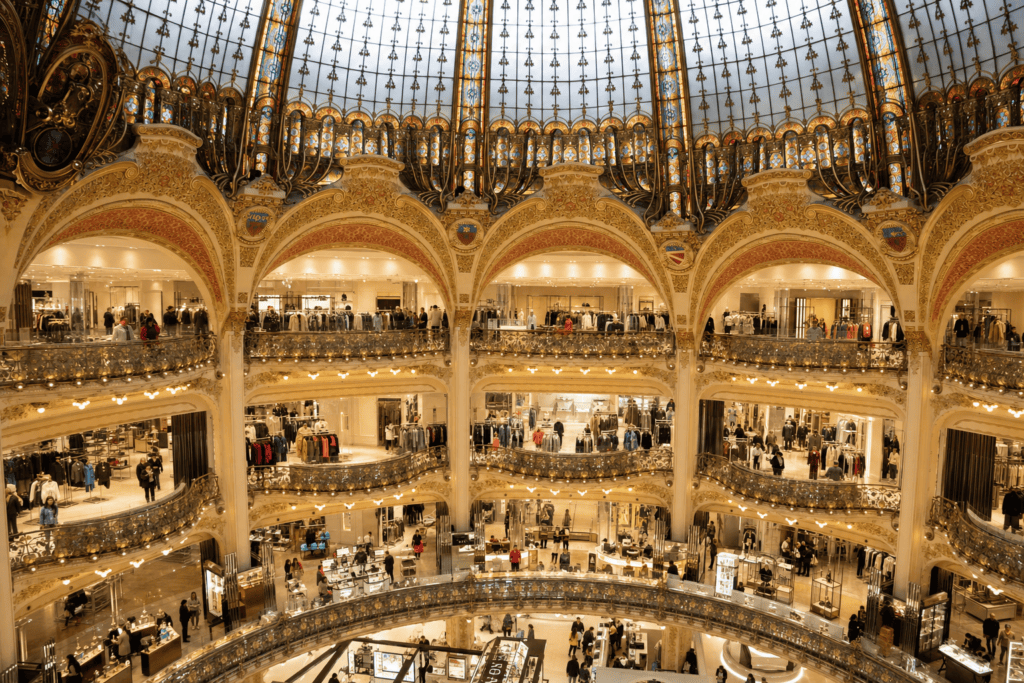
Galeries Lafayette Haussmann
A historic Paris department store where you can admire an Art Nouveau dome, shop, and enjoy a…
 Must-see
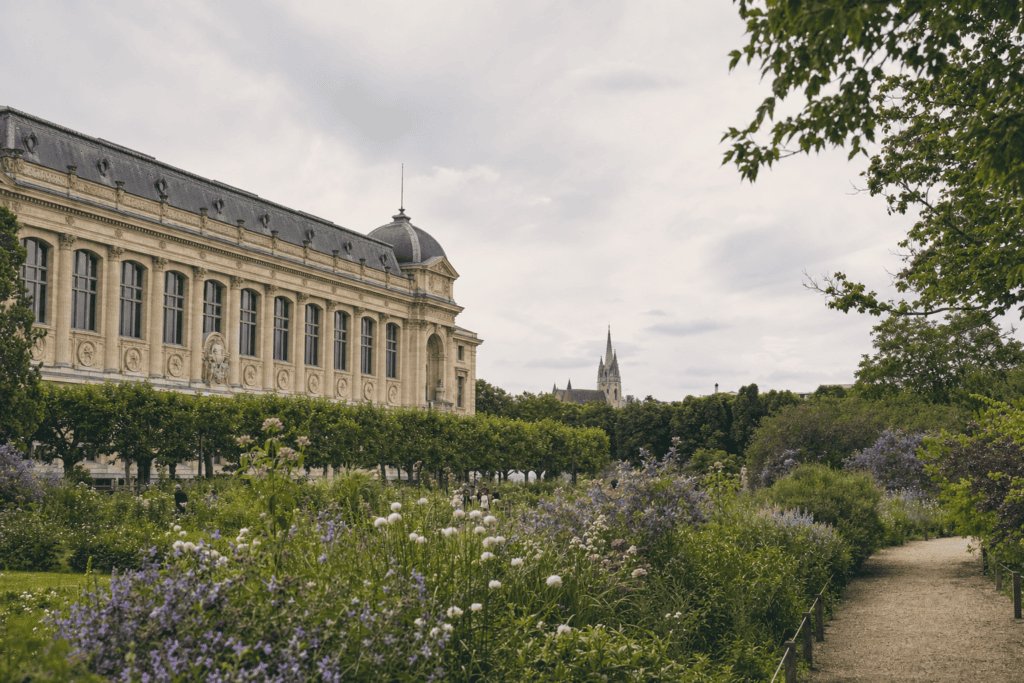
Jardin des Plantes
A historic botanical garden featuring grand greenhouses, plant collections, remarkable trees, and landscaped spaces…
 Markets
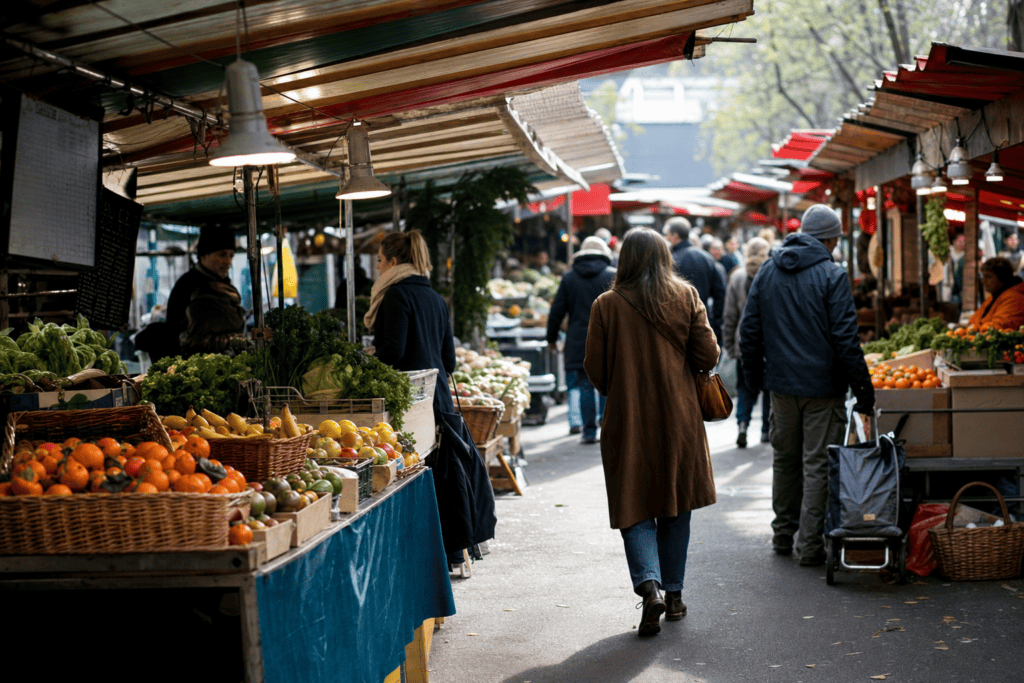
Bastille Market
A lively market on Boulevard Richard-Lenoir, ideal for discovering fresh produce and the everyday atmosphere of eastern Paris.
 Must-see
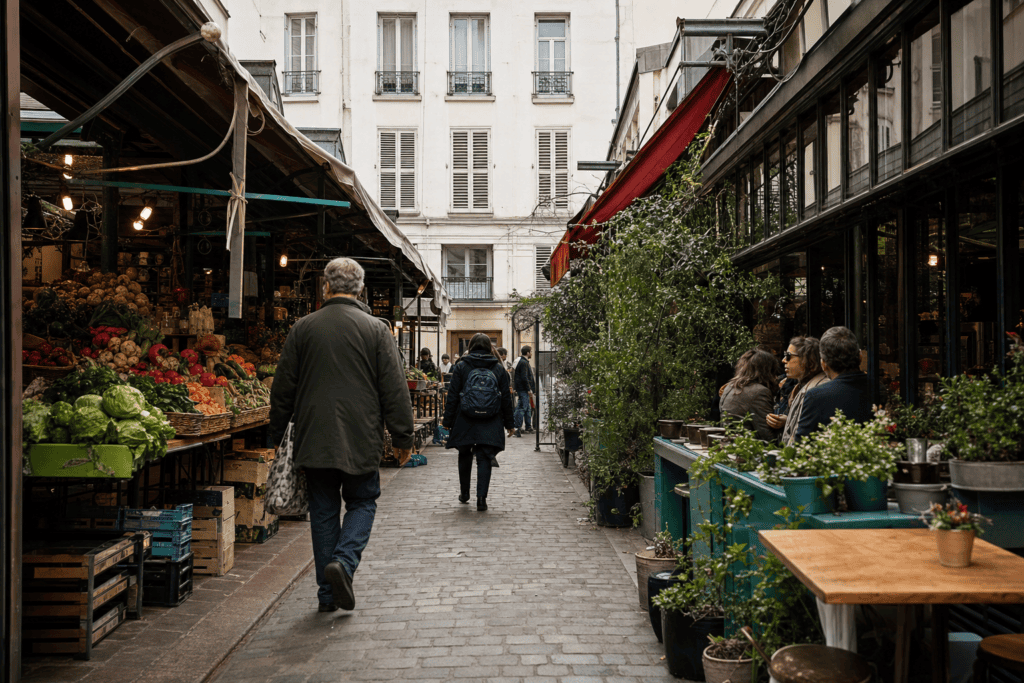
Marché des Enfants Rouges
In the Haut Marais, this historic covered market brings together fresh produce and global food stalls in…
 Museums
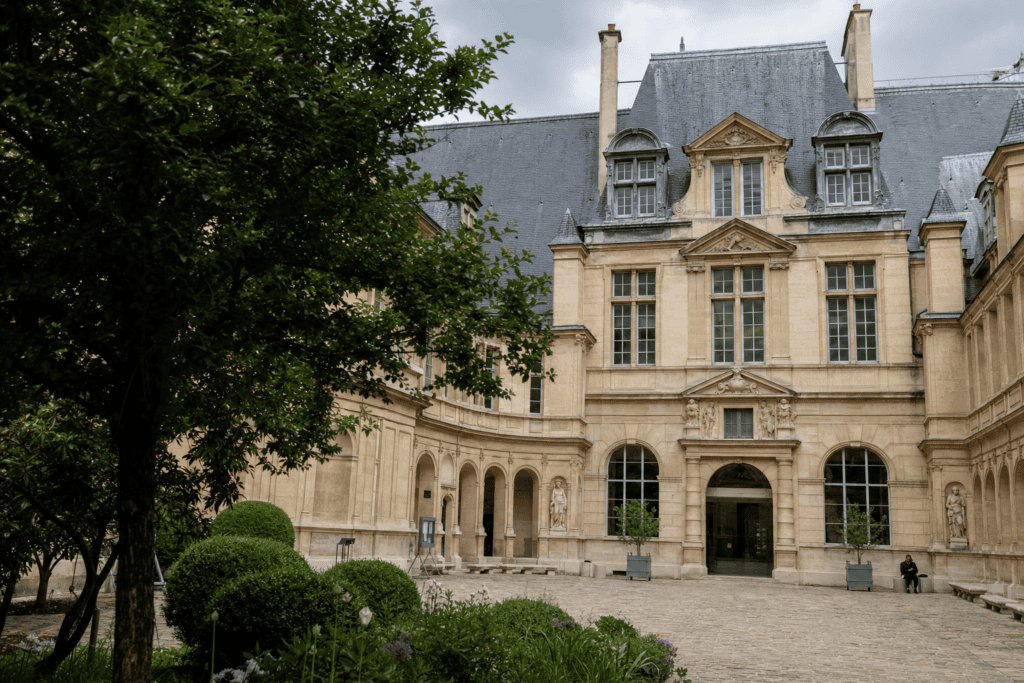
Musée Carnavalet – History of Paris
Housed in two private mansions in Le Marais, the Carnavalet Museum traces the history of Paris from prehistory to the present…
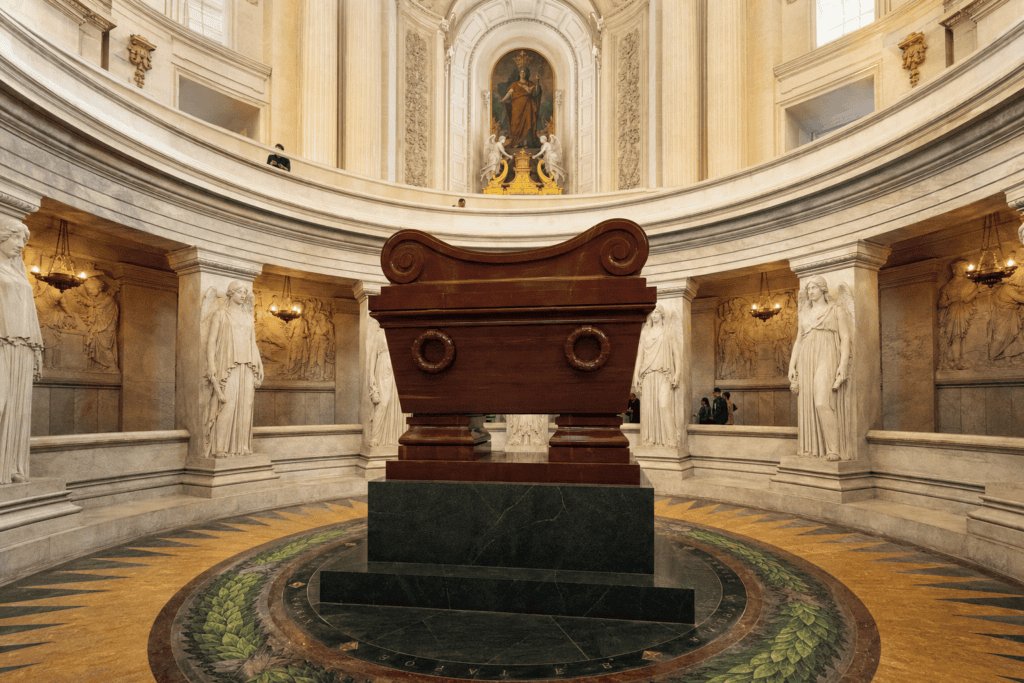 Museums
Army Museum and Napoleon’s Tomb
A rich historical journey through Les Invalides, featuring military collections, monumental architecture, and the tomb of Napoleon I.
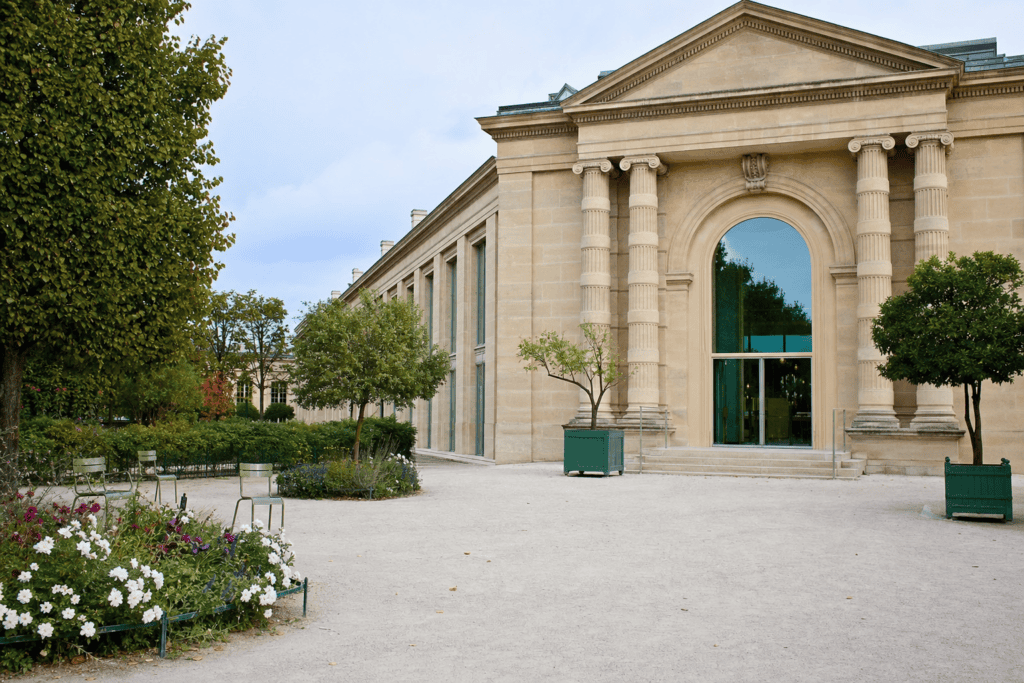 Museums
Musée de l’Orangerie
A welcoming Paris museum where Monet’s Water Lilies engage in dialogue with the great masters of art…
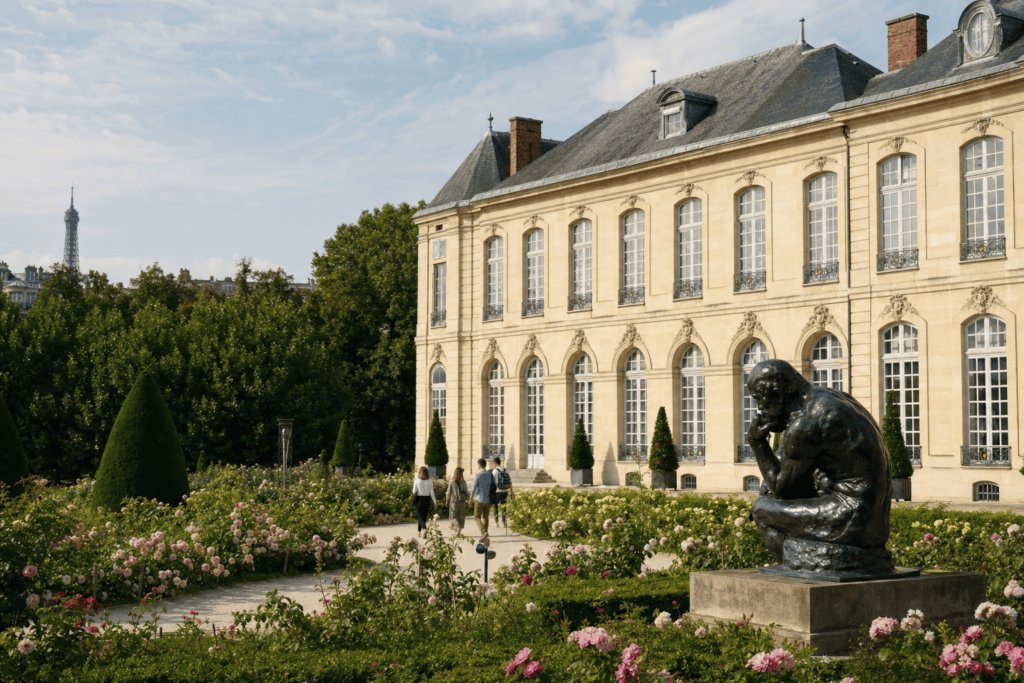 Museums
Musée Rodin
A historic private mansion, a sculpture garden, and major works by Rodin near Les Invalides, in the…
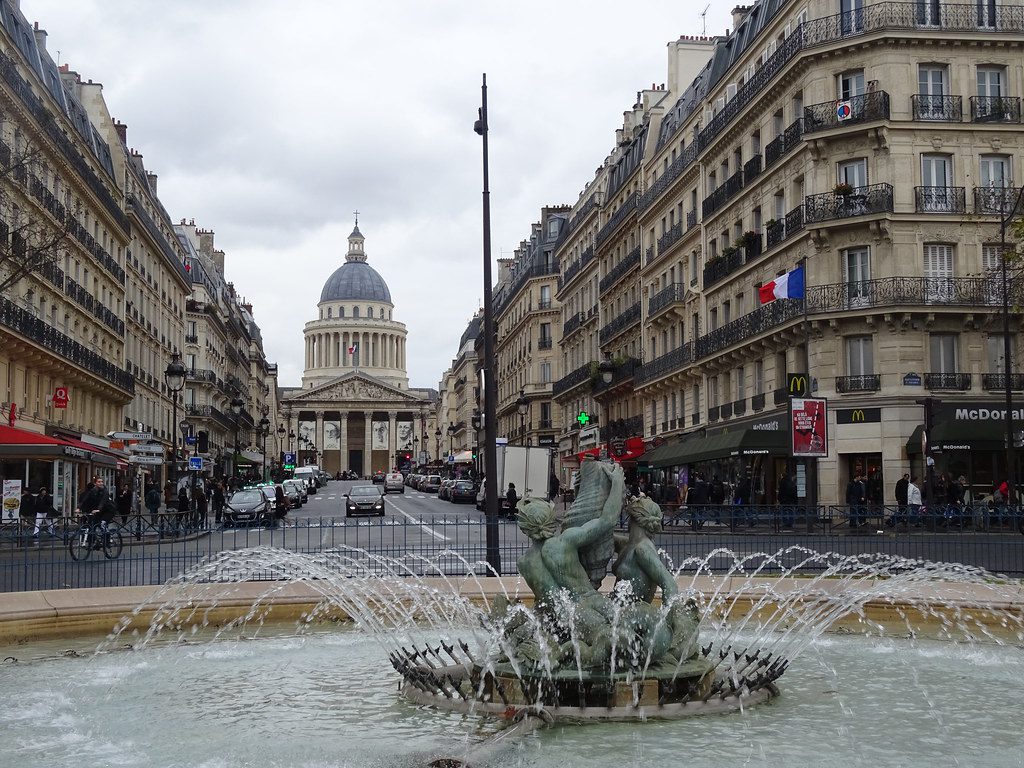 Must-see
Panthéon
Beneath its vast dome, the Panthéon tells the story of France through its architecture, decorations, and…
 Must-see
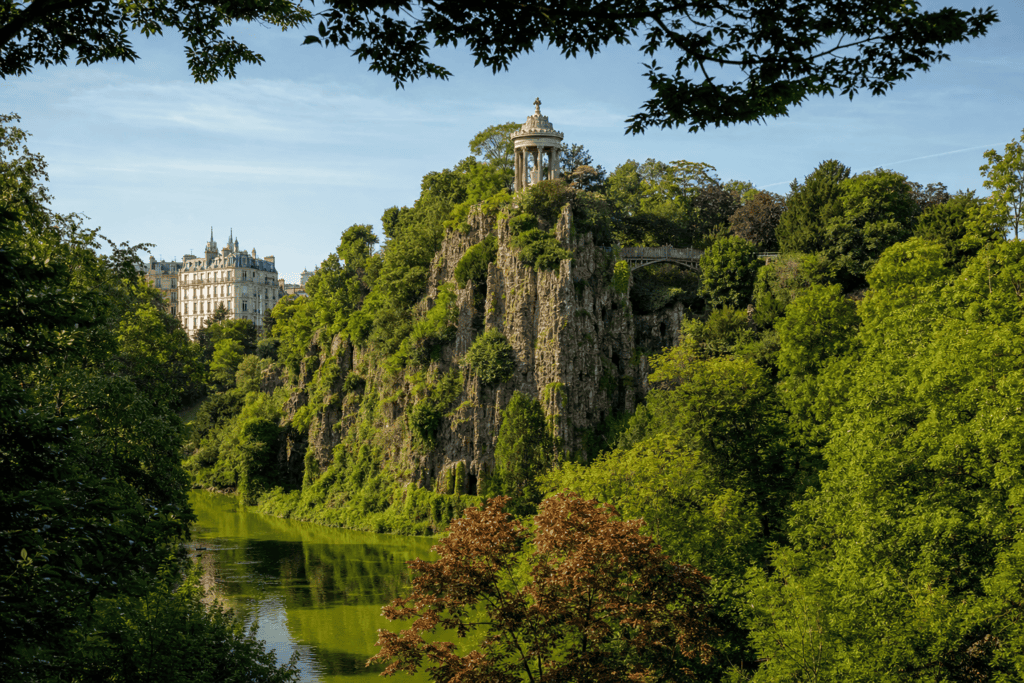
Buttes-Chaumont Park
A spectacular Parisian park with artificial hills, a lake, grotto, waterfalls and a viewpoint.
 Heritage
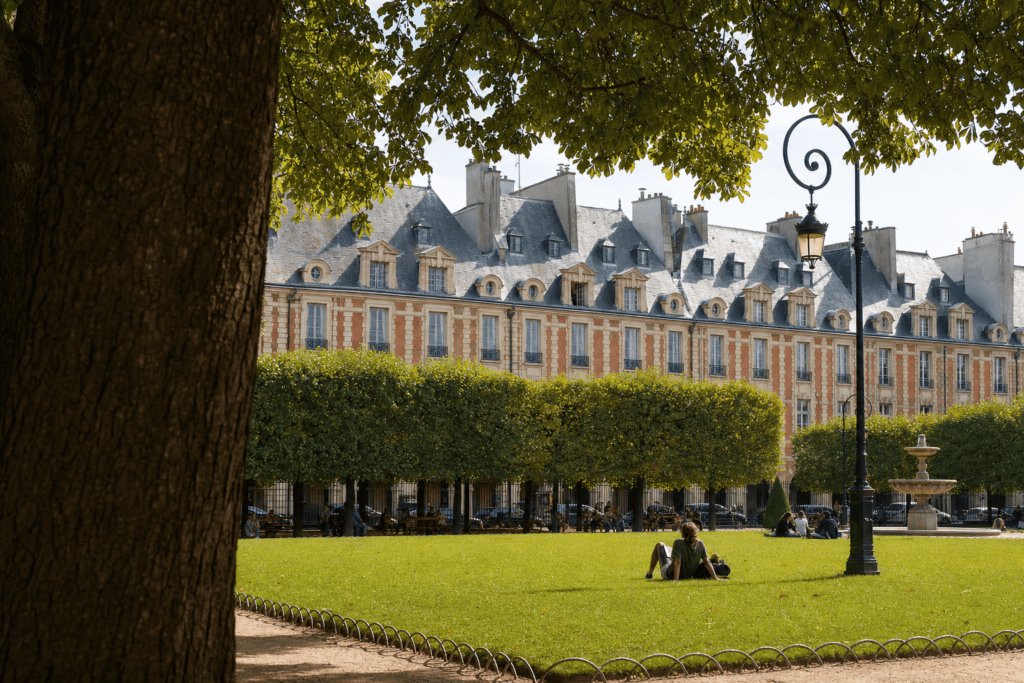
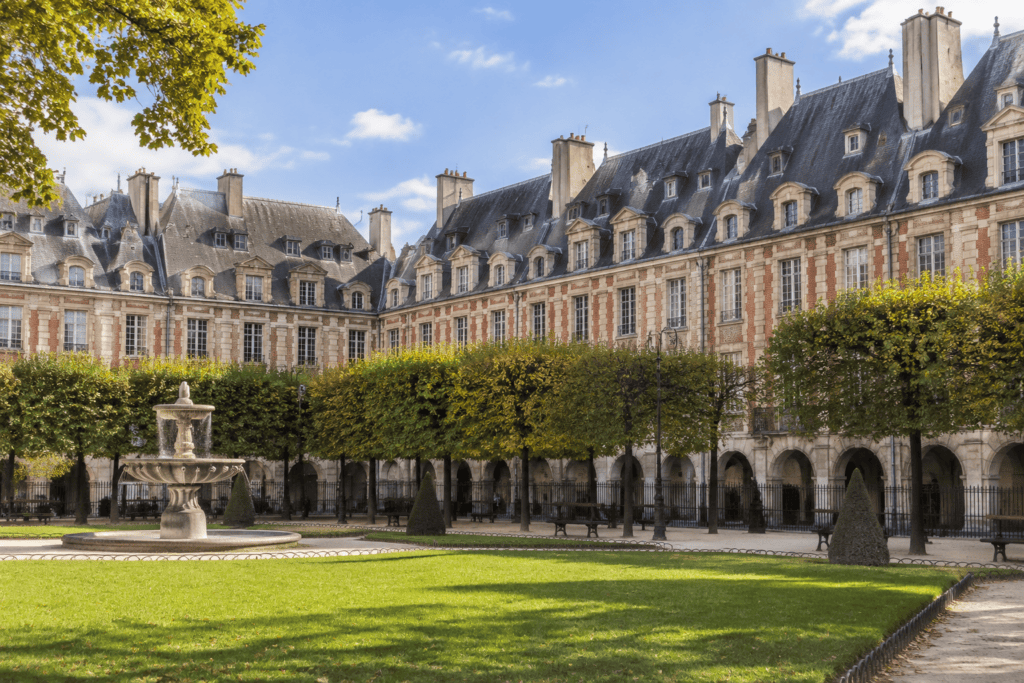
Place des Vosges
A remarkably well-preserved royal square, with arcades, gardens, and memories of Victor Hugo.
 Monuments
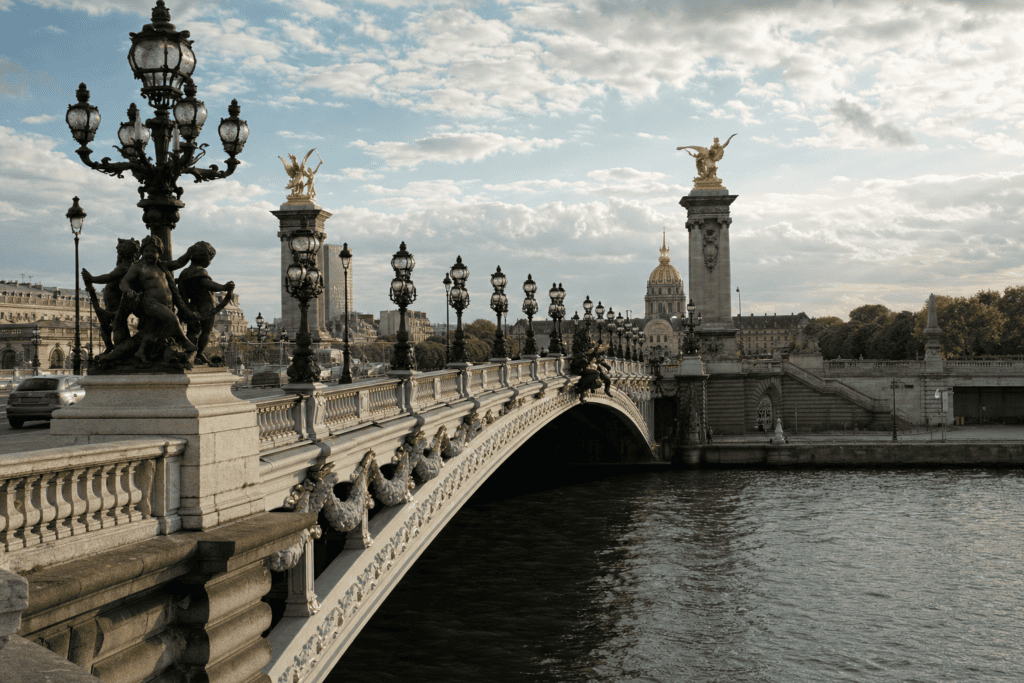
Pont Alexandre III
An exceptional Belle Époque bridge, famous for its gilding, sculptures, and views of the Seine, the…
 Gastronomy
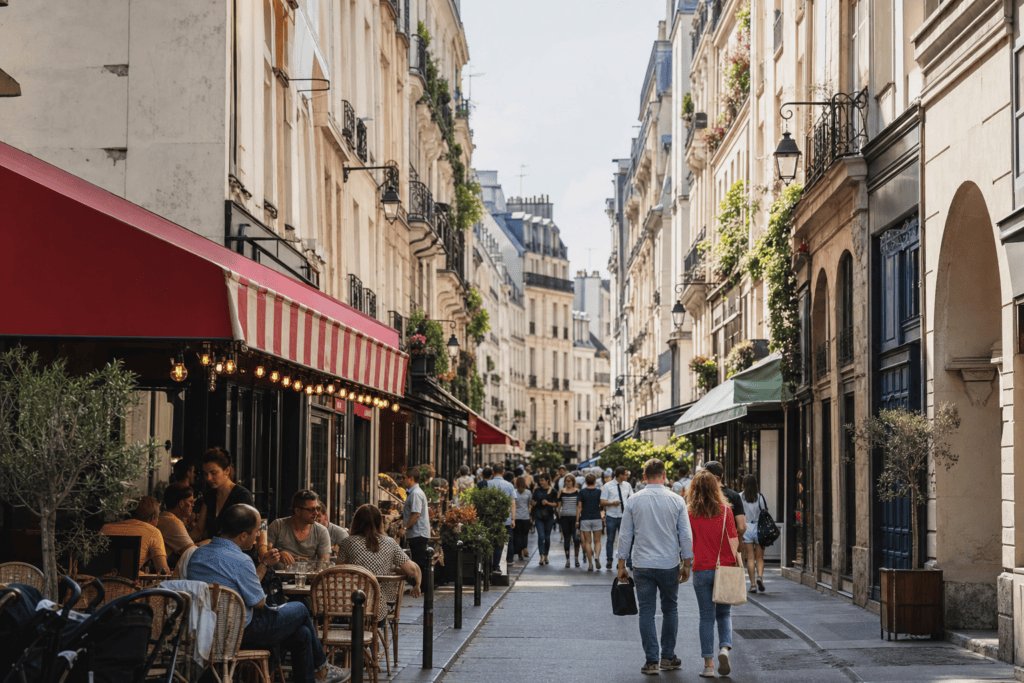
Rue Montorgueil
A lively, food-focused Paris street, ideal for discovering specialty food shops between Les Halles, Sentier…
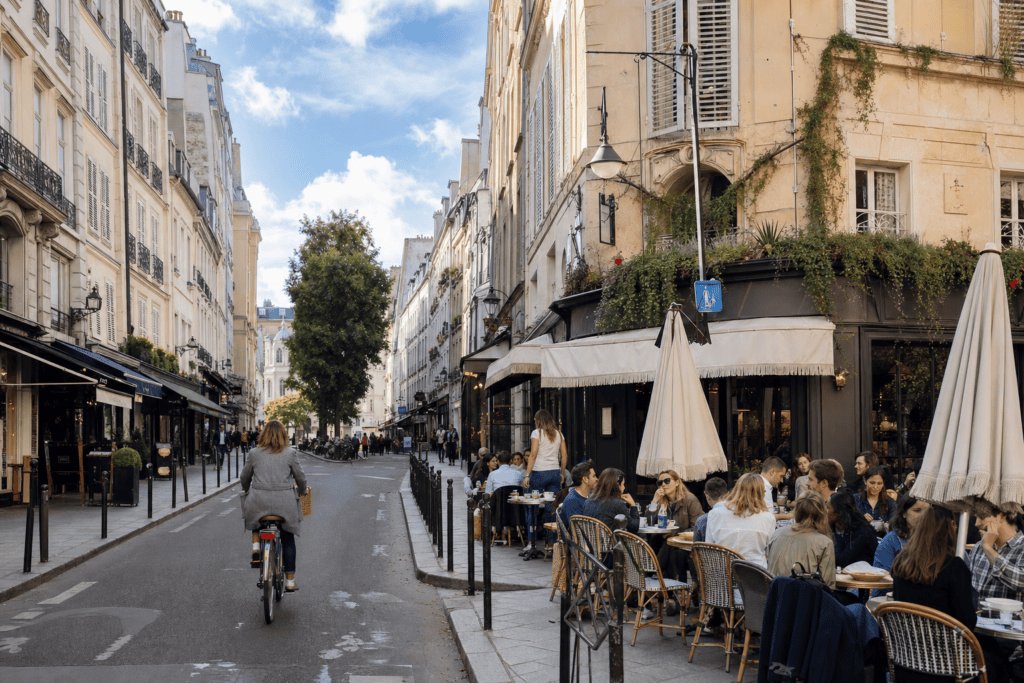 Neighborhoods
Saint-Germain-des-Prés
A Parisian stroll through religious heritage, literary cafés, art galleries, and Left Bank boutiques.
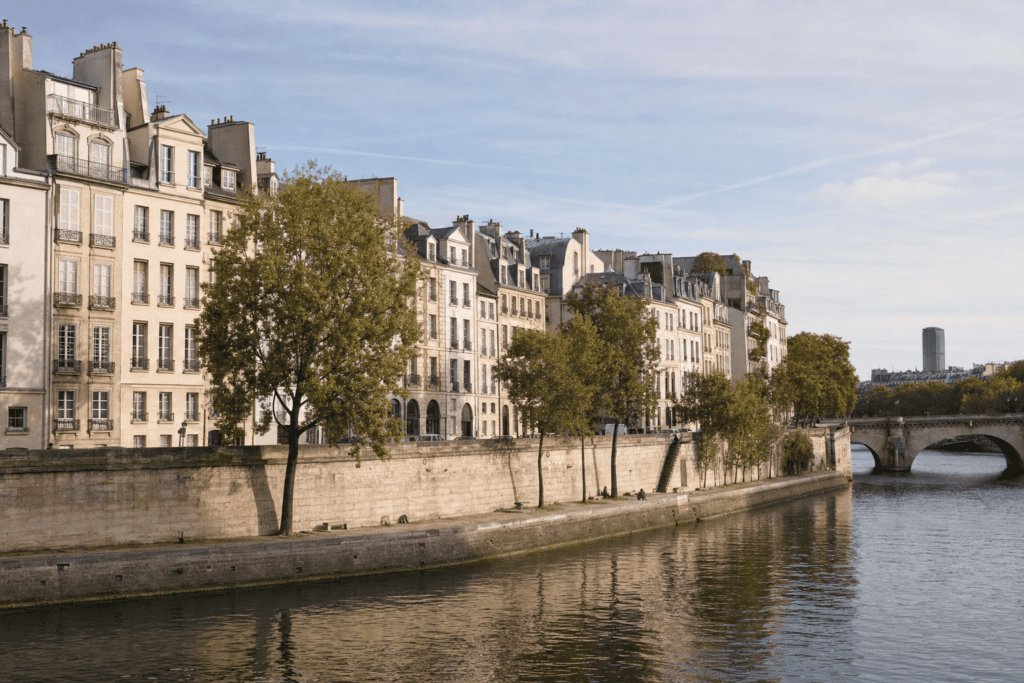 Neighborhoods
Île Saint-Louis
An elegant Parisian island, perfect for strolling along the Seine quays, past private mansions, and among excellent food spots.
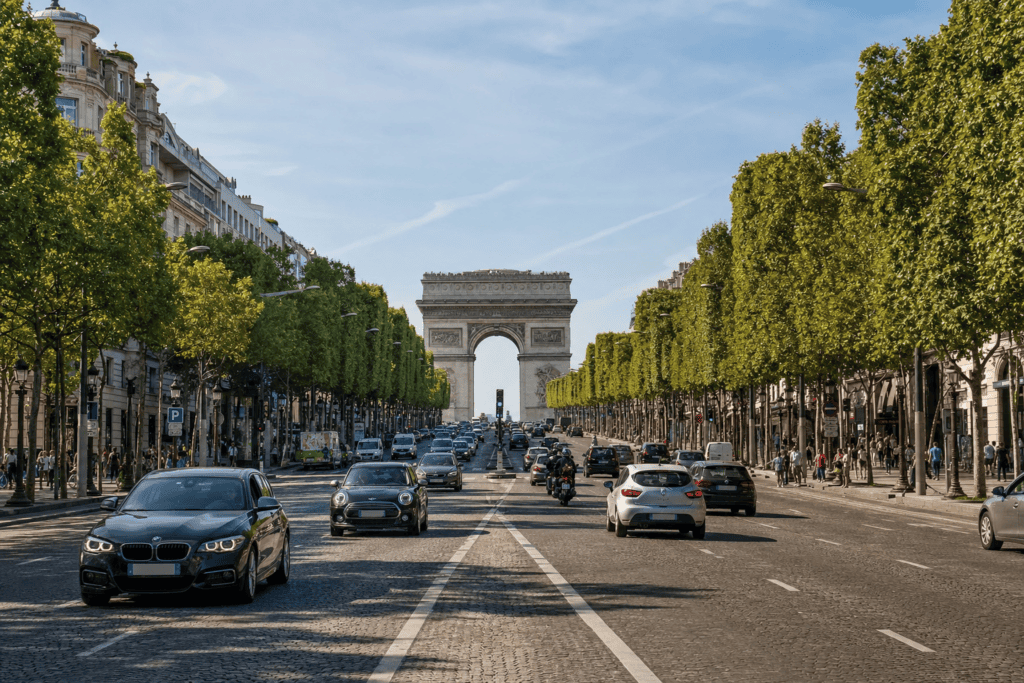 Must-see
Avenue des Champs-Élysées
A grand Parisian promenade lined with gardens, museums, shops and cafés, leading along a monumental vista toward the Arc de Triomphe.
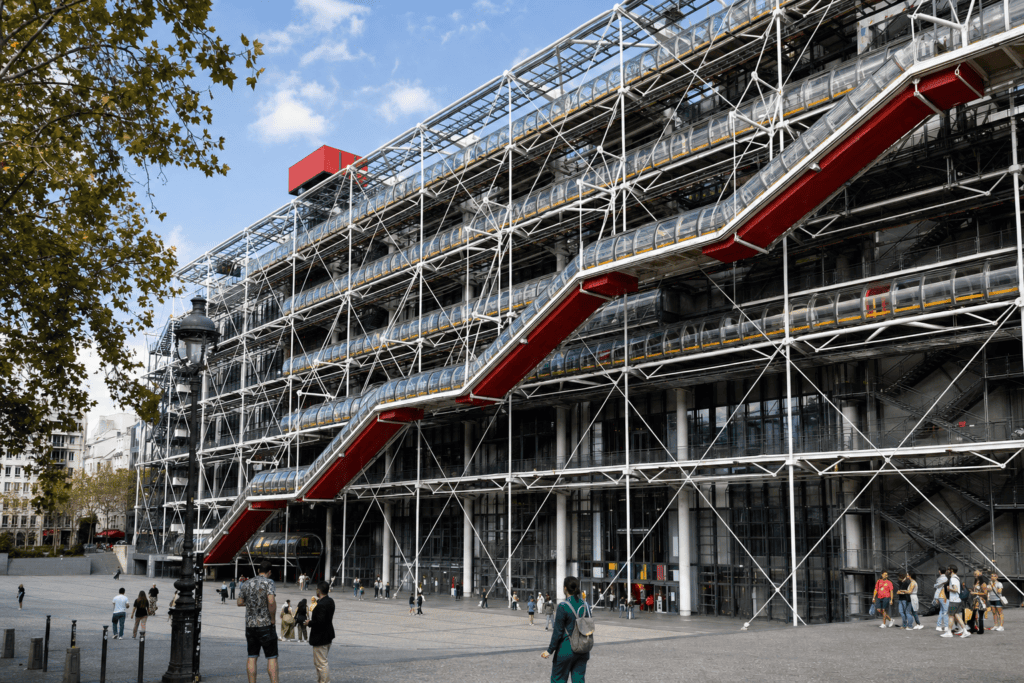 Must-see
Centre Pompidou
The Centre Pompidou is closed for renovation until 2030, but its history, architecture, and off-site programming…
 Must-see
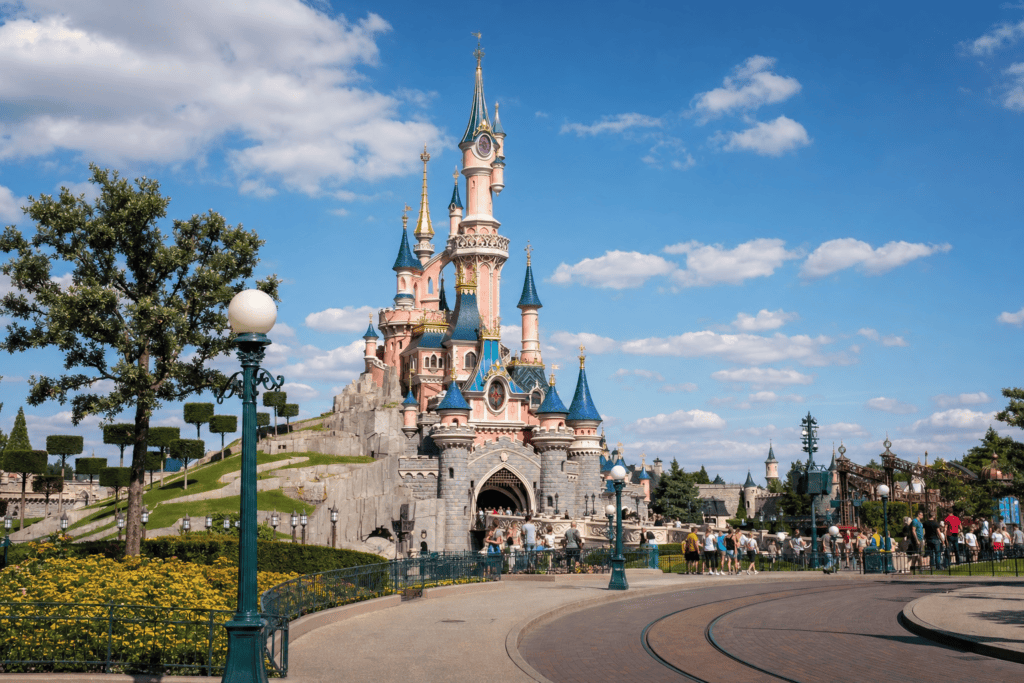
Disneyland Paris
A full family day out in Chessy, accessible from Paris via the RER A, the TGV, by car, or…
 Must-see
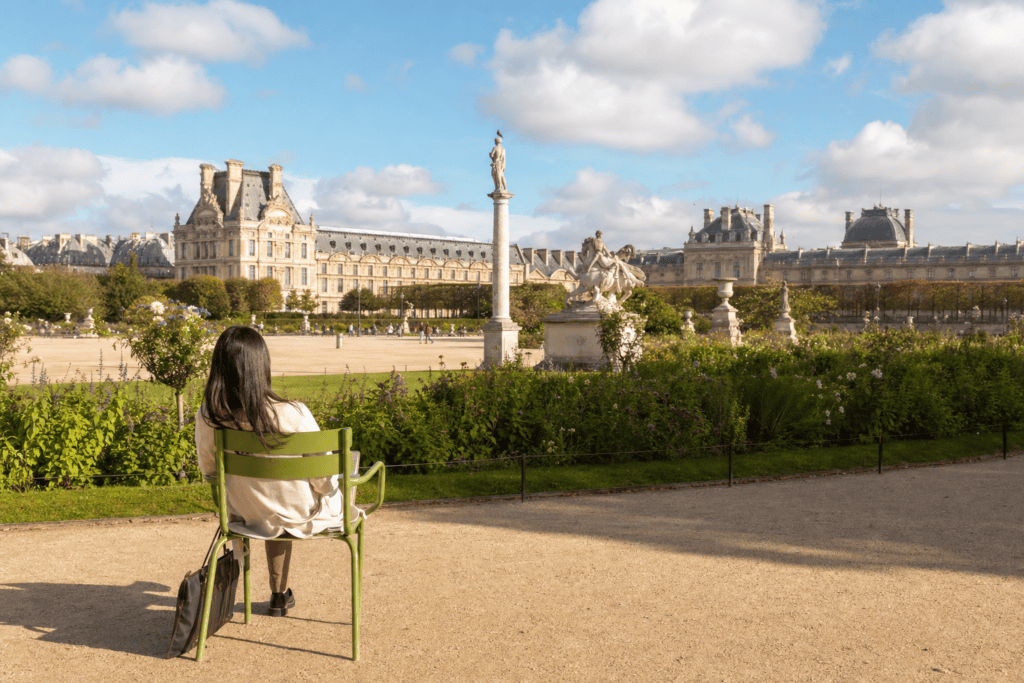
Tuileries Garden
A former royal garden that has become an essential Paris stroll between the Louvre and Place de la Concorde.
 Must-see
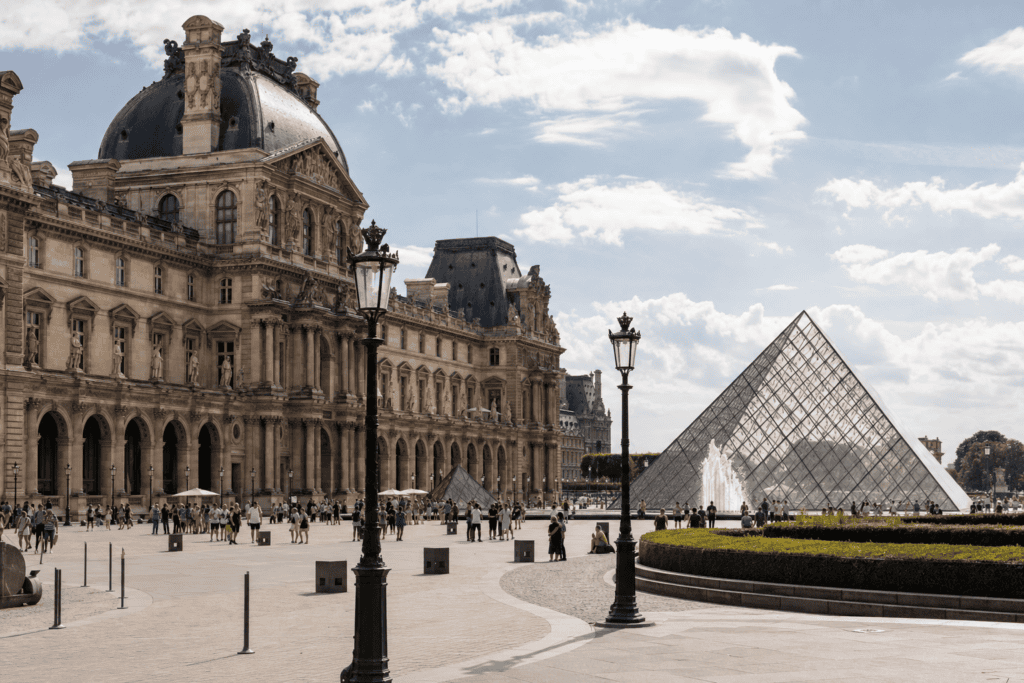
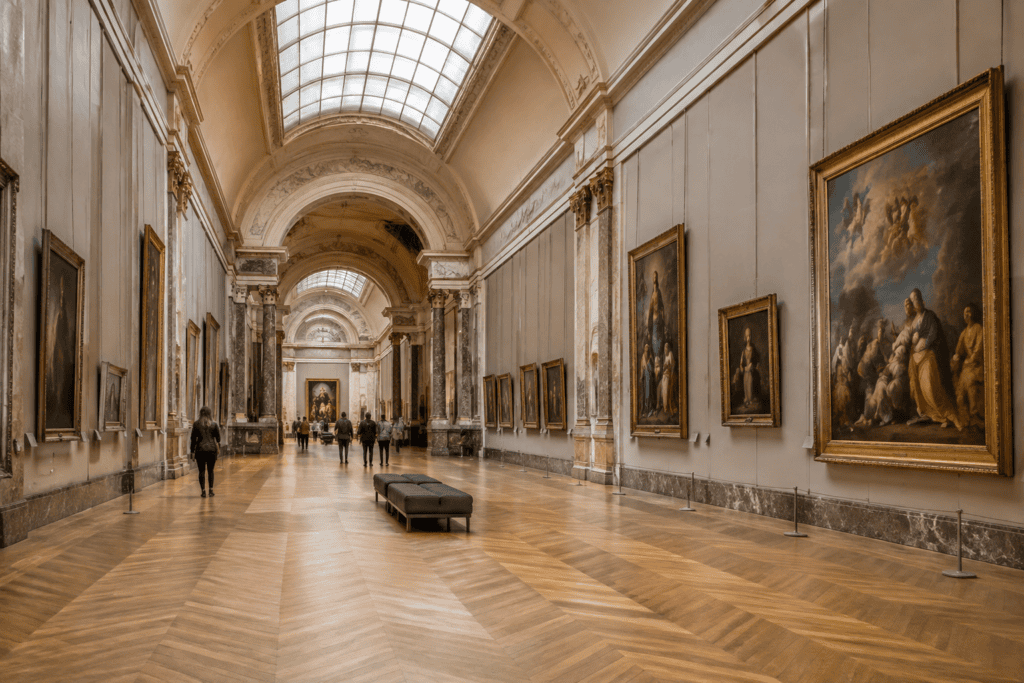
Louvre Museum
An essential Paris experience featuring the Mona Lisa, antiquities, major European paintings, and the interiors of a former royal palace.
 Must-see
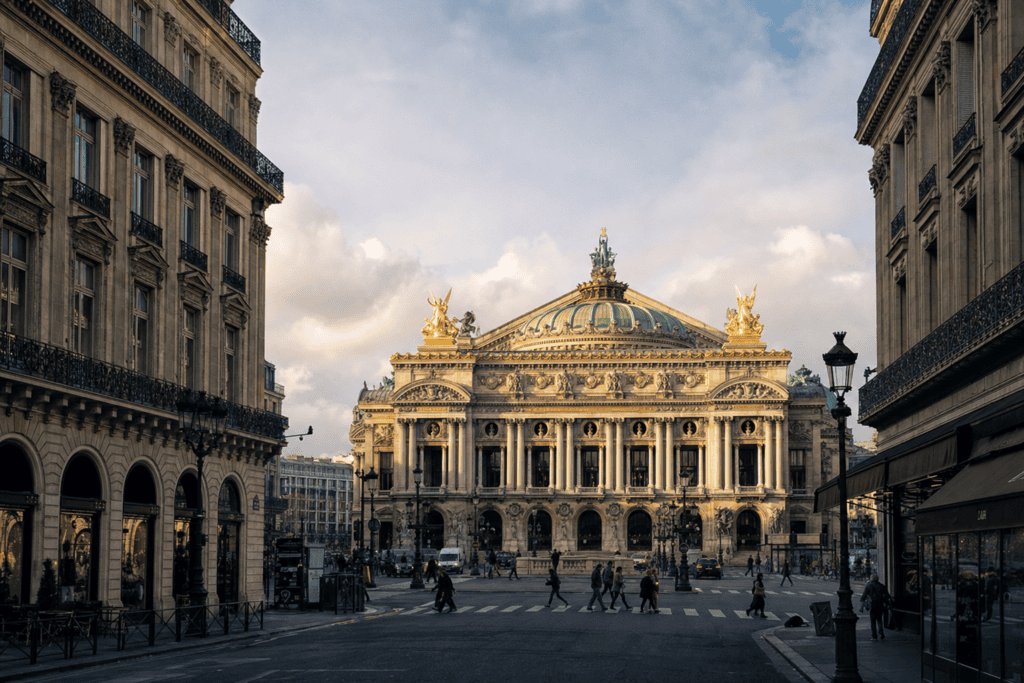
Palais Garnier
A monumental opera house worth visiting for its Grand Staircase, foyers, salons, and lavish decor in the…
 Must-see
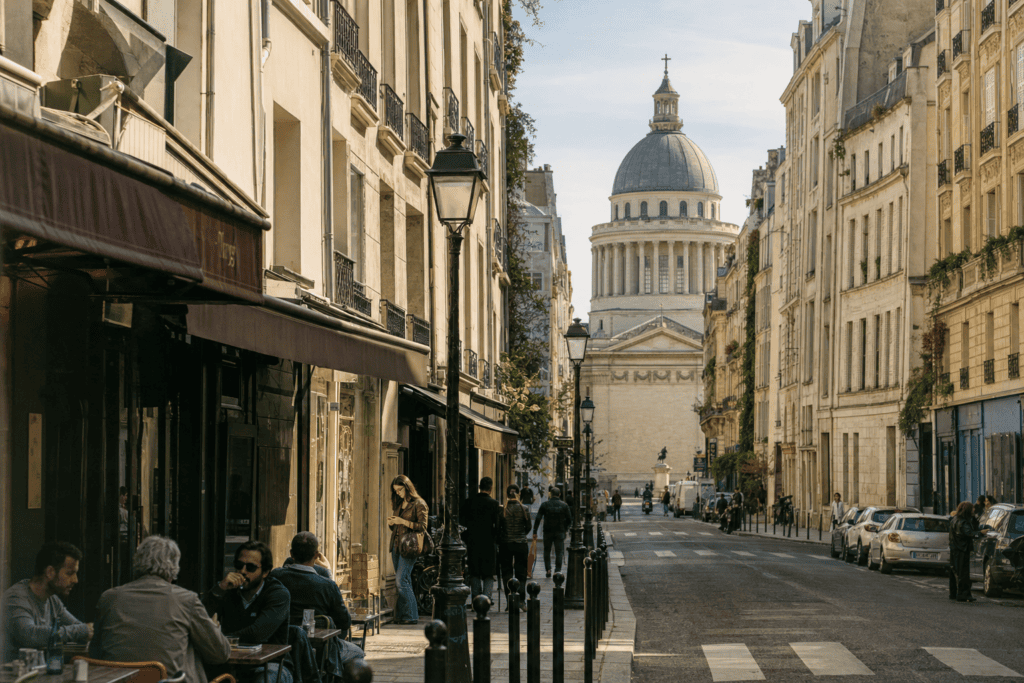
Latin Quarter
A lively Parisian neighborhood where ancient remains, universities, museums, bookshops, gardens, and great places to eat come together.
 Must-see
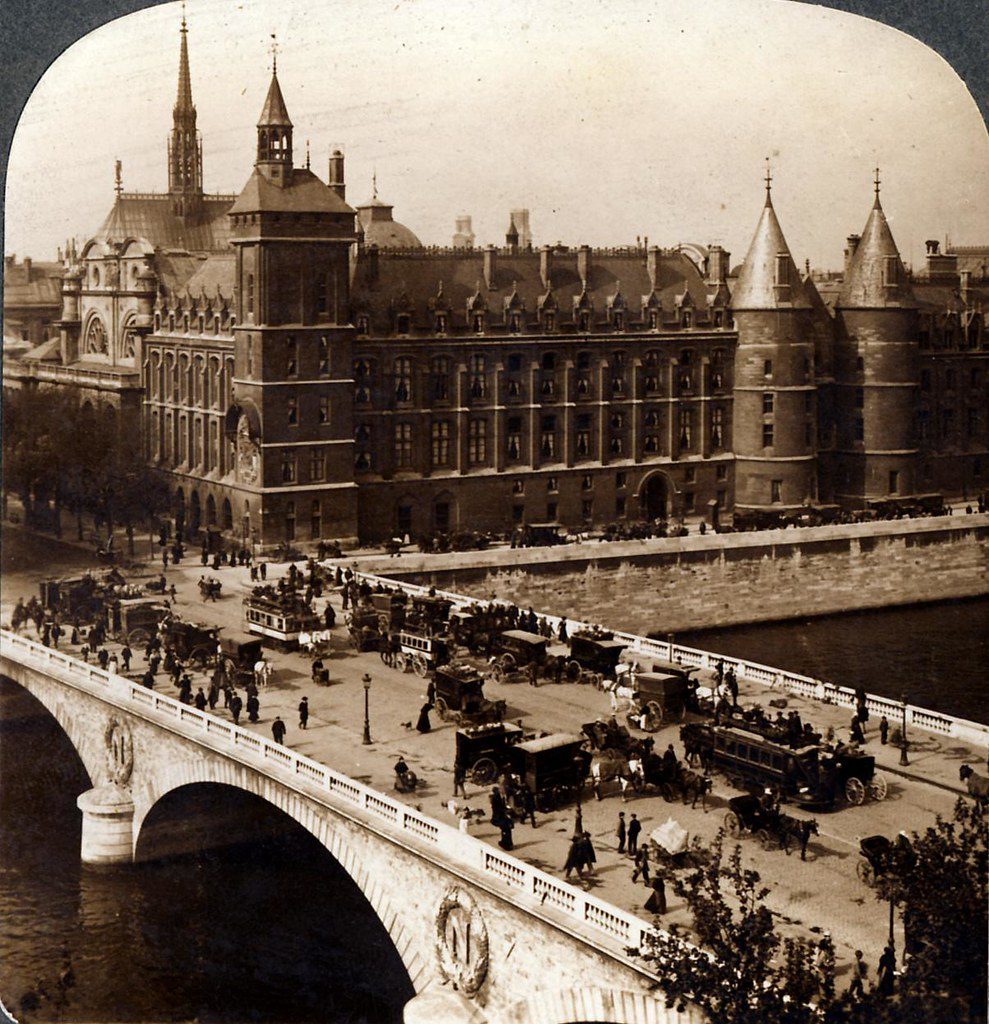
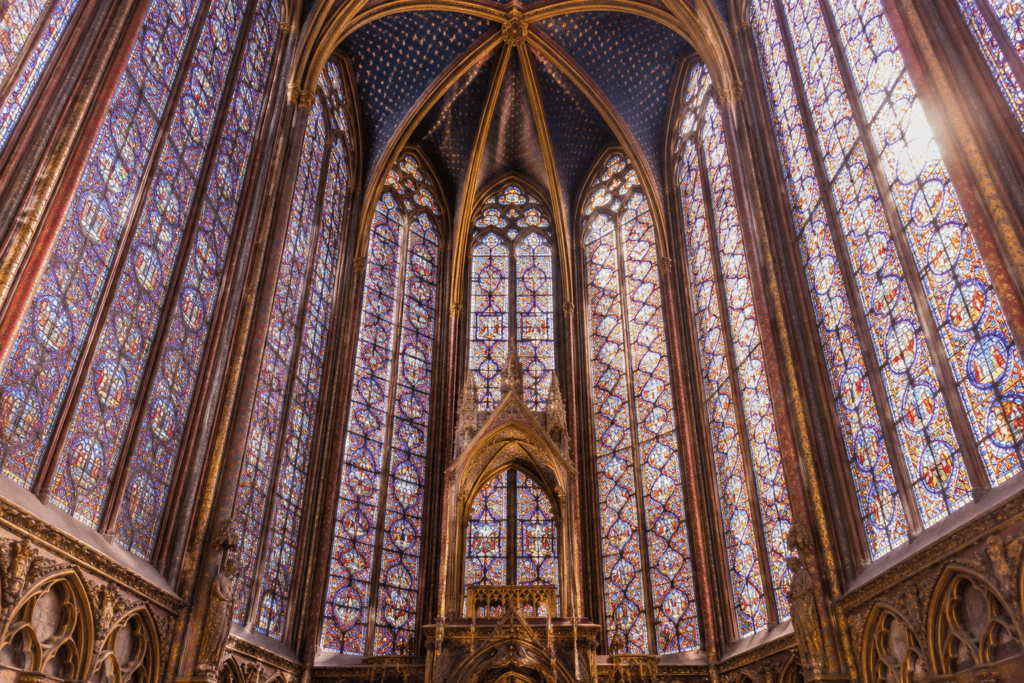
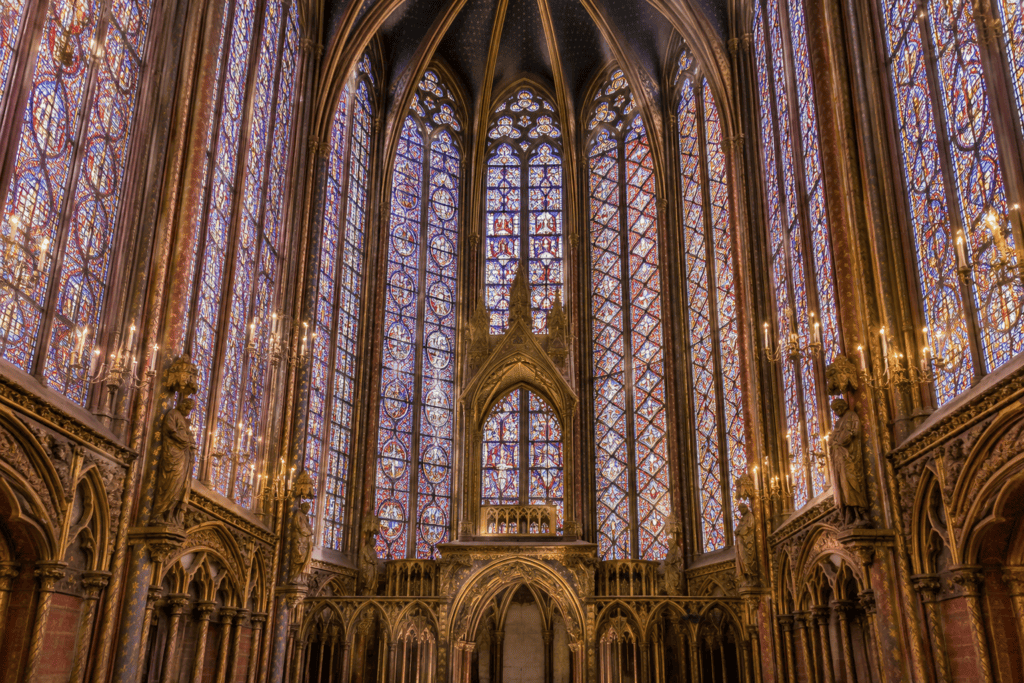
Sainte-Chapelle
A masterpiece of Rayonnant Gothic architecture where fifteen stained-glass windows tell biblical and royal history in spectacular light.
 Must-see
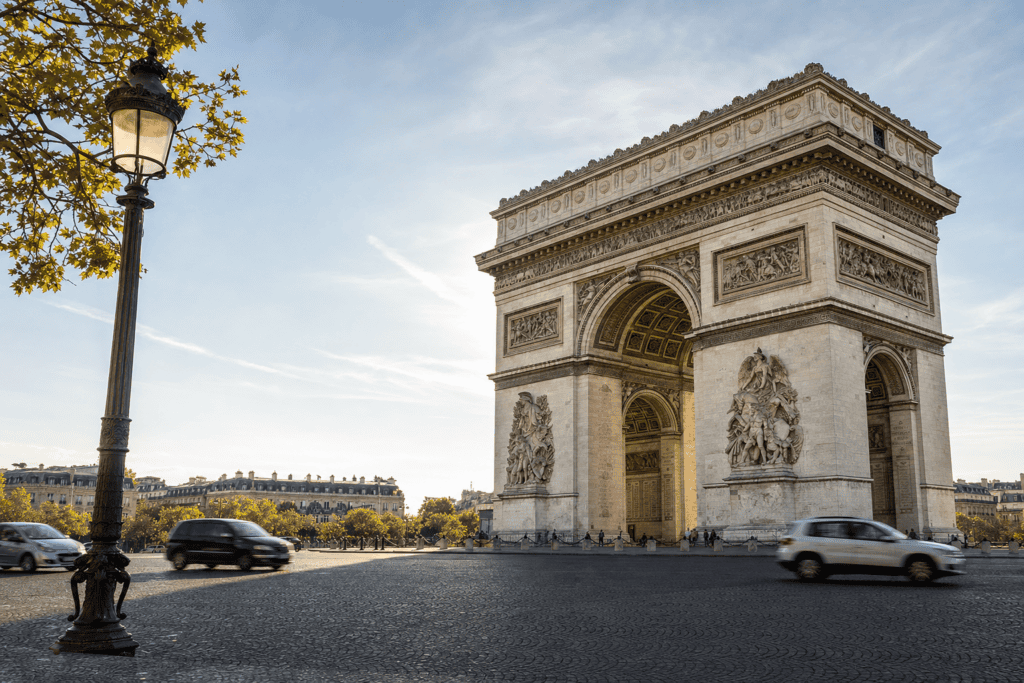
Arc de Triomphe
A major historic monument offering spectacular views over the Champs-Élysées, Paris and its grand avenues.
 Must-see
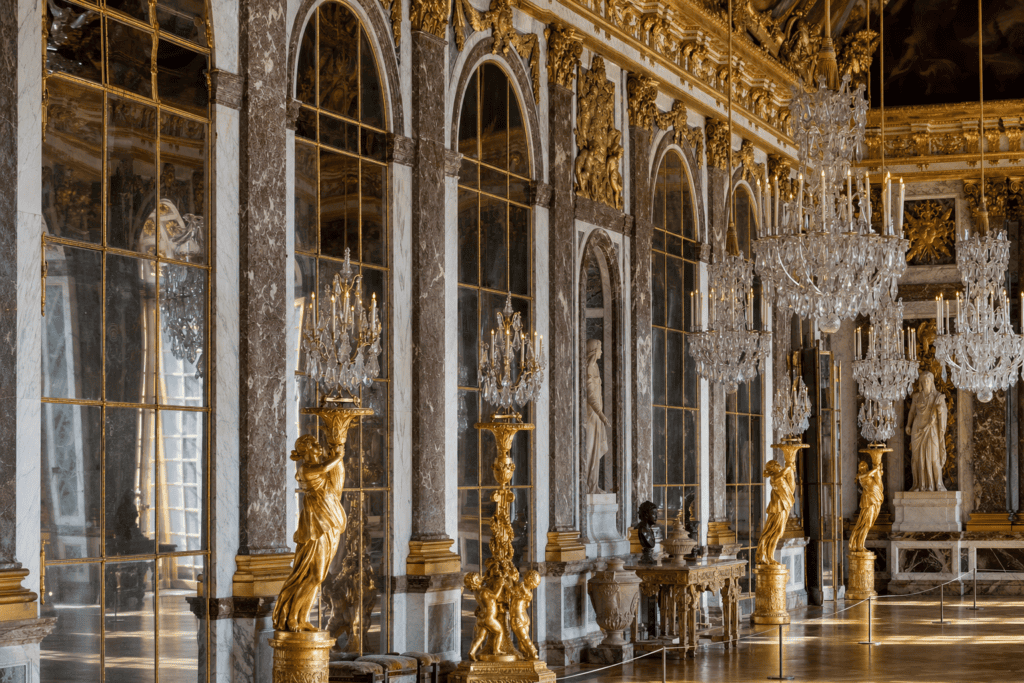
Palace of Versailles
A day trip from Paris featuring the royal palace, Le Nôtre’s gardens, the Grand Trianon, Petit Trianon, and the Queen’s Hamlet…
 Must-see
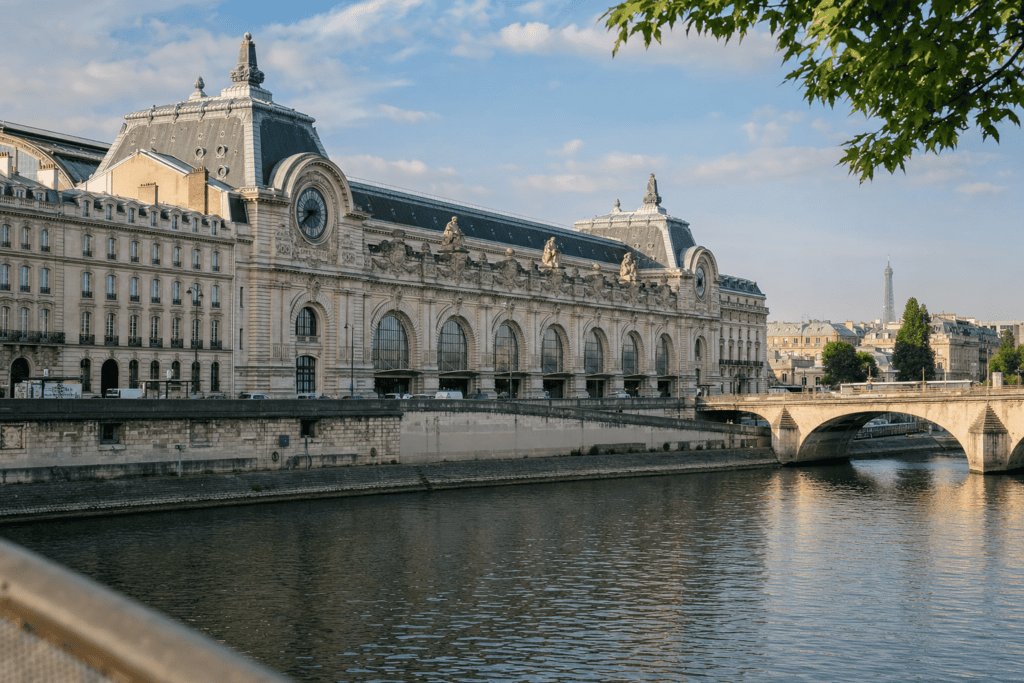
Musée d’Orsay
A former 1900 train station turned into one of Paris’s major museums, famous for its Impressionist collections and…
 Must-see
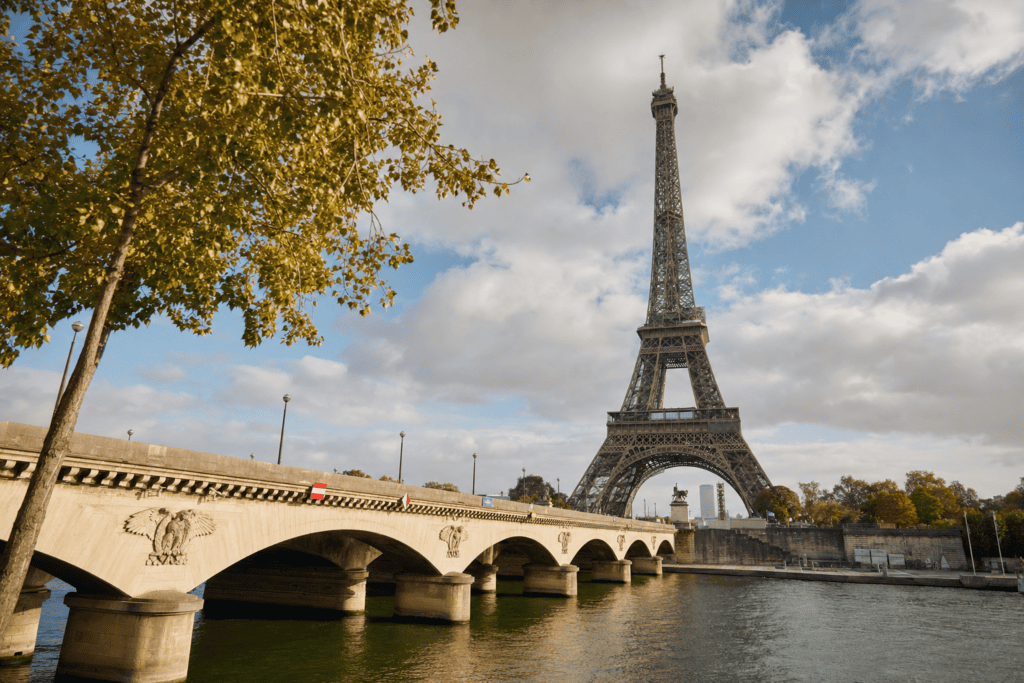
Eiffel Tower
Visit the Eiffel Tower with a practical guide to going up, the views, access, the best vantage points…
Other destinations to discover
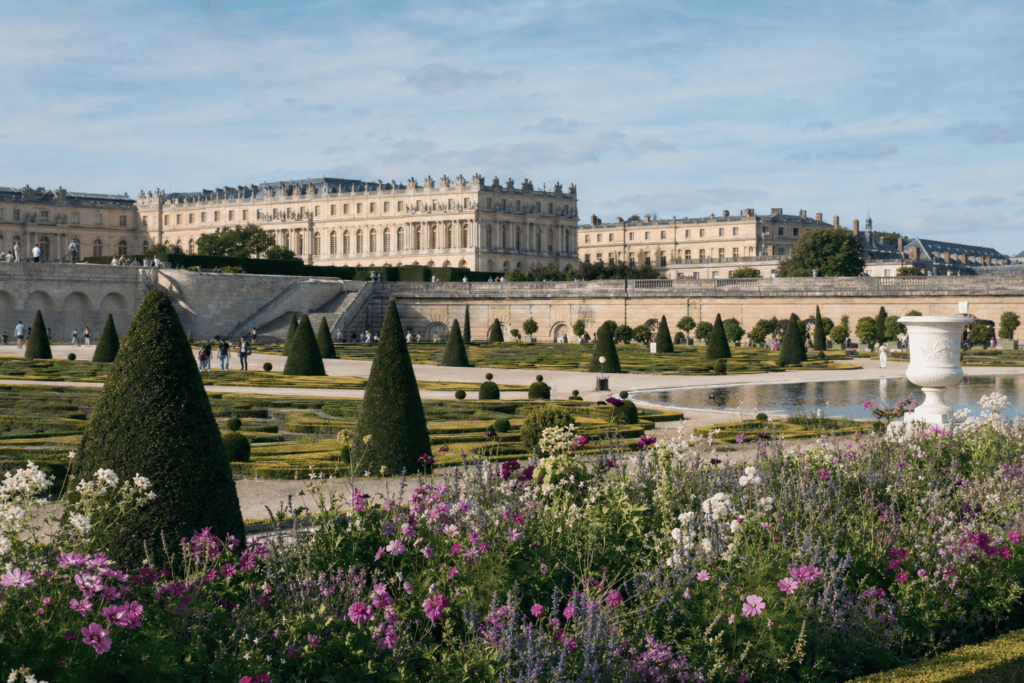
Versailles
A complete guide to discovering the Palace of Versailles, its gardens, Trianon, urban heritage, and…
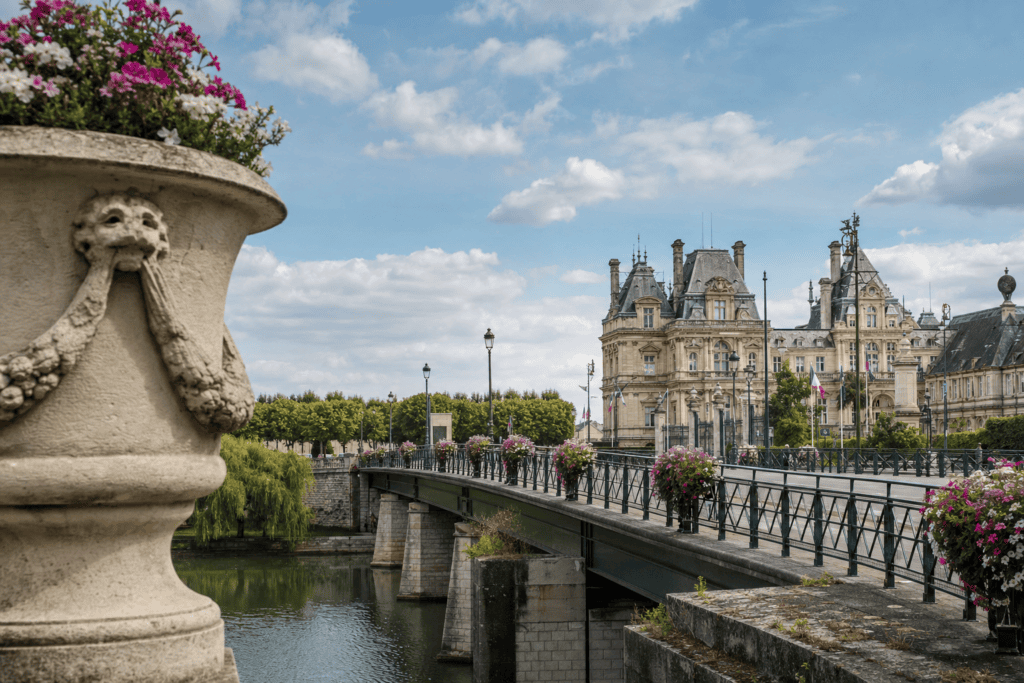
Compiègne
An imperial city with a château, historic forest, museums, gastronomy and memorial sites, ideal for a day…
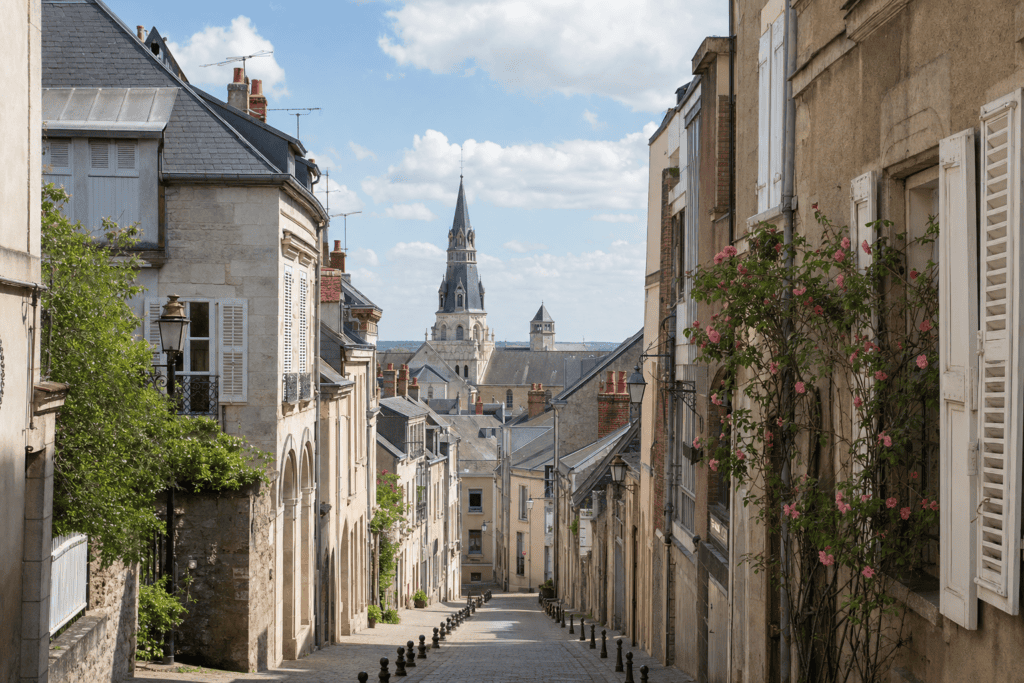
Châteauroux
From Château Raoul and the historic center to gardens, museums, and excursions in the Indre, Châteauroux reveals a discreet, cultural side of Berry…
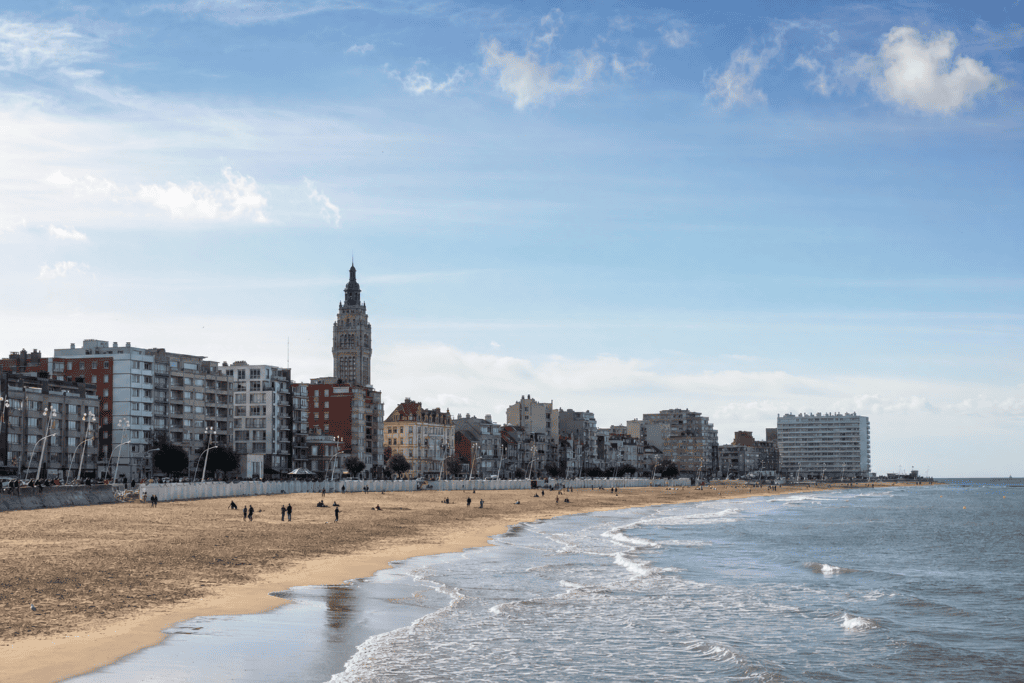
Dunkirk
A complete maritime destination with Malo-les-Bains beach, a port, carnival, museums and the history of Operation Dynamo.
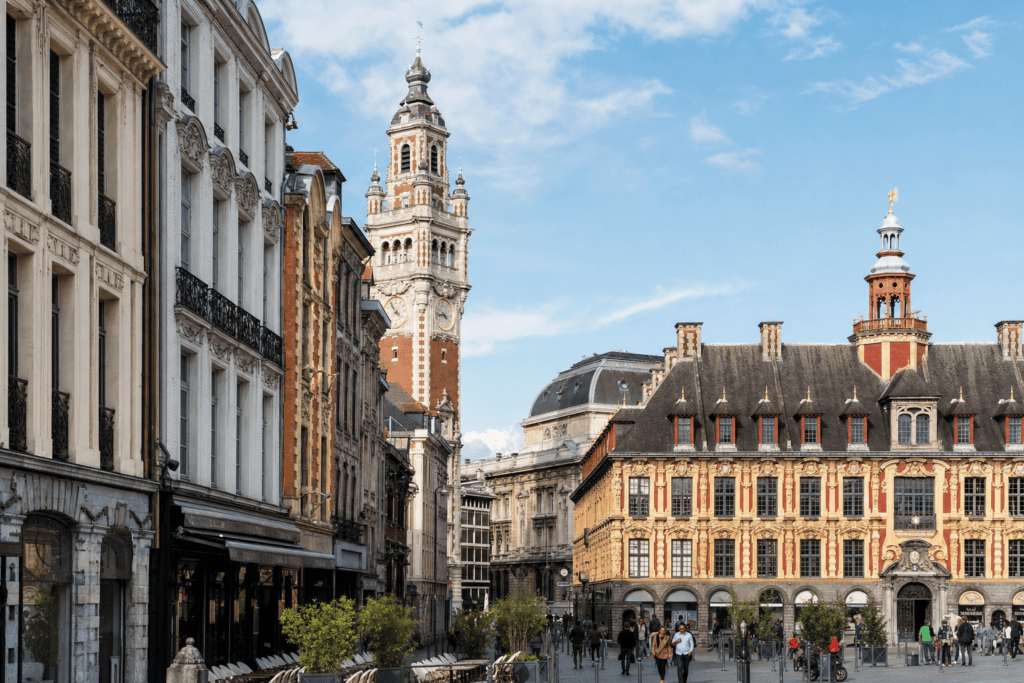
Lille
A welcoming city to explore through Flemish architecture, major museums, Vauban’s Citadel, markets and specialties from the…
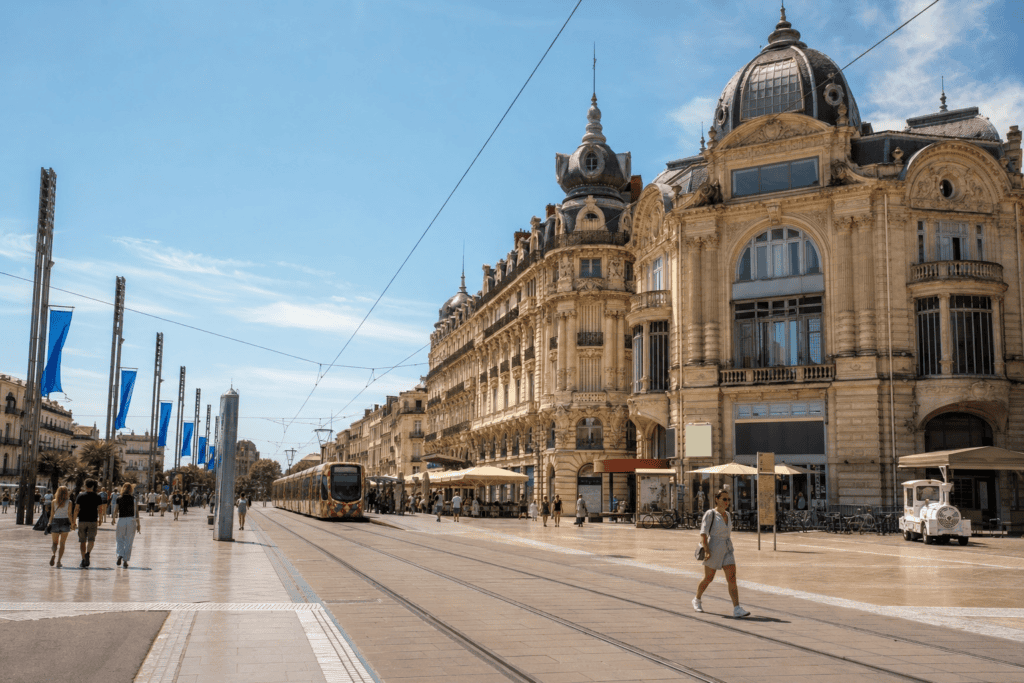
Montpellier
A lively, elegant southern city, ideal for exploring a pedestrianized historic center, museums, and…
DESTINATION GUIDE
Paris Travel Guide
Why visit Paris?
Paris is particularly well suited to exploring on foot. Within a relatively compact area, its historic center brings together monuments, museums, squares, bridges, and neighborhoods with very different atmospheres. The Seine is the most natural thread connecting them: from its quays, you can link the Louvre, Île de la Cité, Notre-Dame, the Musée d’Orsay, Les Invalides, the Grand Palais, and the Eiffel Tower along a succession of remarkable urban vistas. The historic banks of the Seine have been listed as a UNESCO World Heritage Site since 1991, underscoring their architectural and historical importance.
The capital is not limited to its most photographed monuments, however. It is also discovered in the streets of Le Marais, its covered passages, markets, Latin Quarter bookshops, Montmartre stairways, Saint-Germain-des-Prés cafés, and the planted promenades of eastern Paris.
Neighborhoods to Explore
For a first visit, the historic heart offers the best introduction to Paris. Le Marais, in the 3rdth and 4thth arrondissements, combines private mansions, museums, galleries, independent boutiques, and tempting food spots. From Place des Vosges, you can continue toward Hôtel de Ville, Île Saint-Louis, and the Seine quays.
The Latin Quarter and Saint-Germain-des-Prés form another unmissable area. Here you’ll find the Sorbonne, the Panthéon, Luxembourg Garden, historic churches, and numerous streets perfect for leisurely strolls. This area is especially pleasant in the morning, when the streets are quieter and the gardens offer a break between cultural visits.
Montmartre has a different identity. The neighborhood is known for the Sacré-Cœur, its panoramic views, and its artistic heritage, but it deserves to be explored beyond the basilica. The narrow streets around Place du Tertre, stairways, old signs, and traces of the village of Montmartre create a walk full of contrasts. For a more contemporary experience, head toward Canal Saint-Martin, Belleville, or La Villette, where cultural spaces, parks, and local initiatives come together.
Monuments and Major Itineraries
Une journée consacrée aux monuments peut commencer au Louvre, se poursuivre par le jardin des Tuileries et la place de la Concorde, puis rejoindre les Champs-Élysées et l’Arc de Triomphe. Cet axe monumental permet de comprendre l’organisation des grandes perspectives parisiennes. Une autre journée peut suivre la Seine depuis Notre-Dame jusqu’à la tour Eiffel, en passant par le musée d’Orsay, le pont Alexandre III et les Invalides.
The Eiffel Tower remains the city’s emblem, but its surroundings deserve just as much attention as the monument itself. The Champ de Mars, Trocadéro Gardens, and the quays offer several viewpoints. To avoid reducing Paris to a simple photo tour, set aside time to take in the architecture, bridges, and vistas rather than visiting only the busiest sites one after another.
Notre-Dame and Sainte-Chapelle reflect Paris’s medieval depth. It is advisable to check visiting arrangements directly with the official sites before setting out, as access conditions may change. The same applies to major museums and monuments, particularly during exhibitions, construction work or exceptional events.
Museums, Art and Heritage
Paris convient aussi bien aux amateurs de peinture qu’aux passionnés d’architecture, de photographie, de mode ou d’histoire. Le Louvre demande généralement une véritable organisation tant ses collections sont vastes. Le musée d’Orsay est particulièrement apprécié pour ses œuvres impressionnistes et postimpressionnistes, tandis que le Centre Pompidou met en avant l’art moderne et contemporain. Le musée de l’Orangerie, le Petit Palais, le musée Rodin, le musée du quai Branly – Jacques Chirac et les musées de la Ville de Paris offrent d’autres approches.
To create a balanced itinerary, avoid planning several major museums on the same day. Alternating an indoor visit with a walk lets you enjoy the city more fully. Architecture enthusiasts can compare Haussmannian façades, private mansions in the Marais, religious buildings on the Left Bank and more contemporary creations in La Villette or along the Seine.
Gardens, Walks and Breaks
The Luxembourg, Tuileries, Jardin des Plantes and Belleville gardens are good places to slow down. The Bois de Boulogne and Bois de Vincennes offer a different scale—greener and farther from monumental Paris. The Seine quays, landscaped riverbanks and canals are pleasant for an end-of-day walk, keeping in mind that some areas can be very busy.
- For a first introduction: The Seine, Île de la Cité, Louvre, Tuileries and Eiffel Tower.
- For neighborhood atmosphere: The Marais, Montmartre, Saint-Germain-des-Prés and Canal Saint-Martin.
- For museums: Choose two or three institutions based on your interests rather than trying to see everything.
- For a quieter day: Luxembourg Garden, a neighborhood museum, a market and a walk along the quays.
Practical Tips for Planning Your Stay
Paris is easy to explore by combining walking with public transportation. However, distances between neighborhoods can be deceptive: a map helps you group visits by area and limit backtracking. For highly popular sites, check the official websites before your visit to confirm opening hours, possible reservations, security checks, construction work and accessibility conditions.
Busy periods include weekends, school holidays and major events. Starting a popular visit early, booking when the official site offers that option and leaving a few time slots open can make your stay more enjoyable. If you arrive at Charles de Gaulle or Orly Airport, a transfer booked in advance can simplify the journey to Paris, especially with luggage or a group. Booking Paris Transfer provides transfers from Paris and the Paris airports, as well as return journeys to Paris; admission tickets for monuments and museums must still be booked with the relevant establishments.
Paris as a Starting Point for Exploring Île-de-France
A Paris stay can also serve as a base for exploring the surrounding area: Versailles, Fontainebleau, Giverny or the region’s villages are possible depending on the time available and traffic conditions. For this type of itinerary, it is best to plan the route from the outset, taking into account the starting point in Paris, the airport or accommodation, followed by the return to the capital. This organization makes it possible to combine Paris with one or more stops without presenting transportation as a local service in each destination.
Useful sources
Transfers from Paris and the Paris Airports
To reach your hotel from CDG or ORY, arrange a return to the airport or create a private itinerary starting in Paris, Booking Paris Transfer offers a transportation solution suited to individual travelers, families and groups. Tours and admission tickets should be booked directly with the relevant sites.