



Père-Lachaise Cemetery: Complete Guide in Paris
Paris
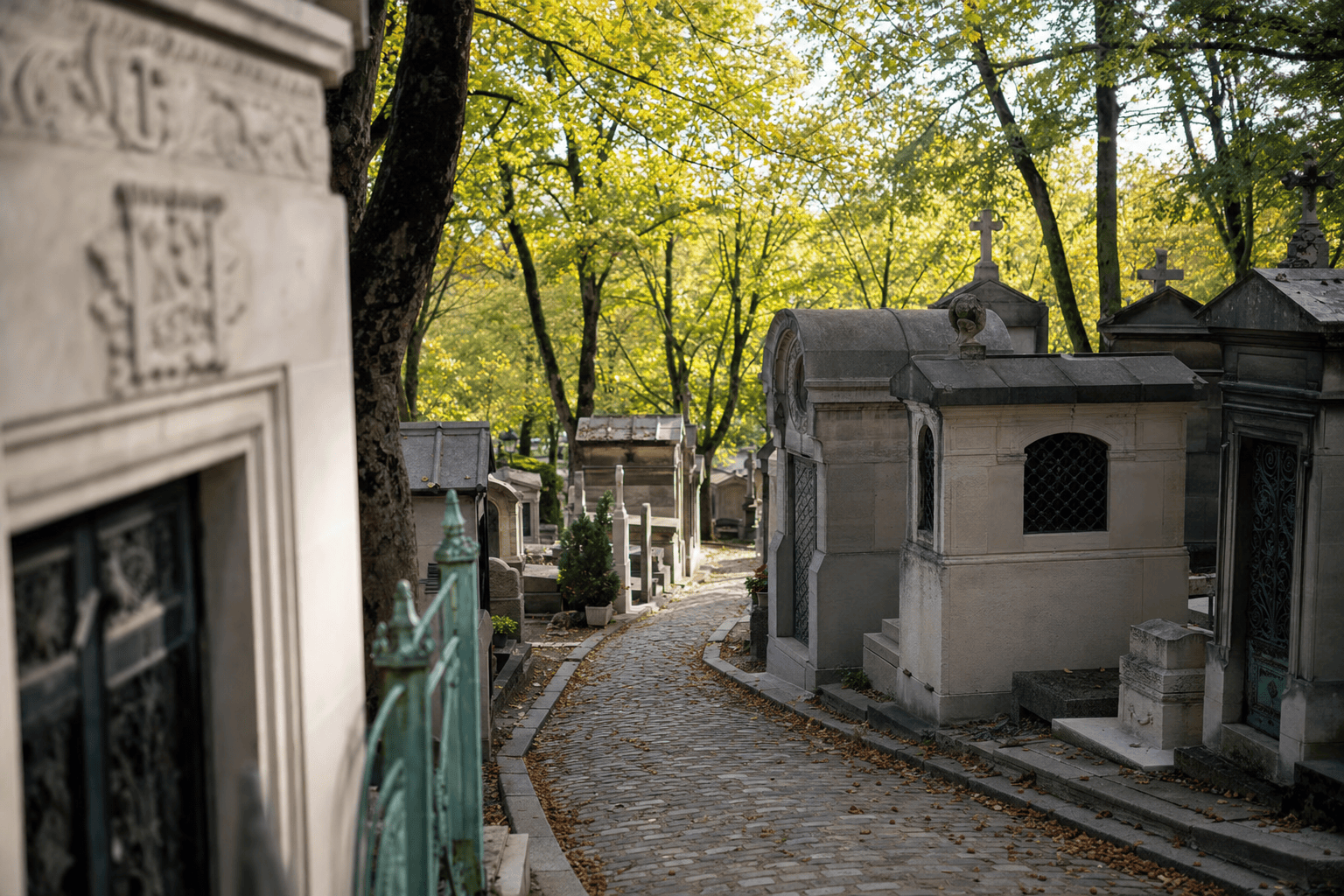
In eastern Paris, Père-Lachaise Cemetery is at once an active cemetery, a historic garden, and an open-air art museum. Its sloping paths wind through tree-lined sections filled with chapels, sculptures, memorials, and the graves of famous figures. A first visit takes about two hours, while a more thorough walk can fill half a day. Admission is free, provided visitors respect ceremonies and families, and subject to the opening hours, open gates, and any restrictions announced by the City of Paris.
Practical information
Wear sturdy shoes: the grounds include slopes, cobblestones, and stairs. Bring water, use a recent map, and remain discreet near ceremonies. Check the current rules regarding animals, photography, and accessibility.
Getting to Père-Lachaise from Paris
From Paris, the Île-de-France region, CDG, or Orly, Booking Paris Transfer can arrange a private ride to Père-Lachaise Cemetery, with a return to Paris or continuation of an itinerary that began in Paris. Transportation does not include admission or a guided tour.
Transportation service departing from Paris, the Île-de-France region, CDG, or Orly, with a return to Paris or continuation of an itinerary that began in Paris.
A History That Began in the Early 19th Century
Père-Lachaise Cemetery was established in 1804 under the name Cemetery of the East, on the former Mont-Louis hill. Its name pays tribute to François de La Chaise, Louis XIV’s confessor, whose estate once stood in this area. The creation of this large cemetery met a practical need: Paris had to establish new burial grounds away from the old urban cemeteries, which had become insufficient and, in some cases, unsanitary.
The architect Alexandre-Théodore Brongniart designed a funerary landscape shaped by the terrain, trees, and vistas. The site quickly gained prestige after the remains attributed to Molière and Jean de La Fontaine were transferred there. Parisian families later commissioned chapels and monuments in a variety of styles. This evolution explains Père-Lachaise’s distinctive identity: it remains an active cemetery while also serving as a historic garden and a record of Paris’s social, religious, and artistic development.
Over time, expansions enlarged the grounds far beyond their original core. The current topography preserves the memory of this gradual growth. A visit is therefore not just about finding famous names; it also offers insight into how the capital transformed its burial practices and its relationship with public memory.
Famous Figures and Themed Routes
La renommée du Père-Lachaise repose en partie sur les personnalités qui y sont inhumées. Les visiteurs recherchent notamment les sépultures de Molière, Jean de La Fontaine, Honoré de Balzac, Marcel Proust, Colette, Frédéric Chopin, Édith Piaf, Oscar Wilde, Sarah Bernhardt ou Jim Morrison. La tombe de Victor Noir attire également l’attention par son histoire et par son monument caractéristique. Ces points célèbres sont toutefois répartis dans différentes divisions et ne constituent qu’une partie du patrimoine du site.
To avoid spending the entire walk searching for plot numbers, choose a few priorities with the help of an official plan or a recent map. A route focused on literature, music, theater, or the arts gives the visit a clear structure. Allow extra time, since the paths intersect and rise and fall, and some monuments are harder to locate than a map might suggest.
Lesser-known graves are often interesting for their sculpture, inscriptions, or family histories. Père-Lachaise is best explored by slowing down rather than trying to see everything. For photographers, the contrasts between stone, vegetation, ironwork, and changing light offer many subjects, provided a respectful attitude is maintained.
An Open-Air Museum of Funerary Art
The cemetery offers a remarkable overview of Parisian funerary architecture. Its paths feature family chapels, mausoleums, steles, obelisks, ornate gates, bas-reliefs, and memorials. Stone, marble, bronze, and mosaic form an artistic vocabulary that extends from the 19th century to more recent periods. Some monuments highlight a belief, profession, family origin, or particular understanding of mourning.
The terrain strengthens the impression of an open-air museum. In the older sections, winding paths, vegetation, and changes in elevation create a romantic garden atmosphere. Other areas are more orderly and reveal the cemetery’s gradual expansion. Take time to observe the gates, inscriptions, carved motifs, and plants surrounding the graves.
Photography is permitted with discretion, but do not touch graves, move objects, or use burial sites as props for staged scenes. The most revealing details are sometimes modest: an enamel plaque, epitaph, rusted gate, or small sculpture can tell a more personal story than the most famous monuments.
Places of Collective Memory
Père-Lachaise tells more than the stories of individual figures. The Mur des Fédérés recalls the final battles of the Paris Commune in May 1871. Other monuments commemorate victims of wars, persecution, and deportation. These spaces give the walk a broader historical and political dimension: they evoke events that shaped Paris, France, and Europe, beyond the personal journeys of those buried in nearby divisions.
The contrast between a family chapel, an artist’s grave, and a collective memorial is one of the site’s major points of interest. Inscriptions and dates connect local history with the major upheavals of the 19th and 20th centuries. Take time to read plaques when they are accessible, without interrupting ceremonies or disturbing mourners.
A historical guided tour can provide additional insight into the Commune, memorials, and the cemetery’s development. Before visiting, check official information, as construction, commemorations, or temporary restrictions may alter circulation in some areas. The site’s peaceful character should not obscure its memorial and funerary purpose.
Access, Gates, and Routes in the 20th Arrondissement
Père-Lachaise extends across Paris’s 20th arrondissement, between the neighborhoods of Charonne, Ménilmontant, and Gambetta. Its gates do not all lead to the same sections. Père-Lachaise station, served by several Paris Metro lines, is convenient for approaching from the west. Philippe Auguste provides more direct access to the southern section, while Gambetta is better suited to arriving from the east and exploring the area around Avenue Gambetta.
The entrances on Rue du Repos, Rue de la Roquette, Rue de Ménilmontant, and Avenue Gambetta should therefore be considered different starting points. The best choice depends on the graves you want to see and the direction in which you wish to walk. Arriving via Père-Lachaise is not the same as arriving via Gambetta: the distance to cover inside the cemetery can vary considerably.
Check the City of Paris’s updated map and information before setting out. The walk may be more demanding than expected: slopes, cobblestones, stairs, and changes in elevation are significant in several areas. People with reduced mobility should plan their route particularly carefully, as accessibility can vary by path. Public transportation generally avoids traffic and parking constraints.
When to Visit and Which Rules to Follow
Père-Lachaise changes atmosphere with the seasons. In spring, foliage and blossoms soften the views. Summer provides shade along some paths, but the heat can make walking more tiring. In fall, the trees enhance the site’s landscaped character, and the light brings out the stonework. In winter, the chapels, gates, and terrain stand out more clearly. Mornings and weekdays are often pleasant for viewing the monuments, though lower visitor numbers are not guaranteed.
This is an active cemetery, not a recreational park. Remain quiet near processions and families, do not sit on graves, and do not leave anything without an appropriate reason. Photography should remain discreet and must not disturb other visitors. Groups should avoid blocking the paths, particularly near popular graves.
Rules concerning animals, hours, access, and occasional closures may change. Check the official City of Paris page just before your visit. Admission is free; a guided tour arranged by a provider is a separate activity. Also allow time to leave before closing, as the cemetery’s size and terrain make moving around inside slower than on an ordinary city walk.
Continue Exploring Eastern Paris
The cemetery can easily be included in a day spent in eastern Paris. From exits near Ménilmontant or Gambetta, continue through the streets of Ménilmontant and Belleville, where cafés, shops, and urban views offer a different perspective on the neighborhood. Parc de Belleville provides an elevated viewpoint and a change of scenery. Around Charonne, quieter streets offer another way to understand Paris’s popular history and urban development.
For a first visit, set aside half a day rather than fitting the cemetery between two distant monuments. This gives you time to explore a few divisions, pause at the memorials, and take a break outside the grounds. You can then round out the experience with lunch or a walk in the neighborhood, depending on the group’s energy and the weather.
From a hotel in Paris, the Île-de-France region, Charles de Gaulle Airport, or Orly, Booking Paris Transfer can arrange a private ride to Père-Lachaise, followed by a return to Paris or continuation of an itinerary that began in Paris. The service covers transportation only: it does not include admission, tickets, or a guided tour. Travelers can also reach the site by public transportation using the network’s latest information.
Useful sources
Frequently Asked Questions
Is admission to Père-Lachaise Cemetery free?
How much time should I allow?
Which station should I choose to visit the cemetery?
Is the site suitable for people with reduced mobility?
Can you take photos at Père-Lachaise?
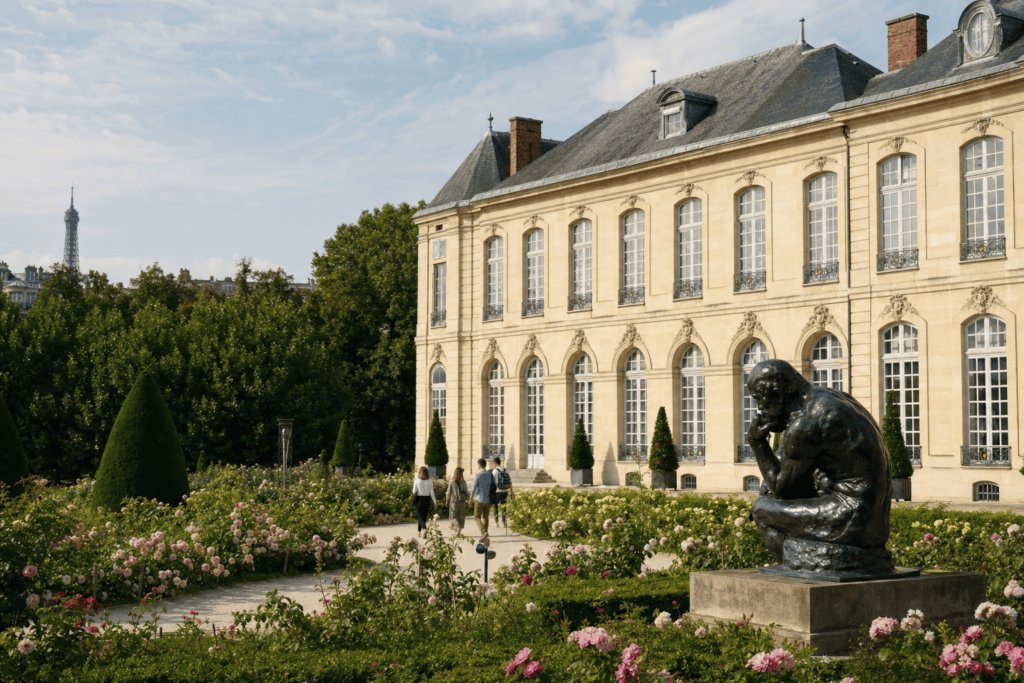 Musée Rodin A historic mansion, a sculpture garden, and major works by Rodin near the…
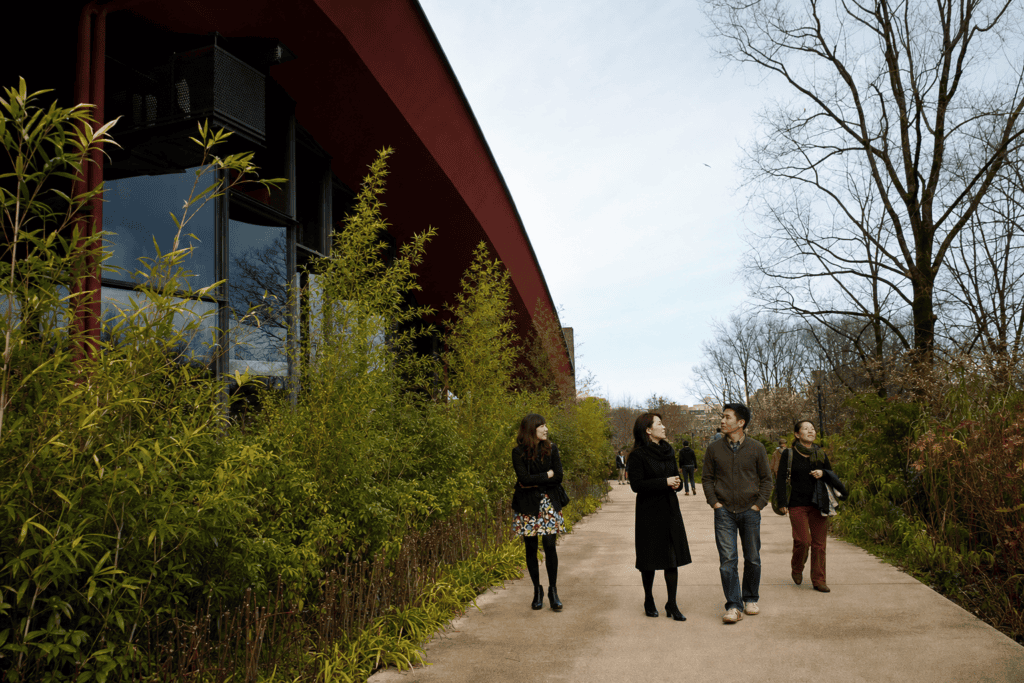 Musée du quai Branly – Jacques Chirac A Paris museum devoted to the arts and civilizations of Africa, Asia, Oceania, and the Americas, with a…
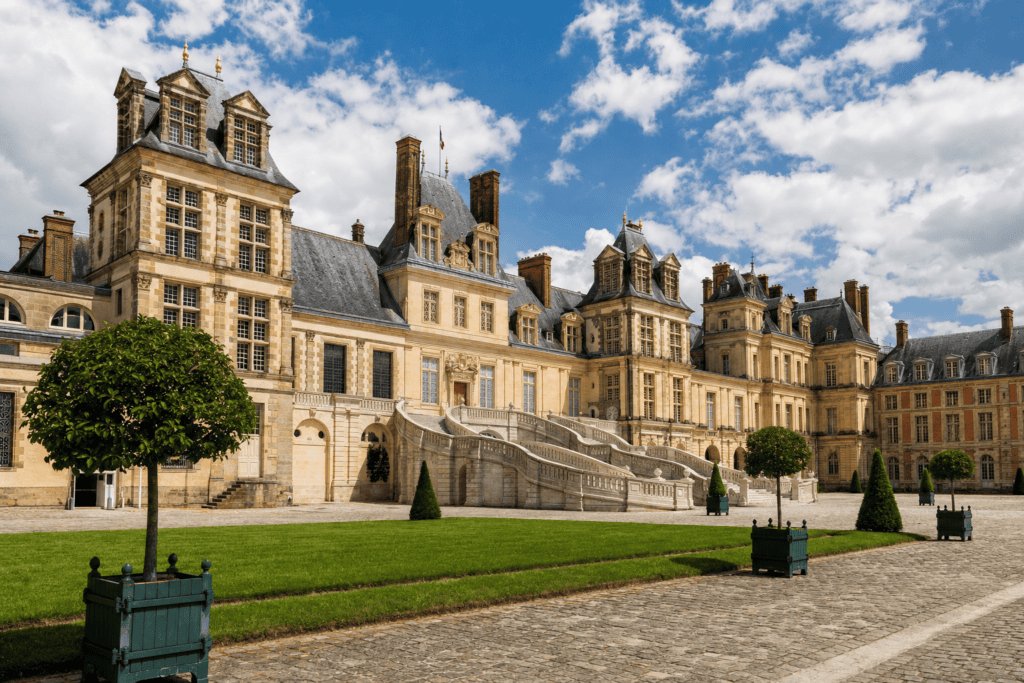 Fontainebleau Castle A former royal residence where Renaissance decoration, imperial apartments, and the forest come together in a…
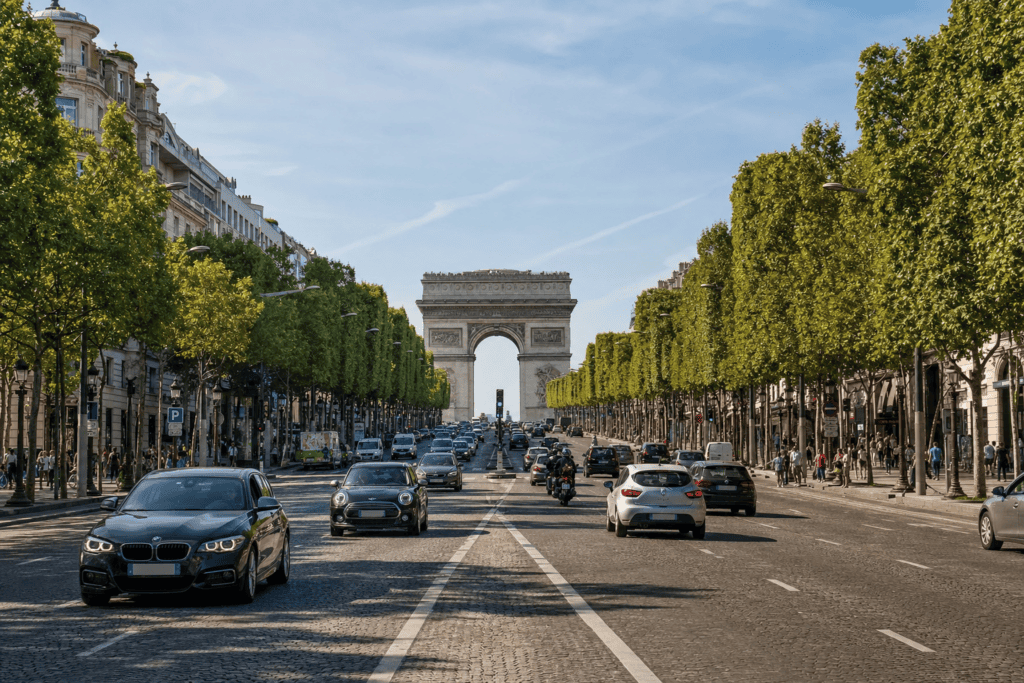 Avenue des Champs-Élysées A grand Parisian promenade lined with gardens, museums, shops and cafés, leading along a monumental vista toward the Arc de Triomphe.
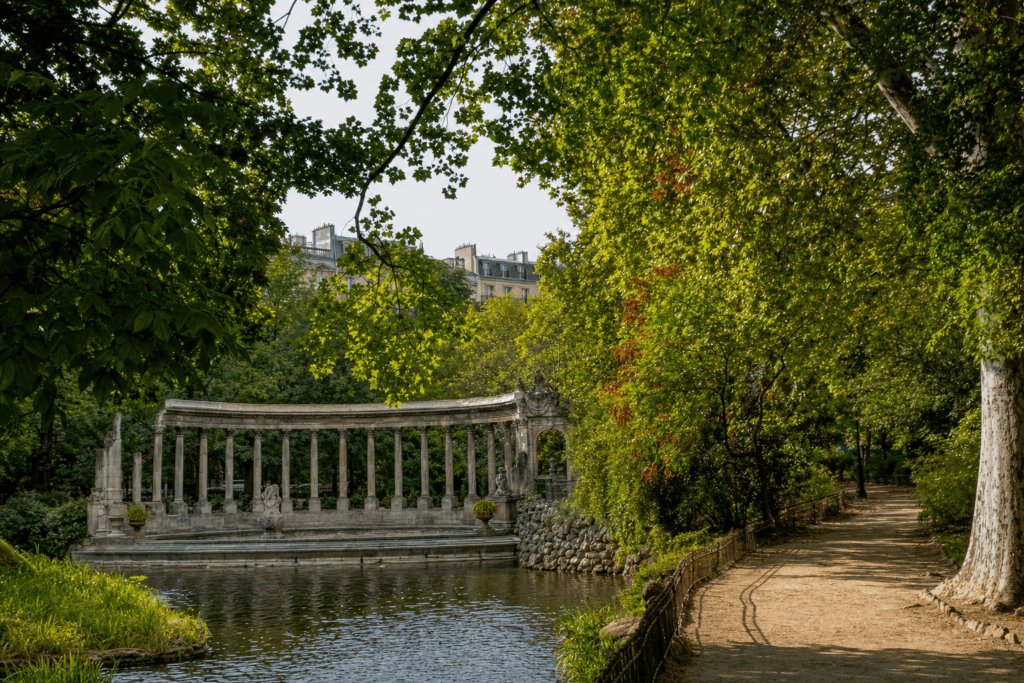 Monceau Park An elegant Parisian garden known for its follies, pond, trees and residential atmosphere.
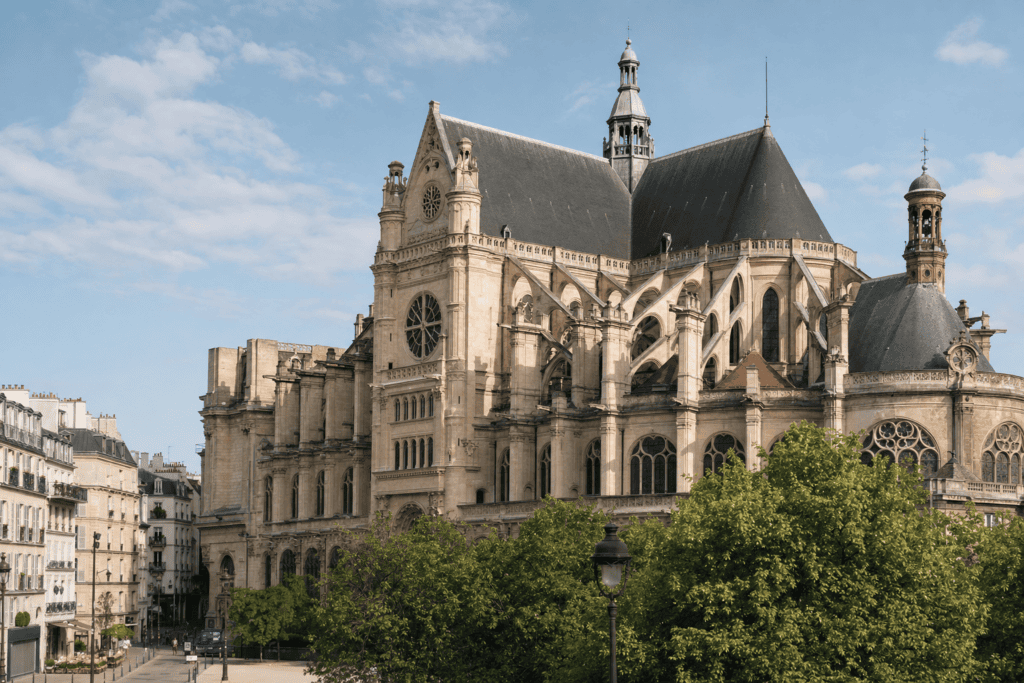 Saint-Eustache Church A monumental church in Les Halles where architecture, the memory of traditional trades, historic art, and contemporary creativity come…
Online booking · Paris → Entrances around Rue de la Roquette, Rue du Repos, Avenue Gambetta, and Rue de Ménilmontant, 75020 Paris, France
Choose your pickup date and time
Your departure and arrival details are already pre-filled. You can adjust them in the fare calculator before viewing the vehicles and fare.