



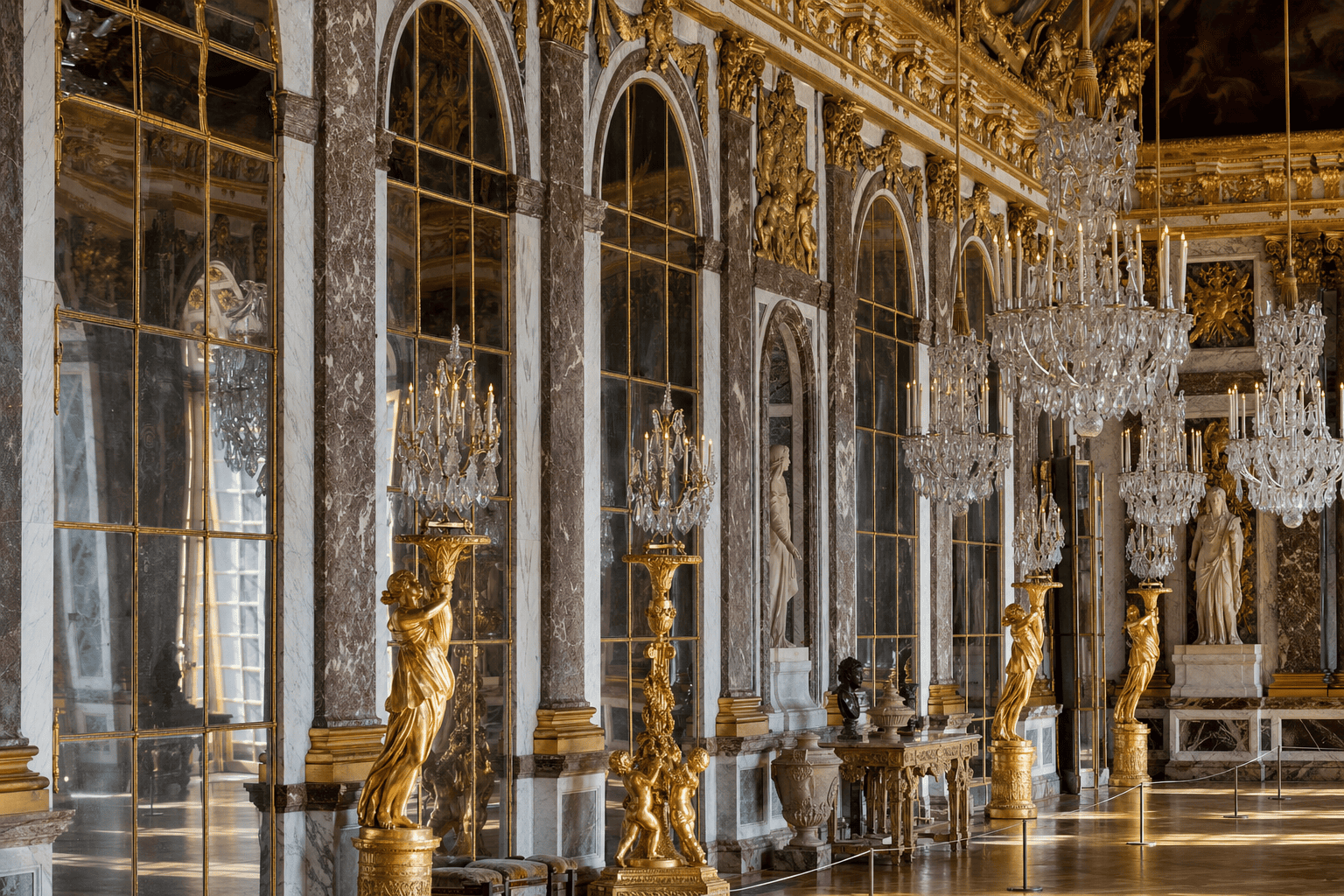
Palace of Versailles: Palace, Gardens and Trianon
Paris
Less than an hour from Paris, the Palace of Versailles is one of the most memorable cultural excursions in the Île-de-France region. The former palace of Louis XIV is much more than the Hall of Mirrors: its gardens designed by Le Nôtre, the Grand Canal, the Grand Trianon, the Petit Trianon and the Queen’s Hamlet form a vast estate where political history, architecture, garden design and court life come together. To make the most of your visit, plan on spending a full day and choose your route in advance: the palace, gardens and Trianon estate are spread far apart.
Practical information
Book in advance when recommended, check which entrance corresponds to your ticket, and wear comfortable shoes: the estate is extensive, and the walk from the Palace to Trianon can take about 30 minutes.
Getting to Versailles from Paris with ease
Arrange your journey from a Paris hotel, CDG or ORY to Versailles, then enjoy a ride back to Paris after your day. Transportation can be adapted for families and small groups; admission tickets to the estate must be booked separately through the official website.
Pickup from Paris, CDG or ORY; return to Paris. Transportation service only; tickets not included.
Why visit Versailles from Paris?
The Palace of Versailles is one of the easiest day trips to organize from Paris, but its proximity should not obscure the scale of the site. The estate covers more than 800 hectares and brings together several distinct experiences: the royal apartments, the Hall of Mirrors, the gardens, the park and the Trianon palaces. A quick tour of the palace offers a first impression, while a full day allows you to understand how Versailles functioned as a residence, seat of power and landscape designed to impress.
Traveling from Paris is especially worthwhile for travelers who want to leave the central neighborhoods without spending several days in another region. The RER C arrives at Versailles Château Rive Gauche, about a ten-minute walk from the Cour d’Honneur. With a private chauffeur, pickup can be arranged from a Paris hotel, CDG or ORY, with a return to Paris after your visit. This arrangement is convenient for families, small groups or travelers who want to carry luggage without incorporating it into their cultural itinerary.
The Royal Palace and Grand Apartments
The Palace of Versailles first tells the story of a hunting lodge transformed into a royal residence and a stage for political power. Louis XIV made it the center of the court and royal administration before Versailles became a European symbol of the French monarchy. Inside, the State Apartments, King’s Apartment and Hall of Mirrors reveal how sovereignty was staged through décor, painted ceilings, marble and carefully framed perspectives.
The Hall of Mirrors is the most famous space, but it is worth looking beyond the iconic photograph. The salons around it form a coherent route devoted to the deities and heroes of antiquity, while the royal apartments reveal a more intimate side of palace life. Depending on the program, temporary exhibitions and guided tours may offer other ways of interpreting the monument. As entry requirements, timed reservations and accessible areas may change, always check the institution’s guidance before you arrive.
Le Nôtre’s Gardens and the Grand Canal
The gardens are essential to understanding Versailles. André Le Nôtre created a landscape based on perspective, symmetry, groves, fountains and water features. From the palace terrace, the central axis leads the eye toward the Grand Canal and structures the entire walk. Often hidden behind tall plant screens, the groves reveal outdoor rooms, fountains and sculptures that transform the experience of the route.
The visit involves more walking than you might expect. Comfortable shoes, sun protection and water are useful, especially during hot weather. On Musical Fountain Show or Musical Gardens days, the gardens take on a special character with fountains, music or seasonal programming, but access may be subject to specific pricing conditions. For a quieter walk, favor the less central areas of the park and take time to move away from the main terrace. The Grand Canal also offers a welcome pause before continuing to Trianon.
Grand Trianon, Petit Trianon and the Queen’s Hamlet
The Trianon estate provides an essential counterpoint to the palace’s grandeur. Built under Louis XIV by Jules Hardouin-Mansart, the Grand Trianon is distinguished by its more horizontal architecture, marble and direct connection to the gardens. The Petit Trianon, completed in the 18th century by Ange-Jacques Gabriel, reflects Neoclassical taste and the evolution of the court’s private spaces.
The Estate of Marie Antoinette reveals another side of Versailles. The queen had a landscaped garden, the Temple of Love, the Belvedere and the Queen’s Hamlet created there—a pastoral ensemble contrasting with the ceremonies of the main palace. From the Palace, Trianon can be reached on foot through the gardens and park in about 30 minutes; a little train or electric vehicle may also be available depending on estate conditions. Trianon can also be accessed through certain park entrances from the town. Check your chosen route on the day of your visit.
Plan a Day Without Wasting Time
An efficient day generally starts with the Palace, as entry may be tied to a timed reservation. Arrive with enough time to find the right entrance and pass through security. After the royal apartments, head down to the gardens and spend at least an hour along the main axis, around the fountains and in a few groves. If your ticket includes the relevant areas, continue afterward to the Grand Trianon, Petit Trianon and the Queen’s Hamlet.
The full route is ambitious: distances, possible lines and breaks quickly extend the day. Families with children may prefer the Palace, nearby gardens and just one Trianon area rather than trying to see everything. Visitors interested in Marie Antoinette’s history should allow more time for the estate associated with her. The official app, maps and visitor information help you follow current openings and available routes. Avoid creating an overly tight schedule with another Paris attraction on the same day.
Access, Train Stations and Practical Tips
Versailles Château Rive Gauche is the most direct train station from Paris for reaching the Palace. The walk to the Cour d’Honneur is short, but you must then account for the size of the estate. Versailles’ other stations may suit visitors who want to explore the town, but they are not necessarily the simplest choice for a first visit to the palace. By car, access to the park and parking areas depends on open entrances, estate regulations and any events taking place.
Large bags may be subject to restrictions, and security checks take time. Visitors with reduced mobility should consult the official information about access routes, ramps and available facilities. Travelers arriving by air can arrange a transfer from CDG or ORY, followed by a return to Paris after Versailles. For pickup from a Paris hotel, a chauffeur avoids line changes and makes it easier to manage a day with children, a stroller or personalized assistance, without including admission to the monument.
When to Visit and What to See Around Versailles
Spring highlights the flower beds, blooms and perspectives; summer is ideal for long walks but brings more sun and larger crowds. Fall gives the groves and park a different light, while the low season may offer a more relaxed atmosphere for visitors who prefer the interiors. Opening hours, days and access conditions vary by area and event: the official visit-planning page remains the reference before making any reservation.
Versailles is more than the royal estate. After your visit, the Notre-Dame neighborhood, market and historic streets of the town can extend your day, provided you save enough energy for the return journey. History enthusiasts may also be interested in the Jeu de Paume Room, associated with the French Revolution, or the carriage collections when these areas are open. From Paris, Versailles can also be included in a broader cultural itinerary through the Île-de-France region, but it is best given a dedicated day rather than reduced to a quick photo stop.
Frequently Asked Questions
How much time should you plan for a visit to Versailles?
Which train station is most convenient from Paris?
Can you visit Trianon without visiting the Palace?
Are the gardens always free?
Un chauffeur depuis Paris inclut-il le billet d’entrée ?
 Foodie Paris: pastries, cheeses, and local specialties A practical guide to discovering Parisian bakeries, pastry shops, cheese shops, markets and specialties by neighborhood.
 Arc de Triomphe A major historic monument offering spectacular views over the Champs-Élysées, Paris and its grand avenues.
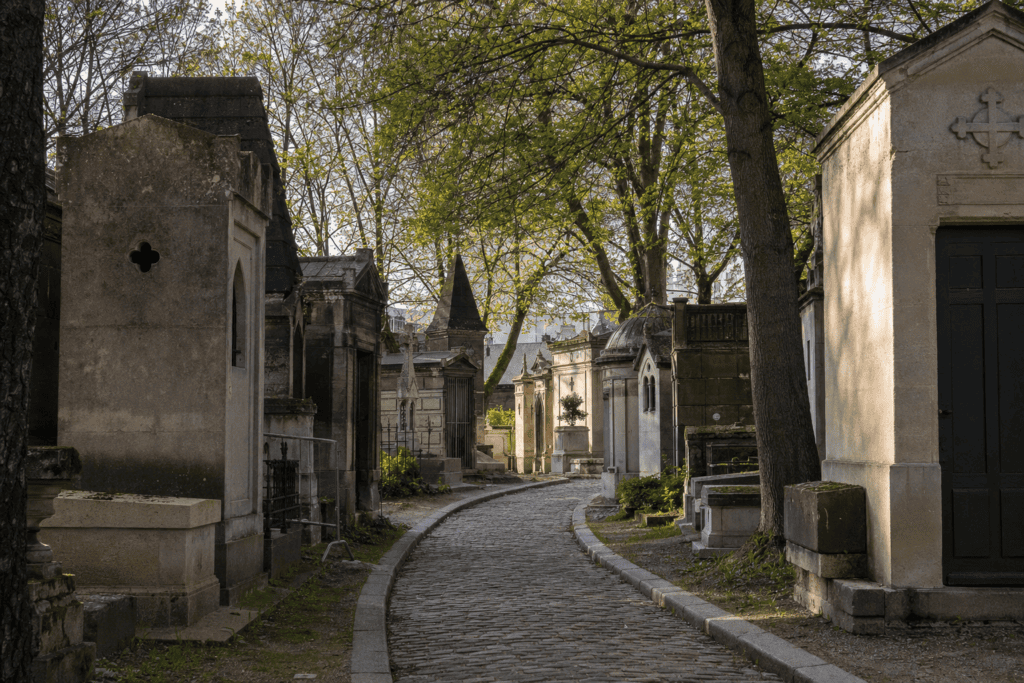 Montparnasse Cemetery A cultural, tree-lined walk following in the footsteps of writers, artists, and intellectuals in the heart of the 14th arrondissement…
 Aquaboulevard An indoor water park in the 15th arrondissement, convenient for a half-day family outing between Balard and…
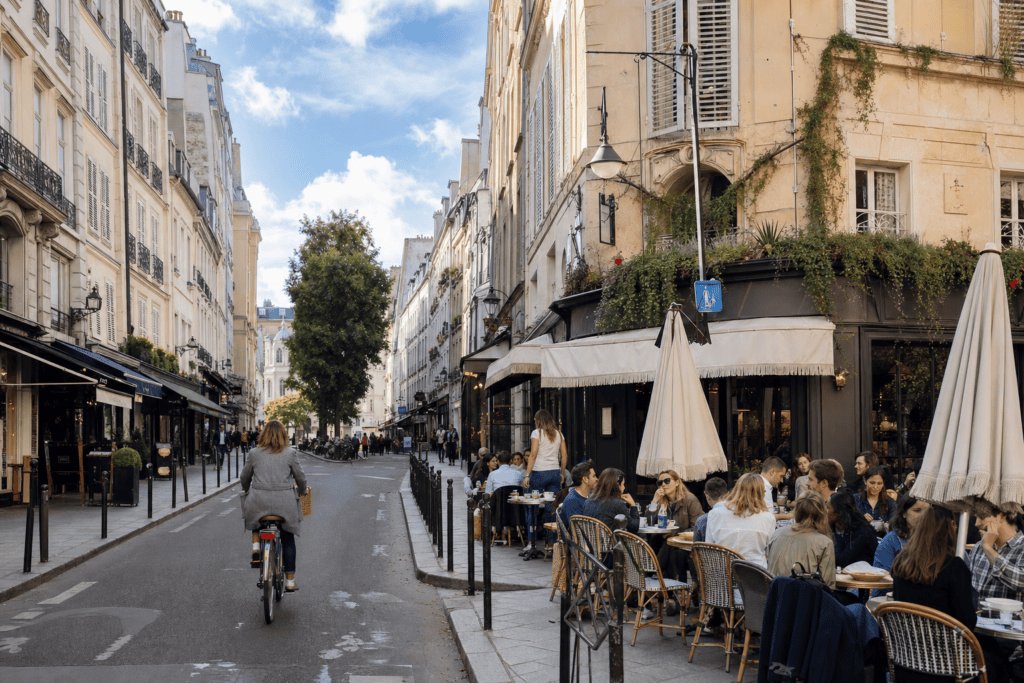 Saint-Germain-des-Prés A Parisian stroll through religious heritage, literary cafés, art galleries, and Left Bank boutiques.
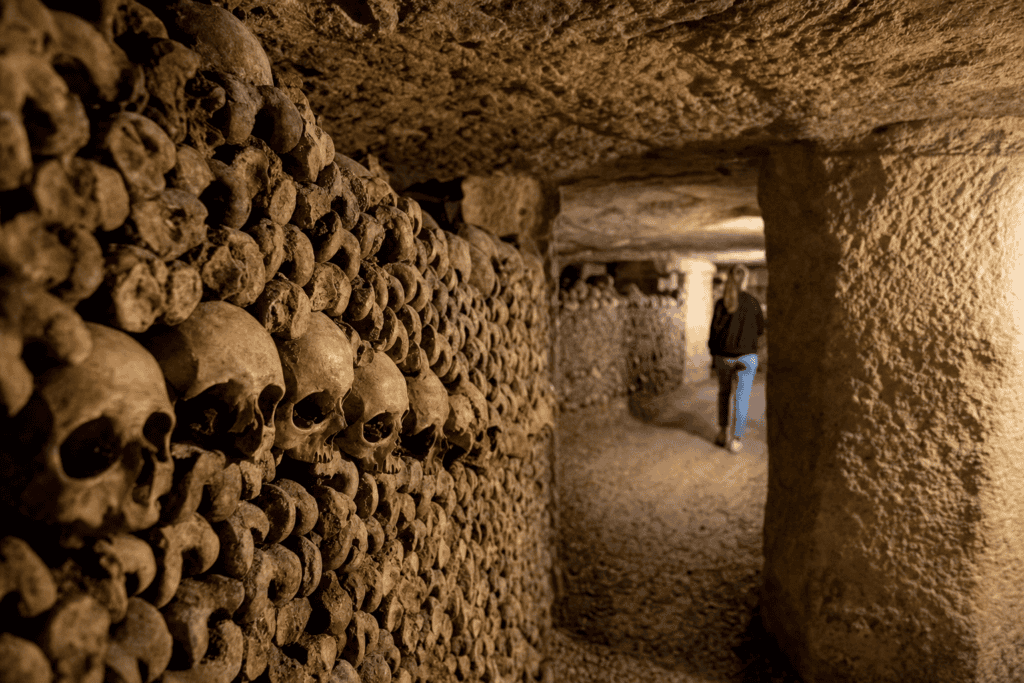 Paris Catacombs A 1,500-meter underground route through the former quarries and municipal ossuary of Paris,…
Online booking · Paris → Place d'Armes, 78000 Versailles, France
Choose your pickup date and time
Your departure and arrival details are already pre-filled. You can adjust them in the fare calculator before viewing the vehicles and fare.