



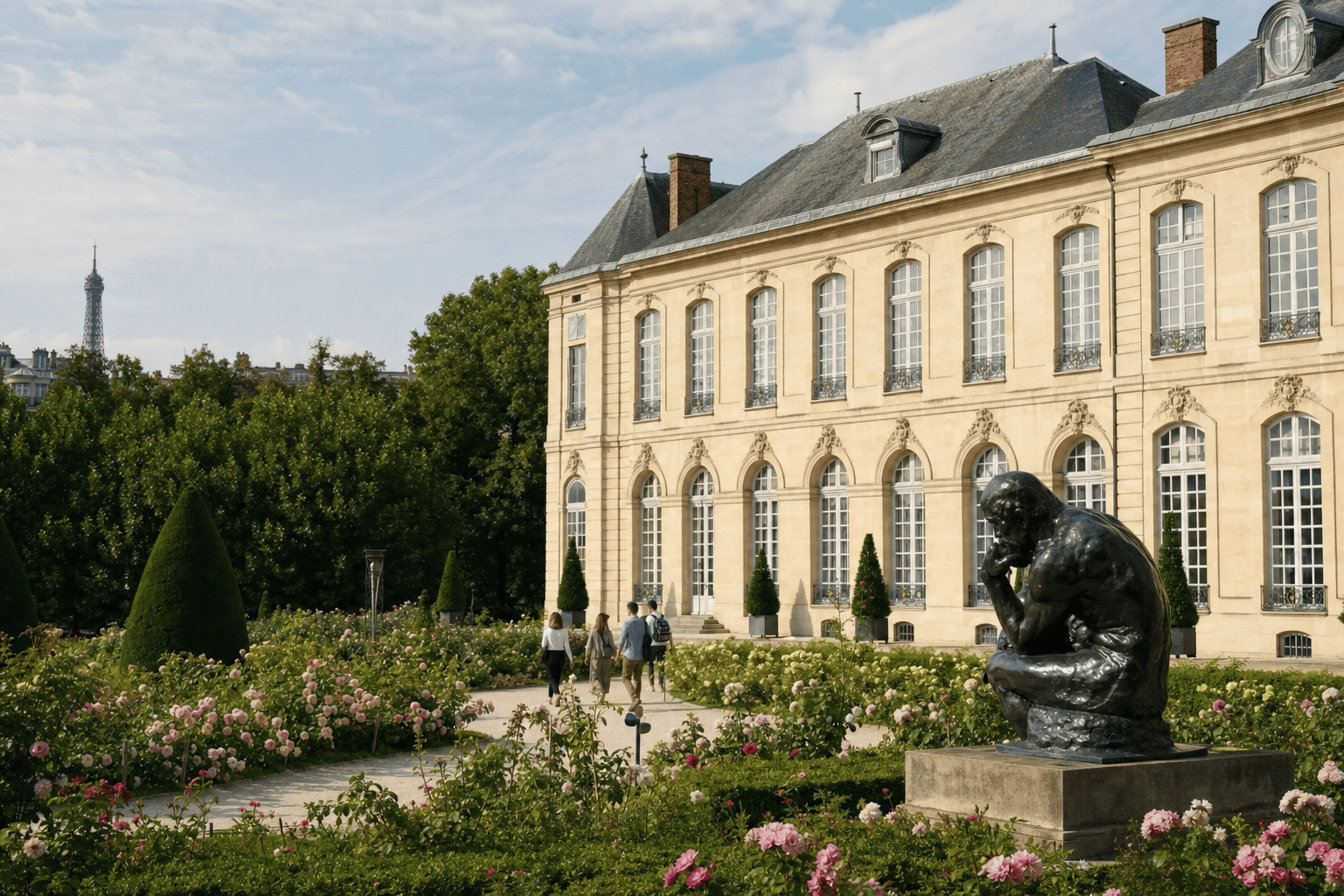
Musée Rodin in Paris: Sculptures, Hôtel Biron and Garden
Paris
The Musée Rodin offers a rare experience in Paris: discovering major sculptures in the former Hôtel Biron, then seeing them again outdoors in a carefully landscaped garden. The Thinker, The Kiss, The Burghers of Calais and The Gates of Hell engage with the woodwork, vistas and light of the 7th arrondissement. The visit combines easily with Les Invalides, the Musée d’Orsay or a walk toward the banks of the Seine. Hours, access conditions, cloakroom rules and any restrictions may change, so check the official information before your visit.
Practical information
Start with Hôtel Biron, then allow plenty of time for the garden. For a relaxed visit, check the hours, ticketing, accessibility, photography rules and cloakroom conditions before you leave.
Getting to the Musée Rodin from Paris
Booking Paris Transfer can arrange a private transfer from a Paris hotel, train station, Paris-CDG or Paris-Orly to the Musée Rodin, with the option of a return trip to Paris. This transportation service is separate from the visit: admission tickets are neither sold nor included.
Service available from Paris, Île-de-France, a train station or Paris-CDG/ORY. Book admission and check the visitor guidelines directly with the Musée Rodin.
Why visit the Musée Rodin in Paris
The Musée Rodin stands out for the close relationship between its works, architecture and landscape. Housed in the former Hôtel Biron, it is unlike a large contemporary gallery: sculptures appear in human-scale rooms, lit by windows and surrounded by wood paneling. This atmosphere gives the visit a more intimate pace, particularly enjoyable for a first introduction to Rodin.
The route naturally continues outdoors, in a garden where monumental works gain distance and change scale. This alternation between indoors and outdoors is what makes the site distinctive. The museum appeals to art enthusiasts as well as travelers who want to combine culture, architecture and a walk through a central Paris neighborhood. Its proximity to Les Invalides makes it easy to create a coherent itinerary without numerous transfers.
Major works to look for
Among the best-known works, The Thinker, The Kiss, The Burghers of Calais and The Gates of Hell are important landmarks. They reveal several facets of Rodin’s work: the tension of the body, movement, monumentality and his ability to transform a fragment or isolated figure into an expressive composition. As locations and displays may change, follow the route indicated on-site.
However, do not limit your visit to the famous sculptures. Plaster casts, marble, bronze, drawings and preparatory studies show how an idea develops before becoming a finished work. Fragments of hands, torsos and faces are especially revealing of Rodin’s modernity. Works by Camille Claudel and documents related to the artistic history of the period also help explain the context in which the sculptor worked.
Understanding Hôtel Biron
Hôtel Biron gives the museum much of its identity. This Parisian mansion, built in the 18th century, had several owners and uses before becoming associated with the artistic life of the early 20th century. Rodin established part of his studio and collections there. Following the artist’s donation to the French state, the museum opened to the public in 1919, making the building essential to understanding his work.
Inside, the architecture acts as a genuine part of the route. The proportions of the rooms, windows, floors and walls alter the way volumes are perceived. A sculpture may seem compact from one angle, then open up completely as you move around it. Take time to view the works from several distances rather than moving through the rooms too quickly. This attention to viewpoints is particularly useful for understanding Rodin’s explorations of movement and material.
The sculpture garden through the seasons
The garden is one of the Musée Rodin’s main attractions. Lawns, paths, trees and vistas provide the bronzes with a setting that changes with the light and the seasons. Outdoors, the sculptures can be viewed from a distance; their silhouettes stand out against the greenery, and visitors can walk around them more freely than in a gallery. Comparing a work seen indoors with another displayed outside enriches the visit.
Spring brings particularly expressive vegetation, while summer creates areas of shade and autumn heightens the contrasts between foliage and patinas. In winter, the forms often appear more sharply defined. The garden may have different hours or conditions from the indoor spaces, so do not assume it automatically closes at nightfall. Check the official hours on the day of your visit and plan to see the garden before the last few minutes.
Access from Les Invalides and central Paris
The museum is located at 77 Rue de Varenne in the 7th arrondissement, just a short walk from Les Invalides. Varenne is usually the most direct Metro station, while the Invalides area provides connections to several modes of transportation. Bus routes, the RER, Vélib’ stations and pedestrian routes may be affected by construction, events or service changes: check information from RATP, Île-de-France Mobilités or Vélib’ before setting out.
The location is well suited to a cultural day out. You can start at Les Invalides, continue to the museum, then walk toward Pont Alexandre III, the Musée d’Orsay or the banks of the Seine. From Saint-Germain-des-Prés, walking also lets you gradually discover the neighborhood. If driving, plan for traffic and parking in Paris; being dropped off near the museum does not guarantee a parking space nearby.
Preparing for a comfortable, accessible visit
Before your visit, check the official website for the day’s hours, closure dates, reservation requirements, prices and temporary exhibitions. This information may change, particularly during events or construction. Bag, luggage and cloakroom rules should also be verified: a service may be available subject to conditions, but suitcases or certain items may be refused for security reasons.
The museum publishes accessibility information. Routes, available equipment, any restrictions and assistance arrangements should be confirmed directly before traveling, especially for people with reduced mobility or those who need specific accommodations. Photography rules may also vary by space and exhibition; do not plan to use flash or a tripod without checking the posted rules. For families, opt for a gradual visit focused on gestures, textures and silhouettes.
Combining the museum with a Paris itinerary
The Musée Rodin fits easily into a day devoted to art and monuments on the Left Bank. Starting at Les Invalides lets you explore military history and the dome’s architecture before heading to Rue de Varenne. After the museum, you can continue to the Musée d’Orsay, the banks of the Seine or Pont Alexandre III. Another option is to finish in Saint-Germain-des-Prés, leaving time to walk and take a break.
With a tight schedule, two hours is generally enough to see Hôtel Biron and part of the garden, without attempting to examine everything in detail. Sculpture enthusiasts will benefit from slowing down to look at the studies, fragments and different materials. If you arrive in Paris with luggage from a train station or airport, a private transfer from Paris, Île-de-France, Paris-CDG or Paris-Orly can simplify the first leg of your trip. It remains separate from ticketing and does not include museum admission.
Useful sources
Frequently Asked Questions
Where is the Musée Rodin located?
How much time should I allow for the visit?
What is the best public transportation access?
Is the garden open during the same hours as the museum?
Is the museum accessible to people with reduced mobility?
Can luggage be left in the cloakroom?
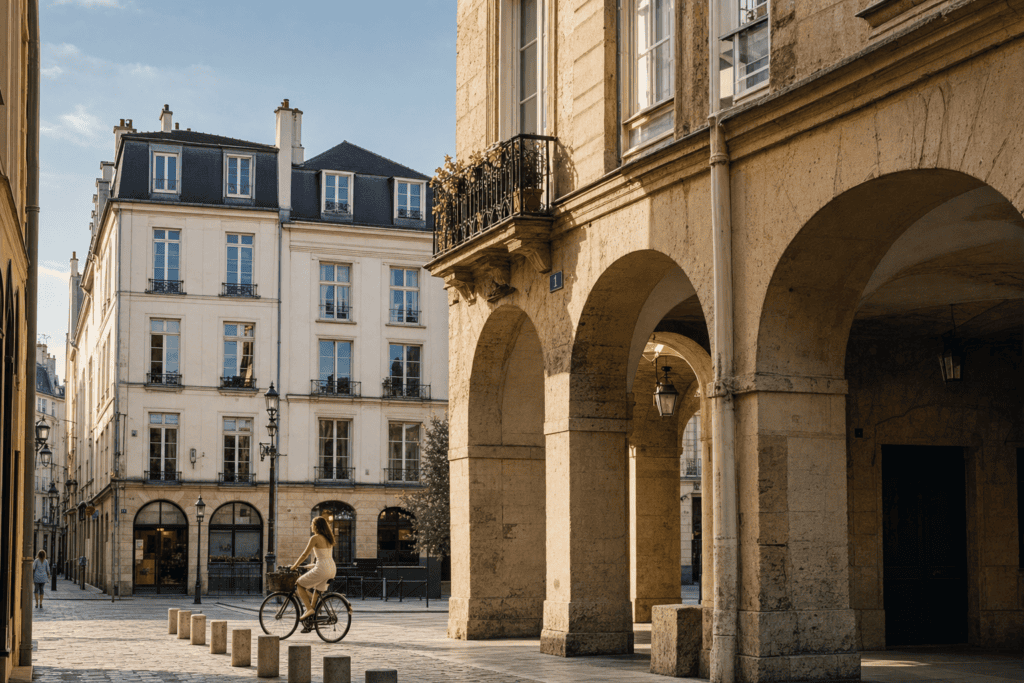 Le Marais An iconic Paris neighborhood known for its private mansions, Place des Vosges, museums, and more…
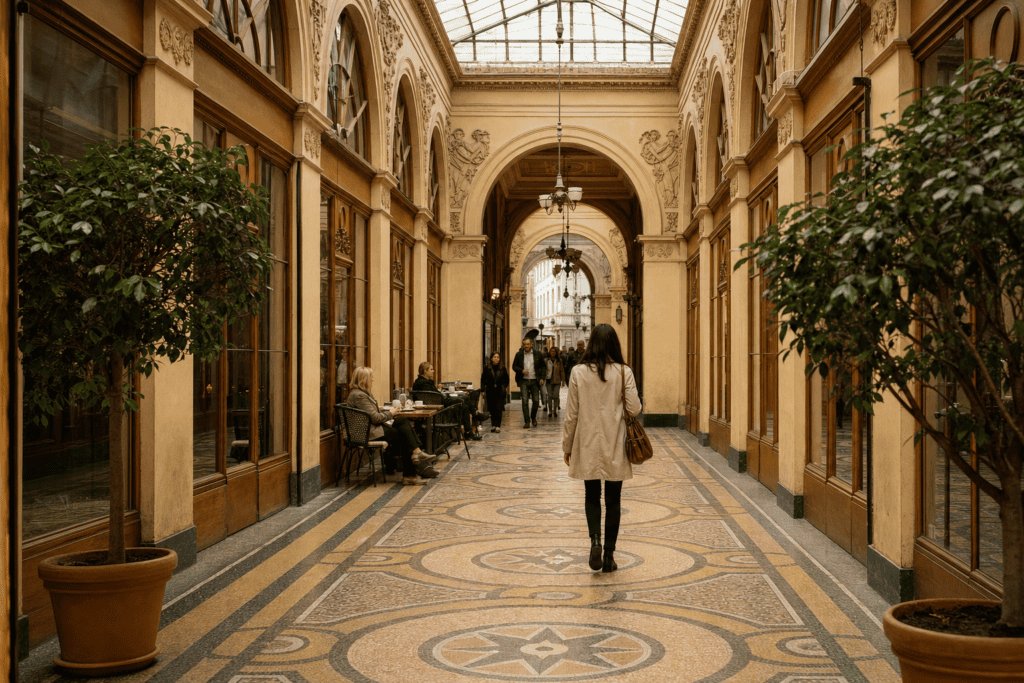 Galerie Vivienne A historic Parisian covered passage where mosaics, a glass roof, an old bookshop, and refined boutiques create an elegant stroll…
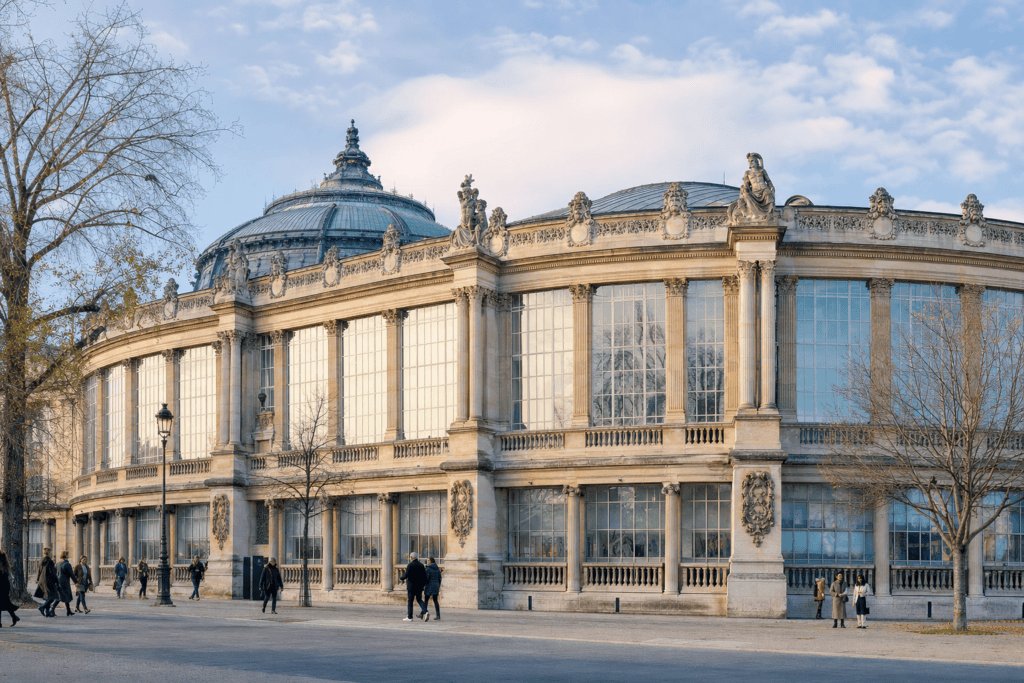 Le Palais des Glaces A Paris venue known for comedy, stand-up, theater, and comedies, near République.
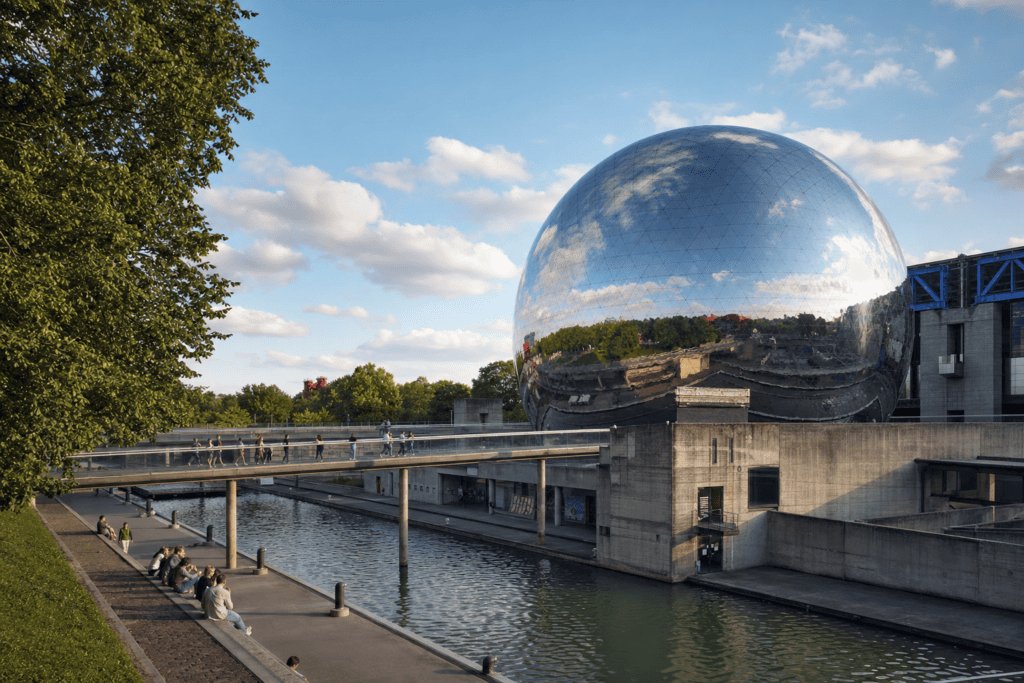 La Villette Park A large Parisian park combining gardens, contemporary architecture, the Canal de l’Ourcq, museums, concerts and activities in…
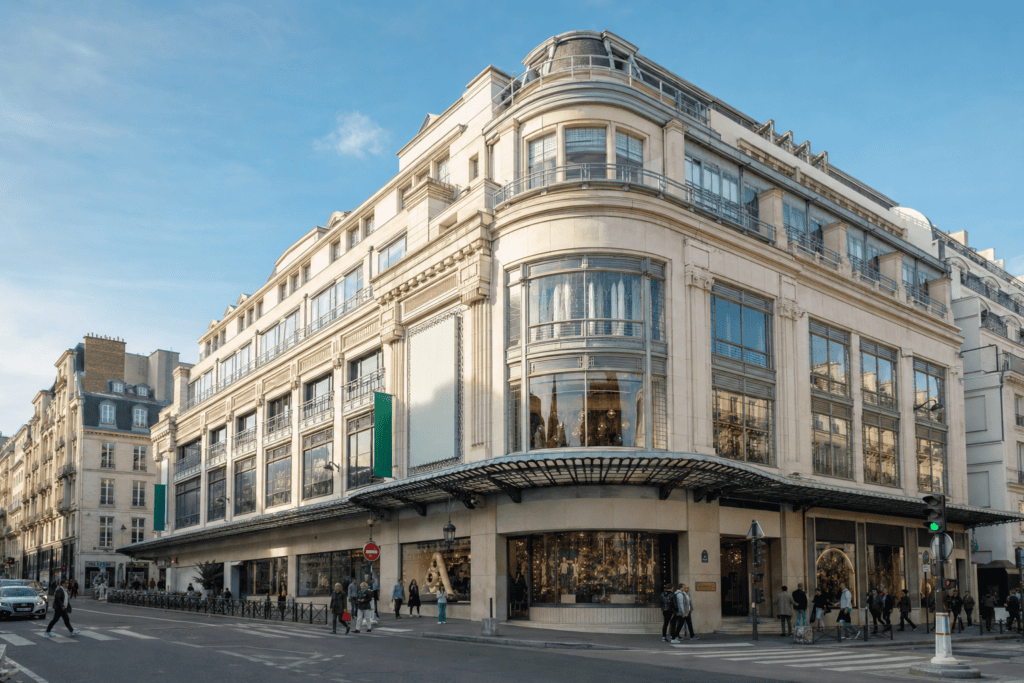 Le Bon Marché Rive Gauche A historic Left Bank department store combining fashion, design, gastronomy and the art of living…
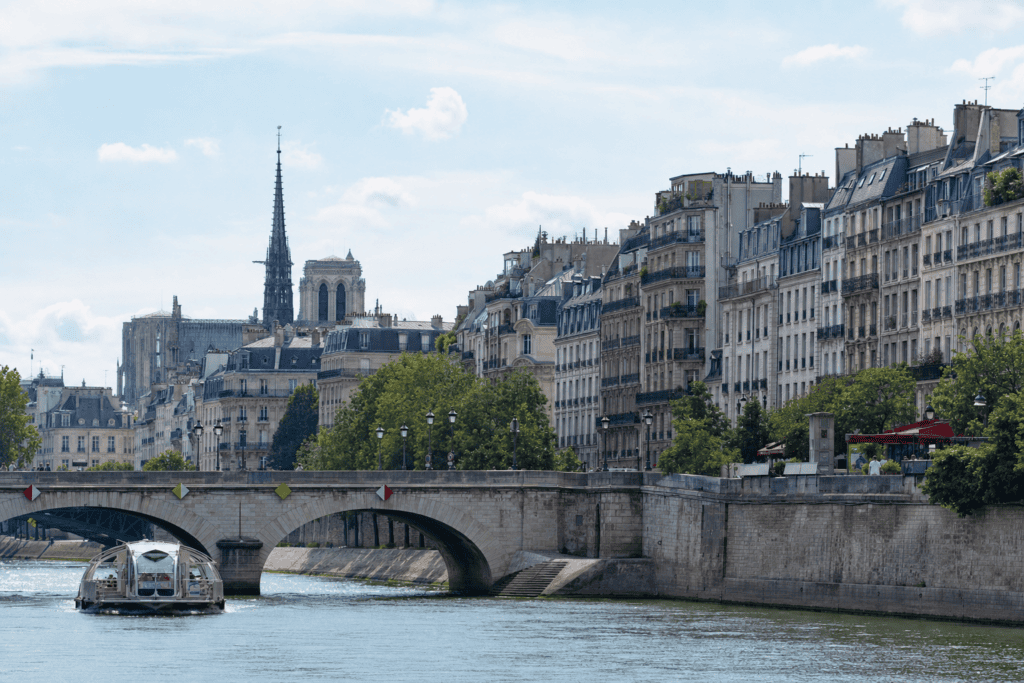 What to Do in Paris in 3 Days A practical itinerary for discovering Paris in three days, including must-see monuments, neighborhoods to…
Online booking · Paris → 77 Rue de Varenne, 75007 Paris, France
Choose your pickup date and time
Your departure and arrival details are already pre-filled. You can adjust them in the fare calculator before viewing the vehicles and fare.