



What to Do in Paris in 3 Days: A Well-Balanced Itinerary
Paris
What can you do in Paris in 3 days without spending your trip on public transportation or rushing from one attraction to the next? The easiest approach is to group sights by neighborhood, book the most popular attractions in advance, and alternate monuments, museums, walks, and breaks. This itinerary offers a first look at Paris, from Île de la Cité to the Marais, from the Louvre to the Tuileries, and then from the Eiffel Tower to Montmartre, with options for families, couples, and travelers who prefer a slower pace.
Practical information
Plan no more than one major museum and one timed monument on the same day. Keep gardens, riverbanks, and walks flexible so you can adjust your plans based on the weather and your energy level.
Reach Paris smoothly from CDG or ORY
After a flight, a transfer can take you from Paris-Charles de Gaulle or Paris-Orly Airport to your Paris hotel with your luggage, without multiple connections. Booking Paris Transfer provides transportation from a Paris airport or an address in Paris, with a return trip to Paris or the airport available depending on your itinerary. Tickets and reservations for monuments must be arranged directly with the relevant sites.
Transportation only: departure from CDG, ORY, or an address in Paris, with a trip to Paris or the airport as requested. Booking Paris Transfer does not sell admission tickets.
Day 1: Île de la Cité, the Seine, and the Marais
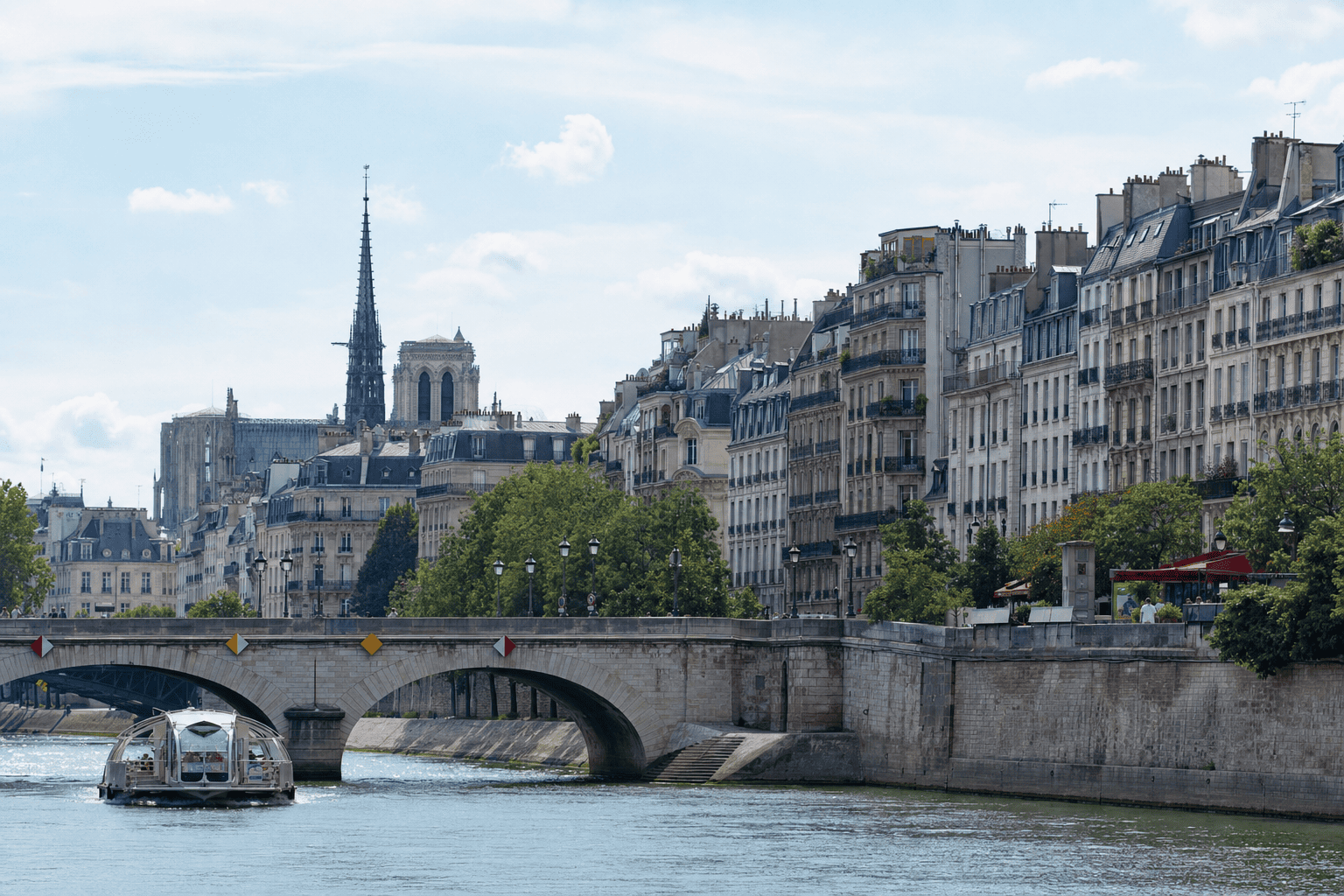
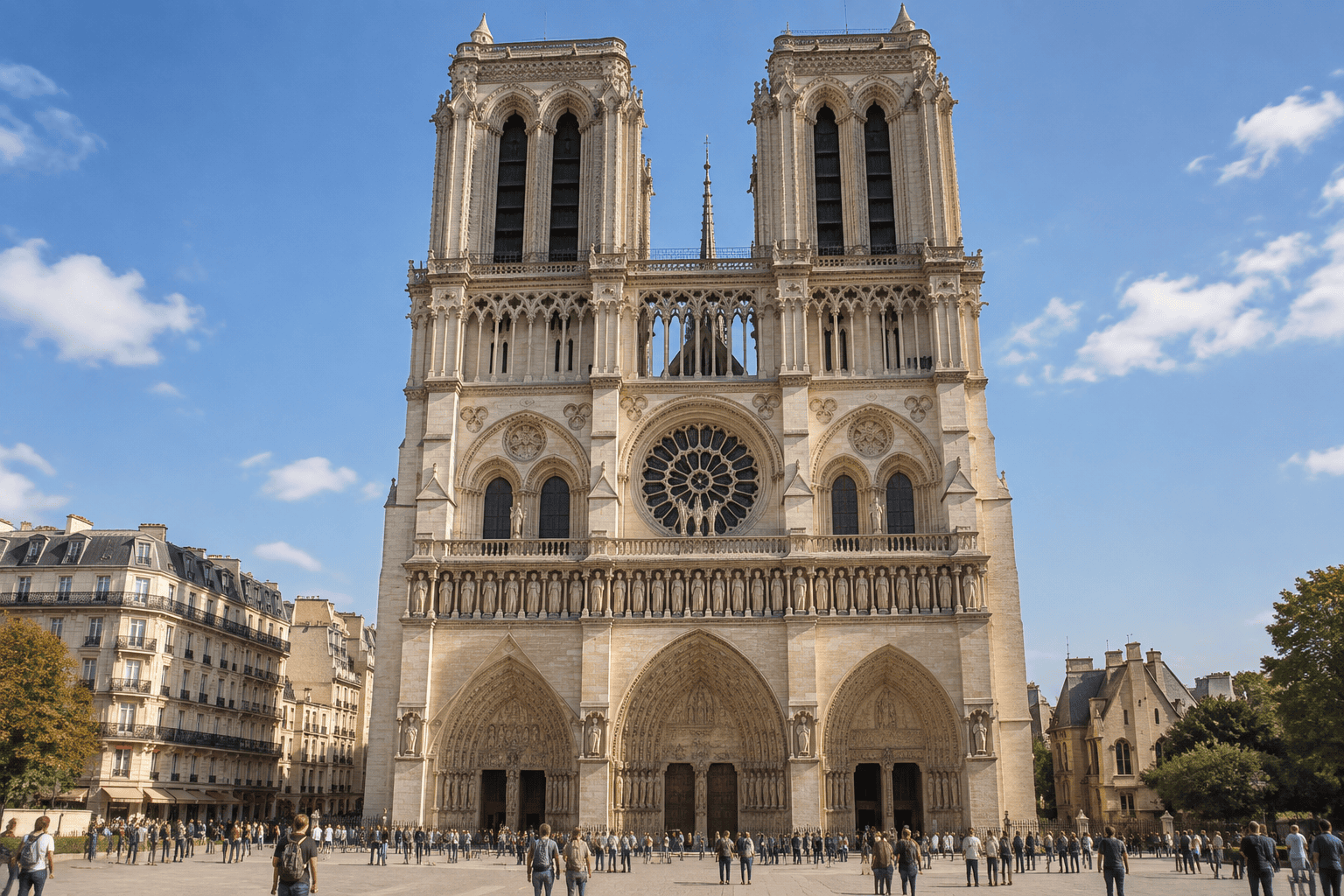
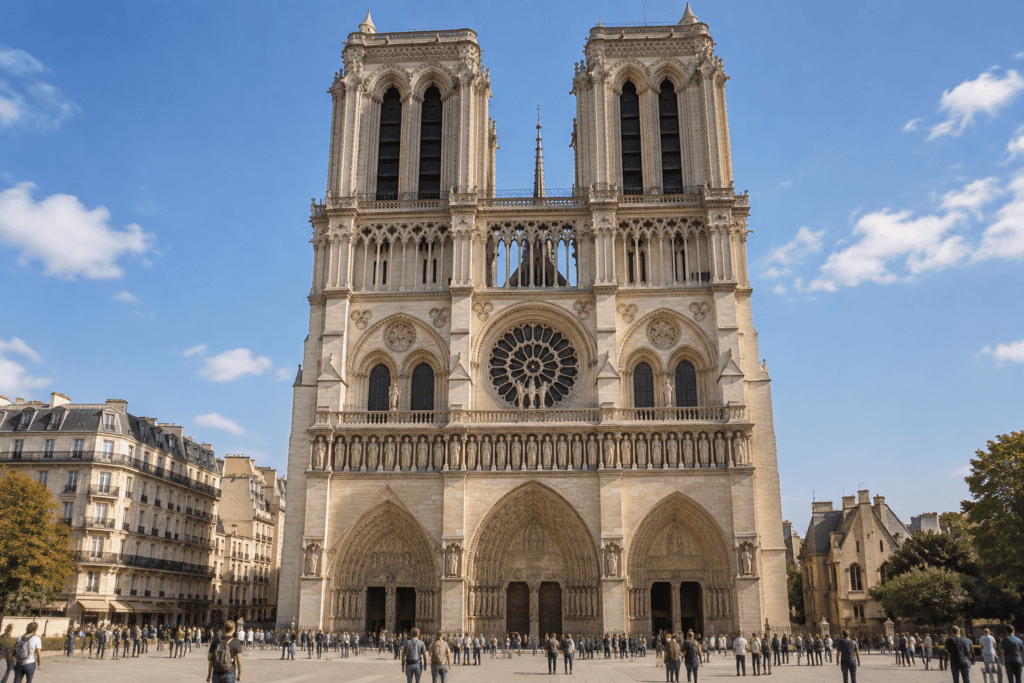
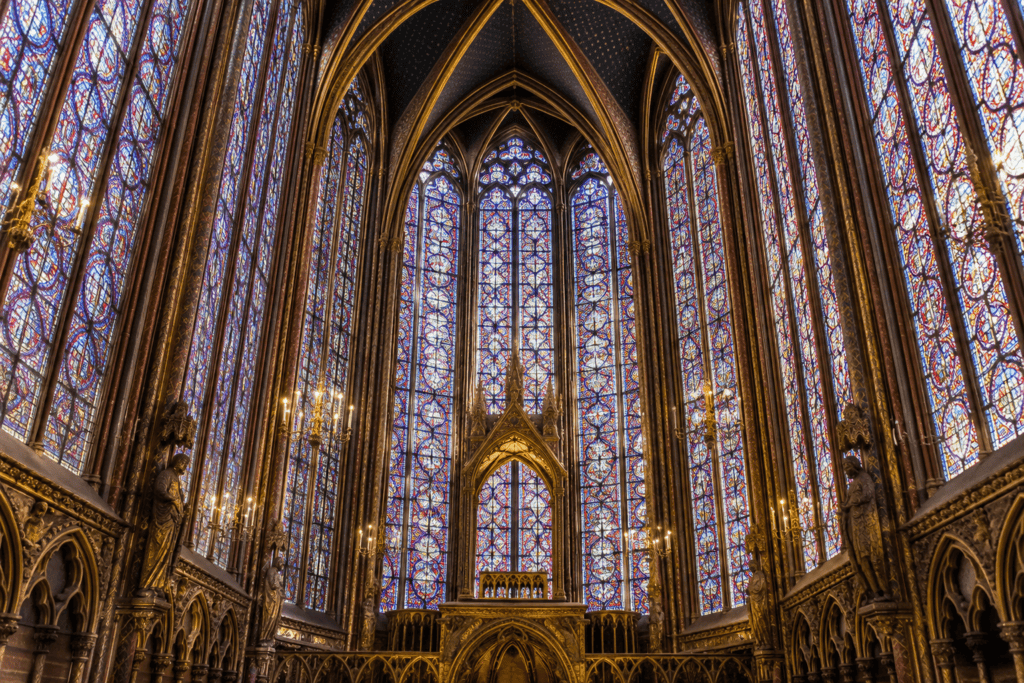
Start your stay in the historic center, around the Île de la Cité. From the Seine riverbanks, make your way to the area around Notre-Dame, then continue to Sainte-Chapelle if it interests you. Access rules, security checks, and reservations may change, so consult the information published by the official websites before setting out.
Then cross to the Hôtel de Ville via the Pont d’Arcole or Pont Notre-Dame. This part of the city center is ideal for a lunch break before heading to the Marais, where historic mansions, galleries, boutiques, and old streets invite you to wander rather than follow a tightly scheduled route.
Depending on your interest in history, choose the Carnavalet Museum or Place des Vosges instead of trying to fit in too many visits. The city center can also be enjoyed by taking in the façades, passageways, bookstores, and views of the Seine.
At the end of the day, continue on foot toward Bastille or return to the riverbanks. For dinner, choose a restaurant near the Marais, Bastille, or the Latin Quarter to limit travel time.
Day 2: The Louvre, the Tuileries, and the Right Bank
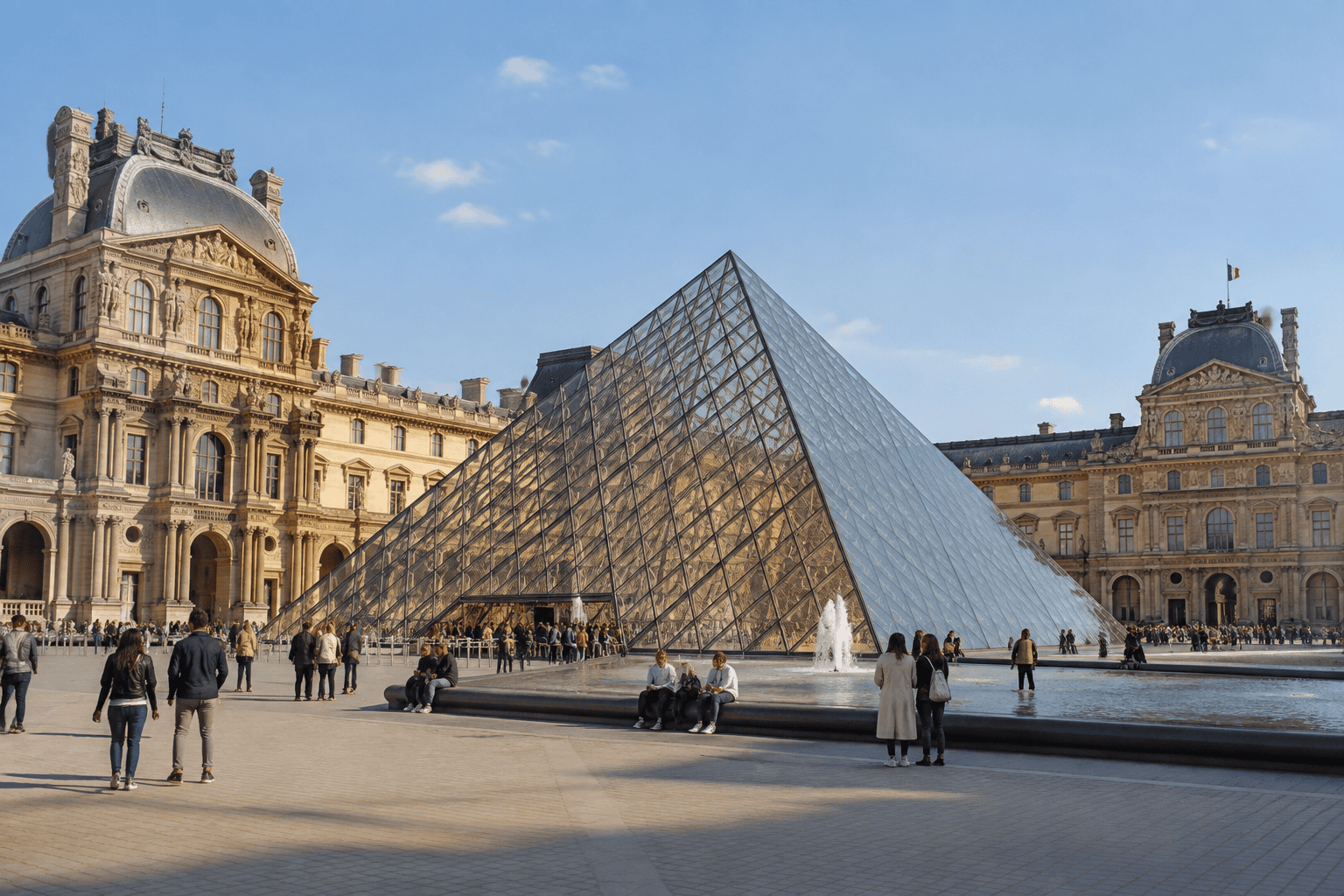
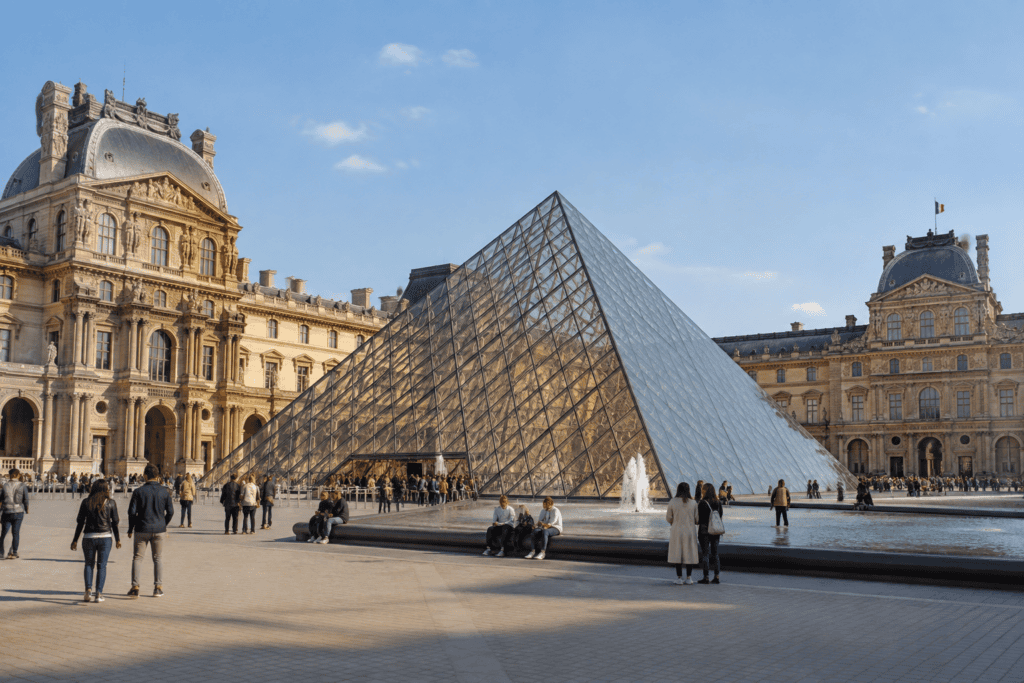
Spend this day exploring the route formed by the Louvre, the Tuileries Garden, Place de la Concorde, and, if you wish, the Champs-Élysées. Check hours, prices, and reservation procedures on the official Louvre website before your visit.
The Louvre is enormous. For a first visit, select two or three departments or major works instead of trying to cover the entire museum. Review the map in advance and allow at least half a day, or longer if you enjoy art and history.
After your visit, walk through the Tuileries and take a break near one of the ponds, then continue to Place de la Concorde. You can go on to the Champs-Élysées or turn toward the Petit Palais, Madeleine, or Palais-Royal for a quieter stroll.
In the evening, choose a show or dinner in the Opéra, Saint-Germain-des-Prés, or central Paris neighborhoods. After several hours at the museum, an evening without an overly full schedule will help you conserve your energy.
Day 3: The Eiffel Tower, Les Invalides, and Montmartre
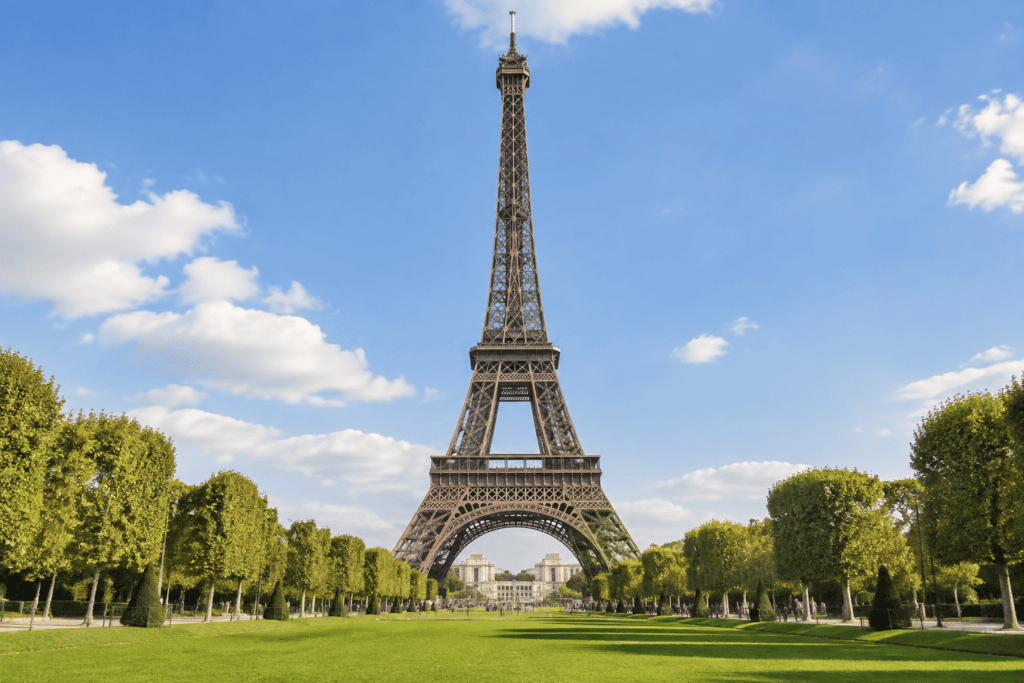
On your third day, combine the monumental views of the Left Bank with the village-like atmosphere of Montmartre. Start with the tour Eiffel and check tickets, hours, and visiting conditions on the official Eiffel Tower website. The ascent and certain areas may be adjusted depending on the weather or operating conditions.
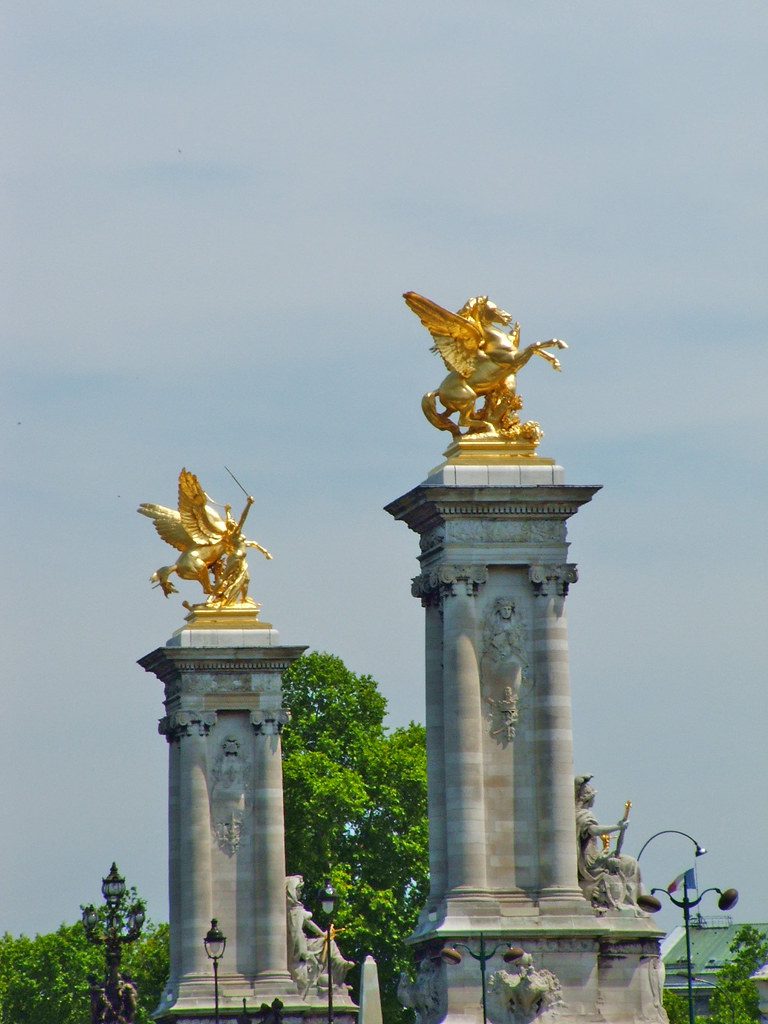
After the tower, cross the Champ de Mars or head to the Trocadéro for the views. Continue to Les Invalides if you enjoy military history and the Army Museum’s collections. Otherwise, simply enjoy the esplanade and Pont Alexandre III.
Save the afternoon for Montmartre. From Anvers, Pigalle, or Place de Clichy, gradually make your way up to Sacré-Cœur. Place du Tertre is often very crowded; the streets around Abbesses, Rue Lepic, and Montmartre Cemetery offer a more varied experience.
Plan a café break, take in the stairways, and head back down via Rue des Martyrs or toward Saint-Georges. For your final evening, stay in the 9th or 18th arrondissement to avoid a long journey.
Getting Around Efficiently During Three Days
Group your stops by area: the historic center and the Marais on the first day, the route from the Louvre to the Champs-Élysées on the second, then the Eiffel Tower, Les Invalides, and Montmartre on the third. This organization reduces backtracking and leaves more time for breaks.
Walking is often the best way to understand Paris, but be sure to wear comfortable shoes. For routes using the metro, buses, and RER, check the latest information from Île-de-France Mobilités and traffic conditions on the RATP. Connections can be lengthy, and some stations are not accessible to all travelers.
Travelers who need an adapted route can consult Île-de-France Mobilités accessibility information and the guidance provided for each monument. Check for disruptions, construction, and any station closures that morning.
Choosing Neighborhoods Based on Your Interests
Hall Marais is ideal for architecture, shopping, galleries, and lively streets. The Latin Quarter focuses on history, bookstores, and narrow streets. Saint-Germain-des-Prés appeals to visitors seeking cafés, galleries, and walks along the Left Bank.
Montmartre offers a strong visual identity and panoramic views, but its surroundings are very busy. Canal Saint-Martin has a more relaxed atmosphere, while Belleville will appeal to travelers drawn to city views, culinary diversity, and street art.
Don’t try to see everything in three days. Choose two or three neighborhoods based on where you’re staying and your interests. A good trip alternates major monuments with streets where you can walk and stop spontaneously.
Breaks, Meals, and Sightseeing Pace
A successful itinerary leaves time for meals. A neighborhood bakery works well for a quick breakfast, while a café offers a more substantial break. At lunchtime, alternate between a brasserie, covered market, bakery, and restaurant depending on the area you’re exploring.
Reserve tables at highly sought-after restaurants, especially on Fridays and Saturdays. In tourist areas, prices and quality can vary from one street to the next, so check recent reviews or ask your accommodation for recommendations.
Schedule a proper seated break each day. The Tuileries, Luxembourg Gardens, the Seine riverbanks, and some of the Marais’s squares are good places to recharge between visits. Paris can also be discovered through its markets, pastry shops, cheese shops, and outdoor terraces.
Practical Tips for a Successful Trip
Prioritize activities with fixed times, such as the Eiffel Tower, guided tours, shows, or highly sought-after restaurants. For museums and monuments, check closure days, time slots, construction work, and temporary exhibitions on their official websites.
Prepare a rainy-day plan: the Musée d’Orsay, Musée de l’Orangerie, Carnavalet Museum, covered passages, or other cultural venues depending on their schedules. In good weather, reduce the number of rooms you visit so you can spend more time enjoying the gardens and riverbanks.
Keep an eye on your belongings in crowded areas and have your reservations readily available on your phone. Families can plan one fun stop or garden each day. Travelers with reduced mobility should check the accessibility of every monument and route, as facilities vary by location.
Useful sources
Frequently Asked Questions
Is it possible to visit Paris in three days without a car?
What should I book first for a three-day trip?
Can I visit the Louvre and the Eiffel Tower on the same day?
Which day should I choose to visit the Louvre?
Where should I go in the evening after a day of sightseeing?
What pace should you adopt with children?
 Seine River Cruise Discover Paris’s quays, bridges, and major monuments from the Seine during a…
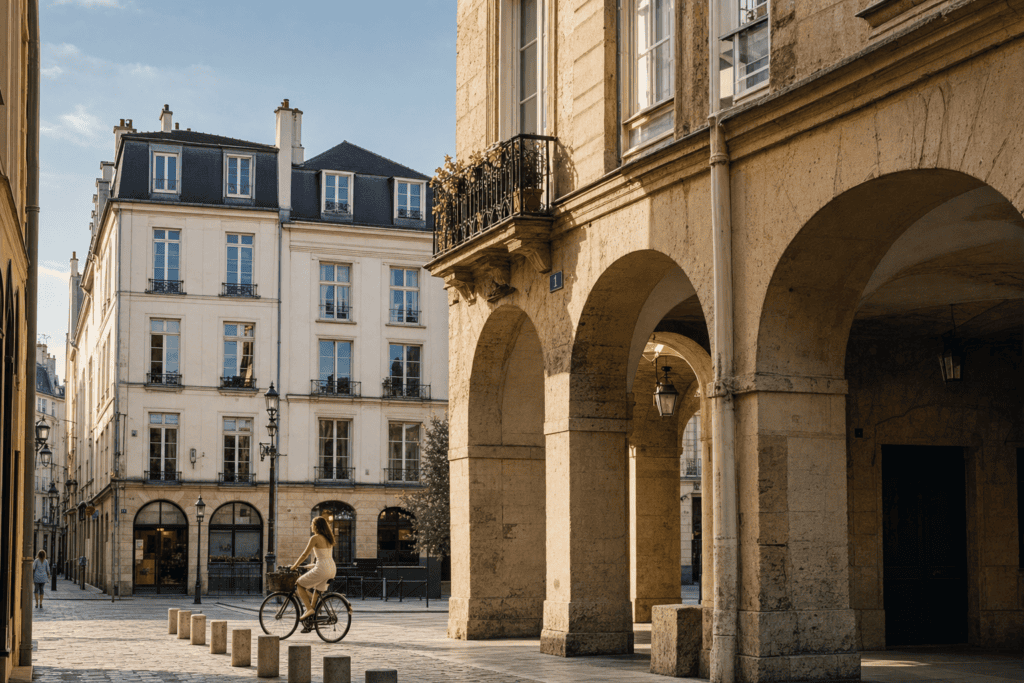 Le Marais An iconic Paris neighborhood known for its private mansions, Place des Vosges, museums, and more…
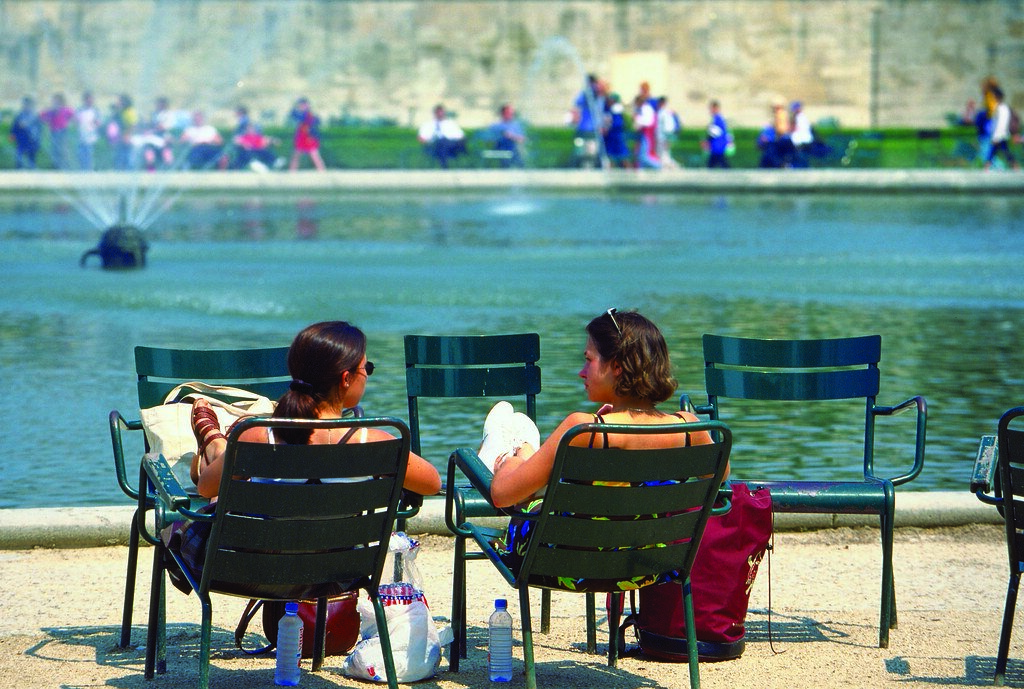 Luxembourg Garden A historic garden spanning approximately 23 hectares, ideal for a walk around the pond or a peaceful break…
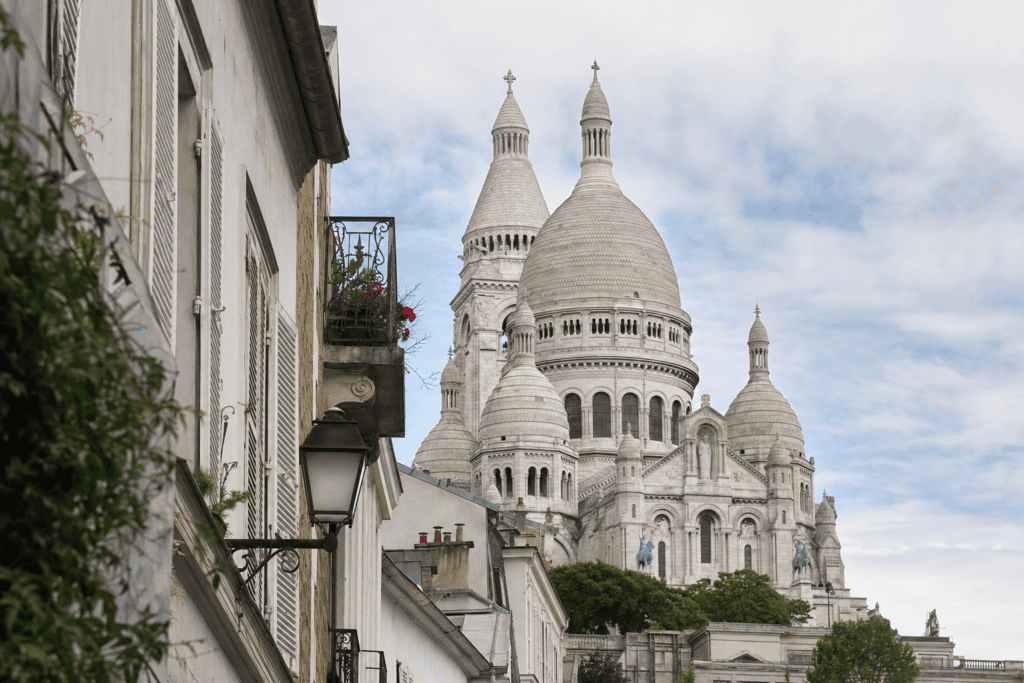 Montmartre and the Sacré-Cœur Basilica A walking route through Abbesses, Place du Tertre, and Sacré-Cœur, with narrow streets…
 Disneyland Paris A full family day out in Chessy, accessible from Paris via RER A, the TGV, by car, or…
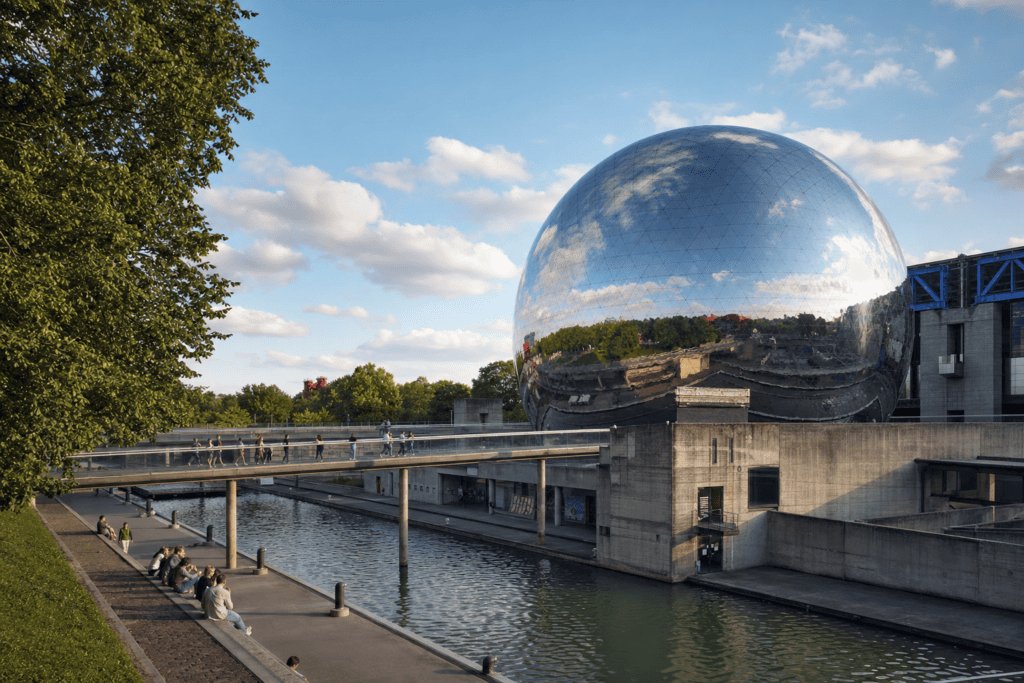 La Villette Park A large Parisian park combining gardens, contemporary architecture, the Canal de l’Ourcq, museums, concerts and activities in…
Online booking · Paris → Paris, France
Choose your pickup date and time
Your departure and arrival details are already pre-filled. You can adjust them in the fare calculator before viewing the vehicles and fare.