



Château de Chambord: Practical Visitor’s Guide
Loire Valley
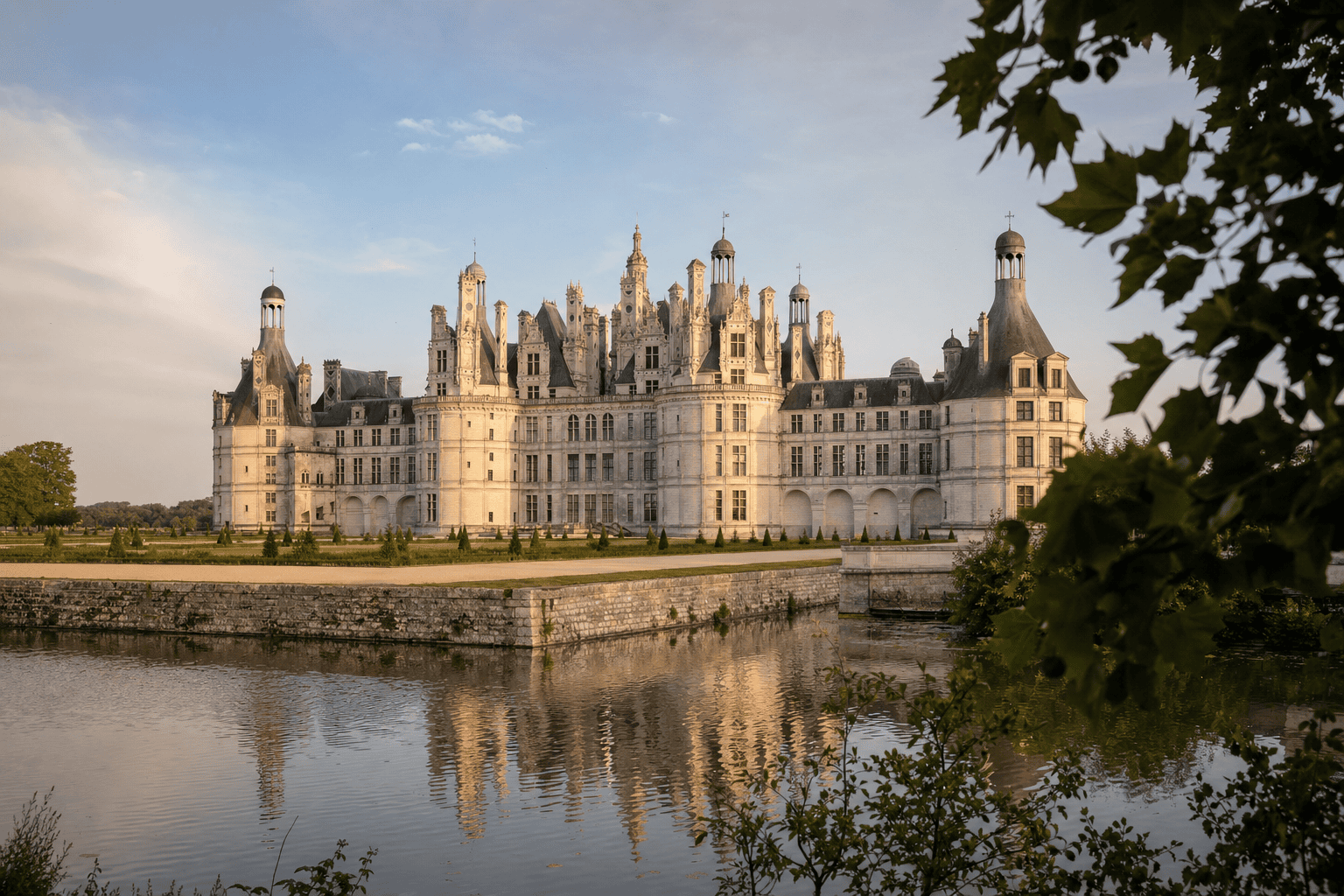
With its towers, turrets, and hundreds of chimneys, Château de Chambord is one of the most recognizable monuments of the French Renaissance. Exploring it goes beyond its apartments and terraces: the formal French gardens, estate trails, and cycling routes offer a sense of the site’s vast scale. This guide brings together the main highlights and useful tips for planning an excursion from Paris.
Practical information
Take time to visit the terraces: they offer a close look at the roofs, dormer windows, and turrets, along with views over the estate. Comfortable shoes are useful if you plan to continue with a walk.
Getting to Chambord from Paris by Private Transportation
Arrange transportation from Paris, a Paris hotel, Charles de Gaulle Airport, or Orly Airport to Château de Chambord. The return trip can be scheduled to Paris or included in an itinerary beginning in the Île-de-France region. Admission tickets, guided tours, and estate activities must be booked separately through the Domaine national de Chambord.
Transportation only: admission tickets, guided tours, and estate activities are not included.
Why Visit Château de Chambord?
Château de Chambord impresses with its combination of medieval forms and principles of the Italian Renaissance. Its corner towers, ornate façades, dormer windows, and numerous chimneys create a spectacular silhouette designed to be admired from the vast estate surrounding it.
Construction began under Francis I at the beginning of the 16thth century. Chambord was conceived as a place for representation and stays, particularly in connection with royal hunting parties, rather than as a permanently occupied residence. Leonardo da Vinci’s influence is often mentioned, especially regarding certain design principles, but the project’s overall attribution to the artist has not been established with certainty.
The château also has an important cultural history. In 1670, the performance of Bourgeois gentilhomme Molière’s work before Louis XIV was one of the most famous episodes associated with Chambord.
Architectural Details to Look For
The central keep is organized around a Greek-cross plan, a remarkable arrangement in French Renaissance architecture. From the courtyard and façades, observe the repetition of the windows, the variety of the roofs, the sculptures, and the interplay of symmetry: the château changes appearance depending on the angle.
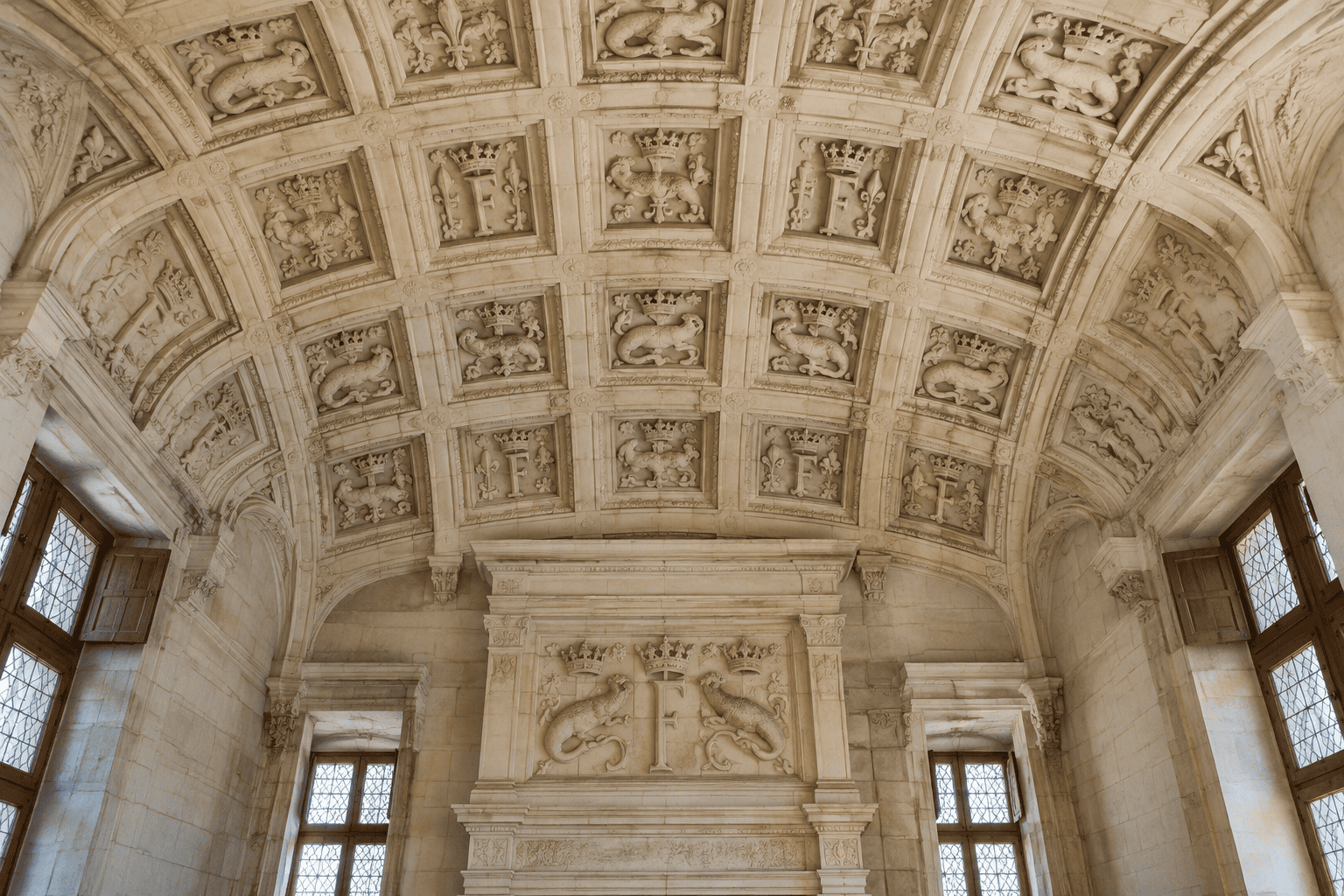
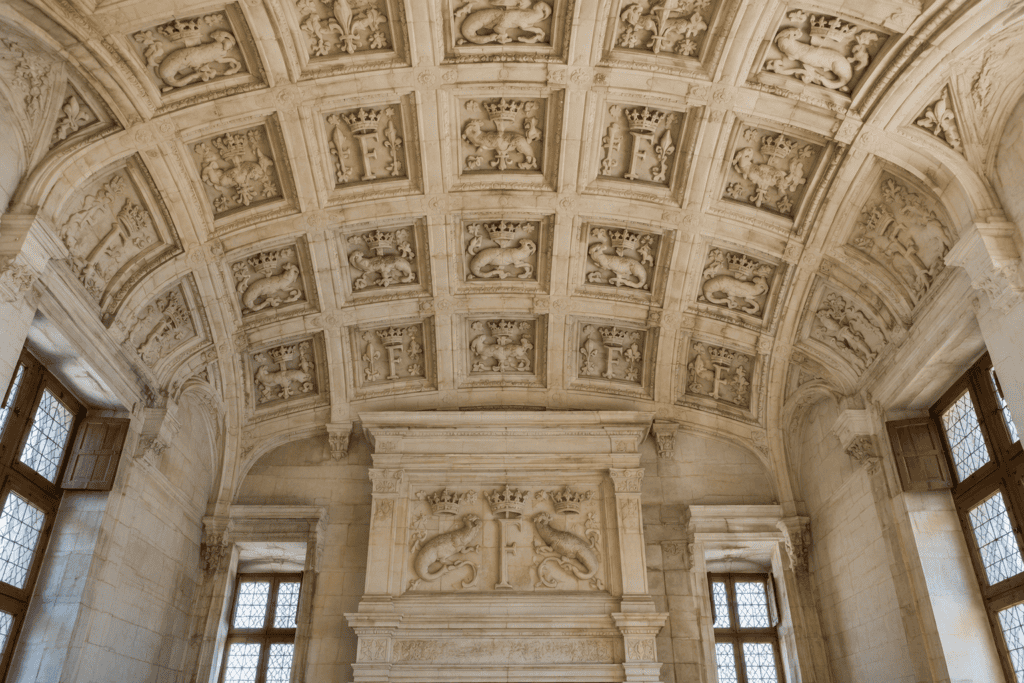
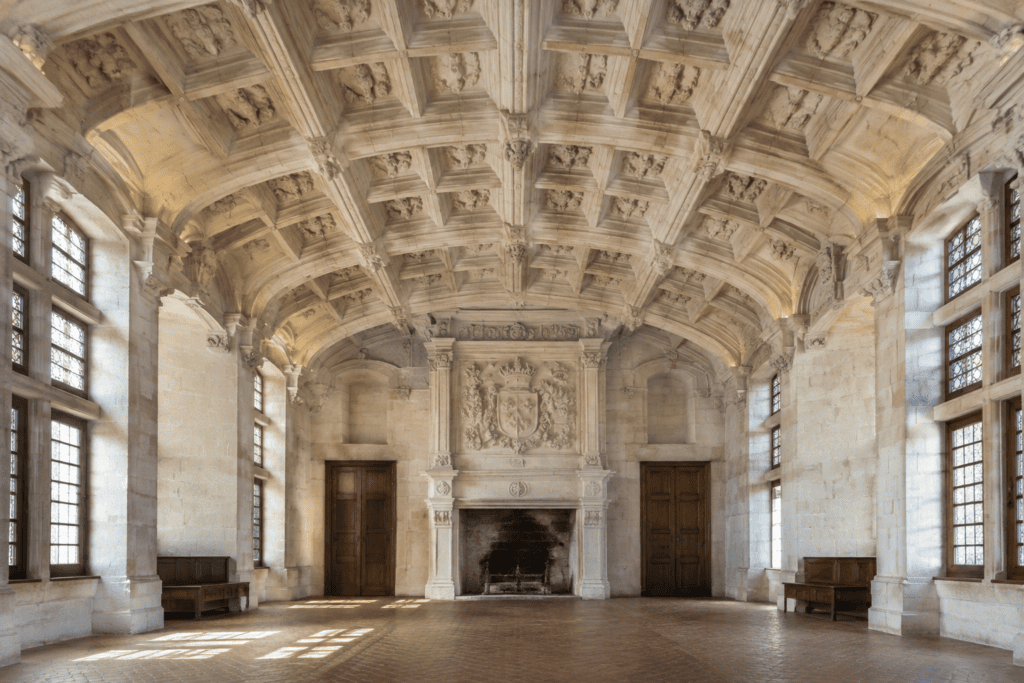
Inside, the rooms, historic apartments, and circulation areas offer insight into how the monument was used and how it evolved. The coffered vaults, emblems of Francis I, and salamanders associated with the king are especially interesting for understanding the château’s decorative program.
The terraces are one of the highlights of the visit. They bring visitors close to the most spectacular features of the roofline and open up views over the gardens and landscape. Exhibits, interpretation, and activities may vary according to the official program.
Understanding the Double-Helix Staircase
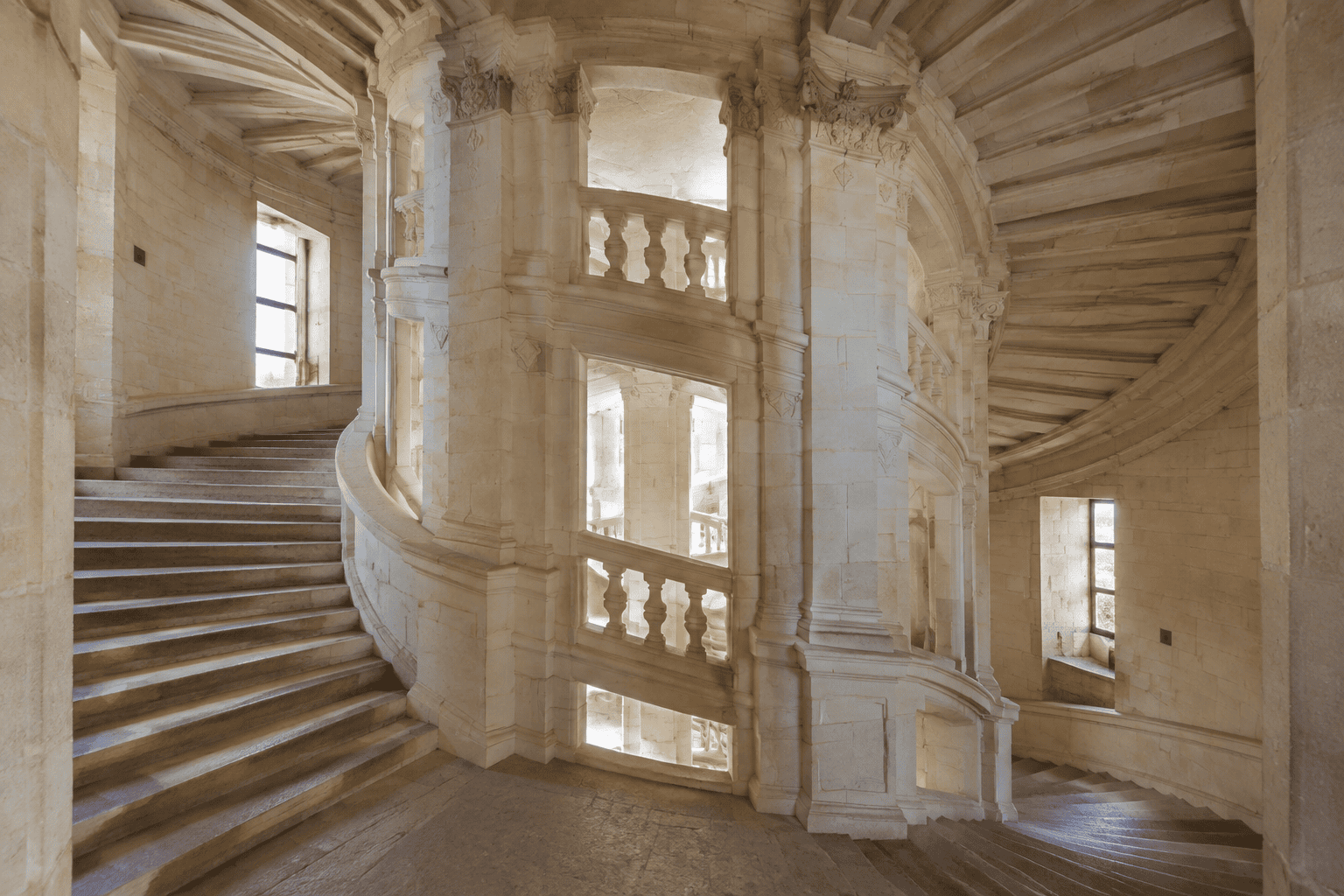
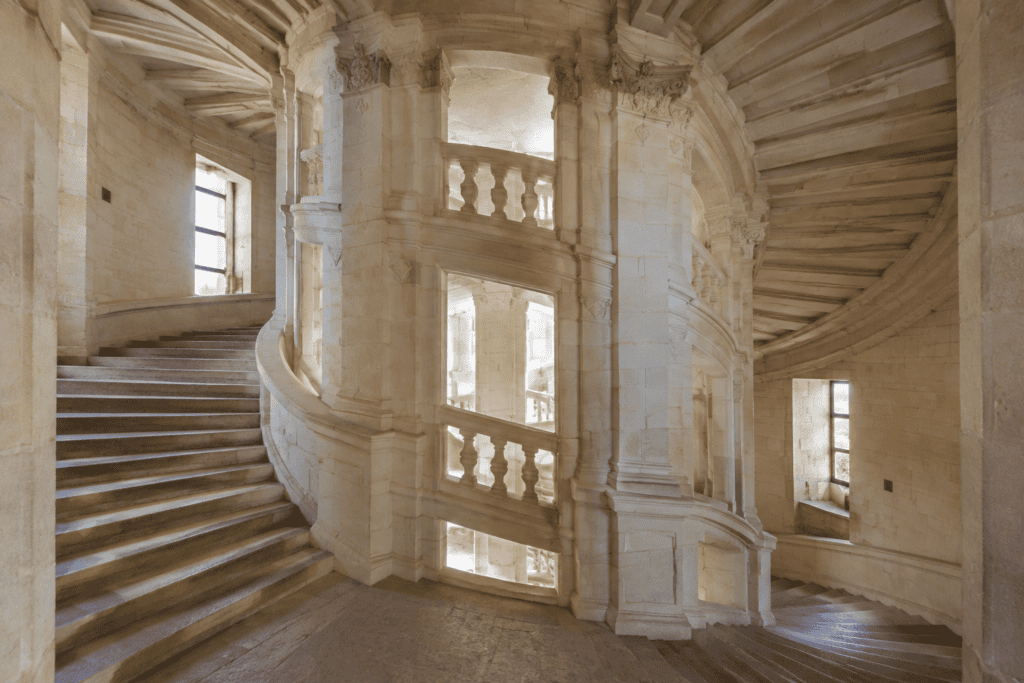
The double-helix staircase is Chambord’s most famous architectural feature. Two helical flights wind around an open central core. This allows two people to climb in parallel and see each other through the openings without using the same flight of stairs.
Located at the center of the keep, the staircase connects the château’s main levels and leads in particular to the terraces. Its position explains its practical and monumental role in the building’s design.
To observe how it works, two visitors can each take a different flight. The connection with Leonardo da Vinci is frequently mentioned in presentations of Chambord, but it is preferable to describe it as a presumed influence or possible inspiration rather than a certain attribution.
The French Formal Gardens and the Best Viewpoints
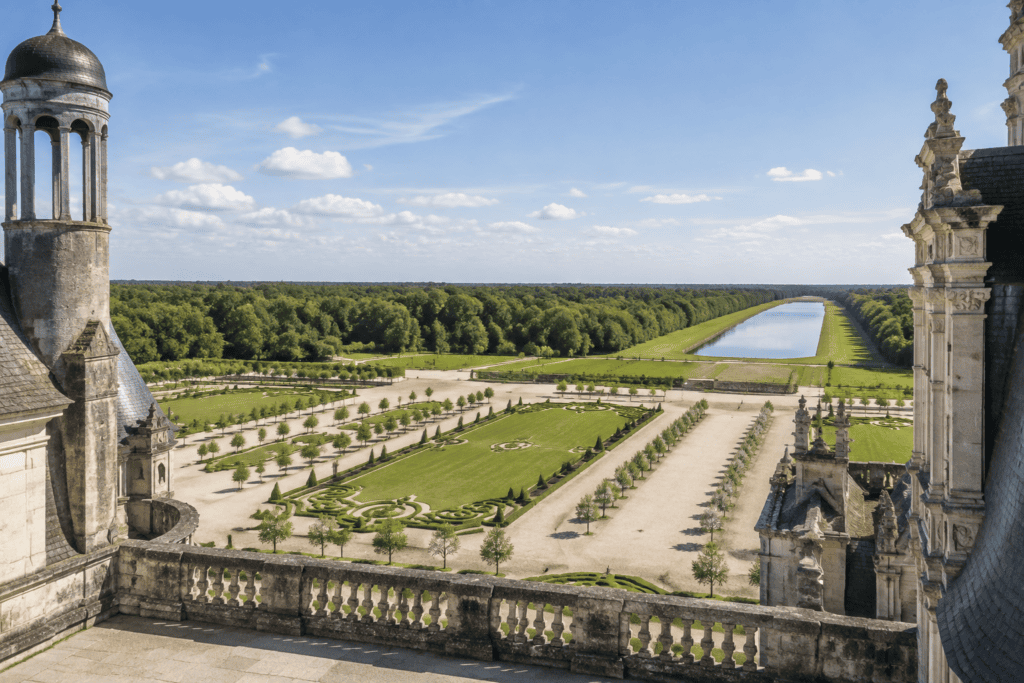
The French formal gardens provide an unobstructed view of the château’s façade and volumes. From the parterres, the landscape’s regular design emphasizes Chambord’s monumental scale and provides an ideal setting for a break after visiting the interior spaces.
The light significantly changes the monument’s appearance. The gardens are well suited to façade photographs and wide views, while the courtyard offers a better sense of the towers’ height and the richness of the rooflines.
The opening of certain areas, their maintenance, and visiting conditions may change. Check the official information before your visit. With children, the outdoor areas allow you to alternate cultural discovery with breaks while following the instructions posted on site.
Explore the Forest Grounds
The Domaine national de Chambord extends the visit into a vast natural setting. The château lies in the Boulogne forest, referring here to the woodland surrounding Chambord rather than the Parisian Bois de Boulogne. Paths, meadows, and open vistas offer another way to discover the site.
A walk through the estate is a chance to slow down after visiting the rooms and terraces. Wildlife may be present in some areas: keep your distance, do not feed the animals, and respect temporarily closed zones.
Activities focused on nature, the estate’s history, or its management may be offered at certain times. Their schedules and conditions change; check the official program if you would like to join a tour or activity.
Discover Chambord by Bike
Cycling is a pleasant way to appreciate the scale of the estate and explore the area around the château. Chambord is part of the region’s cycling routes, particularly around Loire à Vélo and the routes of Châteaux à vélo.
Choose a route suited to the time available, the weather, and the participants’ ages. A short loop may suit families who simply want to explore the area around the monument. Experienced cyclists may consider a route linking Chambord with other Loire sites.
Bicycle rentals, equipment, and any guided tours depend on the season and available services. Check this information with the Domaine national de Chambord before your visit. For a longer outing, bring water, sun protection, and a basic repair kit.
Planning an Excursion from Paris
Chambord can be visited from Paris as part of a day trip, provided you include travel time in your plans. A well-balanced itinerary might begin with the château and terraces, continue through the gardens, and end with a walk on the estate. To combine Chambord with another château or a cycling outing, a longer stay generally allows for a more comfortable pace.
The monument is located in Loir-et-Cher, near Blois. If you are driving, consult the official directions regarding access, parking, any shuttles, and permitted routes. As conditions may change, check the Domaine national de Chambord’s information before setting out.
Booking Paris Transfer can arrange private transportation from Paris, a Paris hotel, Charles de Gaulle Airport, or Orly Airport to Chambord, with a return to Paris or continuation along an itinerary that began in the Île-de-France region. Transportation does not include admission tickets or activities; these must be checked and booked separately through the official services of the Domaine national de Chambord.
Useful sources
Frequently Asked Questions
What is the address of Château de Chambord?
How much time should you allow to visit Chambord?
Can you visit Chambord by bike?
How does the double-helix staircase work?
Are the hours and prices the same year-round?
Can you get to Chambord with a driver from Paris?
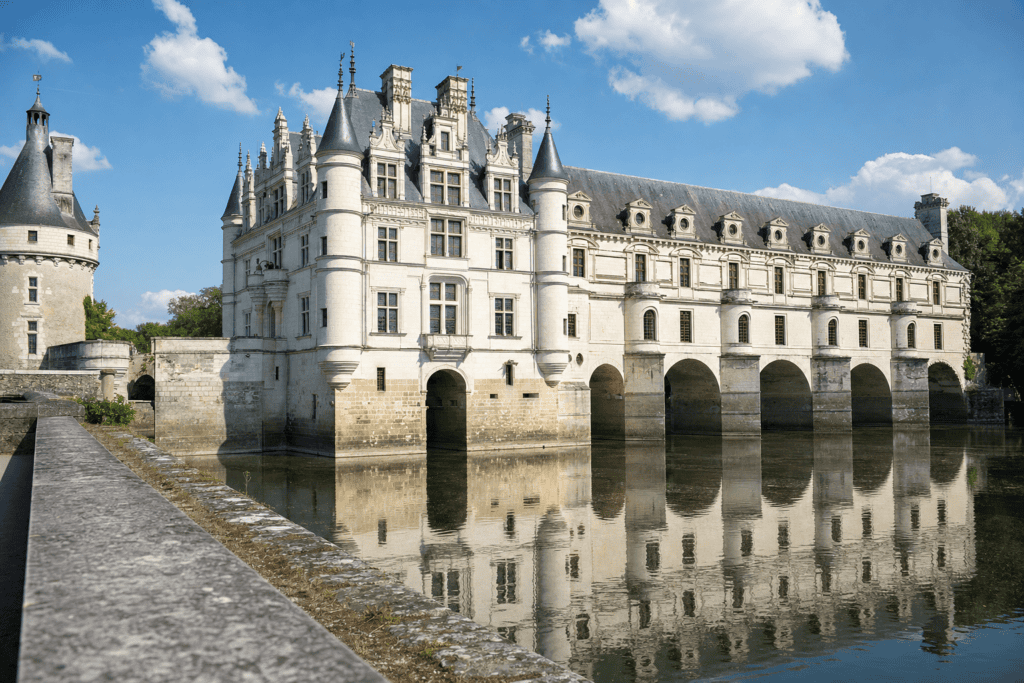 Château de Chenonceau A unique Renaissance château known for its gallery built over the Cher River, elegant gardens and the influence…
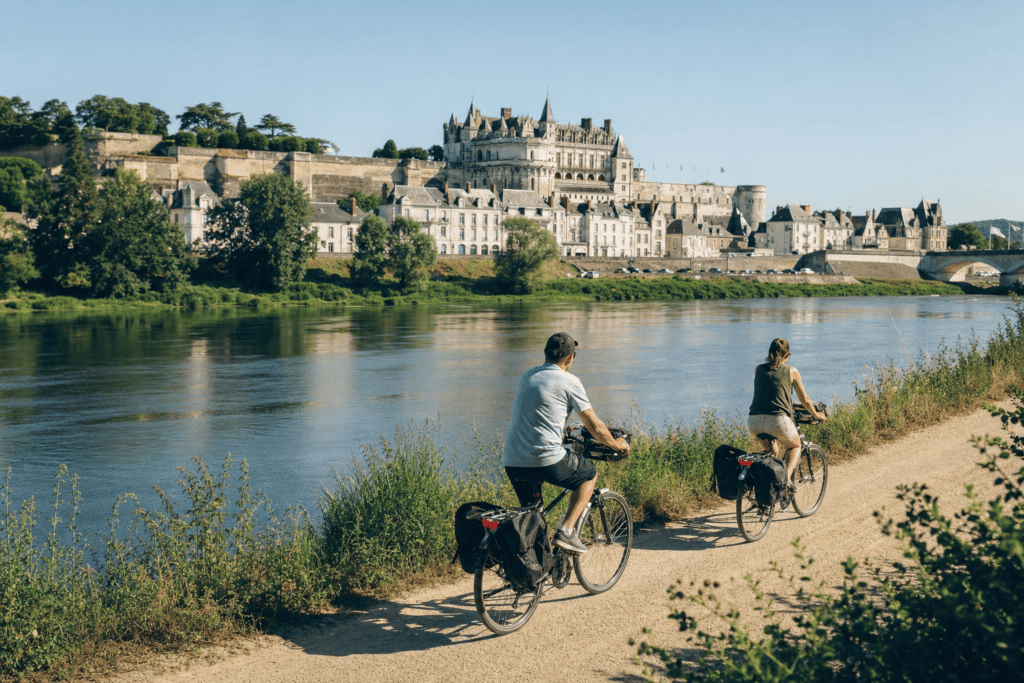 Loire à Vélo A 900 km cycling route connecting Loire châteaux, villages, vineyards and landscapes at your own pace…
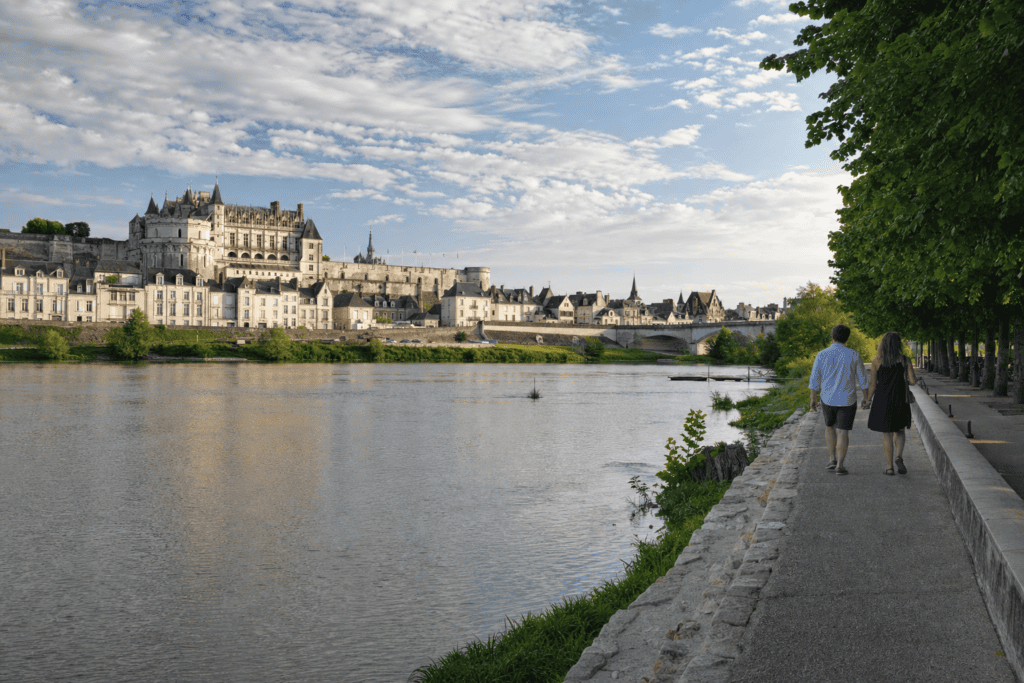 Amboise Historic Center and Quayside Walk A 2- to 4-hour walk through historic lanes, a royal château, Loire riverfronts, and…
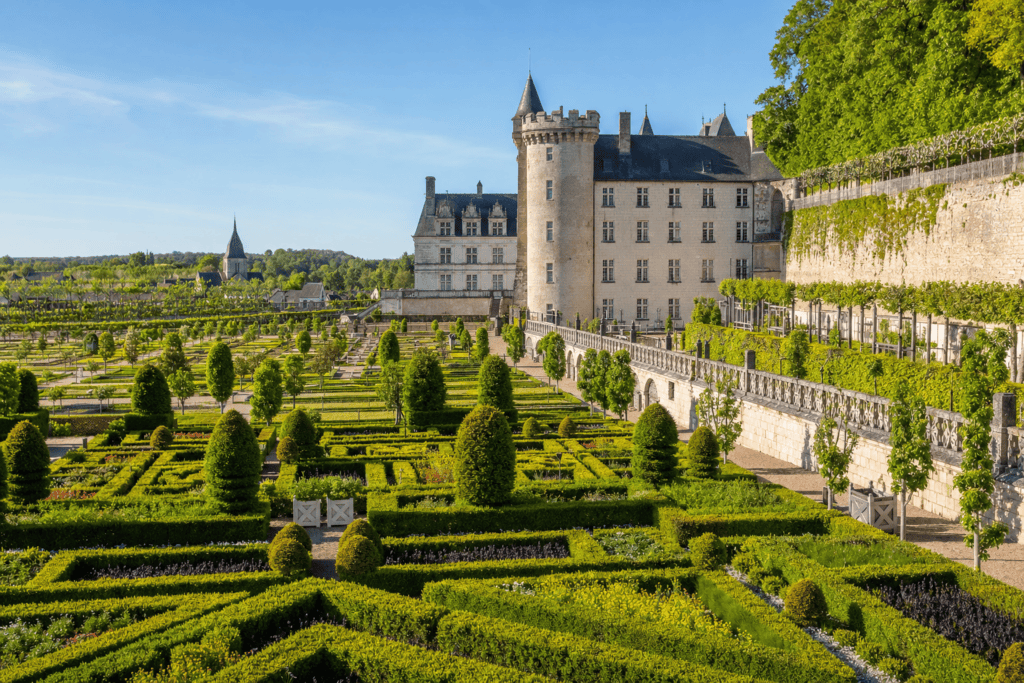 The Gardens of Villandry A vibrant and spectacular Renaissance garden, famous for its ornamental vegetable garden, geometric flower beds and…
Online booking · Paris → Château de Chambord, 41250 Chambord, France
Choose your pickup date and time
Your departure and arrival details are already pre-filled. You can adjust them in the fare calculator before viewing the vehicles and fare.