



Château de Chenonceau: The Ladies’ Castle on the Cher
Loire Valley
With its gallery spanning the Cher, formal gardens, and history closely connected to several powerful women, Château de Chenonceau is one of the Loire Valley’s most distinctive landmarks. This former residence is worth visiting for its architecture as well as its interiors, collections, kitchens, and walks around the estate. Here is the essential information for planning a visit from Paris, Tours, or elsewhere in the region.
Practical information
Take time to view the château from the gardens before going inside. The gallery over the Cher is a must-see, but the kitchens in the foundations, the apothecary, the Diane and Catherine gardens, and the park paths also deserve a place in your itinerary.
Getting to Chenonceau from Paris with a private chauffeur
Arrange transportation from Paris, a Paris hotel, Charles de Gaulle Airport, or Orly Airport to Château de Chenonceau. Transportation can include a return trip to Paris or several stops in the Loire Valley. Booking Paris Transfer provides transportation only: admission and activities must be booked separately through the official sites.
Possible departure from Paris, a Paris hotel, CDG, or ORY; return to Paris or a customized Loire Valley itinerary.
Why visit Château de Chenonceau?
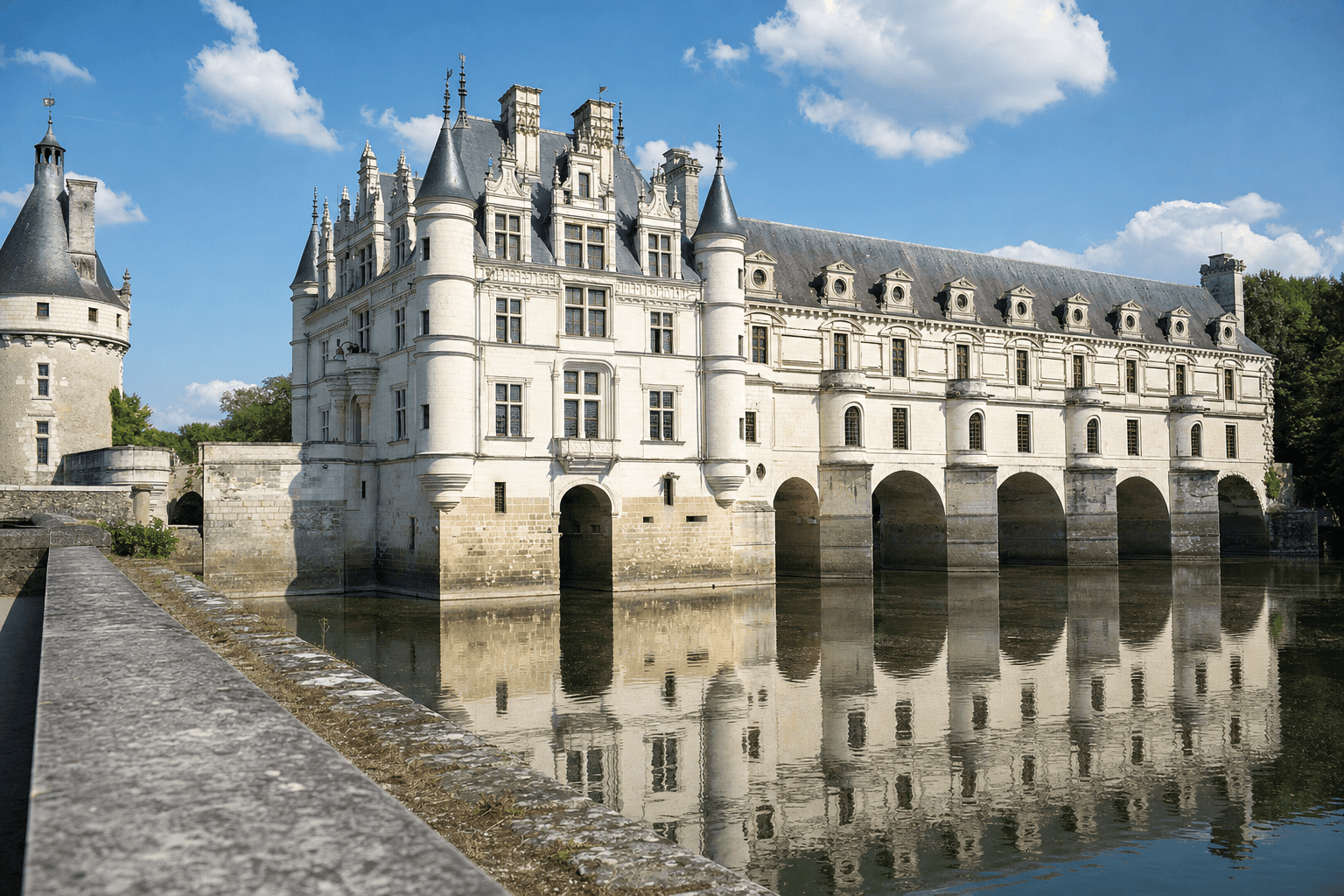
Chenonceau immediately stands out because of its setting. The château and its gallery seem to extend above the Cher, creating a silhouette very different from fortresses or palaces built around a courtyard. Views from the gardens, riverbanks, and some walking paths reveal the close relationship between the architecture and the river.
The visit is about more than a photogenic façade. It combines furnished apartments, a gallery, artworks and objects displayed throughout the interiors, kitchens, formal gardens, and wooded areas. This variety offers insight into the estate’s history, daily life in a grand residence, and the evolution of decorative tastes.
Chenonceau is often called the “Ladies’ Castle” because of the role several women played in its construction, transformation, and preservation. Catherine Briçonnet, Diane de Poitiers, Catherine de’ Medici, Louise Dupin, and Madame Pelouze are among the women connected with its history at different times.
A history shaped by several women
The Renaissance residence was built in the early 16th century at the initiative of Thomas Bohier and his wife, Catherine Briçonnet. The Tour des Marques recalls the existence of an earlier building, while the new château adopted a more open, residential design. The estate therefore preserves traces of several stages in its history.
After Diane de Poitiers acquired the château, a bridge was built over the Cher and gardens were created on the opposite bank. After becoming the owner following Henry II’s death, Catherine de’ Medici had the gallery built on the bridge. This transformation gave Chenonceau its iconic silhouette and enhanced its role as a reception venue.
Over the centuries, the château changed owners and uses. In the 18th th
The gallery over the Cher and spaces not to miss
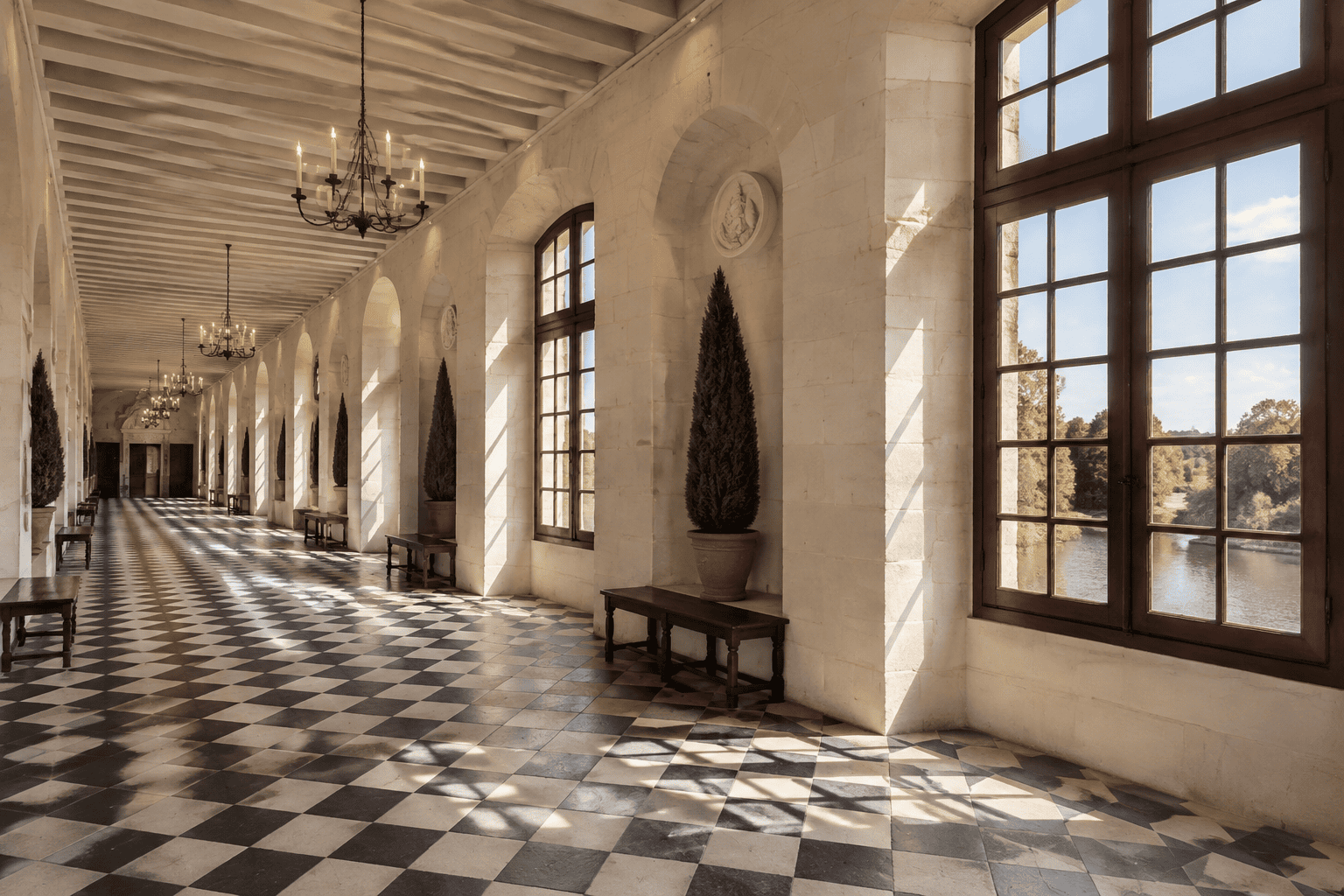
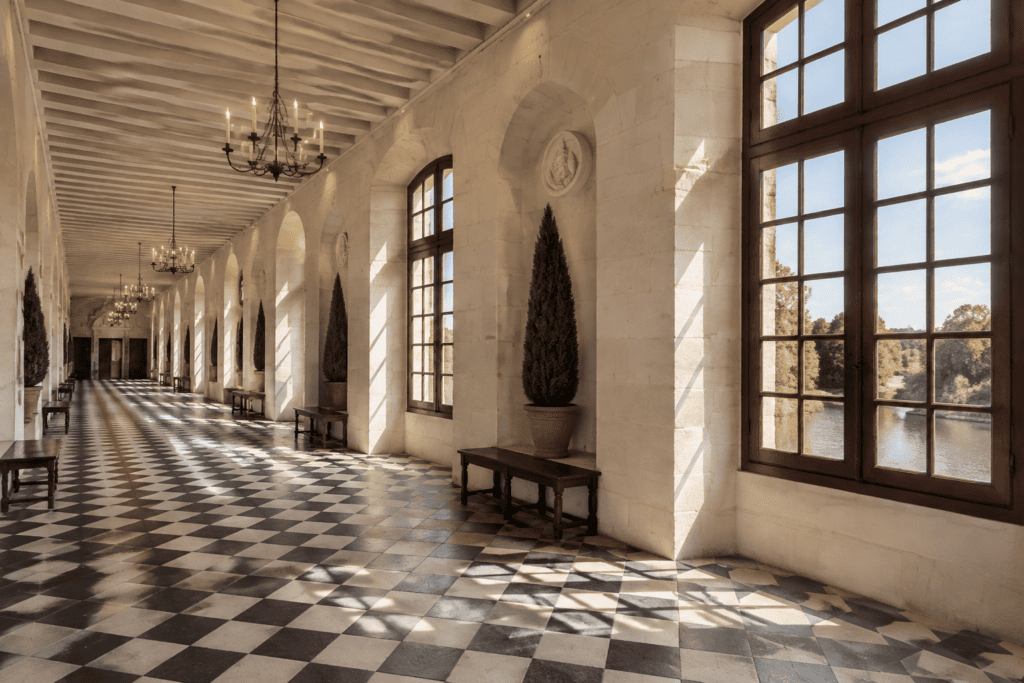
The gallery is the architectural heart of Chenonceau. Its large openings look out over the river and surrounding landscapes, while its proportions reflect the ceremonial function Catherine de’ Medici envisioned. Take time to observe the light, perspectives, and relationship between the building and the water.
The apartments display furniture, tapestries, paintings, and objects connected with the château’s history. Artworks and collections may be displayed or rearranged depending on the rooms and exhibitions, so it is best to refer to information provided by the estate rather than rely on an isolated artistic attribution. The visit is as much about the overall decorative ensemble as it is about the names associated with particular pieces.
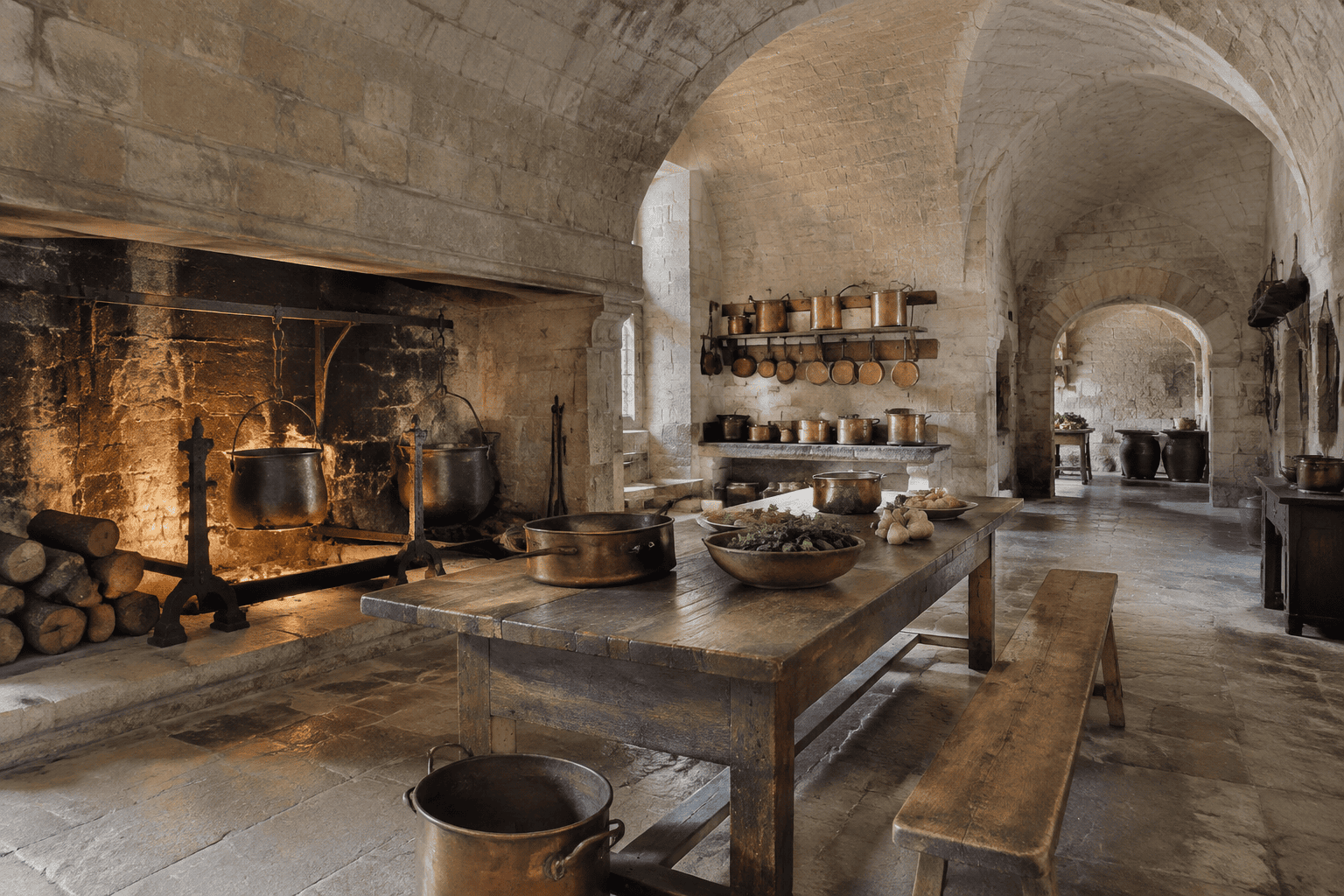
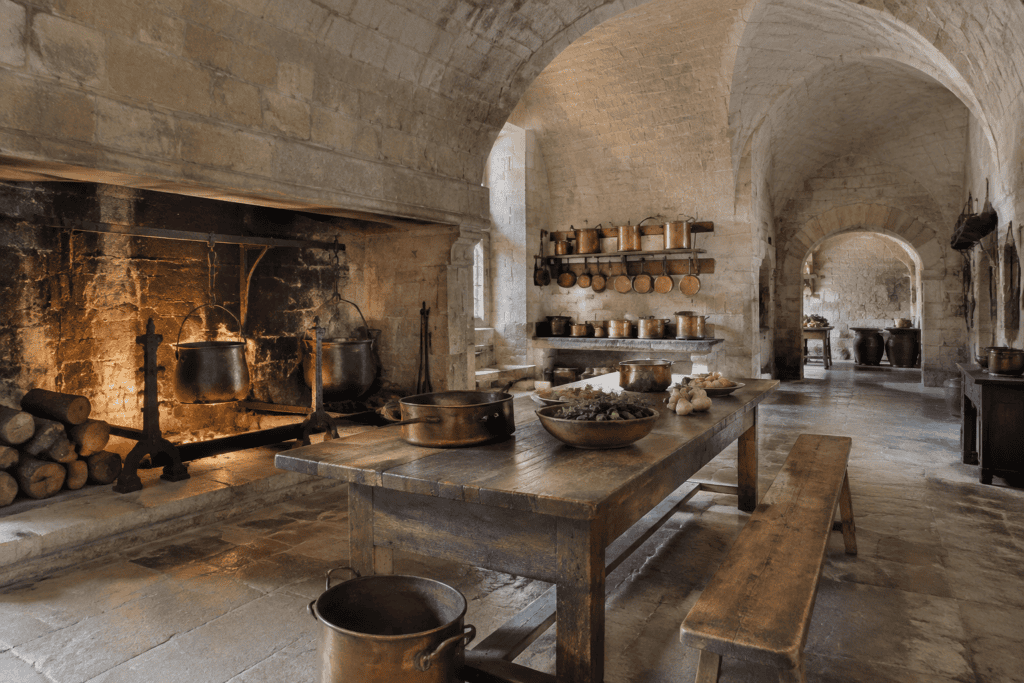
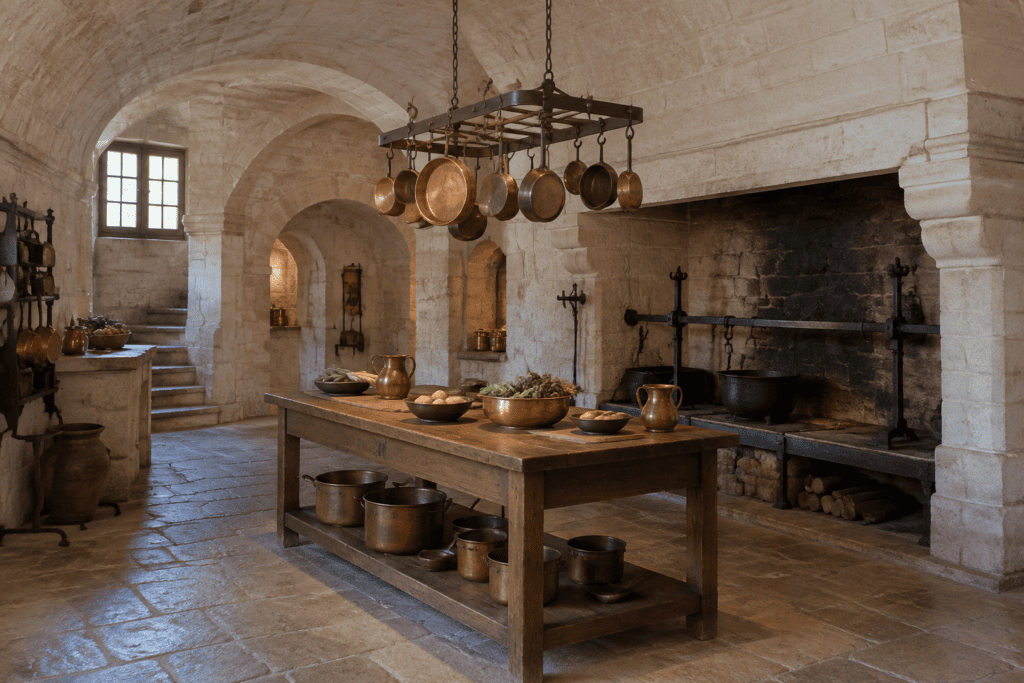
In the foundations built over the Cher, the kitchens offer a practical view of how a grand residence was organized. The apothecary, exhibition spaces, and other rooms open to the public complete the formal apartments. The exact list of accessible areas may depend on the season or any ongoing work.
The Diane and Catherine gardens
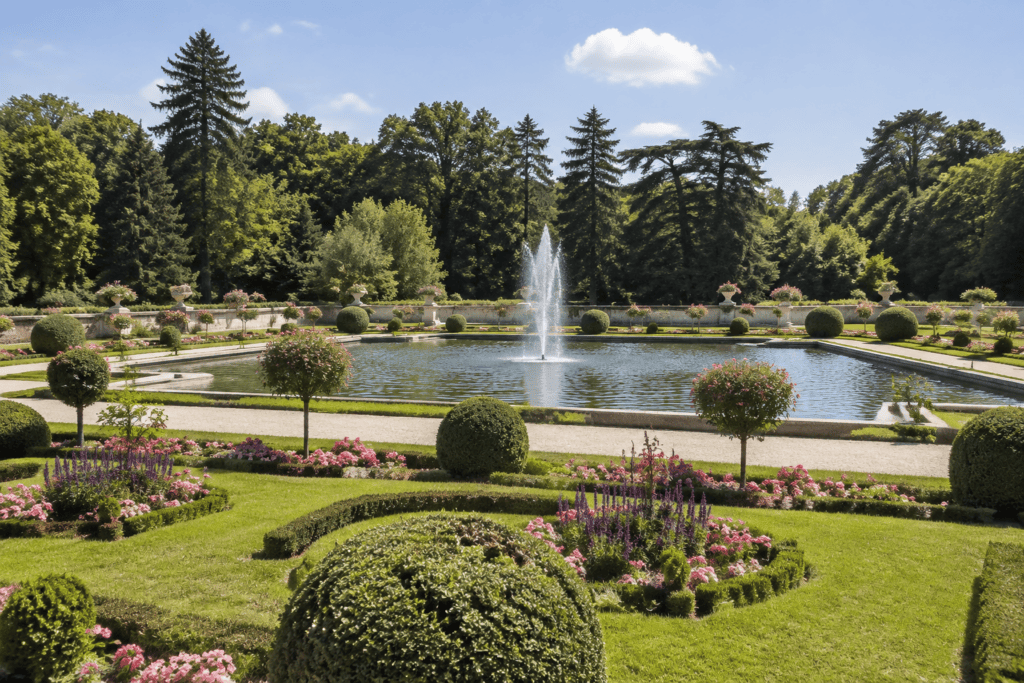
Diane de Poitiers’ garden, near the entrance, is arranged around a pool and formal flower beds. It offers several carefully framed views of the château and demonstrates the importance given to perspective in the estate’s design.
Catherine de’ Medici’s garden has a more intimate atmosphere. Its design complements the château and gallery without competing with them. Blooms and colors change considerably throughout the seasons, so spring, summer, and fall offer different visual experiences.
The estate also includes wooded areas and walking paths. Comfortable shoes are recommended if you would like to explore the entire site. Plant enthusiasts may also appreciate the floral displays and botanical decorations regularly showcased throughout the château.
Planning your visit
Château de Chenonceau’s opening hours vary throughout the year. Before setting out, check the official opening-hours page for opening times, any special dates, and the conditions that apply on the day of your visit.
Prices, ticket categories, available time slots, and services offered may also change. The official ticket office provides the most reliable information for planning your visit. Admission tickets and on-site activities must be booked separately through the estate or the relevant provider.
Allow approximately three hours for a well-rounded visit, and more if you would like to explore the gardens at a leisurely pace. Build in extra time for arrival, walking through the park, breaks, and any possible security checks. Availability of certain areas or services may depend on the season, ongoing work, or conservation requirements.
Getting to Chenonceau from Paris or Tours
The château is located in Chenonceaux, in Indre-et-Loire, in the heart of Touraine. From Paris, the distance is approximately 214 km by road, but travel time depends greatly on traffic, the route, and your departure point. From Tours, allow for approximately 34 km, depending on the route selected.
Chenonceaux has rail service. Because schedules, connections, and services may change, check current transportation information as well as the official page dedicated to access to the estate. A car offers greater flexibility for combining Chenonceau with Amboise, the Clos Lucé, or other regional sites.
From Paris, Booking Paris Transfer can arrange private transportation departing from Paris, a Paris hotel, Charles de Gaulle Airport, or Orly Airport. The trip can include a return to Paris or form part of a broader Loire Valley itinerary. Transportation does not include château admission or activities offered on-site.
Tips for a successful day
For a first visit, start with the gardens to discover the different views of the château, then spend time in the gallery and interiors. Finish with the kitchens, apothecary, and outdoor areas still open to the public on the day of your visit.
Light can significantly change photographs. Morning often provides softer views, while late afternoon may bring out reflections on the Cher. Follow the estate’s guidelines regarding photography, planted areas, animals, and movement through the rooms.
Chenonceau can be combined with Amboise, the Clos Lucé, or another château, but avoid overloading your itinerary. A realistic plan leaves time for lunch and walking and takes into account the distances and opening hours of each site. From Paris, a private transfer makes it possible to create a well-organized day without presenting transportation as a ticketing service.
Useful sources
Frequently Asked Questions
Why is Chenonceau called the Ladies’ Castle?
How much time should you allow to visit Chenonceau?
Are the château’s hours the same year-round?
Can you get to Chenonceau by train?
Can you visit Chenonceau from Paris with a chauffeur?
Does Booking Paris Transfer sell château tickets?
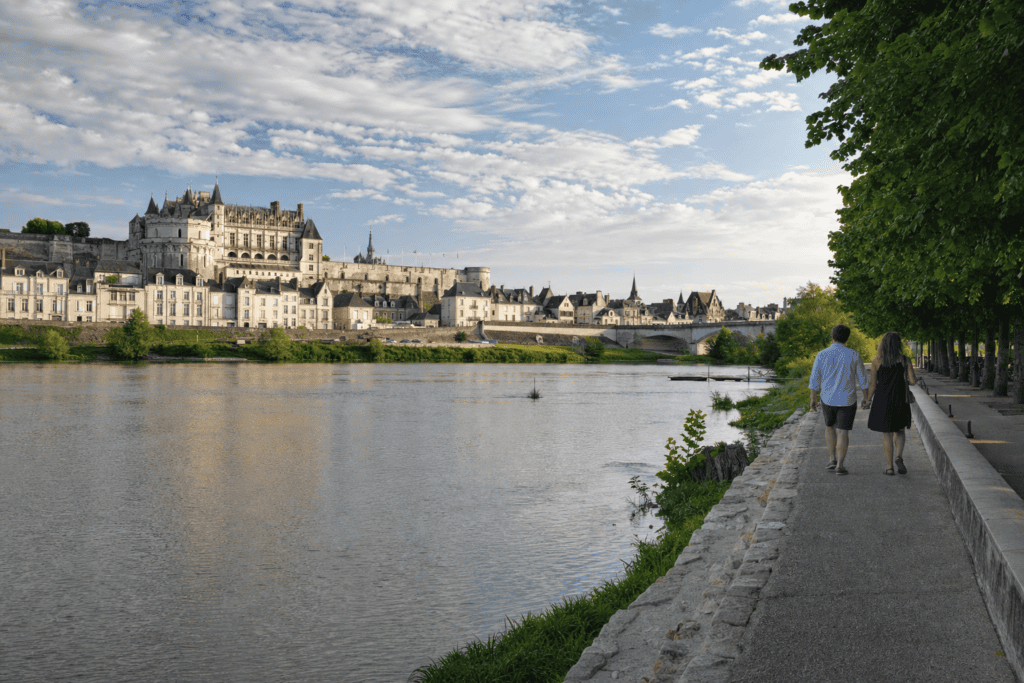 Amboise Historic Center and Quayside Walk A 2- to 4-hour walk through historic lanes, a royal château, Loire riverfronts, and…
 Loire à Vélo A 900 km cycling route connecting Loire châteaux, villages, vineyards and landscapes at your own pace…
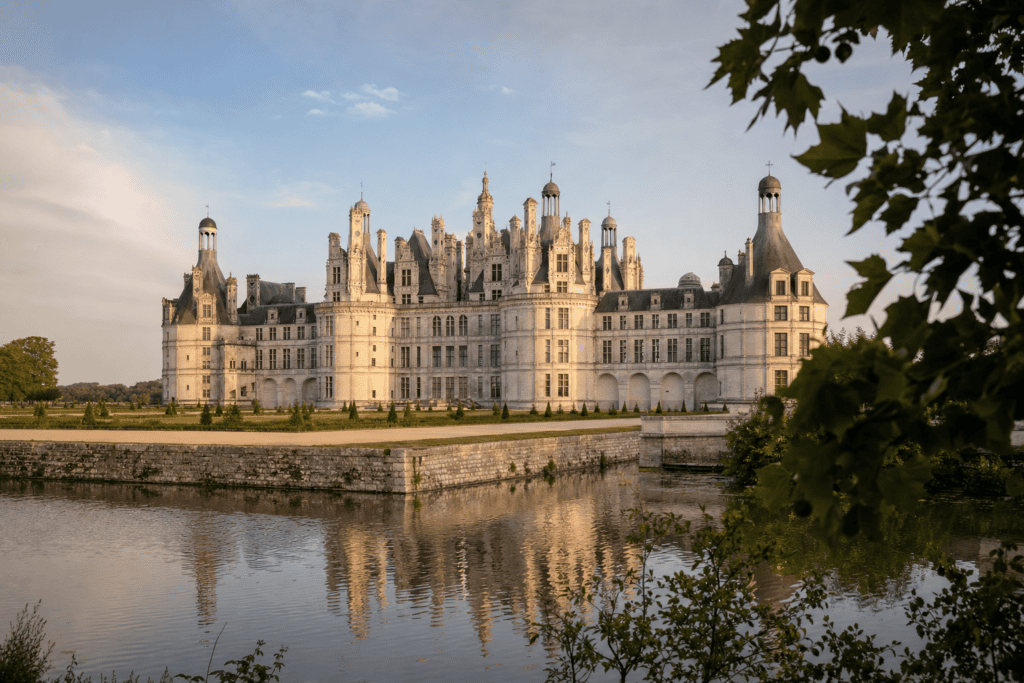 Chambord Castle A Renaissance masterpiece featuring a double-helix staircase, panoramic terraces, gardens…
 The Gardens of Villandry A vibrant and spectacular Renaissance garden, famous for its ornamental vegetable garden, geometric flower beds and…
Online booking · Paris → Château de Chenonceau, 37150 Chenonceaux, France
Choose your pickup date and time
Your departure and arrival details are already pre-filled. You can adjust them in the fare calculator before viewing the vehicles and fare.