



Versailles Gardens: A Practical Guide from Paris
Versailles
The Gardens of Versailles offer an open-air experience of royal history and French landscape design. From the château terrace, flower beds, fountains, sculptures, and groves create a grand vista extending to the Apollo Fountain and the Grand Canal. The estate also includes the Grand Trianon, Petit Trianon, and the Queen’s Hamlet, three more distant areas that require additional walking and time. Half a day is enough to discover the central gardens without rushing; a full day is preferable if you want to include Trianon. Since the schedule, opening hours, areas open to visitors, and access arrangements may change, always check the official information before your visit.
Practical information
Download or consult the official map before setting out, decide on your priorities, wear suitable shoes, and bring water. The distances between the château, the Grand Canal, and Trianon are considerable.
Getting to Versailles from Paris with peace of mind
Booking Paris Transfer can arrange a private ride from Paris, Île-de-France, CDG, or ORY to Versailles, with a return to Paris or continuation of an itinerary that began in Paris. Transportation is separate from estate tickets and tours.
Pickup from Paris, Île-de-France, CDG, or ORY, with a return to Paris or continuation of an itinerary that began in Paris.
Understanding the layout of the estate
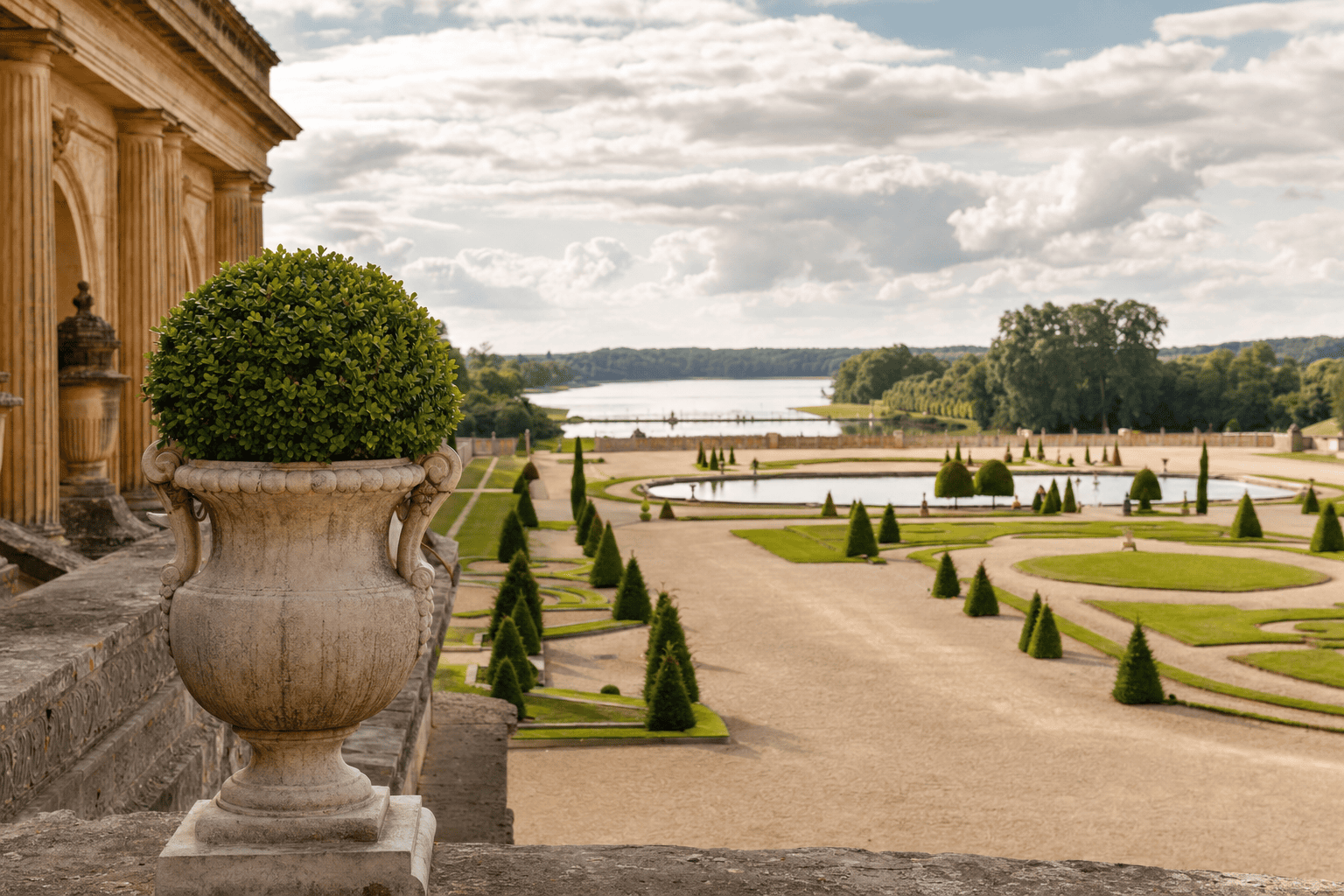
The gardens extend primarily west of the château, continuing from the façade overlooking the grand vista. The terrace offers a first glimpse of the composition conceived by André Le Nôtre: regular axes, geometric flower beds, fountains, sculptures, and long sightlines. This central section is best suited to a short first visit, as it brings together several iconic features within a relatively easy-to-follow area.
Heading west, the Royal Way leads to the Apollo Fountain and then to the Grand Canal. The groves are arranged on either side of the main vistas, sometimes behind green walls that conceal their entrances. The Trianon estate is a separate area, with its own buildings and gardens. Before you arrive, identify the entrances, restrooms, any food outlets that may be open, and routes suited to your mobility needs. The map is especially useful for gauging distances: a walk that looks simple on paper can become long after several hours on your feet.
Exploring the groves and fountains
The groves give the gardens their theatrical quality. Behind clipped hedges, these genuine outdoor rooms combine fountains, sculptures, colonnades, cascades, trellises, and perspective effects. Visitors move from the grandeur of the broad avenues to more intimate spaces designed to create moments of surprise. This interplay between visible order and successive discoveries is one of the route’s great strengths.
The Colonnade, Enceladus, Apollo’s Baths, the Ballroom, and the Three Fountains are among the areas visitors often seek out. However, grove access may depend on the season, maintenance work, and scheduled programming. The fountains also operate according to specific schedules during the Musical Fountain Shows. It is therefore best to consult the official program rather than assume every fountain will be running. On site, look at the sculptures as closely as the plants: the hedges, alignments, and framed views are inseparable from the landscape experience.
Follow the Royal Way to the Grand Canal
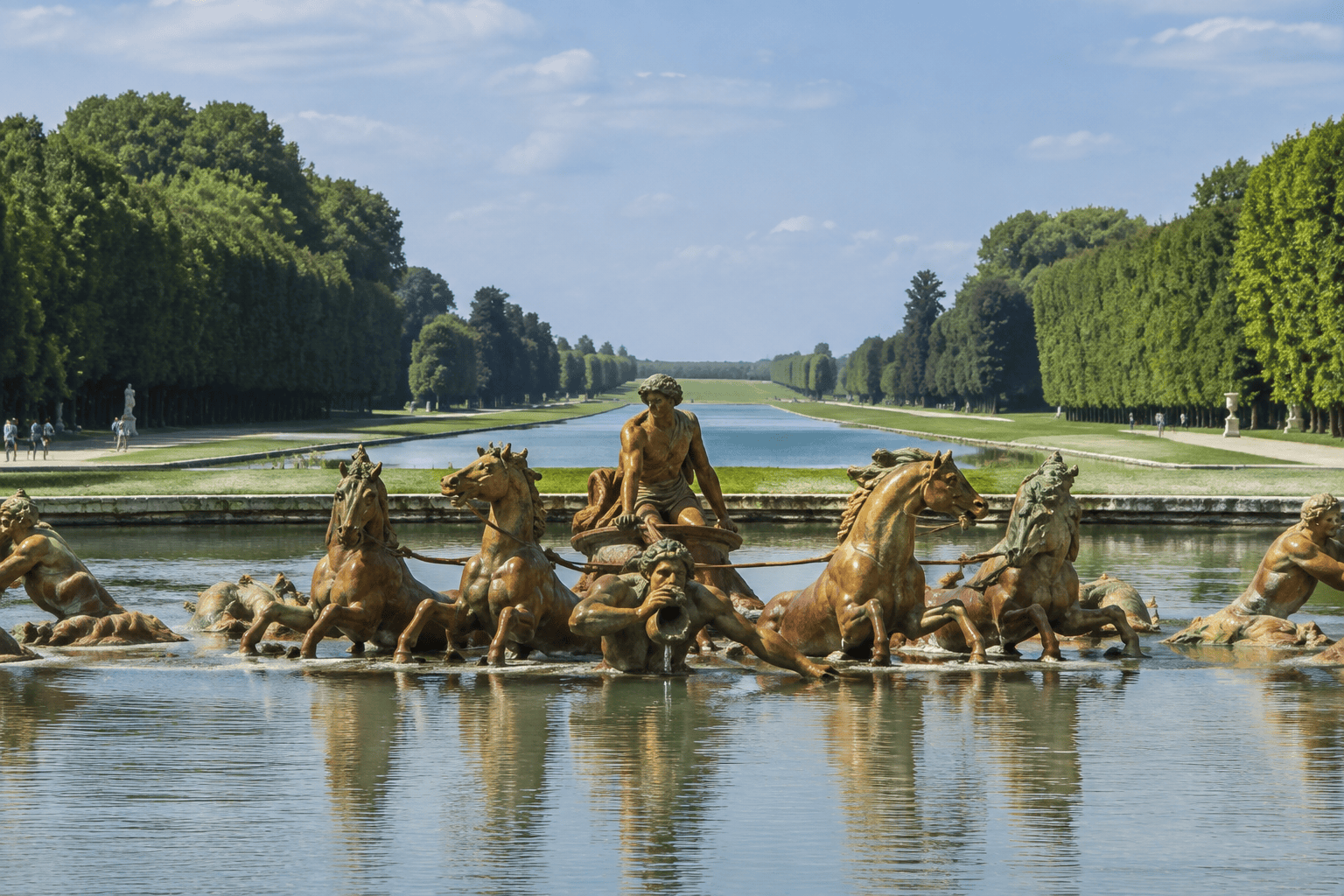
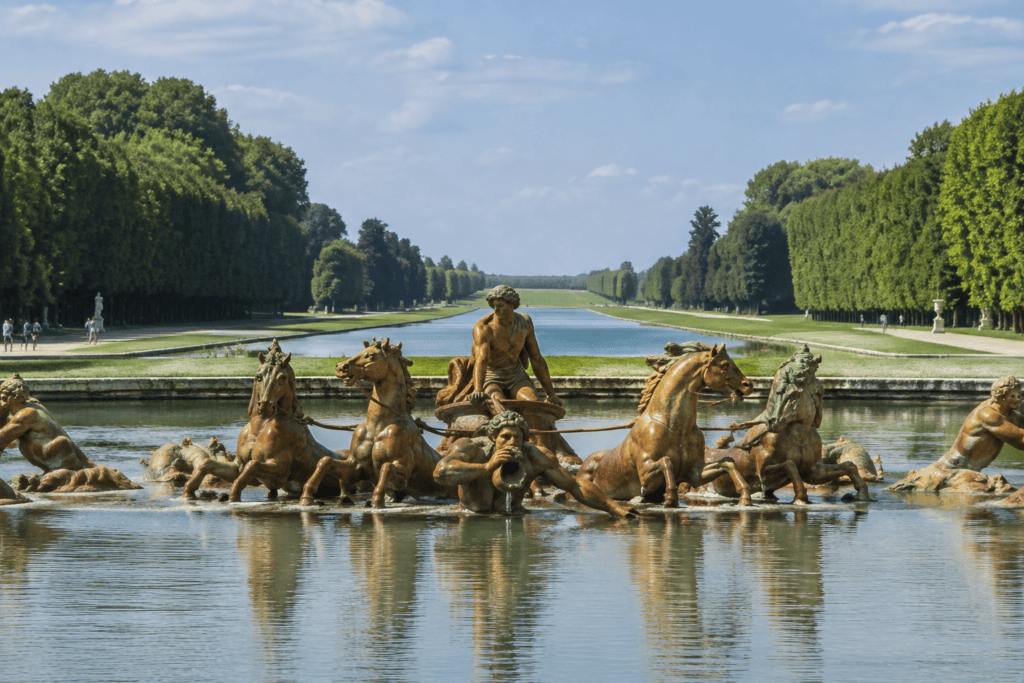
The Royal Way extends the château’s central vista. It leads to the Apollo Fountain, whose sculpted decoration refers to Louis XIV’s solar imagery, and then opens toward the Grand Canal. The landscape gradually changes: the formal flower beds and fountains near the château give way to broad lawns, water, and rows of trees. This walk conveys the scale of the project and shows how the estate directs the eye across long distances.
The Grand Canal makes a pleasant stopping point, but reaching its banks does not mean you have walked its entire length. A complete loop requires more time and energy. For a half-day visit, focus on the central gardens, the Royal Way, the Apollo Fountain, and part of the canal. With children, plan breaks and avoid adding too many detours. Photographers will enjoy the changing light, while visitors sensitive to heat may want to seek out shaded areas. In all cases, comfortable shoes are essential.
Discovering the Grand Trianon
The Grand Trianon offers a more intimate perspective on the estate. Built at the end of the 17th century under the direction of Jules Hardouin-Mansart, it is distinguished by its horizontal architecture, open façades, and use of marble. Louis XIV sought a place here for retreat and entertaining, away from the ceremony of the main château. The visit thus presents another image of power, rooted in royal leisure and a more direct relationship with the gardens.
The landscaped areas of the Grand Trianon are more compact than those along the central axis and highlight the building’s proportions. Nevertheless, the distance from the château must be factored into your plans. If you would like to continue to Petit Trianon and the Queen’s Hamlet, a full day will be more comfortable. Access conditions for the interiors, gardens, and different sections may depend on the ticket option selected and the day’s information. Check the official details before setting out, especially if your itinerary combines several parts of the estate.
Visiting Petit Trianon and its gardens
Completed in 1768 to plans by Ange-Jacques Gabriel, Petit Trianon is more compact and intimate than the château. Louis XVI gave it to Marie Antoinette in 1774. The building and its gardens reflect changing tastes in the 18th th
century, with a desire for privacy and a less strictly ordered relationship with nature. The area combines a formal French garden with more winding designs that herald a new sensitivity to composed landscapes.
Taking time for the Queen’s Hamlet
The Queen’s Hamlet is one of the most distinctive parts of Versailles. Commissioned from Richard Mique beginning in 1783, it brings together several rustic-looking structures around a lake. The Queen’s House, mill, Marlborough Tower, and dairy create a setting inspired by the 18th th
century’s interest in country life. The hamlet was associated with a working farm, so it was not merely a setting created for strolling.
Planning a visit from Paris
A visit to the gardens should be planned like a long cultural walk. For a first visit, choose the central flower beds, a few groves, the Royal Way, the Apollo Fountain, and the Grand Canal. This makes for a well-balanced half-day itinerary. To include the Grand Trianon, Petit Trianon, and the Queen’s Hamlet, plan on a full day and expect a less intensive pace. Looking at a map before arriving helps reduce detours and adapt your route to the weather.
Wear shoes suitable for long avenues, bring water, and protect yourself from the sun or rain. The Musical Fountain Shows, Musical Gardens, opening hours, prices, and areas open to visitors may change: check the calendar and guidance from the Palace of Versailles. From Paris, CDG, ORY, or another address in Île-de-France, Booking Paris Transfer can arrange private transportation to Versailles, with a return to Paris or continuation of an itinerary that began in Paris. The service covers transportation only; tickets and tours must be booked through the official site.
Frequently Asked Questions
How long does it take to visit the Gardens of Versailles?
Are the Musical Fountain Shows held every day?
Can you walk to Trianon from the gardens?
Is the Queen’s Hamlet included with every ticket option?
What is the best time to visit the gardens?
 Palace of Versailles Palace, Hall of Mirrors, gardens, and Trianon: essential tips for planning your visit to…
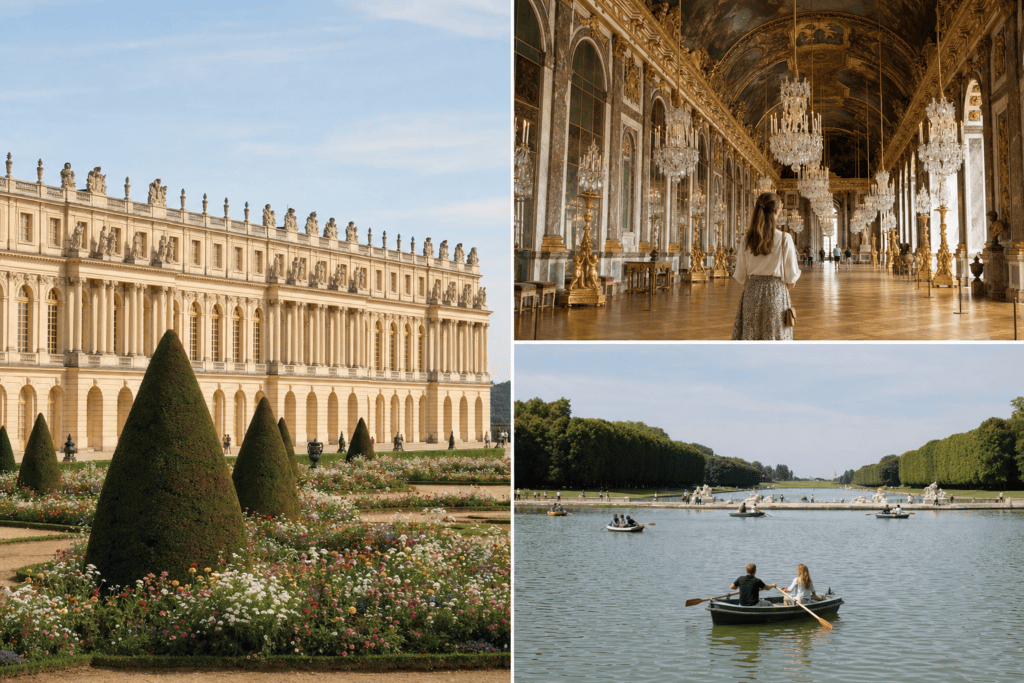 What to do in Versailles in one day A detailed itinerary for discovering the château, gardens, Notre-Dame Market, and historic neighborhoods…
 Notre-Dame Neighborhood and Notre-Dame Market A lively walk through Versailles, among market halls, heritage, food shops, and historic streets.
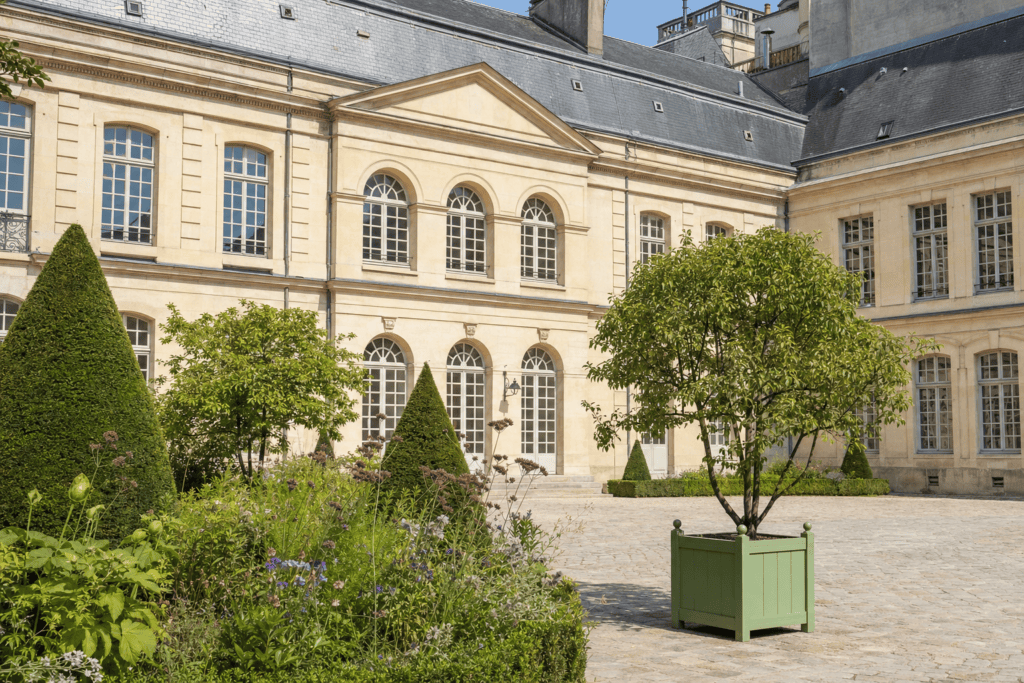 Lambinet Museum A small-scale museum in an elegant private mansion, combining the history of Versailles, decorative arts…
Online booking · Paris → Place d’Armes, 78000 Versailles, France
Choose your pickup date and time
Your departure and arrival details are already pre-filled. You can adjust them in the fare calculator before viewing the vehicles and fare.