



Musée Lambinet: The Intimate History of Versailles
Versailles
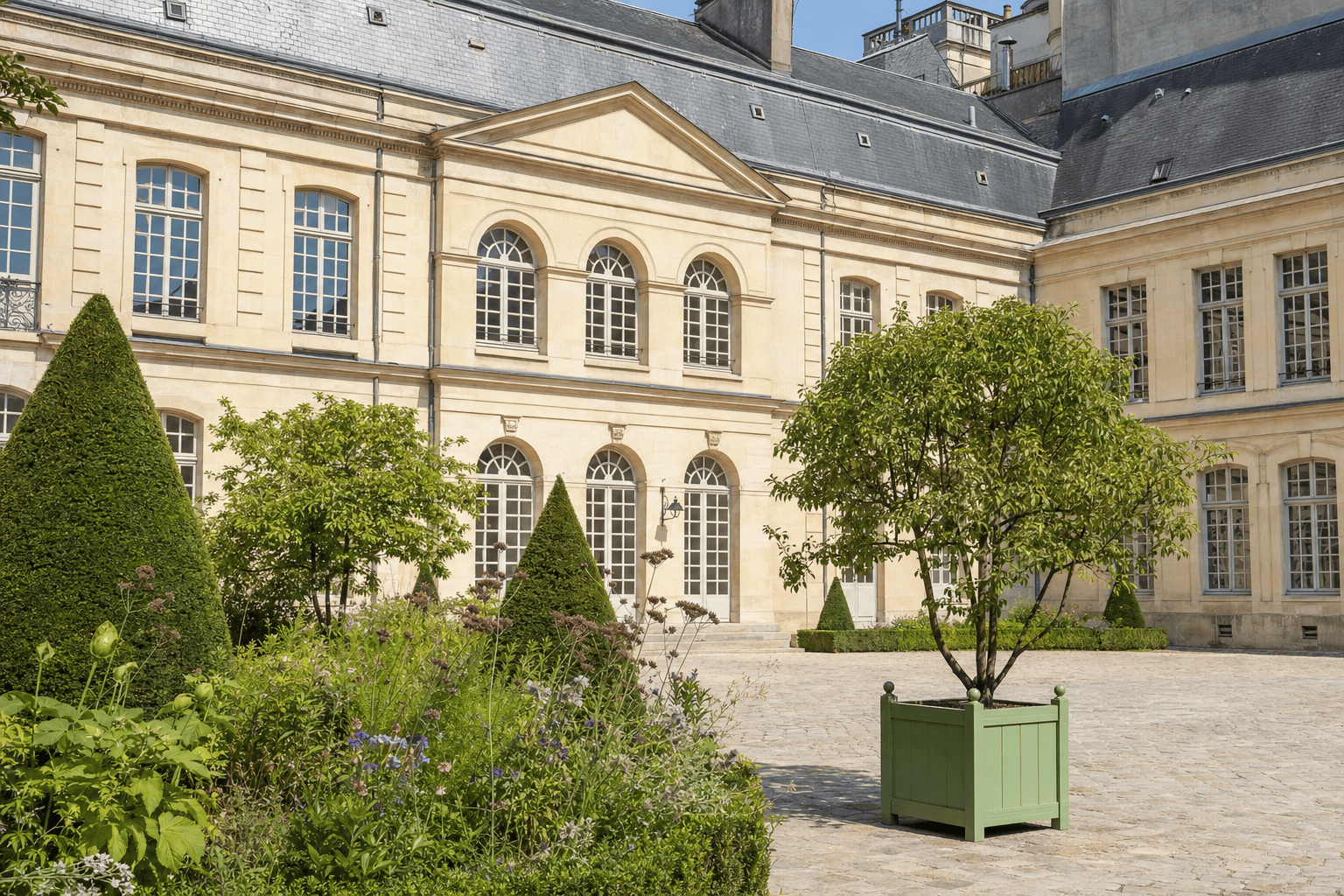
Housed in an 18th-century mansion, the Musée Lambinet is Versailles’s museum of art and history. Just minutes from the château, it offers a more intimate look at the city’s evolution, its residents, and the art of living in earlier times. Paintings, sculptures, furniture, objets d’art, and historical documents are displayed in a setting that is an integral part of the experience. This museum is a delightful complement to a visit to the Versailles estate, offering insight into the royal city from a more everyday perspective, away from the grand monarchic settings alone.
Practical information
Combine the museum with the Notre-Dame district, its market, and a walk toward the château. For a comfortable visit, check that it is open that day and allow time to read the historical information.
Getting to Versailles from Paris with ease
To include the Musée Lambinet in a cultural day trip, Booking Paris Transfer can arrange a private ride from Paris, a Paris hotel, Charles de Gaulle or Orly Airport, with a return to Paris or continuation of an itinerary begun in Île-de-France. The service covers transportation only: admission tickets and museum visits must be booked directly with the museum.
Departure available from Paris, a Paris hotel, CDG or ORY, with a return to Paris or continuation of an itinerary begun in Paris.
An Elegant Mansion in the Heart of Versailles
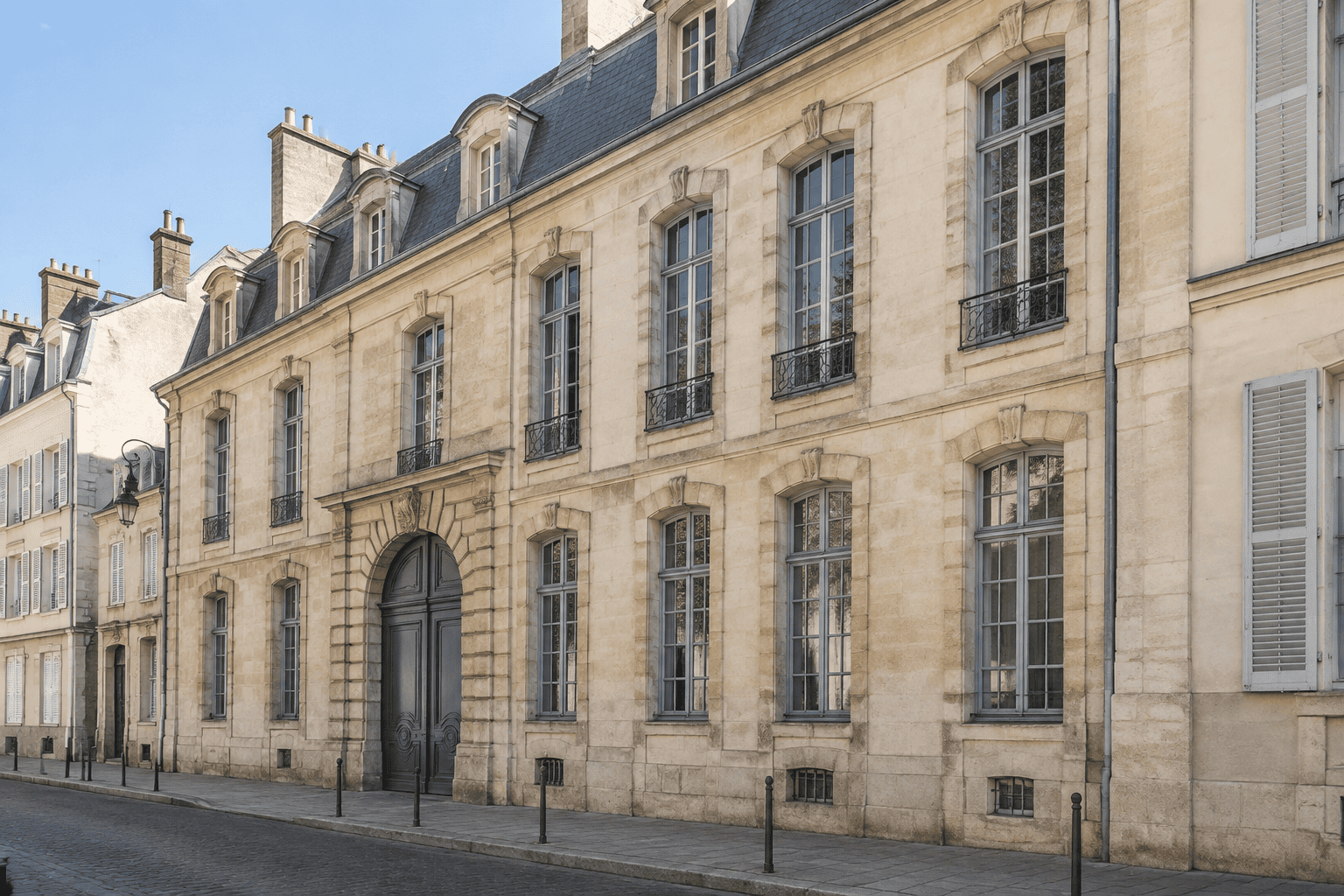
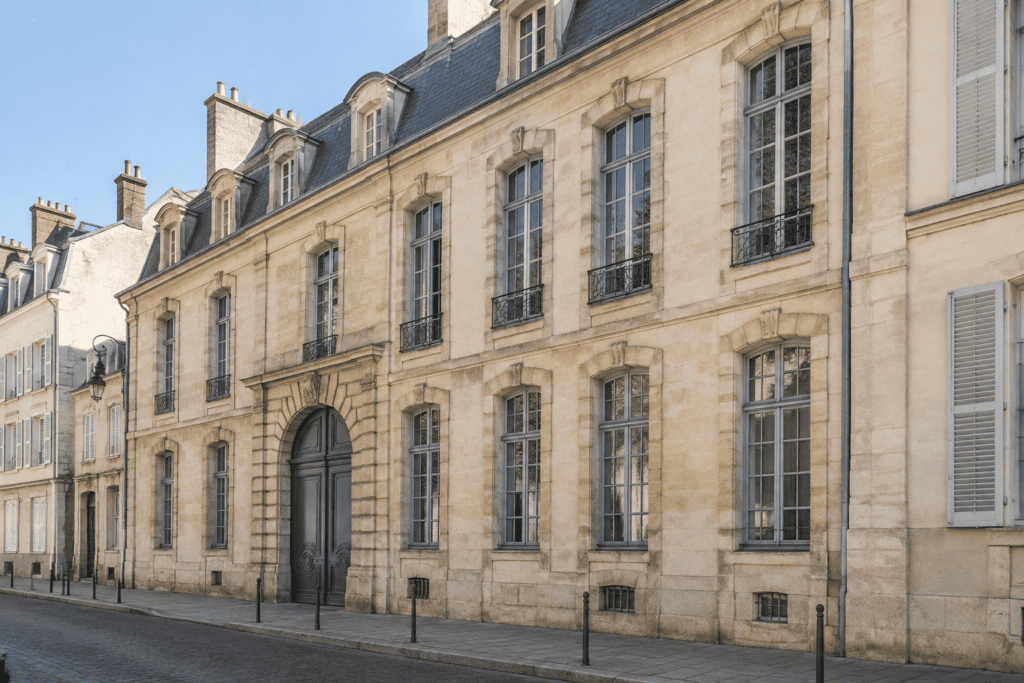
The Musée Lambinet occupies an elegant mansion built in the second half of the 18th century for Joseph-Barnabé Porchon, an entrepreneur involved in the King’s building projects. Its façade, proportions, and interior layout evoke the residential setting of aristocratic and administrative Versailles. The building is protected as a historic monument, adding to the visit’s heritage appeal: the collections are displayed in a home that preserves the atmosphere of an earlier interior.
Located at 54 boulevard de la Reine in the Notre-Dame district, the museum is within a reasonable distance of the château, the market, and the shopping streets in central Versailles. It is therefore easy to include in a day of sightseeing, before or after a walk through the city. Take a few moments to appreciate the room proportions, wood paneling, and sequence of rooms before focusing on the artworks. The contrast with the château’s grand spaces is one of the museum’s attractions: the visit is more domestic, quieter, and often more personal.
This museum is especially well suited to travelers who want to look beyond Versailles’s monumental image. It shows how heritage can be connected to a house, a neighborhood, and a city’s everyday memory. The setting is not merely a backdrop; it is part of the story.
A History Shaped by Collectors
The museum’s history is closely linked to the gifts, bequests, and acquisitions that enriched the municipal collections. In 1929, the city of Versailles accepted Nathalie Lambinet’s bequest in order to establish a museum, which opened to the public in 1932. The collection subsequently grew through the transfer of municipal holdings, contributions from private individuals, and various acquisitions. This origin explains the breadth of the visit: the Musée Lambinet is not devoted to a single artist or period, but resembles a collectors’ museum built up in successive layers.
The presentation of the people involved in building the collections helps explain how a municipal museum takes shape. Behind the artworks are personal tastes, research, family legacies, and a desire to preserve local memory. This perspective gives heritage a human face and offers a different way to view the galleries.
Before you begin, read the general introduction provided at the entrance or in the reception areas. It offers useful reference points for understanding the layout of the visit. Visitors interested in the history of museums will appreciate this dimension: the Lambinet tells the story of how a collection was formed as much as it tells Versailles’s artistic and social history.
Paintings, Sculptures, and Decorative Arts
A significant part of the visit brings together paintings, sculptures, drawings, prints, furniture, and objets d’art. The range of techniques is one of the Musée Lambinet’s strengths: a painting may be displayed alongside a piece of furniture, a portrait with a sculpture, or a decorative work with an everyday object. This combination makes the visit accessible to people who do not want to focus on just one artistic specialty.
The collections span a long period, from the Renaissance to the mid-20th century. They reveal how tastes, materials, formats, and ways of depicting people evolved. Artists such as Houdon, Corot, Boilly, and Le Sidaner are represented, but the visit’s appeal does not rest solely on famous names. Lesser-known works also help recreate an atmosphere, a fashion, or a way of living.
To get the most from these galleries, take your time rather than trying to see everything too quickly. Compare the frames, dimensions, materials, and functions of the objects. A piece of furniture can sometimes tell you as much about an era as a painting, while a portrait may reveal a society’s social codes. This cross-reading gives the visit a distinctive richness and keeps the museum from becoming merely a succession of artworks.
A Glimpse into 18th-Century Life
One of the museum’s most evocative displays is the recreation of an 18th-century apartment. It helps visitors understand the art of living beyond the grand royal interiors: room layouts, furniture, practical objects, and decorative elements reflect the material culture of urban elites. Visitors discover a more everyday Versailles, shaped by interiors, conversations, reading, entertaining, and domestic routines.
This section deserves special attention because it places objects in context. A piece of furniture is no longer merely decorative; it reflects ways of entertaining, working, storing belongings, or conducting oneself in society. Fabrics, accessories, shapes, and furnishing details create a genuine atmosphere. Take time to consider how the objects work together rather than viewing them separately.
For families, this approach can be more concrete than looking at paintings alone. Children can search for differences between past and present practices, such as lighting, writing, storage, meals, and decoration. The visit then becomes an exploration of ways of life, without requiring extensive knowledge of art history.
Understanding the History of Versailles
The section devoted to Versailles’s history places the city within the political, urban, and social changes that accompanied the development of the château and the court. It does more than recount the lives of rulers: the museum also explores the formation of neighborhoods, local life, and the upheavals experienced by residents. This approach is a useful complement to a visit to the estate, which often focuses on the grand apartments and monarchic institutions.
The French Revolution plays an important role in this historical perspective. Associated with the monarchy, Versailles became a privileged vantage point from which to observe the changes affecting France. The artworks and documents on display connect national events with the city’s tangible history, its streets, and its residents.
This section encourages visitors to see Versailles as a living city, not merely as the setting of a vanished power. Allow enough time to read the captions and chronological markers; they give the exhibition its coherence. After the museum, a walk through the Notre-Dame district extends this urban discovery as you observe the street alignments, squares, and buildings in the city center.
Planning Your Visit
The Musée Lambinet generally requires about an hour and a half for an attentive visit, and longer if you read all the texts or if a temporary exhibition adds to the displays. Opening hours, closure days, admission fees, free-entry policies, and any reservation procedures may change. Be sure to check the information published by the City of Versailles immediately before your visit, especially for public holidays and periods with special programming.
The museum is located in the Notre-Dame district at 54 boulevard de la Reine. From Versailles-Rive-Droite, it is a short walk of just a few minutes. From Versailles-Château-Rive-Gauche, allow approximately 15 to 20 minutes on foot toward boulevard de la Reine; the exact time depends on the route and your pace. Visitors who need detailed information about the elevator, accessibility routes, or assistance should contact the museum before traveling.
For a well-balanced day, combine the museum with the Notre-Dame market or a walk through the central streets. If you are also visiting the château, check each site’s individual hours and leave a break between the two visits. This schedule avoids following two demanding cultural visits back to back without time to recharge.
Who Is It For, and What Activities Are Available?
The museum appeals to enthusiasts of local history, decorative arts, and heritage, as well as visitors looking for a quieter cultural activity than Versailles’s major attractions. Its varied displays may interest travelers who have already visited the château, families curious about earlier ways of life, and people drawn to interior architecture. No prior knowledge is required: the collections can be discovered through the artworks, settings, and historical reference points.
The City of Versailles may offer themed tours, family activities, creative workshops, or events related to the collections. Dates, recommended ages, and registration details vary according to the program. Check the official calendar rather than relying on an old announcement, particularly if you are traveling during school holidays.
For a first visit, begin with the spaces explaining the history of the collections, continue through the art galleries and the 18th-century apartment, and finish with the history of Versailles. This sequence provides a coherent overview of the museum. If your day begins in Paris, private transportation can help group several stops together, but admission tickets and guided tours must still be arranged directly with the relevant sites.
Useful sources
Frequently Asked Questions
Where is the Musée Lambinet located?
How much time should I allow for the visit?
What types of collections can you see?
Is the museum family-friendly?
Are the opening hours and admission fees fixed?
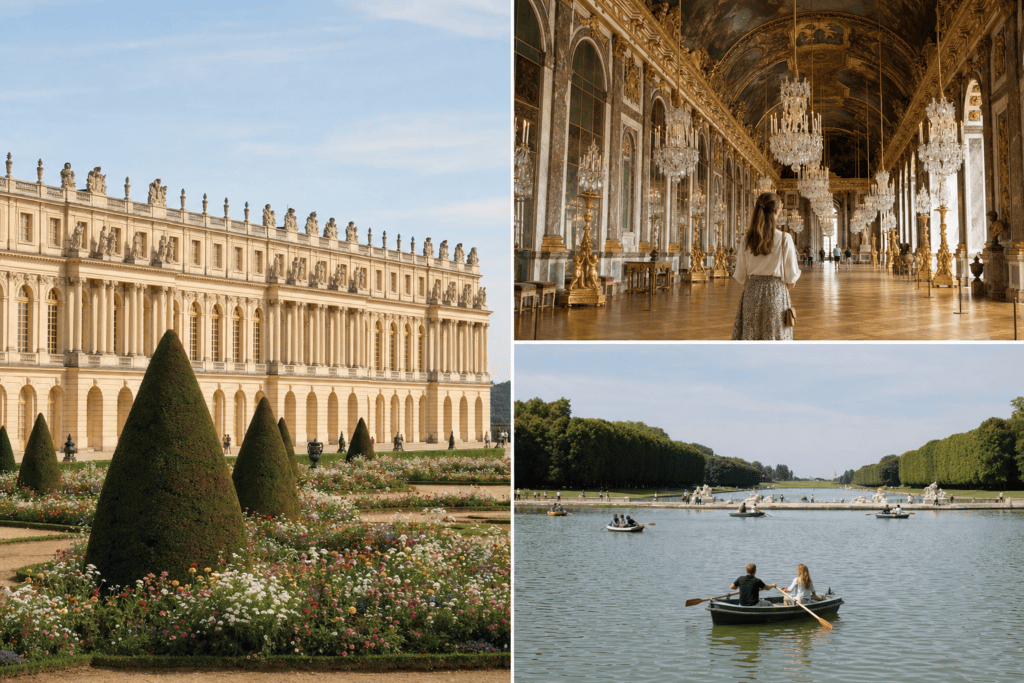 What to do in Versailles in one day A detailed itinerary for discovering the château, gardens, Notre-Dame Market, and historic neighborhoods…
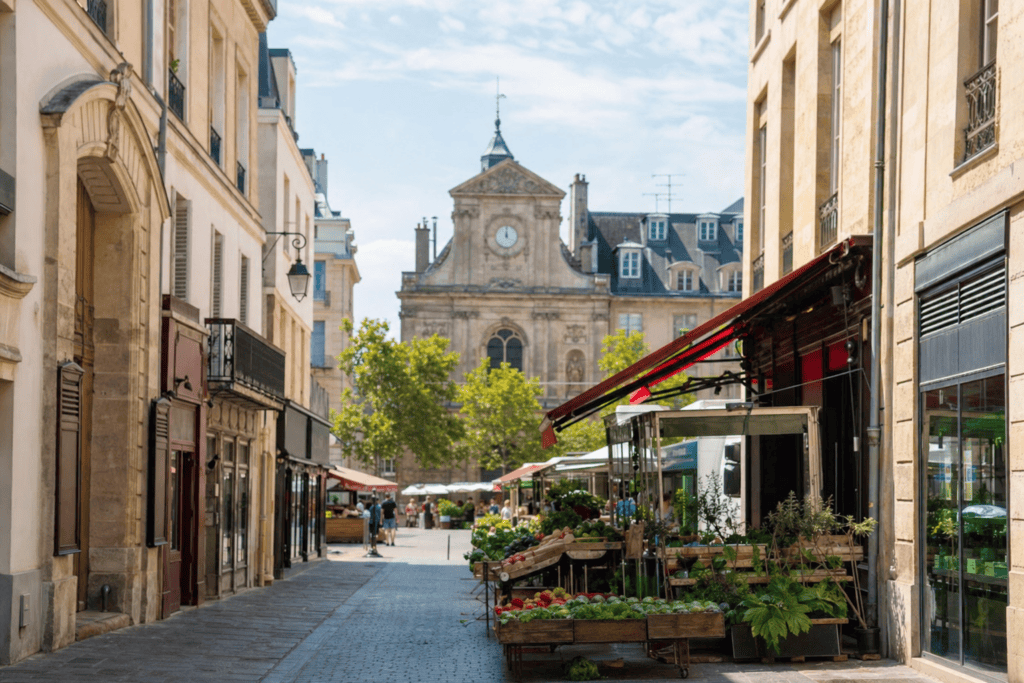 Notre-Dame Neighborhood and Notre-Dame Market A lively walk through Versailles, among market halls, heritage, food shops, and historic streets.
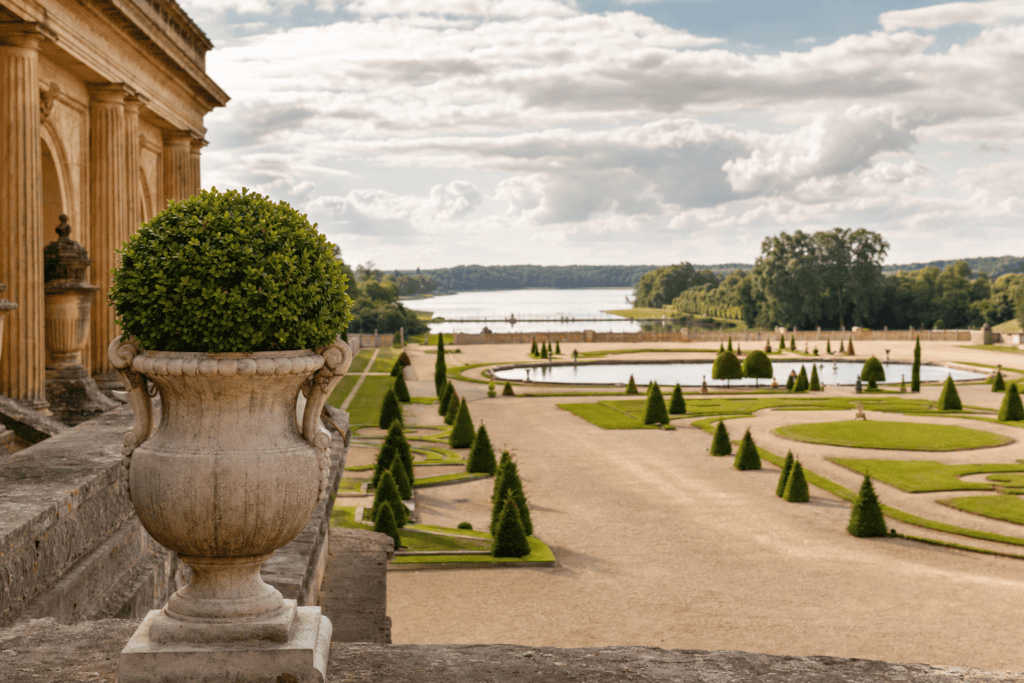 Gardens and Estate of Versailles A royal walk among vistas, groves, fountains, the Grand Canal, and the Trianon estate.
 Palace of Versailles Palace, Hall of Mirrors, gardens, and Trianon: essential tips for planning your visit to…
Online booking · Paris → 54 boulevard de la Reine, 78000 Versailles, France
Choose your pickup date and time
Your departure and arrival details are already pre-filled. You can adjust them in the fare calculator before viewing the vehicles and fare.