



Versailles Notre-Dame Market: Neighborhood Guide
Versailles
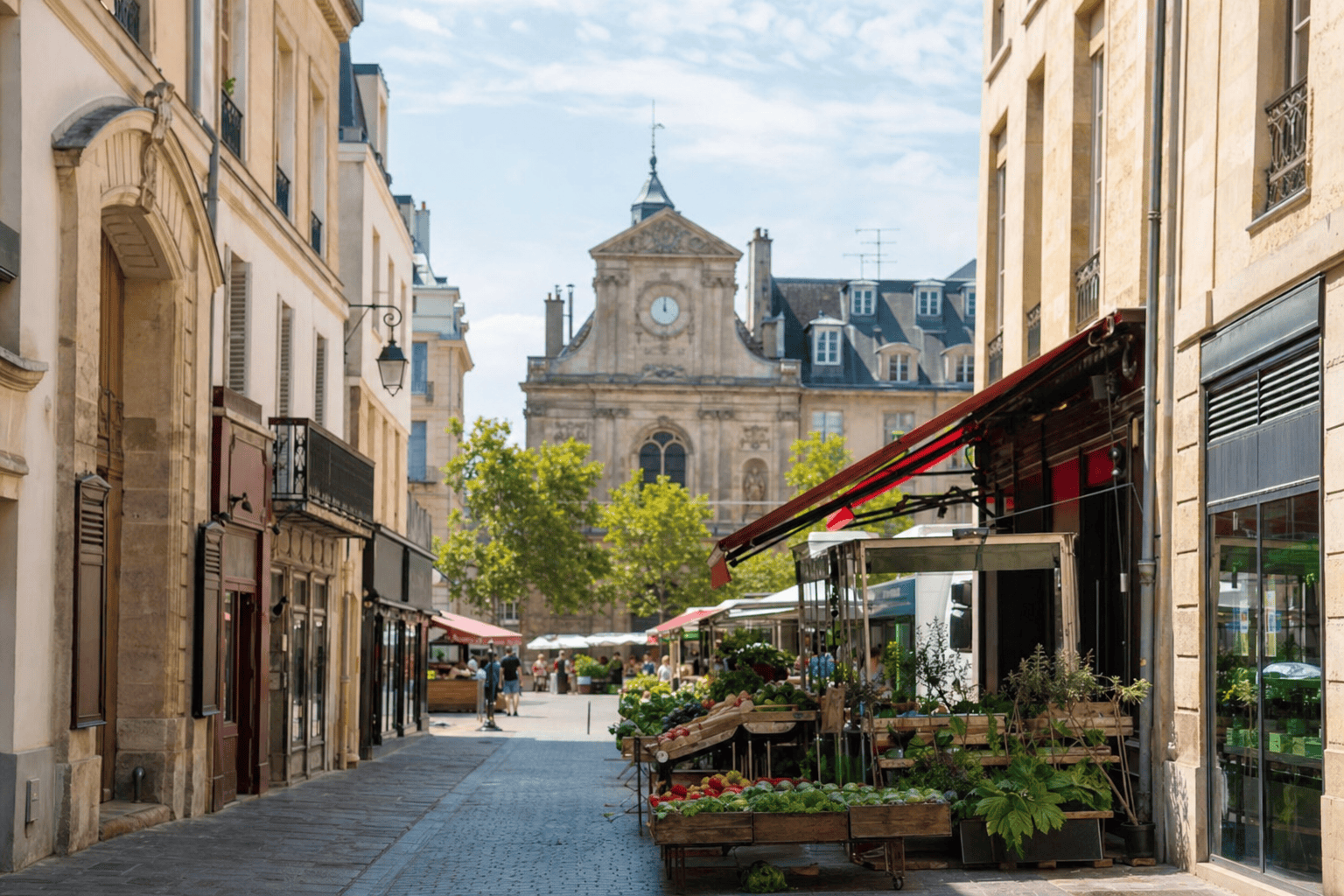
North of the château, the Notre-Dame neighborhood reveals a lively, commercial side of Versailles shaped by royal history. Versailles Notre-Dame Market is its heart, with covered market halls, outdoor stalls, food shops, and cafés. The walk can continue to Notre-Dame Church, Rue de la Paroisse, the Lambinet Museum, and the Montansier Theatre. Allow about two hours for a first visit, or longer if you add lunch or a cultural attraction. On market days, shop hours and opening conditions for nearby sites may change, so check the official information for your visit date.
Practical information
Take an initial walk around before shopping, and save fresh products for last. A reusable bag, comfortable shoes, and an up-to-date map are useful if you plan to continue toward Notre-Dame Church and Rue de la Paroisse.
Getting to Versailles from Paris
For a day trip from Paris, Booking Paris Transfer can arrange private transportation to Versailles, with drop-off suited to your plans and a return trip to Paris. Pickup can be arranged from Paris, Île-de-France, CDG, or ORY. Exploring the neighborhood, visits, and any tickets must be arranged separately: the service covers transportation only.
Transportation from Paris, Île-de-France, CDG, or ORY, with a possible return to Paris; no admission tickets are sold.
Understanding the History of the Notre-Dame Neighborhood
The Notre-Dame neighborhood is part of the new town that developed around the Palace of Versailles beginning during the reign of Louis XIV. The court’s permanent move led to the construction of housing, shops, institutions, and places of worship to meet the needs of a growing population. Place du Marché Notre-Dame was part of this layout, serving daily provisions and trade.
Today, the area retains this dual identity. Urban streetscapes, vistas, and certain façades evoke the royal city, while the market halls, cafés, and shops give the neighborhood a distinctly contemporary rhythm. It is a good stop after the château’s expansive grounds, as the walk shifts scale and reveals everyday life in Versailles.
Look at the doors, cornices, window surrounds, and proportions of the buildings. Here, heritage is discovered through the continuity of the streets, not only in front of a single monument. This urban perspective shows how Versailles has preserved its historic character while remaining an active town.
Discovering the Market Halls and Market
Notre-Dame Market is organized around covered market halls and outdoor spaces on and around the square. The halls provide a more permanent setting for food businesses, while the outdoor stalls enhance the traditional market atmosphere on scheduled market days. The exact lineup may vary depending on vendors, the season, and any changes to the layout.
For a first visit, start by taking in the whole market before shopping. Depending on the day, you may find fruit and vegetables, fish, meat, cheese, bread, pastries, or ready-to-go food. Consider this list indicative only: the availability of a product or vendor is not guaranteed on every visit.
The City of Versailles notably lists food market days on Tuesday, Friday, and Sunday. Check its market information page before setting out, especially if you are visiting on a public holiday or during an event. On site, let other customers pass, keep your belongings close, and ask permission before photographing a vendor.
Planning a Food-Focused Walk
The neighborhood is ideal for a food-focused walk without requiring a complicated itinerary. Walk around the square and market halls, note the products that interest you, then choose a break or a few items to take away. The bakery aromas, storefronts, colorful stalls, and conversations with vendors give the market a sensory dimension that complements a visit to the château.
If you plan to walk or visit a museum afterward, buy perishable goods at the end of your route. A sturdy reusable bag is handy, but avoid carrying sensitive products for too long. Cafés and restaurants on the surrounding streets can provide a break or lunch; their menus, hours, and reservation policies are determined by each establishment.
When visiting with family, alternate exploring the market halls with a seated break and a walk toward Notre-Dame Church. Architecture enthusiasts may want to focus on the façades and views around the square, while food lovers can take time to compare the products. The neighborhood is flexible, so you can adjust the length of your visit to your pace and budget.
Observing the Architecture and Notre-Dame Church
The area’s heritage is best understood as a whole. As you leave the square, look at the street alignments, carriage entrances, cornices, dormer windows, and window surrounds. Rue de la Paroisse and the neighboring streets continue this architectural exploration. Contemporary shops housed in historic buildings make the continuity between the royal city and present-day Versailles especially visible.
Notre-Dame Church is the neighborhood’s main architectural landmark. Built at the end of the 17thth century under the direction of Jules Hardouin-Mansart, it was designed as a royal parish church. It became a cathedral in 1791. If you would like to go inside, respect the site’s religious nature, services, and posted guidelines.
The atmosphere changes with the time of day and market activity. A busy period lets you experience local life, while a quieter moment makes it easier to observe the details. When taking photos, move away from narrow passageways and avoid blocking entrances or stalls. The neighborhood’s appeal lies in the relationship between the church, square, streets, and surrounding façades.
Combining the Market with Nearby Cultural Sites
The market can be a starting point for a broader cultural exploration. Housed in a private mansion, the Lambinet Museum presents collections connected with the history of Versailles, decorative arts, and local life. It offers an interesting complement to the château: rather than focusing on the court and grand apartments, it explores interiors, objects, and works associated with life in Versailles.
The Montansier Theatre adds an artistic and elegant dimension. Its presence is a reminder that the Notre-Dame neighborhood was never only a place for provisions. Performances, social life, shops, and walks all contributed to its vitality. The former Richaud Hospital may also interest architecture enthusiasts, depending on which areas are open and the current program.
For a two- to four-hour outing, it is best to choose just one indoor site in addition to the market. This leaves time for the streets and a break. Museums, the theater, and other establishments have their own opening days, prices, and access rules, so check their official websites to build a plan suited to your visit date.
Walking to the Neighborhood from the Château
From Place d’Armes in front of the château, head toward central Versailles along Avenue de Saint-Cloud, then continue toward Rue de la Paroisse and Place du Marché Notre-Dame. The route may vary depending on your exact starting point within the estate. An up-to-date map can confirm crossings, any current construction, and the most comfortable route.
The walk is about 1.3 kilometers from Place d’Armes, generally taking around 20 minutes without stops. This estimate depends on your starting point and walking pace. Once you arrive, begin with the market halls and square, then continue to Notre-Dame Church, Rue de la Paroisse, the Lambinet Museum, or the Montansier Theatre.
With shopping, photos, and a break, plan on about two hours for the neighborhood. A cultural visit can extend the outing. The route includes sidewalks, crossings, and sometimes cobblestones, so families and people with reduced mobility should plan their route carefully before setting out and allow themselves a flexible pace.
Planning an Enjoyable and Responsible Visit
Access to the streets, square, and areas around the market is free. However, the market halls, shops, and nearby cultural sites have their own policies. Check the City’s official page for the market calendar, then verify each establishment’s information if you plan to enter a museum, church, or theater. This preparation is useful on public holidays, during events, and when construction is underway.
Wear shoes suitable for walking in the city and bring a reusable bag. Save perishable food products for last to minimize the time you carry them. The market halls provide shelter from the weather, while the layout of the outdoor spaces may vary depending on the day’s setup and local constraints.
People using wheelchairs or strollers should anticipate cobblestones, thresholds, sidewalks, and narrow passageways. Conditions may differ between the square, market halls, church, and museums, so it is best to request precise information from the relevant services. Finally, respect vendors, visitors, and the religious nature of the church. From Paris, the neighborhood can be part of a broader Versailles excursion and is best explored mainly on foot.
Useful sources
Frequently Asked Questions
Where is Notre-Dame Market in Versailles?
Which days are best for visiting the food market?
How much time should I allow?
Can you walk to the neighborhood from the château?
Is visiting the neighborhood free?
What can you see near Notre-Dame Market?
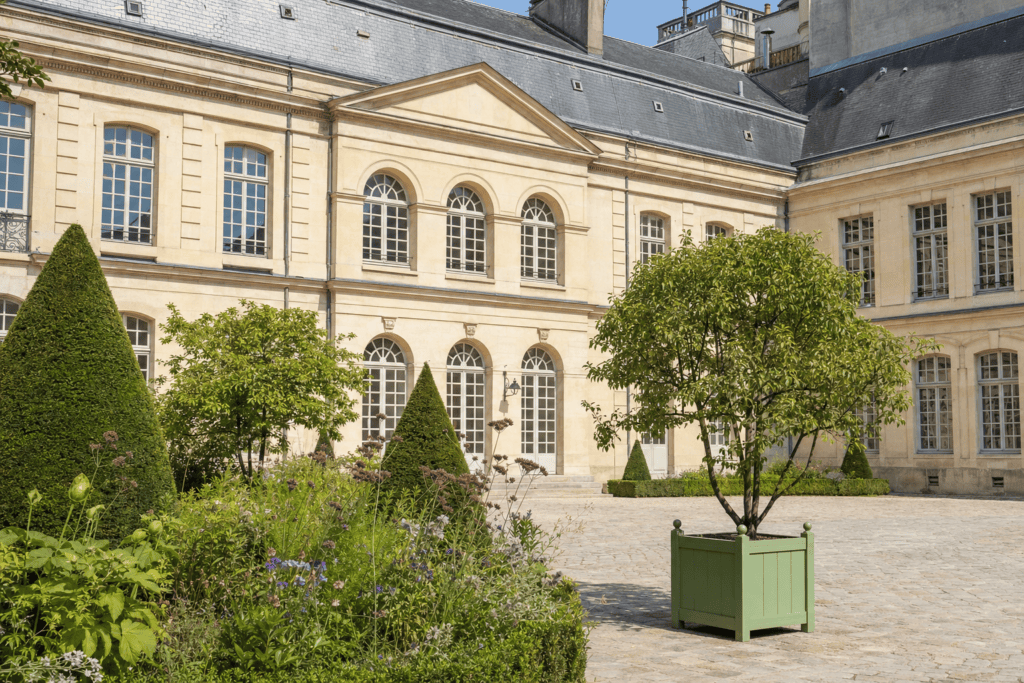 Lambinet Museum A small-scale museum in an elegant private mansion, combining the history of Versailles, decorative arts…
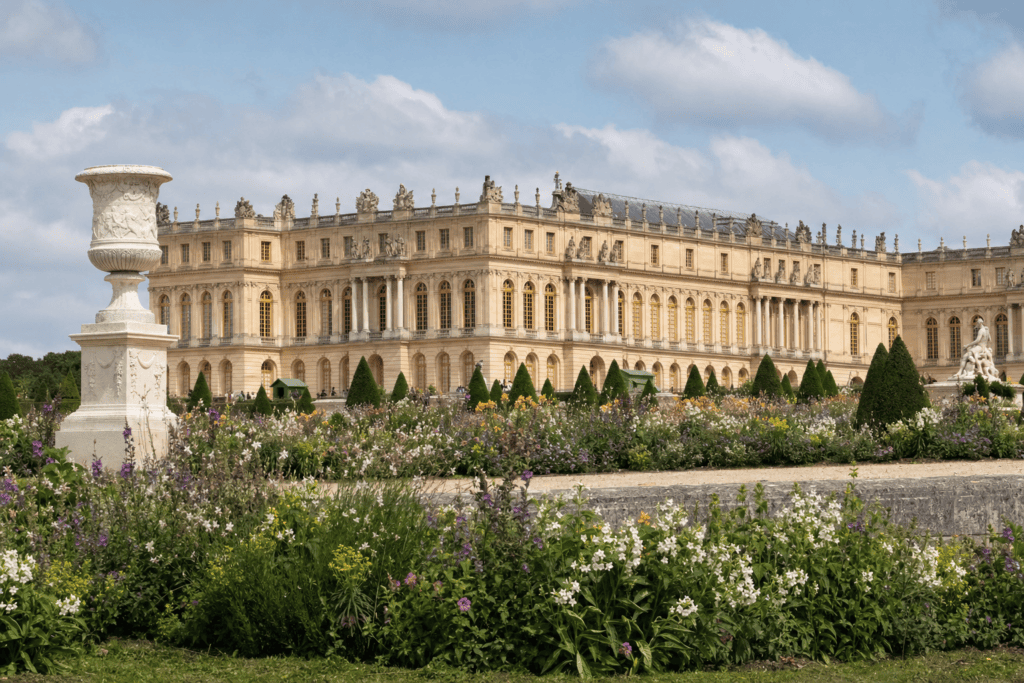 Palace of Versailles Palace, Hall of Mirrors, gardens, and Trianon: essential tips for planning your visit to…
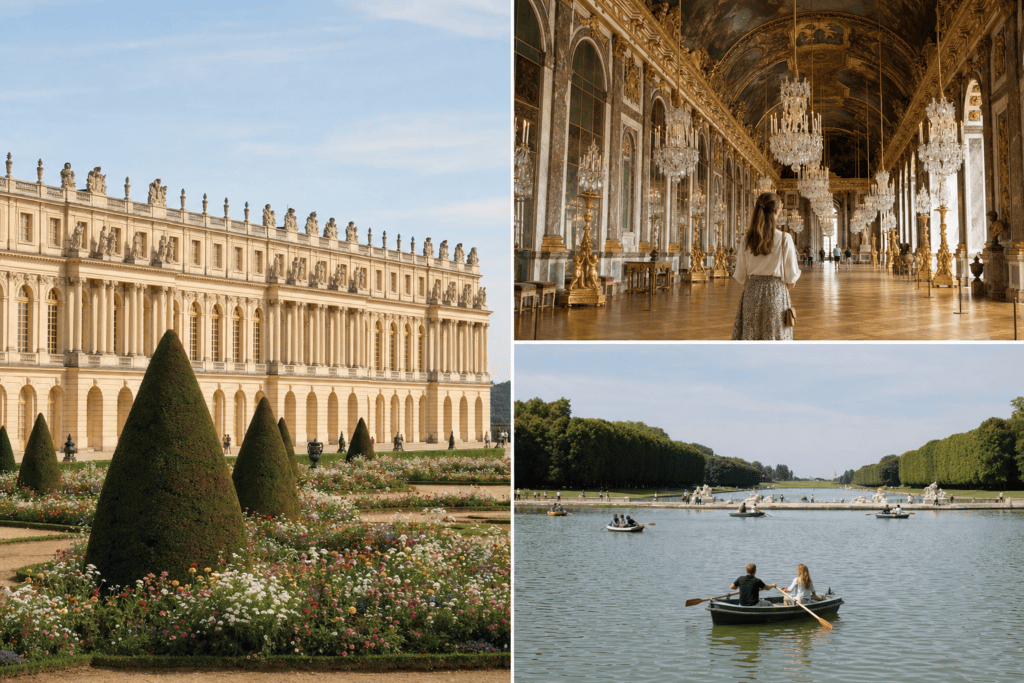 What to do in Versailles in one day A detailed itinerary for discovering the château, gardens, Notre-Dame Market, and historic neighborhoods…
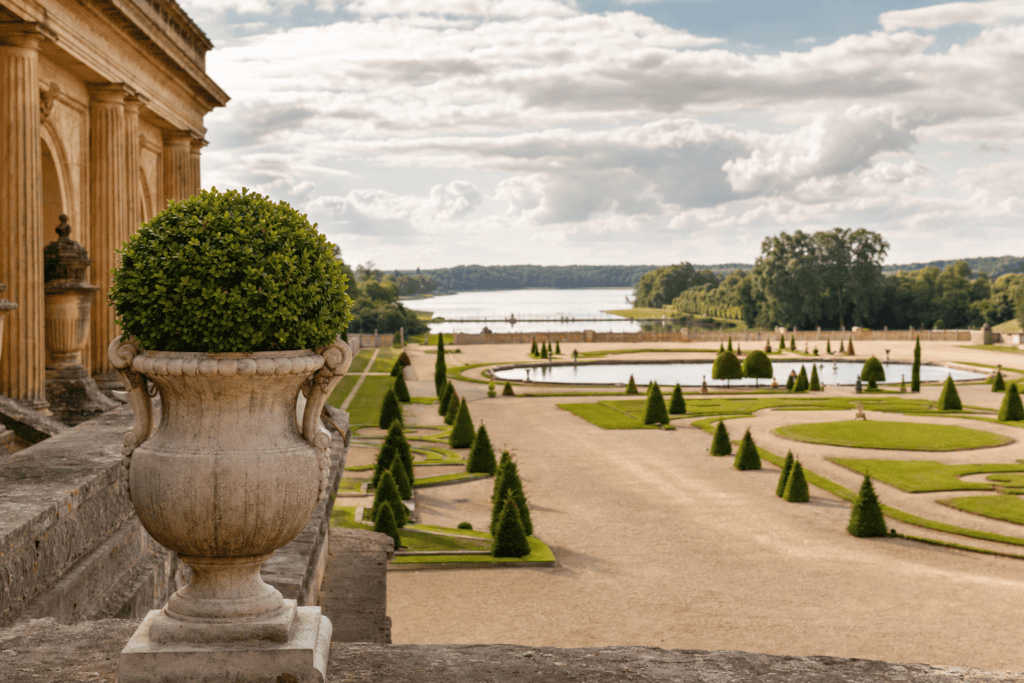 Gardens and Estate of Versailles A royal walk among vistas, groves, fountains, the Grand Canal, and the Trianon estate.
Online booking · Paris → Place du Marché Notre-Dame, 78000 Versailles, France
Choose your pickup date and time
Your departure and arrival details are already pre-filled. You can adjust them in the fare calculator before viewing the vehicles and fare.