



Wellington Quarry Arras: An Underground Memorial
Arras
Wellington Quarry Arras takes visitors into the history of the 1917 battle, around 65 feet beneath the city streets. Former chalk quarries were transformed into a military network by British troops and New Zealand tunnellers to prepare for the offensive of April 9, 1917. The visit combines local history, international remembrance and immersive presentation. It naturally fits into a tour of Arras’s squares, the belfry, the boves and other sites of remembrance in Artois.
Practical information
Book or check your time slot in advance, then combine the quarry with Arras’s squares and, if your schedule allows, the Vimy memorial.
Getting to Arras from Paris by Private Car
Plan your journey from Paris, your Paris hotel, Charles de Gaulle, or Orly to the Wellington Quarry. A same-day round trip is possible, or you can include Arras in a broader itinerary focused on the Artois remembrance sites. Booking Paris Transfer provides transportation from Paris and the Île-de-France region, with the option of returning to Paris. Memorial admission must be booked separately through the official website.
Transportation from Paris, the Île-de-France region, CDG or ORY; no memorial admission ticket is included.
A Memorial Unique to Arras
Wellington Quarry differs from museums devoted more generally to World War I: it preserves the underground setting where a major military operation was prepared. Beneath Arras, ancient chalk quarries were connected and organized to accommodate Allied soldiers close to the front. This proximity between the city center and the military network explains the site’s distinctive character.
The visit helps explain why Arras holds an important place in the memory of the Great War. The city was heavily damaged by the fighting and later rebuilt, while the landscapes of Artois remain marked by cemeteries, memorials and former areas of the front. After descending underground, a walk through the Baroque squares and around the belfry reveals the contrast between the rebuilt city visible above ground and the traces of history preserved below it.
From Chalk Quarries to a Military Base
Wellington’s tunnels were not dug from scratch in 1916. They originated in chalk quarries worked over the centuries to build part of Arras. This existing underground network offered British engineers a strategic solution: rapidly creating protected spaces close to forward positions while limiting movements visible from the German lines.
The network was expanded, connected and equipped to operate as a fully functioning collective facility. Passageways, rest areas, communication systems and lighting arrangements structured daily life beneath the city. The names given to several tunnels, inspired by cities in New Zealand, made it easier to navigate an environment without natural landmarks. This transformation shows how a civilian underground heritage site was adapted for a large-scale military operation before becoming a place for sharing history.
New Zealand Tunnellers Beneath Arras
The name Wellington recalls the essential role played by New Zealand tunnellers. Men from mining regions in particular were mobilized to dig, reinforce and connect the quarries under demanding conditions. Their work required discretion, speed and precise knowledge of the ground. British sappers and members of the Māori Pioneer Battalion also contributed to the effort, giving the site an international dimension.
In the tunnels, traces preserved in the chalk make this history tangible. Inscriptions, place names and marks left by occupants remind us that the network was a place of work and waiting, not merely a technical structure. For visitors from New Zealand, Wellington is a particularly important place of remembrance. For others, the quarry offers a better understanding of the contribution made by the dominions of the British Empire to the Battle of Arras.
The Battle of Arras and April 9, 1917
The quarry should be understood in the context of preparations for the Arras offensive, launched on April 9, 1917. The underground network made it possible to bring units closer to the battlefield, partially protect them from bombardment and organize their advance toward the exit points. Thousands of soldiers were therefore able to wait beneath the city before joining the lines at the start of the attack.
This technical preparation should not obscure the human reality of the offensive. The battle was long, violent and costly, with varying results across different sectors. The visit places the precision of the system alongside the uncertainty experienced by the combatants. After returning to the surface, it is worth placing Arras within the broader landscape of Artois, where memorials and military cemeteries still testify to the scale of the 1917 fighting.
An Immersive Visit Underground
The tour begins with background information before descending underground. An elevator takes visitors into the former quarries, where a developed route presents the network’s structure and how it operated during the war. The presentation combines historical storytelling, projections, lighting and sound to recreate the soldiers’ wait and the tunnellers’ intense activity.
The tour offers views of the chalk chambers, passages between the quarries and marks preserved on the walls. It covers medieval quarrying, military construction, daily organization and the 1917 offensive. Expect cooler temperatures than above ground: comfortable clothing and suitable shoes will make the experience more enjoyable. Activities, themed tours and family-oriented formats may vary; check the official schedule before booking.
Getting to Wellington Quarry from Paris
The memorial is located on Avenue Fernand Lobbedez, in the Ronville neighborhood southeast of central Arras. Arras station is generally listed as approximately 0.6 miles away, making it possible to arrive by train and continue on foot, subject to checking the exact route. Once there, allow time to reach the historic center and explore the squares, rebuilt façades and belfry.
From Paris, Arras is well suited to a day trip or short stay devoted to the memory of the Great War. Private transportation from Paris, a Paris hotel, CDG or ORY can work well for families and small groups traveling with luggage. Booking Paris Transfer arranges transportation between Paris or the Île-de-France region and Arras, with a possible return to Paris. Transportation is separate from the memorial reservation and admission ticket.
Planning an Itinerary Around Arras
Wellington Quarry is worth combining with several stops in Arras. The Place des Héros, Place du Général-de-Gaulle, Grand-Place and belfry illustrate the city’s reconstruction after the wartime destruction. The boves in the city center offer another view of the local underground, but their history and purpose differ from Wellington’s military network. Comparing them helps visitors better understand the different layers of the city’s history.
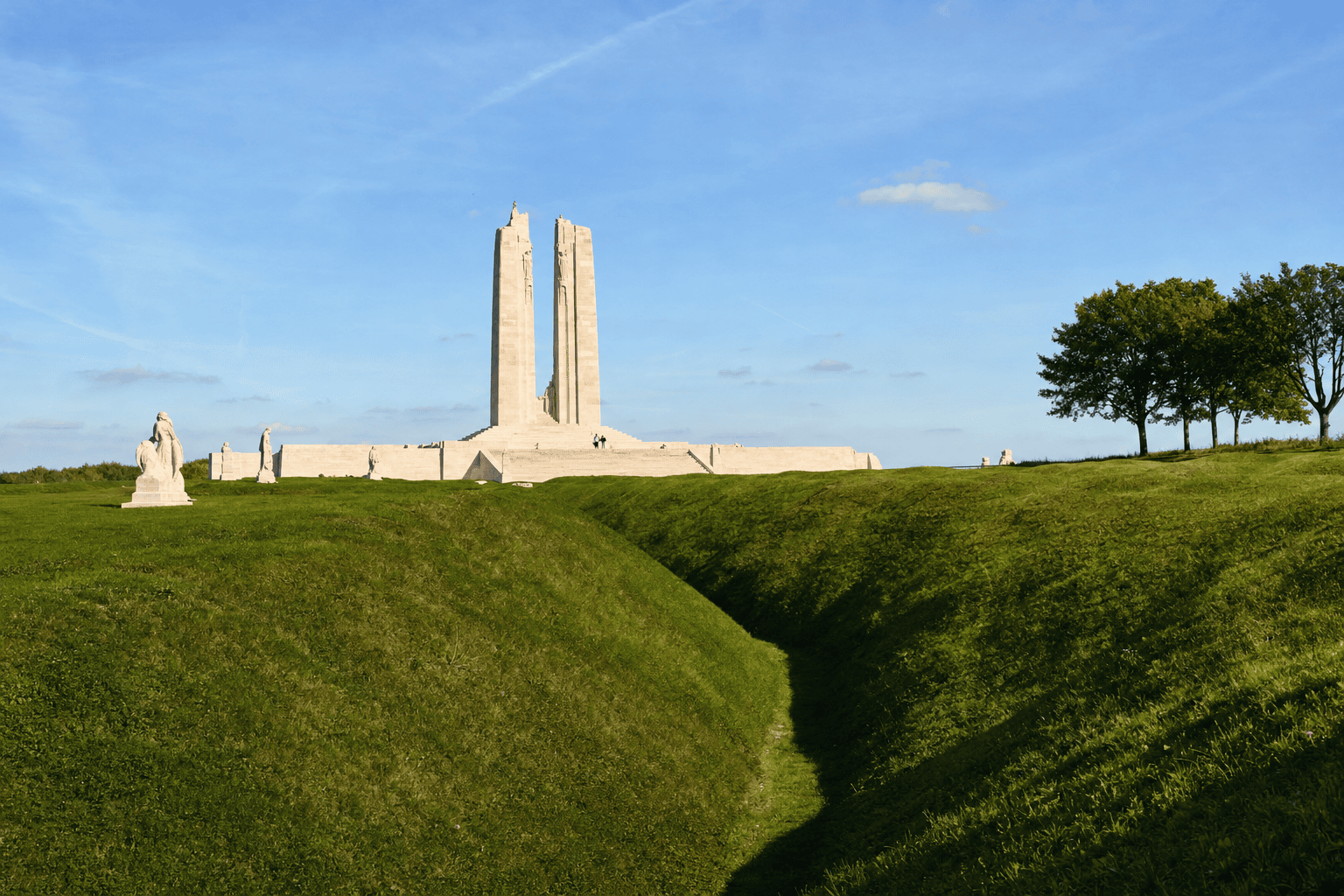
Visitors with more time can continue to the Canadian National Vimy Memorial, military cemeteries or other sites along the former Artois front. Ceremonies and events held around April 9 give a stay special resonance, but may also bring larger crowds. For a day trip from Paris, plan a realistic schedule: the quarry, central Arras and the outlying sites cannot be comfortably visited in a rush.
Frequently Asked Questions
Where is Wellington Quarry located?
How long does the visit take?
What should I bring for the underground visit?
Can you visit Arras without a car?
Does a transfer from Paris include memorial admission?
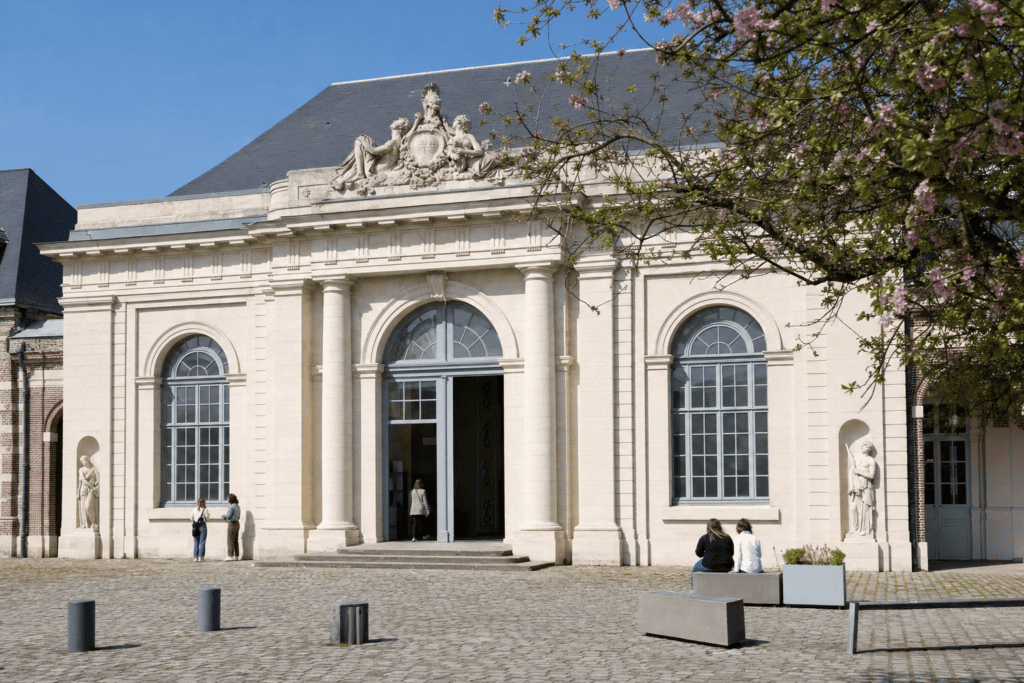 Arras Museum of Fine Arts In the former Saint-Vaast Abbey, a remarkable museum featuring European paintings, Mays, tapestries and…
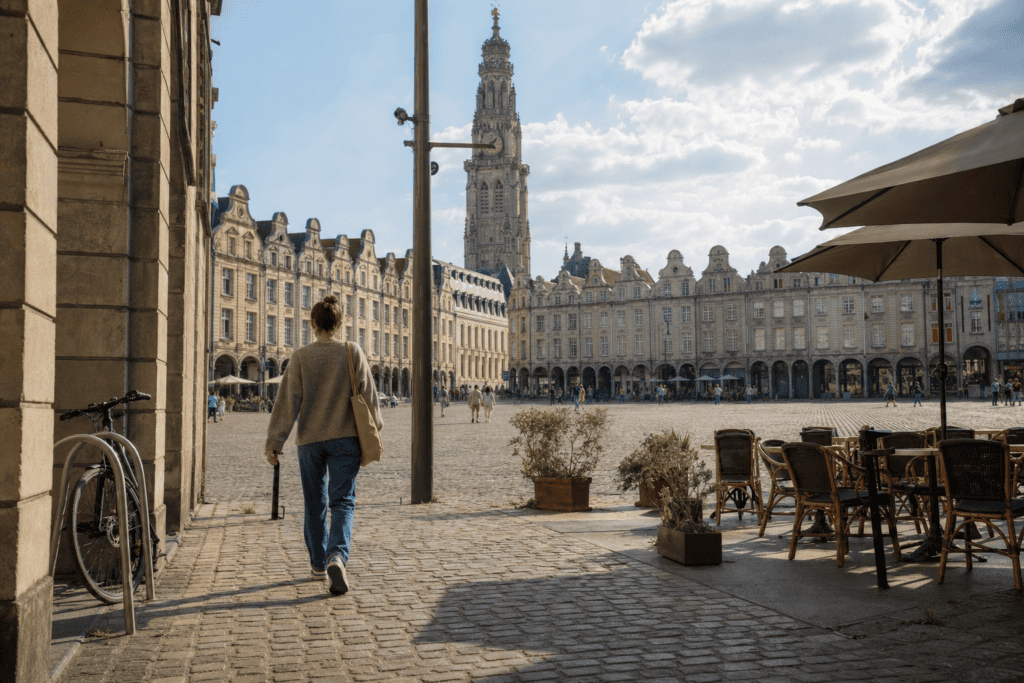 Arriving in Arras by train and planning a car-free trip From Arras station, the grand squares, belfry, Saint-Vaast and several memorial sites…
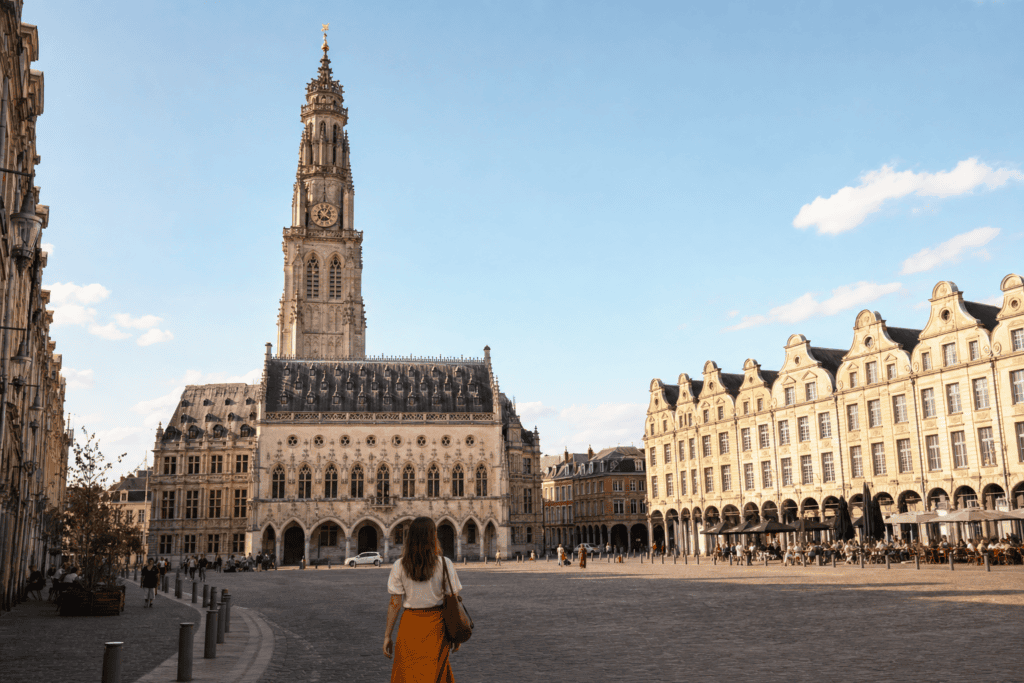 Arras Belfry and Baroque Squares A belfry listed as part of the UNESCO Belfries property, two grand squares and a walk through…
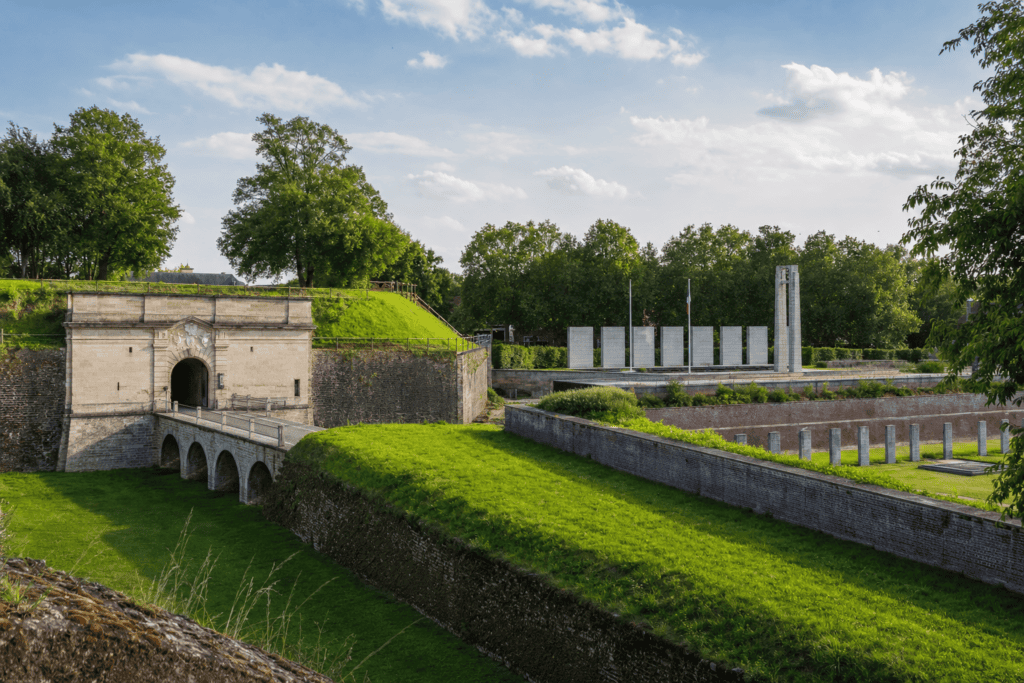 Arras Citadel and Fusillés Wall Memorial A former Vauban stronghold, with tree-lined moats and a memorial dedicated to executed resistance fighters…
Online booking · Paris → Avenue Fernand Lobbedez, 62000 Arras, France
Choose your pickup date and time
Your departure and arrival details are already pre-filled. You can adjust them in the fare calculator before viewing the vehicles and fare.