



Heritage and history in Hauts-de-France · Hauts-de-France
Visiting Arras: Heritage, History and the French Art of Living
Visiting Arras means exploring an elegant city where Flemish squares, a UNESCO-listed belfry, underground tunnels and memorial sites tell the story of several centuries. Easily accessible from Paris and Lille, Arras is ideal for both a cultural getaway and a trip focused on World War I and the landscapes of Artois.
Explore Arras
Arras essentials
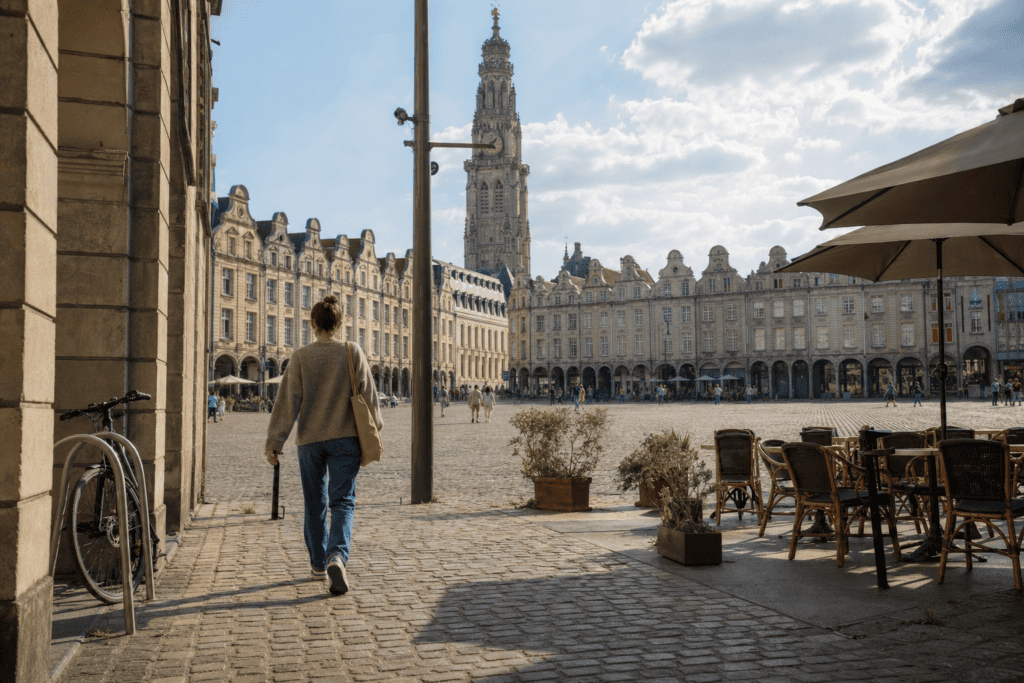 Must-see
Arriving in Arras by train and planning a car-free trip
From Arras train station, the main squares, belfry, Saint-Vaast and several memorial sites are easy to explore…
 Heritage
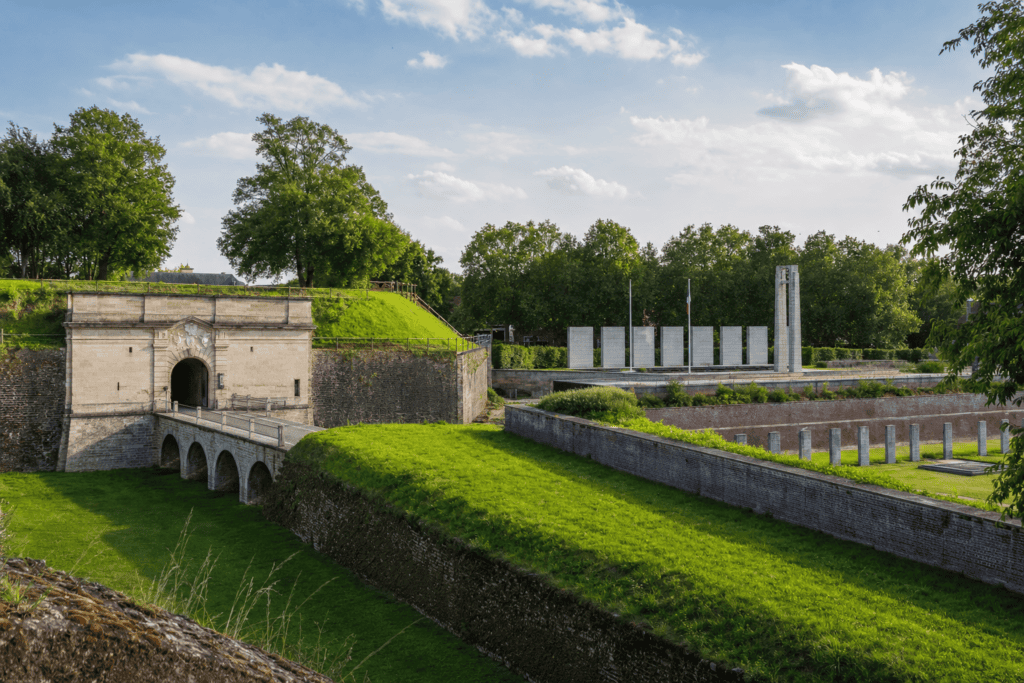
Arras Citadel and Fusillés Wall Memorial
A former Vauban stronghold, tree-lined ditches and a memorial dedicated to resistance fighters executed during the Occupation.
 Museums
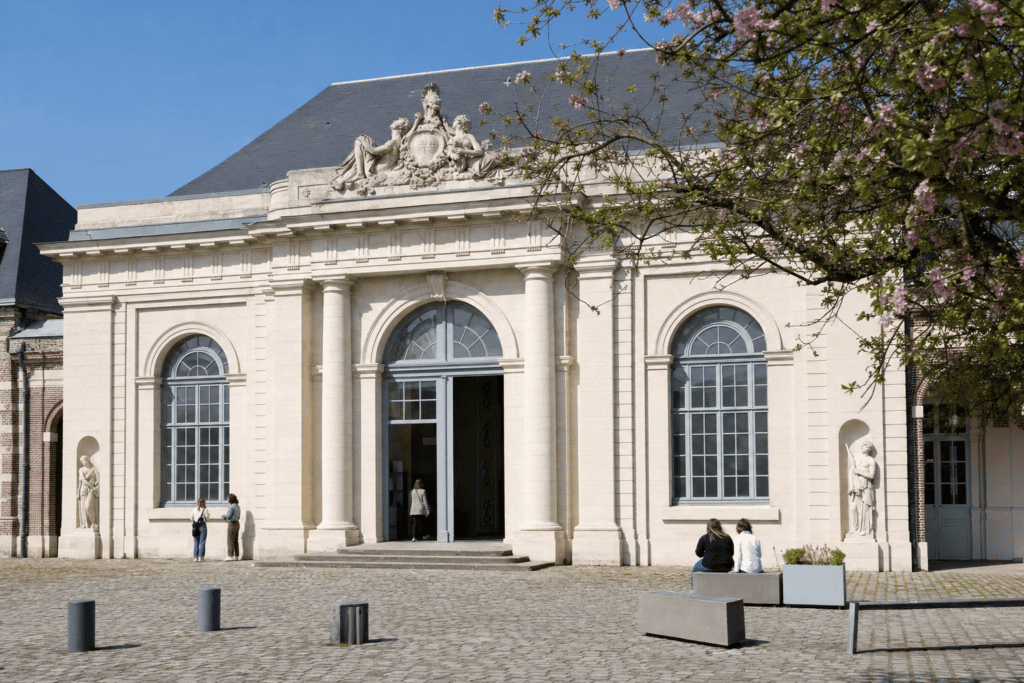
Arras Museum of Fine Arts
Housed in the former Saint-Vaast Abbey, this remarkable museum features European paintings, Mays, tapestries and porcelain…
 Must-see
Wellington Quarry, Arras Battle Memorial
Go below Arras to discover the quarries developed by Allied tunneling teams before the 1917 battle.
 Must-see
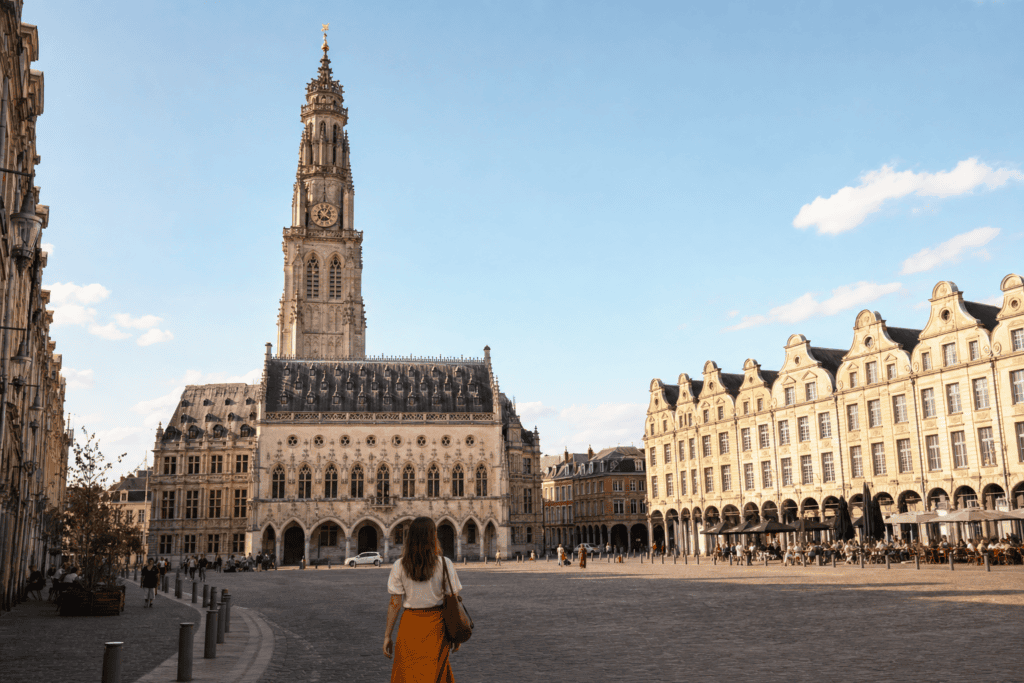
Arras Belfry and Baroque Squares
A belfry included in the UNESCO-listed Belfries of Belgium and France, two large squares and a stroll through the heart of Arras.
Other destinations to discover

Boulogne-sur-Mer
A seaside city on the Opal Coast, with ramparts, a fishing port, Nausicaá, seafood cuisine and major…
Dunkirk
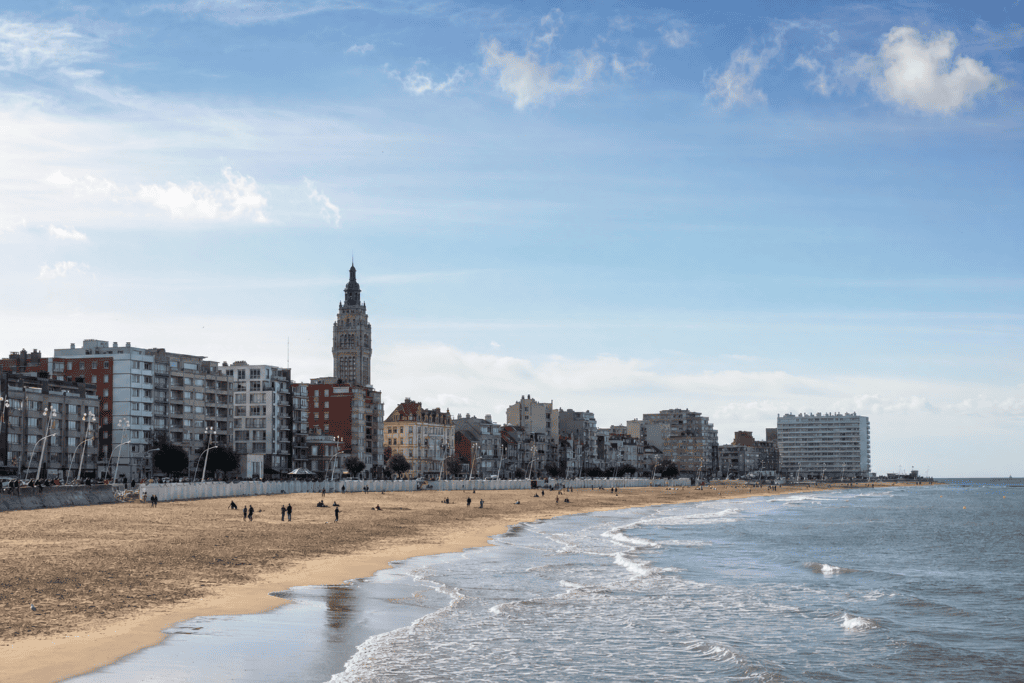
A complete maritime destination with Malo-les-Bains beach, a port, carnival, museums and the history of Operation Dynamo.
Calais
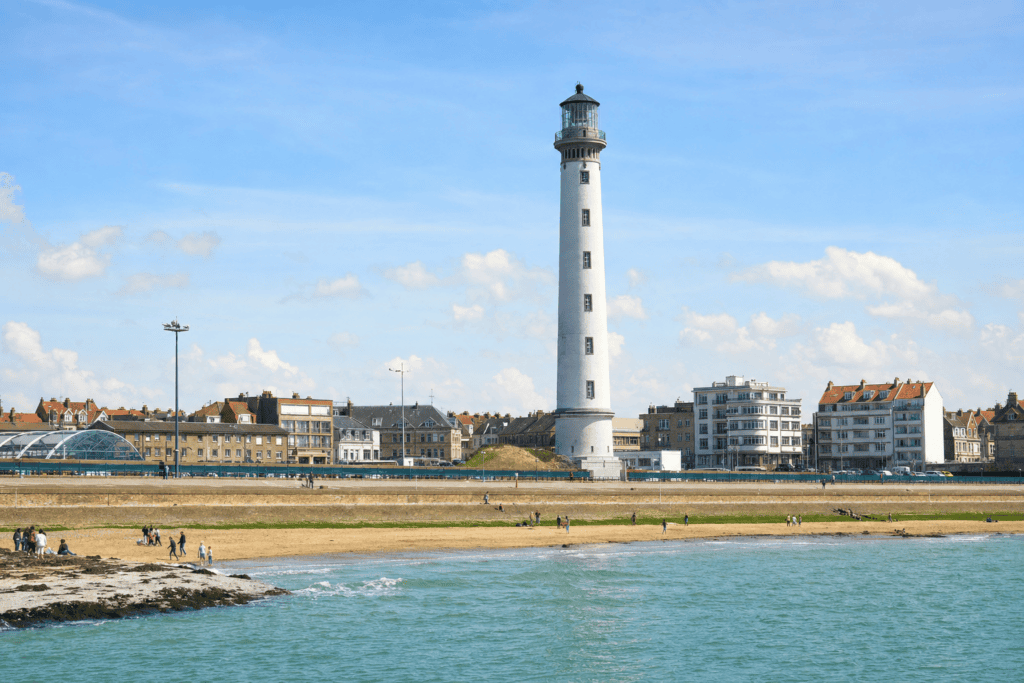
A maritime city with a beach, listed belfry, lace, Dragon, regional cuisine, and the landscapes of the Deux-Caps.

Chantilly
A remarkable princely estate near Paris, featuring the Condé Museum, Great Stables, formal French gardens,…
Compiègne
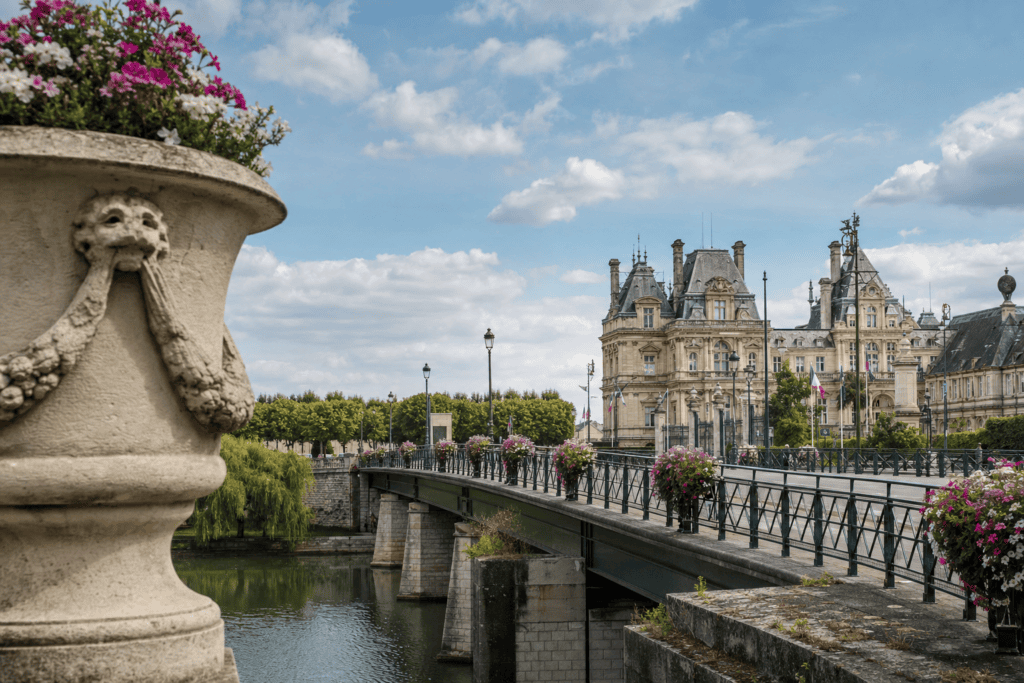
An imperial city with a château, historic forest, museums, gastronomy and memorial sites, ideal for a day…
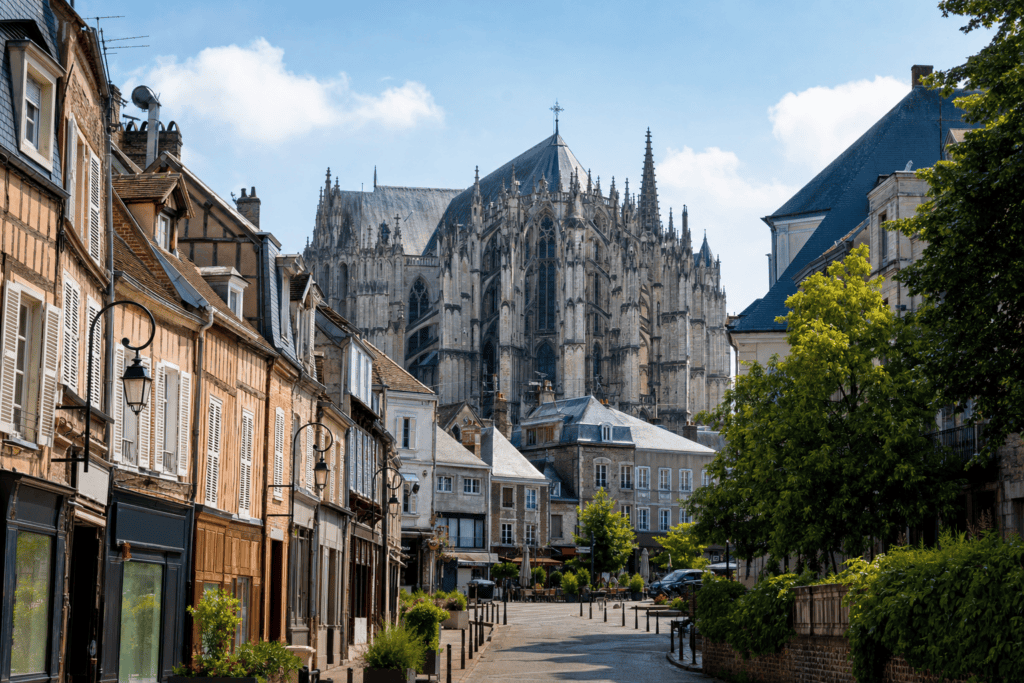
Beauvais
A heritage destination north of Paris, with an unfinished Gothic cathedral, astronomical clock, episcopal palace, tapestry and…
DESTINATION GUIDE
Arras Travel Guide
Understanding Arras before your visit
Arras is the capital of Pas-de-Calais in Hauts-de-France. Its historic center is easy to explore on foot around two monumental squares: Grand’Place and Place des Héros. Their gabled façades, arcades and light colors reflect Flemish influence while also bearing the mark of the reconstruction carried out after the destruction of World War I. This architectural unity gives the city an instantly recognizable identity, but take time to observe the details to distinguish historic buildings from faithful reconstructions.
Place des Héros is generally the best starting point. It brings together the town hall, belfry and numerous places to stop for a break. Grand’Place, the larger of the two, recalls Arras’s commercial role in regional history. Between them, the streets of the city center offer changing perspectives and reveal architecture blending Flemish, Gothic and Art Deco influences. A self-guided stroll can be complemented by a guided tour offered by the tourist office, depending on the current schedule.
The Belfry and the Main Squares
The Arras Belfry overlooks Place des Héros and is one of the city’s key landmarks. Rebuilt after 1918, it is associated with the town hall within the “Belfries of Belgium and France” UNESCO World Heritage property. When visiting conditions permit, climbing the belfry offers views over the rooftops of Arras and the surrounding Artois region. Access arrangements, time slots and any restrictions may change, so it is best to check with the tourist office before your trip.
The town hall also deserves a closer look. Its decorations, rooms and spacious interiors reflect the determination to restore Arras’s monumental heart after the war. On the squares, arcades shelter cafés, restaurants and shops. In the morning, the light highlights the façades’ reliefs; later in the day, the terraces offer a pleasant way to observe local life without covering too much ground.
The Boves: Another City Beneath the Pavements
The boves are former chalk quarries and galleries running beneath part of the city center. Worked over the centuries, they were used to extract materials, store goods and, at certain times, shelter residents or soldiers. Visiting them is a useful complement to the surface monuments: it explains the local geology and shows how the underground contributed to Arras’s economic and military history.
- Wear suitable shoes for the stairs and uneven floors.
- An extra layer may be useful in the underground spaces.
- Tours are supervised, and their conditions may change depending on the schedule or safety requirements.
- Check the official information and book when required.
The Citadel and Walking Routes
West of the city center, the Arras Citadel recalls the city’s strategic importance in the defensive system designed by Vauban. Today, the site is surrounded by more open, tree-lined areas that are ideal for a walk after exploring the old town. Some areas may host cultural or sporting events. Main Square Festival usually takes place here in summer, but its schedule, dates and access conditions should be checked through official channels before your trip.
To extend your outing, the Scarpe Valley and the area around Saint-Laurent-Blangy offer quieter routes. The Artois region is also suited to bike or car excursions to villages, agricultural landscapes and sites connected with the history of World War I. These trips require different planning from a city-center visit, particularly regarding schedules and connections.
The History of World War I
Arras is a useful base for discovering the memorial sites of Artois. Wellington Quarry is especially striking: Allied soldiers were stationed there before the Arras offensive of April 9, 1917. The visit presents the excavation of the tunnels, preparations for the offensive and life underground. This is not simply a monument to explore independently: opening hours, booking arrangements and access conditions may change. Check the official website before setting out.
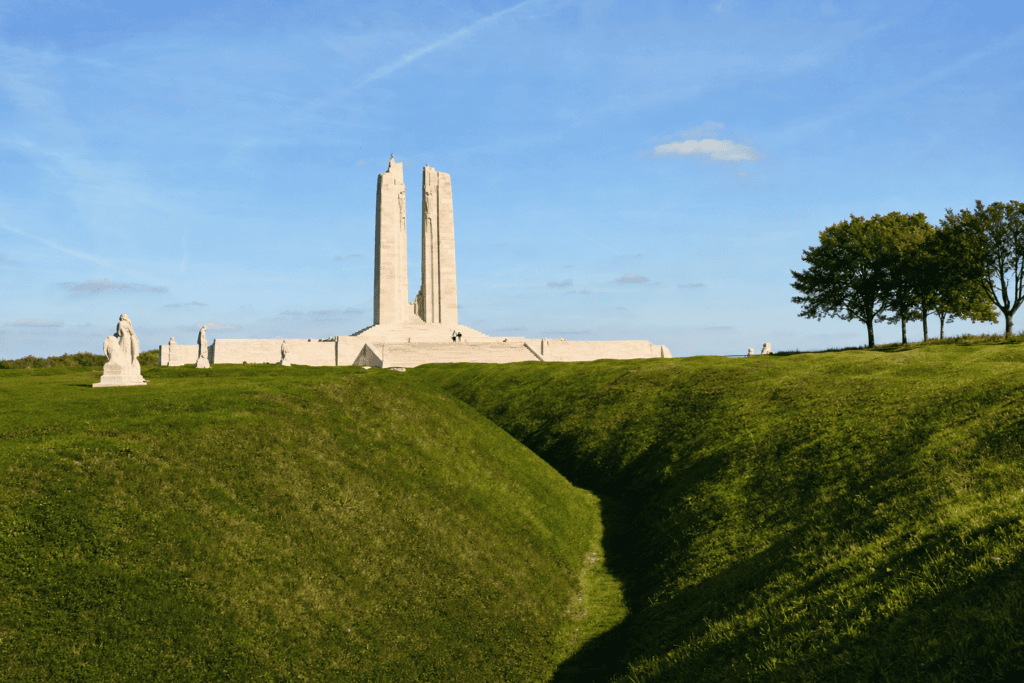
From Arras, a day trip can continue to the Canadian National Vimy Memorial, military cemeteries and the villages around Vimy Ridge or Neuville-Saint-Vaast. These sites are spread across a rural area. A car, a bicycle depending on the route, or transportation arranged in advance can make getting around easier. Each memorial has its own history and rules, so it is better to plan a realistic itinerary than try to see everything in a few hours.
Markets and Local Specialties
Restaurants and brasseries in the city center often showcase the cuisine of Hauts-de-France: slow-cooked dishes, regional beers, cheeses and hearty recipes. Rat d’Arras is a confectionery or chocolate specialty associated with the city. Cœur d’Arras is also presented by local artisans in various forms; since its origin, recipe and presentation may vary by producer, it is best to ask the shop or tourist office directly rather than generalize its ingredients.
Market days give the city center a special atmosphere, but they may vary depending on the time of year, public holidays or municipal decisions. Check the official calendar before you leave. In December, the Christmas Market attracts many visitors with its lights and activities. It is a festive period, but also a busier one: accommodation and restaurants may require advance reservations.
Getting There, Trains and Getting Around
Arras train station is close to the historic center. TGV INOUI and TER Hauts-de-France trains serve the city, including from Paris-Nord, Lille and several regional destinations. Services, schedules, construction work and journey times can change, so check SNCF Connect or the relevant network’s website to plan a specific trip. From the station, the historic squares are accessible on foot, but the actual time depends on the route chosen and any urban construction work.
By road, Arras is close to the A1 and A26 motorways. A car is most useful for reaching Vimy, the military cemeteries and the villages of Artois. In the city center, use parking facilities and local signage, as the streets around the squares may be narrow or altered during markets and events. One day is enough for the squares, belfry and an underground tour; two days allow you to add the Citadel, Wellington Quarry and a memorial site.
When Should You Visit Arras?
Spring and early fall are pleasant for walking and combining urban heritage with excursions. Summer brings a busier cultural program, including events whose dates should be checked each year. Winter highlights the illuminations and Christmas Market, with higher visitor numbers. Whatever the season, check the updated opening hours for the belfry, boves and Wellington Quarry before your visit: these heritage sites do not necessarily follow the same schedules.
Planning a Trip Between Paris and Arras
For an itinerary departing from Paris, Île-de-France, CDG or ORY, Booking Paris Transfer can arrange private transportation to Arras, with a return to Paris or an additional stop in Hauts-de-France. This can be a convenient way to combine Arras, Vimy and several rural sites, without replacing information or reservations handled directly by the places you visit.