



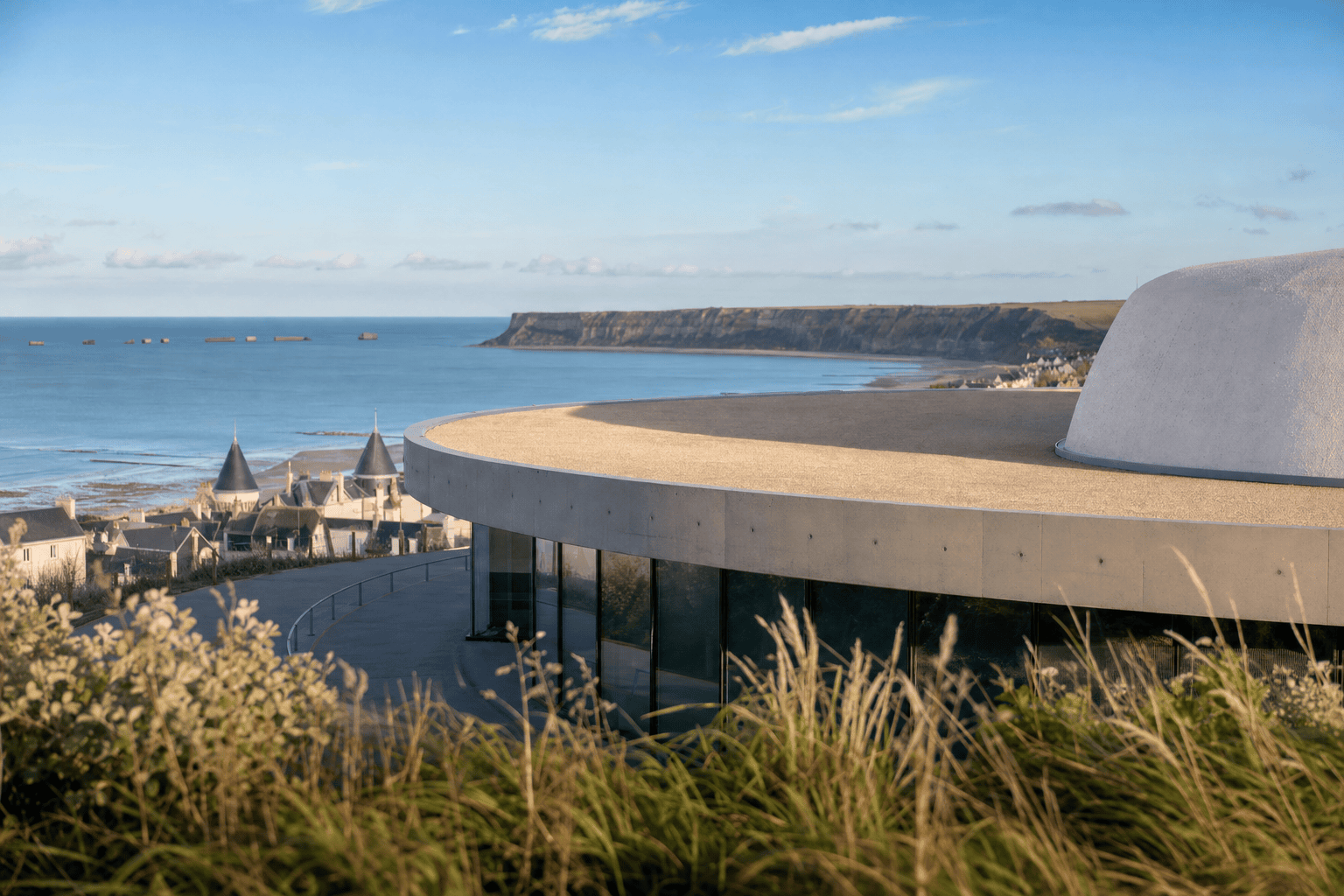
Arromanches 360: Experience D-Day Through Immersion
Arromanches-les-Bains
In Arromanches-les-Bains, Arromanches 360 presents a panoramic film about D-Day and the Battle of Normandy. Projected across nine screens, this documentary puts the operation’s preparation, the fighting, the role of Allied forces, and the consequences for civilian populations into perspective. The visit is especially meaningful when combined with the D-Day Museum, Gold Beach, and the remains of the Mulberry B artificial harbor visible in the bay. Located on the heights above the town, the cinema requires planning for the climb from the center and for parking conditions. As screenings, the advertised duration, and visitor arrangements may change, check the official information before your visit.
Practical information
Check the official website on the day of your visit to confirm screenings, opening hours, film duration, accessibility, and parking conditions. Allow extra time if you need to continue to Bayeux or connect with regional transportation.
Paris → Arromanches-les-Bains for a D-Day Day Trip
From Paris, a driver can provide transportation from a Paris hotel, CDG, or ORY, then plan an itinerary including Arromanches 360, the museum, Bayeux, or other memorial sites. A return to Paris can be scheduled the same day only if the itinerary, visiting hours, and travel times allow; a longer itinerary may require different arrangements. The service covers transportation only and does not include admission tickets.
Private transportation from Paris, a Paris hotel, CDG, or ORY; admission tickets not included.
An Immersive Introduction to D-Day
Arromanches 360 offers a visual introduction to the history of D-Day and the Battle of Normandy. In a circular theater equipped with nine screens, the film combines archival footage, maps, and testimonies to place the operation in context. The story is not limited to June 6, 1944: it covers the Allied preparations, the fighting that followed, and the advance toward the liberation of Normandy. This approach helps explain why Arromanches has become a major site of remembrance, beyond the beach directly in front of the village.
The screening is particularly useful before exploring the D-Day beaches, as there are many memorial sites, some of them far apart. It provides context about the sectors, the forces involved, and the logistics required for the offensive. Families can explain to younger visitors that this is a historical documentary containing wartime images that may be disturbing. On a first visit, allow some quiet time after the screening to look out over the bay and connect the audiovisual story with the landscape today.
The Mulberry B Artificial Harbor
Arromanches holds a special place in the history of D-Day because of the Mulberry B artificial harbor. After D-Day, concrete caissons, piers, and floating structures were assembled offshore to facilitate the arrival of troops, equipment, and supplies. This solution addressed a major strategic constraint: the Allies did not yet have a large port capable of rapidly supplying the offensive. The installation demonstrates the importance of engineering and logistics in a military operation often reduced to the fighting on the beaches.
From the heights near Arromanches 360, you can look out over the bay and several remains of this infrastructure. Their visibility varies with the tide, light, and weather. The walk therefore helps connect the film’s images with the site’s geography. The blocks in the water are not simply features of the coastal landscape: they bear witness to an organization designed to maintain supplies during the Battle of Normandy. However, avoid approaching areas marked as dangerous and follow local guidance regarding the foreshore.
Connecting the Cinema with the Museum and Beach
Arromanches 360 and the D-Day Museum complement each other, but they take different approaches. The cinema emphasizes an overview of the Battle of Normandy and Arromanches’ role. The museum, located in the village, explores the history of the artificial harbor in greater depth through objects, models, and technical explanations. Visiting both sites therefore creates a coherent itinerary, from an audiovisual overview to a detailed study of the installation. The seafront adds a tangible perspective on the terrain, beach, and bay.
A practical itinerary is to start at Arromanches 360, then go back down toward the center, the museum, and the waterfront. This arrangement avoids having to climb after a long day of walking, but it requires checking each establishment’s hours. The slope between the sites may be challenging for people with reduced mobility or visitors with strollers. Accessibility cannot be determined from distance alone: ask the establishments for up-to-date information about routes, parking spaces, and available facilities.
Getting There from Bayeux, Caen, and Paris
Arromanches-les-Bains does not have a railway station. Bayeux is generally the most convenient train arrival point for continuing to the D-Day beaches. The final part of the journey may require a car, taxi, bicycle, or regional service operating on certain days and during certain periods. NOMAD network routes, served stops, and any seasonal connections may change: check the official information from the Normandy Region before relying on a specific connection.
From Caen, driving allows for a relatively direct excursion, while public transportation requires more advance planning and may involve a connection in Bayeux or another town. Outside the season, services may run less frequently. From Paris, visitors can choose a train journey to Bayeux or private transportation from Paris, the Île-de-France region, CDG, or ORY. Booking Paris Transfer provides transportation from Paris only and does not include admission tickets. For itineraries covering several sites, allow a realistic amount of time rather than planning a rushed return that same evening.
Planning a Day Around Gold Beach
Arromanches 360 can be included in a day devoted to the Gold Beach sector. After the cinema, museum, and seafront, the itinerary can continue to Ver-sur-Mer and the British Normandy Memorial, then to Longues-sur-Mer and its coastal battery. These sites address different aspects: Arromanches presents the harbor’s logistics, Ver-sur-Mer commemorates the victims, and Longues-sur-Mer helps explain the German defensive system. Check each site’s individual opening hours and allow for travel time between towns.
Another option combines Arromanches with Bayeux, whose cathedral, historic center, and museums offer a cultural extension. Omaha Beach, the American Cemetery at Colleville-sur-Mer, and Pointe du Hoc require more travel time; they are rarely compatible with an in-depth visit to Arromanches and a comfortable return to Paris on the same day. It is better to choose a few stops and preserve time for each than to try to cover the entire coastline in a single day.
Seasonality and Practical Tips
Visitor numbers generally increase around June 6, during ceremonies marking the anniversary of D-Day, as well as in July and August. In high season, more tourist services may be available, but traffic and parking also become more challenging. In the low season, Arromanches often has a quieter atmosphere; in return, some regional connections and facilities may operate less frequently or follow a different schedule. Do not assume that a summer visit will be organized under the same conditions observed in winter.
Screenings, opening hours, and the advertised film duration should be confirmed on the official website before departure. Avoid planning a tight connection with a train or bus. A windbreaker, suitable shoes, and rain protection are useful both on the heights and by the sea. The tide changes the appearance of the beach and the visibility of the remains, but does not guarantee access to the structures. Respect fences, signage, and the instructions of staff on site.
A Place of Education and Remembrance
A visit to Arromanches 360 is not based solely on its spectacular presentation. The film recalls the scale of the operation, the diversity of the forces involved, and the human cost of the battle. It also shows that the liberation did not end on the evening of June 6: fighting continued for several weeks, while civilians faced destruction, displacement, and shortages. This perspective avoids reducing D-Day to a single date or a succession of photogenic locations.
After the screening, take time to observe the bay and compare the present-day landscape with the historical documents shown on screen. The museum provides explanations about the artificial harbor; other coastal sites broaden the discussion to batteries, cemeteries, and liberated villages. For history enthusiasts and visitors discovering Normandy alike, Arromanches offers a concrete gateway deeply rooted in local memory. A respectful visit prioritizes listening, reading the information, and paying attention to the memorial sites.
Frequently Asked Questions
How much time should I allow for Arromanches 360?
Where is Arromanches 360 located?
Can I visit without a car?
Is parking easy in Arromanches-les-Bains?
What can I visit after Arromanches 360?
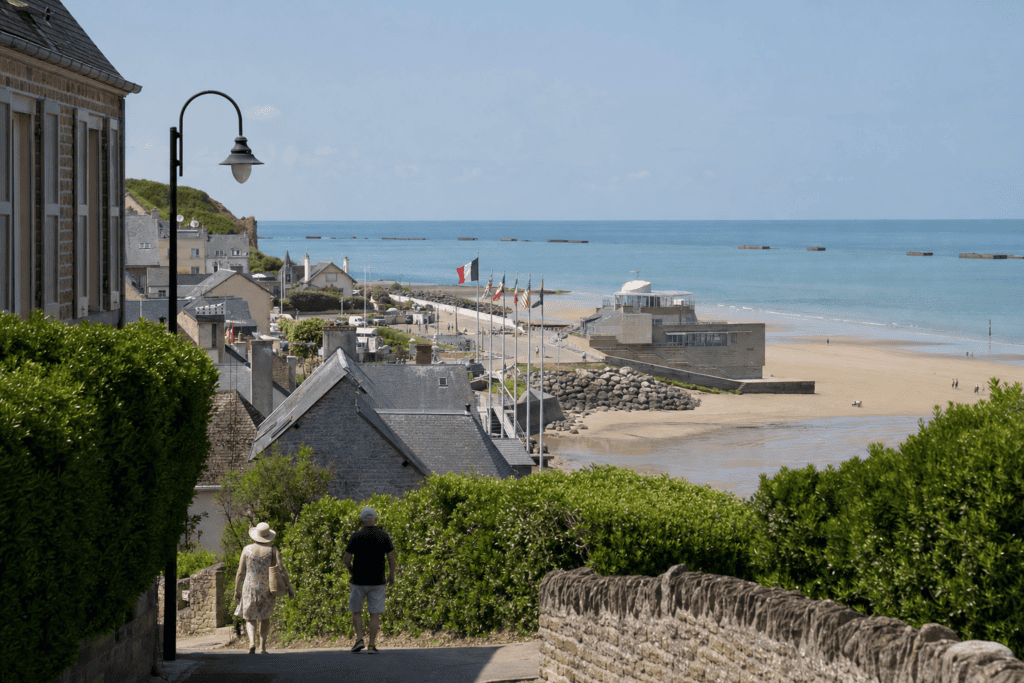 What to do in Arromanches in one day A complete itinerary combining the museum, Gold Beach, the remains of Mulberry B, Arromanches 360, and…
 Getting to Arromanches: Bayeux train station, Caen, and by car Bayeux is the most convenient rail gateway; a vehicle then makes it easier to explore the…
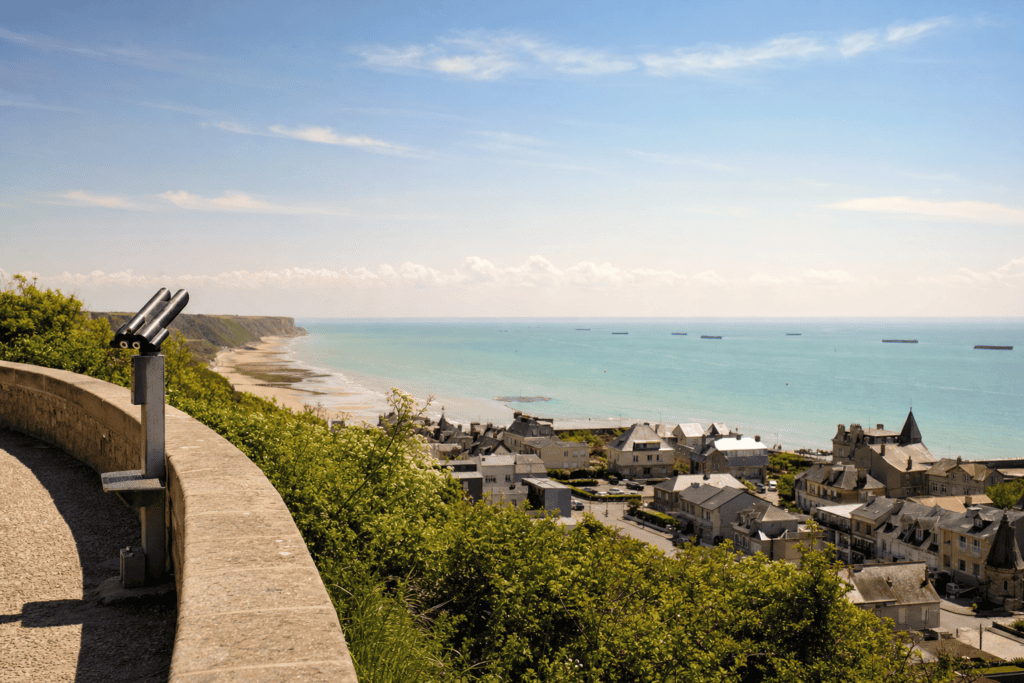 Arromanches Viewpoint and Bay Panorama A historic panorama over Gold Beach and the remains of the Mulberry B artificial harbor in Arromanches-les-Bains.
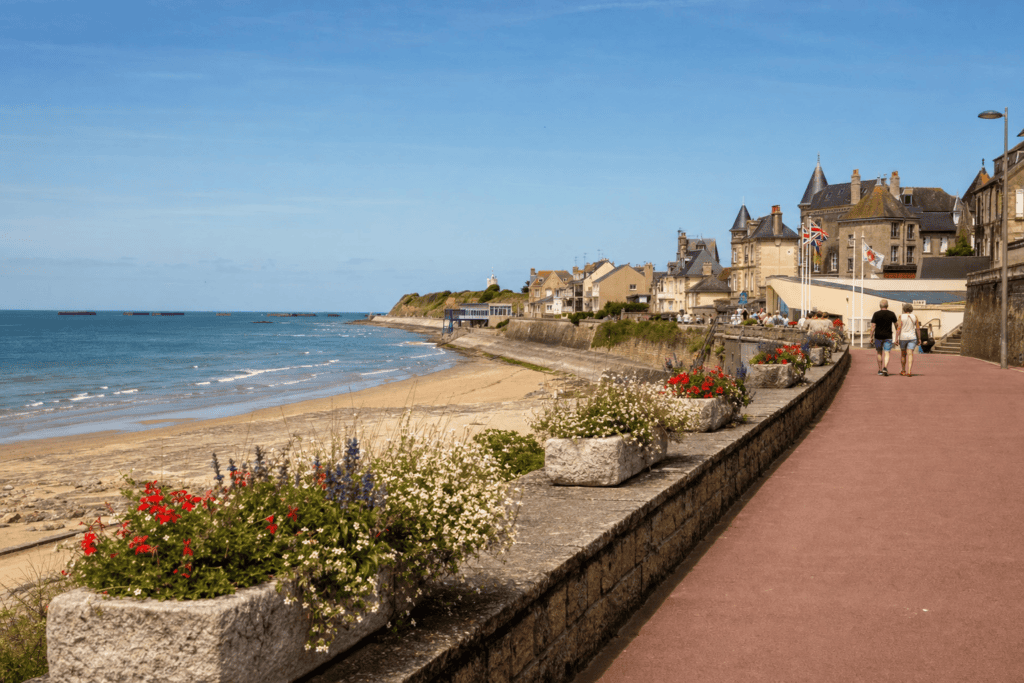 Arromanches-les-Bains Coastal Walk and Heritage A route covering Gold Beach, the remains of Mulberry B harbor, the D-Day Museum, and…
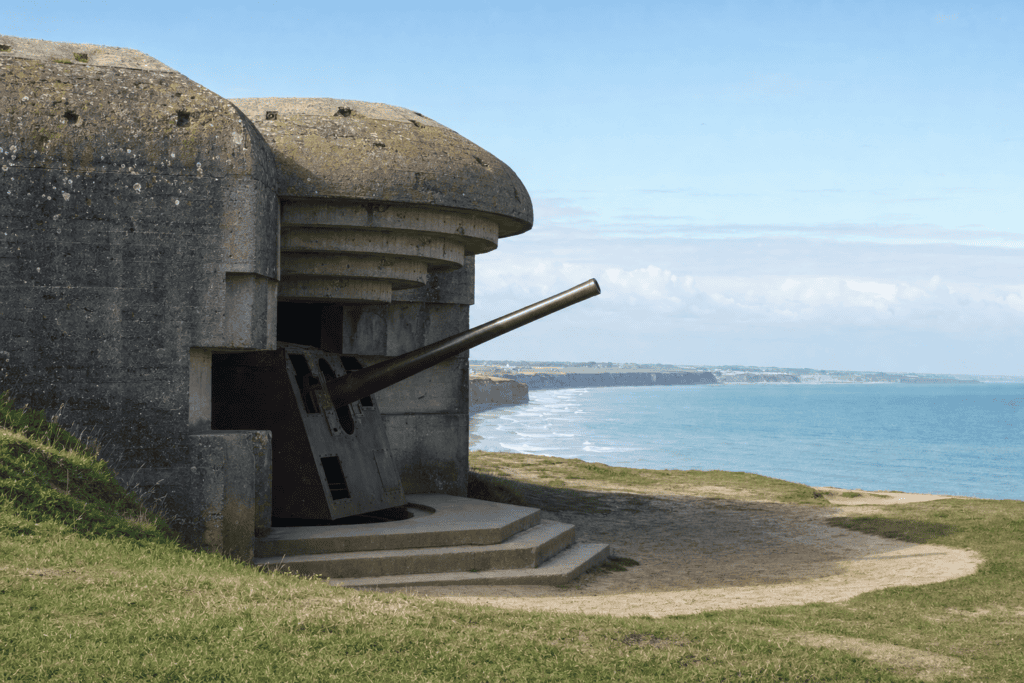 Longues-sur-Mer German Battery Explore the bunkers, guns, and fire-control post at a major D-Day site between…
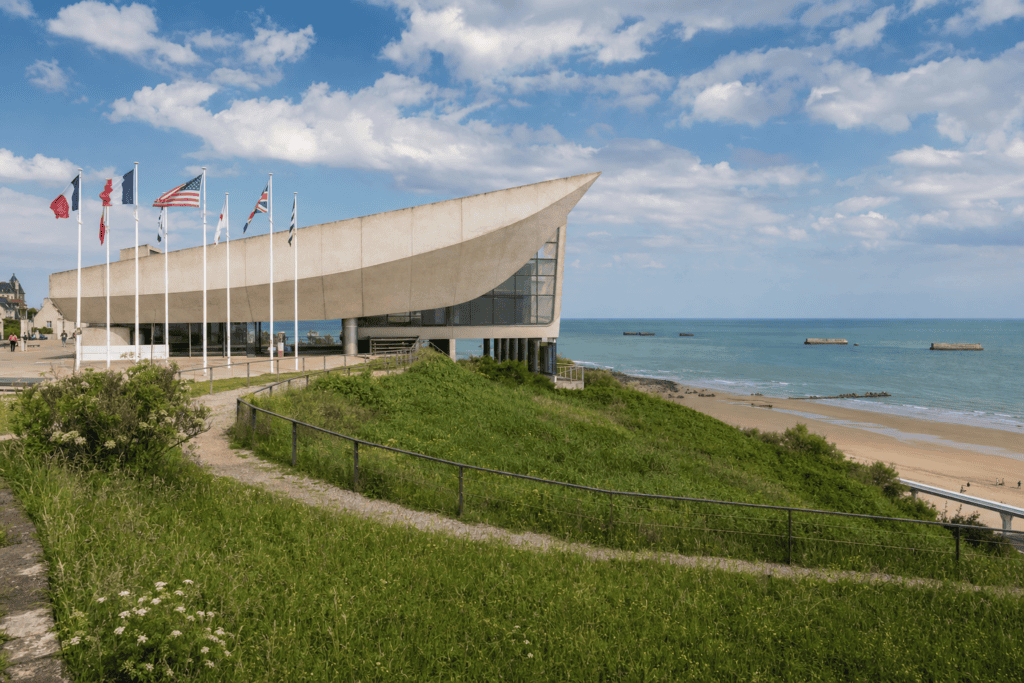 Arromanches D-Day Museum An essential museum for understanding Mulberry B, the Allied artificial harbor installed off Arromanches after…
Online booking · Paris → Chemin du Calvaire, 14117 Arromanches-les-Bains, Normandy, France
Choose your pickup date and time
Your departure and arrival details are already pre-filled. You can adjust them in the fare calculator before viewing the vehicles and fare.