



Arromanches D-Day Museum: Visitor Guide
Arromanches-les-Bains
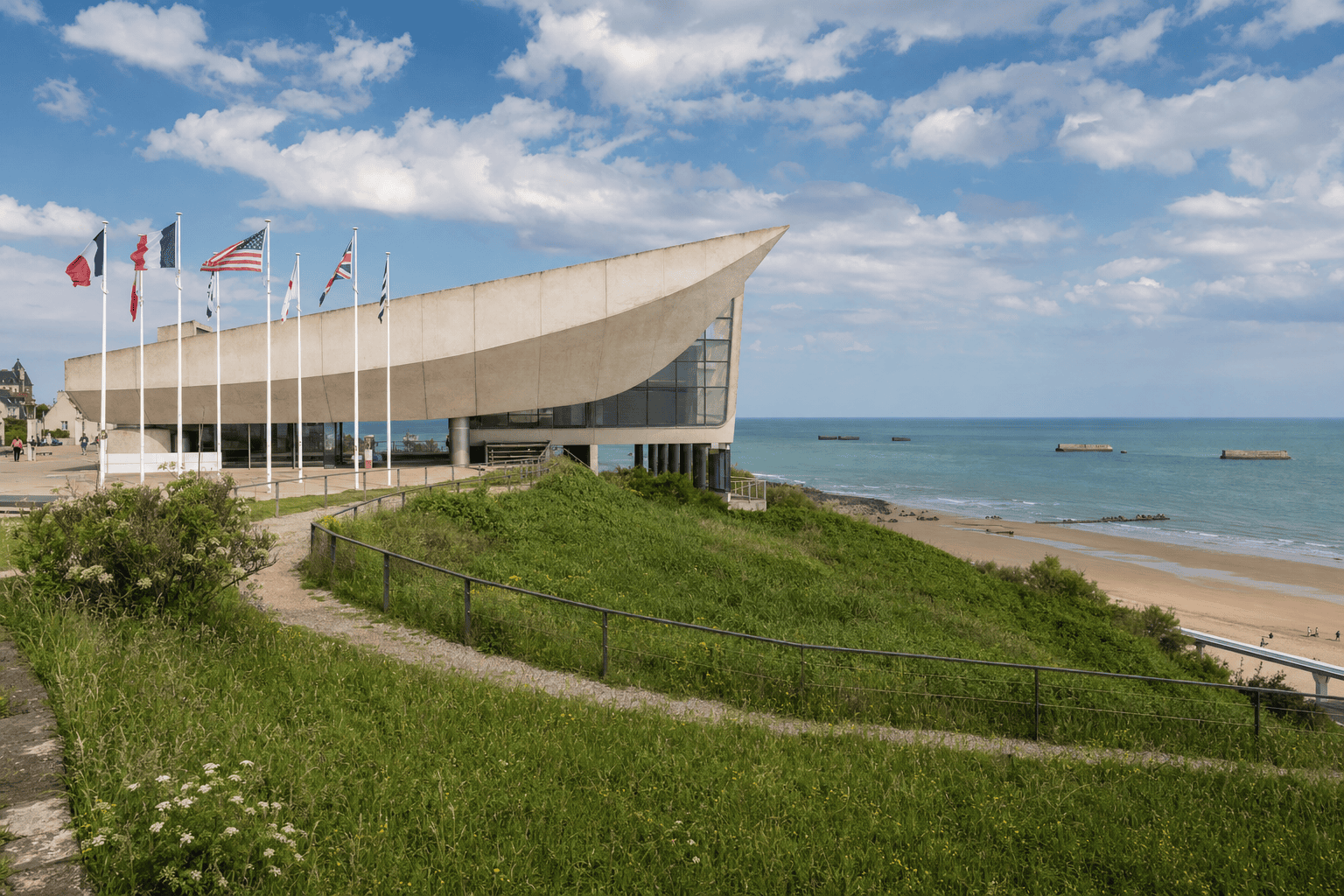
Located on Place du 6 Juin 1944, the Arromanches D-Day Museum is the essential place to understand Mulberry B, the artificial harbor built by the Allies after June 6, 1944. Its scale models, artifacts, films, and multimedia displays explain how this temporary harbor transported troops, vehicles, and equipment when no major port in Normandy had yet been liberated. The visit is especially meaningful from the seafront, where the remains of Phoenix caissons can still be seen offshore, depending on the tide and weather.
Practical information
Start with the museum, then view the remains of Mulberry B from the beach and promenade. Light and visibility change significantly with the tide.
Getting to Arromanches from Paris with ease
From Paris, a private transfer can take you directly from your hotel, CDG, or ORY to the Arromanches D-Day Museum, with the option of returning to Paris or taking a tour dedicated to the D-Day beaches. Transportation does not include museum admission. For a customized itinerary, combine Arromanches with Bayeux, Longues-sur-Mer, or Omaha Beach, depending on your schedule.
Transportation service departing from Paris, a Paris hotel, CDG, or ORY; no ticketing or independent local service in Arromanches.
Why this museum is inseparable from Arromanches
The D-Day Museum is not simply one of many museums devoted to D-Day: it stands directly on the site of the Mulberry B artificial harbor. Arromanches-les-Bains is at the heart of Gold Beach, the sector where British forces landed on June 6, 1944. After the initial assault, the Allies needed equipment capable of receiving ships and rapidly unloading supplies without waiting to capture a major port. Arromanches was chosen for the installation of caissons, breakwaters, and floating bridges in a relatively sheltered bay.
The connection between the building, the beach, and the remains offshore makes the visit especially tangible. From the seafront, it becomes clear that the visible elements are not simply shipwrecks: they were part of a temporary industrial infrastructure, designed, manufactured, towed, and assembled in just a few days. The museum provides the keys to understanding this historic landscape, which explains its central place on any itinerary devoted to the D-Day beaches.
Understanding Mulberry B and Allied logistics
The exhibits explain how an artificial harbor worked, from its preparation in Great Britain to its use in Normandy. The Allies envisioned prefabricated structures that could be transported by sea and assembled on site. At Arromanches, reinforced-concrete caissons formed a breakwater and a protected basin. Floating bridges then connected the unloading areas to the shore, allowing vehicles and cargo to reach the front.
The museum’s strength is making this logistical chain—often less familiar than the landings themselves—easy to understand. An army cannot advance without fuel, ammunition, food, spare parts, and transportation. Mulberry B therefore played a major role in consolidating the Allied beachhead. Animated models, collections, and audiovisual explanations show the challenges posed by the sea, tides, weather, and military engineering. The visit also distinguishes Arromanches’s Mulberry B from Mulberry A, installed farther west in the American sector at Omaha Beach and quickly damaged by a storm.
What you’ll see during the visit
The museum presents a structured route through several sections, placing the artificial harbor within the history of World War II and Operation Overlord. An introductory film provides the broader context before leading into spaces devoted to the design, transportation, and assembly of the installations. The models are the educational centerpiece: they help visitors visualize the harbor’s scale and the movement of ships, vehicles, and equipment.
The visit combines period artifacts, explanatory panels, and multimedia displays. The large animated model and the final video mapping presentation are particularly helpful for understanding how a facility so difficult to imagine from the beach actually worked. The new building, constructed from exposed concrete and glazed across several levels, also echoes the construction logic of Mulberry’s prefabricated elements. The experience suits visitors discovering D-Day as well as those wishing to explore the technical aspects of the Battle of Normandy. An audioguide is included with the visit, subject to the conditions announced by the museum.
From Paris, Bayeux, and the D-Day beaches
For a day trip from Paris, the clearest route is to take a train from Paris Saint-Lazare to Bayeux, then continue to Arromanches. Bayeux station is the main rail arrival point for visiting this part of the coast. The museum estimates the Paris–Bayeux journey at approximately three hours, while the road connection between Bayeux and Arromanches depends on available services and the season.
NOMAD route 121 serves Arromanches from Bayeux, with a stop near the museum, but services may be seasonal and frequencies change. In summer, car-free itineraries connect several D-Day beach sites. Arromanches is also linked to Bayeux by a marked cycling route of approximately 11 kilometers. By car, access is convenient from Caen and Bayeux, but parking and traffic can be more difficult around June 6, holiday weekends, and July–August. For a full day trip from Paris, a private transfer lets you travel directly between your hotel, CDG, or ORY, Arromanches, and the return journey to the capital without relying on a late connection.
What to see around the museum in Arromanches
The visit should continue outdoors. Arromanches beach and the promenade offer the best vantage points for viewing the remains of Mulberry B, but visibility varies with the tide, light, and sea conditions. It is best not to approach the offshore structures: they are historic remains subject to coastal conditions. The seafront also helps visitors understand the bay’s topography and the strategic position chosen for the harbor.
The Arromanches 360 circular cinema, located on the heights, complements the museum with a broader account of the D-Day landings and the Battle of Normandy. From the heights above Arromanches, the panorama helps place Gold Beach within the wider coastline. The town also retains the atmosphere of a small seaside resort, with cafés, restaurants, and accommodations around the center. For a well-organized day of history, plan the museum first, followed by the seafront, the viewpoint, and possibly Arromanches 360. Visitors with more time can continue to Bayeux, Longues-sur-Mer, Courseulles-sur-Mer, or the Omaha Beach sites.
Connecting Arromanches with other D-Day sites
The D-Day Museum is an excellent first stop for understanding Allied logistics before visiting other historic sites. To the east, Courseulles-sur-Mer and Juno Beach introduce the Canadian sector. To the west, the Longues-sur-Mer battery illustrates the defensive dimension of the Atlantic Wall and fits naturally into an itinerary from Arromanches. Bayeux provides important historical context with its museums, cathedral, and role as the first town liberated in Normandy.
A longer day can include Omaha Beach, the American Cemetery at Colleville-sur-Mer, Pointe du Hoc, or the Overlord Museum, but the distances and visit times make it difficult to explore everything without a vehicle. Ceremonies and reenactments are especially numerous around late May and June 6; this period attracts an international audience and requires booking accommodations well in advance. To avoid a succession of scattered journeys, organize the itinerary by sector: Arromanches and Gold Beach, followed by the Bayeux or Omaha sites. This approach leaves more time for the historic locations.
Practical Tips for a Successful Visit
Be sure to check the museum’s official website for opening hours and access conditions before setting out: hours vary by month, and exceptional closures may occur. The ticket office closes before the museum, and the stated average visit length is approximately 1½ hours. Prices and any discounts may also change. The museum states that the audioguide is included with admission and that tickets are sold on site, according to the information currently published.
The museum has accessibility equipment, including elevators, tactile paving, a hearing loop, and adapted content in some audioguides. Strollers are not permitted on the tour route, but lockers and baby carriers may be available on request. Wear comfortable shoes: although the indoor visit is structured, the site’s appeal also lies in the coastal walk. Finally, allow time to look out to sea. In Arromanches, history is not confined to display cases: it can be read in the bay’s orientation, the concrete blocks offshore, and the relationship between the museum and the D-Day landscape.
Frequently Asked Questions
How much time should I allow for the Arromanches D-Day Museum?
How do I get to the museum from Bayeux?
Can the artificial harbor be seen from the museum?
Is the museum accessible to people with reduced mobility?
Can I visit Arromanches from Paris in one day?
 Getting to Arromanches: Bayeux train station, Caen, and by car Bayeux is the most convenient rail gateway; a vehicle then makes it easier to explore the…
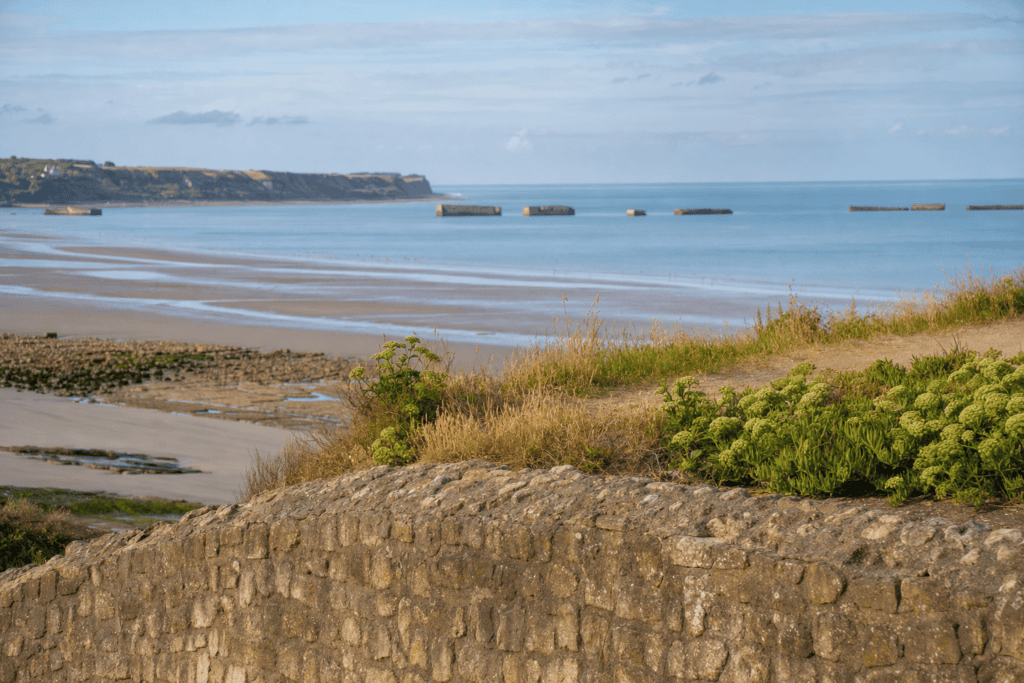 D-Day Beaches from Arromanches From Arromanches-les-Bains, explore Gold, Juno, and Omaha Beaches with a realistic itinerary, access tips, and…
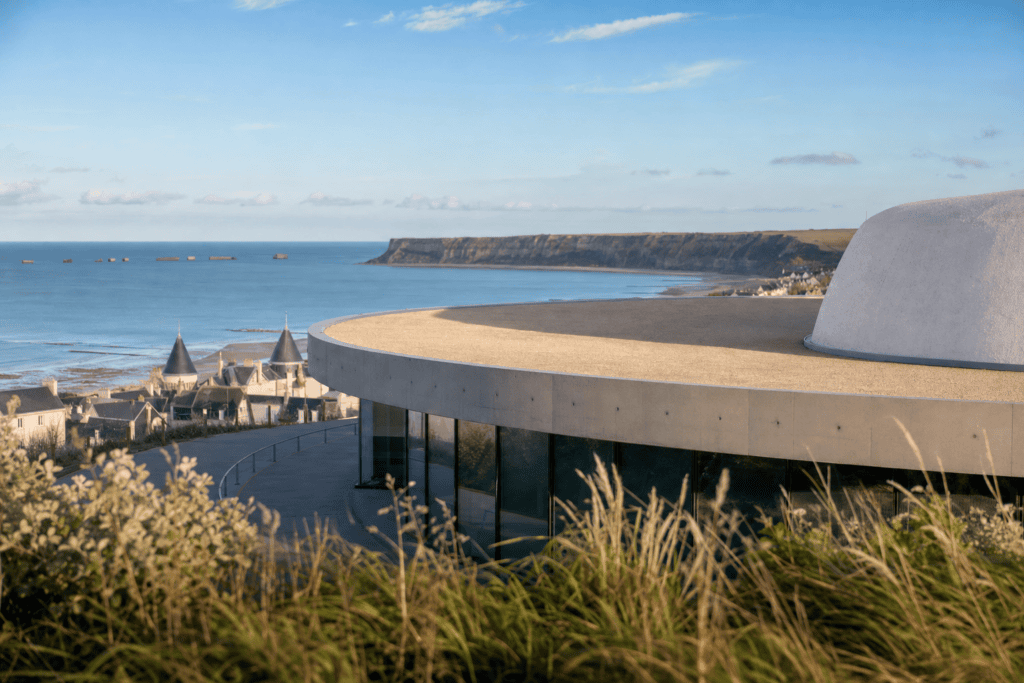 Arromanches 360 – Circular Cinema A panoramic film on nine screens to understand D-Day, Arromanches’ artificial harbor, and the…
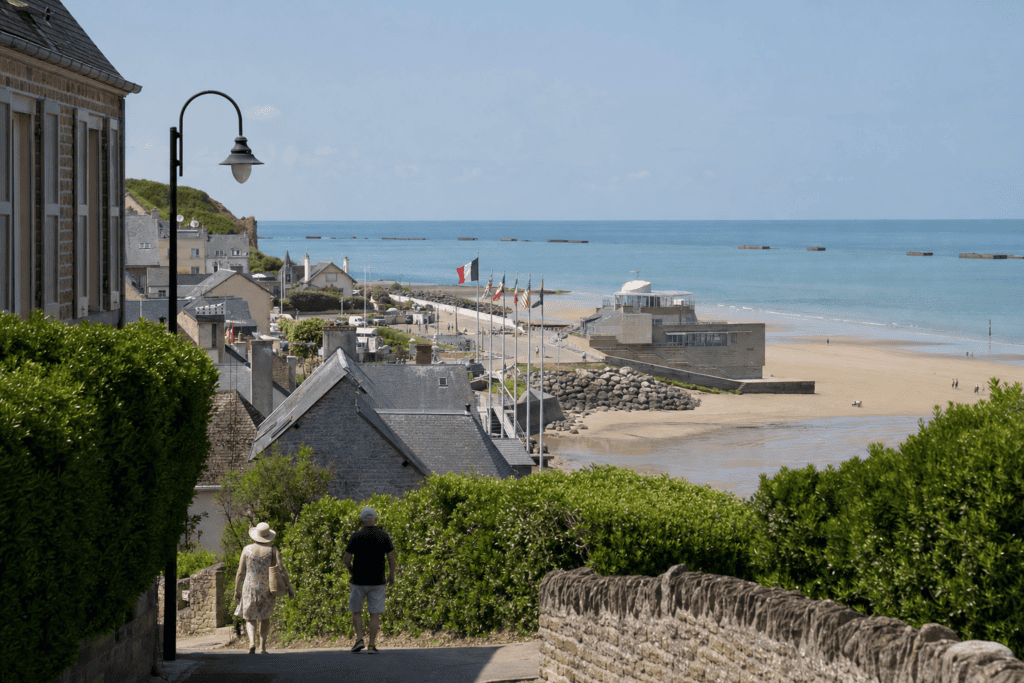 What to do in Arromanches in one day A complete itinerary combining the museum, Gold Beach, the remains of Mulberry B, Arromanches 360, and…
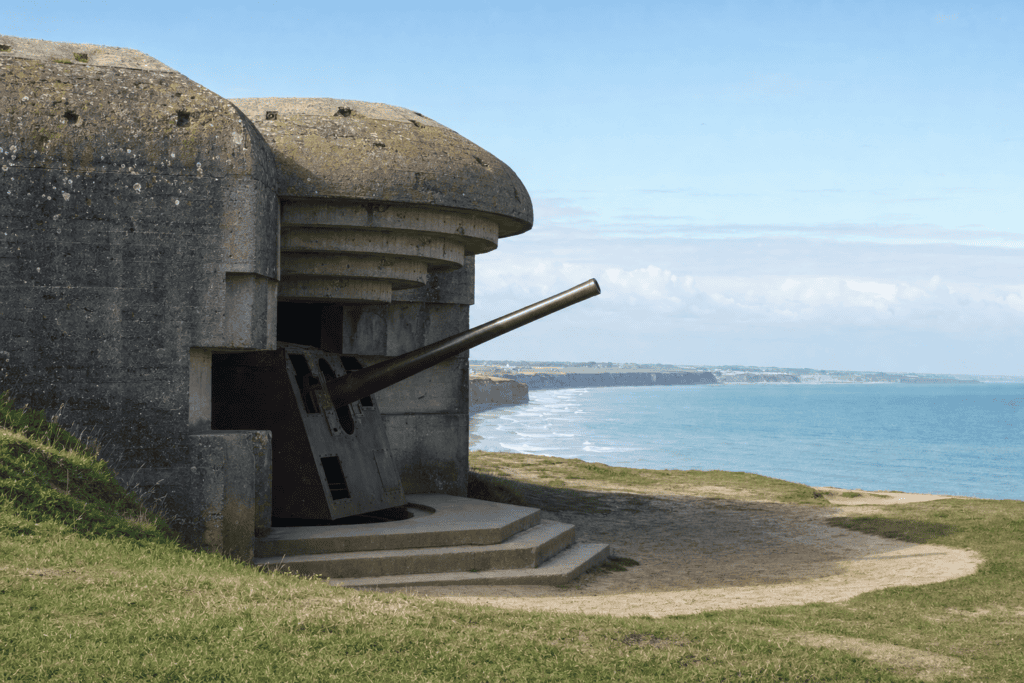 Longues-sur-Mer German Battery Explore the bunkers, guns, and fire-control post at a major D-Day site between…
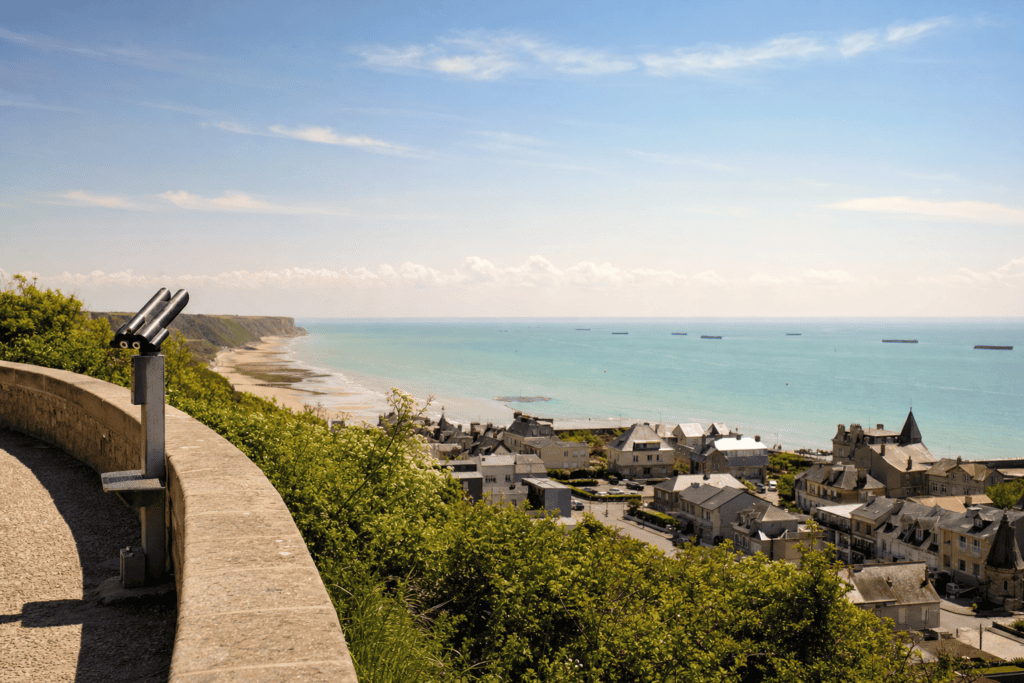 Arromanches Viewpoint and Bay Panorama A historic panorama over Gold Beach and the remains of the Mulberry B artificial harbor in Arromanches-les-Bains.
Online booking · Paris → Place du 6 Juin 1944, 14117 Arromanches-les-Bains, Normandy
Choose your pickup date and time
Your departure and arrival details are already pre-filled. You can adjust them in the fare calculator before viewing the vehicles and fare.