



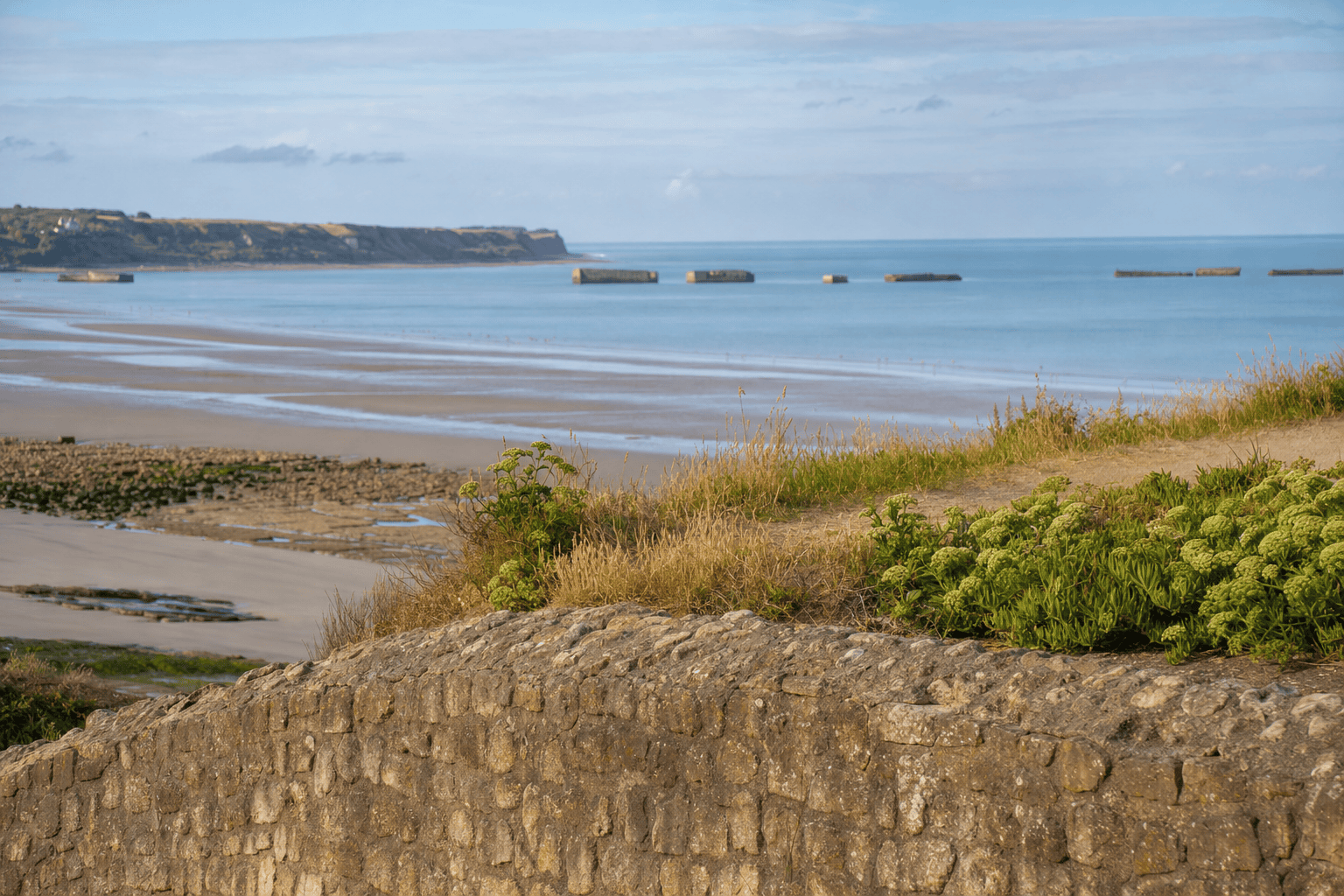
The D-Day Landing Beaches from Arromanches-les-Bains
Arromanches-les-Bains
Arromanches-les-Bains is one of the best starting points for understanding the D-Day landing beaches. Located in the British sector of Gold Beach, the town preserves the remains of the Mulberry B artificial harbor and provides access to Longues-sur-Mer, Ver-sur-Mer, Juno Beach and Omaha Beach. One full day is enough to see the main sights of Arromanches and Gold Beach, but two days are preferable if you want to visit several museums, allow time for reflection and avoid rushing between stops. Around June 6, ceremonies, detours and parking restrictions require extra planning.
Practical information
Group visits by area: Arromanches, Longues-sur-Mer and Ver-sur-Mer for Gold Beach; Courseulles-sur-Mer for Juno; Colleville-sur-Mer and Saint-Laurent-sur-Mer for Omaha. On June 6, check municipal orders and site information before setting out.
From Paris, reach Arromanches and the D-Day Landing Beaches
Arrange a trip from a hotel in Paris, the Île-de-France region, CDG or ORY to Arromanches-les-Bains, with a return to Paris or continuation of your Normandy itinerary. Transportation is separate from admission tickets and guided tours.
Transportation service departing from Paris, the Île-de-France region, CDG or ORY. Booking Paris Transfer is neither a ticketing service nor a local driver based in Arromanches.
Arromanches, the starting point for Gold Beach
Arromanches-les-Bains holds a central place in the history of D-Day. On June 6, 1944, the town was in the British sector of Gold Beach. In the following days, the Allies put Mulberry B into operation, an artificial harbor designed to bring in vehicles, equipment and supplies while no major port had yet been retaken. The caissons visible offshore, especially at low tide, make this logistical operation tangible and easy to understand from the seafront.
Start at the beach and the village viewpoints, then head uphill to visit Arromanches 360. The circular theater presents an audiovisual account of the Battle of Normandy; check showtimes and opening periods before setting out. The climb to the heights includes a slope that visitors with limited mobility should take into account. The village center has restaurants, shops and services, but they can be very busy during peak season.
From Arromanches, Longues-sur-Mer is a logical first stop, about six miles away by road. Its proximity lets you begin with the artificial harbor, then broaden your understanding of the coastline with the Atlantic Wall fortifications.
Gold Beach: Longues-sur-Mer and Ver-sur-Mer
Gold Beach stretches between the areas around Asnelles and Ver-sur-Mer. The German battery at Longues-sur-Mer is a useful complement to a visit to Arromanches: its casemates and artillery positions are among the best-preserved coastal fortifications in the area. The outdoor site is explored on foot along paths that can be grassy and exposed to the wind. Wear sturdy shoes, stay on authorized paths and do not climb on the fortifications.
Ver-sur-Mer is home to the British Normandy Memorial, which lists the names of British soldiers and airmen who died during the Battle of Normandy. Its open coastal setting offers a different place for reflection from the more museum-like atmosphere of Arromanches. The site can be combined with Asnelles and the Gold Beach landscapes without trying to pack in too many stops.
From Arromanches, a loop through Longues-sur-Mer, Asnelles and Ver-sur-Mer covers several dozen miles. Allow at least half a day, and longer if you add indoor visits. In summer and around June 6, the roads pass through very busy villages; traffic and the search for parking can make the actual journey longer than theoretical travel times.
Juno Beach around Courseulles-sur-Mer
Juno Beach mainly covers the coastline of Courseulles-sur-Mer, Bernières-sur-Mer and Saint-Aubin-sur-Mer. This sector was assigned to Canadian forces, who landed on June 6, 1944, facing organized German defenses and obstacles placed on the beach. A visit helps explain the advance inland, the role of Canadian units and the human cost of the operation, while also addressing the place of civilians in the battle.
The Juno Beach Centre in Courseulles-sur-Mer is the main museum dedicated to Canada’s participation. Its exhibitions cover the military operation, Canadian society and relations between Canada and France. After the museum, a walk along the seafront helps place the positions in their geographical setting. Hours, admission prices and temporary exhibitions vary by season; check the official website before planning your visit.
From Arromanches, allow about 15 miles to Courseulles-sur-Mer, with driving time varying according to the route, season and traffic. Allow at least half a day for the museum, coastline and historical panels.
Omaha Beach and the Colleville-sur-Mer cemetery
Omaha Beach stretches between Vierville-sur-Mer, Saint-Laurent-sur-Mer and Colleville-sur-Mer. From Arromanches, the drive to Colleville is about 19 to 22 miles. The terrain, hedgerows and beach exits help explain the difficulty of the assault, but the points of interest are spread out: decide in advance which beach, cemetery and, if time allows, additional memorial site you want to visit.
The Normandy American Cemetery overlooks the beach from Colleville-sur-Mer. Managed by the American Battle Monuments Commission, it contains 9,387 American graves and a memorial dedicated to the missing. Admission is free according to official information. Visitors are expected to dress and behave respectfully; special conditions may apply during ceremonies or commemorative events.
The direct path between the cemetery and the beach should not be considered a public walking route. To reach Omaha Beach, take the road again to the designated access points at Colleville-sur-Mer or Saint-Laurent-sur-Mer. Allow at least two hours for the cemetery and beach. Pointe du Hoc, farther west, is better visited during a separate half-day.
A recommended itinerary for one or two days
For one day, start early in Arromanches. Spend about two hours on the seafront, viewing the remains of Mulberry B and visiting Arromanches 360 if the schedule matches your date. Then continue to Longues-sur-Mer and Ver-sur-Mer. This morning covers the main Gold Beach sights without requiring lengthy detours. Booking or having lunch early can help avoid losing time in the busiest areas.
Spend the afternoon in Courseulles-sur-Mer and at the Juno Beach Centre. Adding Omaha the same day is possible, but the schedule becomes demanding: you will need to limit indoor visits and accept more driving time. Distances may look short on a map, but coastal roads, villages, parking and time spent taking in the sites can extend the day.
Over two days, reserve Gold Beach and Juno for the first day. The next day, head to Colleville-sur-Mer, the American cemetery and Omaha Beach, then add Saint-Laurent-sur-Mer or Pointe du Hoc according to your priorities. This plan leaves more time for reflection and reduces the risk of turning memorial sites into a simple photo tour.
Getting there from Paris, Bayeux or an airport
From Paris, Arromanches-les-Bains is generally reached via the A13 toward Caen, then the N13 toward Bayeux and departmental roads along the coast. The distance is about 171 miles; driving time depends on breaks, roadwork, weather conditions and traffic periods. Fridays, weekends, school holidays and dates close to June 6 can substantially lengthen the journey.
Bayeux station, served from Paris Saint-Lazare, is the main rail arrival point for exploring the beaches. It is about 7.5 miles from Arromanches, but this distance does not guarantee a direct local connection at all times. Without a car, plan for a taxi, organized excursion or transportation booked well in advance. Caen can also serve as a regional gateway, especially for travelers arriving by train or plane, but you will then need to arrange the final leg to the coast.
For an itinerary starting in Paris, a private transfer can connect a Paris hotel, CDG or ORY with Arromanches, followed by a return to Paris or continuation of a Normandy loop. This is transportation only: museum tickets, guided tours, meals and venue reservations remain separate.
Season, tides and restrictions around June 6
Spring and early fall often offer a good balance of light, visitor numbers and daylight hours. In summer, the coastal villages are livelier and parking lots can fill quickly. Around June 6, official ceremonies and gatherings sometimes lead to detours, checkpoints, traffic restrictions or restricted access. Municipal orders may also change parking, drop-off areas and the opening hours of certain sites.
Do not necessarily expect to park close to the beaches on June 6: lots may be full, temporarily closed or accessible only under certain conditions. Allow plenty of extra time, follow local signs and never enter a road that is closed. Vehicles parked outside designated spaces can obstruct emergency services or receive a ticket. Check with the municipalities, museums and memorial organizations before setting out.
The tide affects views of the remains at Arromanches, but it should never lead you to walk on slippery, unstable or restricted areas. Bring a windbreaker, suitable shoes for grassy paths and sun protection. At cemeteries and memorials, remain discreet, respect marked areas, do not climb on the remains and avoid picnics in places of remembrance.
Frequently Asked Questions
Which stop should I visit first from Arromanches-les-Bains?
Can I visit Gold, Juno and Omaha in one day?
Which train station should I use to get to Arromanches?
What precautions should I take around June 6?
Is the American cemetery at Colleville-sur-Mer admission-free?
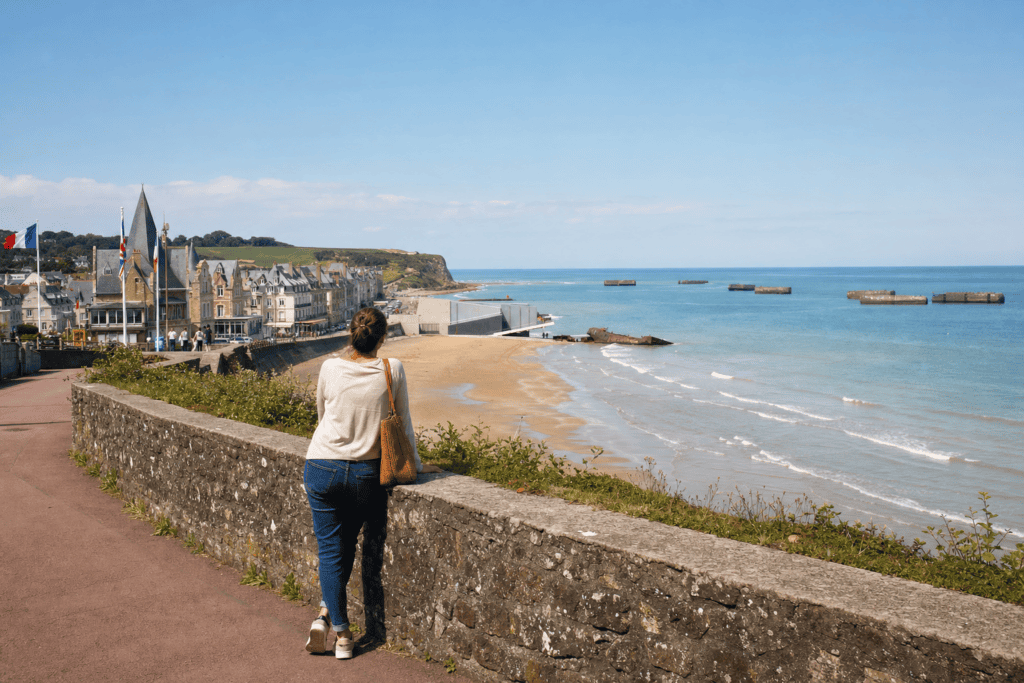 Bayeux and the D-Day sites from Arromanches From Arromanches, Bayeux combines medieval heritage and museums with convenient access to the main D-Day sites.
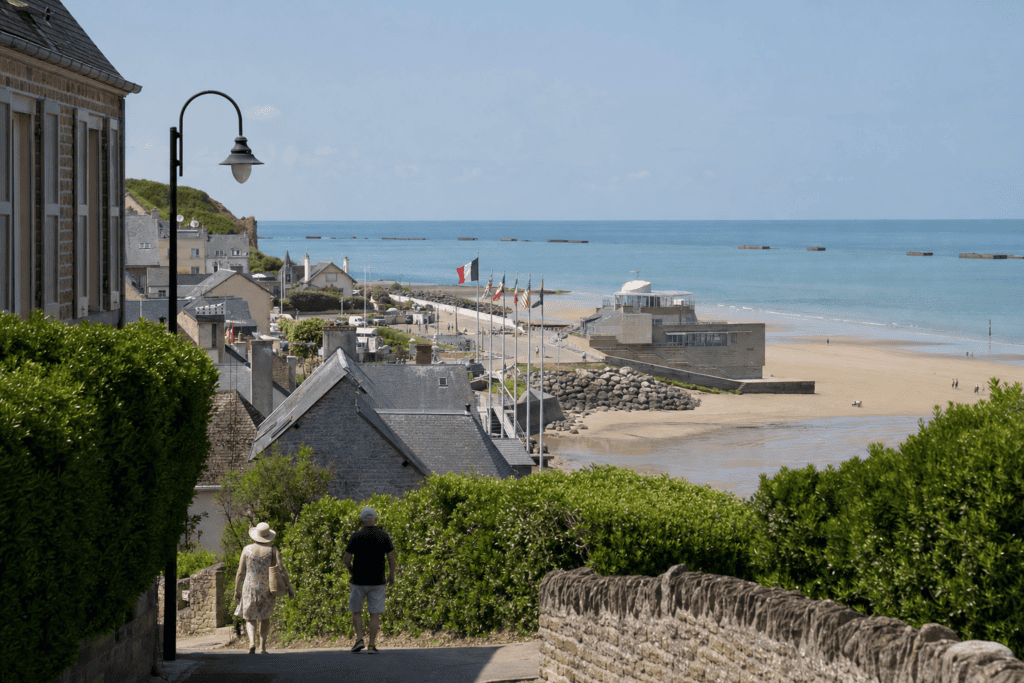 What to do in Arromanches in one day A complete itinerary combining the museum, Gold Beach, the remains of Mulberry B, Arromanches 360, and…
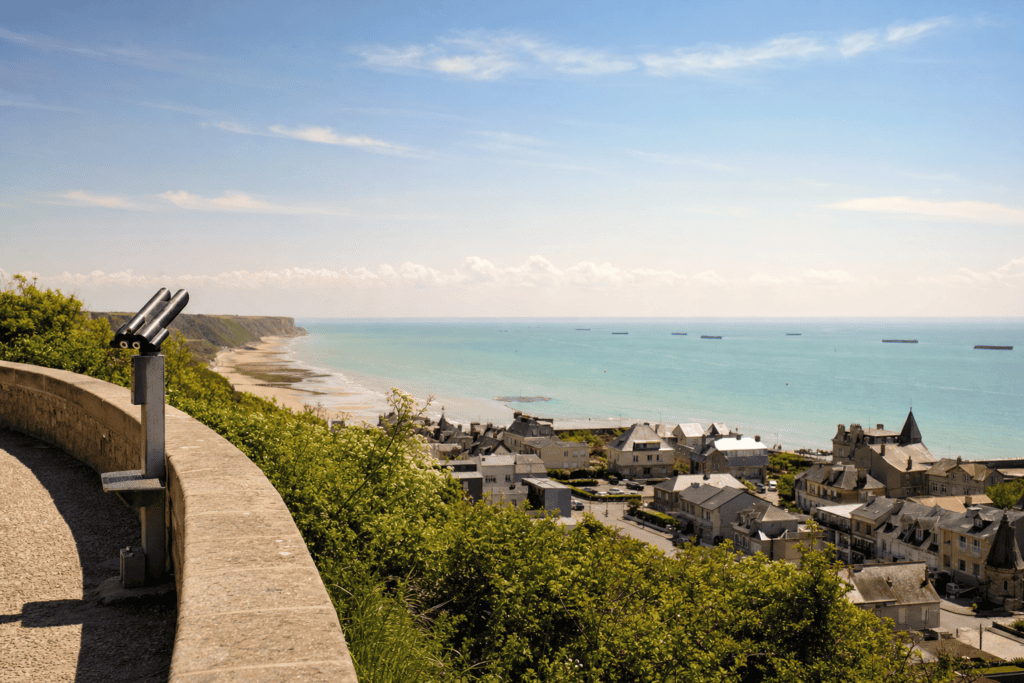 Arromanches Viewpoint and Bay Panorama A historic panorama over Gold Beach and the remains of the Mulberry B artificial harbor in Arromanches-les-Bains.
 Getting to Arromanches: Bayeux train station, Caen, and by car Bayeux is the most convenient rail gateway; a vehicle then makes it easier to explore the…
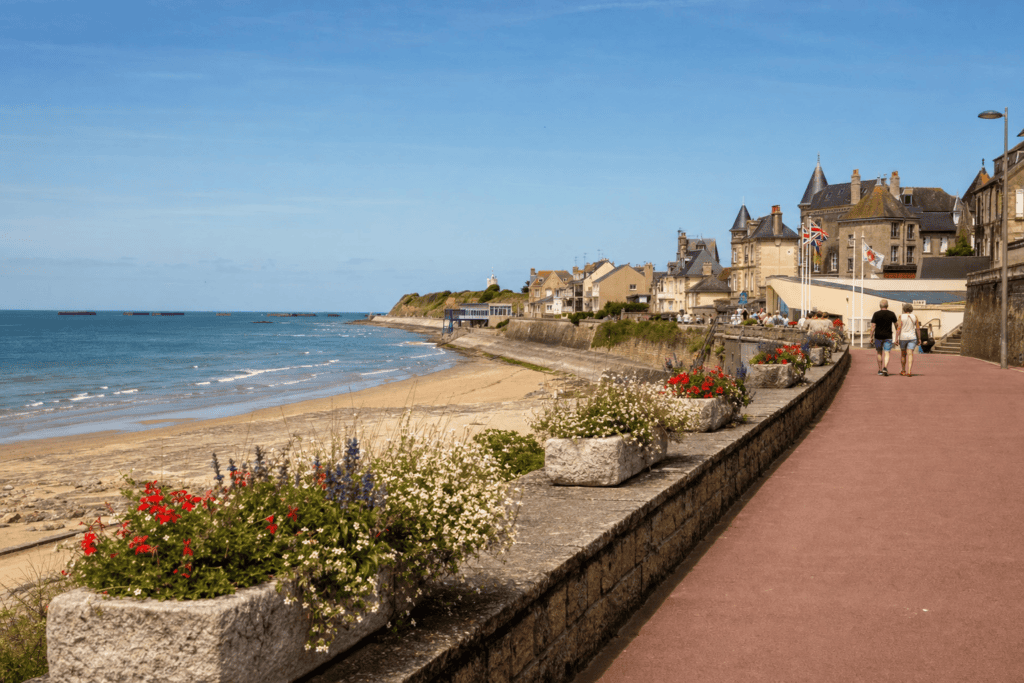 Arromanches-les-Bains Coastal Walk and Heritage A route covering Gold Beach, the remains of Mulberry B harbor, the D-Day Museum, and…
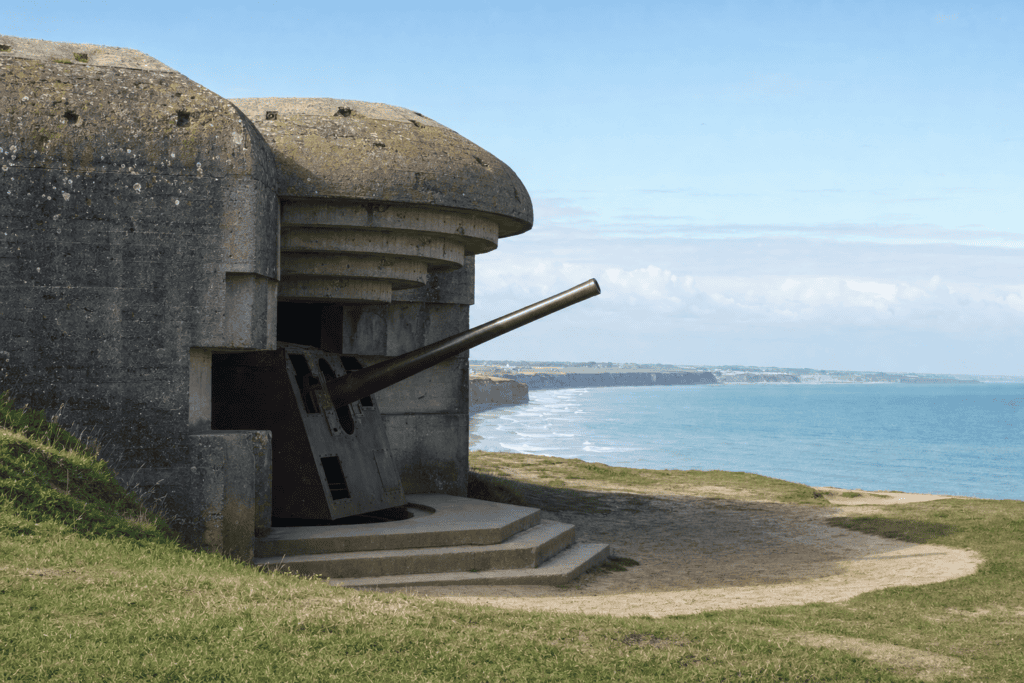 Longues-sur-Mer German Battery Explore the bunkers, guns, and fire-control post at a major D-Day site between…
Online booking · Paris → Arromanches-les-Bains, Calvados, Normandy, France
Choose your pickup date and time
Your departure and arrival details are already pre-filled. You can adjust them in the fare calculator before viewing the vehicles and fare.