



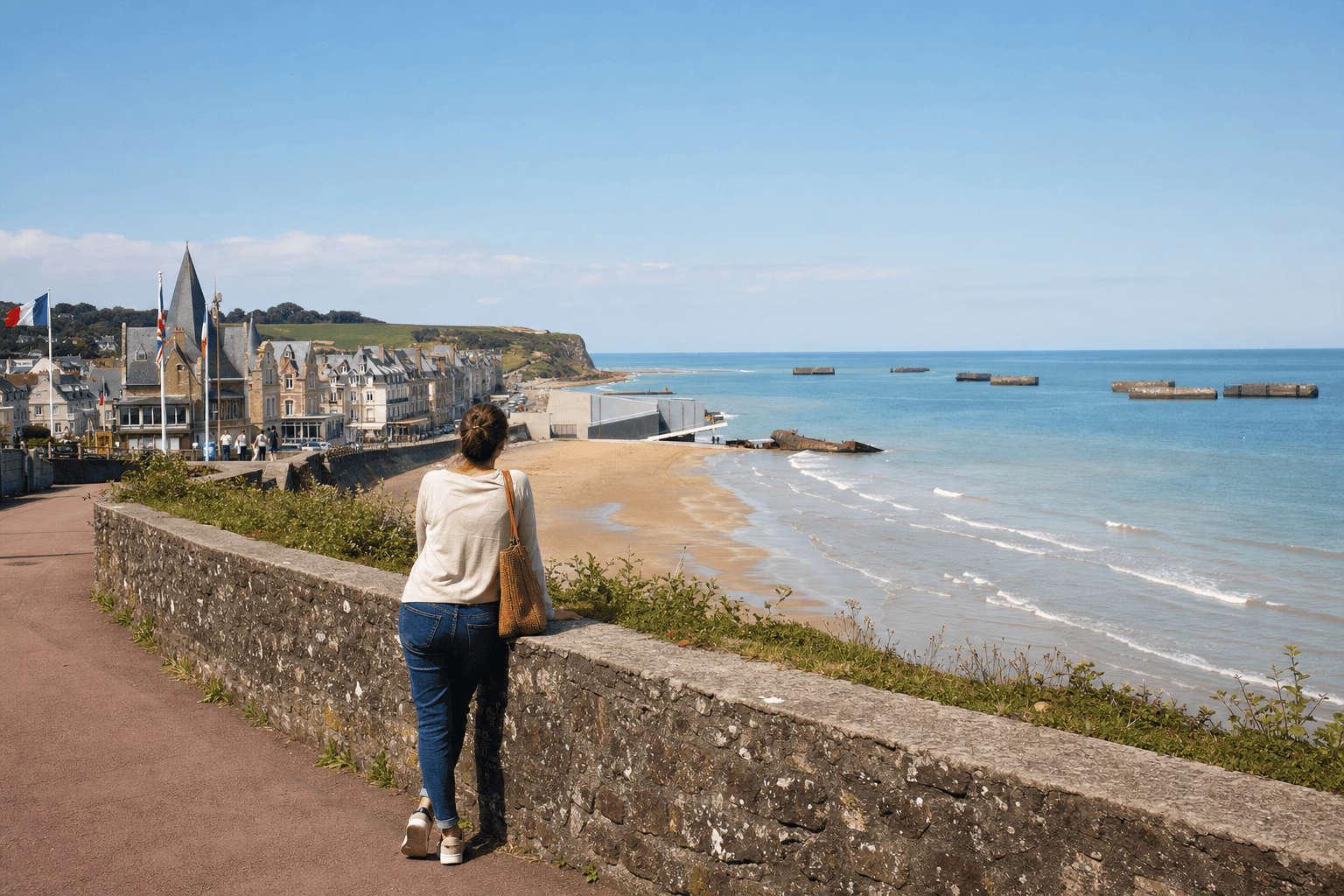
Bayeux and the D-Day Beaches from Arromanches
Arromanches-les-Bains
From Arromanches-les-Bains, Bayeux offers a complementary way to understand medieval Normandy and the history of D-Day. The two towns are about fifteen kilometers apart by road, depending on the departure point and route. Bayeux has a train station, historic center, Notre-Dame Cathedral, and several museums; Arromanches preserves the remains of the Mulberry B artificial harbor in its bay. Together, these places connect the military preparations, the logistics of June 6, 1944, and contemporary remembrance with an older heritage. This page covers the priority sights, local transportation, options from Paris, and the precautions needed to plan a realistic itinerary. Since the D-Day sites are spread across several towns, it is better to choose a few coherent stops rather than try to see everything in a single day.
Practical information
Combine Bayeux and Arromanches on the same day only with a focused itinerary. Add a second day for Colleville-sur-Mer, Omaha Beach, and Pointe du Hoc.
Planning a trip between Paris, Bayeux, and Arromanches
Booking Paris Transfer can arrange private transportation from Paris, a Paris hotel, or a Paris airport to Bayeux and Arromanches-les-Bains, with a return trip to Paris. This makes it easier to plan an itinerary linking museums, beaches, and memorials, without including admission tickets or guided tours.
Private transportation from Paris, its hotels, CDG, or ORY, with a return trip to Paris; tickets and tours not included.
Why visit Bayeux and Arromanches together
Bayeux and Arromanches offer two complementary perspectives on the history of Normandy. Bayeux is a pleasant base, with a train station, historic center, shops, and restaurants within walking distance. Arromanches-les-Bains is directly associated with the Mulberry B artificial harbor, built after D-Day to facilitate the arrival of troops, vehicles, and supplies. The route between the two towns is short on the map, but traffic, parking, and time spent visiting the sites must all be taken into account.
One day may be enough for a visit focused on Bayeux’s historic center, the D-Day Museum in Arromanches, and the bay. This itinerary becomes too ambitious if you add several beaches farther west. For Omaha Beach, Colleville-sur-Mer, and Pointe du Hoc, two days allow for a more respectful pace at these sites of remembrance. This also helps ensure that museums and cemeteries are not reduced to mere photo stops.
Bayeux: heritage, museums, and local life
Bayeux’s historic center deserves a visit separate from the D-Day beaches. Half-timbered houses, grand townhouses, the banks of the Aure, and the streets around Notre-Dame Cathedral make for a pleasant walking route. The cathedral recalls the city’s religious and political role in the Middle Ages, while the Bayeux Tapestry bears witness to the longstanding ties between Normandy and England. These visits provide a historical perspective distinct from that of the 1944 sites.
The Memorial Museum of the Battle of Normandy complements this itinerary by presenting the operations that followed June 6, including the advance inland and the logistics involved. Visitor arrangements for the Tapestry may change due to construction and the renovation project, so check the official information before traveling. Bayeux also has several places where you can discover cider, cheeses, seafood, and Norman specialties. During peak season, reserving a table can help avoid unnecessary waits.
Arromanches and the Mulberry B artificial harbor
Arromanches is one of the most informative places for understanding the logistical dimension of D-Day. After June 6, 1944, prefabricated components were assembled offshore to create temporary infrastructure capable of supporting the landing of vehicles, fuel, food, and reinforcements. The remains still visible in the bay change appearance with the tide, light, and weather. From the beach and the higher ground, their layout conveys the scale of the installation.
The D-Day Museum explains the design and operation of the artificial harbor. Arromanches 360 offers an audiovisual experience based on archival footage. These institutions present different content, but their hours and access arrangements may vary depending on the season or possible construction work. Check their official information before your visit. The remains are not an unrestricted walking area: respect marked zones, tidal conditions, and local instructions. Also allow time for the viewpoints and the beach.
Omaha Beach and the Colleville-sur-Mer cemetery
Le secteur d’Omaha Beach demande une organisation distincte depuis Bayeux ou Arromanches. À Colleville-sur-Mer, le Normandy American Cemetery est administré par l’American Battle Monuments Commission. Le cimetière rassemble 9 389 sépultures de militaires américains et un mémorial portant les noms de 1 557 disparus. Installé au-dessus de la plage, il associe paysage, architecture et documents historiques dans un cadre dédié au recueillement.
Omaha Beach, Saint-Laurent-sur-Mer, and Colleville-sur-Mer are distinct places, even though they are often included in the same itinerary. Allow time for walking and parking, as road distances do not reflect the actual time needed for a visit. Public transportation does not always connect all the sites efficiently, especially outside peak season. A car, pre-booked taxi, or guided tour offers greater flexibility. At the cemetery, memorials, and museums, behave respectfully and follow the posted instructions.
Which museums and D-Day sites should you choose?
The Memorial Museum of the Battle of Normandy in Bayeux is a good introduction to the operations carried out after D-Day. It expands the story beyond the morning of June 6, covering the armies’ advance and the challenges of the battle. The D-Day Museum in Arromanches focuses more on Mulberry B and maritime logistics. In the Omaha area, the Overlord Museum offers another perspective through its collections and account of the Allied operations.
Pointe du Hoc offers a very different experience. Its craters, bunkers, and cliffs help visitors understand the terrain of the assault carried out by the American Rangers. With one day, choose two or three nearby sites. With two days, devote the first part to Bayeux and Arromanches, then the second to Colleville-sur-Mer, Omaha Beach, and possibly Pointe du Hoc. Check each institution’s hours, access conditions, and any closures before setting out.
Access, train station, and transportation from Paris
Bayeux train station is served by Normandy trains departing from Paris-Saint-Lazare. It is a convenient arrival point for visiting Bayeux without a car, but it does not solve transportation to Arromanches and the beaches. Arromanches has no train station; the final leg must be arranged from Bayeux or another town. Local services vary by day and season, and they do not always make it easy to visit Arromanches, Omaha Beach, Colleville-sur-Mer, and Pointe du Hoc in succession.
Before relying on a bus, check the route, operating day, timetable, and the stop that actually suits your itinerary. A guided tour or pre-booked taxi may offer greater flexibility. From Paris, private transportation can travel to Bayeux and Arromanches from a Paris hotel, Charles de Gaulle Airport, or Orly Airport, then return to Paris. This service covers transportation only; admission tickets, guided tours, and museum reservations remain separate. Also check for any rail work and parking conditions.
Building a realistic and respectful itinerary
Start by defining your priority. Arromanches suits visitors who want to understand the technical achievement of the artificial harbor; Bayeux combines medieval heritage with historical context; Colleville-sur-Mer and Omaha Beach focus on American remembrance. This distinction helps create a coherent itinerary. A first day can combine Bayeux’s historic center, the Memorial Museum of the Battle of Normandy, and Arromanches. A second can be devoted to Colleville-sur-Mer, Omaha Beach, and, if time allows, Pointe du Hoc.
Bring suitable shoes, a windbreaker, and water: the coast is exposed, and the weather can change quickly. To view the remains at Arromanches, check the tide and keep away from dangerous areas. Around June 6, ceremonies, detours, and crowds may affect travel times. In the off-season, some museums, restaurants, and services may operate reduced hours. Check them before departure and allow enough time at each site for an attentive visit.
Frequently Asked Questions
How far is Bayeux from Arromanches-les-Bains?
Can you visit the D-Day beaches without a car?
What should you visit first from Arromanches?
Is the Bayeux Tapestry open?
How do you get to Bayeux and Arromanches from Paris?
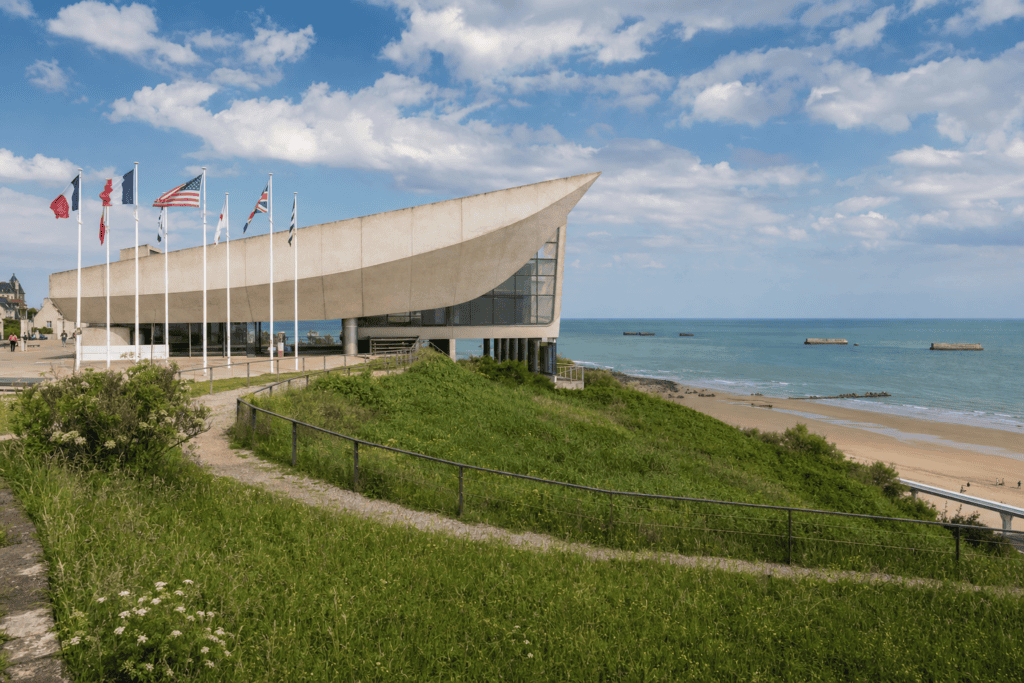 Arromanches D-Day Museum An essential museum for understanding Mulberry B, the Allied artificial harbor installed off Arromanches after…
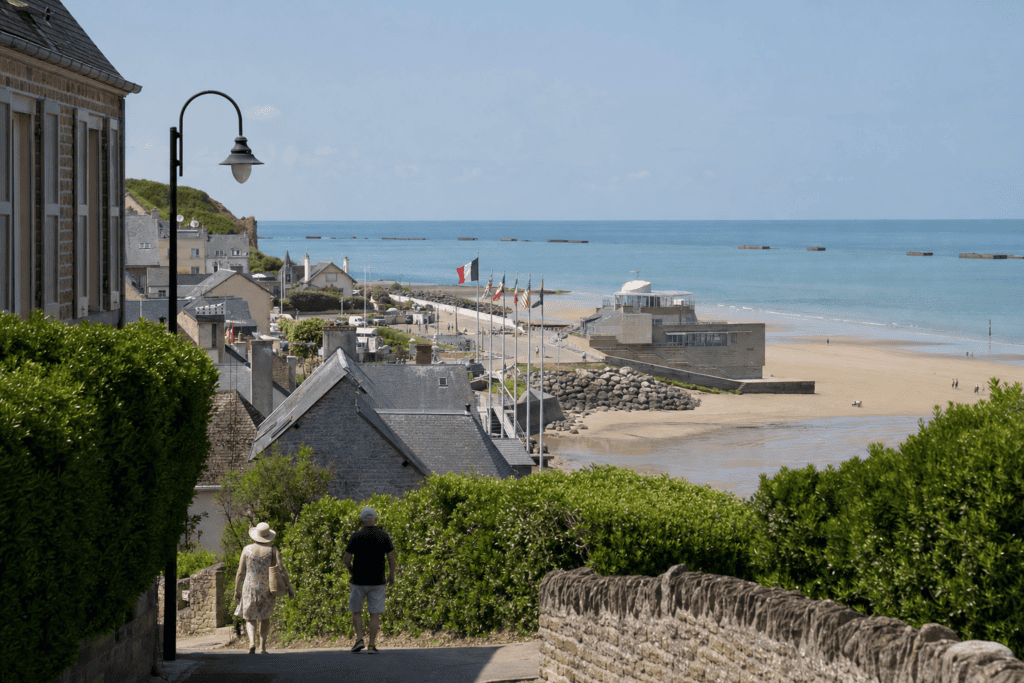 What to do in Arromanches in one day A complete itinerary combining the museum, Gold Beach, the remains of Mulberry B, Arromanches 360, and…
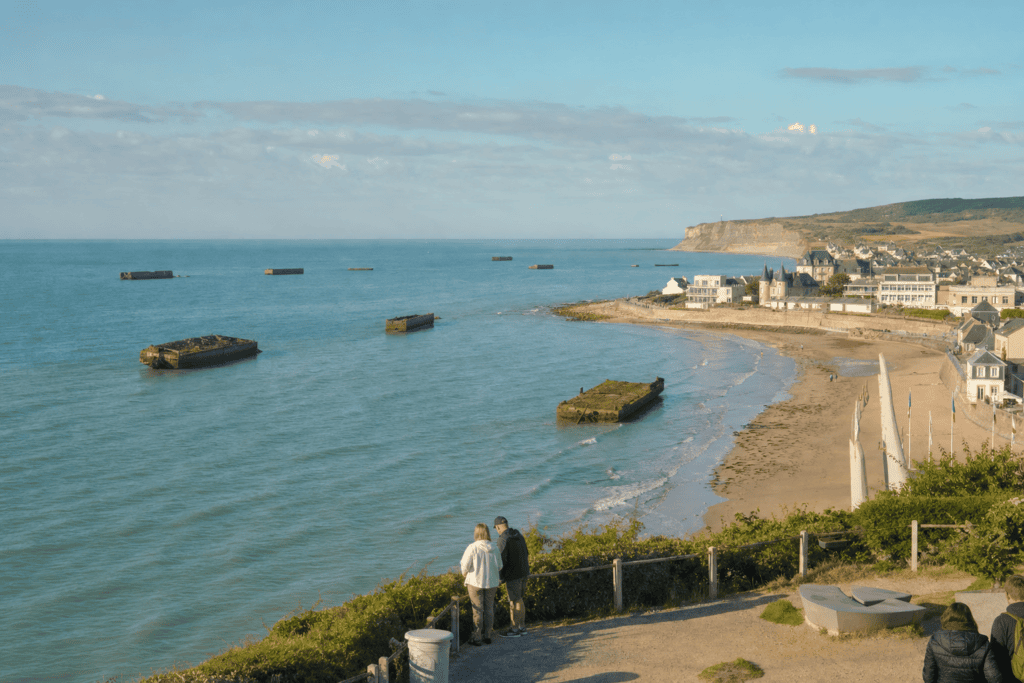 Mulberry B Artificial Harbor and Arromanches Beach In Arromanches-les-Bains, view the remains of Mulberry B from Gold Beach and complete your visit with…
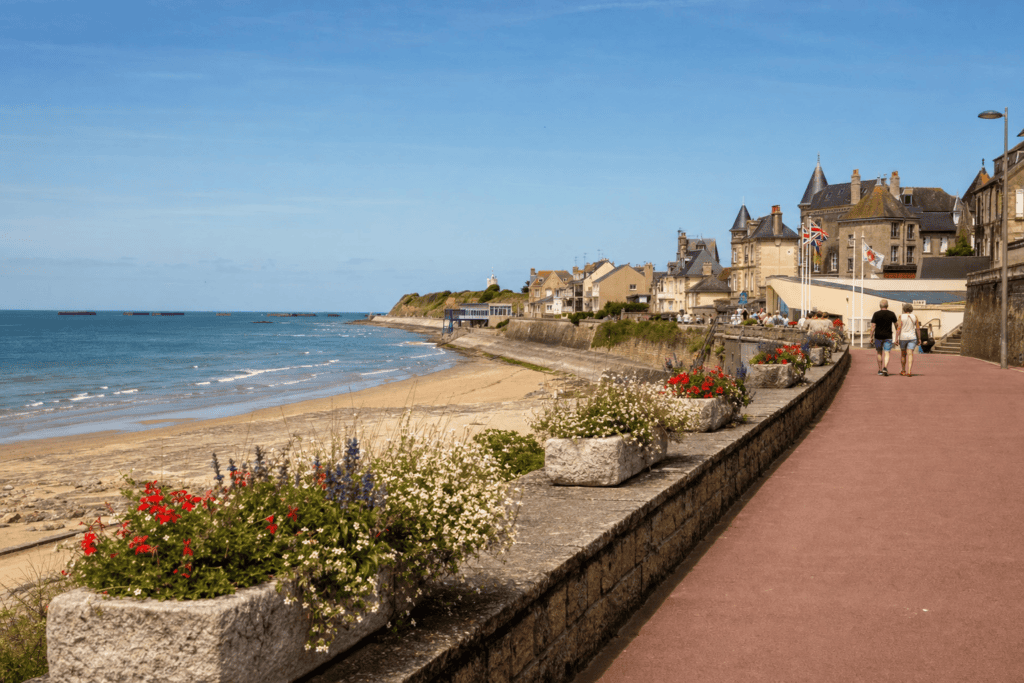 Arromanches-les-Bains Coastal Walk and Heritage A route covering Gold Beach, the remains of Mulberry B harbor, the D-Day Museum, and…
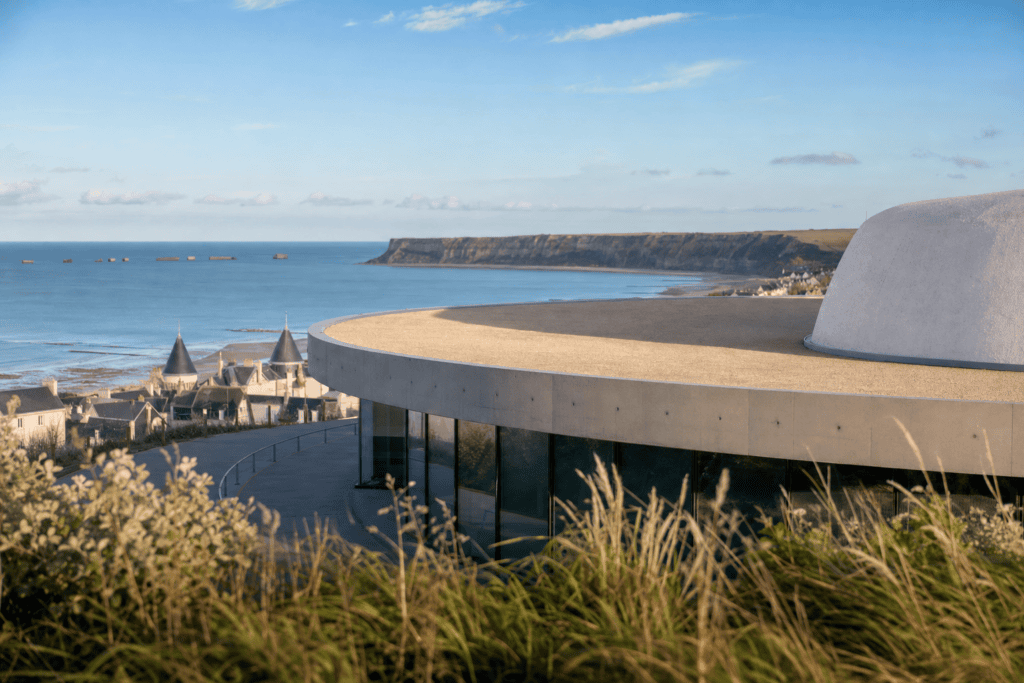 Arromanches 360 – Circular Cinema A panoramic film on nine screens to understand D-Day, Arromanches’ artificial harbor, and the…
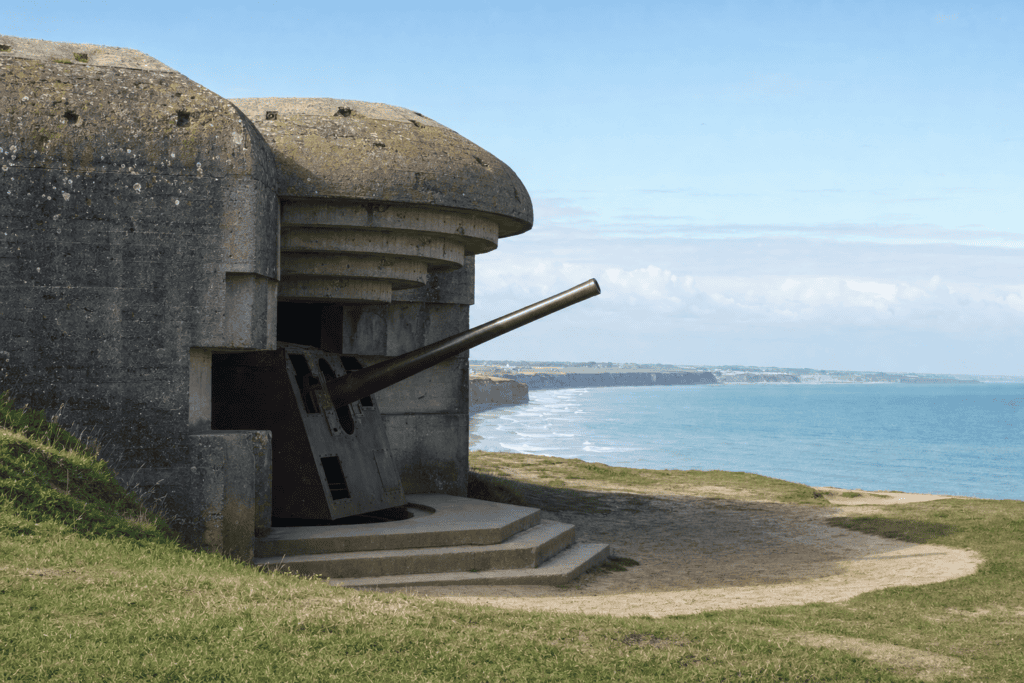 Longues-sur-Mer German Battery Explore the bunkers, guns, and fire-control post at a major D-Day site between…
Online booking · Paris → Bayeux, Calvados, Normandy, France
Choose your pickup date and time
Your departure and arrival details are already pre-filled. You can adjust them in the fare calculator before viewing the vehicles and fare.