



Boulogne-sur-Mer Fish Market: Practical Guide
Boulogne-sur-Mer
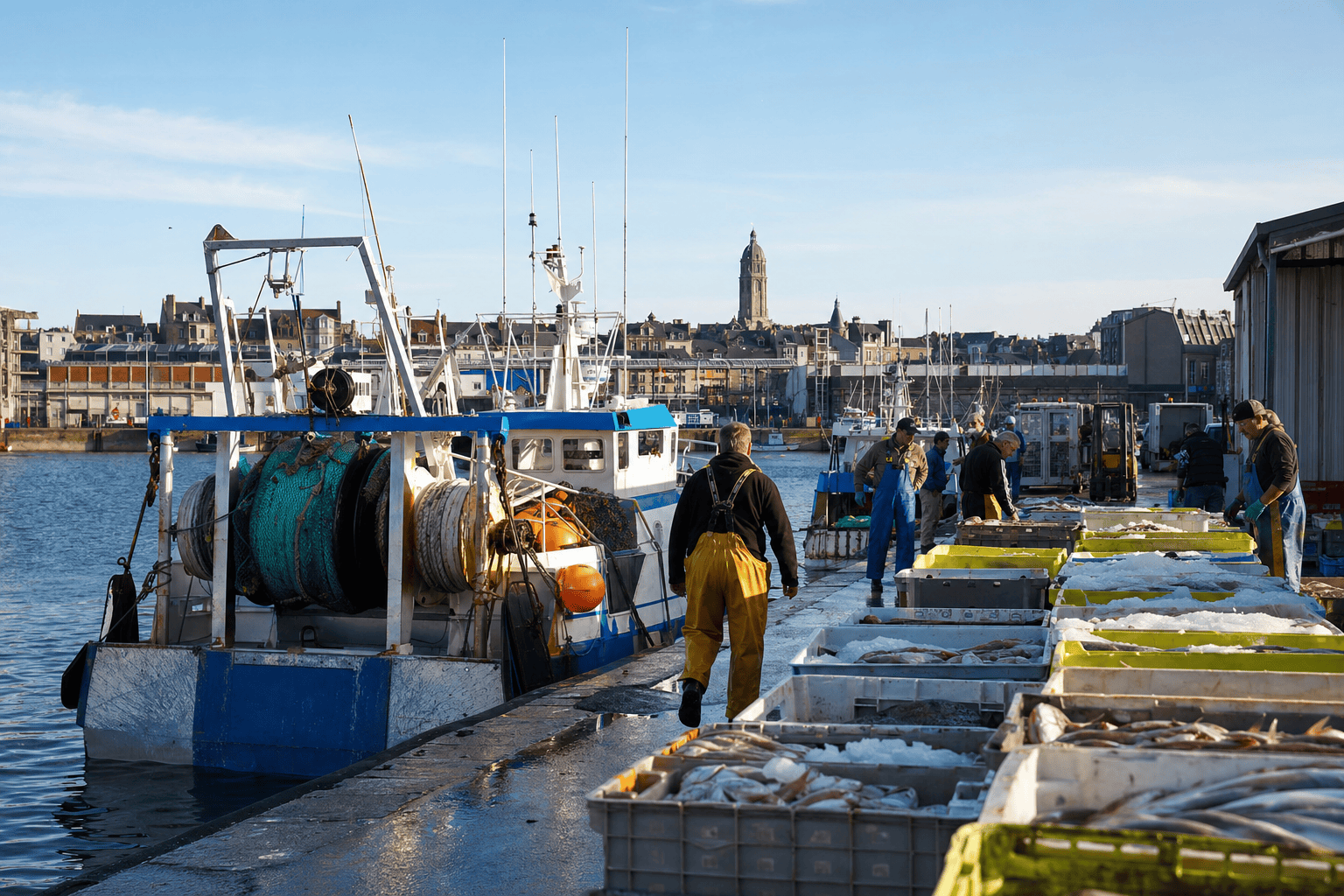
On Quai Gambetta, Boulogne-sur-Mer’s fish market offers a close-up look at the city’s working waterfront. The fish stalls, boats, and unloading activity reflect a maritime industry that remains part of everyday life in Boulogne. What’s available varies with fishing conditions, weather, landings, and how vendors organize their sales, so it’s best to come with some flexibility rather than expecting a specific product. Morning is generally the best time to observe the activity and enjoy the widest selection, although stall hours may change. Allow about an hour for the quay and stalls, then continue to Nausicaá, the beach, or the fortified old town. This guide will help you plan a respectful visit, organize your purchases, and connect the port with other discoveries along the Opal Coast.
Practical information
If you’re buying fish before continuing your journey, bring an insulated bag and ice packs. Make your most perishable purchases at the end of your visit and ask the vendor for advice suited to the product you choose.
Getting to Boulogne-sur-Mer from Paris
For an excursion along the Opal Coast, private transportation can depart from Paris, a Paris hotel, CDG, or ORY, with a return to Paris or continuation of your itinerary. The service covers transportation only and does not include admission tickets or a guided tour.
Departure from Paris, the Île-de-France region, CDG, or ORY; return to Paris or continuation of an itinerary to be determined.
A Port That Tells Boulogne-sur-Mer’s Story
The fishing port is one of the places that helps you understand Boulogne-sur-Mer beyond its monuments. The basins, quays, boats, and businesses connected to seafood form an ecosystem directly linked to the city. Here, fishing is more than scenery for visitors: it brings together crews, fish wholesalers, transport companies, processing businesses, restaurants, and shops. A walk along Quai Gambetta therefore offers a glimpse into an economic activity that still shapes the local identity.
The fish market is the most accessible part of this industry for visitors. Depending on the day’s landings, the stalls may offer whole fish, fillets, shellfish, or crustaceans. The selection is not fixed. It depends in particular on sea conditions, landings, and the vendors’ work.
Boulogne-sur-Mer is often described as France’s leading fishing port. This expression should be understood according to the indicator used, such as value or landed volume. The port’s reputation therefore does not guarantee a particular catch on the day of your visit. Above all, it reflects the industry’s historical and present-day importance, well documented by Port Boulogne Calais.
The Fish Stalls on Quai Gambetta
The fish stalls are small sales points set up along Quai Gambetta. Their appeal comes precisely from their everyday purpose: they are not a market staged solely for visitors, but a place where residents and travelers can buy seafood. Speaking with the vendor is part of the experience. You can ask what species are available, which preparation suits your recipe, or whether the product will withstand the planned travel time.
It’s best to come without overly rigid expectations. A fish shown in a photograph or recommended in a guide may not be available. Fishing conditions, the season, and landings all affect the selection. This uncertainty is also what makes the visit interesting: two visits just a few days apart may feature noticeably different stalls.
Exact hours and days of operation may vary by vendor and season. Check the information from the City of Boulogne-sur-Mer before setting out, and don’t treat general information as a guarantee for every stall. On site, give priority to customers making purchases, keep accessways clear, and ask before taking close-up photos of a vendor or stall.
Understanding the Landings and the Industry
The retail market represents only one link in Boulogne’s maritime activity. After landing, products may be sorted, weighed, sold, transported, or directed to restaurants and processors. This explains why the products visible at the stalls do not necessarily represent everything arriving at the port. Some of the catch follows professional supply chains that do not involve direct sales to individuals.
The presence of a boat in a basin does not mean its cargo will be offered to the public that same day. Landing times, volumes, species, and buyers vary. It is therefore important to distinguish between observing the port from public areas and taking a detailed look at the fish auction or fish market hall, which operate under specific rules.
The Capécure facilities and handling areas are workplaces. Do not cross barriers, enter restricted areas, or lose sight of vehicles and logistical operations. The presentation of the port’s facilities helps place the quays within a broader industry. A successful visit means observing what is visible without interrupting the work of professionals.
Buying Fish for a Meal or a Journey
Before choosing a product, consider the rest of your plans. If you’re heading directly back to accommodation with a refrigerator, your options differ from those when several more hours of sightseeing remain. Tell the vendor approximately how long the product will be in transit and ask for suitable preparation or packaging. This advice is particularly important for shellfish and highly perishable products.
An insulated bag and ice packs can help limit temperature changes during the journey. They do not replace a refrigerator and cannot preserve perishable food indefinitely. For a return to Paris, the simplest approach is to shop at the end of your visit, go directly to your vehicle or the station, and avoid lengthy detours. If you’re staying in Boulogne-sur-Mer, quickly place the products in the appropriate storage equipment.
The stalls are primarily sales points. They are not necessarily places to eat, and no visitor route requires you to consume your purchase on site. For lunch, choose a separate restaurant in the town center, along the waterfront, or nearby, and check its hours and days of operation. This distinction helps you plan a realistic visit without confusing the purchase of fresh products with a dining experience.
What to See Around Quai Gambetta
Quai Gambetta is suited to a short walk, but it can easily be part of a fuller day. The paths around the basins offer views of the boats, moorings, and contrasts between areas open to the public and professional zones. The ground may be wet and port traffic can be active, so stable shoes and extra awareness around vehicles will make the walk more enjoyable.
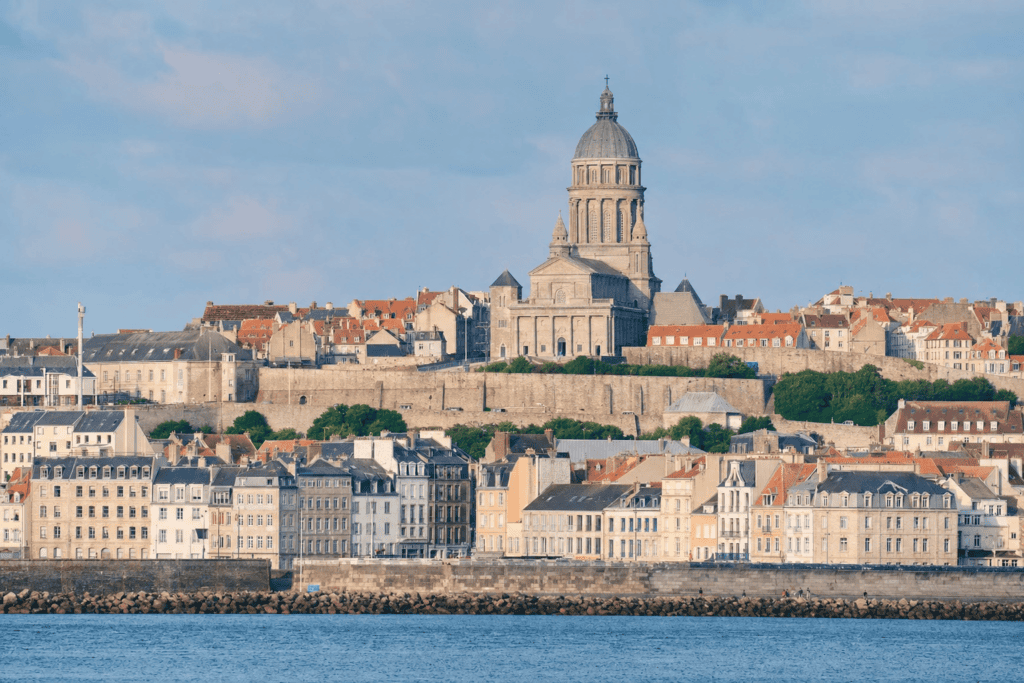
Nausicaá, the National Sea Centre, is a natural next stop for exploring questions related to the oceans, species, and ecosystems. The beach then offers another perspective on the coastline. Heading toward the old town, the ramparts, Notre-Dame Basilica, and the Château-Musée create a complementary heritage itinerary. Check each site’s official sources for hours, prices, and access conditions.
For photography, the early hours of the day may offer interesting light and activity that is already underway. Ask permission before photographing identifiable people, and avoid documents, commercial operations, and work areas. The best viewpoints are often those that leave space for professionals and other visitors. The port is best discovered through attentive observation rather than a rapid succession of shots.
Getting Here from Paris, the Train Station, or the A16
Boulogne-sur-Mer is located in the Pas-de-Calais department, on the Opal Coast. By car, the A16 connects the area to the coast’s main roads and makes it easy to arrive from Calais, Dunkirk, or other cities in the north. From Paris, travel time depends heavily on traffic, roadworks, and your starting point. As you approach the city, follow signs for the port and Quai Gambetta rather than directions intended for industrial areas or professional facilities.
Boulogne-sur-Mer station receives regional trains and connecting services depending on the date and route. Check the carrier’s schedule before departure. From the station, walking to Quai Gambetta generally takes 15 to 20 minutes, although this is an estimate that depends on the route, your luggage, and the exact location of the stalls. Public transportation may be more comfortable if you’re carrying fresh purchases.
Parking and traffic conditions may vary during roadworks, markets, or events. Plan a flexible route and do not enter areas marked as restricted. For private transportation, Booking Paris Transfer can arrange a journey from Paris, the Île-de-France region, CDG, or ORY, with a return to Paris or continuation of an itinerary along the Opal Coast. The service covers transportation only.
Seasonality and a Getaway on the Opal Coast
The market can be visited year-round, but the experience changes with the weather and the port’s pace. In spring and summer, longer days make it easier to combine with Nausicaá, the beach, and the old town. Weekends and school holidays may be busier. In fall and winter, wind, rain, and sea spray heighten the maritime atmosphere; bring a waterproof jacket and shoes suitable for potentially wet surfaces.
Wimereux and Le Portel offer nearby coastal extensions for rounding out a day in Boulogne-sur-Mer. Cap Gris-Nez and Cap Blanc-Nez are better suited to a separate excursion, with sweeping views over the English Channel and walking conditions that depend on the wind and trail conditions. Add these stops only if you have enough time, and check local conditions before setting out.
Visitor numbers, roadworks, events, and stall hours may change. Before your visit, check the information from the city and the Boulonnais Tourist Office. These sources complement this guide’s information when planning access, nearby visits, and possible temporary changes. The market is best approached as a living place whose appeal depends precisely on the conditions of the day.
Useful sources
Frequently Asked Questions
Where is Boulogne-sur-Mer’s fish market located?
Can you walk to Quai Gambetta from the train station?
What can you buy at the fish stalls?
Is the fish auction open to visitors?
What visits can be combined with the market?
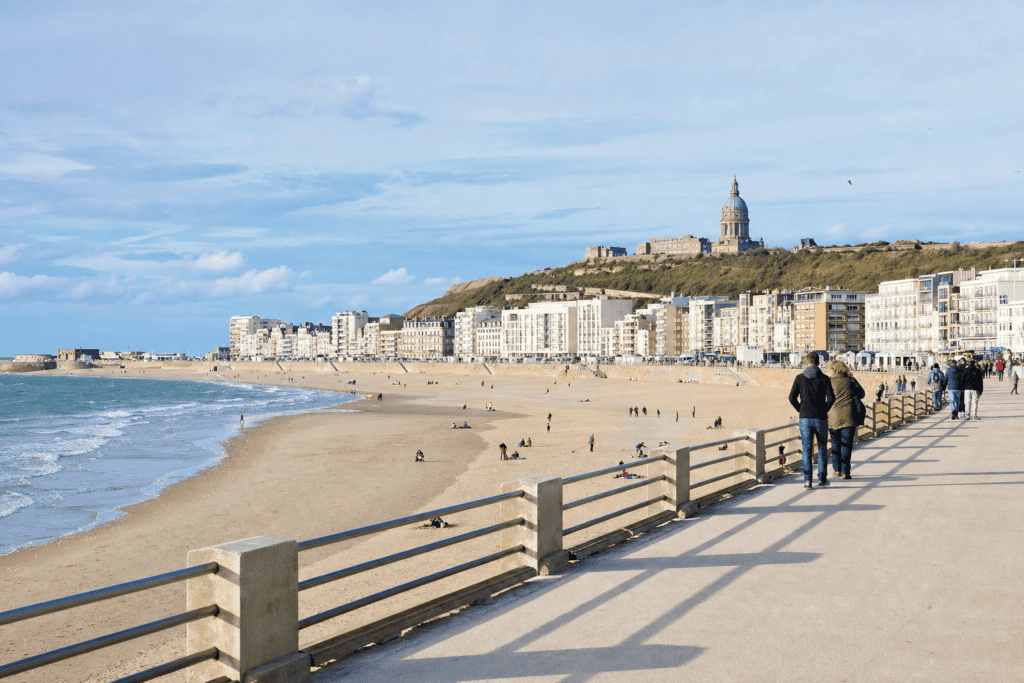 Boulogne-sur-Mer Beach and Seafront Promenade An urban beach on the Opal Coast, ideal for a walk along the seawall, a family outing…
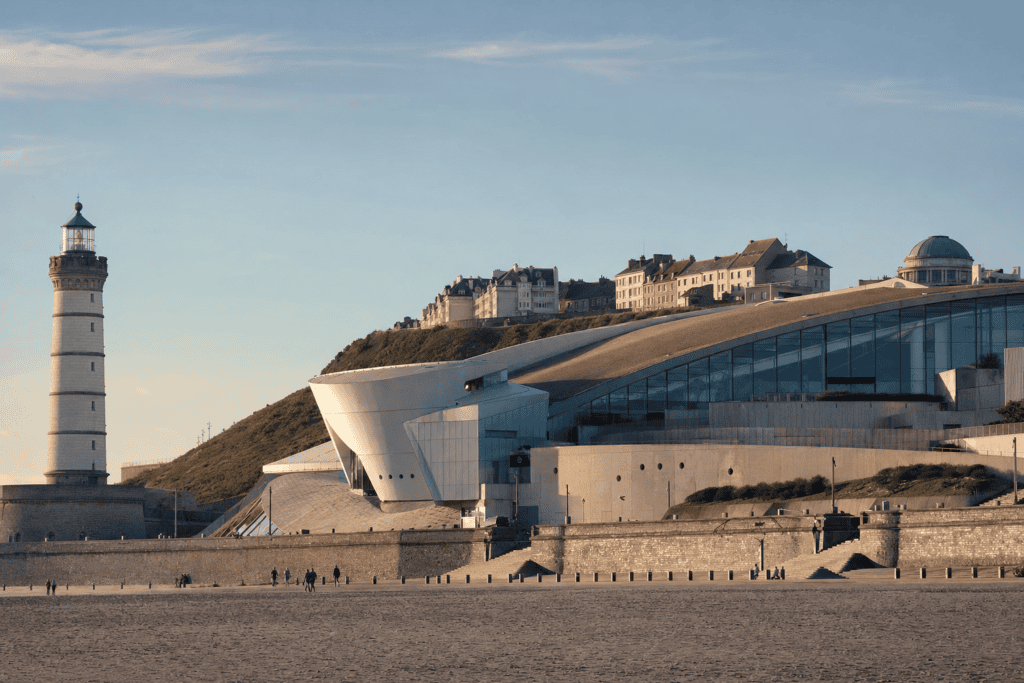 Nausicaá – National Sea Centre In Boulogne-sur-Mer, Nausicaá offers an informative immersion into the oceans, with large aquariums, marine biodiversity and…
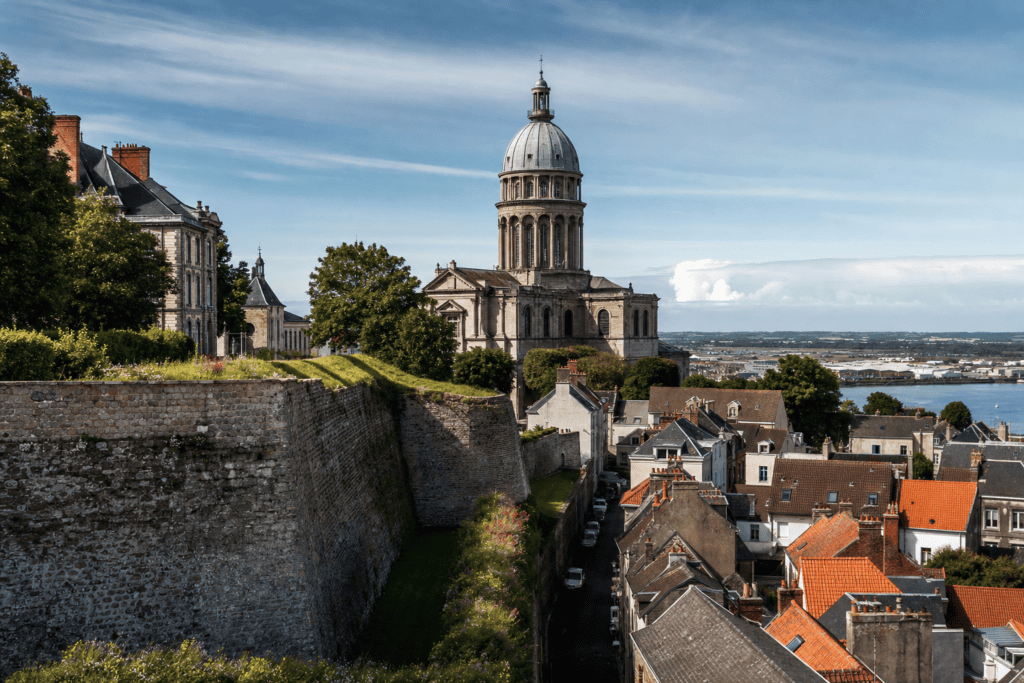 Old Town, Ramparts and Basilica of Notre-Dame of the Immaculate Conception A historical route through medieval ramparts, a château-museum, Notre-Dame Basilica and an exceptional crypt.
 A getaway to Boulogne-sur-Mer from Calais, the Eurotunnel and the A16 From Calais, Boulogne-sur-Mer is a major stop on the Opal Coast, accessible via the A16 or…
Online booking · Paris → Quai Gambetta, 62200 Boulogne-sur-Mer, France
Choose your pickup date and time
Your departure and arrival details are already pre-filled. You can adjust them in the fare calculator before viewing the vehicles and fare.