



Opal Coast · Hauts-de-France · Hauts-de-France
Boulogne-sur-Mer: Heritage and the Open Sea
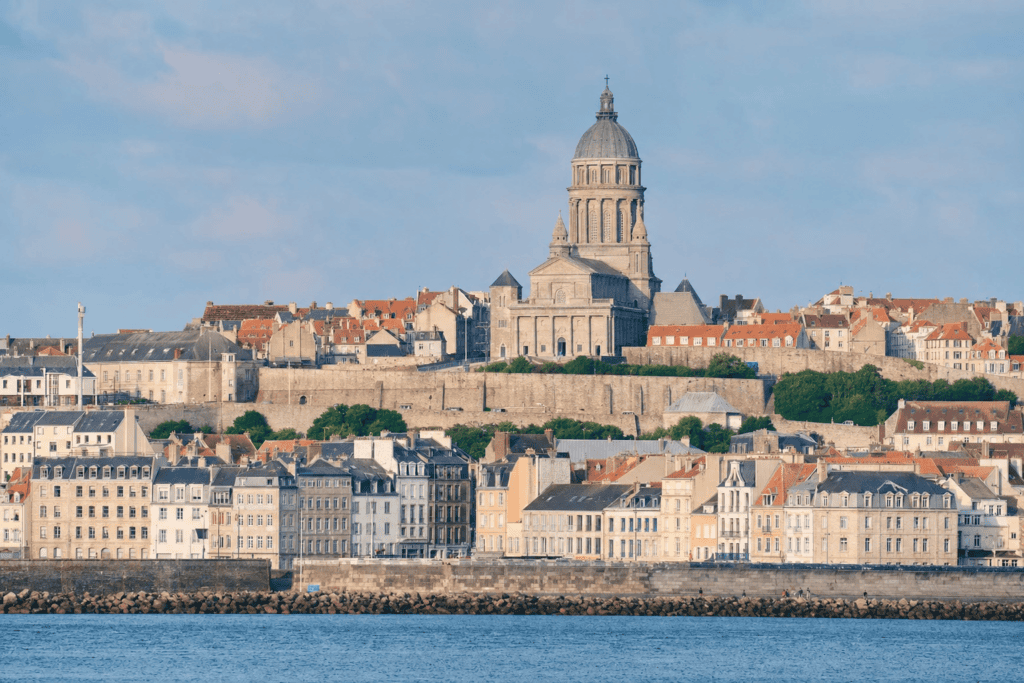
Boulogne-sur-Mer combines a fortified old town, a busy fishing port and a seafront opening onto the English Channel. From Notre-Dame Basilica and the Château-Musée to Nausicaá, the beach and the landscapes of the Opal Coast, the destination is ideal for a cultural getaway, a family stay or a food-focused stop by the sea.
Explore Boulogne-sur-Mer
Popular experiences in Boulogne-sur-Mer
 Experiences
A getaway to Boulogne-sur-Mer from Calais, the Eurotunnel and the A16
From Calais, Boulogne-sur-Mer is a major stop on the Opal Coast, accessible via the A16 or by regional train, and…
 Beaches
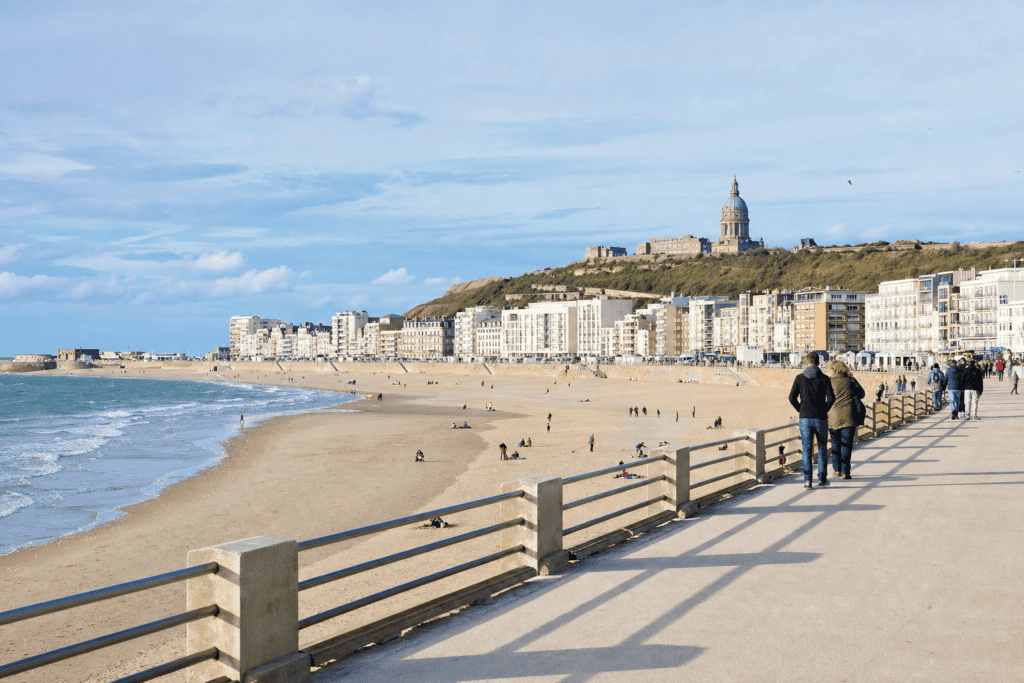
Boulogne-sur-Mer Beach and Seafront Promenade
An urban beach on the Opal Coast, ideal for a walk along the seawall, a family outing and…
 Must-see
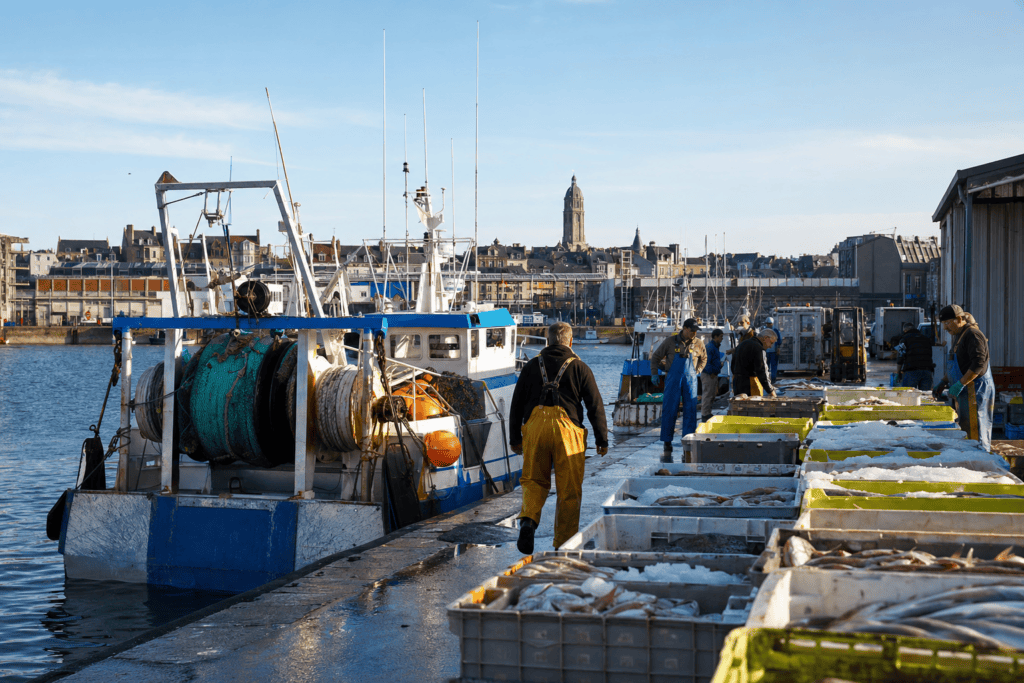
Boulogne-sur-Mer Fishing Port and Fish Market
On Quai Gambetta, discover the fish stalls, daily catches and maritime culture of Boulogne-sur-Mer, at the heart of…
 Must-see
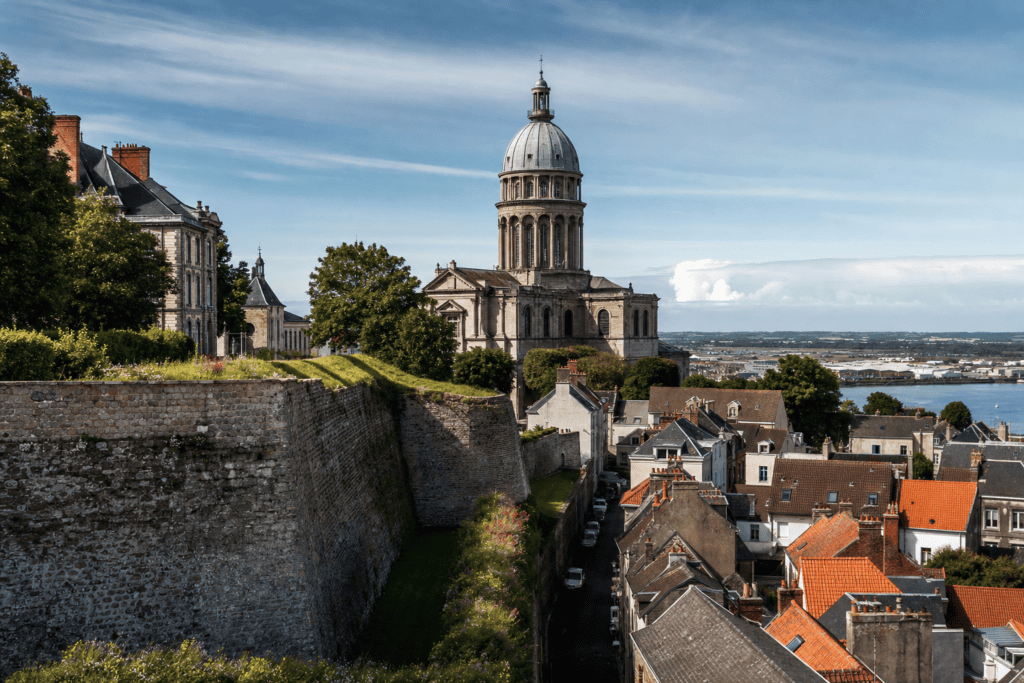
Old Town, Ramparts and Basilica of Notre-Dame of the Immaculate Conception
A historical route through medieval ramparts, a château-museum, Notre-Dame Basilica and an exceptional crypt.
 Must-see
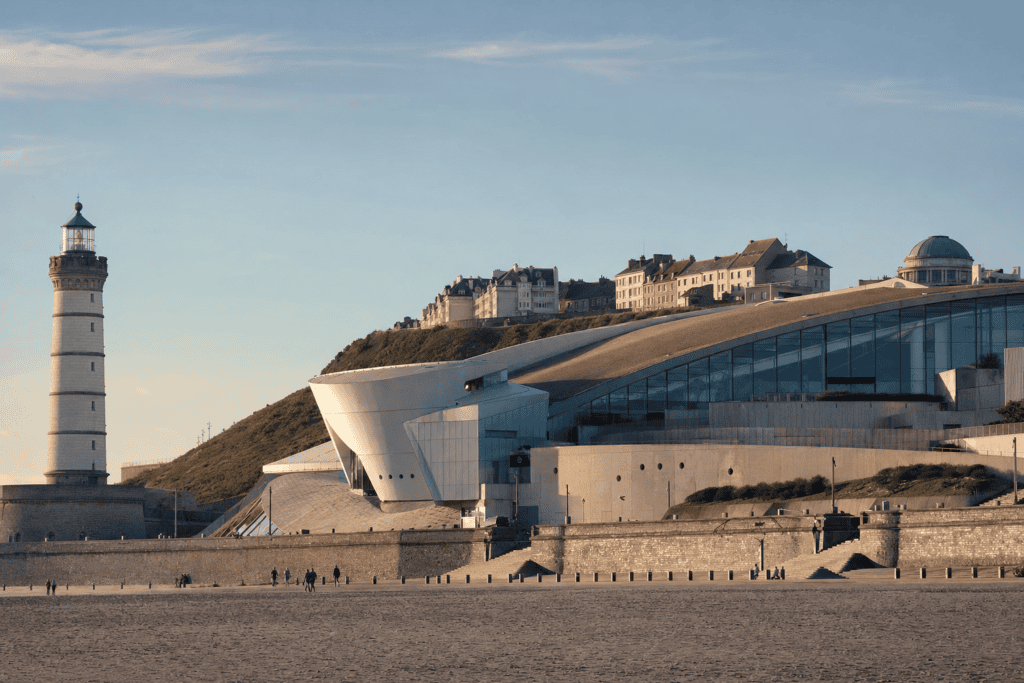
Nausicaá – National Sea Centre
In Boulogne-sur-Mer, Nausicaá offers an informative immersion into the oceans, with large tanks, marine biodiversity and awareness of…
Other destinations to discover
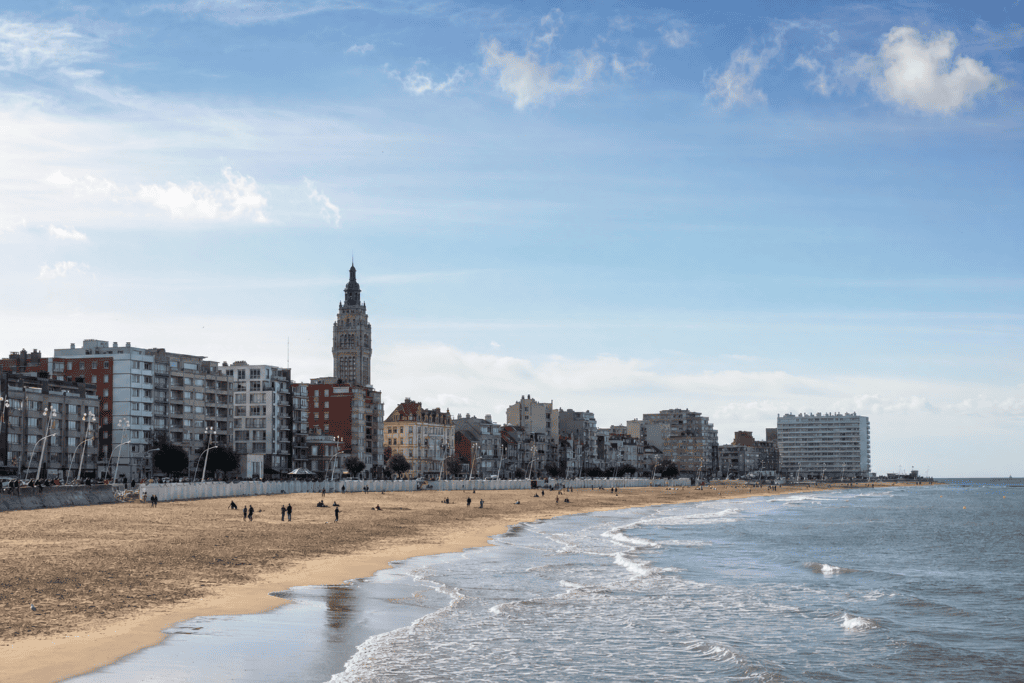
Dunkirk
A complete maritime destination with Malo-les-Bains beach, a port, carnival, museums and the history of Operation Dynamo.
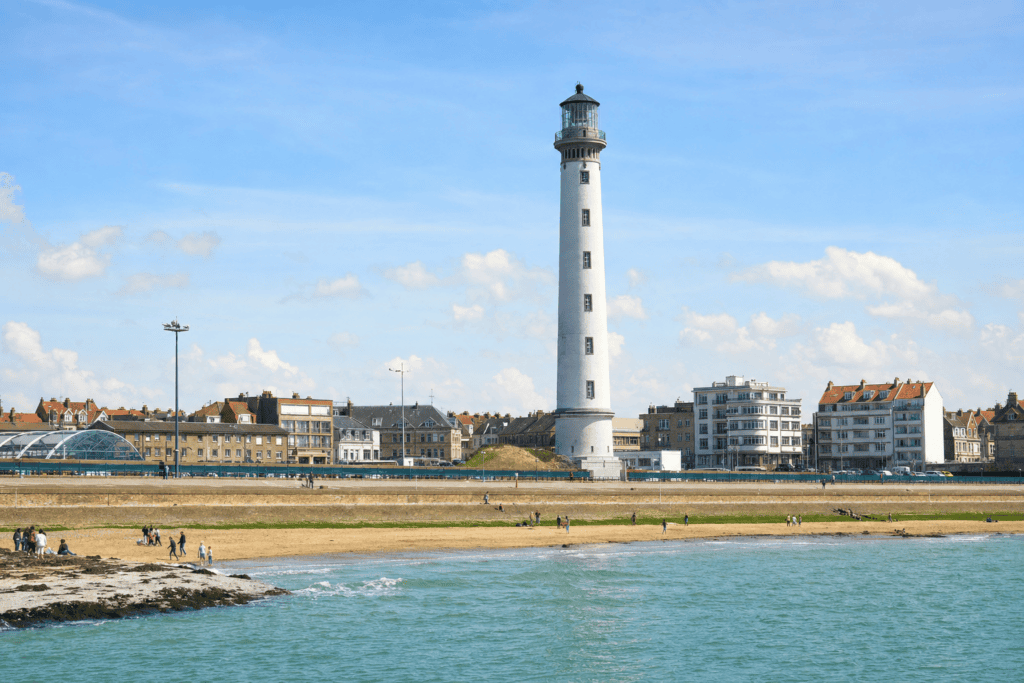
Calais
A maritime city with a beach, listed belfry, lace, Dragon, regional cuisine, and the landscapes of the Deux-Caps.
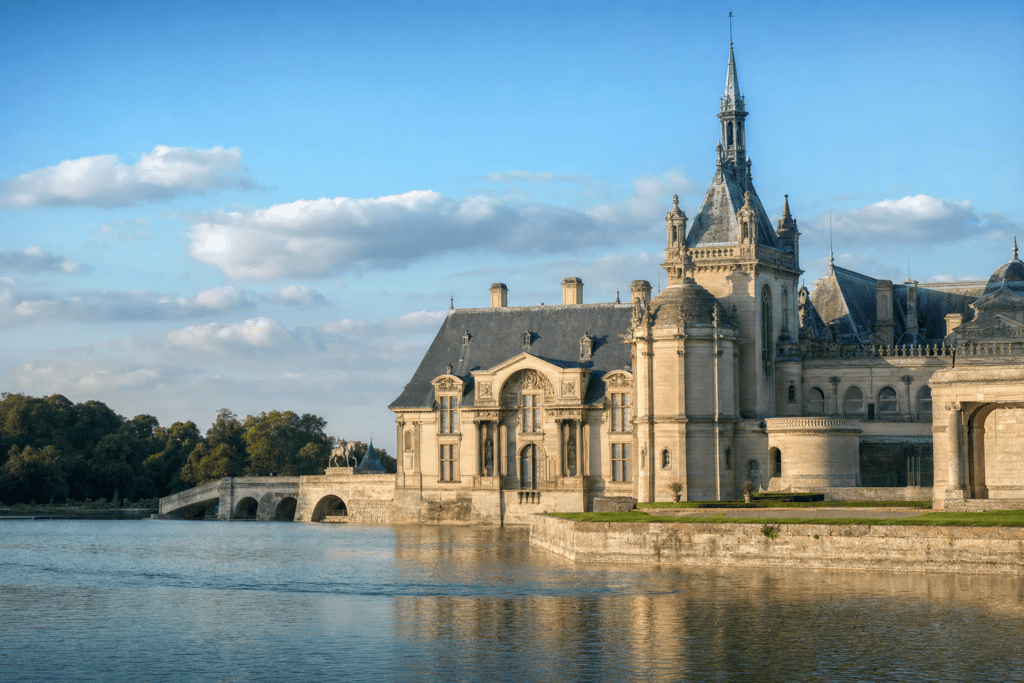
Chantilly
A remarkable princely estate near Paris, featuring the Condé Museum, Great Stables, formal French gardens,…
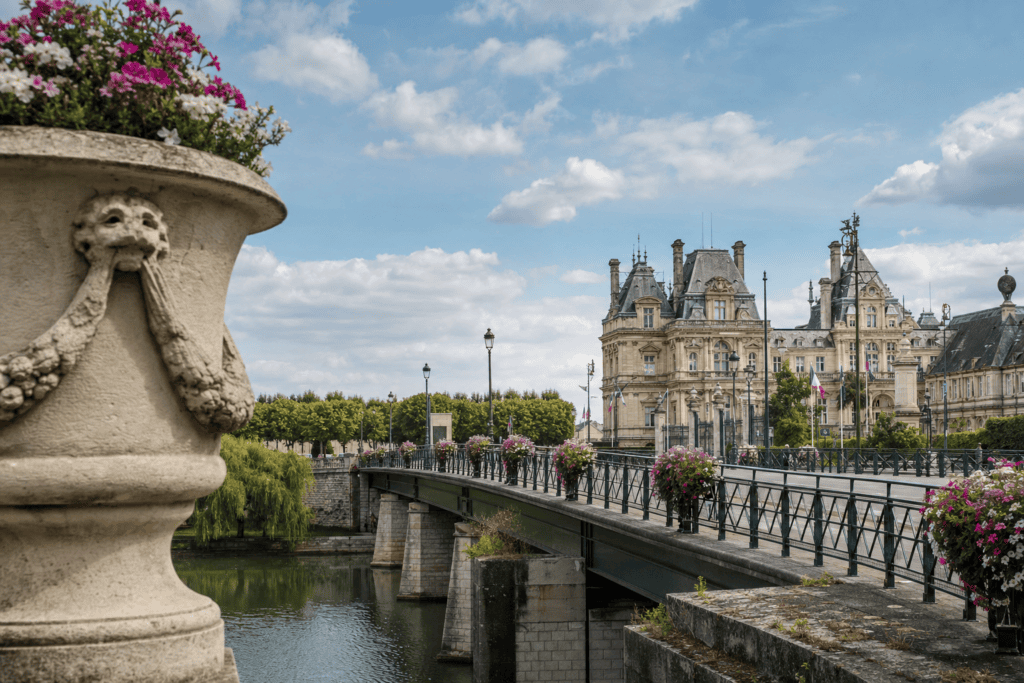
Compiègne
An imperial city with a château, historic forest, museums, gastronomy and memorial sites, ideal for a day…
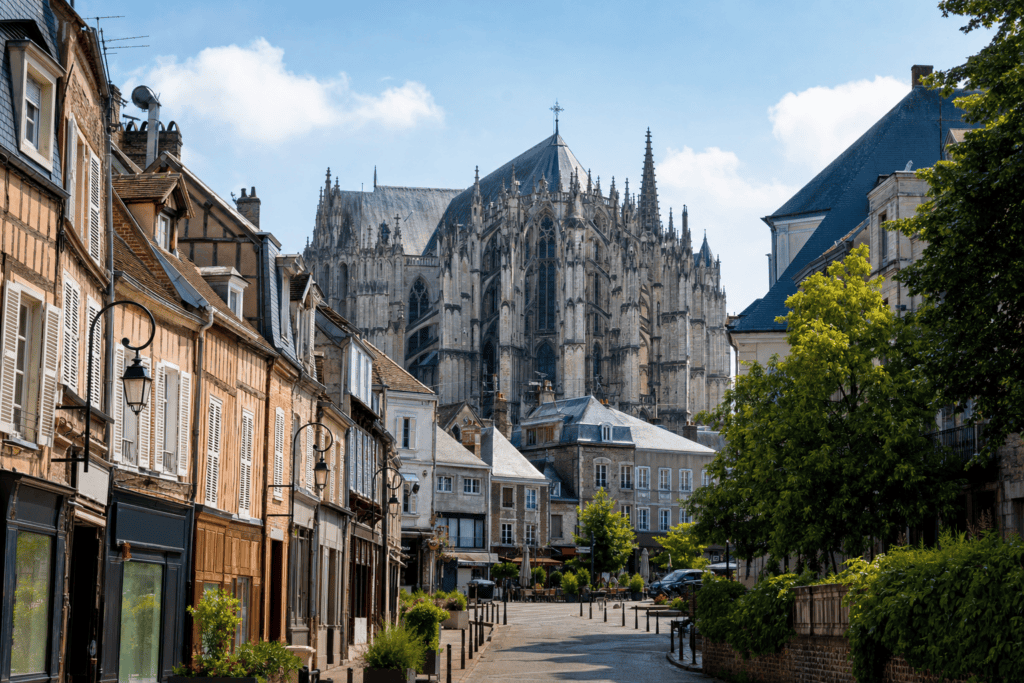
Beauvais
A heritage destination north of Paris, with an unfinished Gothic cathedral, astronomical clock, episcopal palace, tapestry and…
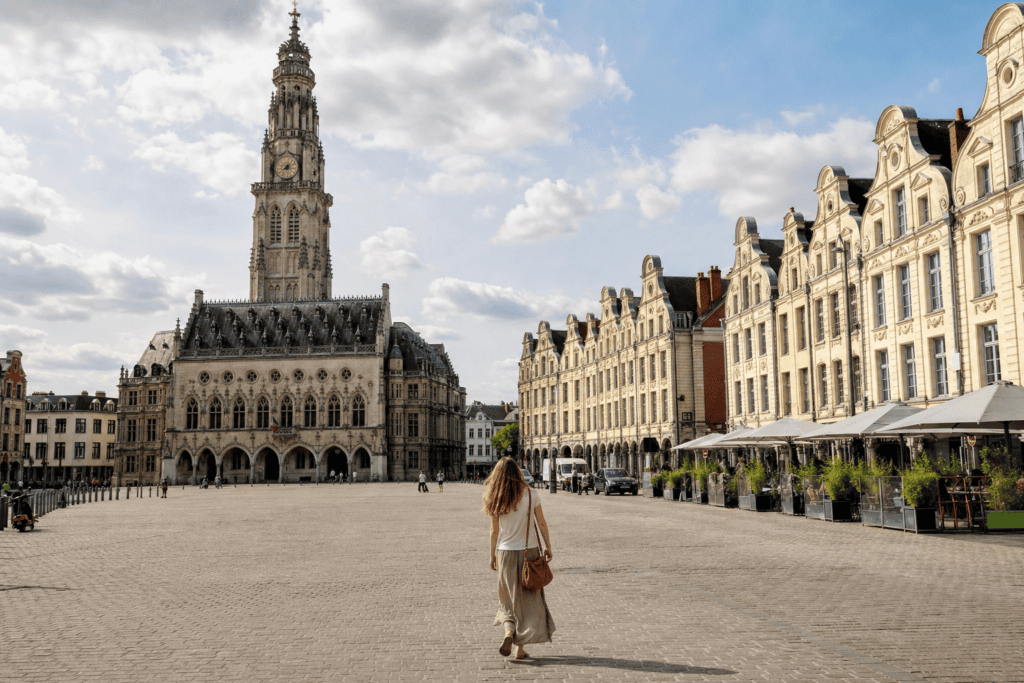
Arras
With Baroque squares, a belfry, underground passages, the Citadel and memorial sites, Arras offers a wealth of heritage in…
DESTINATION GUIDE
Boulogne-sur-Mer Travel Guide
A maritime city facing the English Channel
Boulogne-sur-Mer is one of the most complete destinations on the Opal Coast. The city brings together several different sides within a relatively easy-to-explore area: an Upper Town surrounded by ramparts, a commercial Lower Town, a fishing port and a seafront open to the English Channel. This diversity makes it easy to plan a stay around your interests, combining heritage, ocean, gastronomy and scientific discovery.
The port remains at the heart of the city’s identity. The basins, quays and Capécure district reflect the importance of the fishing industry. This presence can be felt in the restaurants, fish shops and markets, where you can discover seafood products characteristic of the Hauts-de-France coastline. Since arrivals and opening days vary by business and season, it is best to check local information before planning a food-focused visit.
The Upper Town and the ramparts
The Upper Town forms the historic heart of Boulogne-sur-Mer. Its medieval ramparts create a pleasant circular walk, lined with old gates, viewpoints and cobbled streets. From the ramparts, you can take in the Lower Town, the port and, in clear weather, the maritime horizons. A complete walk reveals the city’s strategic position, shaped over the centuries by Roman, medieval, English and Napoleonic periods.
The belfry is one of the city’s iconic monuments. This former keep, which became a symbol of municipal freedoms, belongs to the network of belfries in Belgium and France listed as a UNESCO World Heritage Site. It can be seen in the urban landscape of the Upper Town, alongside other notable buildings such as the town hall and the Imperial Palace.
Notre-Dame Basilica also dominates the historic center. Built in the 19thth century on the site of a former cathedral, it is recognizable by its vast dome. Its particularly extensive crypt preserves decorations, chapels and collections that complement a visit to the building. The Château-Musée, housed in the former comtal castle, offers varied collections covering archaeology, fine arts and non-European cultures. These sites add depth to a simple stroll through the old streets.
Nausicaá, a major coastal attraction
Near the beach, Nausicaá is the National Sea Centre and one of Boulogne-sur-Mer’s major tourist attractions. Its exhibits explore marine ecosystems, biodiversity and the relationship between human societies and the ocean. The large tanks, immersive spaces and educational features are especially popular with families, while the visit also appeals to adults interested in marine conservation and environmental protection.
You should generally allow a substantial part of the day for Nausicaá to enjoy its different areas without rushing. The aquarium is also a good option when wind or rain make outdoor activities less enjoyable. Opening hours, access conditions and peak periods change, so check Nausicaá’s official information before your visit. Afterward, the beach and the promenade along Boulevard Sainte-Beuve provide an immediate return to the open air.
Beach, seawall and fishing port
Boulogne-sur-Mer beach stretches below the city and offers a simple setting for walking, watching the changing light or taking a break by the sea. The seawall is pleasant for an accessible stroll, especially at the end of the day. The scenery depends greatly on the tide, wind and season: some days reveal a bright horizon, while others highlight the wilder character of the English Channel.
To extend this discovery, explore the port and maritime neighborhoods alongside the Upper Town. A guided tour or route focused on the port’s history can be a good way to understand the fishing trades and how the city is organized. However, be sure to respect working areas and local instructions around the professional harbor basins.
Explore the Opal Coast around the city
Boulogne-sur-Mer is a good base for exploring the surrounding landscapes. Wimereux, to the north, charms visitors with its seaside villas, seawall and family-resort atmosphere. The Slack dunes offer a more natural environment, while Cap Gris-Nez and Cap Blanc-Nez form one of the Opal Coast’s great landscapes. Trails and access points can be exposed to the wind; suitable footwear and checking the weather conditions are recommended.
Coastal walks also require attention to trail conditions, cliffs and tide times when the route approaches the foreshore. For a longer excursion, Le Touquet-Paris-Plage and Calais can be included in a regional itinerary, but travel time and traffic conditions should be taken into account. Photographers will particularly appreciate the morning or late-afternoon light on the cliffs, beaches and coastal villages.
How to get there and plan your stay
Boulogne-Ville station serves the main trains to the city. Boulogne-Tintelleries station is closer to the Upper Town and historic center, which may be convenient depending on your accommodation. From Paris, traveling by train allows you to arrive without a car and then reach the main sites on foot or by local transportation. For an itinerary combining the city with the capes and coastal villages, however, a car can offer greater flexibility.
By road, the A16 motorway connects Boulogne-sur-Mer with Calais, Dunkirk, Amiens and the main routes toward the Paris region. This makes it a natural stop for travelers arriving from Calais, the Eurotunnel or the ferry terminals. Travel times may be longer during school holidays, summer weekends and major departure periods. Check traffic conditions and parking options before arriving, especially during events or busy periods.
- For a first day: start with the Upper Town, ramparts, basilica and Château-Musée, then head down to the beach.
- For a family stay: set aside a long half-day or a full day for Nausicaá and leave time for the seafront.
- For a foodie weekend: combine the port, seafood, the market and a restaurant in the city center.
- For a nature-focused stay: plan an excursion to Wimereux, the Slack or the capes of the Opal Coast.
Which season should you choose?
Spring and summer are ideal for walks along the seawall, trips to the capes and breaks on a terrace. They are also the busiest periods, especially during school holidays. Autumn brings interesting light to the ramparts and coastline, along with a quieter atmosphere. Winter is well suited to a cultural stay centered on Nausicaá, the basilica, the Château-Musée and the city’s restaurants, subject to checking opening hours and any seasonal adjustments.
Boulogne-sur-Mer deserves more than a quick stop between two destinations. Its concentrated heritage, railway station, motorway access and proximity to the Opal Coast’s major landscapes make it easy to create a well-balanced itinerary. In one day, you can go from the ramparts to the beach; over a weekend, add Nausicaá, the port and an excursion to the capes. This combination of history, ocean and gastronomy is what makes the destination unique.
Useful sources
Getting to Boulogne-sur-Mer from Paris
Booking Paris Transfer can arrange a private trip from Paris, the Île-de-France region, or airports CDG and ORY to Boulogne-sur-Mer, with a return to Paris. An itinerary starting in Paris can also include Calais, Wimereux, or other stops along the Opal Coast. The service covers private transportation only: admission tickets for Nausicaá, museums, and attractions are not sold by Booking Paris Transfer.