



Visit the Old Town of Boulogne-sur-Mer
Boulogne-sur-Mer
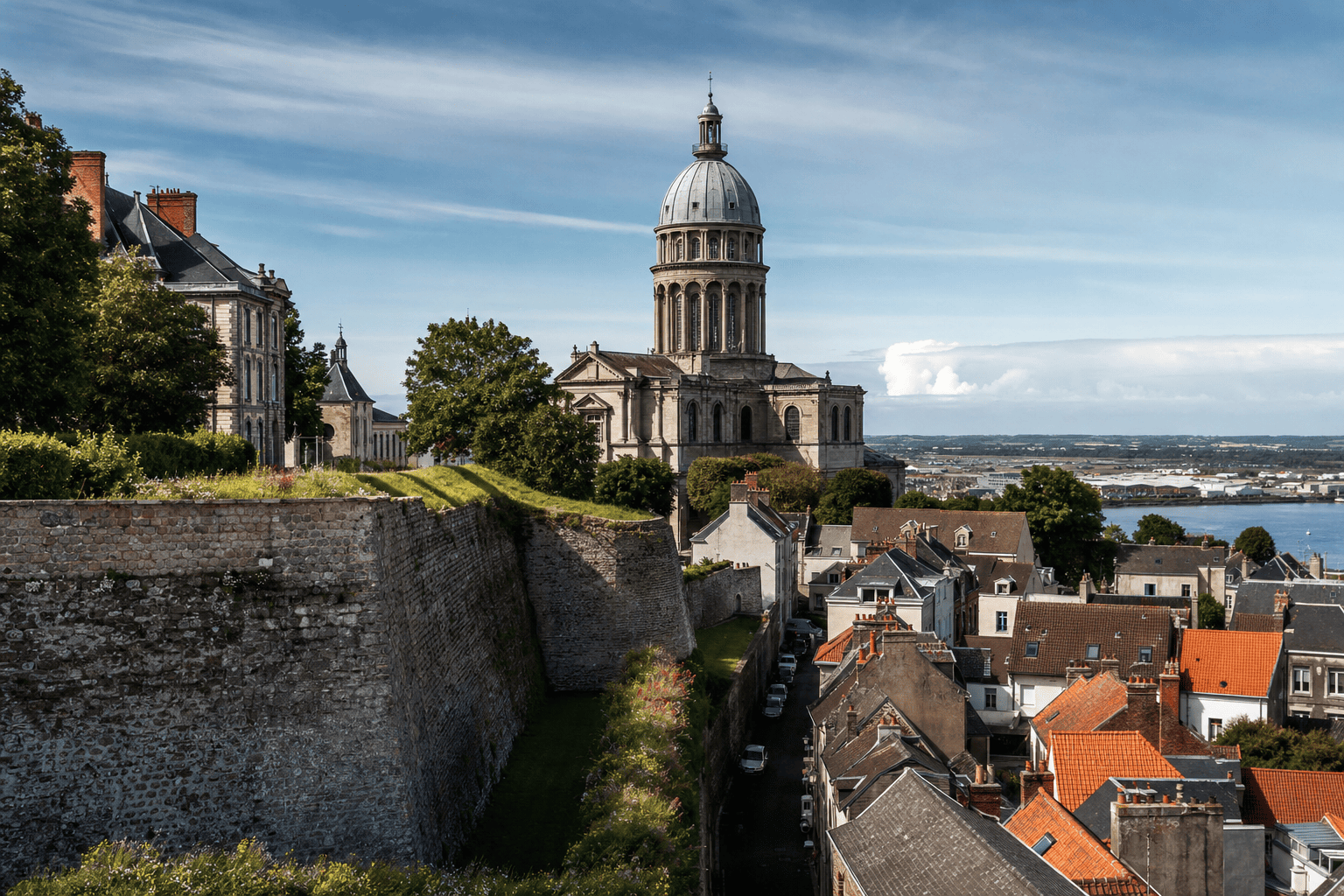
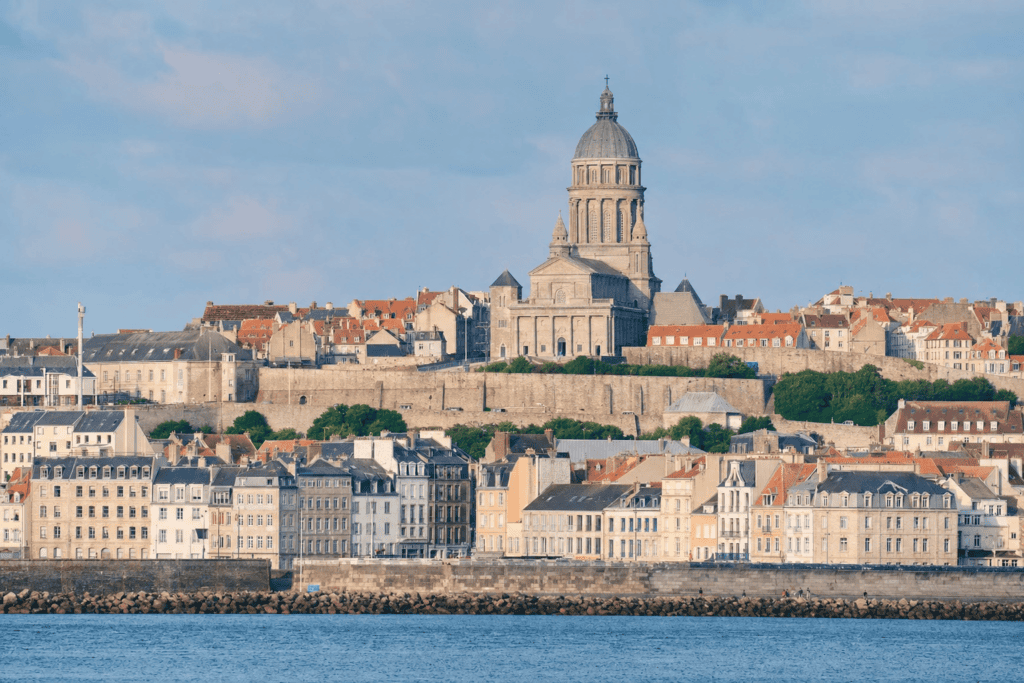
Boulogne-sur-Mer’s Old Town is a compact fortified city set on the heights above the Liane. Its 13th-century ramparts, château-museum, belfry, and Notre-Dame de l’Immaculée-Conception Basilica create an exceptionally rich heritage trail. Beneath the basilica, the crypt brings together archaeological remains, paintings, sculptures, and religious objects in a remarkable underground setting. This visit also offers insight into the relationship between the upper town, the port, and the Côte d’Opale coastline. Allow two to four hours for the main monuments. A full day lets you add the old streets, port, seafront, and Nausicaá in the lower town.
Practical information
Start with the ramparts, continue to the château-museum, then visit the basilica and its crypt. Wear sturdy shoes and allow extra time for the slopes. During the high season or an event, park around the fortified city rather than looking for a space in front of the basilica.
Getting to Boulogne-sur-Mer from Paris
Booking Paris Transfer arranges private trips from Paris, a Paris hotel, CDG, or ORY to Boulogne-sur-Mer, with a return to Paris or continuation of your itinerary. The service covers transportation only: monument visits and tickets must be booked directly with the venues.
Departure from Paris, Île-de-France, CDG, or ORY; no admission ticket is included.
Why visit the fortified city?
Boulogne-sur-Mer’s Old Town is the best place to begin understanding the city. Within a compact area, it brings together medieval fortifications, a former comital castle, a monumental basilica, a belfry, and several civic buildings. Even without entering every monument, the walk provides a clear overview of the city’s history and development.
The upper town overlooks the lower town and the Liane valley. This position explains the site’s defensive purpose, while the nearby port reflects Boulogne’s maritime identity. From the ramparts, you can take in the old rooftops, modern neighborhoods, and port facilities. The contrast between the protected fortified city and the town oriented toward the sea is one of the highlights of the route.
The visit is suitable for a first introduction, a cultural getaway, or a stop along the Côte d’Opale. Architecture enthusiasts can examine the gates and towers; families can combine the château-museum with Nausicaá, planning the journey between the upper town and the seafront. The city is also well suited to photography, especially when the light emphasizes the stonework.
The ramparts and sentry walk
The ramparts form the backbone of the fortified city. Their construction dates to the beginning of the 13thth century, under the direction of Philippe Hurepel, Count of Boulogne, on an older defensive site. Their nearly circular layout helps explain the shape of the fortified city and the historic control of its entrances. The various gates still provide clear landmarks for walkers.
The sentry walk alternates between open stretches, towers, stairways, and gates. On the inner side, it reveals the gardens, façades, and buildings of the upper town; on the outer side, it opens onto views of newer neighborhoods, the valley, and port facilities. The walk thus highlights the contrast between the historic city and maritime Boulogne without requiring a long journey.
Walking conditions vary by section: cobblestones, steps, and slopes can make some areas difficult with a stroller or wheelchair. Construction, ceremonies, or events may also temporarily alter access. Wear shoes with good grip and ask the tourist office for an accessible route if accessibility is essential.
The château-museum and its collections
The château-museum occupies the former comital castle, built in the 13thth century on an older defensive site. Once a residence for the counts, fortress, barracks, and prison, the building served several purposes before becoming a museum. The courtyard, rooms, underground areas, and military features trace these changes and allow the architecture to be read as a historical document.
The collections extend far beyond local history. Boulogne archaeology is displayed alongside Egyptian collections, paintings, and objects from places including the Pacific and Alaska. This international scope reflects Boulogne’s maritime history and the legacy of Auguste Mariette, an Egyptologist born in the city. The visit therefore combines a medieval fortress, archaeology, and world cultures.
First, take in the building from the courtyard, then spend time in the galleries according to your interests. Temporary exhibitions, activities, opening days, admission fees, and hours may change; check the information published by the museum before you leave. This is especially useful in the off-season, during school vacations, and when your plans depend on a guided tour or activity.
Notre-Dame de l’Immaculée-Conception Basilica
With its vast dome, the Notre-Dame de l’Immaculée-Conception Basilica towers over the fortified city and remains visible from many points in Boulogne-sur-Mer. The current building dates mainly from the 19thth century, but it continues an older Marian tradition linked to the story of the arrival of a statue of the Virgin and the development of an important pilgrimage.
Inside, the volume of the dome and nave contrasts with the narrow streets and nearby walls. The basilica adds a religious, artistic, and architectural dimension to the historical route. It remains an active place of worship, however, so visitors should respect services, ceremonies, prayer times, and any instructions posted at the entrance.
From the nave, take time to observe the proportions, decoration, and light. Access to the church and access to the crypt may not be subject to the same conditions. Hours may differ or change for liturgical reasons. If the interior is an essential part of your plans, check the parish or tourist office information before setting out.
The crypt and basilica treasury
The crypt is one of Boulogne-sur-Mer’s most distinctive heritage spaces. Created in the 19thth century around Romanesque remains discovered during construction of the basilica, it extends through underground galleries and rooms. Its murals, decorated vaults, and distinctive light create a striking contrast with the church above.
The route brings together several periods and techniques: ancient remains, stone fragments, sculptures, paintings, liturgical objects, and goldsmiths’ work. The Holy Blood reliquary, traditionally associated with a gift from Philip the Fair in 1308, is among the treasury’s best-known objects. The crypt thus tells the city’s religious history while revealing its archaeological layers.
The entrance is on Rue de Lille, within the basilica grounds. Hours, admission fees, and access conditions differ from those of the church and should be confirmed with the official source. Stairs, underground spaces, and some passageways may make the visit challenging for people with reduced mobility or young children. Ask specifically about access options before purchasing a ticket, if applicable.
Old streets, belfry, and civic monuments
The visit is not limited to monuments with set opening hours. After the ramparts, explore the upper town at a leisurely pace. Rue de Lille, Grande Rue, and the streets near the fortress offer views of historic façades, stone surrounds, and narrow passageways. The fortified gates serve as landmarks for understanding the former entrances and layout of the city.
The belfry recalls Boulogne-sur-Mer’s municipal history. The town hall, courthouse, and former Annonciades convent complete the landscape of civic, administrative, and religious functions. Even when they are not open for independent visits, these buildings can be viewed from public spaces for their scale, materials, and setting. The route is best enjoyed without rushing.
A map from the tourist office helps locate the gates, gardens, and viewpoints. Markets, ceremonies, or events may alter circulation through the fortified city. For a break, head back down toward the center, where there is a wider selection of shops and restaurants, before continuing to the port or seafront. This transition connects monumental heritage, everyday life, and maritime identity.
Travel from Paris, ferries, and the coast
From Paris, the road route generally follows the A16, the main highway along the Côte d’Opale. By train, Boulogne-Ville and Les Tintelleries serve the urban area; Les Tintelleries is close to the fortified city, while Boulogne-Ville is farther away and requires more walking or a local connection. Coastal roads may be slower on summer weekends, during vacations, and in good weather.
Boulogne-sur-Mer can also be part of an international road trip. The ports of Calais and Dunkirk operate ferry services to the United Kingdom, depending on the operator and season. The Eurotunnel terminal at Calais-Fréthun is another arrival point for travelers by car or coach. These facilities are not within the fortified city: check sailing times, requirements, and transfer times before planning your visit.
If you are driving, do not plan to park in front of the basilica. The upper town’s streets are narrow, some spaces are regulated, and demand increases during the season. Follow signs to parking lots and spaces around the ramparts, then finish on foot. Cobblestones, slopes, and stairs require careful route planning for visitors with reduced mobility; also check bus routes and local detours on the day.
For a full day, combine the upper town with the port, seafront, and Nausicaá in the lower town, allowing extra time for travel between sites. From Paris, CDG, ORY, or Île-de-France, Booking Paris Transfer can arrange private transportation to Boulogne-sur-Mer, with a return to Paris or continuation of your itinerary. Monument admission fees and tickets must be purchased separately.
Frequently Asked Questions
How long does it take to visit Boulogne-sur-Mer’s Old Town?
Which train station should I use to reach the fortified city?
Are the ferries and the Eurotunnel close to Boulogne-sur-Mer?
Is the fortified old town accessible to people with reduced mobility?
Can you visit the old town and Nausicaá on the same day?
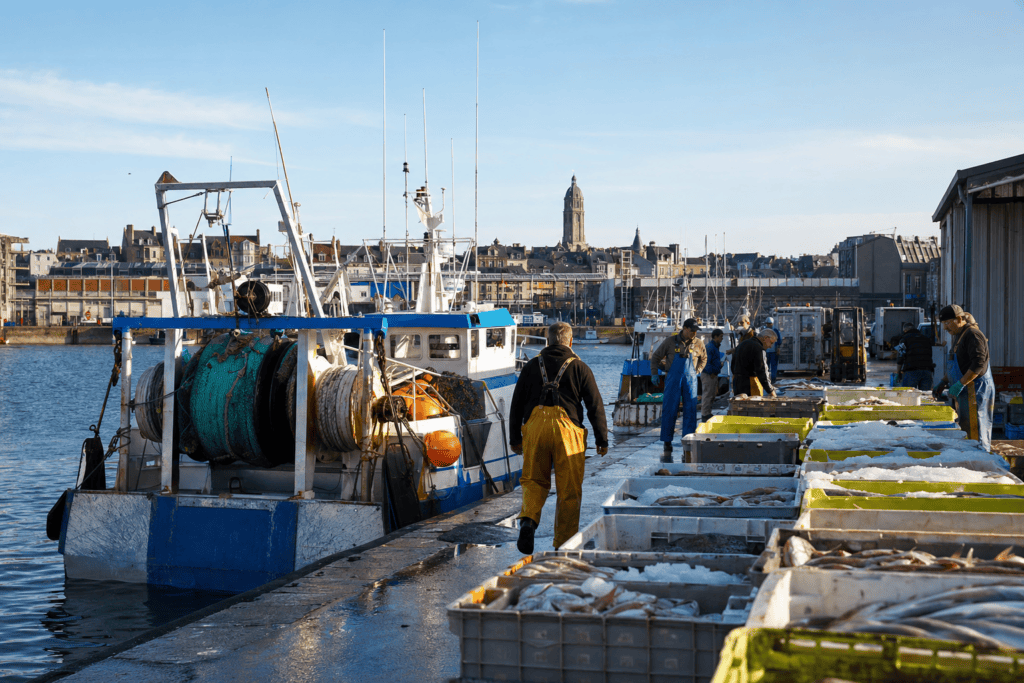 Boulogne-sur-Mer Fishing Port and Fish Market On Quai Gambetta, discover the market stalls, daily catches and maritime culture of Boulogne-sur-Mer, at the…
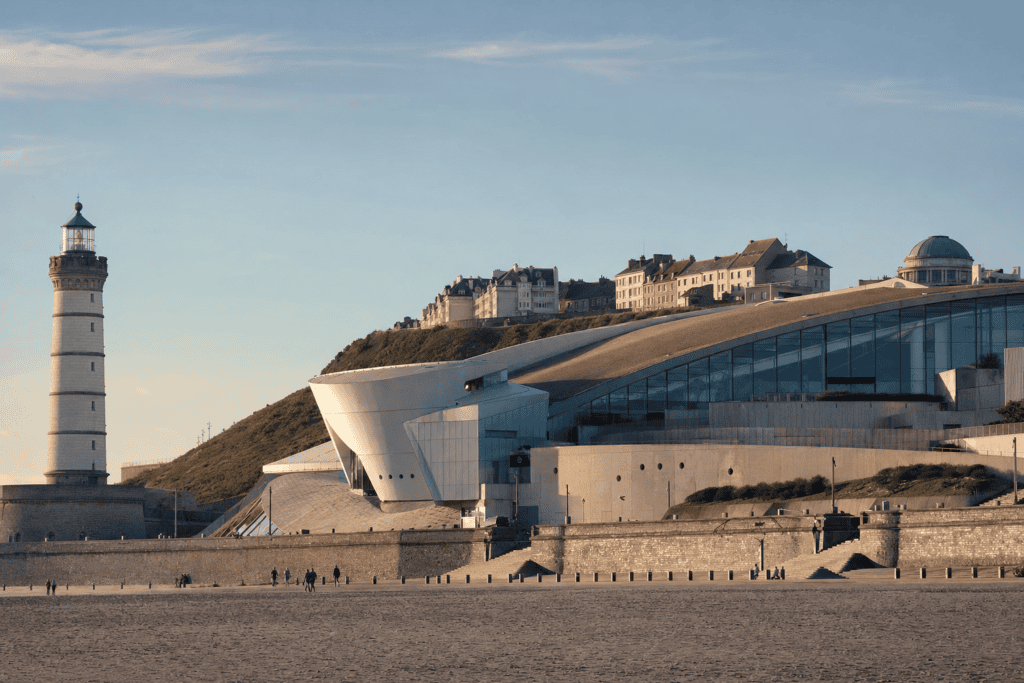 Nausicaá – National Sea Centre In Boulogne-sur-Mer, Nausicaá offers an informative immersion into the oceans, with large aquariums, marine biodiversity and…
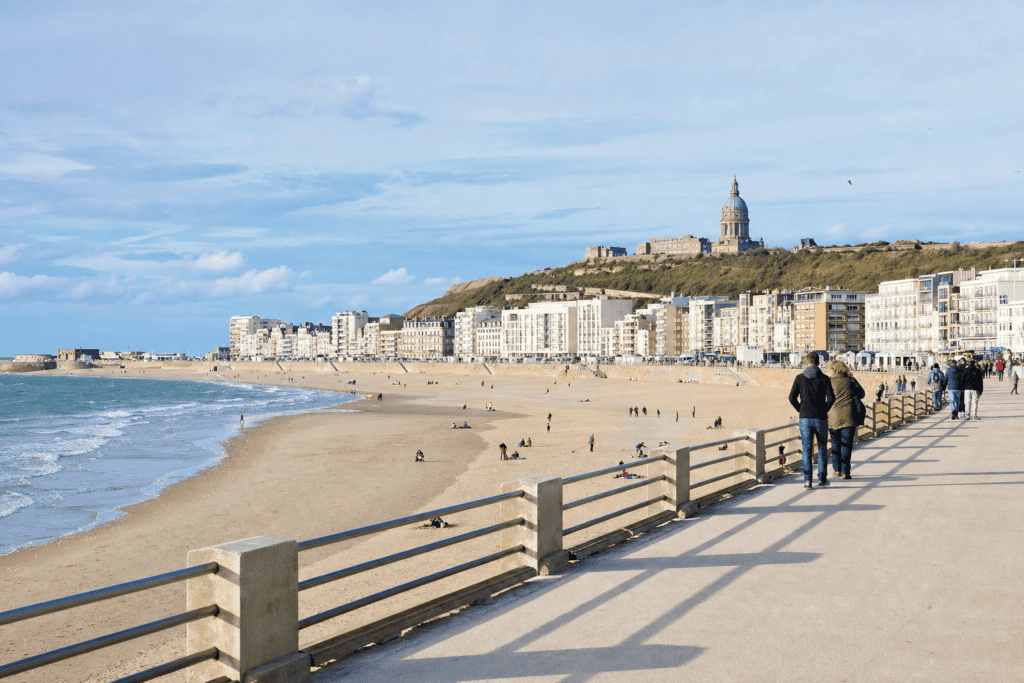 Boulogne-sur-Mer Beach and Seafront Promenade An urban beach on the Opal Coast, ideal for a walk along the seawall, a family outing…
 A getaway to Boulogne-sur-Mer from Calais, the Eurotunnel and the A16 From Calais, Boulogne-sur-Mer is a major stop on the Opal Coast, accessible via the A16 or…
Online booking · Paris → Fortified Old Town, 62200 Boulogne-sur-Mer, Pas-de-Calais, Hauts-de-France
Choose your pickup date and time
Your departure and arrival details are already pre-filled. You can adjust them in the fare calculator before viewing the vehicles and fare.