



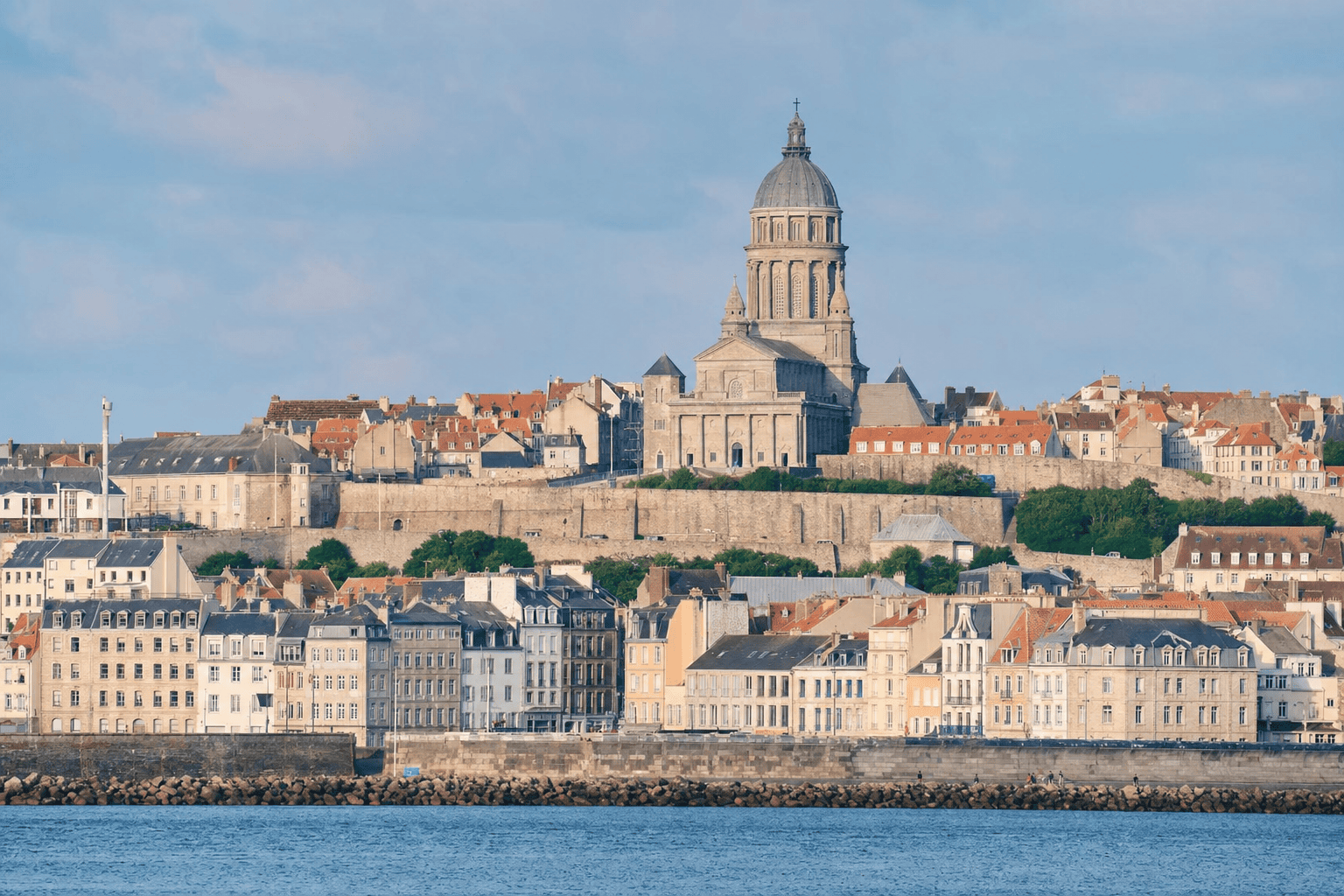
Boulogne-sur-Mer from Calais: Getting There and Things to See
Boulogne-sur-Mer
A getaway to Boulogne-sur-Mer from Calais is easy to plan, whether you arrive by ferry, Eurotunnel, train, or the A16. The city combines an active port, a long beach, the Nausicaá National Sea Centre, and an upper town surrounded by ramparts. This guide covers the most practical routes, the differences between the stations, parking considerations, and a suggested itinerary to help you enjoy your day without unnecessary detours. Since schedules, local services, and traffic conditions may change, always check official information before setting out.
Practical information
After a ferry or the Eurotunnel, allow extra time to exit the terminal, clear checks, collect luggage, and account for delays before continuing to Boulogne-sur-Mer.
From Paris to Boulogne-sur-Mer
To include Boulogne-sur-Mer in an itinerary starting in Paris, Booking Paris Transfer can look into private transportation from a Paris hotel, Charles-de-Gaulle, or Orly, with a return to Paris. This option suits a day devoted to Nausicaá, a stop on the Opal Coast, or a journey coordinated after a flight. Availability and the itinerary must be confirmed; the service does not include transportation tickets or attraction admission.
Departure from Paris, a Paris hotel, CDG, or ORY; return to Paris or an itinerary beginning in Paris, subject to confirmation.
Why Travel from Calais to Boulogne-sur-Mer?
Calais and Boulogne-sur-Mer are two complementary stops on the Opal Coast. Calais is often a gateway into France for travelers arriving from the United Kingdom, thanks to its port and the Eurotunnel terminal in Coquelles. Boulogne-sur-Mer, meanwhile, deserves a proper stop: its fishing and commercial port remains active, its beach offers views across the English Channel, and its upper town preserves an impressive set of ramparts.
The journey works equally well for a family outing or as part of a touring route between Calais, Le Touquet-Paris-Plage, and other coastal sights. Nausicaá is an obvious reason to visit, but it does not define the entire destination. The Notre-Dame Basilica, the château-museum, the old town streets, and the views from the ramparts give Boulogne-sur-Mer a strong historic identity.
Before choosing your route, decide what matters most. A family carrying luggage will want the most direct access to its accommodation or Nausicaá; visitors focused on heritage may prefer to be near the upper town. This distinction helps avoid unnecessary walking and makes better use of a day that may be limited by a ferry or train schedule.
Arriving After a Ferry or the Eurotunnel
From the Port of Calais and the Eurotunnel terminal in Coquelles, the A16 is the natural road route to Boulogne-sur-Mer. However, the rail terminal and port facilities are not in the same location, so check your exact departure point before starting navigation. Once you leave the ferry or train, you still need to allow for checks, luggage collection, traffic around the terminal areas, and possible crossing delays.
The relatively short distance should therefore not be mistaken for a guaranteed journey time. During school holidays, summer weekends, roadworks, or poor weather, the total travel time may vary. If you have booked a timed visit, allow a comfortable buffer and check your carrier’s information before departure.
Travelers without a car can consider rail options from Calais. Depending on the date, ticket, and service selected, the journey may involve a connection or arrival at one of Boulogne-sur-Mer’s two stations. Check the operational details when booking rather than relying on a theoretical route.
Taking the Train from Calais
The TER is a convenient option for reaching Boulogne-sur-Mer without driving. Be sure to distinguish between Calais-Ville and Calais-Fréthun, as these stations are not the same departure point and may affect your connection. Upon arrival, the train may serve Boulogne-Ville or Boulogne-Tintelleries, depending on the scheduled service. Check SNCF Connect or TER Hauts-de-France for the exact date, any applicable platform information, and service changes.
Boulogne-Ville is the town’s main station. It is located in the Bréquerecque district, south of the historic center, and suits travelers continuing to accommodation, another town, or local transportation. Boulogne-Tintelleries is closer to the upper town and the Jardin des Tintelleries; depending on your final destination, it may reduce the walk to the ramparts, château-museum, and basilica.
With children, luggage, or a tight schedule, compare the remaining walk, connections, and available services instead of automatically choosing the first station displayed. The general name “Boulogne-sur-Mer” does not always identify the best arrival point.
Choosing the Right Station and Getting Around the City
The choice between Boulogne-Ville and Tintelleries mainly depends on your itinerary. For intercity arrivals, Boulogne-Ville is generally the simplest reference point. It may work well for continuing to Nausicaá, but local transportation and any shuttle services should be checked in the information published at the time of your visit. Do not assume that a service announced in a previous season still runs on the same schedule.
Tintelleries is a good option for a day focused on heritage. From this stop, the upper town is closer, but the walk includes sloping streets and some cobblestones. People with reduced mobility and travelers with heavy suitcases should check the exact route before setting out.
In the center, many journeys can be made on foot, particularly between the shopping streets, ramparts, and upper-town monuments. For Nausicaá, the beach, or the station, the bus network may be useful; check routes, stops, frequencies, and any disruptions with the local operator. A taxi can also simplify a one-off journey, subject to availability.
Nausicaá, the Beach, and Parking
Nausicaá is located on the seafront, near the beach and Boulevard Sainte-Beuve. The National Sea Centre is often the highlight of a first visit, especially with children. Since a visit can take considerable time, avoid scheduling a tight train connection or an immediate return to Calais after leaving. Check Nausicaá’s official website directly for opening hours, access conditions, services, and any shuttle options.
If you are driving, do not assume parking around the aquarium will be readily available. Spaces near the seafront may be in high demand on weekends, during holidays, and on sunny days. Rules, paid-parking areas, permitted durations, and seasonal conditions may differ from one area to another. The old town also has narrow, sloping streets and limited parking; it is better to consult municipal information and follow the signs than to search for a space at the foot of the ramparts.
For a smoother day, park according to official guidance and group your visits by neighborhood. Nausicaá and the seafront can make up the first part of your itinerary before you walk or take transportation suited to your needs to the upper town.
Discover the Old Town and the Port
The upper town is the heritage heart of Boulogne-sur-Mer. Its ramparts form a pleasant walk, with views over the rooftops, port, and, on clear days, the coastal landscape. Fortified gates, historic streets, and squares give the walk an atmosphere distinct from the seafront. The Notre-Dame Basilica, recognizable by its dome, overlooks the city, while the château-museum provides an important cultural complement.
Wear suitable shoes: cobblestones, inclines, and changes in elevation can make the visit tiring after a long journey. Opening hours and visiting conditions for monuments vary; check with the venues or tourist office before planning your itinerary.
The lower town offers a different perspective. The port reflects the town’s maritime heritage, while the beach and promenade provide a more open setting for a break. A balanced itinerary could begin at Nausicaá, continue along the seafront, and then climb to the upper town in the late afternoon. With two days, you can spread out the heritage sites, museum, port, and coastline without rushing between neighborhoods.
Planning Your Return to Calais or Paris
Calculate your return to Calais from the check-in time required by your ferry company or the scheduled Eurotunnel time, not from Boulogne-sur-Mer’s theoretical departure time. Allow extra time for the A16, traffic, checks, and terminal procedures. An extended visit to Nausicaá or a late lunch can make the schedule too tight if you have booked a crossing for the same day.
By train, check the departure station and connections before leaving your accommodation. For Paris, Boulogne-Ville is often the reference point, but schedules and routes vary by day. If Boulogne-sur-Mer is part of a trip that began in Paris, Booking Paris Transfer can look into private transportation departing from Paris, a Paris hotel, Charles-de-Gaulle, or Orly, with a return to Paris depending on the selected itinerary. This option must be confirmed when booking and does not mean automatic availability from Calais.
Private transportation covers transportation only: it does not include a ferry ticket, Eurotunnel ticket, or admission to Nausicaá or any monument. Check official schedules and traffic conditions before finalizing your day.
Useful sources
Frequently Asked Questions
What is the best route between Calais and Boulogne-sur-Mer?
Can you travel from Calais to Boulogne-sur-Mer by train?
Which station should you choose to visit the old town?
Where can you park near Nausicaá or the ramparts?
Does Booking Paris Transfer offer a transfer from Calais?
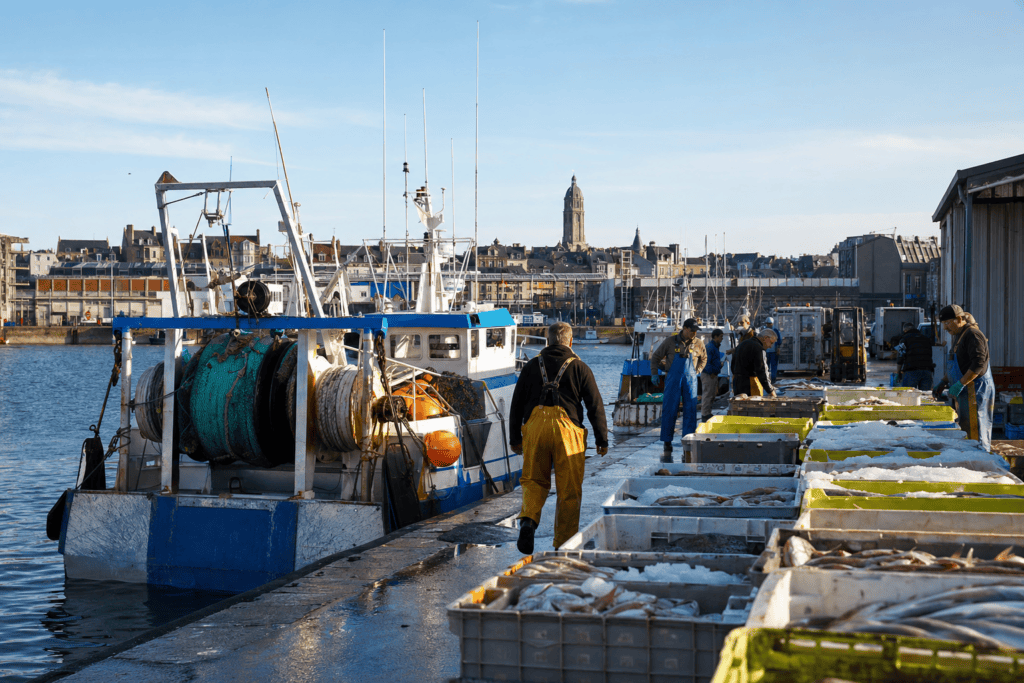 Boulogne-sur-Mer Fishing Port and Fish Market On Quai Gambetta, discover the market stalls, daily catches and maritime culture of Boulogne-sur-Mer, at the…
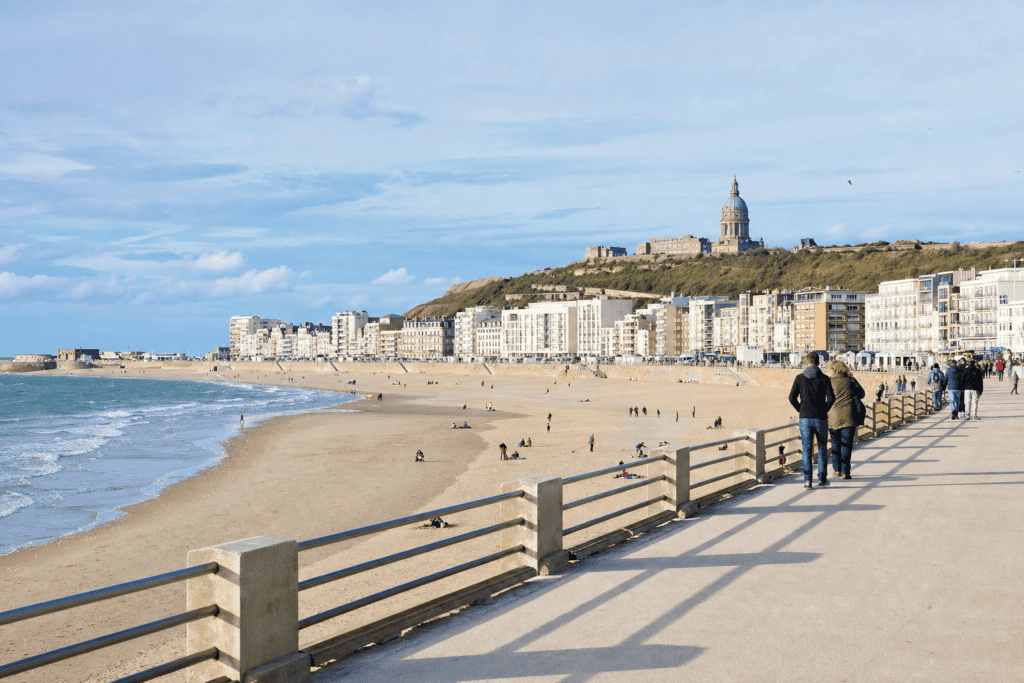 Boulogne-sur-Mer Beach and Seafront Promenade An urban beach on the Opal Coast, ideal for a walk along the seawall, a family outing…
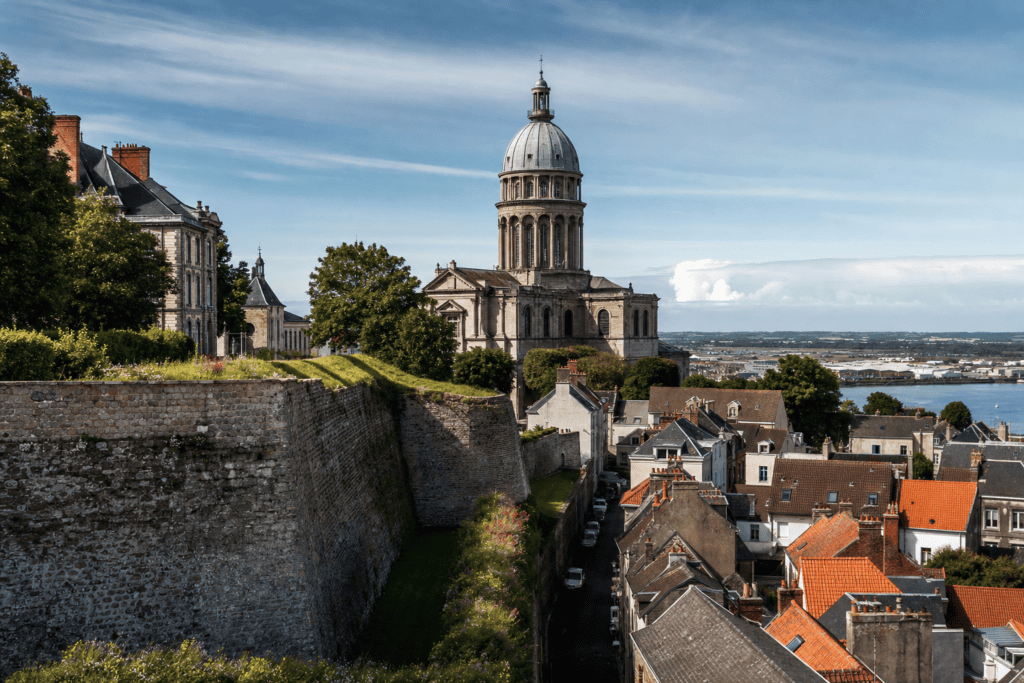 Old Town, Ramparts and Basilica of Notre-Dame of the Immaculate Conception A historical route through medieval ramparts, a château-museum, Notre-Dame Basilica and an exceptional crypt.
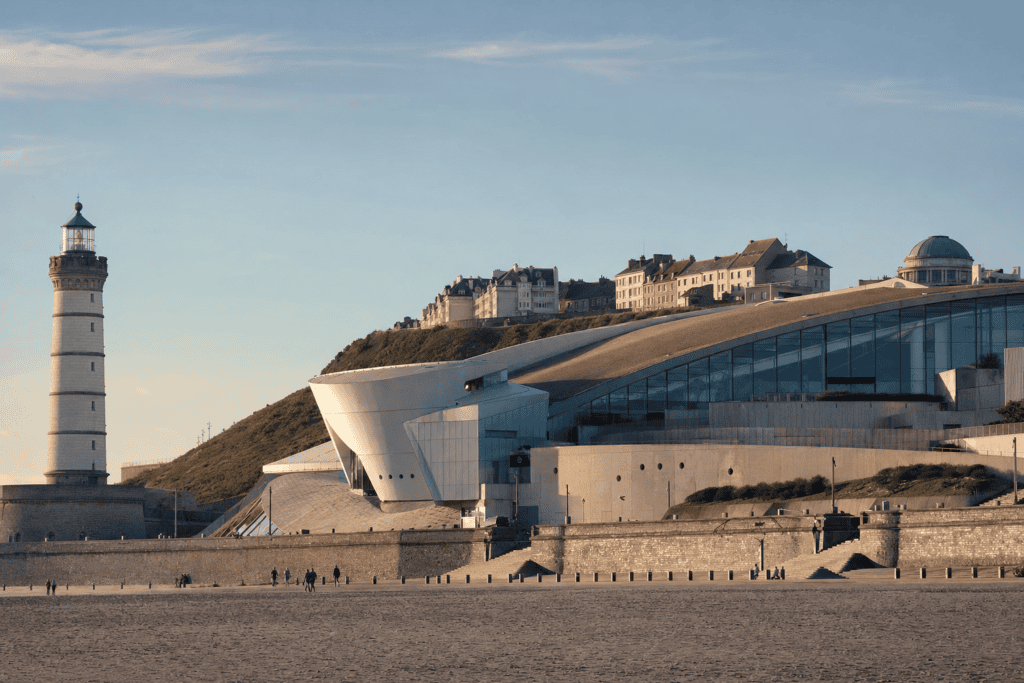 Nausicaá – National Sea Centre In Boulogne-sur-Mer, Nausicaá offers an informative immersion into the oceans, with large aquariums, marine biodiversity and…
Online booking · Paris → Boulogne-sur-Mer, Pas-de-Calais, Hauts-de-France
Choose your pickup date and time
Your departure and arrival details are already pre-filled. You can adjust them in the fare calculator before viewing the vehicles and fare.