



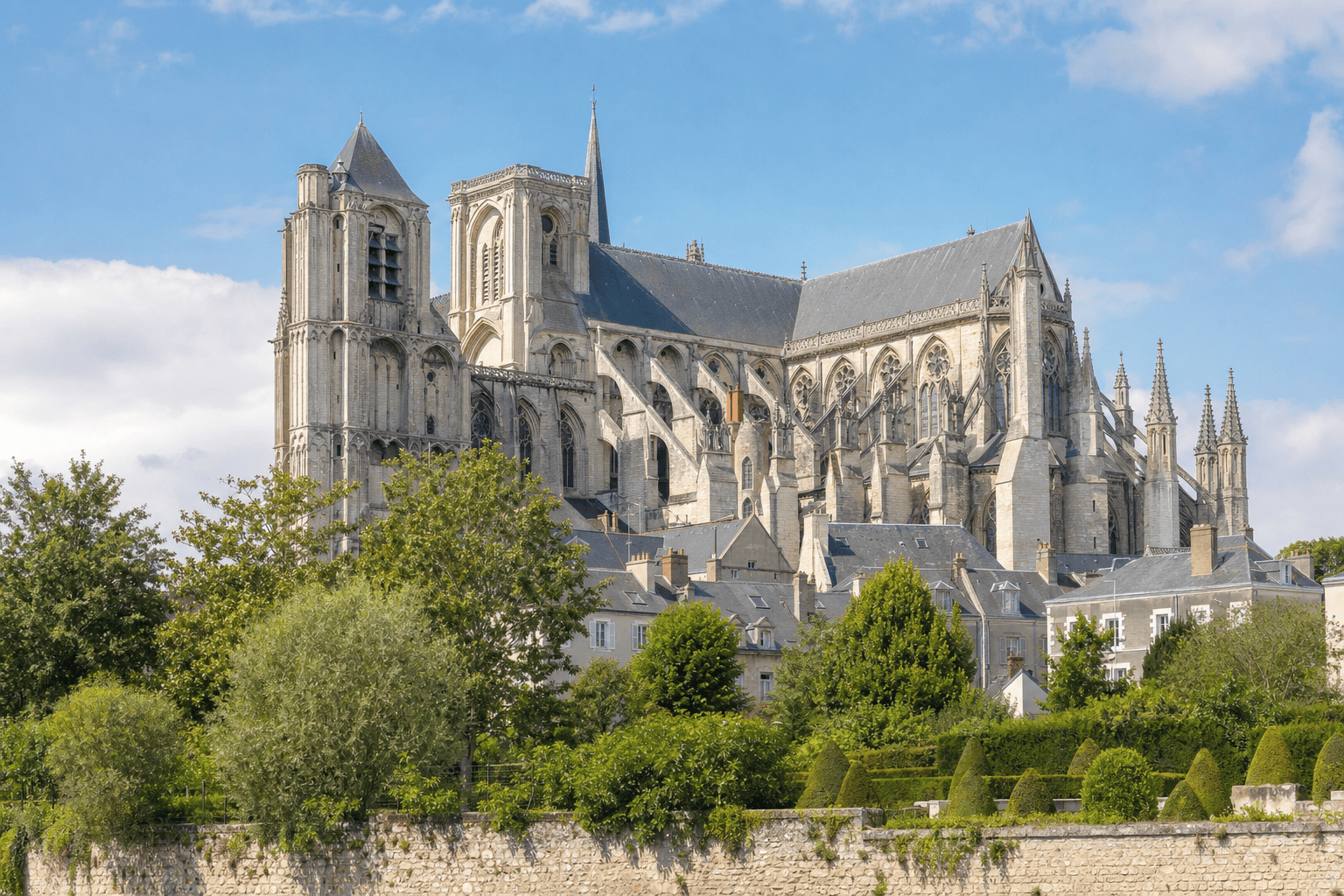
Bourges Cathedral: Visitor Guide
Bourges
In the heart of Bourges’ historic center, Bourges Cathedral impresses with its sculpted façade, transept-free design, and luminous stained glass. Built between the late 12th and late 13th centuries, it has been listed as a UNESCO World Heritage Site since 1992. A visit appeals equally to enthusiasts of Gothic architecture and lovers of history, sacred art, and photography. It fits easily into a day exploring Bourges’ heritage, alongside the Palais Jacques-Cœur, historic streets, and marshes near the city center.
Practical information
Start by stepping back on Place Étienne-Dolet to take in the entire façade, then enter the nave before spending time with the stained-glass windows and side chapels.
Getting to Bourges from Paris
Arrange your private trip from Paris, your hotel, or CDG/ORY to discover Bourges Cathedral, then return to Paris or continue your itinerary. The service covers transportation only and does not include admission or a guided tour.
Transportation from Paris, the Île-de-France region, CDG, or ORY. Admission, guided tours, and specific access to the crypt or towers are not included.
A UNESCO-listed Gothic masterpiece
Bourges Cathedral is one of France’s major Gothic architectural monuments. Construction began in the late 12thth century and continued into the 13thth century, during a period when major bishoprics asserted their importance through ambitious religious buildings. The cathedral has been listed as a UNESCO World Heritage Site since 1992. This recognition reflects the quality of its architecture, the originality of its design, the richness of its sculpture, and the value of its stained glass.
The cathedral is also an essential part of the cityscape. From Place Étienne-Dolet, the façade fills your view and conveys the building’s scale before you even enter. Step back a few yards to appreciate its width, towers, and the upward progression of its different levels. The visit becomes even more meaningful when placed in the context of Bourges’ historic center, with its old houses, the Palais Jacques-Cœur, and streets leading to other examples of local heritage.
Admiring the façade and five portals
The west façade is one of the highlights of the visit. It features five portals, corresponding to the building’s five naves. Their decoration combines tympanums, archivolts, voussoirs, and sculpted figures in an intricate composition. The central portal is devoted to the Last Judgment. The side portals feature scenes and figures connected with the Virgin Mary and Saint Stephen, along with themes from Christian tradition. Detailed examination takes time, as some sculptures are far above eye level from the ground.
For an effective viewing strategy, begin with the façade’s overall silhouette, then examine each portal from bottom to top. The archivolts frame the main scenes and draw the eye toward the tympanum. Low morning or late-afternoon light can emphasize the reliefs, while overcast skies sometimes create more even contrasts. Compact binoculars or a camera with a zoom lens can help distinguish details, without disturbing other visitors or turning the visit into a photography session.
Understanding a transept-free design
The absence of a projecting transept is the cathedral’s best-known architectural feature. In many Gothic churches, the transept forms a broad crosswise section that gives the floor plan a clearly visible cross shape. At Bourges, the design instead emphasizes longitudinal continuity between the façade, nave, and choir. This arrangement deepens the perspective and gives the interior a strong visual unity.
The building has five naves arranged at different heights. Upon entering, stand in the central nave’s axis to observe the succession of arcades, piers, and elevation levels. Then look toward the aisles to appreciate the exceptional width of the whole structure. Outside, the flying buttresses reveal the technical solutions used to support the vaults and free the walls for numerous windows. The cathedral thus offers a tangible understanding of the relationship between structure, light, and Gothic elevation.
Stained glass: architecture made of light
The stained glass is Bourges Cathedral’s other great treasure. The collection includes numerous medieval windows, along with works from later periods. They depict religious scenes, figures, donors, and decorative motifs. Their importance lies not only in the stories they portray: the colors, panel rhythms, and changing light also reveal how techniques and artistic sensibilities evolved over the centuries.
Inside, give your eyes time to adjust to the dimness before looking for details. Begin with the broad areas of color, then observe the stacked registers, gestures, and attributes of the figures. Natural light changes the appearance of the windows depending on the time of day, season, and weather, so a window may look very different from one visit to the next. The chapels and side windows also deserve close attention. If you take photos, turn off the flash and follow the place of worship’s guidelines.
Crypt, towers, and additional highlights
The crypt offers a different perspective on the cathedral’s history. It provides a better understanding of the building’s location and the site’s transformations, but it is not necessarily visited under the same conditions as the nave. Access may depend on a guided route, a specific schedule, or conservation requirements. It is therefore best to check the conditions offered on your chosen date rather than assume it is always open.
The towers are also an interesting addition when access is available. Reaching them requires climbing stairs and may not be recommended for some people depending on their physical condition. Arrangements may include reservations, capacity limits, or specific safety instructions. If this area is open, wear sturdy shoes and allow plenty of time. From above, the view connects the cathedral’s architecture with the layout of Bourges’ old center, but this experience remains separate from a self-guided visit to the nave.
Practical Tips for a Successful Visit
Located on Place Étienne-Dolet, the cathedral is ideal for a walking route through central Bourges. Start with the façade, take time to compare the five portals, then enter the nave to observe the layout and perspective effects. Next, set aside time for the stained glass without trying to examine everything at once: an overall first impression is often more revealing. If you are interested in the crypt or towers, check their access conditions before planning your itinerary.
As this is a place of worship, dress and behave appropriately. Services, ceremonies, and conservation work may affect access to certain areas, so the day’s information takes precedence over any planned itinerary. Visitors who prefer fewer crowds may choose early morning, but should not consider this time a guarantee of quiet. After the cathedral, continue to the Palais Jacques-Cœur, the medieval streets, or the Bourges marshes to create a cohesive cultural day.
Planning a day trip to Bourges from Paris
Bourges is a worthwhile cultural day-trip destination from Paris or a stop on an itinerary focused on the Centre-Val de Loire region. To truly appreciate the cathedral, avoid limiting your visit to a quick look at the façade: the sculpted decoration, interior perspectives, and stained glass call for unhurried observation. The visit can be combined with the Palais Jacques-Cœur and a walk through the old center, depending on the time available and the opening hours of the sites you visit.
Private transportation can suit travelers departing from Paris, the Île-de-France region, a Paris hotel, or CDG and ORY, especially for a trip with luggage or multiple stops. Booking Paris Transfer provides transportation only from Paris and its surrounding region, with a return to Paris or continuation along a defined itinerary. The service does not include admission tickets, guided tours, or crypt or tower reservations; these details must be checked separately with official sources. The service page therefore complements this guide without replacing visit planning.
Useful sources
Frequently Asked Questions
Is Bourges Cathedral a UNESCO World Heritage Site?
Why is the cathedral known for its lack of a transept?
Do all five portals depict the same subject?
Are the crypt and towers freely accessible?
How much time should I allow to see the cathedral?
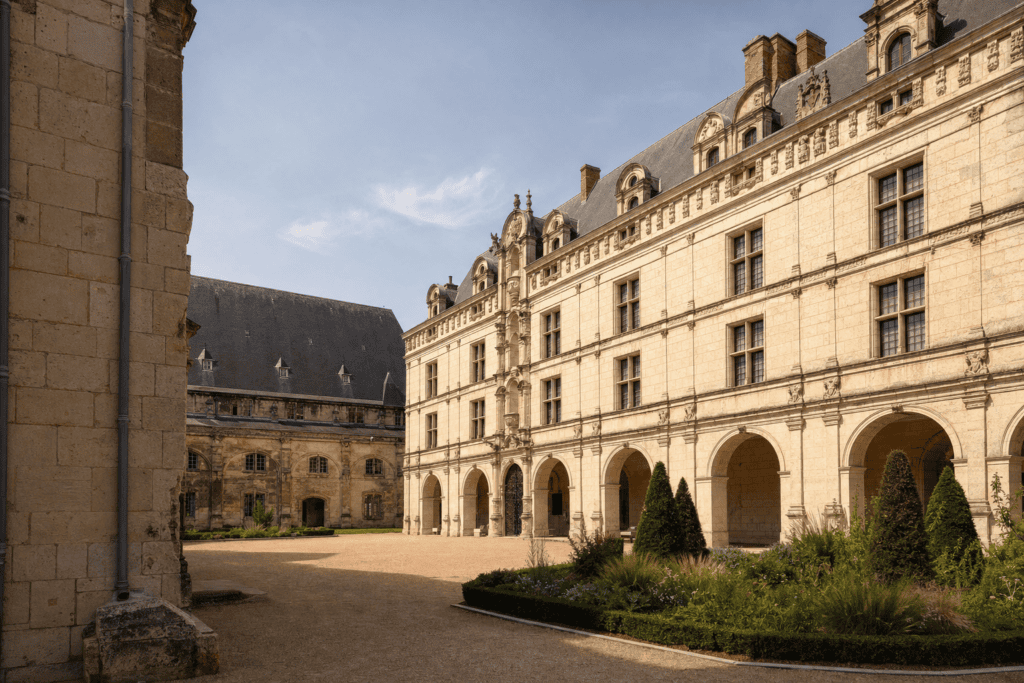 Berry Museum A multidisciplinary museum housed in the remarkable Hôtel Cujas, showcasing ancient archaeology, medieval heritage, and local traditions…
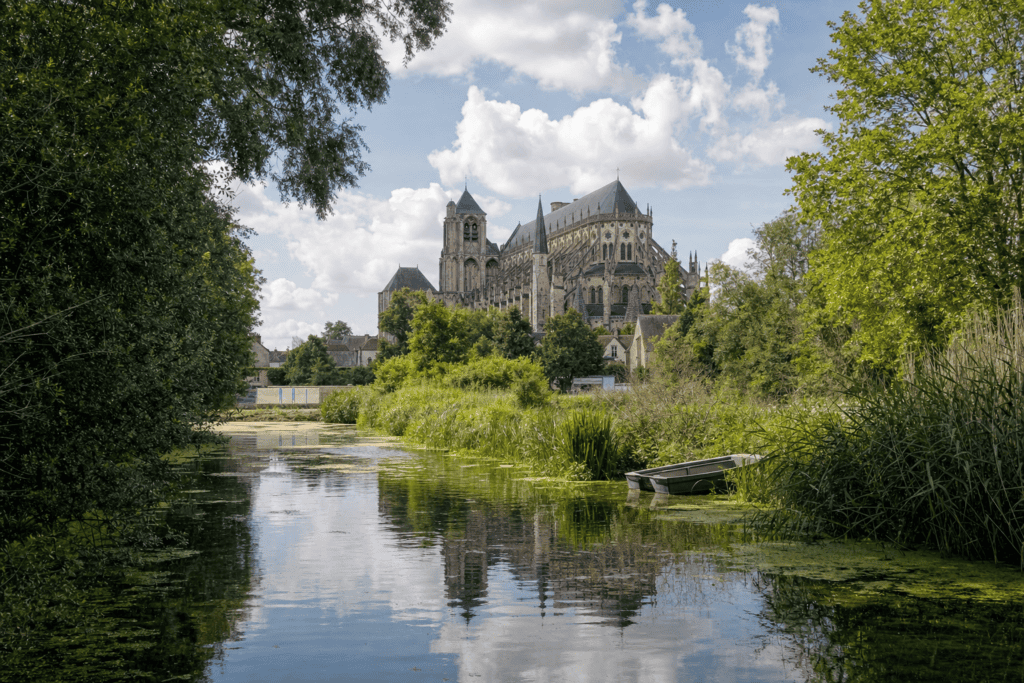 Bourges Marshes A unique green haven at the foot of Bourges’ historic center, with cultivated gardens, small canals…
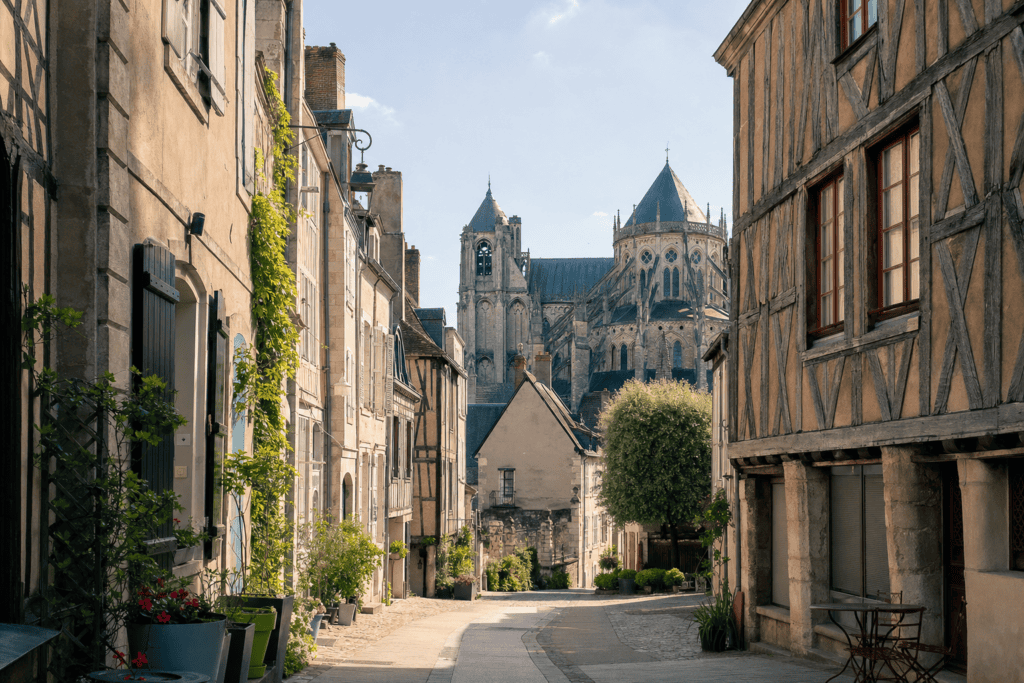 Strolling Through Bourges’ Historic Center A walking tour through Bourges’ old streets, among half-timbered houses, grand townhouses, lively squares…
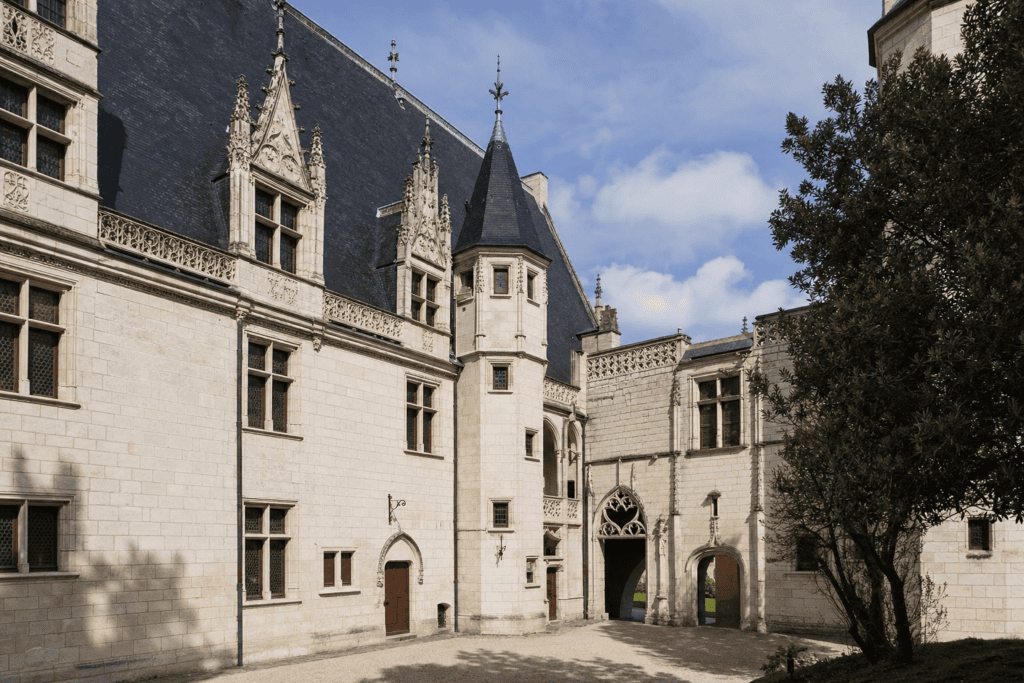 Jacques-Cœur Palace A masterpiece of flamboyant Gothic civic architecture, combining royal grandeur, carved symbols, and the fascinating story of…
Book online · Paris → Place Étienne-Dolet, 18000 Bourges, Centre-Val de Loire, France
Choose your pickup date and time
Your departure and arrival details are already pre-filled. You can adjust them in the fare calculator before viewing the vehicles and fare.