



Heritage and the Art of Living in Berry · Centre-Val de Loire
Visiting Bourges: Cathedral, Palace and the Berry Marshes
Visiting Bourges means exploring a former capital of Berry, where Gothic architecture, medieval residences and marshland landscapes create a remarkably well-preserved historic center. From Saint-Étienne Cathedral, a UNESCO World Heritage Site, to Palais Jacques Cœur, the city is easy to explore on foot, with a rich and varied heritage at every turn.
Explore Bourges
Bourges’ Must-See Sights
 What to do
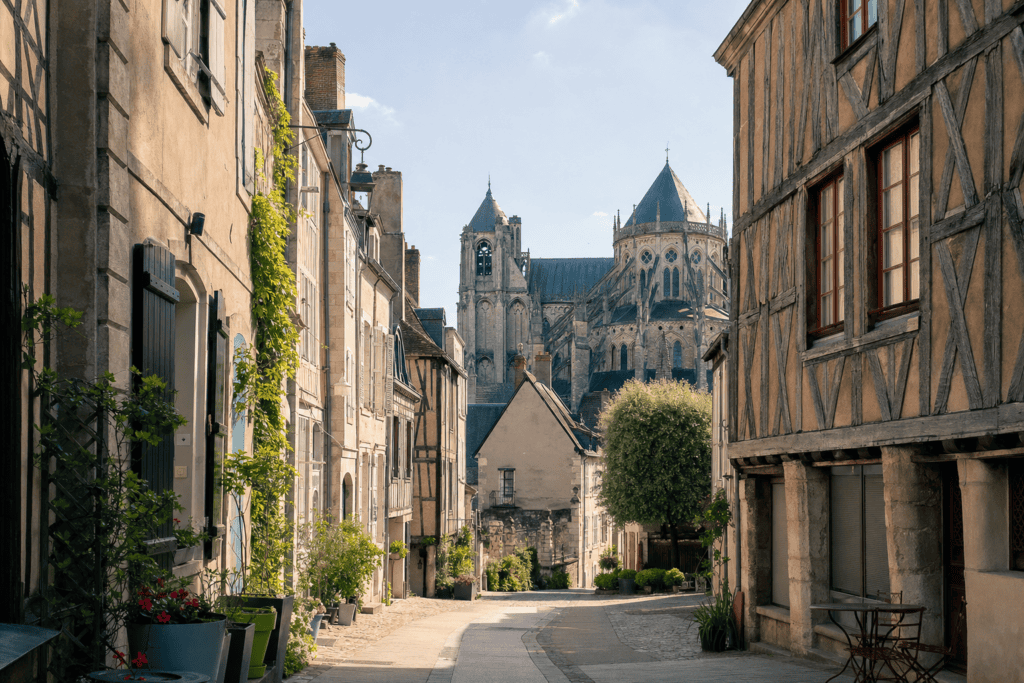
Strolling Through Bourges’ Historic Center
A stroll through Bourges’ historic streets, among half-timbered houses, grand townhouses, lively squares and local flavors…
 Museums
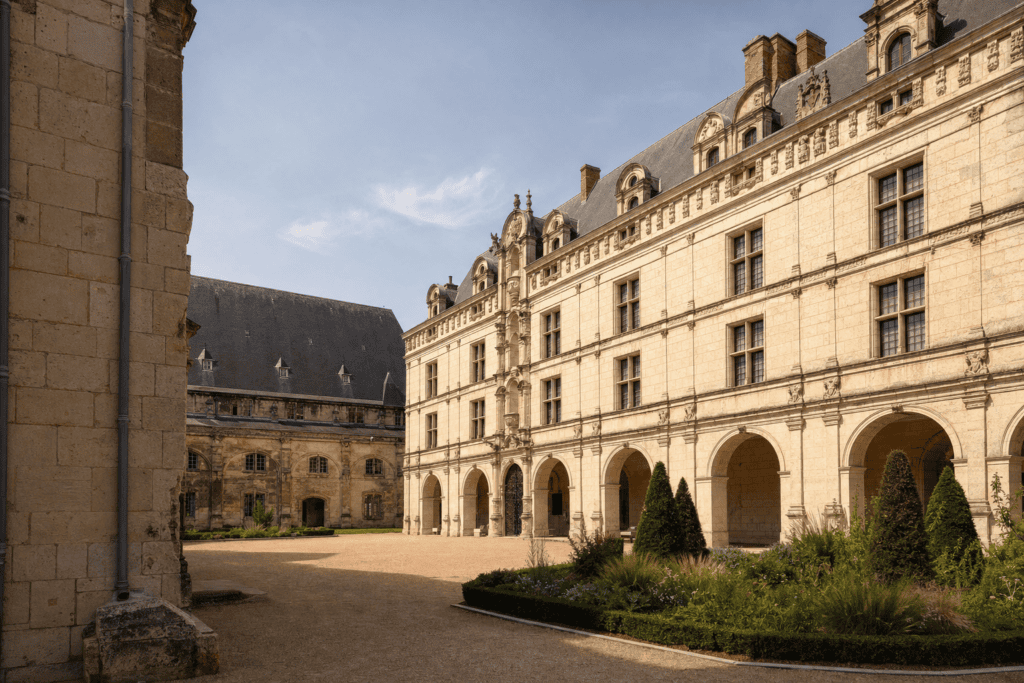
Berry Museum
A multidisciplinary museum housed in the remarkable Hôtel Cujas, showcasing ancient archaeology, medieval heritage, and the traditions of Berry.
 Must-see
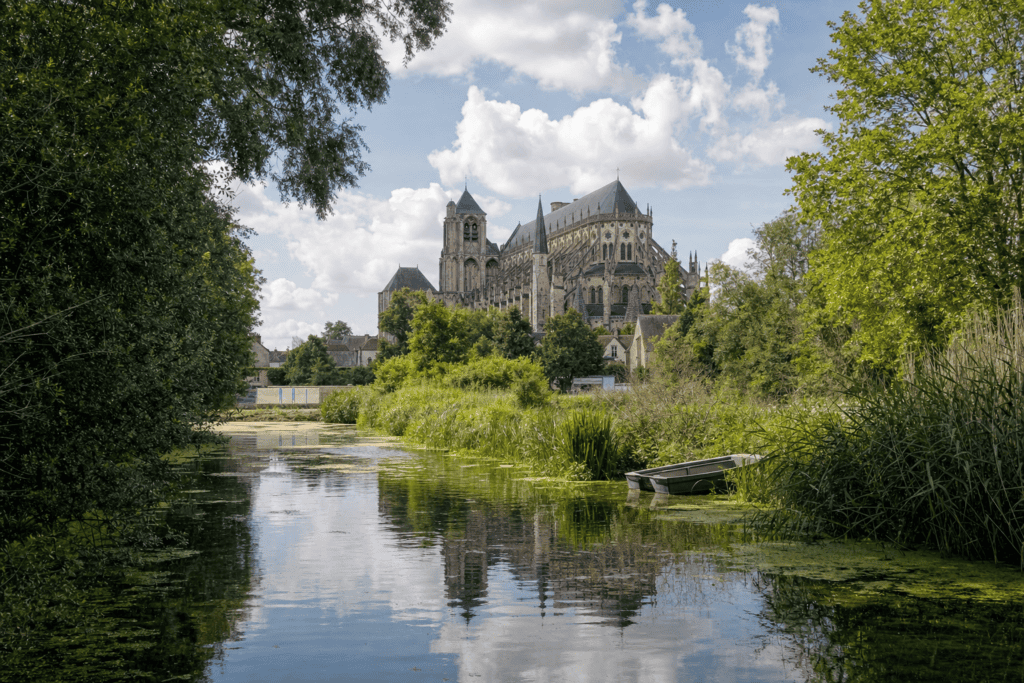
Bourges Marshes
A unique green oasis at the foot of Bourges’ historic center, with cultivated gardens, small canals and walking paths…
 Must-see
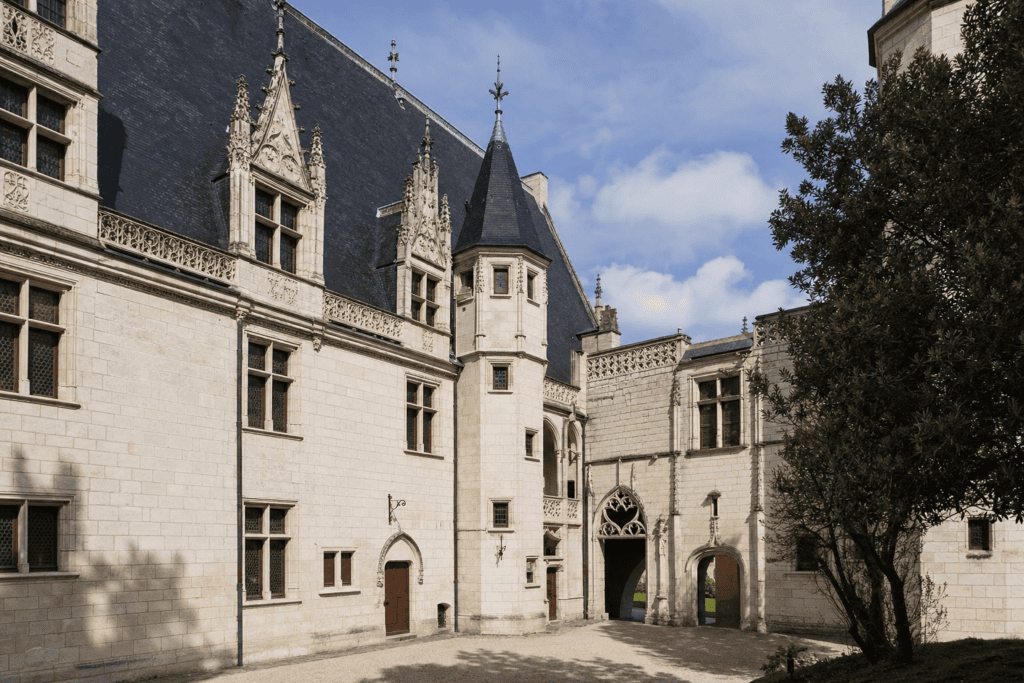
Jacques-Cœur Palace
A masterpiece of flamboyant Gothic civic architecture, combining royal grandeur, carved symbols, and the fascinating story of Jacques Cœur.
 Must-see
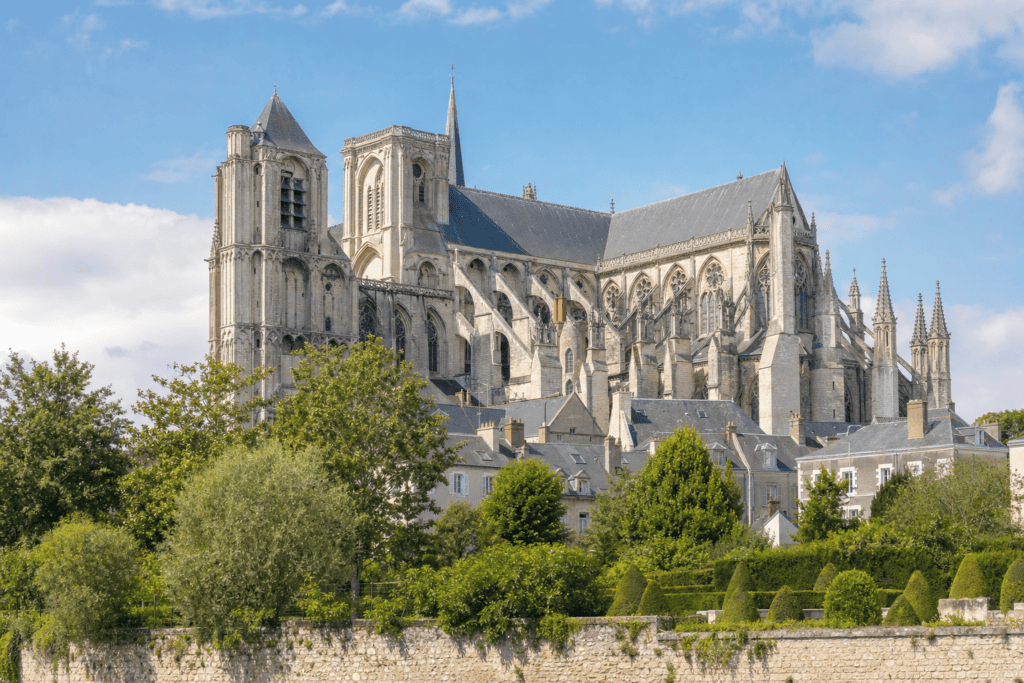
Saint-Étienne Cathedral of Bourges
A Gothic masterpiece in Bourges, recognized by UNESCO for its architecture, sculptures, and medieval stained glass.
Other destinations to discover
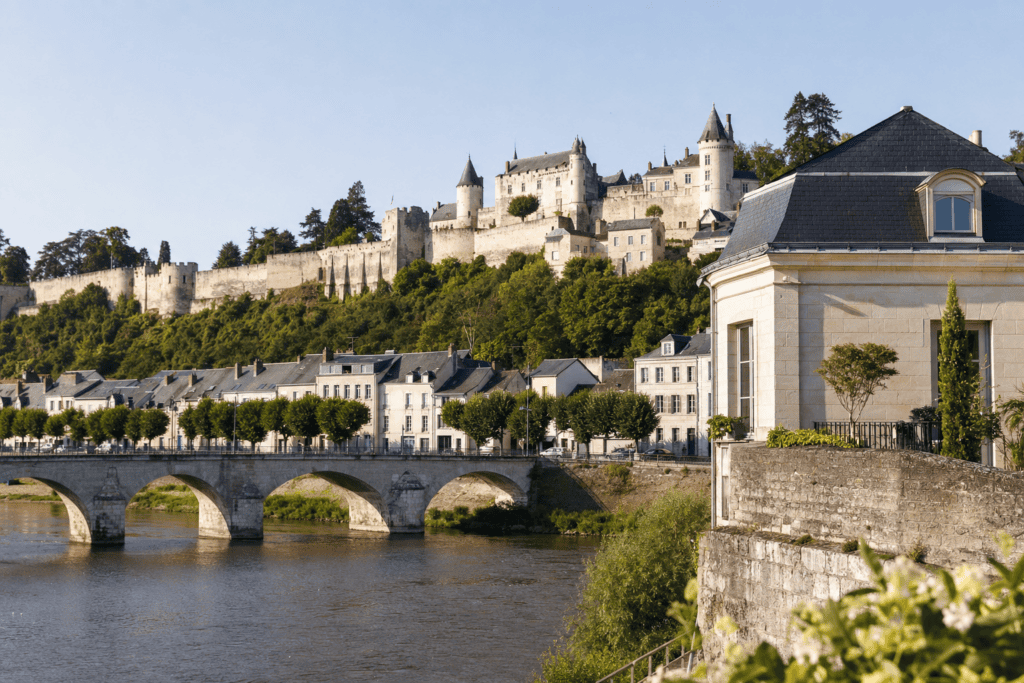
Chinon
A medieval town dominated by a royal fortress, amid heritage, vineyards, and the landscapes of the Vienne.
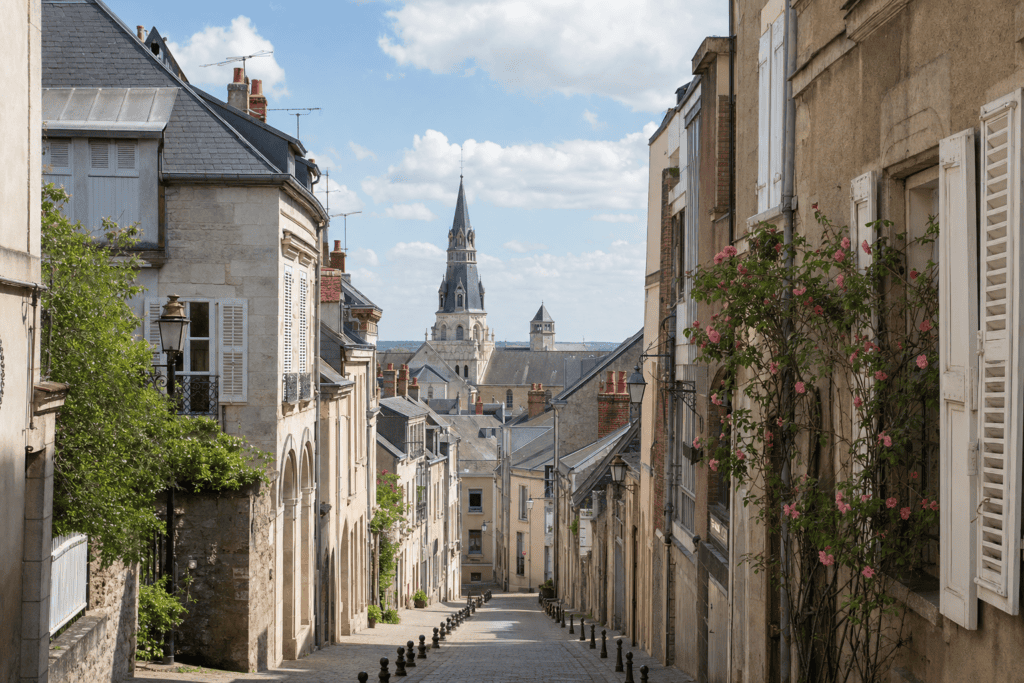
Châteauroux
From Château Raoul and the historic center to gardens, museums, and excursions in the Indre, Châteauroux reveals a discreet, cultural side of Berry…
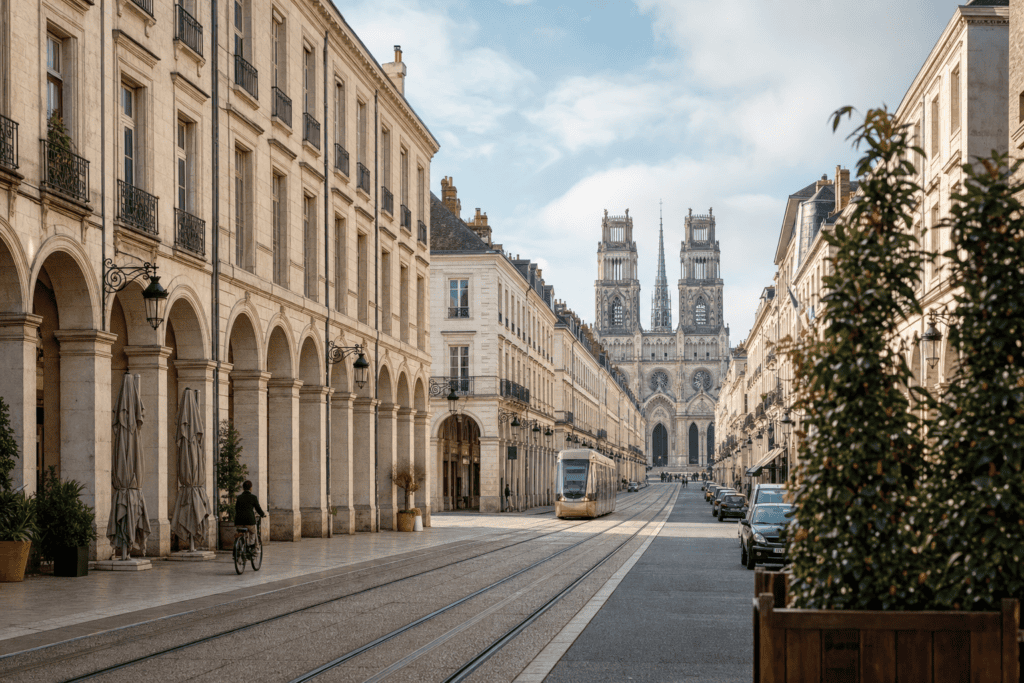
Orléans
With its Gothic cathedral, connections to Joan of Arc, Loire riverfronts, and museums, Orléans offers a cultural getaway…
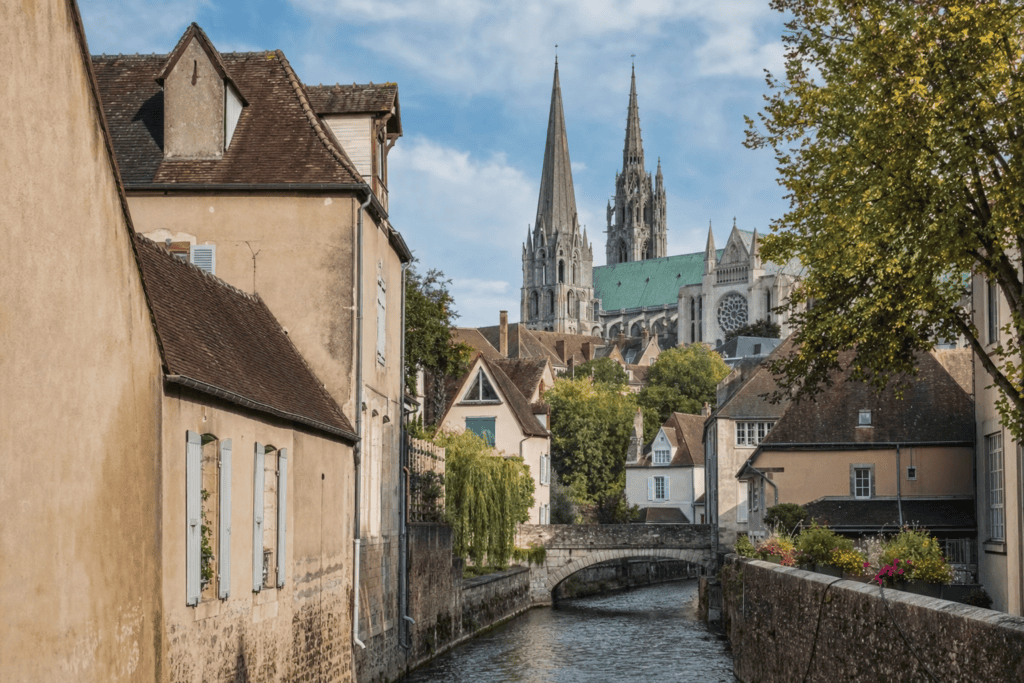
Chartres
A heritage getaway from Paris featuring a Gothic cathedral, medieval stained glass, historic lanes, and surprising creations by…
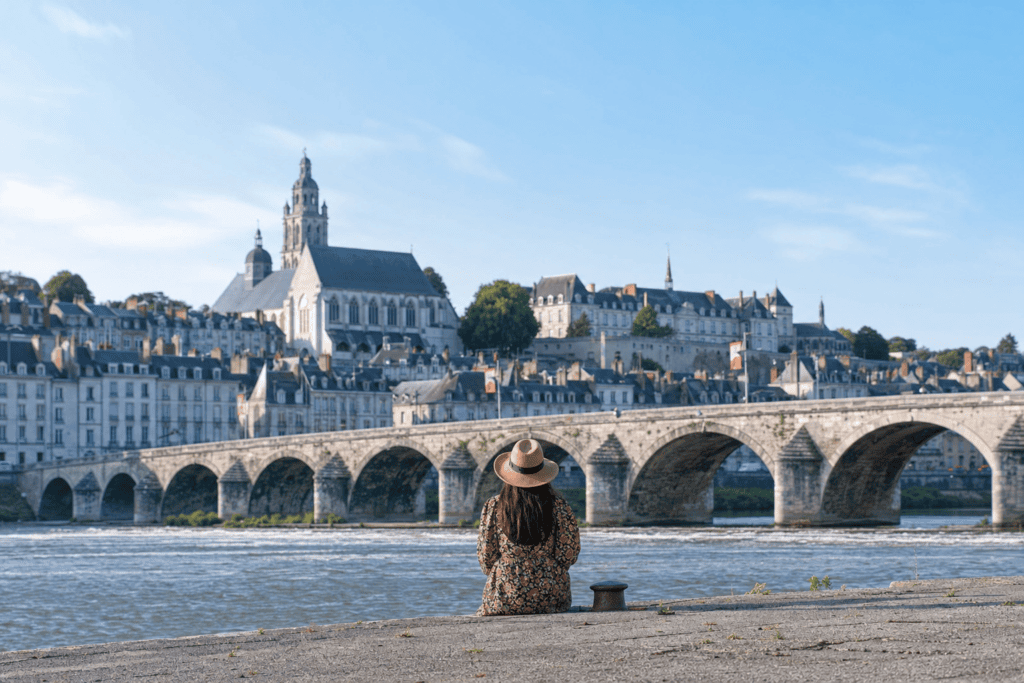
Blois
Royal château, historic lanes, views over the Loire, and the Maison de la Magie: Blois brings together a…
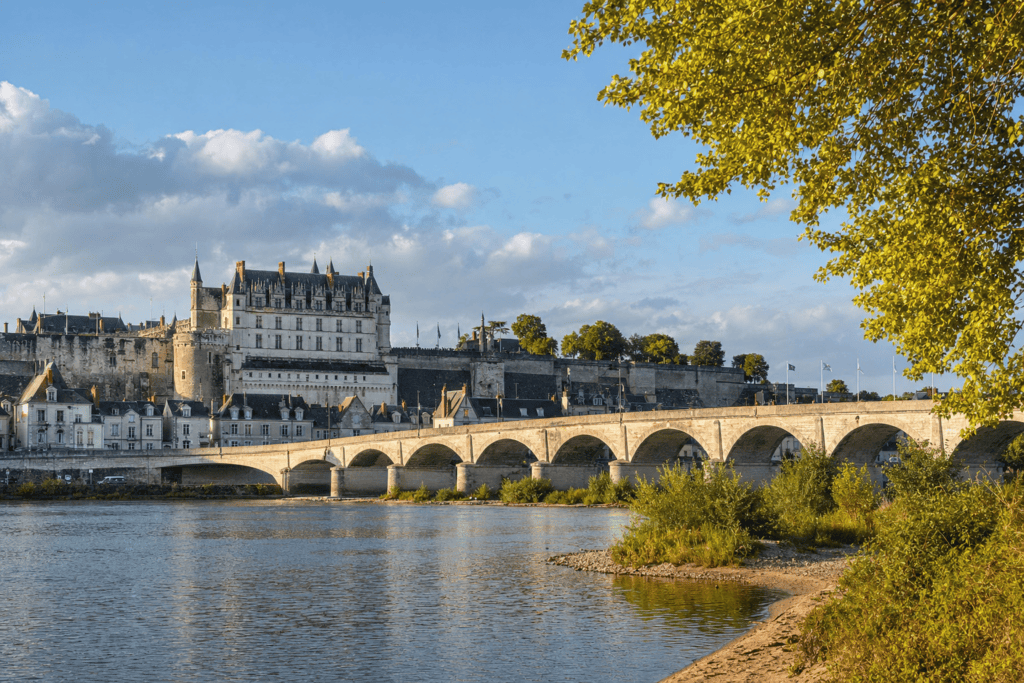
Amboise
Between the royal château, Clos Lucé, the Loire, and historic gardens, Amboise offers a rich and elegant discovery of…
DESTINATION GUIDE
Bourges Travel Guide
A Historic City in the Heart of Berry
Bourges is one of Centre-Val de Loire’s leading heritage destinations. Once the Gallo-Roman city of Avaricum and later the medieval capital of Berry, it has preserved an architectural ensemble that is a pleasure to explore on foot. Its historic center brings together religious buildings, grand townhouses, half-timbered houses and streets whose layout tells several centuries of history.
Your visit can begin around Saint-Étienne Cathedral before heading down toward Palais Jacques Cœur and the shopping streets in the historic heart of the city. Bourges is equally suited to a day trip or a longer stay, allowing time to explore the marshes, museums and the areas around the Cher River.
Saint-Étienne Cathedral, a Major Landmark
Saint-Étienne Cathedral is the symbol of Bourges. Built between the end of the 12thth and the end of the 13thth century, it is distinguished by its five-aisled design, lack of a projecting transept and the unity of its volumes. A UNESCO World Heritage Site since 1992, it is considered one of the masterpieces of French Gothic architecture.
Outside, take time to admire the west portal, sculptures and flying buttresses. Inside, the perspective of the aisles and the light filtered through the stained-glass windows give the monument a distinctive atmosphere. The medieval and Renaissance windows are among the highlights of the visit, depicting biblical episodes, the lives of saints and the social world of their time.
The crypt and tower may have specific visiting arrangements. It is best to check the official information before setting out, particularly depending on the season, any ongoing work or access conditions. As the cathedral remains a place of worship, certain areas may also be subject to services and the rules applying to a religious building.
Palais Jacques Cœur and the Rise of a Great Merchant
Just a few minutes from the cathedral, Palais Jacques Cœur recalls the remarkable rise of a merchant and financier who became Grand Argentier to King Charles VII. Born in Bourges around 1400, Jacques Cœur had his residence built in the mid-15thth century. The building anticipates Renaissance townhouses while retaining defensive elements and an organization inherited from medieval architecture.
The façade, inner courtyard, galleries and chapel reflect the owner’s ambition. The sculpted decoration combines royal emblems, symbols associated with Jacques Cœur, human figures and references to travel. Inside, the reception rooms, fireplaces, passageways and features related to domestic comfort offer insight into life in an aristocratic residence at the end of the Middle Ages.
The palace is administered by the Centre des monuments nationaux. Since visiting arrangements may change, particularly during restoration campaigns or events, practical information should be checked on the monument’s official website.
Strolling Through the Historic Center
Bourges’ heritage extends beyond its two best-known monuments. The streets of the historic center are home to numerous half-timbered houses, grand townhouses and façades dating from different periods. Rue Bourbonnoux, the area around the cathedral and the streets near Palais Jacques Cœur offer wonderful opportunities for walking and photography, with architectural details to discover at every turn.
- Look for overhanging houses and exposed beams in the old streets.
- Admire Renaissance and Classical townhouses, sometimes discreetly hidden behind carriage entrances.
- Take a break around the squares and small streets downtown to experience the city’s peaceful scale.
- Ask the heritage service about guided tours and themed routes.
Bourges holds the Ville d’art et d’histoire designation. This distinction recognizes the work devoted to studying, preserving and interpreting the area’s local heritage. Tours, workshops and activities may be offered throughout the year, with programming subject to change.
The Bourges Marshes: A Green Escape
Northeast of the center, the Bourges marshes offer a striking contrast to the stone buildings of the old city. This landscape of gardens, canals and cultivated plots developed on former wetlands that were gradually improved over time. It has a more rural atmosphere, with paths, vegetable gardens, fruit trees and reflections on the water.
The marshes are especially well suited to a break between cultural visits. The landscape changes with the seasons: foliage and blossoms in spring, refreshing greenery in summer, and softer colors in fall. Visitors should respect private plots, authorized paths and the peace and quiet of the residents who tend these gardens.
Museums, Culture and Events
To round out your visit, Bourges has several cultural venues devoted to fine arts, history and local life. The Musée du Berry, housed in Hôtel Cujas, offers a chance to extend your visit through archaeological and artistic collections. Other historic buildings, such as Hôtel Lallemant and Hôtel des Échevins, testify to the wealth of the families and institutions that shaped the city.
The cultural calendar varies throughout the year. Printemps de Bourges draws large crowds in spring, while heritage activities and evening tours may showcase the monuments from a different perspective. When planning a stay, it is recommended to check dates and conditions directly with the official websites and the tourist office.
How Much Time Should You Allow for Bourges?
One day is enough to see the cathedral, Palais Jacques Cœur and part of the historic center. For a well-balanced first visit, start with the cathedral in the morning, continue to the palace and spend the afternoon exploring the historic streets and marshes. A two-day stay leaves more time for museums, guided tours and the villages or monuments of Berry accessible from Bourges.
The city is best explored without trying to fit everything in. The main sites in the center are a reasonable distance from one another, but some monumental visits take time, especially if you want to examine the stained-glass windows, sculptures and façade details. Comfortable shoes are useful for the old streets and marsh paths.
Getting to Bourges from Paris
From Paris, Bourges fits easily into an itinerary focused on Centre-Val de Loire or Berry. A private ride can be arranged from Paris, Charles de Gaulle Airport or Orly Airport, with a return to Paris or onward travel to another destination. This option makes it possible to carry luggage and combine Bourges with other French destinations, without presenting Booking Paris Transfer as a local transportation service based in Bourges.
Getting to Bourges from Paris
Booking Paris Transfer can arrange a private ride from Paris, CDG or ORY to Bourges, with the option of returning to Paris or taking a multi-city itinerary beginning in the Île-de-France region. Admission tickets and monument visits are not included.