



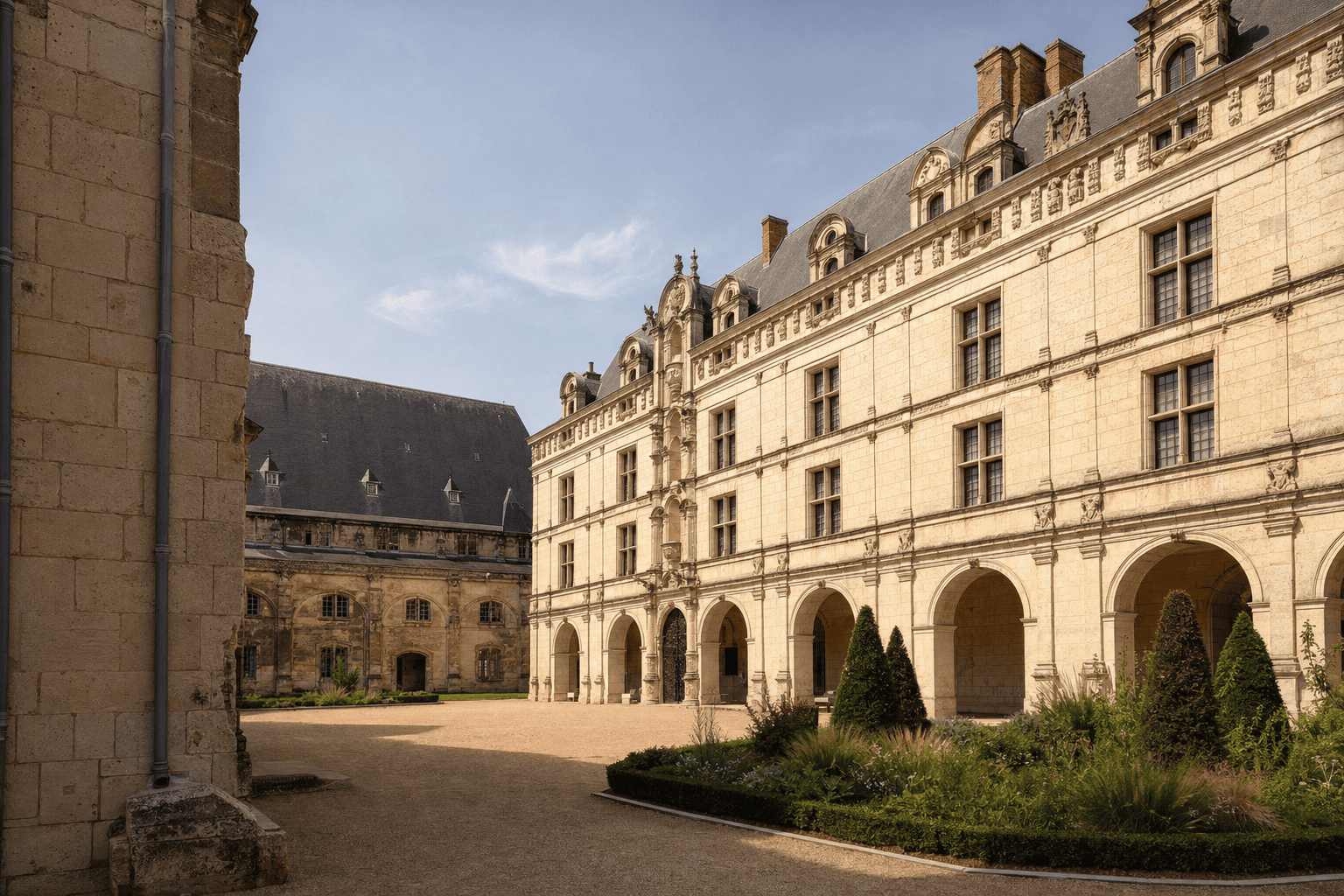
Musée du Berry in Bourges: History and Collections
Bourges
Housed in the Hôtel Cujas in the heart of Bourges’ historic center, the Musée du Berry presents a journey through archaeology, local history, decorative arts, and regional traditions. Its collections trace the development of Bourges and Berry from prehistoric times to the present day, while also showcasing a remarkable early-16th-century townhouse. Before your visit, be sure to check opening information with official sources: the museum is currently listed as closed to the public, and its operations may change as Bourges’ museums are reorganized.
Practical information
First, check the official information about the current closure, construction work, temporary exhibitions, and the reorganization of the collections. If the museum is closed, take the opportunity to visit the cathedral, the Palais Jacques-Cœur, or the Bourges marshes.
Getting to Bourges from Paris with a chauffeur
For a cultural day trip to Bourges, Booking Paris Transfer can arrange private transportation from Paris, a Paris hotel, CDG, or ORY, with a return to Paris according to your itinerary. The service covers transportation only and does not include admission to the Musée du Berry. Since the museum is currently reported closed, check its reopening with official sources before confirming your journey.
Departure is available from Paris, a Paris hotel, CDG, or ORY, with a return to Paris or a personalized day itinerary.
A museum in the heart of the Hôtel Cujas
The Musée du Berry occupies the Hôtel Cujas, a townhouse built in the early 16th century for an Italian merchant who settled in Bourges. The building takes its name from Jacques Cujas, a renowned legal scholar who taught in Bourges and owned the property. Its façade and inner courtyard illustrate the transition from Late Gothic to the French First Renaissance, with brick-and-stone detailing, turrets, medallions, and carved elements.
The visit therefore goes beyond the objects displayed in the galleries: it also offers a chance to see an iconic example of Berry’s architectural heritage. The city of Bourges acquired the Hôtel Cujas at the end of the 19th century and later installed a municipal museum there. To appreciate the site, take time to look at the architectural details from the street and courtyard whenever the latter is accessible. As the museum is currently reported closed, check reopening information before planning your visit.
An archaeological journey spanning thousands of years
Archaeology is one of the Musée du Berry’s major strengths. The collections shed light on the history of Bourges and its surrounding area from ancient times onward, with a particular focus on antiquity. Local discoveries reflect the role of the city, known in antiquity as Avaricum, and its development over the centuries.
The museum notably holds an important series of Gallo-Roman steles, along with ceramics, glass objects, and items related to funerary practices. These pieces are especially interesting for visitors who want to go beyond simple aesthetic appreciation: they provide insight into beliefs, trade, craft techniques, and daily life among the people of ancient Berry.
To get the most from the archaeological displays, it helps to place each object in context. A guided tour, temporary exhibition, or educational resource may provide additional explanations, depending on the program available when the museum reopens.
Medieval Berry and the patronage of Jean de Berry
The Middle Ages are central to Bourges’ historical identity. The city was a major political, religious, and artistic center, particularly under the influence of Duke Jean de Berry in the late 14th and early 15th centuries. The Musée du Berry preserves several examples from this period, helping visitors understand the importance of princely patronage in the development of the arts.
Among the most notable pieces are mourning figures from the tomb of Duke Jean de Berry, along with fragments or remains associated with his Sainte-Chapelle. These works invite reflection on the purpose of tombs, funerary sculpture, and the representation of power in the Middle Ages.
This section of the visit is especially meaningful when viewed alongside Bourges’ other monuments. After the museum, or as part of another stop, the Cathedral of Saint-Étienne and the Palais Jacques-Cœur extend the exploration of medieval and Renaissance heritage in the old town.
Decorative arts and regional craftsmanship
The Musée du Berry also displays works and objects that tell the story of the region’s tastes, craftsmanship, and domestic practices. The decorative arts offer another perspective on local history: furniture, crafted objects, ceramics, and decorative elements show how people furnished their homes and passed down their traditions.
The collection of folk ceramics associated with La Borne is particularly representative of Berry’s heritage. This village in the Cher department is known for its pottery tradition, developed around stoneware and distinctive firing methods. Pitchers, water jugs, writing boxes, and devotional objects show how ceramics could be practical, decorative, and symbolic at the same time.
For visitors interested in traditional crafts, this section is a useful complement to a walk through Bourges’ old neighborhoods. It leads from monumental architecture to the quieter work of artisans, highlighting the forms, materials, and signs of use preserved in the collections.
Folk traditions and daily life in Berry
The Musée du Berry is not concerned only with major figures and monuments. Its ethnographic collections also explore regional traditions, rural activities, domestic habits, and everyday objects. This approach makes the visit accessible to everyone by connecting history with familiar activities: eating, working, making things, decorating a home, or celebrating important times of the year.
Folk objects help explain the diversity of Berry and the connections between communities, trades, and local resources. They also show how practices changed with industrialization, social change, and evolving ways of life.
An attentive visit can be especially rewarding for families: instead of looking only for the oldest pieces, observe the materials, shapes, and uses. Consider who made each object, the context in which it was used, and what it reveals about Berry society. Check the educational program after the museum reopens.
How to plan a visit to Bourges
The Musée du Berry is located at 4–6 rue des Arènes in central Bourges. Its location makes it easy to plan a cultural day around several major sites. The Cathedral of Saint-Étienne, a UNESCO World Heritage Site, the Palais Jacques-Cœur, half-timbered houses, and historic streets are all in the same general area of the historic center.
As the museum is currently listed as closed to the public, do not rely on outdated hours or information published on secondary pages. Check the official Bourges museums website and, if necessary, the Tourist Office before setting out. Reopening dates, accessible areas, admission prices, guided tours, and any reservations required may change.
If you are driving, find out about parking and traffic conditions in the city center. For a more comfortable visit, wear comfortable shoes: Bourges is easy to explore on foot, and the distances between the main monuments are well suited to an urban walk.
Other discoveries to combine with the museum
The Musée du Berry can be part of a broader itinerary focused on Bourges’ heritage. The Cathedral of Saint-Étienne is an essential stop for its impressive spaces, sculpted portals, and stained-glass windows. The Palais Jacques-Cœur then offers a look into the world of a major 15th-century merchant and financier, in a townhouse of remarkable architectural richness.
The streets of the old town offer another perspective on the city, with half-timbered houses, townhouses, and lively squares. Depending on the season and access conditions, the Bourges marshes can round out the day with a more natural interlude amid gardens and canals.
For an excursion from Paris, Bourges ideally deserves a full day, or even a two-day stay if you want to visit several monuments without rushing. However, confirm that the Musée du Berry is open before including it in your plans. If the closure continues, keep its address in a future itinerary and focus on sites that are officially accessible on the day of your visit.
Frequently Asked Questions
Is the Musée du Berry currently open?
What is the address of the Musée du Berry?
What can you see at the Musée du Berry?
How much time should I allow for the visit?
Can you visit the museum along with other sites in Bourges?
 Saint-Étienne Cathedral of Bourges A Gothic masterpiece in Bourges, recognized by UNESCO for its architecture, sculptures, and stained glass…
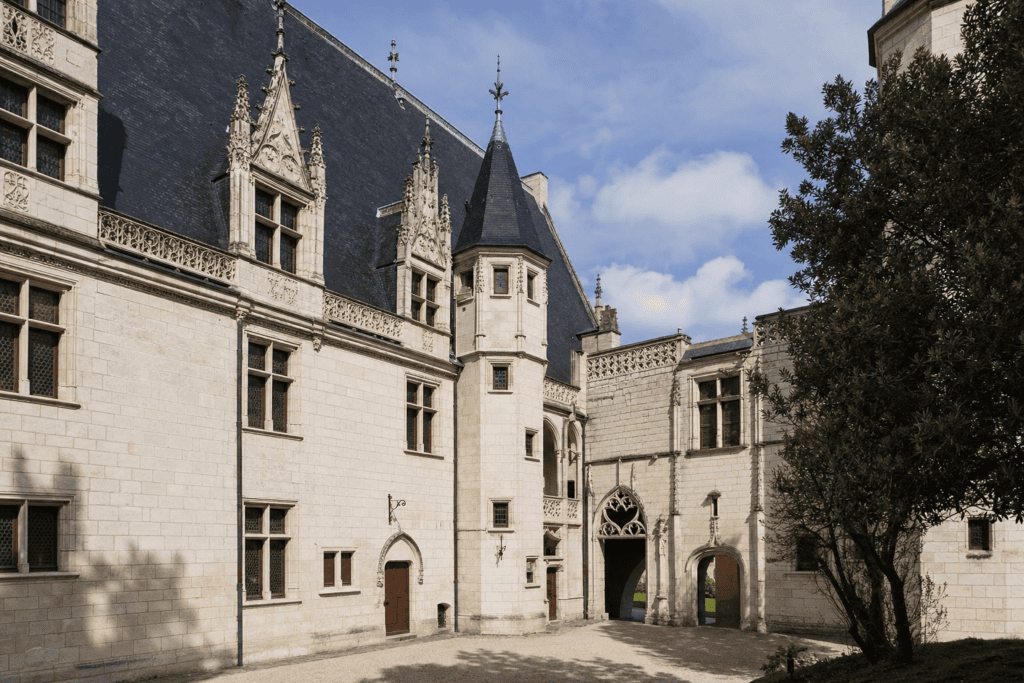 Jacques-Cœur Palace A masterpiece of flamboyant Gothic civic architecture, combining royal grandeur, carved symbols, and the fascinating story of…
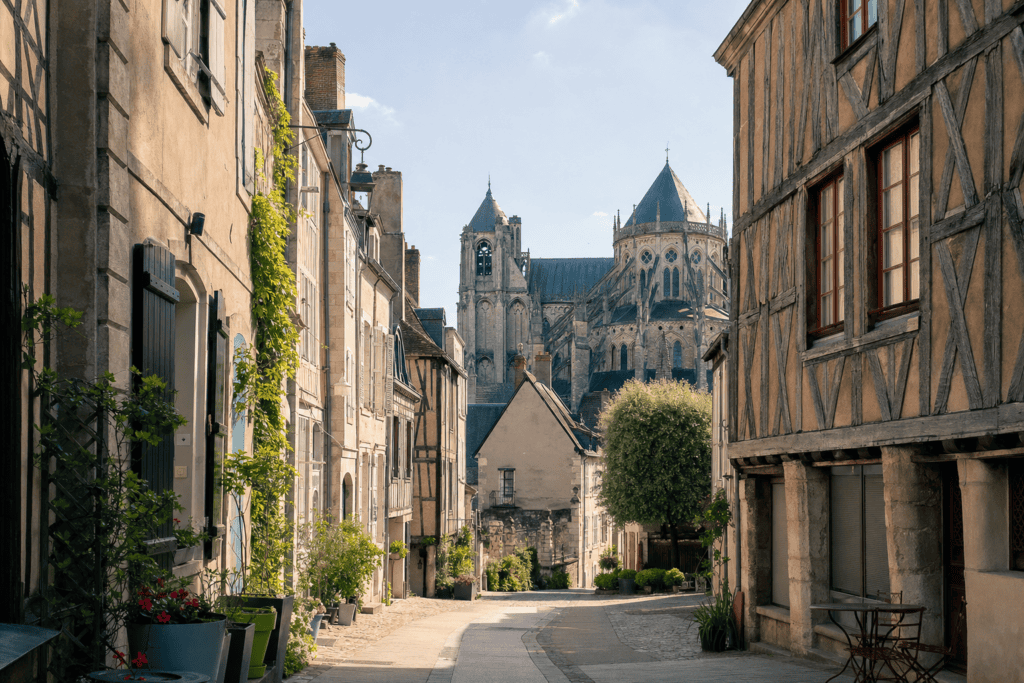 Strolling Through Bourges’ Historic Center A walking tour through Bourges’ old streets, among half-timbered houses, grand townhouses, lively squares…
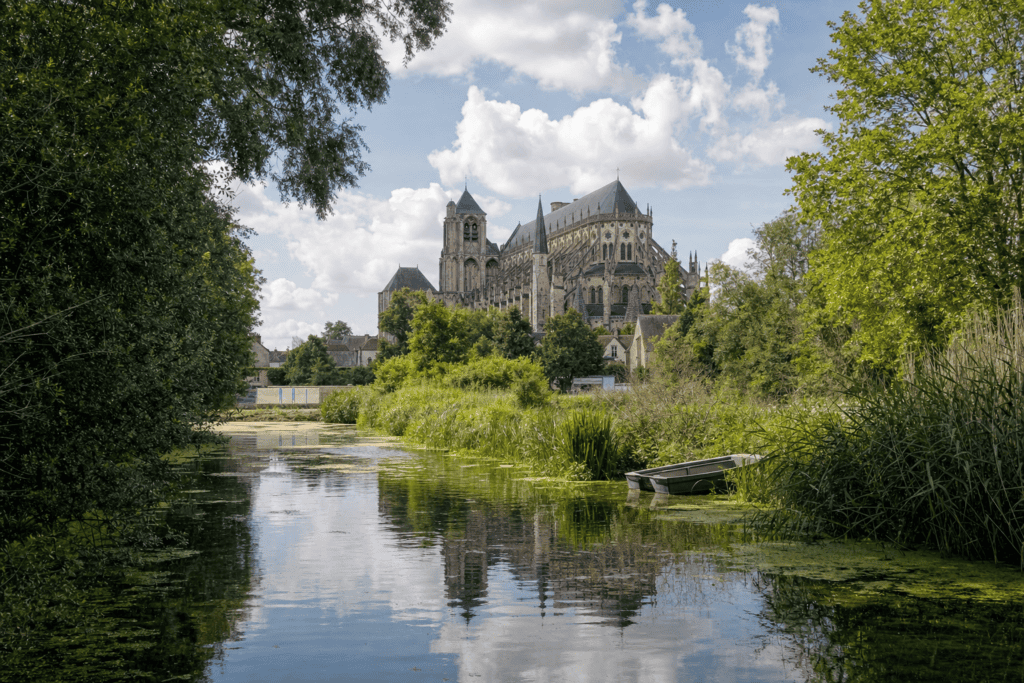 Bourges Marshes A unique green haven at the foot of Bourges’ historic center, with cultivated gardens, small canals…
Online booking · Paris → 4–6 rue des Arènes, Hôtel Cujas, 18000 Bourges, Centre-Val de Loire
Choose your pickup date and time
Your departure and arrival details are already pre-filled. You can adjust them in the fare calculator before viewing the vehicles and fare.