



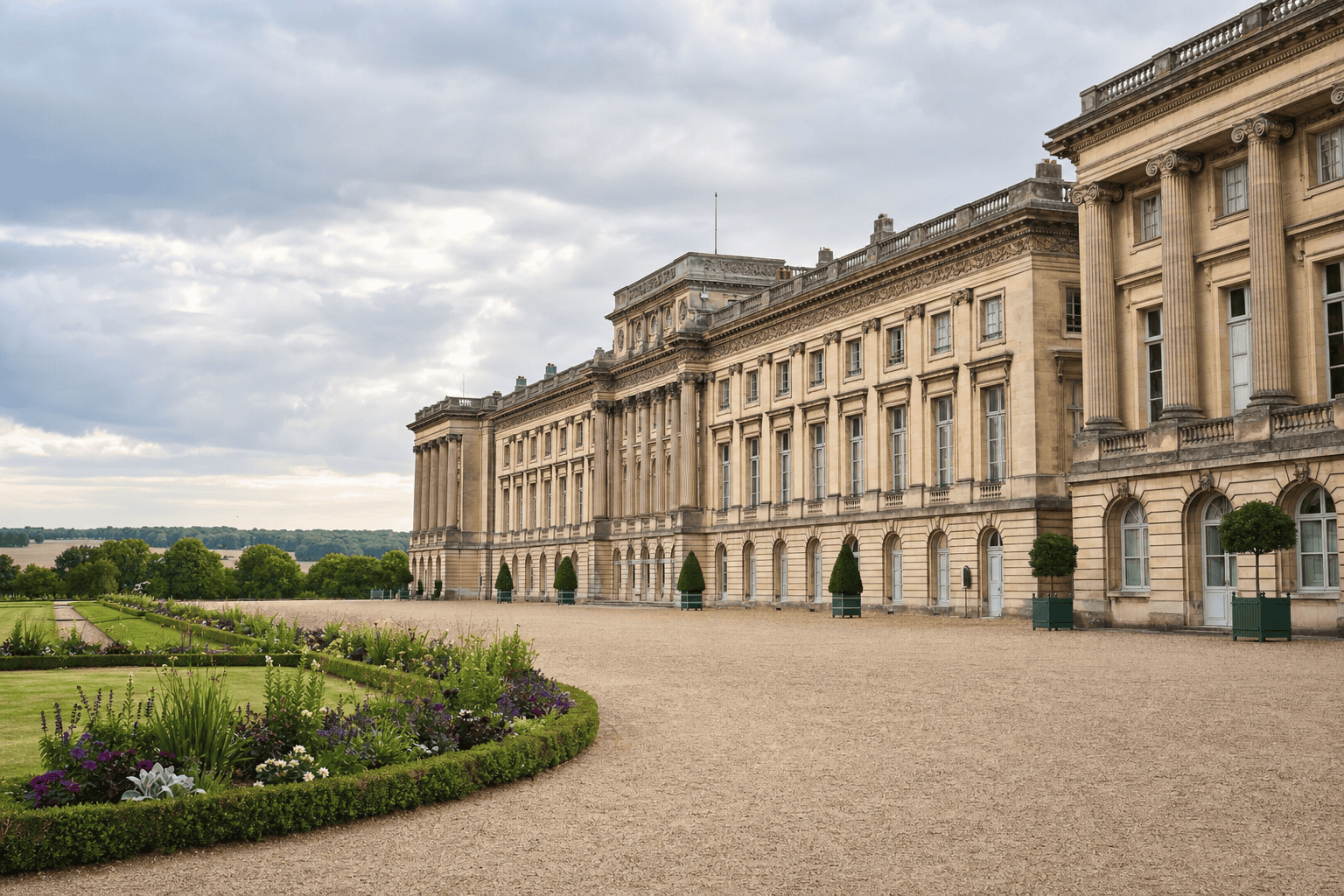
Château de Compiègne: Royal and Imperial Palace
Compiègne
In Compiègne, the Château de Compiègne brings together a royal palace transformed into an imperial residence, richly decorated apartments, several national collections, and a park extending into the forest. Rebuilt in the 18th century for Louis XV and Louis XVI, then redecorated under Napoleon I and Napoleon III, it traces the evolution of tastes, ceremony, and court life over nearly two centuries. The visit is easy to combine with a stroll through the park, along the Allée des Beaux-Monts, or through the town’s historic center, from Paris or the airport.
Practical information
Check the official information before your visit: the apartments, museums, and park may have different hours, access arrangements, or conditions depending on the season.
Traveling to Compiègne from Paris with a Chauffeur
Booking Paris Transfer can arrange private transportation from Paris, a Paris hotel, Paris-Charles-de-Gaulle, or Paris-Orly to the Château de Compiègne, with a return trip to Paris also available. The service covers transportation only; admission, tickets, and visits to the estate must be booked separately through the official venue.
Transportation service departing from Paris, Île-de-France, CDG, or ORY; this is not an independent local service based in Compiègne.
A Royal Palace Turned Imperial Residence
The present château was created at the initiative of Louis XV, who had the Compiègne residence rebuilt in the 18th century according to a vast, orderly plan. The architect Ange-Jacques Gabriel designed a palace suited to royal representation, as well as to court stays in a town close to the forest. Work begun under Louis XV continued under Louis XVI, whose reign also left its mark on the interior design.
After the Revolution, Napoleon I chose to restore Compiègne as a sovereign residence. From 1807 onward, the palace was reorganized and refurnished to suit the customs of the First Empire. The apartments therefore tell more than a succession of owners: they show how royal architecture was adapted to a new staging of power.
Napoleon III and Empress Eugénie later restored the estate to an important place in imperial life. Court stays, notably the “Compiègne series,” brought together guests from the nobility, politics, the arts, and the sciences. This history explains the variety of spaces on view: private rooms, reception salons, state apartments, and areas intended for staff circulation.
The Emperor’s and Empress’s Apartments
The royal and imperial apartments are at the heart of the visit. Their appeal lies both in their decoration and in their layout. A bedroom, salon, library, or antechamber did not serve the same purpose: the sequence of rooms makes the court hierarchy visible, as does the separation between official representation and more private life.
The spaces associated with Napoleon I and Marie-Louise reveal the taste of the First Empire, marked by references to antiquity, symmetry, and powerful political imagery. The rooms linked to Napoleon III and Eugénie reflect a different, more eclectic sensibility, in which comfort, social life, and personal presentation take on increasing importance.
Empress Eugénie’s Tea Room is especially evocative of social life during the Second Empire. It reminds us that stays at Compiègne were not limited to solemn ceremonies: conversation, meals, music, walks, and visits also shaped court life. Take time to observe the transitions between rooms, as they reveal as much about how the spaces were used as the objects themselves.
Decor, Furnishings, and the Staging of Power
The château offers a tangible reading of the history of French decorative arts. Woodwork, tapestries, fireplaces, bronzes, chairs, and writing desks are not isolated elements: they form ensembles designed to give each room a particular rank and function. In the state rooms, materials and proportions help impress visitors; in the more private rooms, the scale and comfort change noticeably.
The 18th-century interiors combine classical elegance, a quest for clarity, and references to antiquity. Imperial redecorations introduced other symbols, linked to Napoleonic power and the desire to rebuild an official residence after the upheavals of the Revolution. Under the Second Empire, tastes evolved again: the palace welcomed objects and settings reflecting the wealth, mobility, and cosmopolitan character of the court.
The reception rooms also help explain court protocol. Antechambers, salons, and galleries organized waiting, meetings, and movement according to the status of those received. An attentive visit thus reveals a genuine social architecture. If you enjoy furniture or interior architecture, note the differences between spaces intended to be seen and those reserved for everyday use.
The National Museums of Compiègne
The apartments can be complemented by several collections housed on the estate. The Second Empire Museum extends the exploration of the period of Napoleon III and Eugénie through works, memorabilia, and objects linked to the imperial family and its circle. It adds a documentary dimension to figures already encountered in the reception rooms.
The National Museum of the Carriage and Tourism offers another perspective on mobility. Carriages, sleighs, cycles, and vehicles illustrate ways of traveling, the prestige associated with transport, and the evolution of technology. This collection echoes Compiègne’s role as a residence: the court came here to stay, receive guests, hunt, and travel through the surrounding area.
The Empress Museum completes the ensemble with a more personal perspective on the imperial family. Objects and memorabilia convey the intimate dimension behind the official image. As accessible areas and visiting arrangements may vary, check the official website’s calendar and information before planning your route. A temporary exhibition may also change the amount of time needed on site.
The Park, Allée des Beaux-Monts, and Forest
The park is a natural extension of the interior visit. Its vistas connect the palace with the Forest of Compiègne and recall that the residence was designed as much for representation as for walks and stays outdoors. The avenues offer a landscape-based reading of the estate: from the château, the view extends toward wooded horizons and the major routes laid out across the grounds.
The Allée des Beaux-Monts is one of the best-known landmarks of this ensemble. This long vista links the estate with the forest and helps explain Compiègne’s role as a hunting and leisure residence. Depending on the season and ground conditions, the walk may take considerably longer than a simple tour of the area around the château.
Access conditions for the park, permitted areas, and rules concerning animals or picnics should be checked with the estate before your visit. Do not assume that all paths offer the same level of comfort. Suitable footwear is useful if you continue toward the forest vistas. The park is especially rewarding after visiting the apartments, when the landscape gives a different meaning to the palace’s residential function.
Getting to Compiègne from Paris
By train, Compiègne is accessible from Gare du Nord. Once you arrive, the château is in the town center, within walking distance of the station; the exact time depends on your route and walking pace. Check schedules and any planned works on the railway operator’s official channels before setting out, especially on weekends or during school holidays.
By car, the route from Paris generally follows the A1 motorway and then roads leading to Compiègne. This option can be convenient if you want to add the forest, Pierrefonds, or another stop in the Oise department, but traffic around Île-de-France can significantly affect travel time. Plan your parking rather than assuming a space will be immediately available near the château.
For a private itinerary, Booking Paris Transfer can arrange transportation from Paris, a Paris hotel, Paris-Charles-de-Gaulle, or Paris-Orly, with a return trip to Paris. This is a transportation service only: tickets, guided tours, and château reservations must be arranged separately through the official website. As local routes and services may change, consult municipal and estate information rather than relying on an outdated indication.
Tips for Planning Your Visit
Start by checking the château’s closing day, opening hours, and list of areas open on your chosen date. The Imperial Apartments, Second Empire Museum, Empress Museum, and National Museum of the Carriage should not be assumed to follow identical schedules. Exhibitions, construction work, or events may also change the usual visitor route.
For a first visit, allow at least two hours, and longer if you want to examine the interiors carefully, visit several museums, and walk through the park. Art history enthusiasts may want to look for a guided tour, themed visit, or interpretive resource offered by the institution. Families can ask about materials for children available on the day of their visit.
Visitors with specific needs should check accessibility information before purchasing tickets or making a reservation. The availability of an elevator, accessible areas, seating, and assistance arrangements may depend on the route open to visitors. Finally, allow extra time for admission, possible checks, and schedule changes. A well-organized half-day is often enough to discover the palace and part of the park without turning the visit into a race against the clock.
Frequently Asked Questions
Where is the Château de Compiègne located?
Which areas can visitors see?
How much time should I allow?
Is the park open to the public?
How do I get there from Paris?
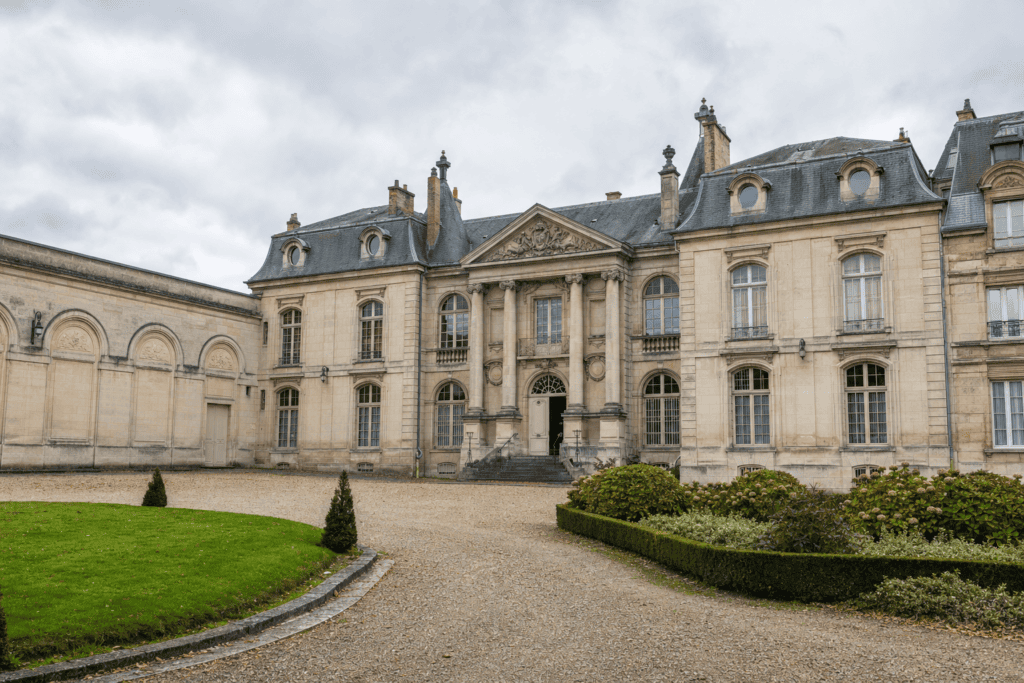 Antoine Vivenel Museum and Historical Figurine Museum Two museums in central Compiègne where you can explore art, archaeology, and history through their collections…
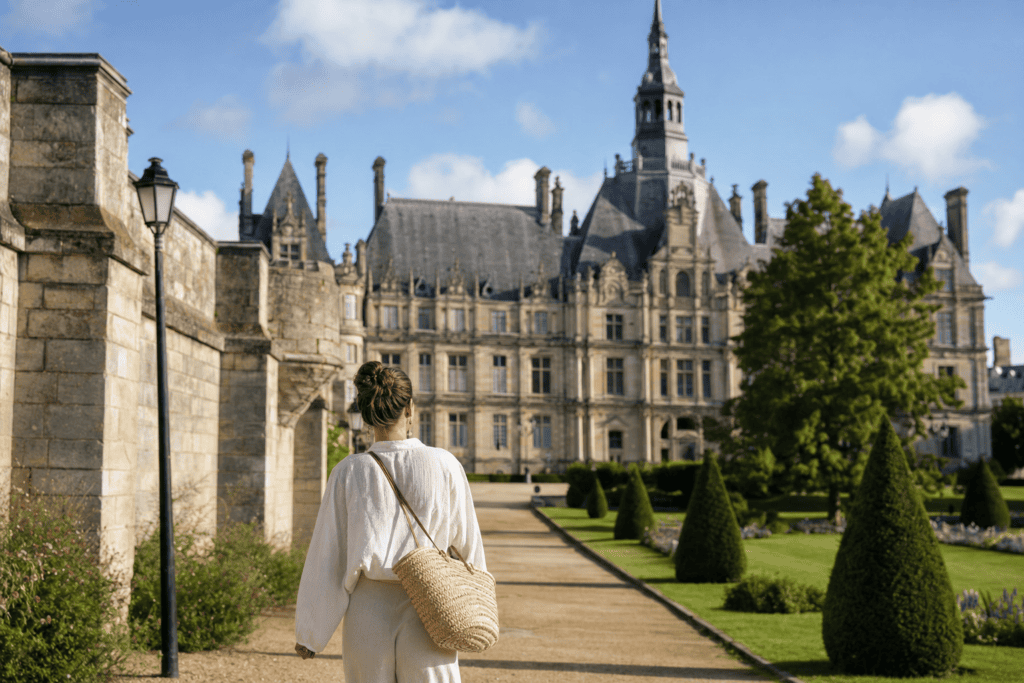 What to Do in Compiègne Without a Car from the Train Station A car-free itinerary from Compiègne station: imperial palace, museums, historic center, riverfront…
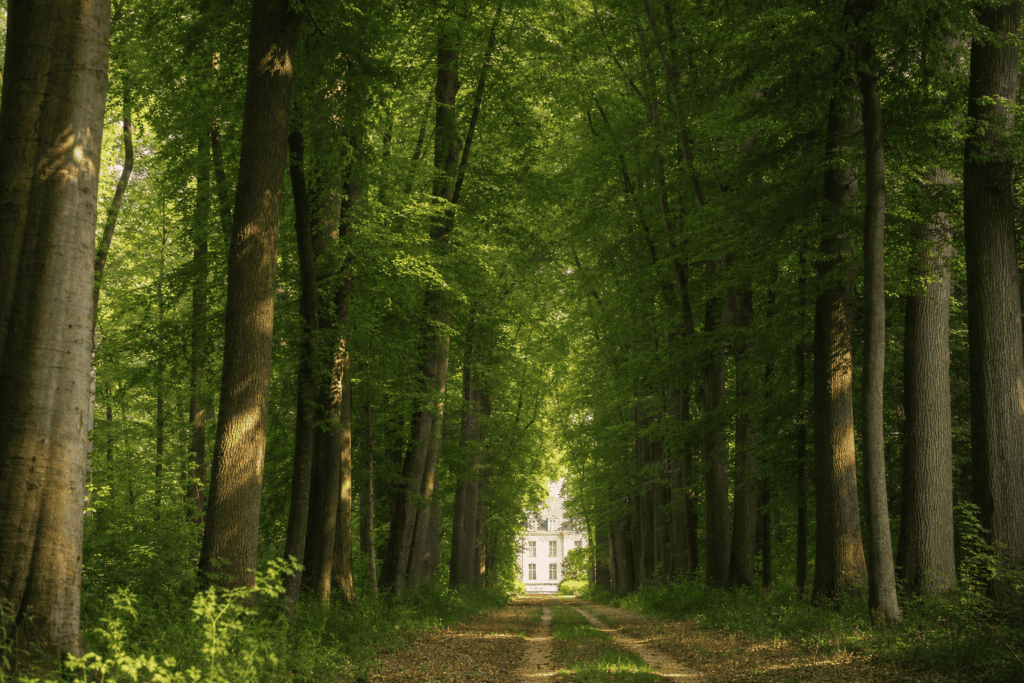 Compiègne Forest A historic forest near Compiègne, ideal for walking, cycling, observing nature, and connecting several…
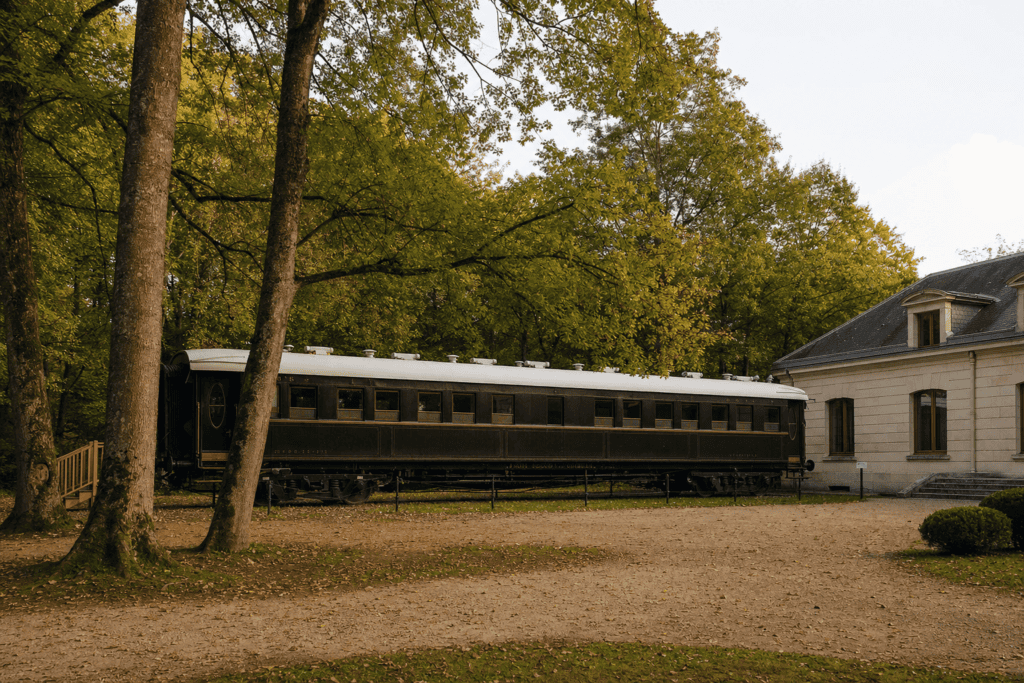 Armistice Clearing and Armistice Museum In the Compiègne Forest, a memorial site dedicated to the 1918 and 1940 armistices,…
Online booking · Paris → Place du Général de Gaulle, 60200 Compiègne, Hauts-de-France
Choose your pickup date and time
Your departure and arrival details are already pre-filled. You can adjust them in the fare calculator before viewing the vehicles and fare.