



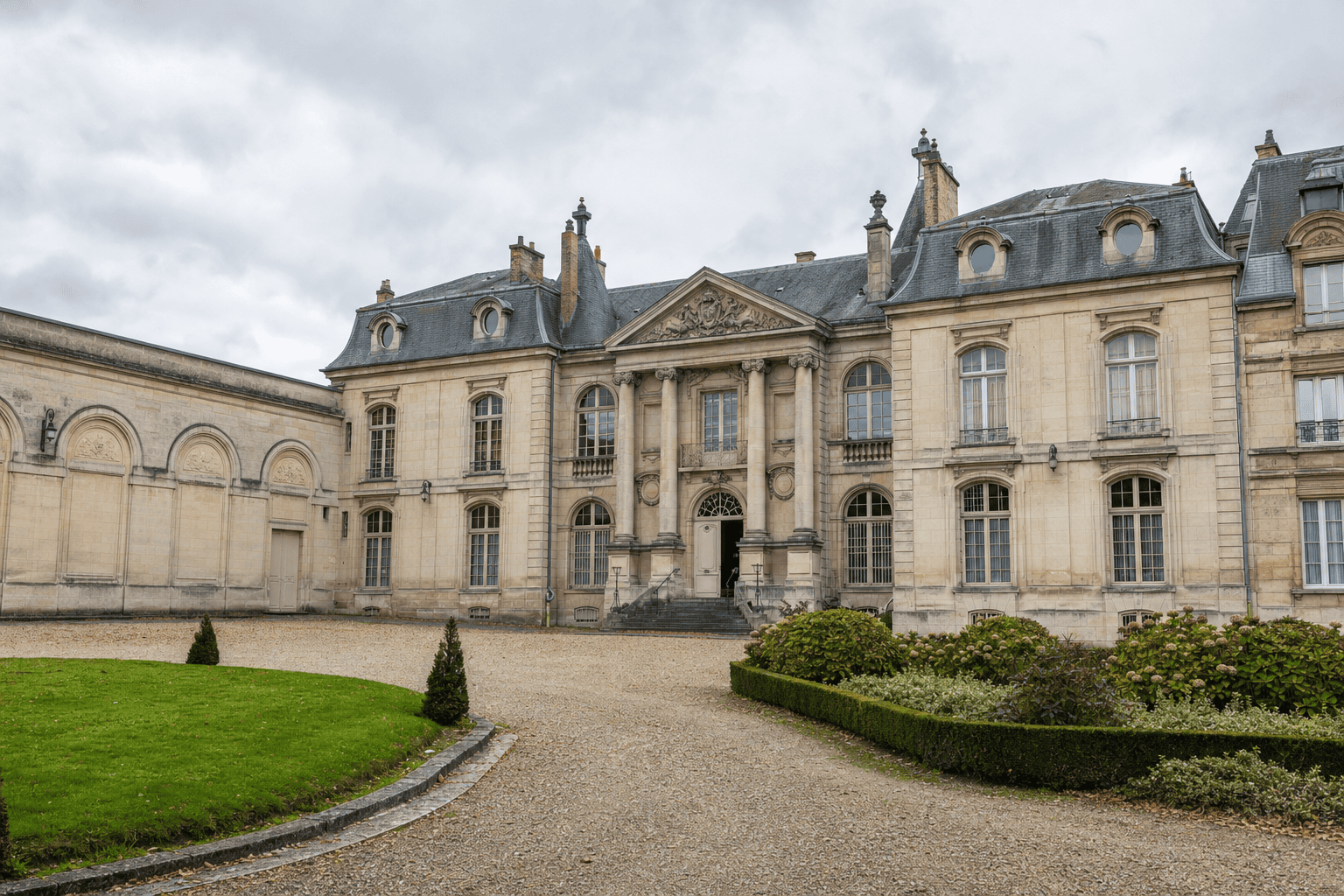
Antoine Vivenel Museum and Figurines in Compiègne
Compiègne
In the heart of Compiègne, the Antoine Vivenel Museum and the Historical Figurine Museum offer two complementary ways to explore the city’s heritage. The first presents collections of art, archaeology and decorative arts, assembled in part through the donation of collector Antoine Vivenel. The second recounts historical episodes through carefully arranged figurines and miniature scenes. Both fit easily into a day devoted to Compiègne Palace, Saint-Corneille Cloister and the historic center. This stop suits families, history enthusiasts and visitors looking for a cultural outing from Paris. Check opening hours, prices, access conditions and any changes to the visitor route with the museums before traveling.
Practical information
Combine the museums with the imperial palace, Saint-Corneille Cloister and a stroll through the historic center. Check official information when planning your visit, especially opening hours, prices and which rooms are accessible.
Travel from Paris to Compiègne with a private chauffeur
For a cultural day trip without transfers, book transportation from Paris, your Paris hotel, Paris-Charles-de-Gaulle or Paris-Orly to Compiègne. Booking Paris Transfer can arrange the journey around your itinerary, with a return trip to Paris available. You can therefore combine both museums with the imperial palace or plan a stop in the Compiègne Forest. The service covers transportation only; admission tickets and guided tours are not included.
Departure from Paris, Île-de-France, CDG or ORY; return to Paris or an itinerary beginning in Paris.
Why visit these two museums in Compiègne?
Compiègne is often associated with its imperial palace and extensive forest, but its municipal museums add further depth to any visit. The Antoine Vivenel Museum offers a tour built around the diversity of its artworks and objects. The Historical Figurine Museum, by contrast, focuses on miniature reconstructions and visual storytelling. This difference in format makes them especially interesting to combine in a single day.
The visit can appeal to a range of interests. Art and archaeology enthusiasts will find collections at the Antoine Vivenel Museum spanning different periods and techniques. Visitors passionate about military history, costumes or models may be more drawn to the displays at the Historical Figurine Museum. For families, alternating between objects, paintings, sculptures and miniature scenes helps keep the experience varied.
These museums are also useful when the weather makes a walk in the forest or palace grounds less enjoyable. Their central locations make it possible to plan an itinerary without a lot of travel between stops. It is still best to check the official schedule: a temporary exhibition, conservation work or route change may alter the experience.
The Antoine Vivenel Museum: a collector and a varied collection
The Antoine Vivenel Museum is named after an entrepreneur, architect and collector from Compiègne. In the 19thth century, Antoine Vivenel assembled a significant collection of artworks and objects before donating it to his city. His project was based on the idea of a study museum that would be encyclopedic, educational and accessible. This history partly explains the variety of the museum’s current displays.
The collections include archaeology, fine arts, sculpture, decorative arts and various civilizations. Depending on the galleries open to the public and the displays currently on view, visitors may move from ancient objects to more recent works, then encounter very different materials, forms and uses. The museum’s richness lies less in a single chronological narrative than in the opportunity to compare cultures and techniques.
An attentive visit benefits from having a theme in mind. With children, you might look for depictions of animals, everyday objects or recognizable materials. Adults can spend more time exploring the story of the Vivenel donation, the purpose of the objects and the links between collecting, education and local heritage. For precise information about open galleries and the collections on display, refer to information published by the museums of Compiègne.
The Historical Figurine Museum and its dioramas
Located at 28 place de l’Hôtel de Ville, the Historical Figurine Museum offers a spectacular approach to history. Its display cases and dioramas stage figurines in settings evoking military, political or civilian events. The Napoleonic period plays an important role in the museum’s identity, but the displays are also interesting for their comparison of uniforms, equipment, armies and historical contexts.
The miniatures reward a gradual approach. First take in the scene as a whole to understand its composition, then move closer to examine the details: flags, horses, weapons, postures, costumes and architectural features. Relief, color and scale all contribute to reading each diorama. This attention to detail helps explain the museum’s appeal to families, model enthusiasts and visitors who appreciate craftsmanship.
To give your visit some structure, start by identifying the period or event being presented. Then consider what the arrangement of the figures suggests: a progression, a battle, a ceremony or a scene from everyday life. This approach turns observation into an investigation and prevents the displays from becoming merely a succession of small figurines. Check the official source for practical information and any temporary presentations.
Planning a route through central Compiègne
Both museums are in central Compiègne and can be included in a walking itinerary with several monuments. The Antoine Vivenel Museum, on rue d’Austerlitz, is located near the palace and the historic heart of the city. The Historical Figurine Museum, on place de l’Hôtel de Ville, continues the walk toward a central area that is easy to identify through its urban and historic surroundings.
One possible itinerary is to start at the imperial palace, then visit the Antoine Vivenel Museum before continuing to place de l’Hôtel de Ville. The Figurine Museum can be the second cultural stop, after a break downtown. Saint-Corneille Cloister and Songeons Park can round out the visit afterward, depending on the time available and opening conditions.
From the train station, the historic center is walkable, but the exact duration depends on the route, your pace and any construction work. Visitors with limited mobility or a stroller should check each establishment’s information before arriving, as accessibility may vary from one building to another. An up-to-date local map or route planner can also help identify pedestrian streets, construction areas and places to take a break.
Getting to Compiègne from Paris
The train is a practical way to reach Compiègne from Paris. Rail services connect Paris-Nord with Compiègne station, with schedules, stops and journey times that may vary by date. Before departure, check updated information from SNCF Voyageurs or the regional network, especially in the event of construction, a strike or service changes. From the station, the center and place de l’Hôtel de Ville can then be reached on foot or by available local transportation.
A car can be useful for combining the museums with the Compiègne Forest or Château de Pierrefonds. The route generally uses the A1, followed by roads leading to Compiègne. Traffic and parking conditions may vary during markets, events or tourist periods. Check local regulations and allow extra time before a booked visit or a fixed appointment.
For travelers who want to avoid transfers, Booking Paris Transfer can arrange private transportation from Paris, a Paris hotel, Paris-Charles-de-Gaulle or Paris-Orly to Compiègne, with a return trip to Paris available. This service covers transportation only; admission, guided tours and museum reservations must be arranged separately.
Practical Tips for a Successful Visit
The two museums are best visited in different ways. At the Antoine Vivenel Museum, take time to read the labels and connect the objects with their period, material or function. At the Historical Figurine Museum, observing the scenes and details requires more distance and concentration. A break between the two museums can help children remember what they saw and compare the two forms of storytelling.
Opening hours, prices, free admission, reservation procedures, access conditions and open areas may change. Check the official pages before traveling rather than relying on outdated information. Temporary exhibitions and construction work may also change the order of the visit or restrict access to certain rooms. If you are traveling as a group, also check any specific rules that apply to group visits.
Comfortable shoes are recommended if you add the palace, cloister and a walk through the old streets. For families, it is better to choose a few themes than to try to see everything quickly. Children can be given a small observation challenge: spot an animal, compare two uniforms or find a particular material. Visitors who want to extend their stay can check the program of the Compiègne and its surrounding area tourist office.
What can you see around the museums?
Compiègne Palace is the most obvious heritage addition. Once a royal and later an imperial residence, it helps explain the city’s political and residential role. Its apartments, collections and connection to the Second Empire extend the historical themes explored in the municipal museums. The National Museum of Cars and Tourism, located within the palace complex, may appeal to visitors interested in transportation, carriages, design and changing patterns of use.
Saint-Corneille Cloister offers another perspective on local history, with religious and medieval heritage. City Hall and the streets downtown provide opportunities to observe Compiègne’s architecture and urban layout. Songeons Park can serve as a break between visits, subject to access conditions and the weather.
With more time, the Compiègne Forest adds a landscape dimension to the excursion. Château de Pierrefonds is another notable outing in the Oise department, but you should check distances, schedules and traffic conditions. From Paris, a day can therefore combine the museums with a château or a walk, provided you do not overload the itinerary and allow for actual travel times.
Frequently Asked Questions
What are the addresses of the two museums?
Are the two museums close to each other?
How much time should I allow for the visit?
Is the visit suitable for children?
How do you get from Paris to Compiègne?
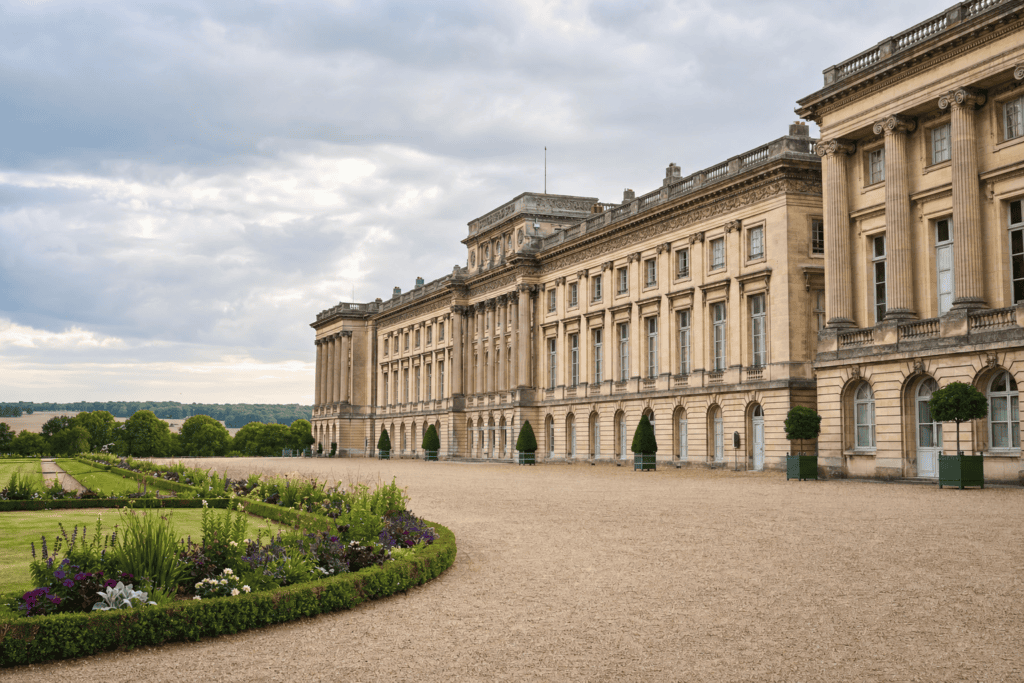 Château de Compiègne and Imperial Apartments A remarkable royal and imperial palace, with historic apartments, museums, a park, and the Compiègne Forest.
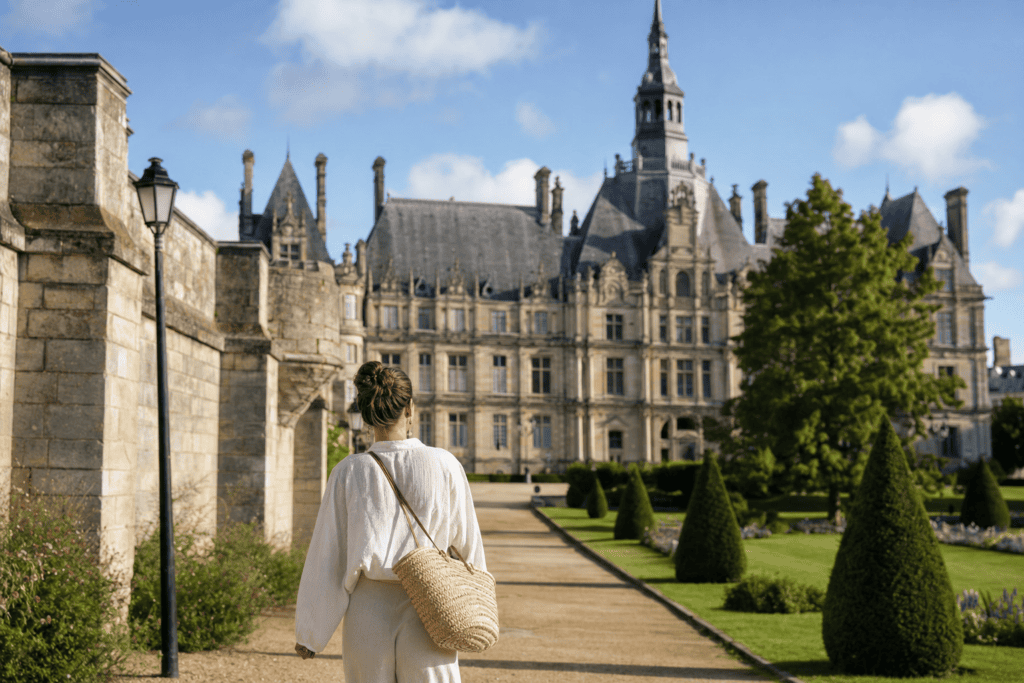 What to Do in Compiègne Without a Car from the Train Station A car-free itinerary from Compiègne station: imperial palace, museums, historic center, riverfront…
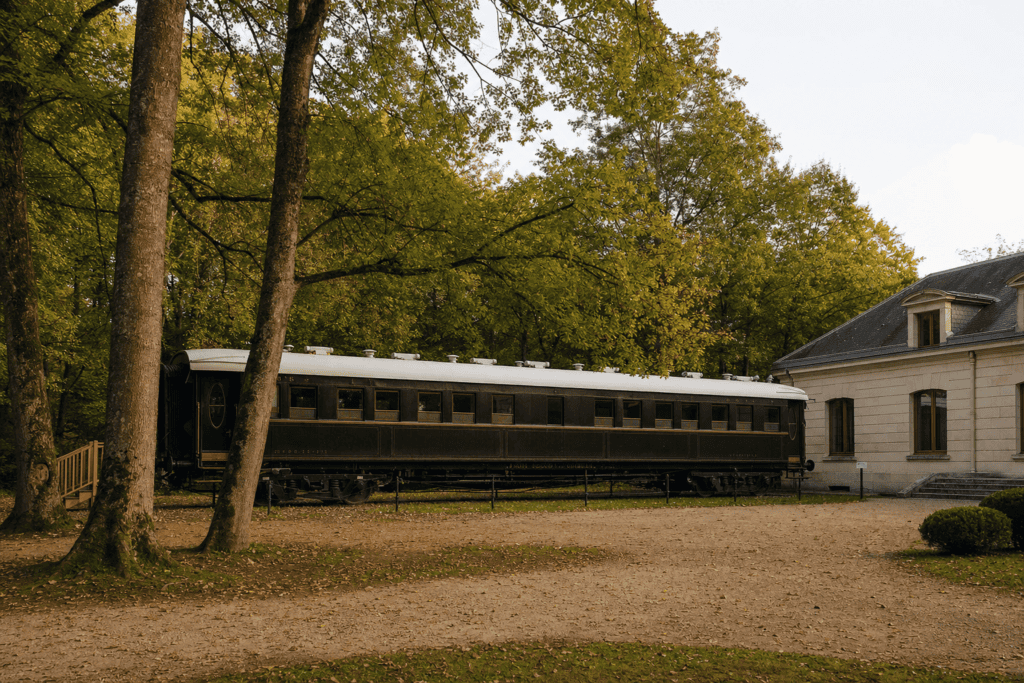 Armistice Clearing and Armistice Museum In the Compiègne Forest, a memorial site dedicated to the 1918 and 1940 armistices,…
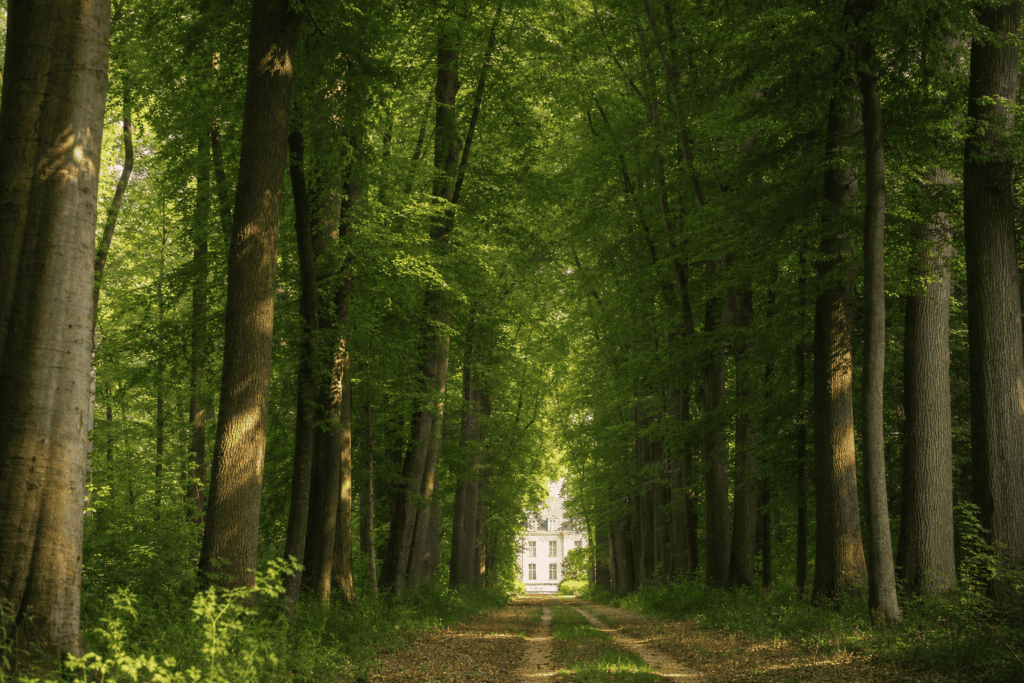 Compiègne Forest A historic forest near Compiègne, ideal for walking, cycling, observing nature, and connecting several…
Online booking · Paris → Antoine Vivenel Museum: 2 rue d’Austerlitz, 60200 Compiègne. Historical Figurine Museum: 28 place de l’Hôtel de Ville, 60200 Compiègne.
Choose your pickup date and time
Your departure and arrival details are already pre-filled. You can adjust them in the fare calculator before viewing the vehicles and fare.