



Compiègne Forest: A Guide to Walks and Heritage
Compiègne
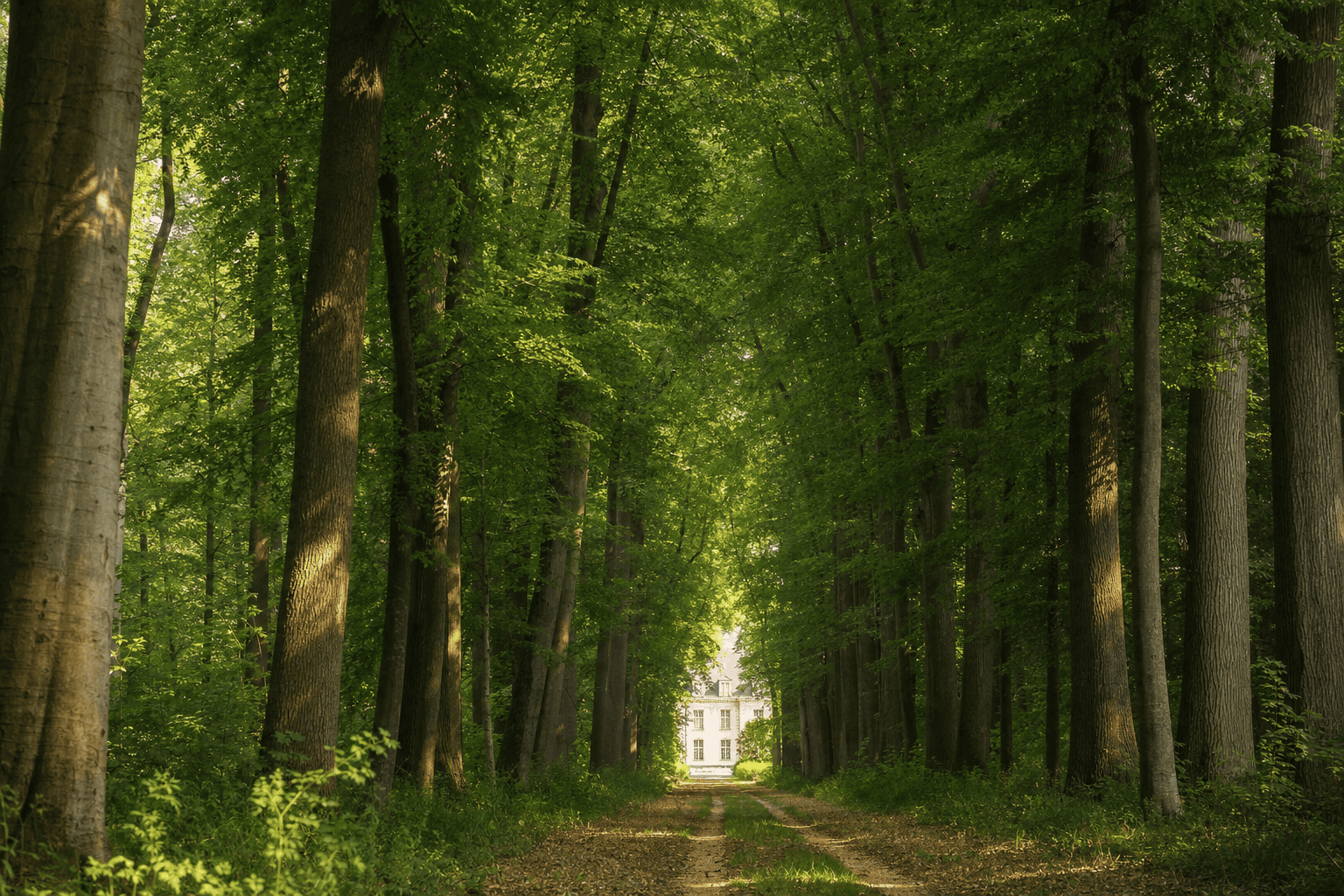
Just outside Compiègne, the national forest unfolds across a vast landscape of oaks, beeches, forest roads, ponds, and clearings. It is equally suited to a family walk, a full-day hike, or a bike ride toward Pierrefonds. Its distinctive character lies in its close connection to local history: the château park, Beaux-Monts, former forest crossroads, and the Armistice Clearing form a setting where nature and memory intersect. For a first visit, it is better to choose one specific area rather than try to cover the entire forest.
Practical information
Park only in authorized spaces, and never block barriers or forest roads. Bring water, suitable footwear, an offline map, and check ONF information before your hike.
Discover Compiègne Forest from Paris
Booking Paris Transfer can arrange a private transfer from Paris, your hotel in the Île-de-France region, Charles de Gaulle Airport, or Orly to Compiègne. For a tailor-made day trip, the itinerary can include a return to Paris and stops such as the Château de Compiègne, Rethondes, or Pierrefonds. Transportation covers the journey; visits, hikes, and any site admission must be arranged separately.
Transportation service departing from Paris, the Île-de-France region, CDG, or ORY; Booking Paris Transfer does not sell tickets and does not present itself as a local driver based in Compiègne.
A Historic Forest at the Gates of Compiègne
Compiègne Forest begins practically at the edge of the city. From the château park, visitors quickly move from landscaped vistas to wooded paths, making the destination particularly easy to include in a cultural stay. This proximity is one of its main advantages: you do not need to plan a separate excursion to enjoy the forest, although you should still choose an area because distances quickly become substantial.
The forest covers approximately 14,000 hectares and is one of France’s major national forests. Its network of roads and star-shaped crossroads reflects the layout associated with royal and imperial hunts. The straight avenues are therefore more than convenient paths: they form a historic landscape designed to organize movement and vistas.
A first visit can begin near the château, continue along the Beaux-Monts avenue, and return via paths close to the city. This option suits visitors who want to combine a walk, architecture, and photography without committing to a long hike.
Beaux-Monts and Forest Vistas
Beaux-Monts is the most emblematic area for understanding the relationship between Compiègne and its forest. From the château, the grand vista leads toward a wooded rise, giving the walk a monumental quality. The route is not entirely flat and may require moderate effort, but it remains accessible to visitors planning a leisurely outing with breaks.
The landscape changes with the seasons. In spring, the undergrowth takes on fresh colors; in summer, the tall trees provide welcome shade; in fall, the foliage and paths create excellent conditions for photography. After several days of rain, however, some sections may be muddy, especially on less-frequented paths.
The Beaux-Monts area also includes sensitive forest habitats, with old trees, ponds, and deadwood that support biodiversity. Stay on authorized routes, do not cross protective barriers, and avoid making noise near wetlands. Arriving in the morning or late afternoon offers softer light and often quieter conditions.
Hikes and Routes for Every Level
The forest offers a very wide choice of routes, but this abundance calls for a little preparation. For a short walk, the “Toute une histoire” trail at Mont Saint-Pierre offers a themed discovery route with information about the forest’s development. It is an interesting option for families and visitors who want to understand the area without spending the entire day walking.
Hikers can then create loops around Beaux-Monts, forest crossroads, the Saint-Louis ponds, or Vieux-Moulin. The actual duration depends on the starting point, terrain, and detours chosen. A recent map is preferable to relying solely on a route search on your phone, as coverage may vary and some paths may be temporarily altered by construction or maintenance.
The Armistice Clearing is better suited to a separate visit, especially if you want to take time to explore the memorial site. Before setting out, check information from the National Forests Office and the tourist office. Barriers, temporary signs, and detours should always take precedence over a route downloaded in advance.
Cycling, Horseback Riding, and Family Outings
Cycling allows you to cover more distance and connect several sites in the Compiègne area. Bike routes and forest roads serve different parts of the forest, alternating between long vistas, woodland, and villages. The route to Pierrefonds is especially appealing for combining forest and heritage, but allow enough time for the return journey and any breaks.
For a family outing, choose a short route near a clearly identified access point. Children tend to enjoy ponds, interpretive signs, and crossroads more than a long stretch without stops. A bike in good condition, water, and basic repair equipment are useful, as services are not available in every part of the forest.
The forest also welcomes horseback riders, runners, and Nordic walkers. Slow down at crossings, announce your presence when necessary, and give priority to designated activities. Forest roads may be shared with authorized vehicles or forestry equipment. This consideration is essential to preserve everyone’s peace and safety.
Château, Villages, and Places of Remembrance
A visit is more rewarding when it combines the forest with Compiègne’s heritage. The Imperial Château and its grounds are a natural starting point before continuing toward the forest vistas. Visitors can then explore Vieux-Moulin, whose surroundings reflect the longstanding relationship between the villages and the forest, or plan an excursion to Pierrefonds, famous for its restored château.
The Armistice Clearing, near Rethondes, has a different atmosphere. It recalls the signing of the armistices of November 11, 1918, and June 22, 1940. This is a place of remembrance to visit respectfully, taking time to read the historical information and understand the significance of the events commemorated. It should not be reduced to a quick photo stop in the middle of a hike.
Other features, such as former crossroads, historic roads, and traces of the area’s religious occupation, show that the forest is a landscape shaped by centuries of use. Combining a cultural site with a woodland loop creates a balanced day of history, walking, and local discovery.
Wildlife, Ponds, and Forest Management
The forest’s ecological richness comes from the diversity of its habitats. Large stands of oak and beech border ponds, streams, meadows, clearings, and wetlands. This variety supports forest birds, amphibians, bats, and insects that depend on old trees or deadwood. For wildlife watching, it is better to slow down and listen than to try to get closer.
The Saint-Louis ponds and protected areas of Beaux-Monts illustrate the importance of these habitats. Some areas are subject to conservation measures or temporary restrictions. Do not pick plants, feed animals, or let dogs roam when signs require them to be controlled. Respecting fences and trails protects both habitats and visitors.
Forest management may result in logging, maintenance work, route changes, or the temporary closure of a path. These measures serve safety, forest regeneration, and climate adaptation objectives. They may change the appearance of an area without diminishing the forest’s overall appeal. The ONF’s up-to-date information remains the best reference before setting out.
Access, Parking, and Practical Tips
For a first visit from Compiègne, the château park and Beaux-Monts area provide an easy-to-find reference point. Travelers arriving by train can reach the city center and then continue on foot or by bike, depending on their chosen route. Drivers should not think of the forest as a site with one central parking lot: spaces are distributed across different areas and should be found only in authorized, signposted locations.
For Mont Saint-Pierre, Vieux-Moulin, or the Armistice Clearing, plan the starting point separately and check local parking before traveling. Do not park in front of a barrier, on a forest road, or on a shoulder that could obstruct emergency services or forestry operations. Half a day is enough for a loop near Compiègne; a full day is more realistic if you add Rethondes or Pierrefonds.
Conditions may change because of hunting, maintenance work, events, or specific risks. Check the ONF, the tourist office, and, if necessary, information from the Oise prefecture. Closed-toe shoes, water, a fully charged battery, an offline map, and suitable clothing will make your outing more comfortable. The forest is accessible, but it should be visited as a large natural area, not as a fully developed urban park.
Useful sources
Frequently Asked Questions
Where should I start a first visit to Compiègne Forest?
Is there one central parking lot for Compiègne Forest?
Can I reach the forest from Compiègne train station?
Is the forest suitable for families?
Can I cycle to Pierrefonds?
Is the forest always accessible during hunting or maintenance work?
 Château de Compiègne and Imperial Apartments A remarkable royal and imperial palace, with historic apartments, museums, a park, and the Compiègne Forest.
 What to Do in Compiègne Without a Car from the Train Station A car-free itinerary from Compiègne station: imperial palace, museums, historic center, riverfront…
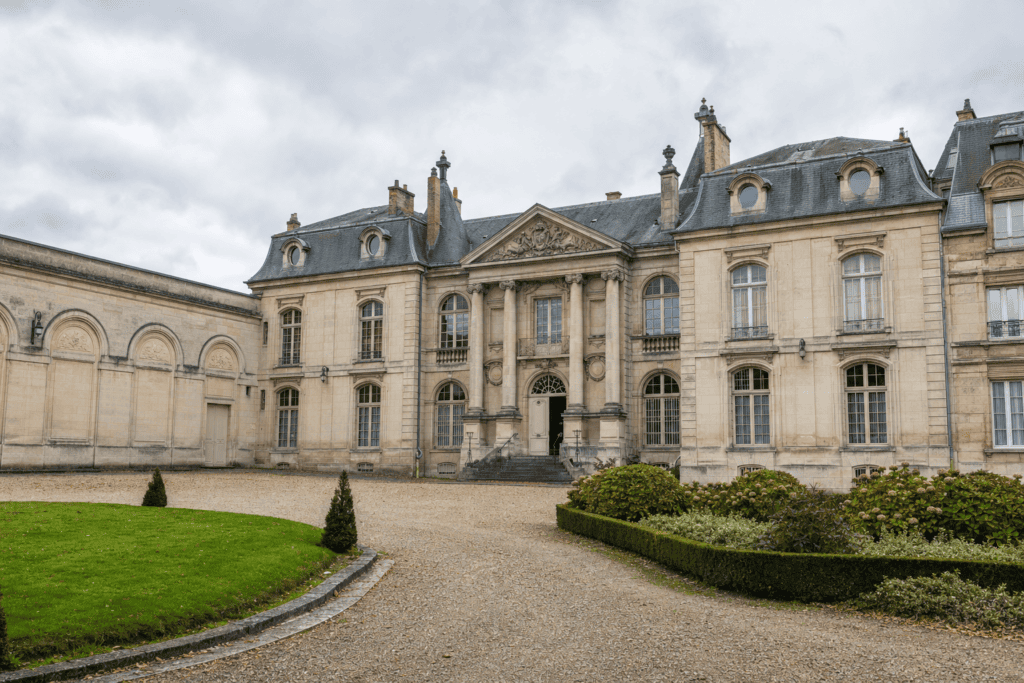 Antoine Vivenel Museum and Historical Figurine Museum Two museums in central Compiègne where you can explore art, archaeology, and history through their collections…
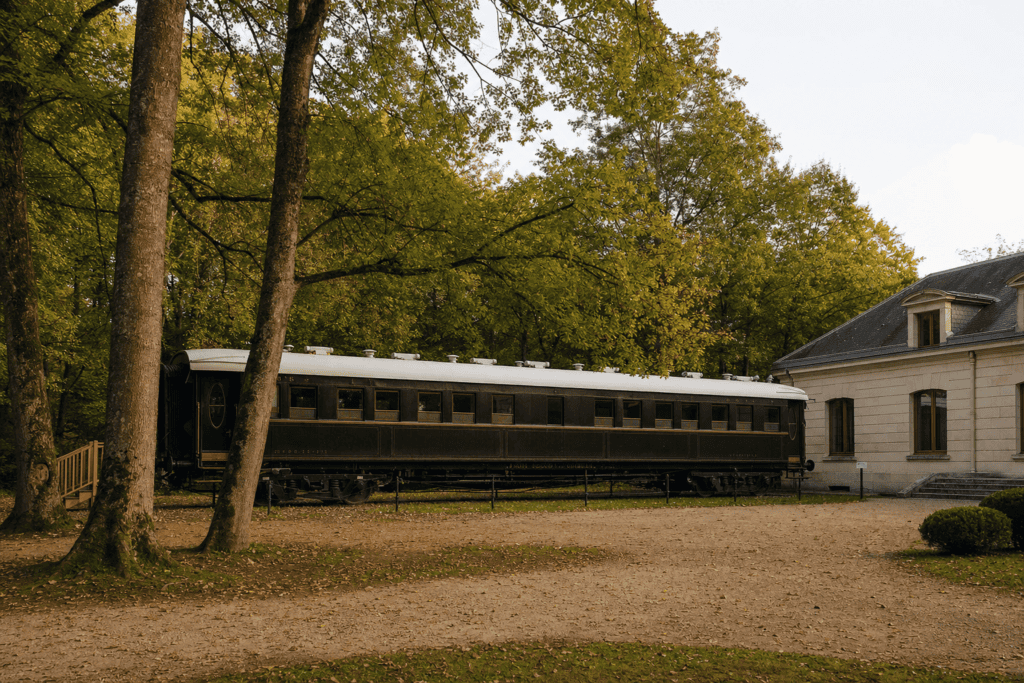 Armistice Clearing and Armistice Museum In the Compiègne Forest, a memorial site dedicated to the 1918 and 1940 armistices,…
Online booking · Paris → Recommended access: the château park and Beaux-Monts area in Compiègne; for the Armistice Clearing, follow signs to Rethondes and use the designated parking areas on site.
Choose your pickup date and time
Your departure and arrival details are already pre-filled. You can adjust them in the fare calculator before viewing the vehicles and fare.